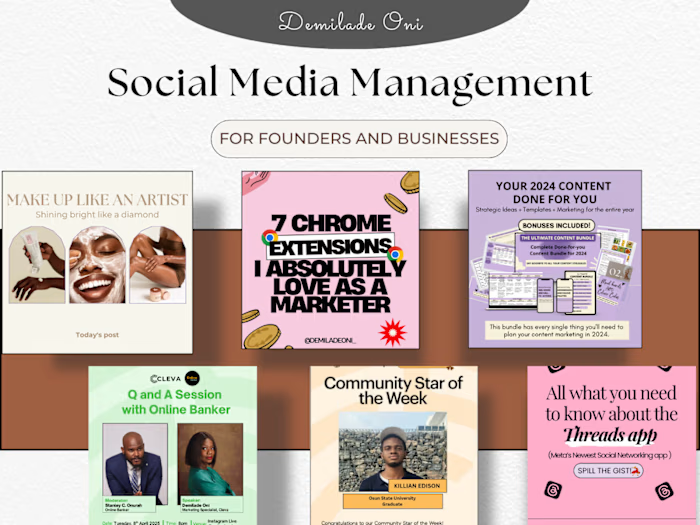
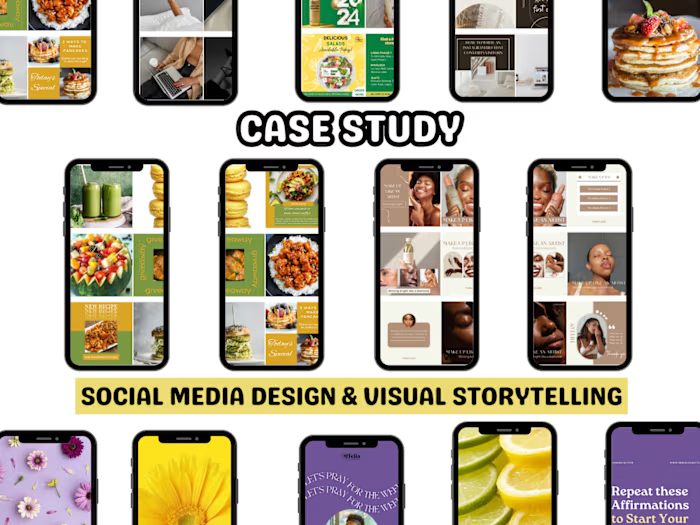
Comprehensive Social Media Strategy for Travel and Fashion

Demilade Oni


This case study demonstrates my approach to social media rebranding and strategy development. I specialise in creating comprehensive, actionable frameworks that transform unclear social media presence into professional, goal-oriented brand identities.
Project Overview
Client: Entrepreneur with three distinct brands in travel, fashion, and cultural consulting sectors
My Role: Social Media Strategist
Duration: Strategic planning phase (2 weeks)
Deliverables: Comprehensive social media strategy document, brand positioning framework, and multi-platform content roadmap
Situation
My client operated three interconnected but distinct brands:
Fifi and Friends: A travel and cultural exploration brand
Ima Closet: An African-inspired slow fashion brand
The Drape: A cultural production and consulting agency
The Challenge: Each brand had different target audiences, value propositions, and business goals, yet lacked a cohesive social media presence or clear positioning strategy. The client needed to establish credible, professional social media identities that would:
Attract their specific target demographics
Position them as authorities in their respective fields
Drive measurable business outcomes (consultations, sales, partnerships)
Task
I was brought in to develop a comprehensive social media strategy that would:
Define distinct brand identities for each business while maintaining strategic synergy
Identify and profile target audiences with actionable demographic and psychographic insights
Establish platform-specific strategies optimized for each brand's goals
Create a scalable content framework with clear pillars and posting guidelines
Develop measurable KPIs aligned with business objectives
Action
1. Brand Audit & Strategic Positioning
I began by conducting an in-depth analysis of each brand to establish its unique positioning:
Defined brand voice parameters across 7 dimensions (casual-formal, friendly-professional, high-energy-reserved, etc.) to ensure consistent yet appropriate communication for each audience
Crafted distinct value propositions that highlighted what made each brand unique in its market
2. Audience Research & Persona Development
I developed comprehensive audience profiles including:
Demographics: Age ranges, income levels, education, occupation, geographic focus
Psychographics: Interests, motivations, challenges, behaviours, and influence sources
Pain points: Specific challenges each audience faced that the brands could address
For example, for Fifi and Friends, I identified the primary audience as university-educated professionals aged 25-45 in urban areas worldwide, with specific interest in African cultural heritage and disposable income for travel experiences.
3. Goal Setting & KPI Framework
For each brand, I established 3 core goals with specific, measurable KPIs:
Fifi and Friends: Brand awareness (reach, impressions, follower growth), engagement & consultations (website traffic, DM inquiries), and thought leadership (content sharing, partnerships)
Ima Closet: Brand recognition, sales & traffic, and community building
The Drape: Visibility, audience engagement, and attracting distribution/sponsorship partnerships
4. Platform Selection & Strategy
Rather than spreading thin across all platforms, I strategically recommended specific channels based on each brand's audience behaviour and content strengths:
Strategic rationale: The Drape needed LinkedIn to reach high-net-worth art collectors and secure B2B partnerships, while Pinterest was ideal for the visual discovery nature of travel and fashion, but less relevant for B2B consulting.
5. Content Pillars
I developed a content pillar framework (4 pillars per brand) that would guide all content creation:
Example - Fifi and Friends:
Cultural Exploration (destination guides, traditions, culinary adventures)
Travel Inspiration & Planning (itineraries, tips, reviews)
Fashion & Lifestyle with Cultural Twist (styling on location, local beauty ingredients)
Community & Connection (spotlights, collaborations, interactive sessions)
Each pillar included specific content examples and formats to ensure variety and engagement.
6. Visual Identity & Mood Boards
I created mood boards for each brand that established:
Photography style and aesthetic direction
Colour palettes aligned with brand personality
Visual examples to guide future content creation
7. Execution Framework
I delivered:
Platform-specific posting strategies (frequency, content types, engagement tactics)
Weekly content themes mapped to days of the week
Hashtag strategy across 8 categories (niche, community, location, industry, etc.)
Content calendar template ready for implementation
Results
Strategic Deliverables Created:
✅ 35-page comprehensive strategy document covering all three brands
✅ Complete audience personas with demographics, psychographics, and behavioural insights
✅ 12 content pillars (4 per brand) with specific content examples
✅ 5 platform-specific strategies with tactical posting guidelines
✅ Custom hashtag frameworks with 8 strategic categories per brand
✅ Visual brand guidelines via curated mood boards
✅ Measurable KPI framework tied to specific business goals
Key Insights & Approach
What Made This Strategy Effective:
Audience-First Thinking: Rather than assuming platform presence, I researched where each target demographic actually spent time and what content formats they engaged with
Strategic Differentiation: Each brand received distinct positioning even though they shared an owner, preventing audience confusion and enabling targeted messaging
Practical Implementation: I didn't just provide theory. I created specific content examples, posting schedules, and hashtag lists that could be immediately actioned
Business Alignment: Every strategic recommendation tied back to measurable business outcomes, not vanity metrics
My Strategic Process:
Discovery: Deep-dive into brand values, audience needs, competitive landscape
Research: Demographic analysis, platform behaviours, content performance trends
Framework Development: Creating scalable systems (content pillars, hashtag strategy, posting themes)
Documentation: Comprehensive guides that enable consistent execution by any team member
Optimization Planning: Built-in KPIs and analytics recommendations for continuous improvement
Here's the strategic document below
Like this project
Posted Jan 13, 2026
Social media strategy developed for three distinct brands.