Contract Software: EasySign

Heidi Lichtfuss



🧭 Context
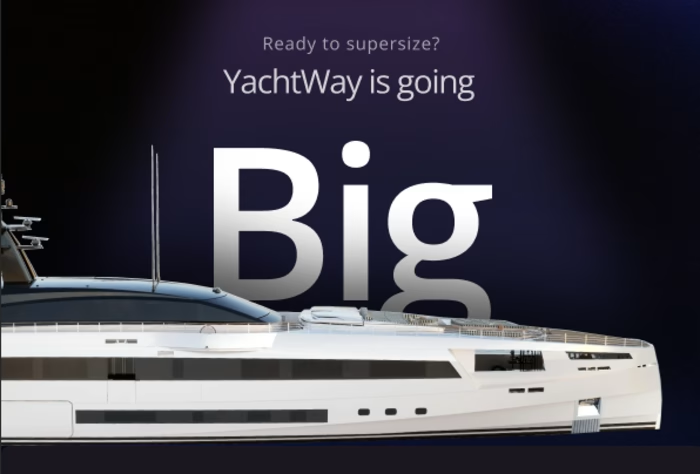
The yacht sales industry is notoriously behind in digital tools—especially when it comes to contracts. YachtWay set out to modernize this by building EasySign, a listing and sales agreement tool directly into their platform.
The goal: to streamline complex workflows into a cohesive, intuitive experience for brokers and sellers.
📝 My Role
I was brought in to give EasySign its name, voice, and content—from onboarding to error states. Working asynchronously from Figma files, I refined placeholder copy and created a consistent, human-centered tone throughout the tool.
✍️ What I Created
Product name: EasySign — designed to be accessible, friendly, and intuitive
Onboarding tour: A warm, step-by-step walkthrough to introduce users to the tool
Form copy: Clear labels and descriptions for listing/sales agreements
Microcopy: Tooltips, toast messages, modal buttons, and notifications
Email copy: Confirmation emails for completed contracts and user actions
🔧 Process
Since I didn’t have access to formal research or user interviews, I focused on:
Writing for clarity and calm—especially in legal contexts
Prioritizing progressive disclosure to avoid overwhelming users
Making sure every message answered: “What’s happening?” and “What should I do next?”
I also advocated for in-app guidance wherever I sensed friction or uncertainty.
📈 Outcomes
The product launched with consistent UX copy across touchpoints, and internal feedback pointed to increased contract speed and ease. While I didn’t get access to quantitative results, the clarity and warmth of the experience were well-received.
💭 What I’d Do Differently
I’d shorten the onboarding copy to be more action-oriented and explore opportunities for testing—like content validation or usability feedback. This project reminded me how much I value iteration and collaboration, especially in complex flows.
Like this project
Posted Jun 27, 2025
Complex contract software launched with consistent UX copy across touchpoints. Internal feedback pointed to increased contract speed and ease.
Likes
0
Views
6
Timeline
Jan 3, 2024 - Dec 20, 2024
Clients
YachtWay