AI Agent & SaaS Engineer for Product Teams

AI Agent & SaaS Engineer for Product Teams






AI agents & SaaS that automate business workflows
- $50k+
- Earned
- 2x
- Hired
- 5.0
- Rating
- 155
- Followers
AI agents & SaaS that automate business workflows

Software Development Expert, 13+ yrs exp

Software Development Expert, 13+ yrs exp
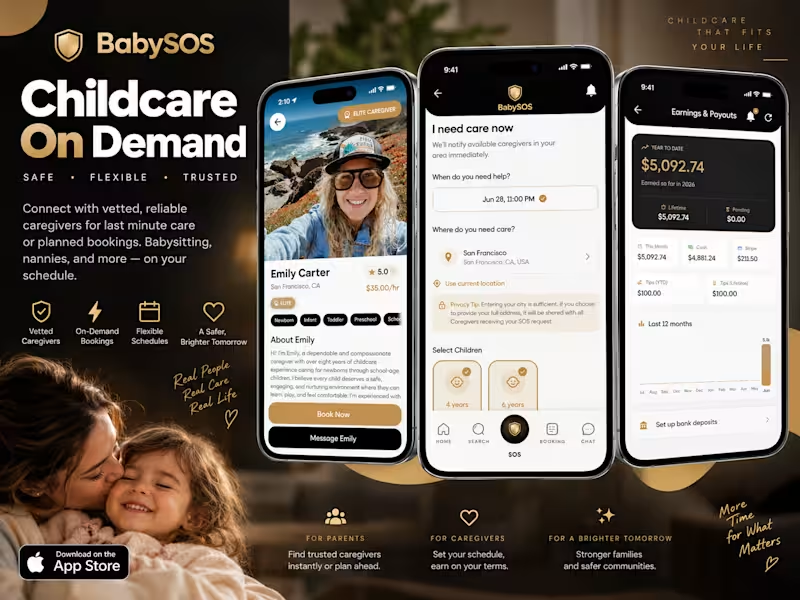
BabySOS: Childcare On Demand
BabySOS was built to solve one of the most stressful problems parents face: finding reliable childcare exactly when they need it. I developed a complete on-demand childcare marketplace that connects parents with vetted caregivers for both planned bookings and last-minute SOS requests.
The platform supports two distinct experiences within one ecosystem. Parents can create their family profile, search for caregivers, review experience and qualifications, communicate directly, manage bookings, and request immediate childcare through the SOS system.
Caregivers can build professional profiles, manage their availability and bookings, communicate with families, and track earnings and payouts from a dedicated dashboard.
A major focus of the project was making a fairly complex marketplace feel incredibly simple on mobile. The interface was designed around trust, speed, and accessibility, with clear booking flows, caregiver profiles, real-time communication, location-aware discovery, payments, and an emergency-style childcare request experience that allows parents to find available help quickly.
The result is a polished iOS platform that brings discovery, booking, communication, payments, caregiver management, and on-demand childcare into one cohesive product.
Services: Mobile App Development · Marketplace Development · UI/UX Implementation · Payments · Location Services · Real-Time Features · iOS Development
1
226

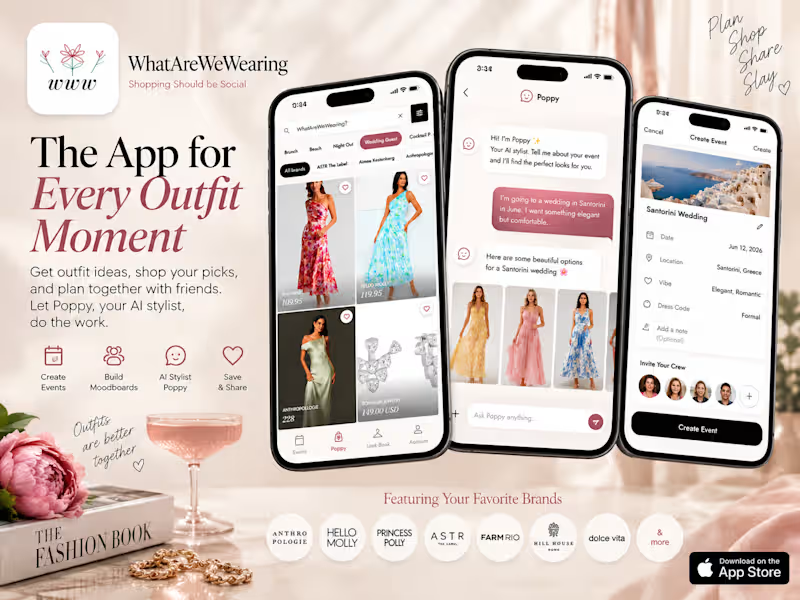
WhatAreWeWearing: Social Shopping Meets AI Styling
WhatAreWeWearing is a social fashion platform designed around a question everyone has asked before an event: “What are we wearing?” I helped bring the concept to life as a polished mobile experience where discovering an outfit, getting personalized recommendations, and planning what to wear becomes collaborative instead of overwhelming.
At the center of the experience is Poppy, an AI-powered personal stylist that helps users discover looks based on the occasion, aesthetic, size, budget, and other preferences. Rather than endlessly scrolling through products, users can describe what they need and receive relevant outfit inspiration from brands available throughout the platform.
The app goes beyond traditional fashion discovery by making shopping genuinely social. Users can create events, build moodboards and look books, save their favorite pieces, invite friends, share recommendations, and coordinate outfits together. Integrated brand discovery also makes it easy to move from inspiration to shopping without leaving the experience.
The result is a fashion platform that combines AI-assisted styling, social planning, event coordination, and e-commerce discovery into one cohesive mobile product, turning outfit planning into something users can actually enjoy with their friends.
Services: Mobile App Development · AI Integration · UI/UX Implementation · Social Features · E-Commerce Integration · Event Planning · iOS Development
1
230

Crafting Your Digital Presence 💻 😄


Building time series forecasting pipelines
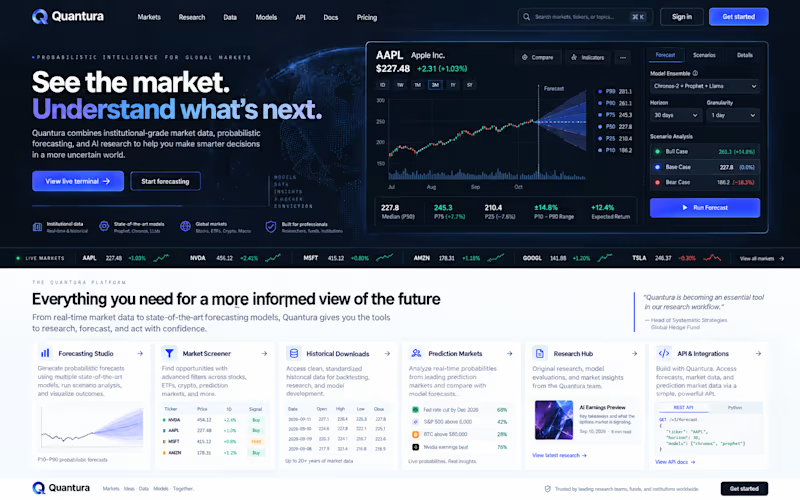
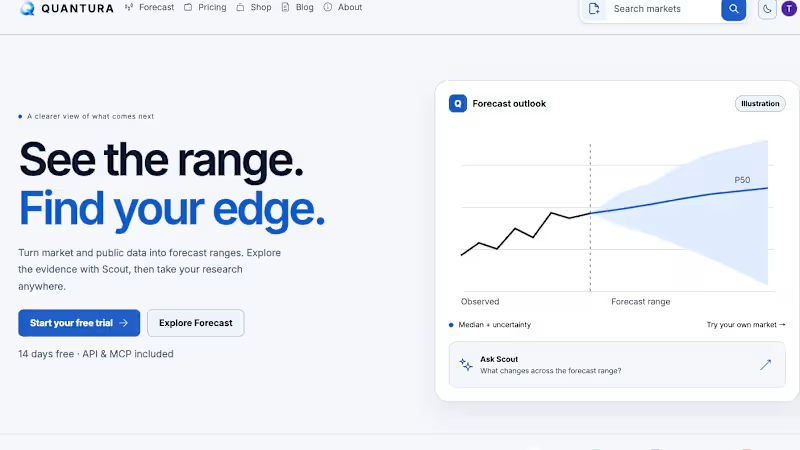
The work on display highlights Quantura, a market intelligence and stock forecasting platform.
The platform features a comprehensive suite of tools built for financial research and predictive modeling, including:
Forecasting Studio: Generates probabilistic forecasts (incorporating P10, P50, and P90 quantile thresholds) utilizing a model ensemble of state-of-the-art tools like Prophet, Chronos, and LLMs to run scenario analyses and visualize outcomes.
Market Screener: Filters across stocks, ETFs, crypto, and macroeconomic indicators to surface trading opportunities and signals.
Historical Downloads: Provides access to clean, standardized historical data spanning over 20 years for backtesting and model development.
Prediction Markets: Analyzes real-time probabilities from leading prediction markets.
Research Hub: Houses original research, model evaluations, and market insights.
APIs & Integrations: Offers programmatic access via REST API and Python to fetch market data, model forecasts, and prediction metrics.
0
77
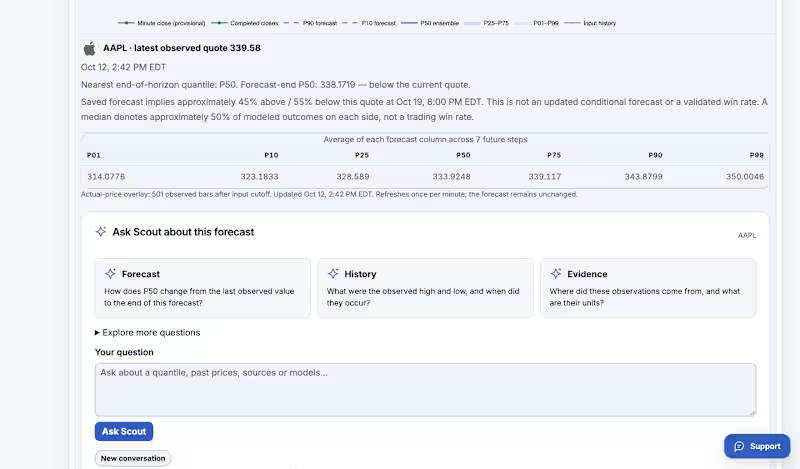
Scout: AI-assisted forecast research — Quantura
I built Scout inside Quantura to help users interrogate the history and forecast they are actually viewing. Three contextual question cards organize the experience around Forecast, History and Evidence.
Users can inspect median changes and uncertainty ranges, ask about observed highs and lows, and review data sources and units. Structured answers use the selected observations and forecast values as context.
The interface also supports chart annotations, user notes, saved conversations, and named CSV previews before forecasting. The goal is to make a forecast easier to inspect, explain and revisit.
My work combines TypeScript backend logic, a JavaScript research interface and interactive charting.
Explore: https://quantura.studio/forecasting
0
29
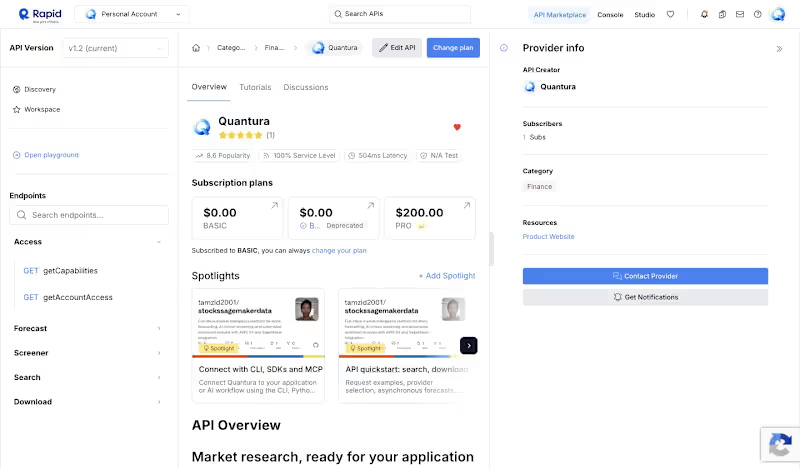
Forecast API, SDKs & OAuth MCP — Quantura
I built a shared Search → Download → Forecast API for Quantura so developers can move from a discovered market or dataset to historical observations and asynchronous forecast results.
The integration includes JSON/CSV exports, job status handling, provider and model metadata, scoped API access, and OAuth sign-in for MCP clients. Python and TypeScript SDKs plus a CLI provide reusable integration examples.
I also organized the public RapidAPI listing into clear endpoint groups, documented usage and authentication, and added examples for scheduled forecasting workflows.
This work is useful for teams connecting forecasts to their own apps, notebooks or AI tools.
Explore the API: https://rapidapi.com/tamzid2001/api/quantura2
0
34

Full-Stack Developer| Cloud AI/ML Software Engineer
Full-Stack Developer| Cloud AI/ML Software Engineer


Full-stack & AI engineer for web, mobile, and agents
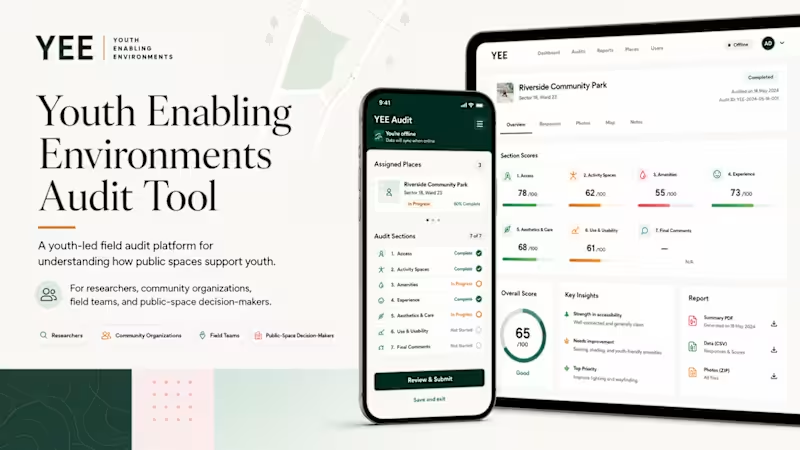
An auditor losing internet shouldn’t mean losing their work.
At Cornell’s DECA Lab, I built web and mobile audit tools for people working in places where connectivity is unreliable.
That constraint shaped the product: auditors needed to start an assessment, save progress, leave, and come back without starting over.
My work covered the mobile app, backend APIs, role-based access, and reporting, using React Native, Next.js, FastAPI, and PostgreSQL.
The most interesting engineering decisions were around what happens between screens: saving drafts, syncing after a connection returns, and protecting data when a workflow gets interrupted.
It’s the kind of work I enjoy: taking a messy, real-world process and turning it into software people can depend on.
If you’re building an internal tool, dashboard, or mobile product with workflows like this, I’d love to hear about it.
Check them out:
copa-tool.vercel.app
(https://copa-tool.vercel.app)yee-frontend.vercel.app
(https://yee-frontend.vercel.app)More of my work: pratyushsudhakar.com (https://pratyushsudhakar.com)
2
226

Full Stack Developer, 8+ Years Experience 🚀
Full Stack Developer, 8+ Years Experience 🚀