Framer Designer | Webflow and Shopify Expert
- $10k+
- Earned
- 7x
- Hired
- 4.6
- Rating
- 74
- Followers
Framer Designer | Webflow and Shopify Expert
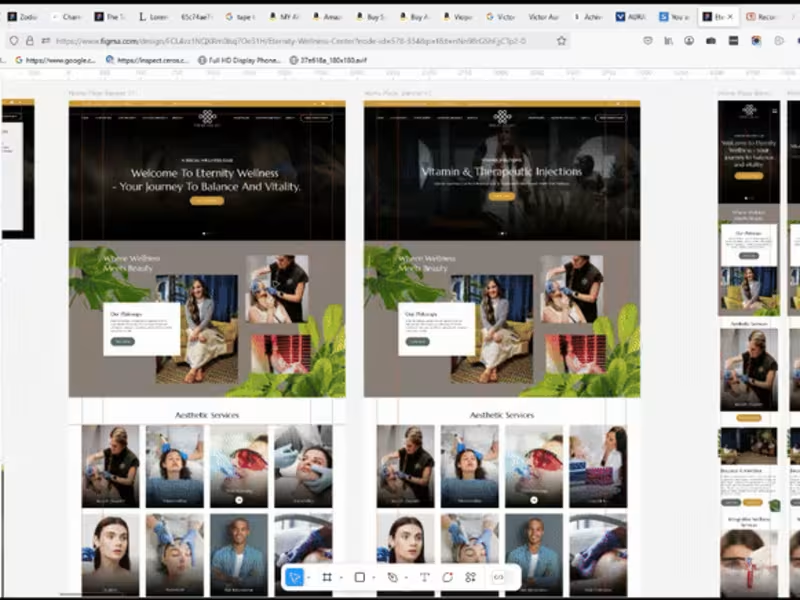
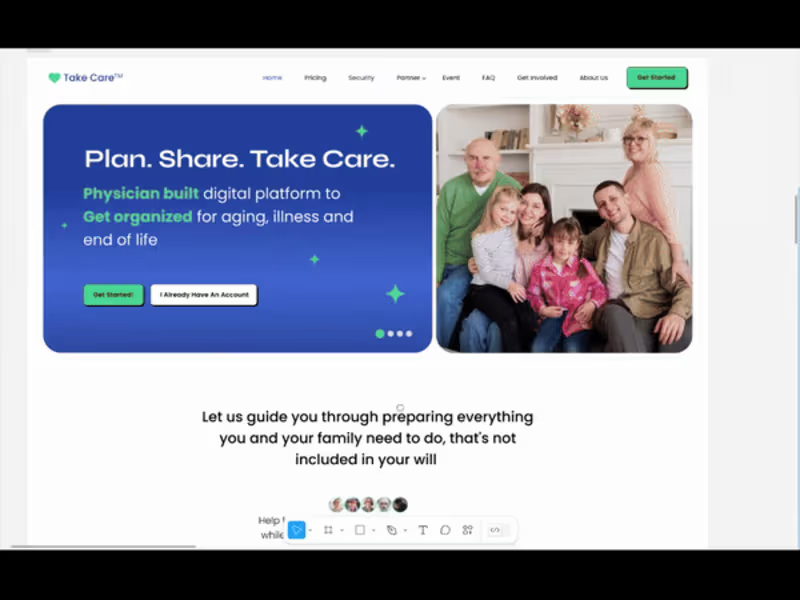
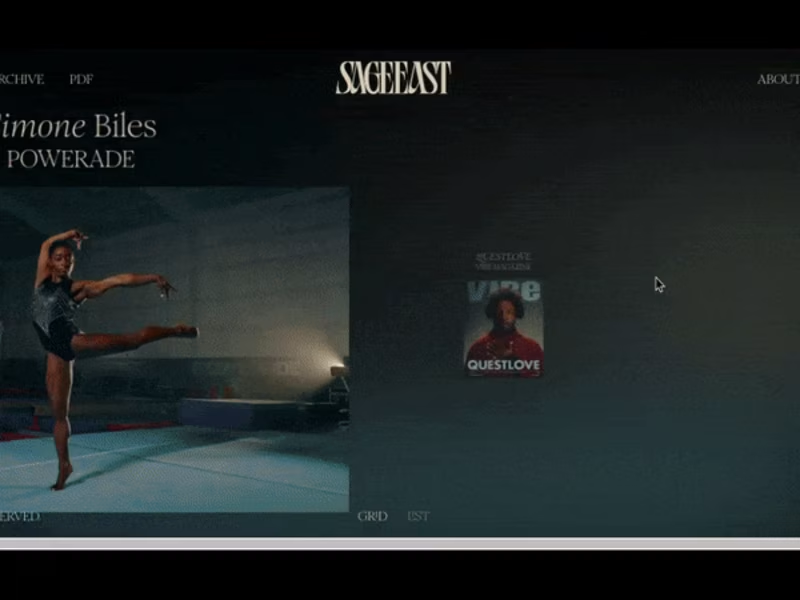


E-commerce & Local Business Websites | SEO Built In

IRYS is an AI-powered styling platform designed to help people discover their personal style and build confidence through what they wear.
Built using Figma Make, Figma Weave, Figma Design, Supabase, and Vercel, IRYS combines Style DNA, closet management, and personalized recommendations into a single experience.
For this project, I wanted to explore how Figma's ecosystem could take an idea from concept to a live product from design system and AI-generated imagery to development and deployment.
Live project: IRYSstyle.com (https://www.irysstyle.com)
#ConfigMakeathon #Figma
3
123
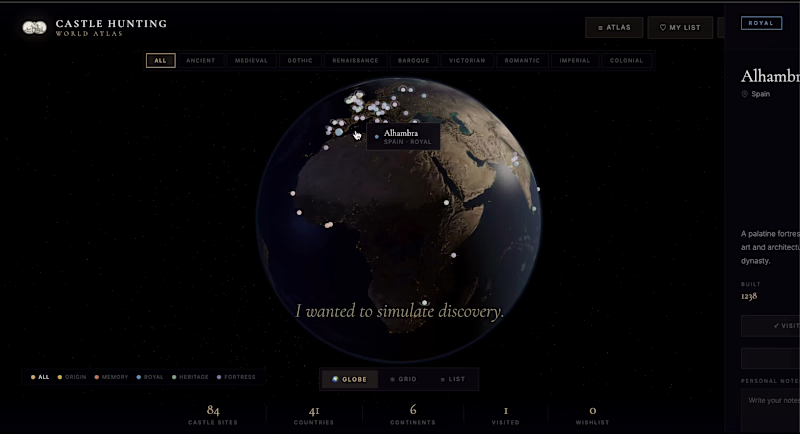
8-yr-old me discovered castles and palaces through TV docs. Now, adult me is building new ways to explore them.
I built The Castle Hunting Atlas, a 3D globe that transforms historical exploration into an interactive, spatial experience.
Each node represents a real location, allowing you to orbit, discover, and step into architecture, memory, and heritage across the world.
Built 100% in Omma.
🔗 https://omma.build/p/castle-hunting-3d-globe-e60qj0
X: https://x.com/VanceLaRoy/status/2039732713301622784
LinkedIn: https://bit.ly/4tuHIrX
8
25
1.1K

Castle Hunting — A Digital Exploration Experience 🏰
Inspired by Mobbin research:
• Airbnb → visual grid discovery
• Spotify → modular browsing
Reimagined into a story-driven platform for exploring castles around the world—featuring an atlas grid, region-based navigation, and a built-in Hunter’s Log.
Not booking. Just discovery.
🔗 https://flowing-bookings-800343.framer.app/
1
1
360
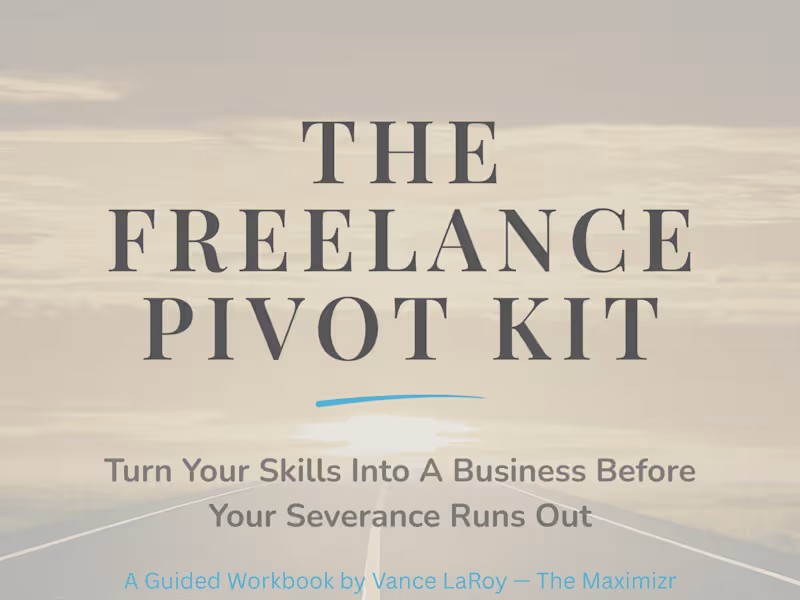
I want to say something to everyone laid off or sitting in a job application black hole right now. It's not your skills. It's the room.
I spent years being told "You're not cultural fit." I submitted hundreds of applications. I had to figure out — alone — how to price my skills, find clients, and build something real with no safety net.
I packaged everything I learned into "The Freelance Pivot Kit." A workbook that takes you from laid off to first invoice.
6 sections. Real prompts. Real framework. Instant download.
If you know someone who needs this please share it. $39. Built from real experience, not theory.
https://vancelaroy.gumroad.com/l/pivotkit
0
275

Problem-solver creating impactful digital experiences
Problem-solver creating impactful digital experiences
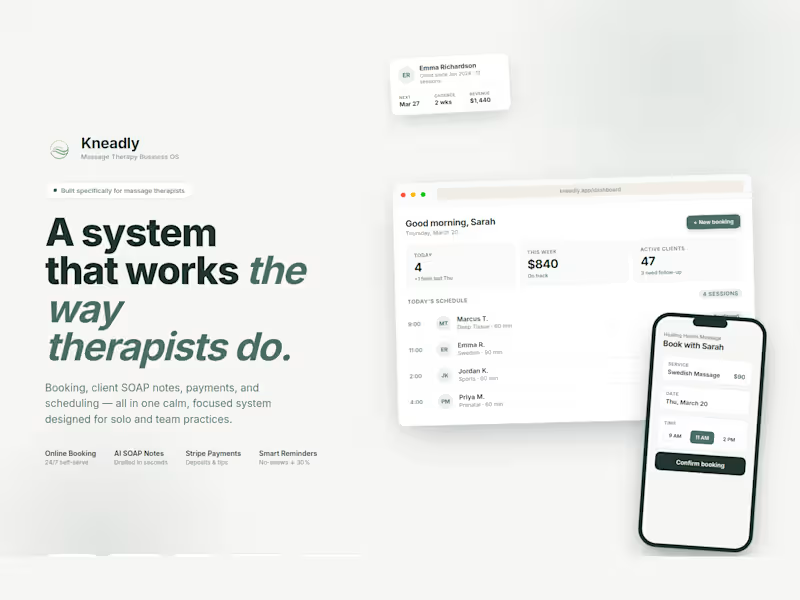
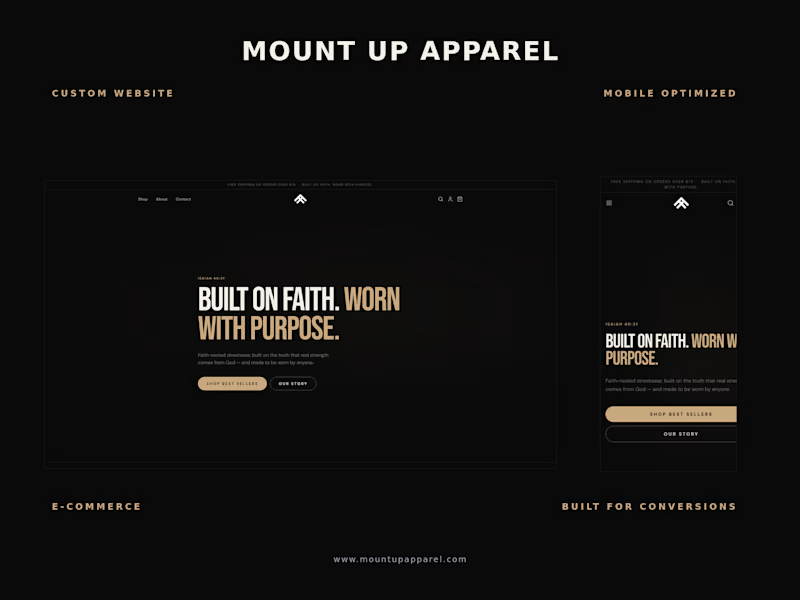
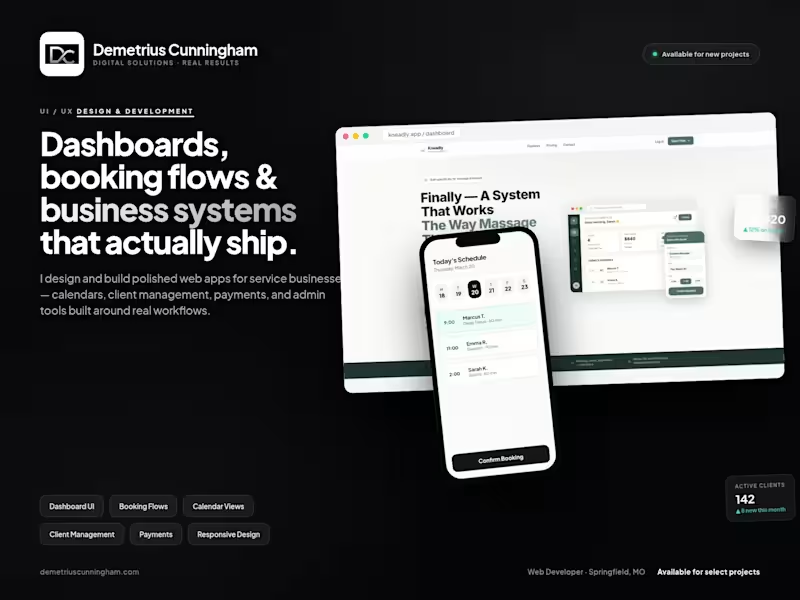
Been spending the last several months building websites and SaaS products focused on helping businesses improve customer experience, conversions, and overall online presence 👨💻
Currently working on:
• Custom business websites
• UX/UI improvements
• SEO + performance optimization
• Kneadly — a scheduling platform for massage therapists
One thing I’ve learned:
A lot of websites don’t fail because the business is bad, they fail because the experience is confusing, outdated, or hard to use on mobile.
Excited to keep building and connecting with other founders, developers, and business owners 🤝
#webdevelopment #saas #webdesign #ux
1
88

Creative Systems Partner | AI Product Builder
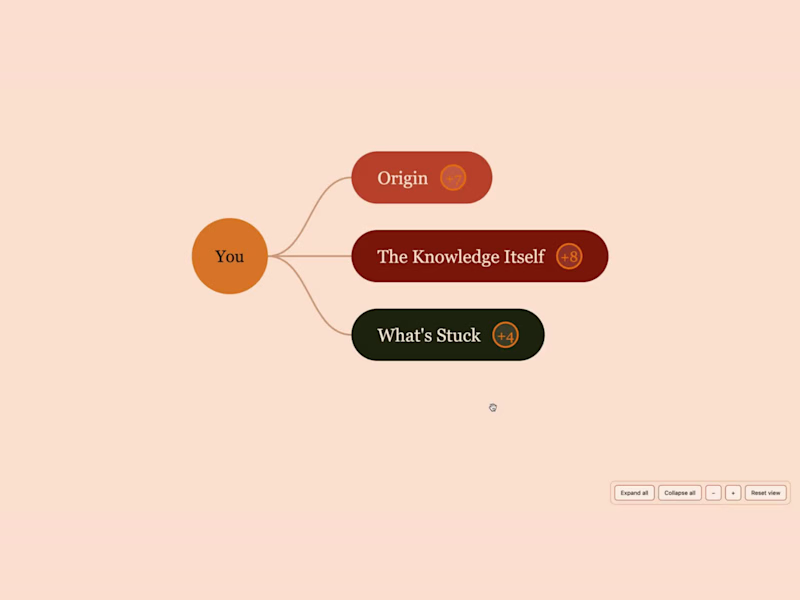
I build a lot of things to solve a problem I have first. The offer usually comes after, almost as a by-product — if I have this problem, maybe others do too. Body of Knowledge followed the same pattern.
It evolved out of several other offers I'd already built, and it started because I wanted to be interviewed. I find casually talking about my work helpful because I reach for the things in the back of the cabinet of my mind. The interview itself isn't something I run — Claude conducted it, one question at a time, following whatever thread flows instead of working down a fixed script. I designed how that whole process works.
I knew from the start I wanted the output to be a mindmap because I find this type of visual layout super helpful. A written version seemed worth including too, for anyone who might get more out of reading it, so that's part of the deliverable as well.
From there it was mostly solving smaller problems one at a time. Audio intake needed guardrails: a time range so people aren't guessing how long to talk, permission for the first take to be the only take, and a concrete first line for each prompt so nobody has to sit there trying to figure out where to start. The interview needed to skip the kind of questions that assume someone's expertise has already been noticed by a room, because a lot of real expertise never gets that kind of audience. And the review step needed a clear line between "this needs one more question" and "this needs to be reopened entirely."
Before I offered any of this to someone else, I ran myself through it. Twice so far, and I'll probably do it again. The first time, I dug into what musicians call "the pocket" — how a group locks into a shared feel together. The second time was about production, and that's the map you're looking at here. Running it twice, on two completely different pieces of my own experience, is the clearest way I know to show this actually works.
I have the MVP up and available, but the interview version is still being built — coming soon!
0
220
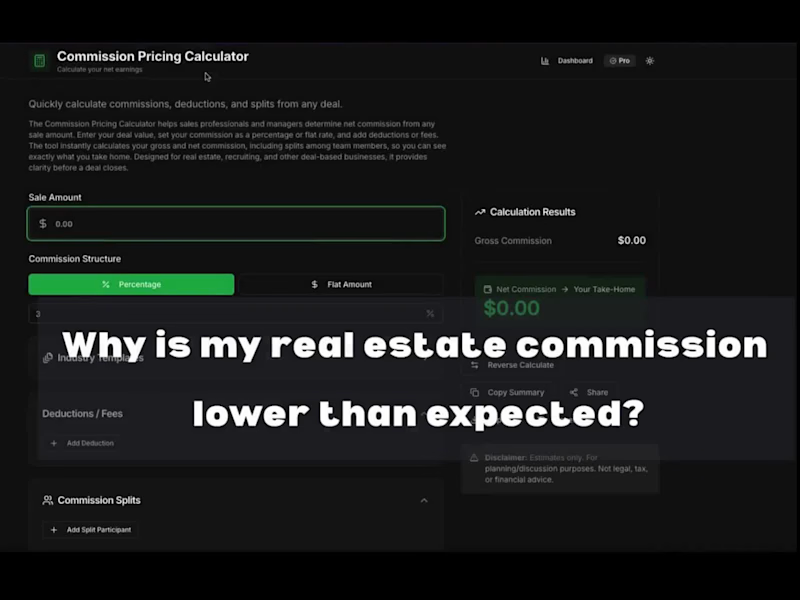
I have a friend who’s a business broker and has been in real estate for many years. Over the years, I’ve worked with him on an off with several of his projects. Additionally, a while back, I tipped my toe into the real estate investing area, so I have a good idea of some of the things the need to know.
The Commission Pricing Calculator was designed to help someone answer a more useful question than simply, “What is my commission?”
It helps them determine:
What will I actually take home from this deal after splits, fees, and deductions — and what needs to change if that number is too low?
The calculator supports both forward and reverse decision-making.
In forward mode, the user can model a deal and immediately see how changes in sale price, commission percentage, brokerage or partner splits, and fees affect the final net amount.
In reverse mode, the user can start with a target take-home amount and work backward to determine the deal size or pricing required to reach that goal.
The goal was to turn commission math from a static calculation into a practical scenario-planning tool.
Input/output structure
The calculator was structured around the pieces of information that materially change the outcome of a commission-based deal.
Inputs
Users can enter:
Sale or deal amount
Commission as either a percentage or flat amount
Multiple labeled fees or deductions
Fees as either percentages or fixed amounts
Multiple commission split participants
Splits as either percentages or fixed amounts
A target net commission when using reverse calculation
The inputs were designed to accommodate real-world deal structures rather than assume a single simple percentage calculation.
Outputs
The calculator returns:
Gross commission
Itemized fees and deductions
Itemized commission splits
Net commission / estimated take-home amount
Required sale or deal amount when reverse calculation is used
Saved scenario data for later comparison
A shareable or exportable calculation summary
The net result was intentionally given the strongest visual emphasis because it is the number the user is ultimately making the decision around.
The system also included validation so invalid percentages, negative values, or impossible split structures would not silently produce misleading results.
Everything recalculates in real time as inputs change, so the agent sees net commission move as they adjust the split or add a fee, rather than running the numbers once and reading a static result.
0
342
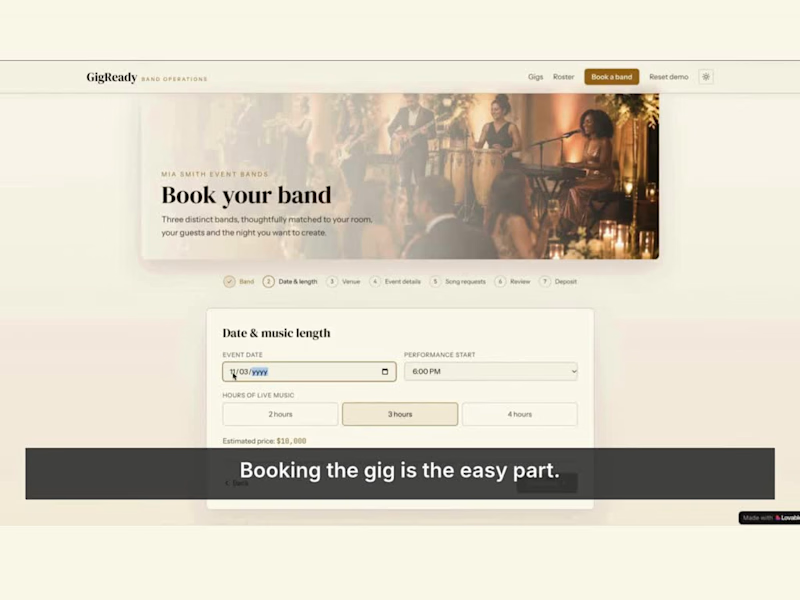
Maybe it was the "love" in Lovable that made me think of wedding bands the second I saw the challenge. The music, not the rings. 😂
I played a few weddings as a musician in Los Angeles, and I've been a music director and bandleader from time to time. I never ran several event bands at once - that’s really a whole thing. The people who do usually have an assistant, because the job may include most of the logistics: gigs coming in from managers, coordinators and websites, venue and load-in details for everyone, rehearsal space, new music when a client requests a song outside the standard set, travel, and finding a substitute when a regular player is booked.
Honestly, that would have been too much bandwidth for me, though being the key player in a couple of bands of different genres is a lot of fun. Leading one’s own bands can be one of the annoying consequences of just wanting to play music you like at a professional level.
The client-facing side (website, availability, booking, payment) is already well covered. The hidden work after the booking is the painful part, so I built for that.
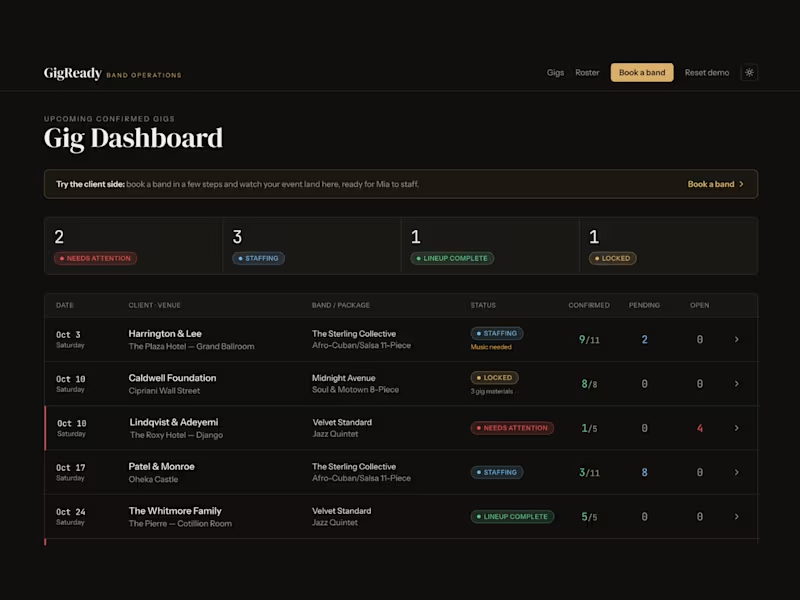
For the challenge, I created a bandleader named Mia Smith. She runs three premium event bands: Jazz, Afro-Cuban/Salsa and Soul/R&B. Each band has first-call musicians, but musicians take gigs when they come up. When a first-call player is out, Mia moves to her substitute list, waits for answers and tracks which chairs are filled. Substitutes and special requests also need charts and recordings. Then everyone needs the venue, call time, dress code, parking and load-in notes.
That's GigReady. It answers one question: what happens after the event is booked but before the band is ready to play?
Mia sees which gigs are staffed, who has confirmed and which positions still need attention. If a first-call player is unavailable, she goes straight to a substitute for that instrument. Once every chair is covered, she locks the lineup. GigReady builds the Call Sheet with what the musicians need and sends it to the band.
What surprised me was my own reaction to the first working version. I'm not gigging or managing musicians right now, and I still felt immediate relief. The gig was all in one place: who answered, which chair was open, and the logistics message already written.
That's when I knew GigReady was a real tool. It could have changed what kind of gigs I was willing to take.
1
1
398

UI/UX Designer | Product Designer | Graphic Designer
UI/UX Designer | Product Designer | Graphic Designer
View more →

Marketer driving growth, strategy, and launch.



UX design leader | AI-powered design | User Testing


UX design that’s intuitive, inclusive, and built for all.
UX design that’s intuitive, inclusive, and built for all.