Freelancers using GSAP in Greenford
Sign Up
Post a job
Sign Up
Log In
Filters
2
Projects
People
Ben Hammond
London, UK
Web development, unbloated.
$10k+
Earned
2x
Hired
5.0
Rating
50
Followers
Top
Certified Partner
Follow
Message
Web development, unbloated.
0
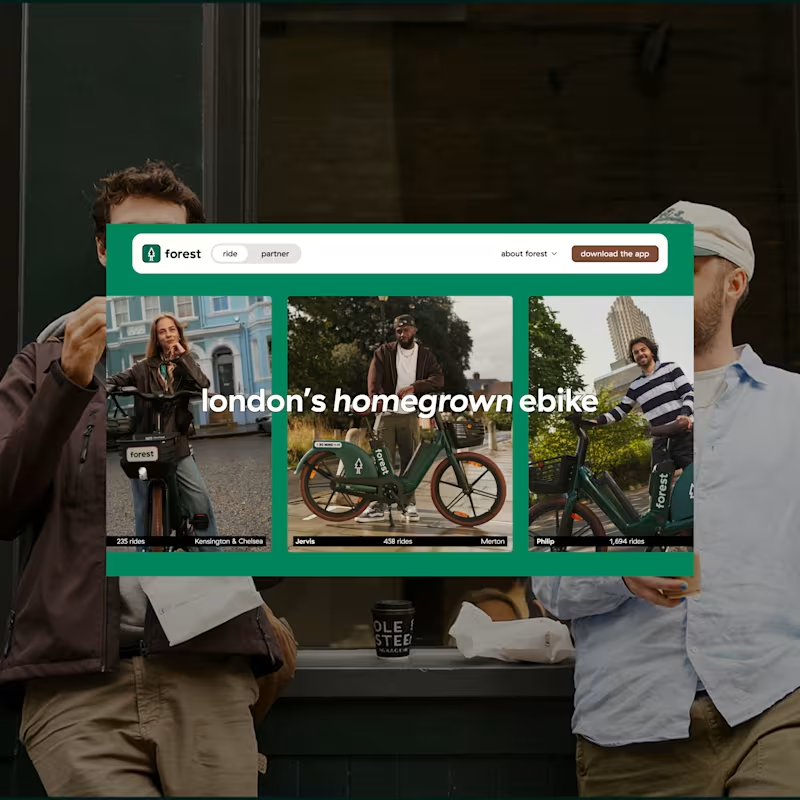
Forest: two websites merged onto one Webflow framework
0
7
2
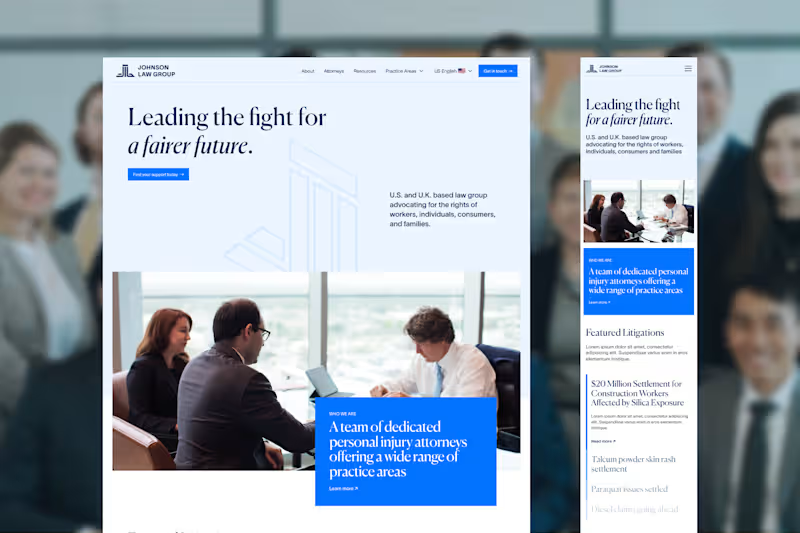
Johnson Law Group
2
40
40
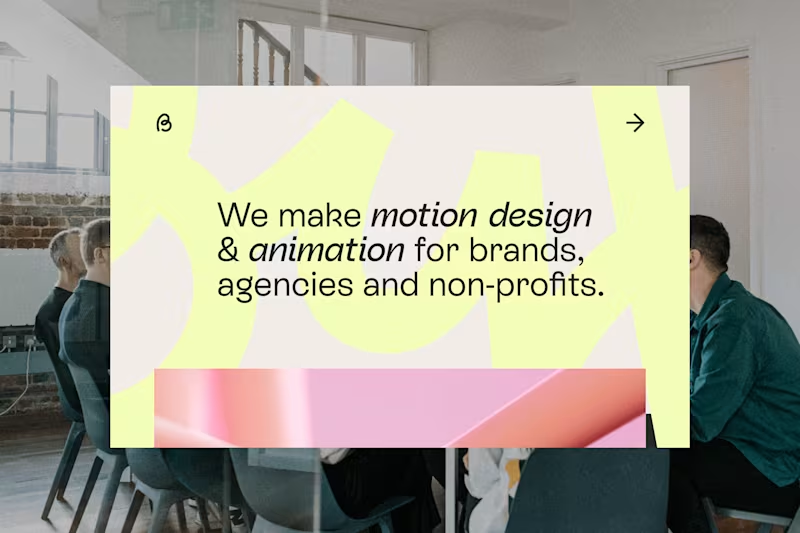
Buff Motion: Webflow migration with signature animation built in
40
344
1
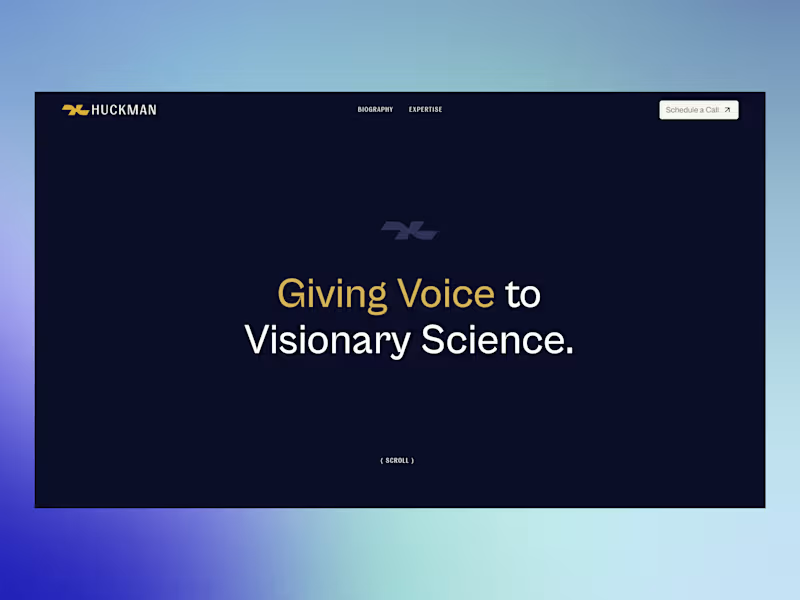
Huckman – One-Pager Web Design & Build
1
1
50
GSAP
(3)
Follow
Message
Shane Sayers
London, UK
Creating interactive, story-driven Webflow sites 🚀
5.0
Rating
2
Followers
Follow
Message
Creating interactive, story-driven Webflow sites 🚀
0
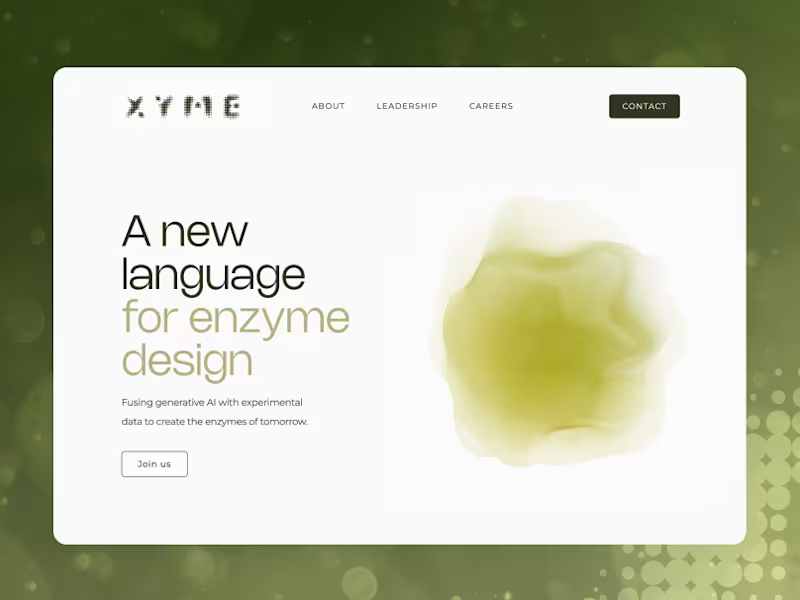
Xyme - Interactive Bio-tech site
0
4
0
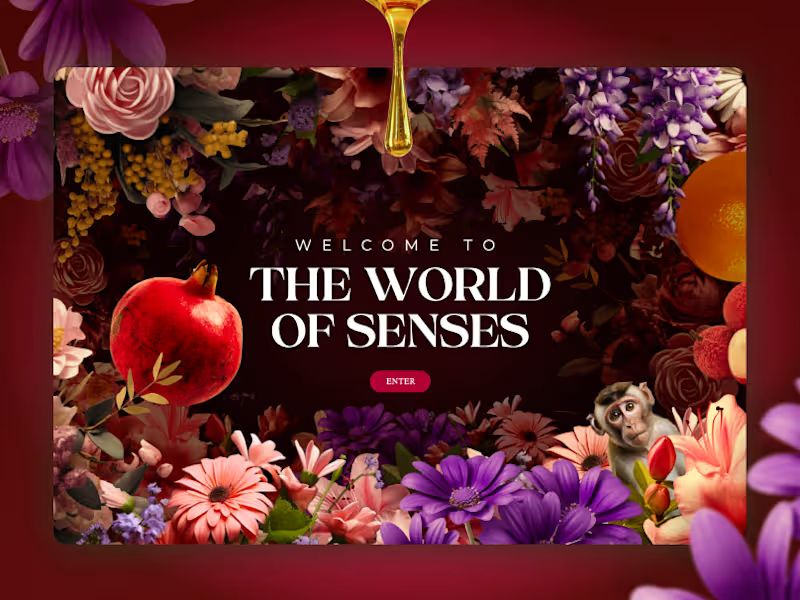
Senses International - Interactive Webflow site
0
7
0
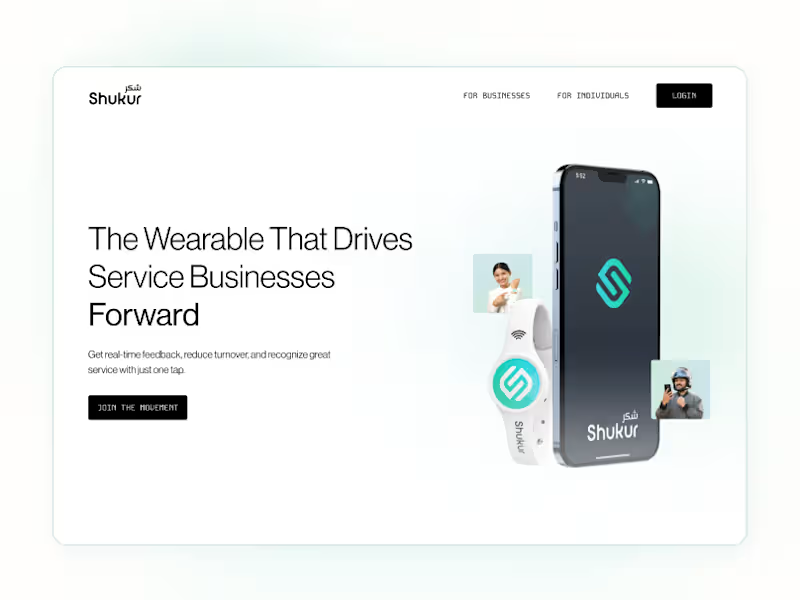
Shukur - Crypto Wearable Site Development
0
9
0
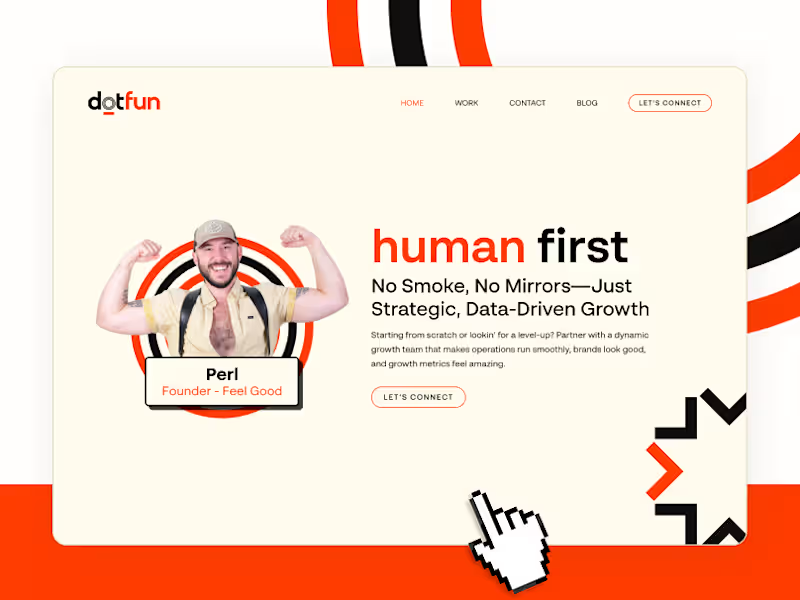
DotFun - Creative Agency Website Re-design
0
10
GSAP
(4)
Follow
Message
Samuel Gregory
London, UK
Snr Frontend & Content Creator
Follow
Message
Snr Frontend & Content Creator
0
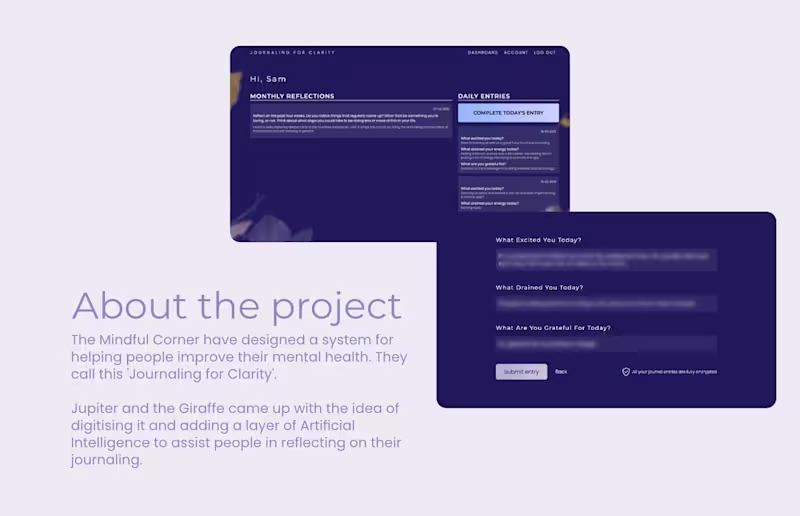
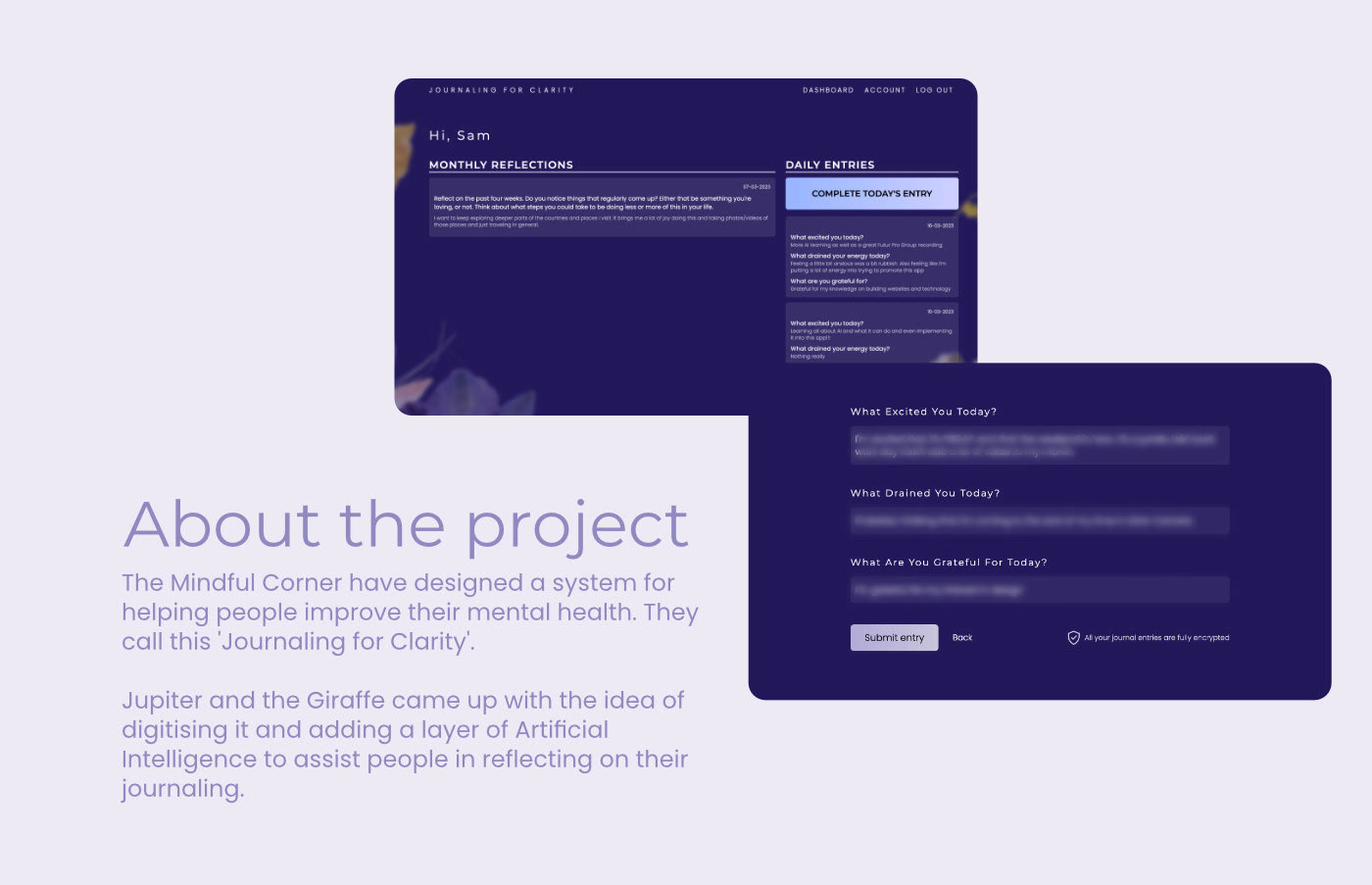
Journaling for Clarity | Web App and Landing Page Build on Beha…
0
10
0
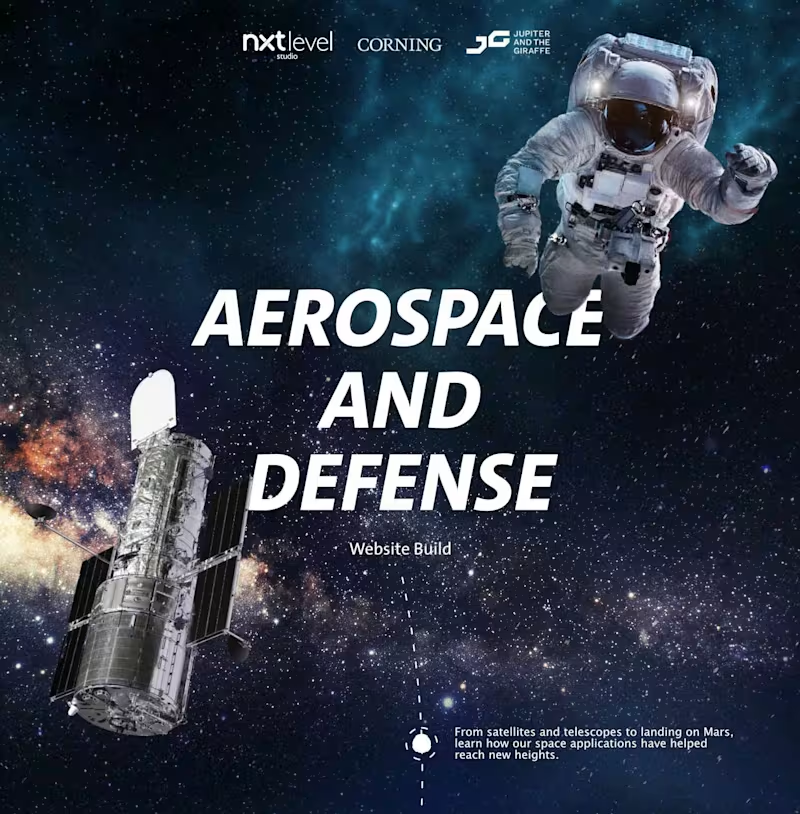
Corning | Aerospace and Defense | Website Build on Behance
0
23
0
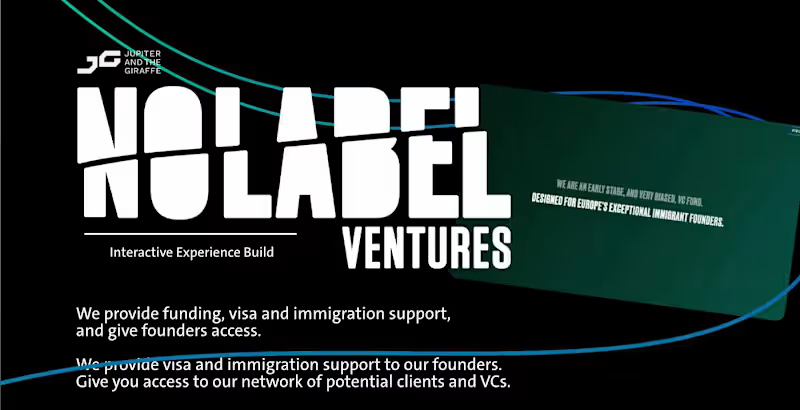
No Label Ventures | Immersive Website Build on Behance
0
29
View more →
GSAP
(3)
Follow
Message
Michael Ola
London, UK
Webflow Developer & UX/UI Designer
$25k+
Earned
19x
Hired
4.9
Rating
69
Followers
Certified Partner
Follow
Message
Webflow Developer & UX/UI Designer
2
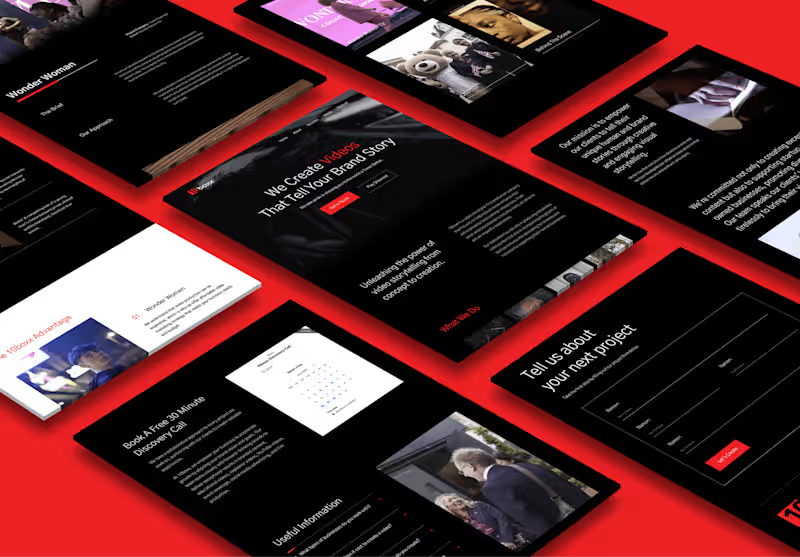
Enhancing the 10boxx digital gateway: From Okay to Amazing!
2
30
1
Is God Good
1
15
2
Ohay Canoë Kayak – Booking & Multilingual Site
2
31
3
Webflow Website Development for YunoAI
3
39
GSAP
(1)
Follow
Message
Idris Lamina
pro
London, UK
AI Automation & Web Design | n8n · Vapi · Claude API
15
Followers
Follow
Message
AI Automation & Web Design | n8n · Vapi · Claude API
26
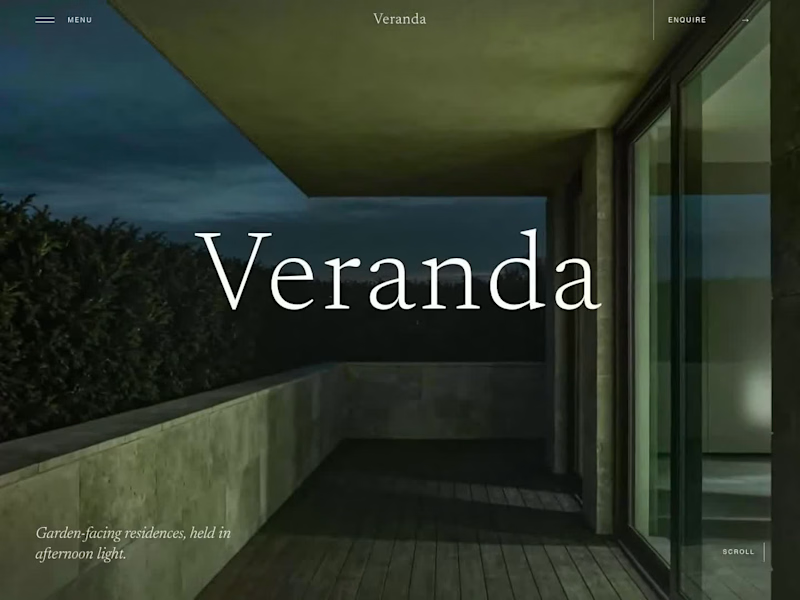
Veranda, a luxury residential concept landing page Veranda is a concept build I created for a fictional luxury residential brand. It is not client work or a real property. The images and hero motion were generated with AI as part of the creative process. I wanted to explore something that matters when building high-fidelity landing pages: after several rounds of changes, how do you make sure the final page still looks like the design that was approved? The site is built in Next.js with responsive layouts, self-hosted fonts, GSAP motion and an interactive walkthrough. I also built in a proper QA process around it, not just checking that the page loads and the buttons work. It compares 12 sections across five screen sizes against approved visual baselines. It flags visual drift, missing baselines and changes that have not been reviewed. I also tested interactions, accessibility, contrast, performance, browser behaviour and reduced-motion states. The main lesson for me was simple: a page can pass functional tests and still no longer be the page that was agreed.
22
26
1.1K
12
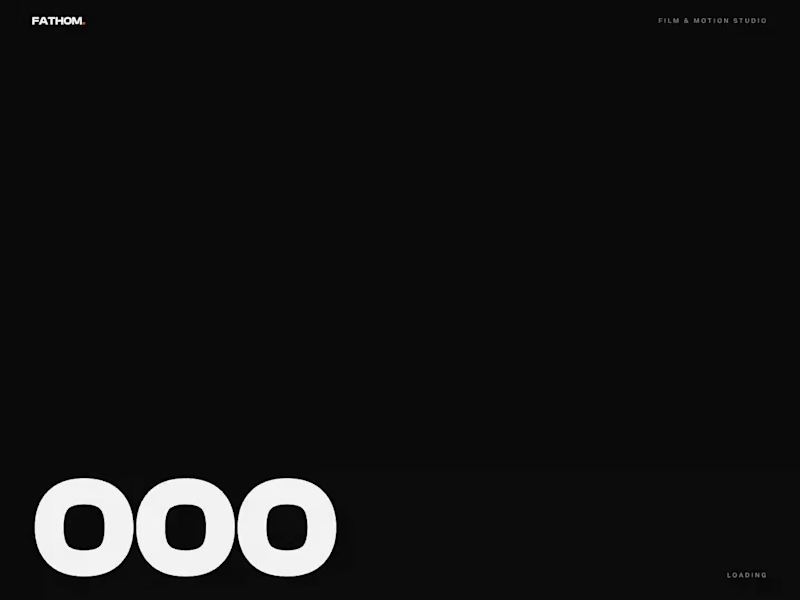
A cinematic portfolio concept for a film and motion studio, designed to feel more like an editorial reel than a standard agency website. The site uses a dark visual system, oversized typography, smooth scrolling, restrained motion, and a full-screen project index to make the work feel premium before the user reads a word. The focus was on pacing, atmosphere and confidence: fewer sections, stronger visuals, cleaner movement. Built as a responsive Next.js prototype with Framer Motion and Lenis-style smooth scrolling, including hero, selected work, about and contact sections.
7
12
499
1
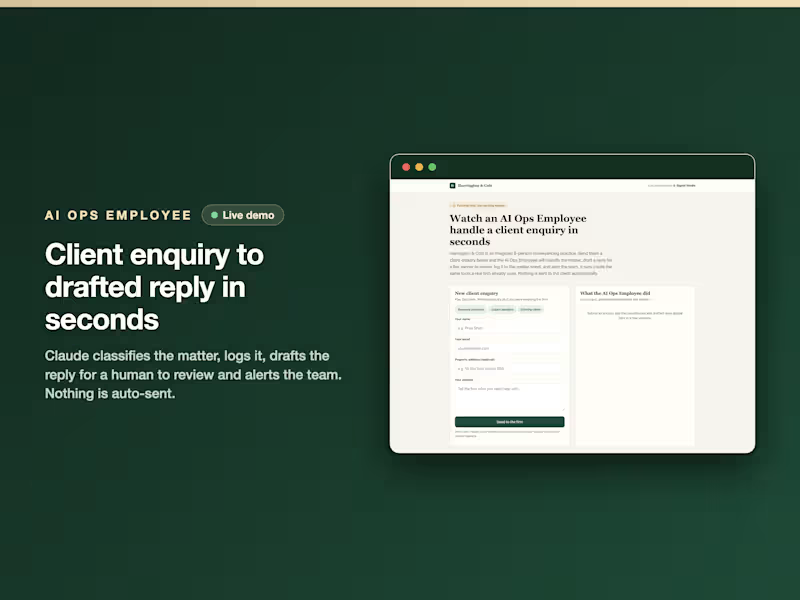
I built a working AI recruitment screening demo that shows how a hiring team can use AI without handing over the final decision. The flow is simple: A job spec goes in. Candidate profiles are screened against a weighted guideline. Each candidate gets a score, band, evidence quotes, and risk flags. Then everything stops at a human review queue. No auto-rejects. No silent ATS updates. No “AI decided this person is out”. The system includes: Candidate pipeline table Evidence-based screening view Human review queue Approve / reject / snooze decisions ATS deployment plan Audit log for compliance n8n workflow export with a human-in-the-loop Wait node Optional live Claude screening path The important part is the architecture: deterministic logic owns the workflow, gating, state and audit trail. The AI helps with judgement and screening, but the human owns the final decision. Built with Next.js, TypeScript, Claude API, n8n workflow architecture, and a gated ATS sync pattern. This is the kind of system I like building: AI that makes the work faster, but still respects the places where people need control. Shorter Version I built an AI recruitment screening pipeline with a human approval gate. It screens candidates against a rubric, shows evidence quotes and risk flags, then routes every candidate into a review queue before anything reaches the ATS. No auto-rejects. No silent updates. Human-in-the-loop by design. Built with Next.js, TypeScript, Claude API and n8n workflow architecture.
1
142
0
Brands are quietly disappearing from AI answers, and most of them have no idea. So I built something to make it visible. It is a dashboard that shows how a brand turns up across ChatGPT, Gemini and Perplexity, both where it earns a mention and where it pays for one. You get share of voice per engine, the exact prompts you are winning or losing, and the source each model actually pulled from. The part I enjoyed most was the architecture. The data layer sits behind a clean adapter, so PEEC.AI (http://PEEC.AI), Profound or Semrush slot in with a one-line swap. Mock data runs the demo for now, so the whole thing stands on its own. React, TypeScript and Vite, with a dark console look and a light mode for good measure.
0
108
GSAP
(1)
Follow
Message
Max Wilson
London, UK
Multidisciplinary Brand Designer & Developer
18
Followers
Certified Partner
Follow
Message
Multidisciplinary Brand Designer & Developer
0
Aequitas | Webflow with GSAP animations
0
11
2
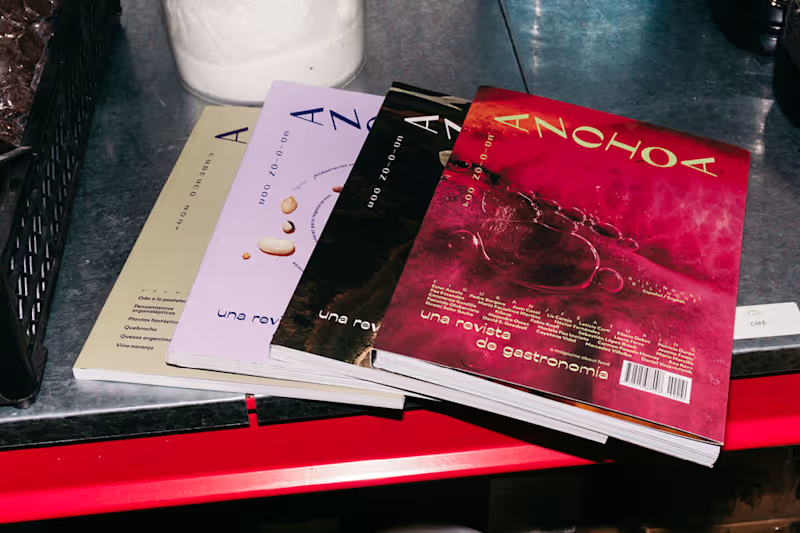
Anchoa Magazine branding, design and Webflow
2
22
9
AdSapiens branding and Webflow
9
58
6
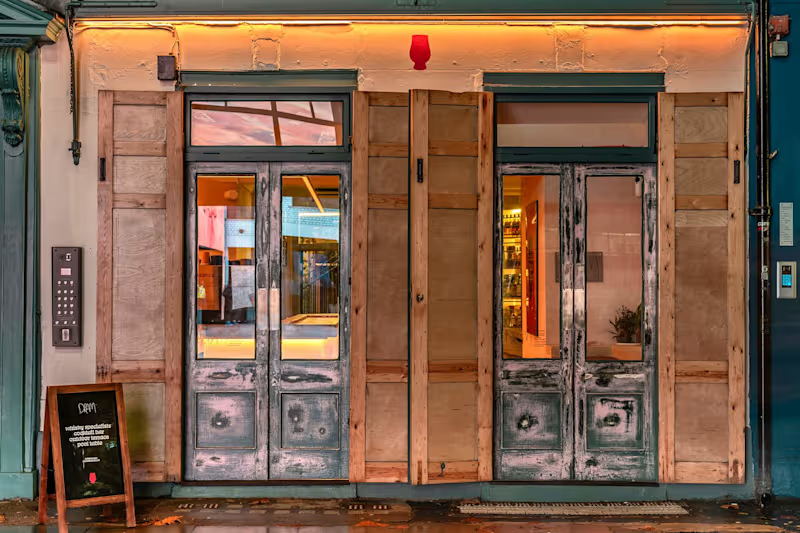
Dram Bar | branding and Webflow
6
41
GSAP
(1)
Follow
Message
Jasmine Gordon
Greenford, UK
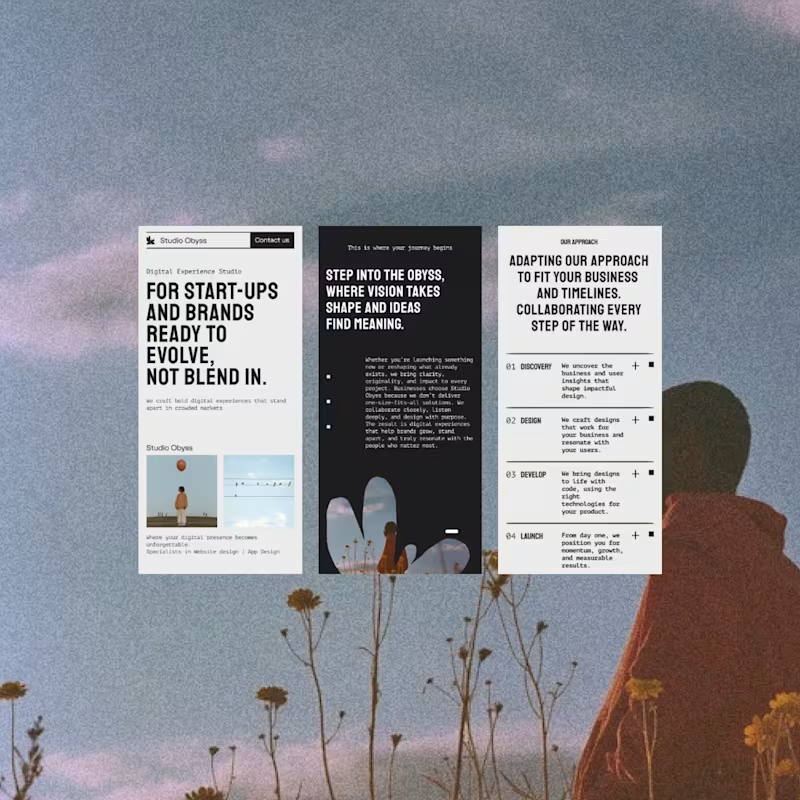
Designing websites and apps that are impossible to forget.
Follow
Message
Designing websites and apps that are impossible to forget.
1
Website design and build
1
7
32
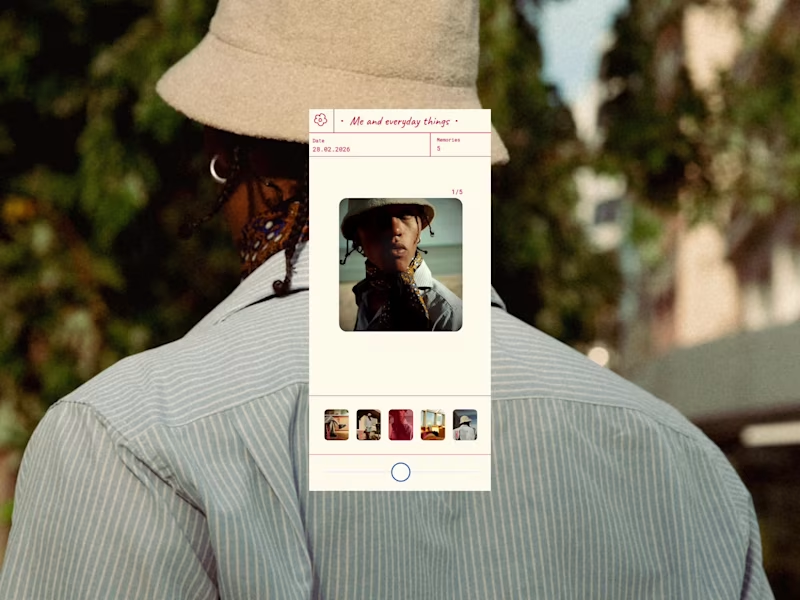
A photo viewer inspired by the classic 3D View‑Master. I wanted to rethink how we look back at our memories on our phones, and bring back that slow, nostalgic feeling instead of the usual quick swipe through. So I attempted to mimic the View‑Master lever, you press and pull the circle in either direction to switch images. Drag it right to move forward, drag it left to go back. I added the ability to move backwards (which you can’t do on the real thing) because it just felt more natural to give people that freedom. For the UI, I designed it to be clear and simple whilst allowing the image the user is viewing to be the main focus. Designed by me in Figma, then built in Figma Make. Play around with it here: https://unify-board-60898759.figma.site
6
32
655
2
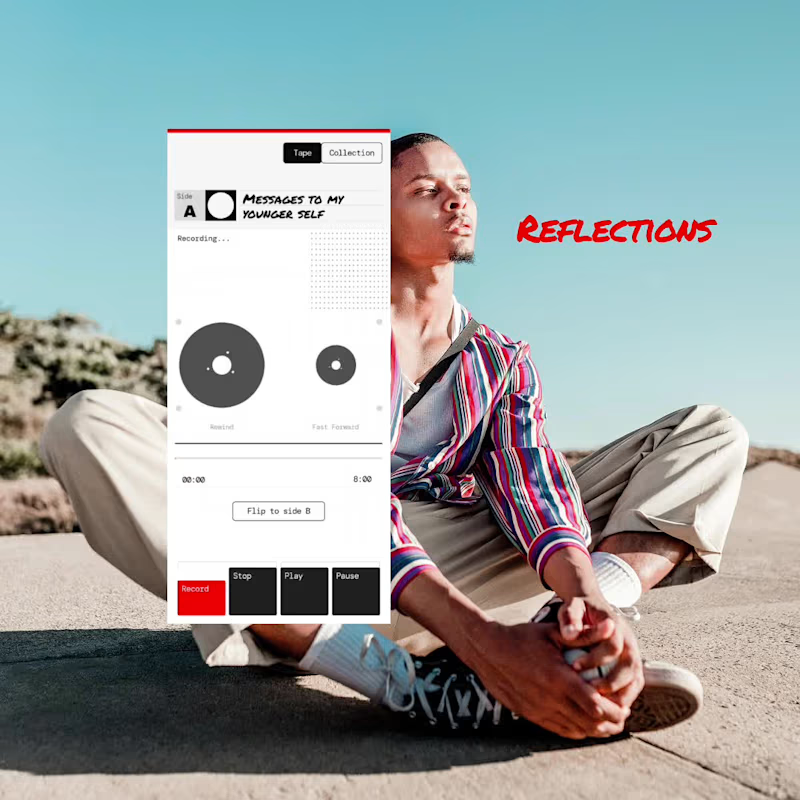
My last submission is voice notes reimagined for spoken journals and daily reflections, taking inspiration from dictaphones and cassette players for both the interactions and UI design. The goal of this concept was to explore how I could emulate the aesthetics and functionality of old school technology and bring it into the digital world, while staying true to its original purpose. When the user presses record, the film, represented as wheels, starts to spin. The user can rewind by pressing and dragging the left wheel in an anticlockwise circular motion. To fast-forward, they can do the same with the right wheel, this time moving in a clockwise circular motion. Designed by me in Figma, then built in Figma Make. Play around with it here: https://rover-linen-15186179.figma.site
2
2
137
0
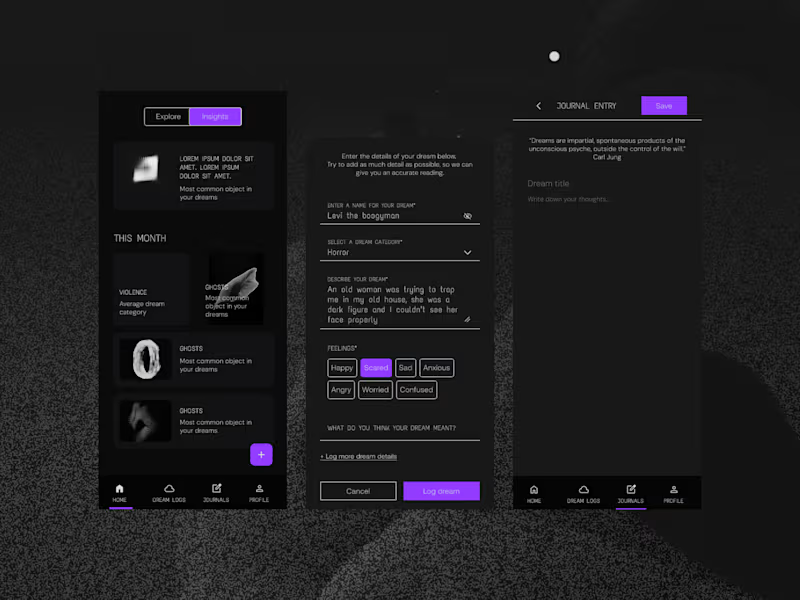
Rethinking dream apps - UI/UX design
0
6
GSAP
(1)
Follow
Message
Brandon Gomes
London, UK
Fast & Reliable Web Development
Follow
Message
Fast & Reliable Web Development
0
Web Agency Portfolio Website
0
31
0
Landing Page Component Library
0
23
0
3D T-shirt Customiser
0
91
View more →
GSAP
(1)
Follow
Message
Explore people