Framer sites, UI animations, Vibe-coding


Framer sites, UI animations, Vibe-coding


Design engineering + agentic systems
Design engineering + agentic systems


Product UI Designer
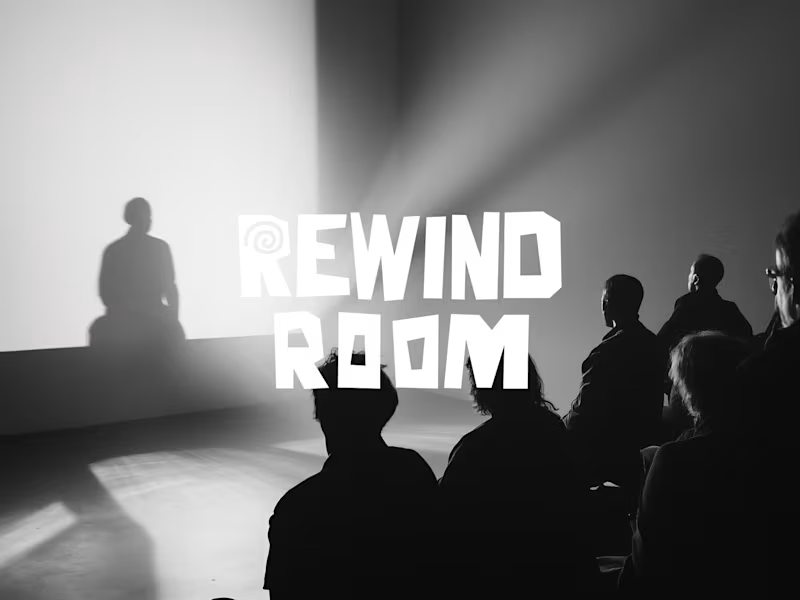

Full-stack design & dev studio for Websites and React Native

Full-stack design & dev studio for Websites and React Native

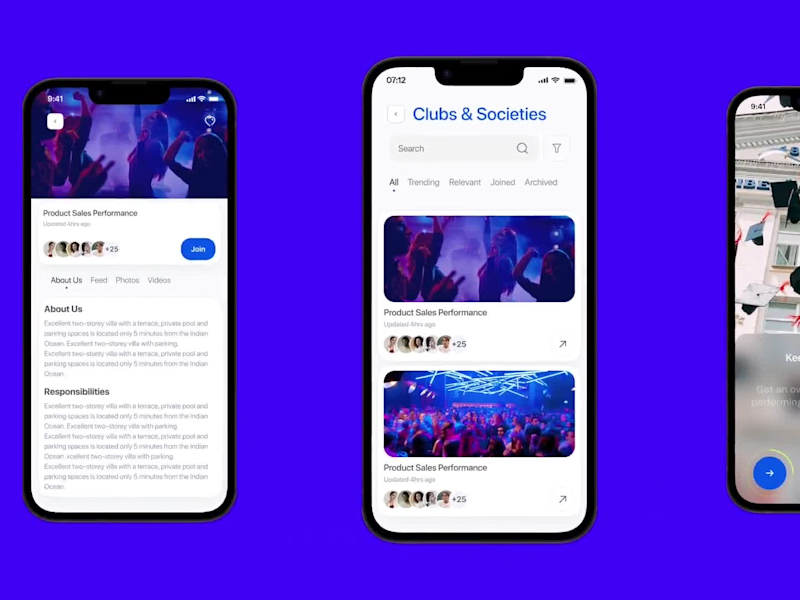

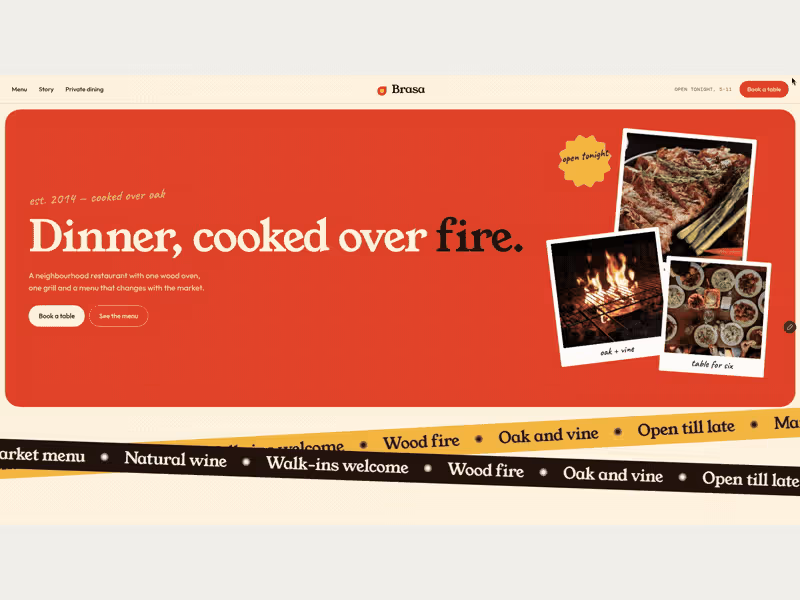


Marketing Website, Brand Systems & Visual Identity

Marketing Website, Brand Systems & Visual Identity
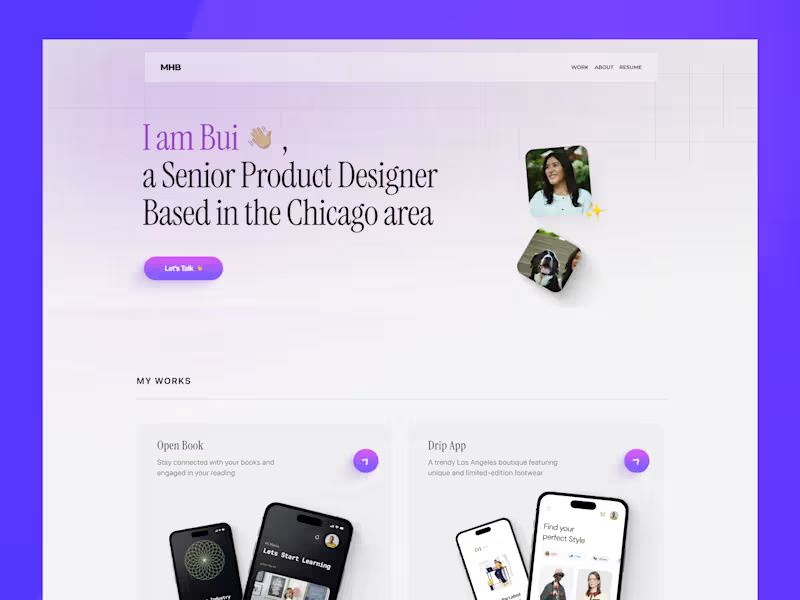
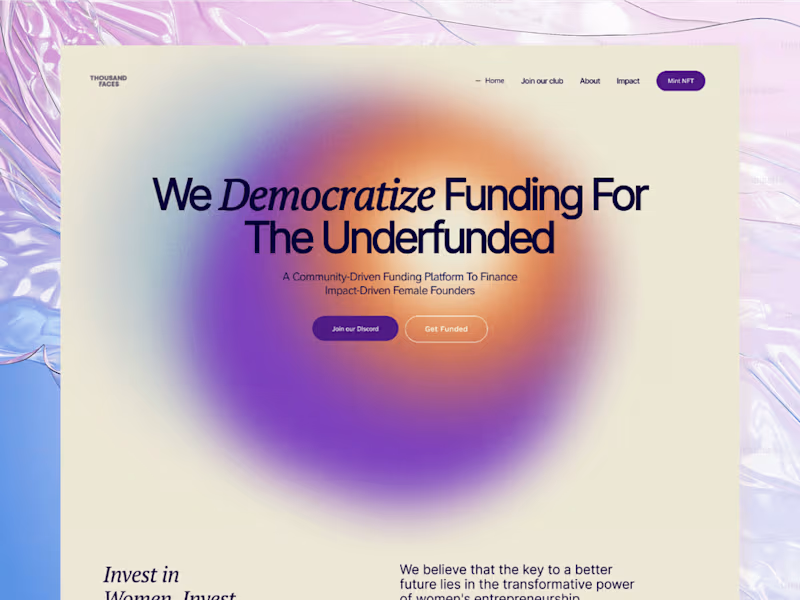


UI/UX and SaaS Designer.
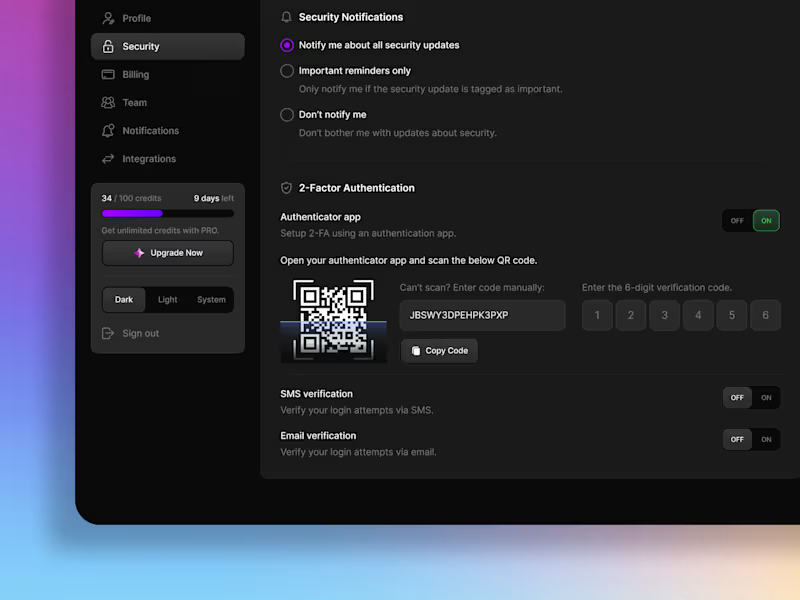
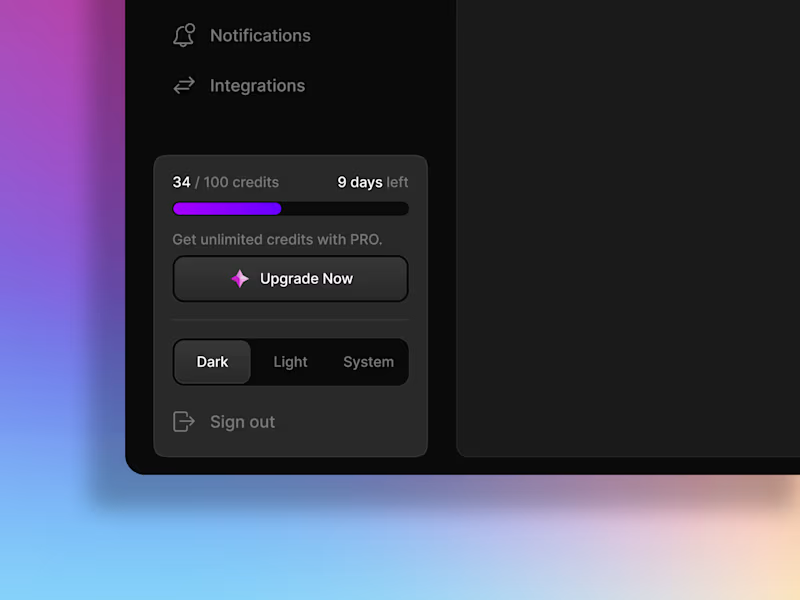
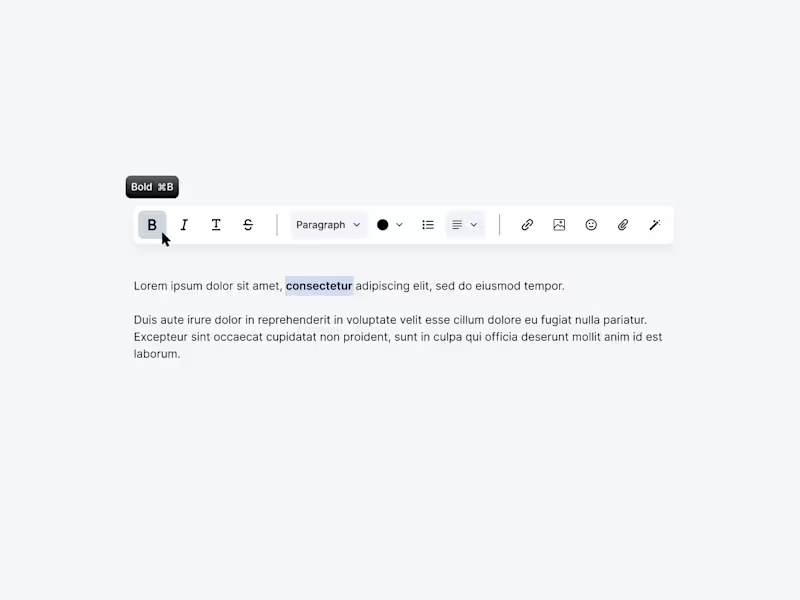

Product Designer for AI Startups · Framer & Webflow
Product Designer for AI Startups · Framer & Webflow


AI Product Designer & Builder
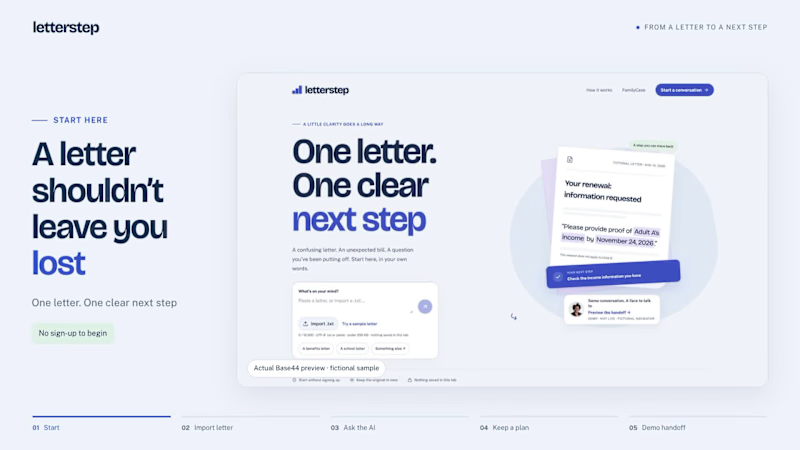
Letterstep — One letter, one clear next step (https://letterstep.base44.app)
A confusing letter can turn an everyday task into something overwhelming — especially when it concerns your child, your benefits, or your health coverage.
I built Letterstep to help people understand what a letter says, what it asks them to do, and where to start.
Paste a letter or import a .txt file, then ask questions in a conversational interface. Letterstep provides a plain-language explanation, separates deadlines from other dates, and connects suggested actions to the original wording. You can select the preparation tasks you want to keep and download or print them with supporting quotations.
FamilyCase brings related letters together, with fictional examples covering school meetings, Virginia SNAP preparation, and medical coverage. The goal is to help families prepare for a conversation — without making eligibility decisions or pretending to replace professional advice.
The walkthrough also previews a navigator handoff inside the same chat. Users review the context before continuing. This call is clearly labelled as a simulation; no live operator is contacted.
I designed the experience locally, then implemented and refined it with Codex and Base44. I tested the journey in Chrome, including mobile layouts, real text-file imports, live AI responses, source references, and selected-task exports.
My focus was making a stressful moment feel manageable: a calm interface, the original letter always within reach, and one clear next step.
https://letterstep.base44.app
0
82
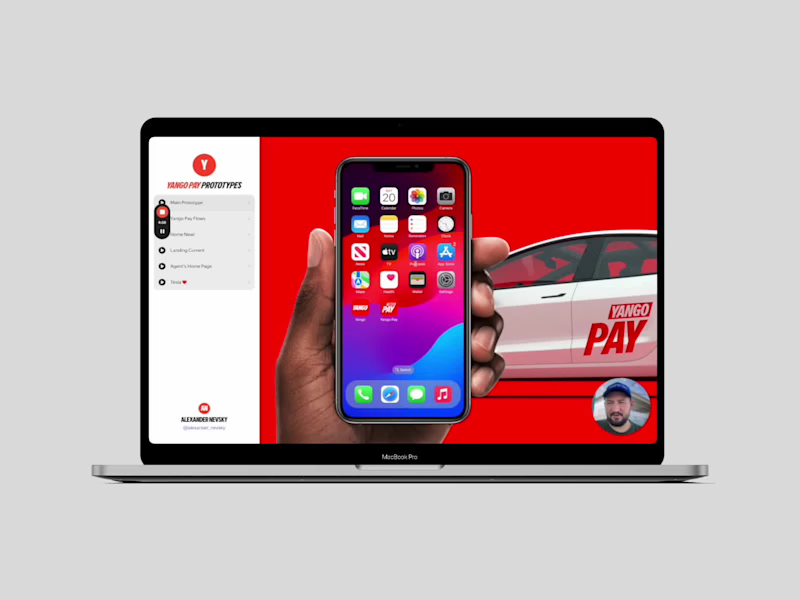
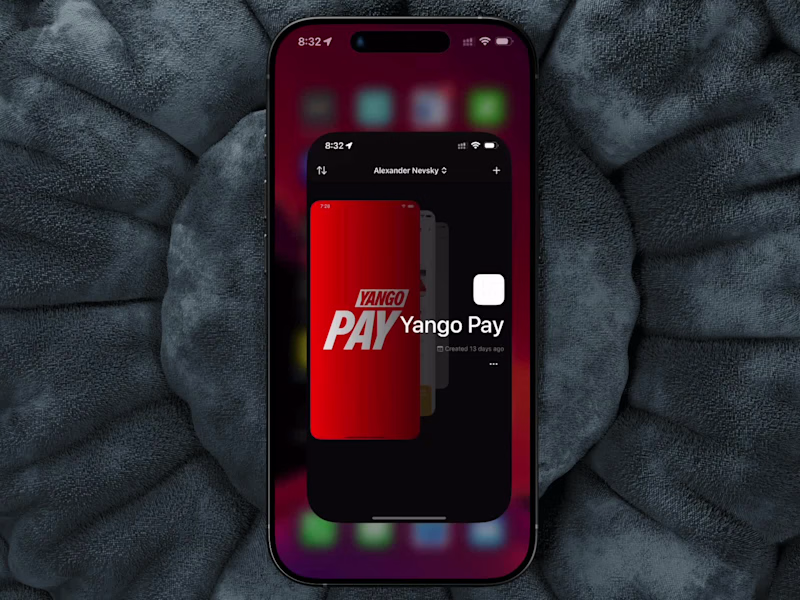
Before switching to Play for native prototyping, I usually built high-fidelity product prototypes in Framer and tested them directly on an iPhone by opening the web prototype in the browser.
This particular prototype included both the Yango Pay app experience and a landing page, allowing me to test not only the core product flows but also how the product was presented and communicated outside the app itself.
Framer was especially useful at this stage because it let me move quickly from interface design to a realistic interactive prototype that could be tested on an actual device, without waiting for a production build. Later, I started using Play for more native-feeling mobile prototypes and more detailed interaction testing.
1
177
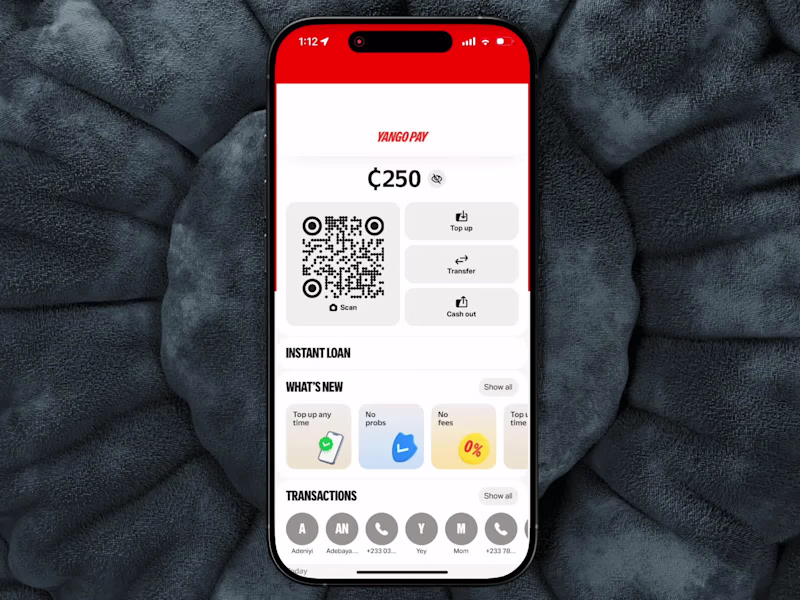
I randomly came across an old iPhone screencast from when I was testing a high-fidelity Yango Pay prototype in the Play app. At the time, I was working as a Product Designer at Yango in Dubai.
This particular flow shows one of the more emotional features we explored for money transfers: when sending money, users could attach a GIPHY animation to the transfer message. Alongside AI-generated art and emoji attachments, it was part of our attempt to make payments feel more personal and expressive rather than purely transactional
1
141