
Josiah Damilare
Performance Designer for B2B and SaaS Teams | Ads & LPs
Ready for work
Josiah is ready for their next project!


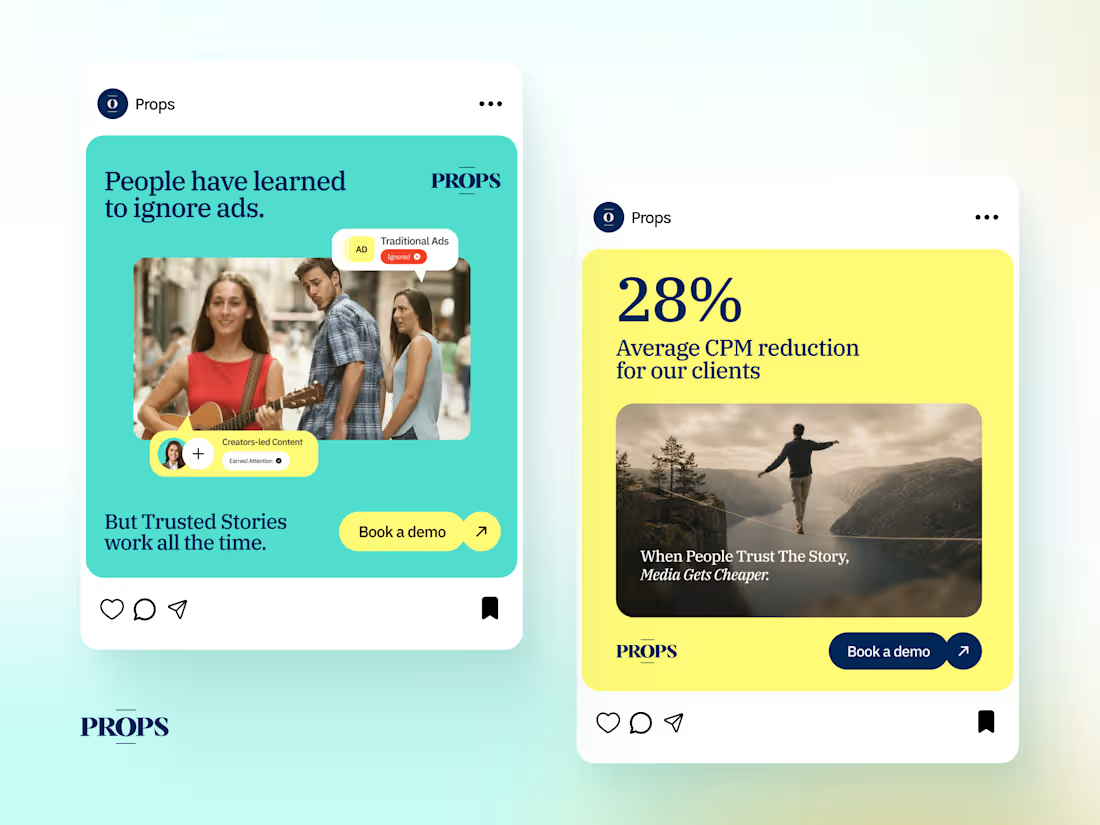
Props: LinkedIn Campaign Rebuild (Spec)
0
10
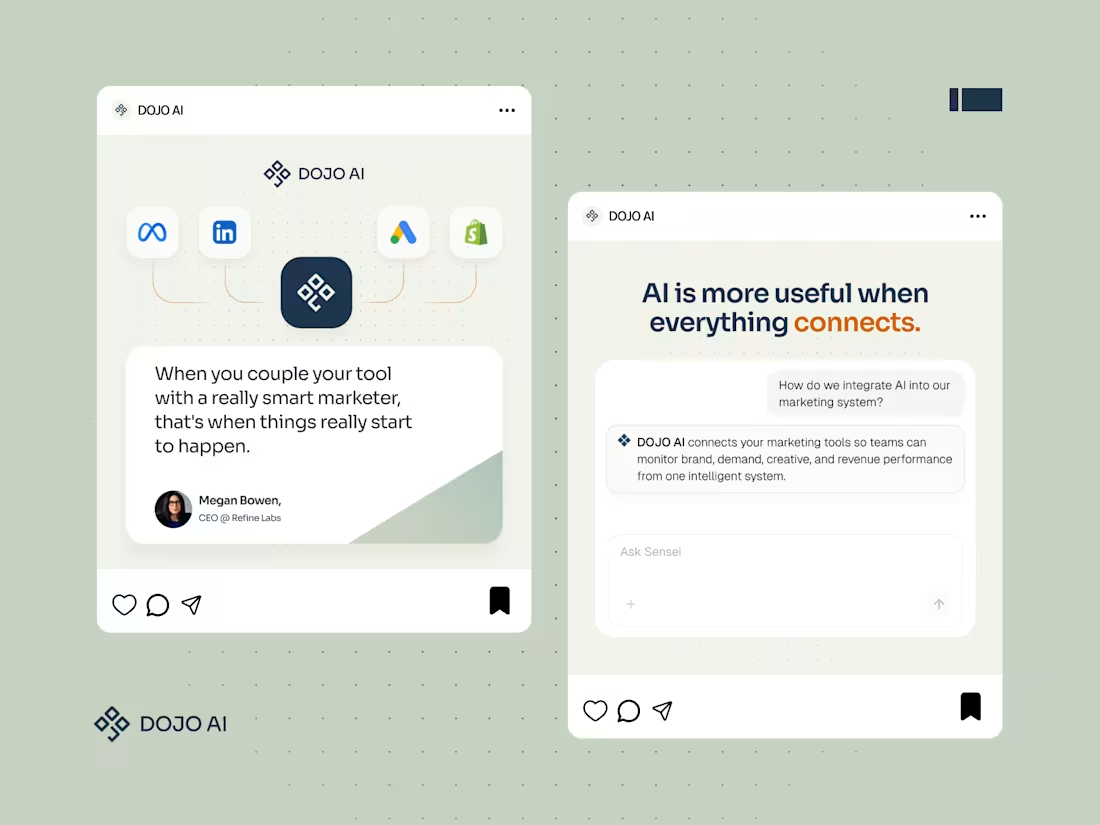
DOJO AI: EPAC Ad Campaign (Spec)
0
7
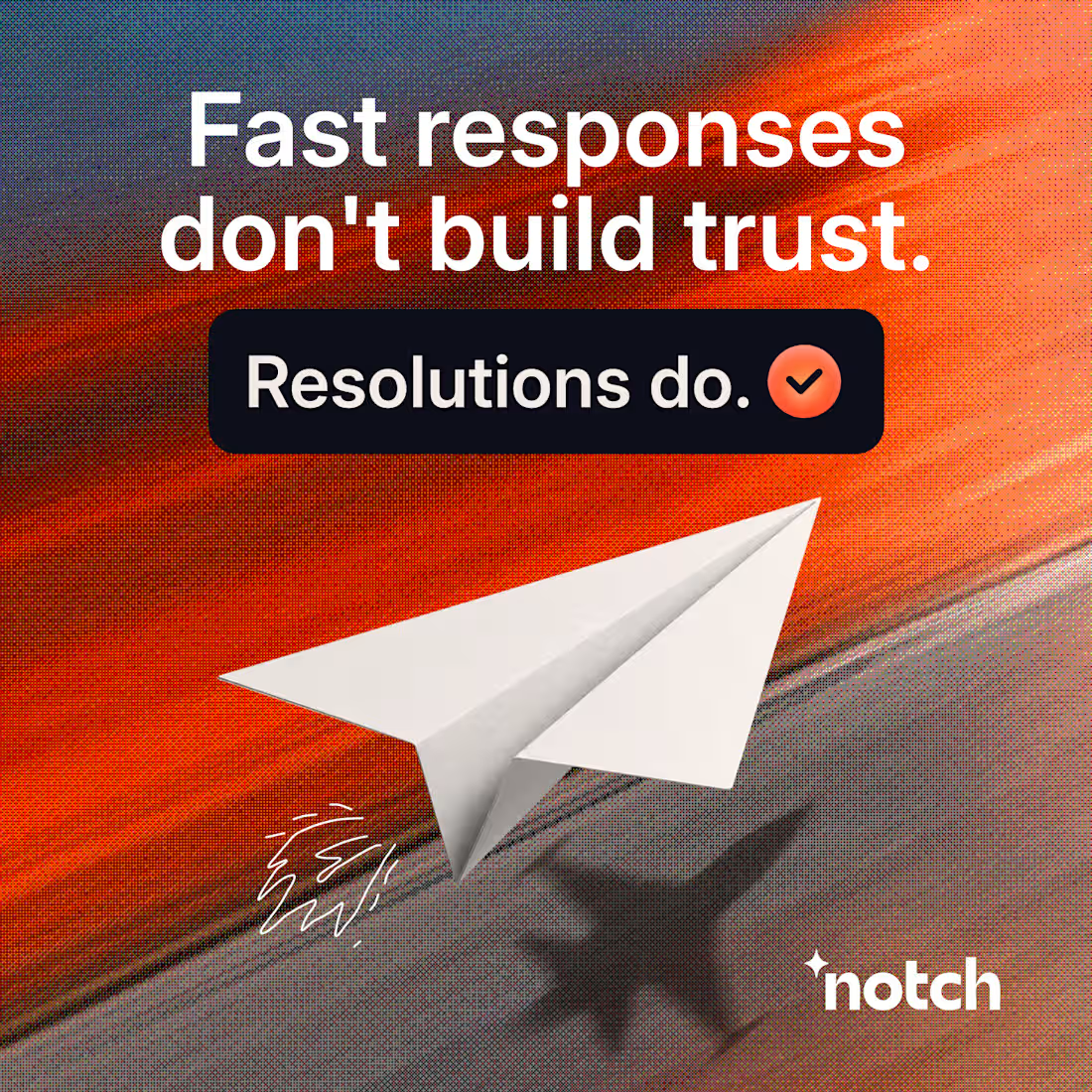
Notch: Ad Campaign + Landing Page (Spec)
1
9
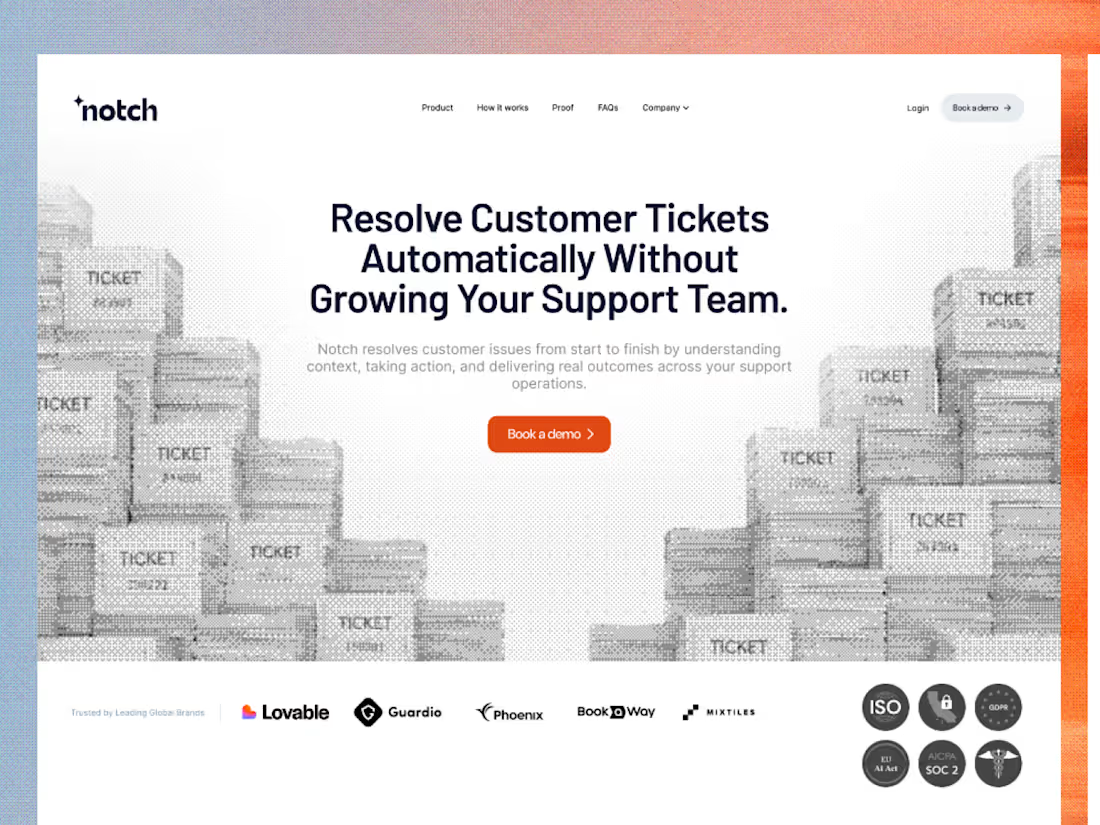
A homepage is one of the worst places to send paid traffic.
One mistake I see companies make all the time is spending a lot of money getting people to click an ad, only to send them straight to the homepage.
Imagine clicking on a Netflix trailer for a movie that looks amazing. You're excited, you hit Play... but instead of taking you to that movie, Netflix drops you on the homepage.
Sure, the movie is somewhere on the platform. But now you're the one searching through categories, recommendations, and thumbnails to find the very thing you clicked for in the first place.
That's exactly what many landing pages feel like.
Your ad and your landing page should tell the same story. An ad is built around a single promise, so when someone clicks it, the landing page should immediately continue that promise instead of asking visitors to navigate your website and connect the dots themselves.
One of my favorite landing page principles is simple: Give people what they came for as quickly as possible. Every extra second they spend figuring things out is friction, and friction is one of the easiest ways to lose a potential customer.
For this speculative Notch (https://www.linkedin.com/company/notchapp/) campaign, every ad revolved around one promise: resolving customer support tickets. Running those ads to the homepage wouldn't make much sense. The homepage has to explain everything Notch (https://www.linkedin.com/company/notchapp/) does, while the ads are only making one promise. That's why I designed a dedicated landing page focused entirely on ticket resolution, allowing the message from the ads to continue seamlessly instead of starting over.
In my next post, I'll break down how I developed the ad campaign using my EPAC framework and why each creative plays a different role in the buyer journey.
If you'd like to explore the full campaign, I've left the link in the comments.
6
8
202