The network for creativity
Join 1.25M professional creatives like you
Connect with clients, get discovered, and run your business 100% commission-free
Creatives on Contra have earned over $150M and we are just getting started
Back to feedPost

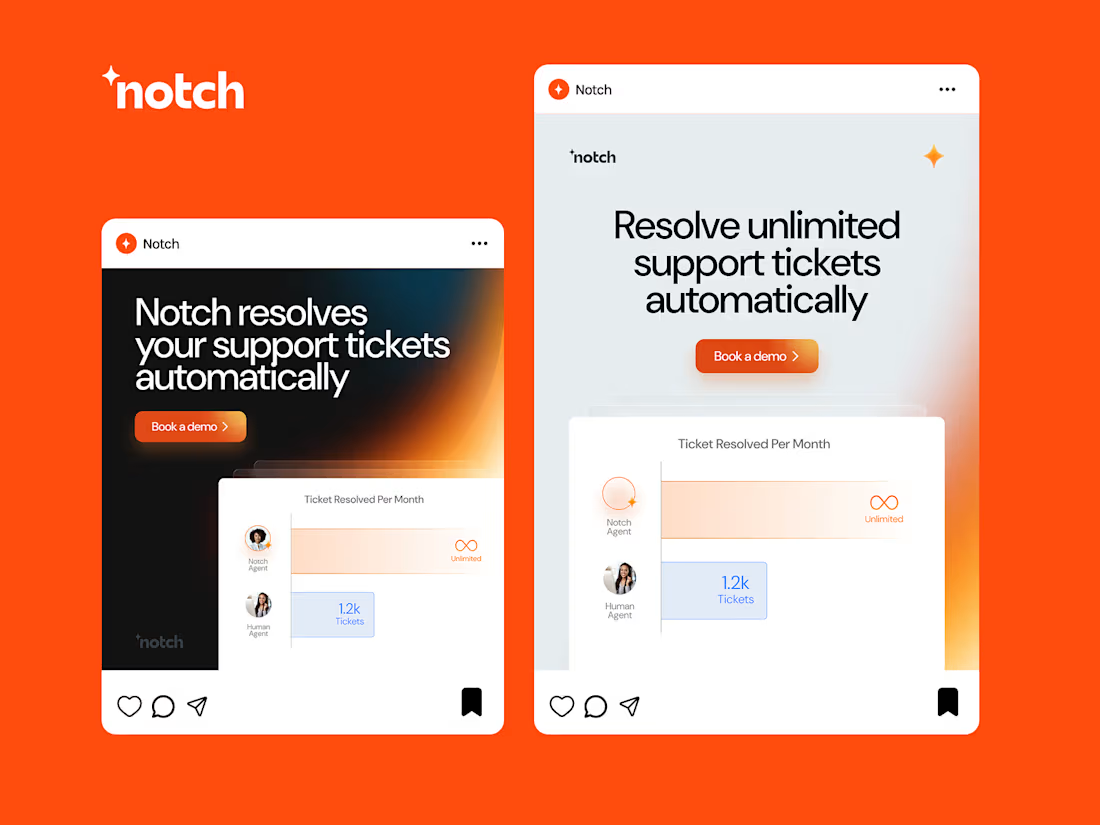
For this case study, I chose Notch because I genuinely like what they’re building. AI that actually resolves customer support tickets, not just responds with scripted replies. Real automation that removes friction for both teams and customers. It’s also great seeing companies like Outset AI using AI to fix customer frustrations in smart ways. That’s the kind of product I enjoy designing for.
So I started with one clear message and adapted the execution based on behavior. On the square feed (1:1), I kept things balanced and clear since users scroll casually and will read a short sentence.
On the 4:5 vertical feed, I reduced the copy and went bigger visually because the format dominates the screen and needs impact more than explanation.
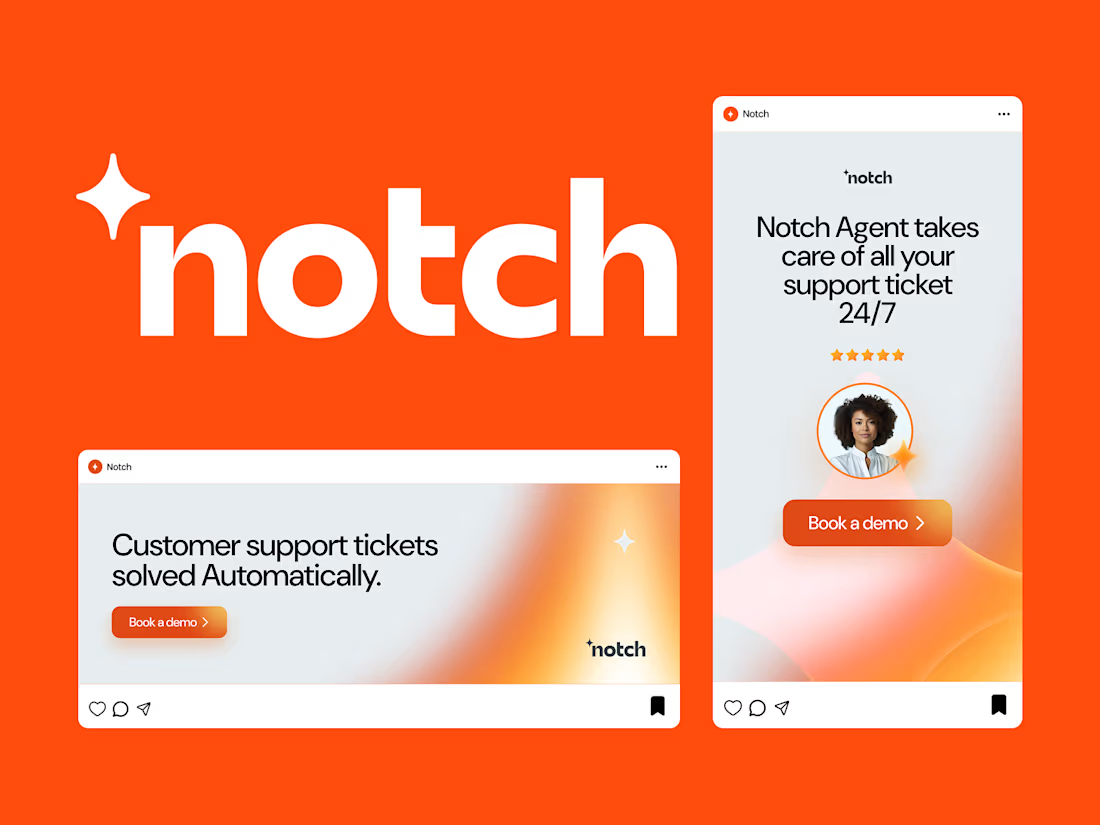
On the 9:16 portrait format for Reels and Stories, I made the text extremely short, used oversized typography, and intentionally left space at the bottom so interface elements like the profile name, like, comment, and share buttons don’t cover important details.
For the wide 3:1 web banners, I treated them like billboards and kept everything bold and minimal so one promise and one clear CTA can land instantly.
Same message, different execution. That’s how you design for performance, not just for looks.




The network for creativity
Join 1.25M professional creatives like you
Connect with clients, get discovered, and run your business 100% commission-free
Creatives on Contra have earned over $150M and we are just getting started
Trending

Claude
Claude has entered the design space. How are you using it?

Contra University
Learn from expert creatives how to earn more using next-gen AI tools.
Brand Design
The best brand designers are on Contra. Scroll to see what's trending in brand design. What are you building?
creativeaiflow
Creative AI workflows are evolving. What tools do you use, and what are their strengths and weaknesses?
freelancerlife
Freelancer life is wins, pivots, and everything in between. What’s yours right now?


Related posts

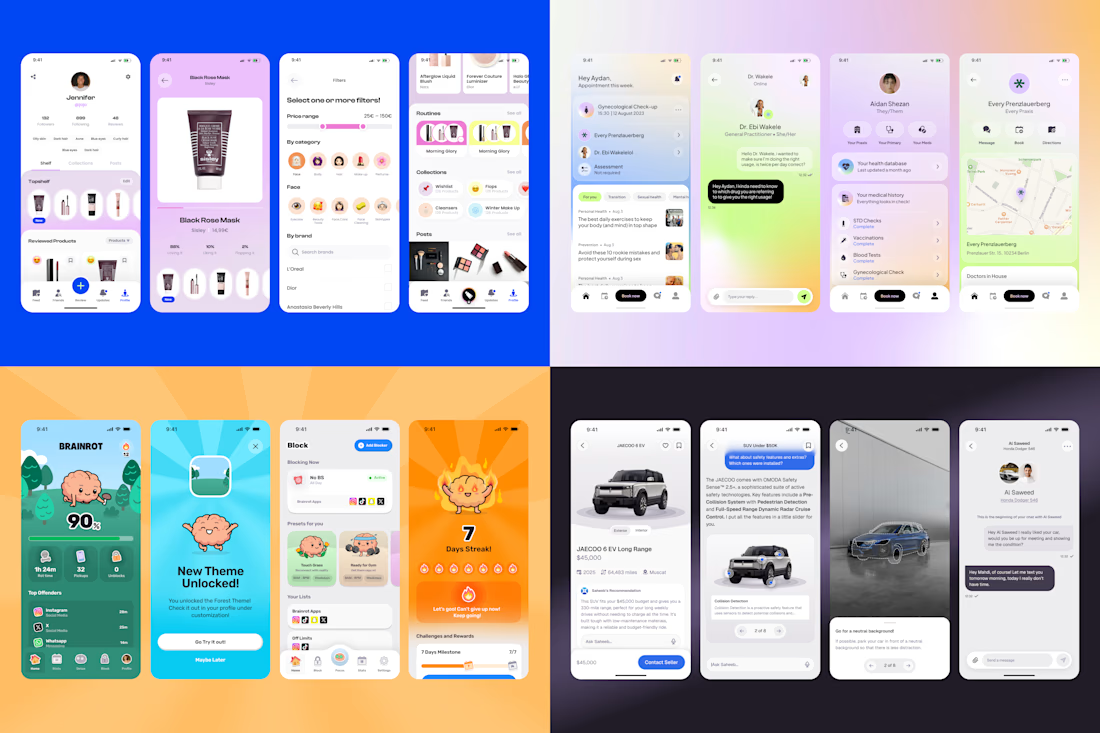
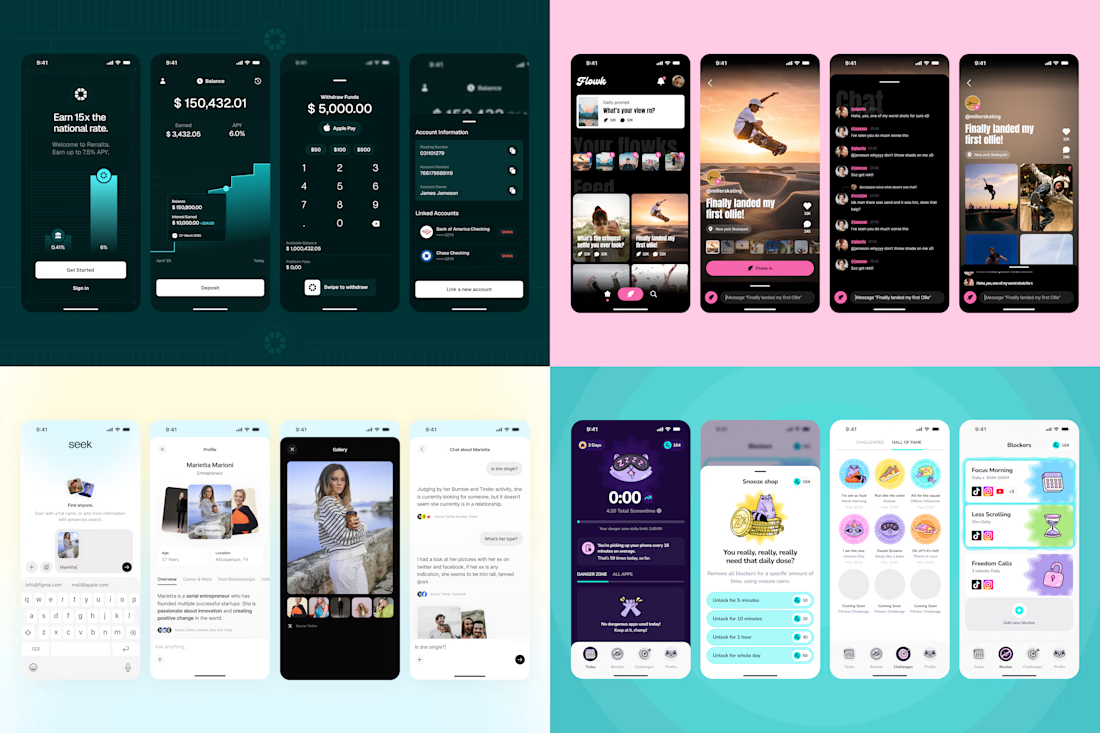
Last year around this time I felt that Webdesign and Branding weren't scratching my design Itch anymore, and decided I would try and take on more iOS projects.
Fast forward one year, and I've worked on more than 10 projects, most of which are live in Appstore already, and landed a gig for Freelance App Designer at BeReal in the process. The best part? I feel like I have still so much more to learn!
Exploit your design powers, expand your offer and learn something new whenever you have a chance!


Most LinkedIn templates are just a pile of designs. I'm building a system.
A library of pre-designed LinkedIn posts you can easily customise to match your own brand.
One Figma file:
✓ 48 post templates
✓ 7 types of carousels
✓ 12 landscape posts
✓ profile banners
✓ 50 written hooks
✓ step-by-step setup and a help page
Type your name once, set your colors and fonts: every post updates.
I'm planning to finish the digital product this week.
For companies, I'll also offer a fully custom version: I rebuild the entire system in your own branding, including ready-to-use posts in your tone of voice and hooks for your niche.
Is this something you'd actually use?


Yes, honestly, the type-your-name-once-and-every-post-updates part is the sell for me, that's usually where these template packs fall apart. My guess is the custom version ends up being where the real money is, not the self serve file. Does that track with what you're seeing so far?

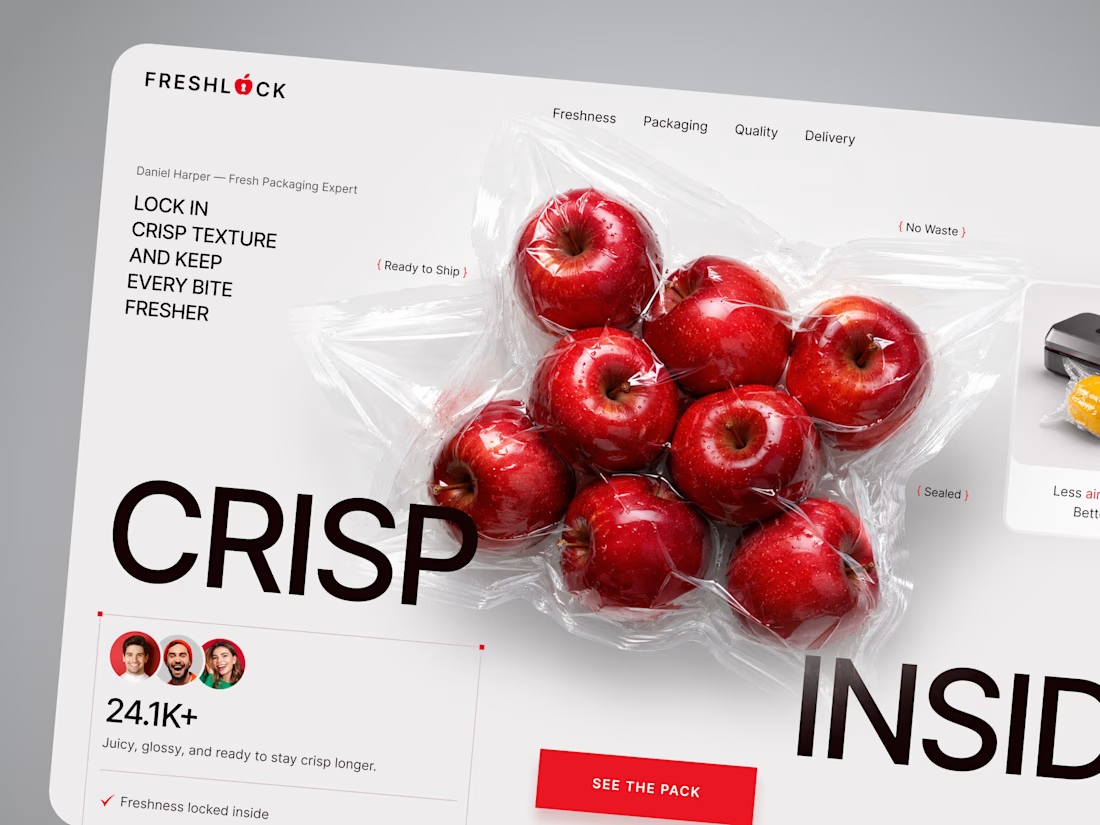
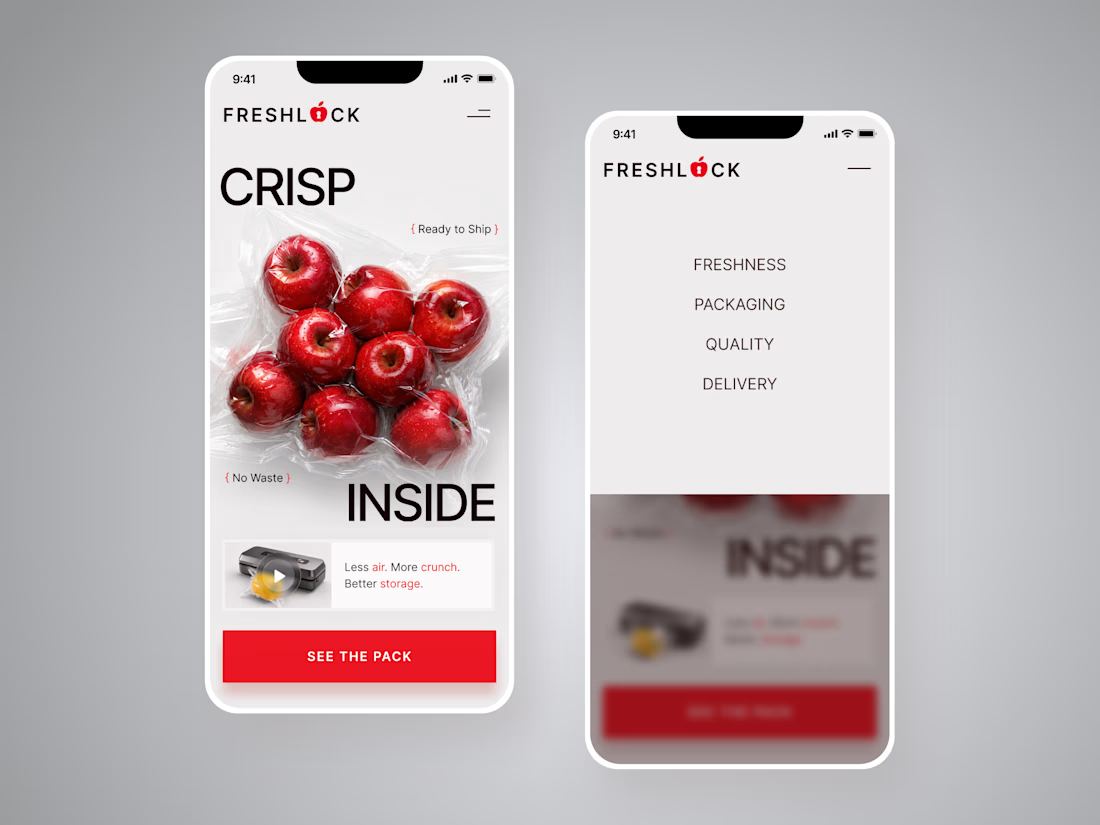
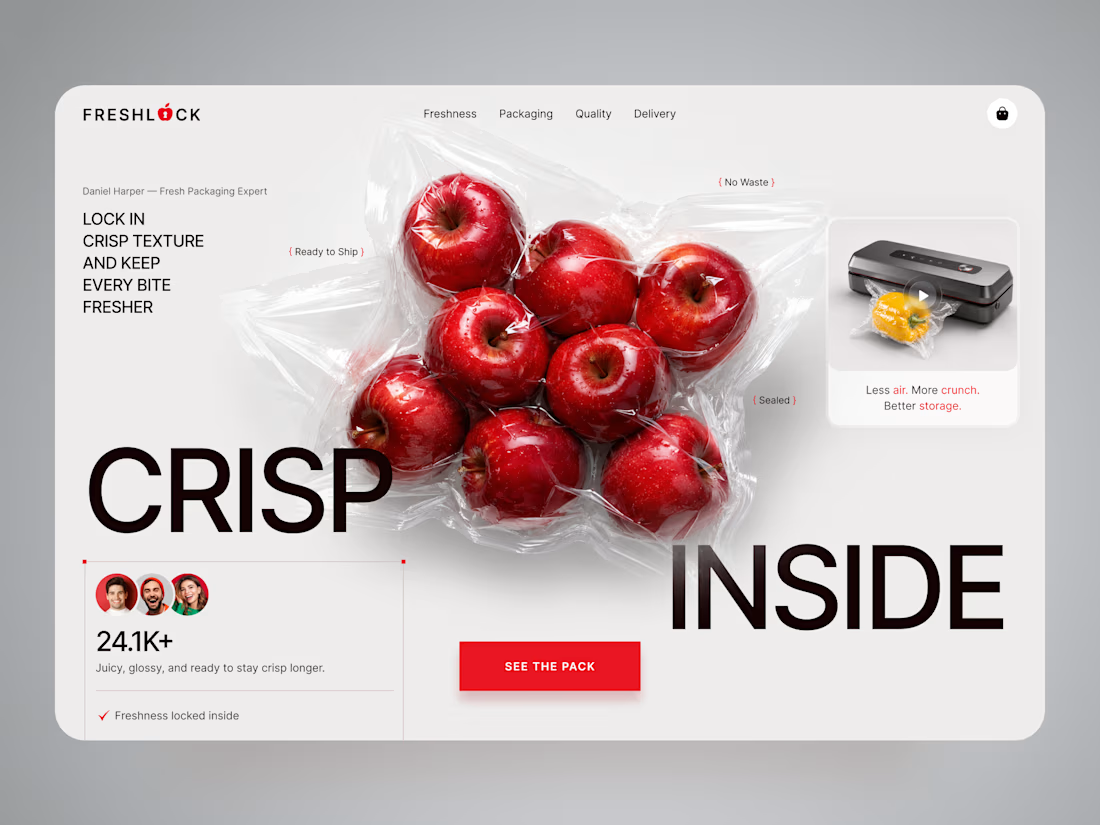
FreshLock — Food Packaging Landing Page Design 🍎📦
FreshLock is a modern landing page concept created for a food packaging brand focused on preserving freshness, reducing waste, and presenting innovative packaging solutions through a clean digital experience.
The goal was to communicate product benefits instantly while making the website feel fresh, premium, and trustworthy. The visual direction combines bold typography, minimal layouts, realistic product imagery, and vibrant red accents to create a strong first impression while keeping the focus on the product.
Special attention was given to:
• a product-first hero section that immediately highlights freshness and packaging quality;
• clean visual hierarchy that makes key messages easy to scan;
• responsive desktop and mobile layouts optimized for every device 📱;
• trust-building elements showcasing product quality, freshness, and customer confidence;
• bold CTAs that encourage users to explore the product and learn more;
• a minimal interface that lets the packaging and product visuals become the center of attention;
• a scalable landing page design suitable for future product launches and marketing campaigns.
The result is a modern, conversion-focused landing page that helps communicate product value, strengthens brand credibility, and creates an engaging experience from the very first screen ✨
Looking to create a modern landing page for your food, packaging, FMCG, or consumer product brand? Let's build something fresh together 🚀



🔥 🔥 🔥