Cabify Product Ecosystem Redesign

Iñigo Hernández


Context
By 2017, Cabify had expanded rapidly across markets, but its digital ecosystem was fragmented. Each app (passenger, driver, and B2B web) had been developed in silos, resulting in inconsistent UX and visual identity. The company needed a redesign and a scalable design system to unify its products.
Problems
Fragmented experience across platforms: passenger, driver, and web apps used inconsistent design patterns with no unified system, creating confusion and slowing delivery.
B2B web platform complexity: companies managing employees faced unclear information architecture and lacked tools like tracking reports and user management.
Goal
Redesign Cabify’s multi-platform ecosystem and establish a design system that would ensure consistency, scalability, and faster delivery across all digital products.
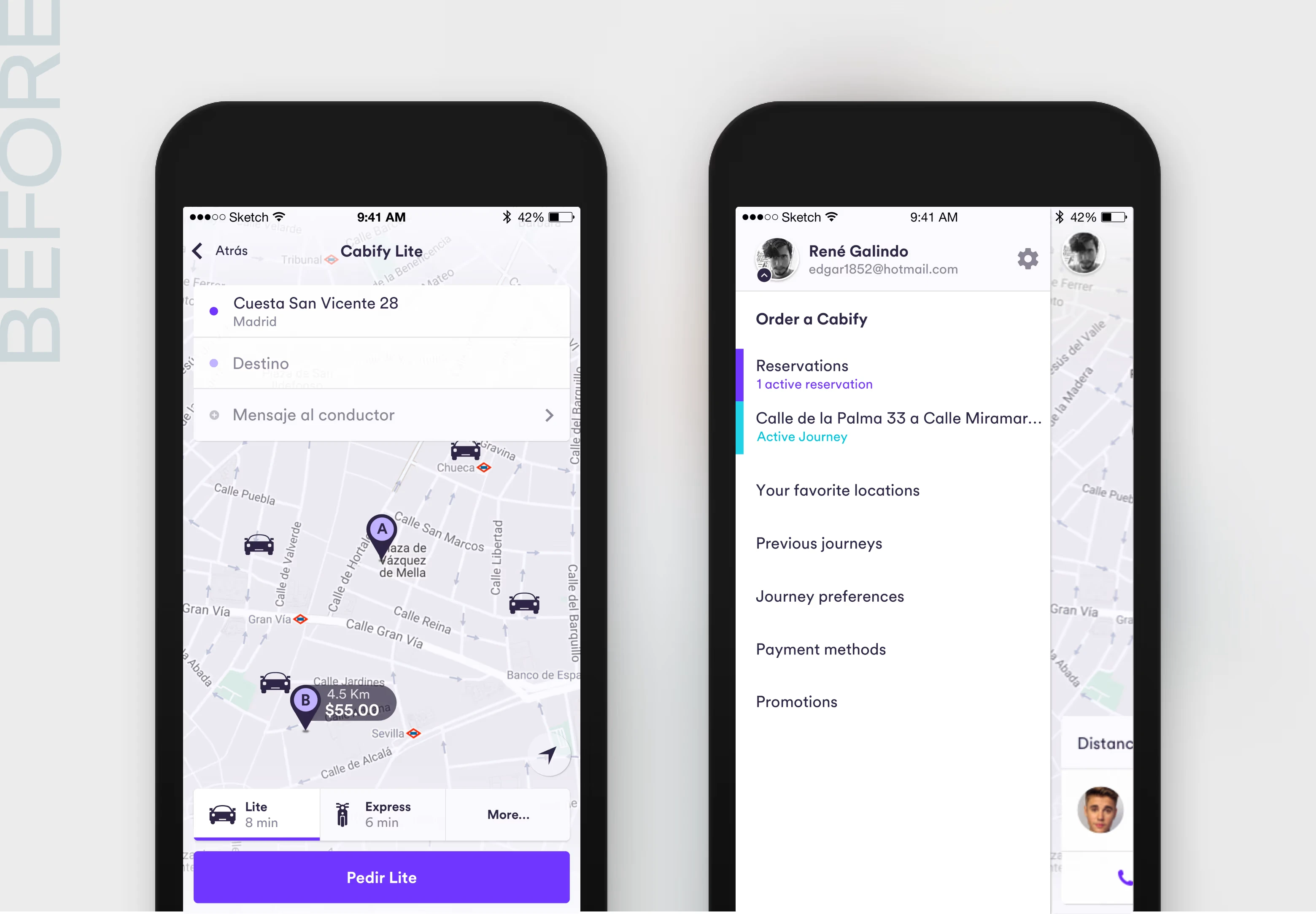
Old passenger app
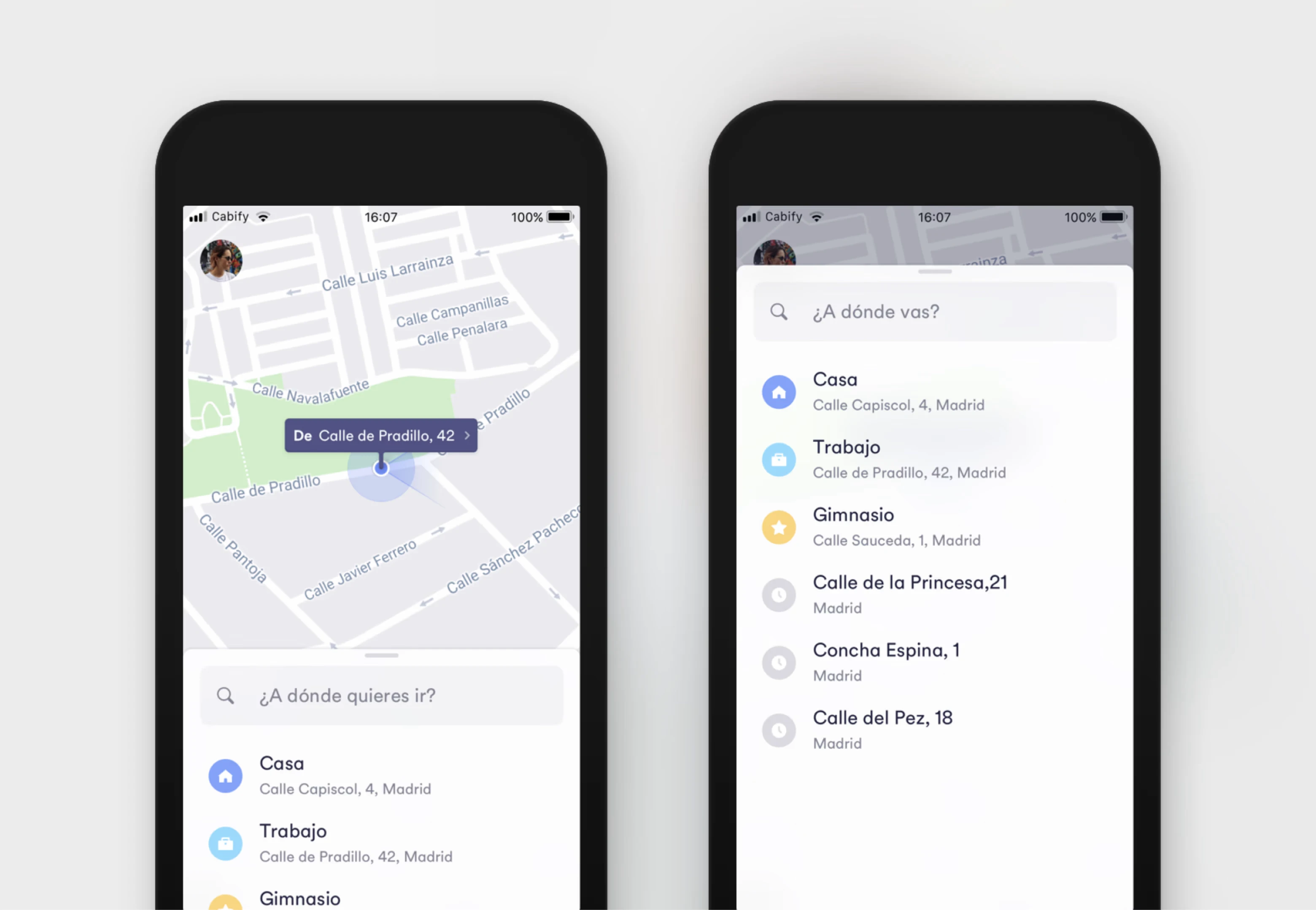
New passenger app
Actions
Audited existing apps and the B2B platform to identify inconsistencies and usability gaps.
Defined a unified visual language (typography, colors, components, interaction patterns) for both consumer and enterprise products.
Adapted the design system to the complex B2B web platform, adding features such as tracking reports and user management.
Partnered closely with engineers to ensure design tokens and components could be scaled across platforms.
Challenge
The main challenge was adapting a consistent design system to very different contexts: lightweight consumer apps vs. complex enterprise tools. Through iteration and testing, we balanced consistency with the flexibility each platform required.
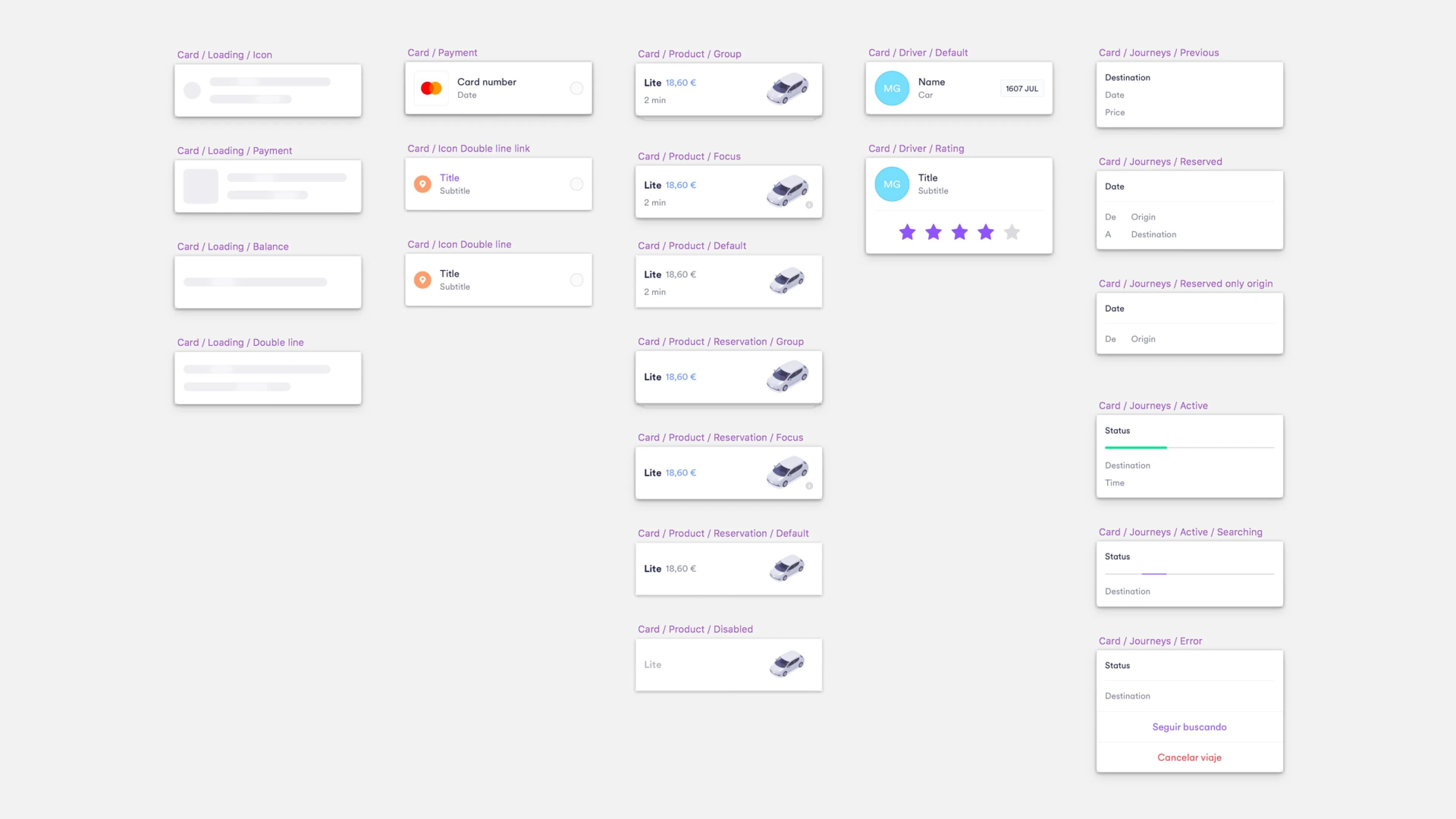
Design components
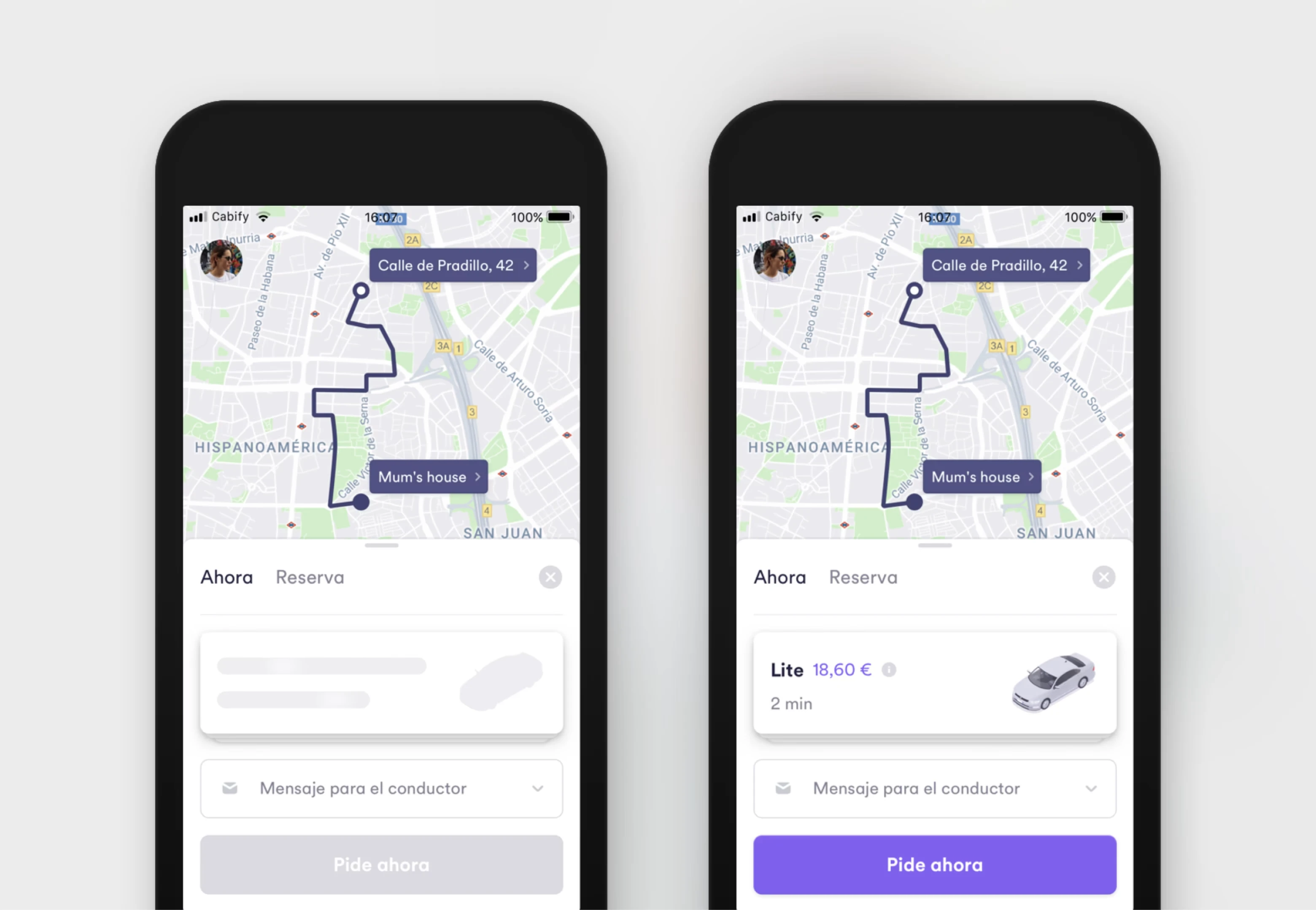
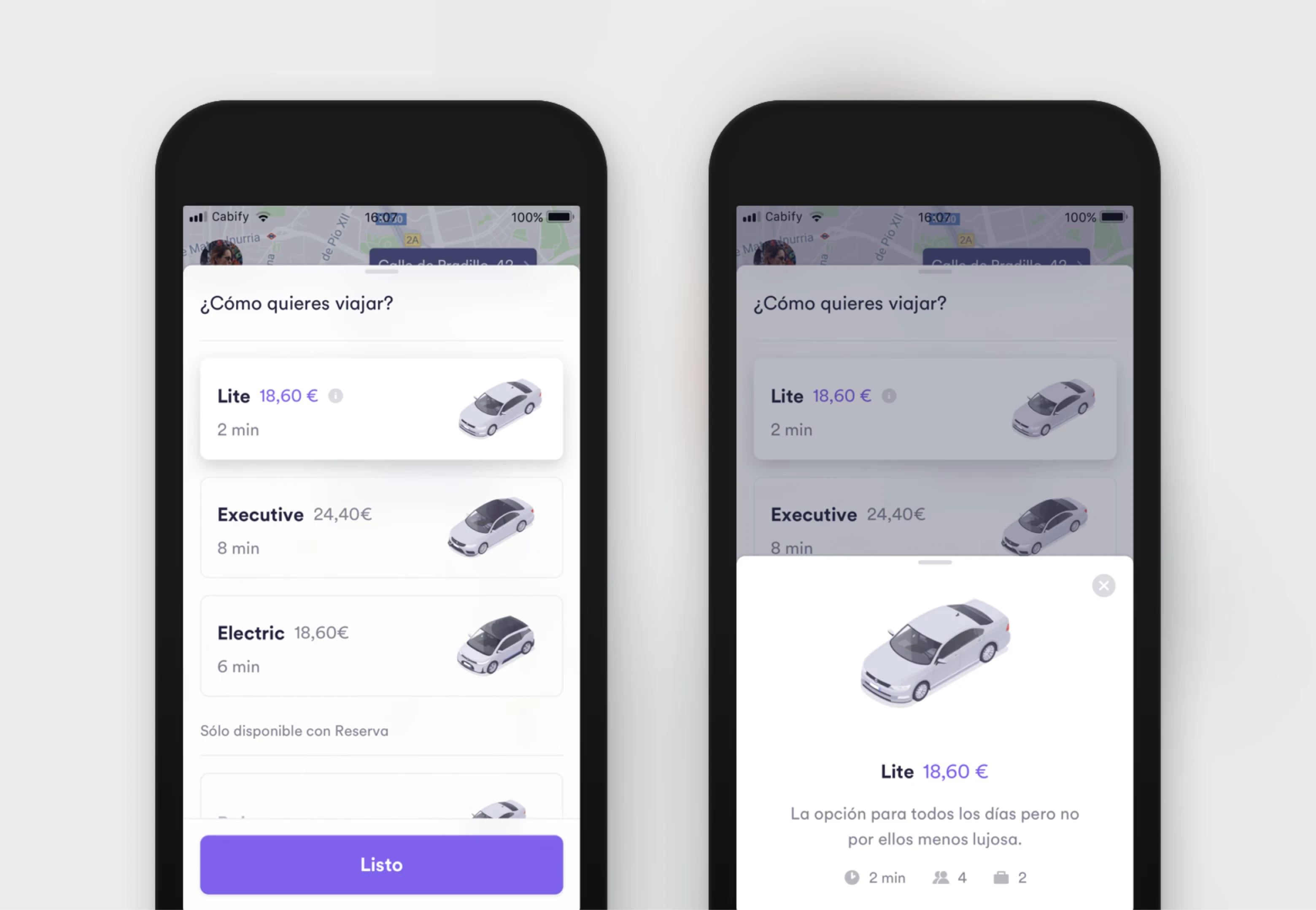
Service selection
Results
Launched Cabify’s first design system, creating consistency across mobile and web.
Reduced design and engineering duplication, speeding up feature delivery.
Improved usability of the B2B platform by clarifying information architecture and adding enterprise-focused tools.
Impact & Learnings
A unified design system became a strategic foundation for scaling future products.
Designing for enterprise platforms requires going beyond visuals into workflows and IA.
Incremental rollout and cross-team collaboration were key to securing adoption.
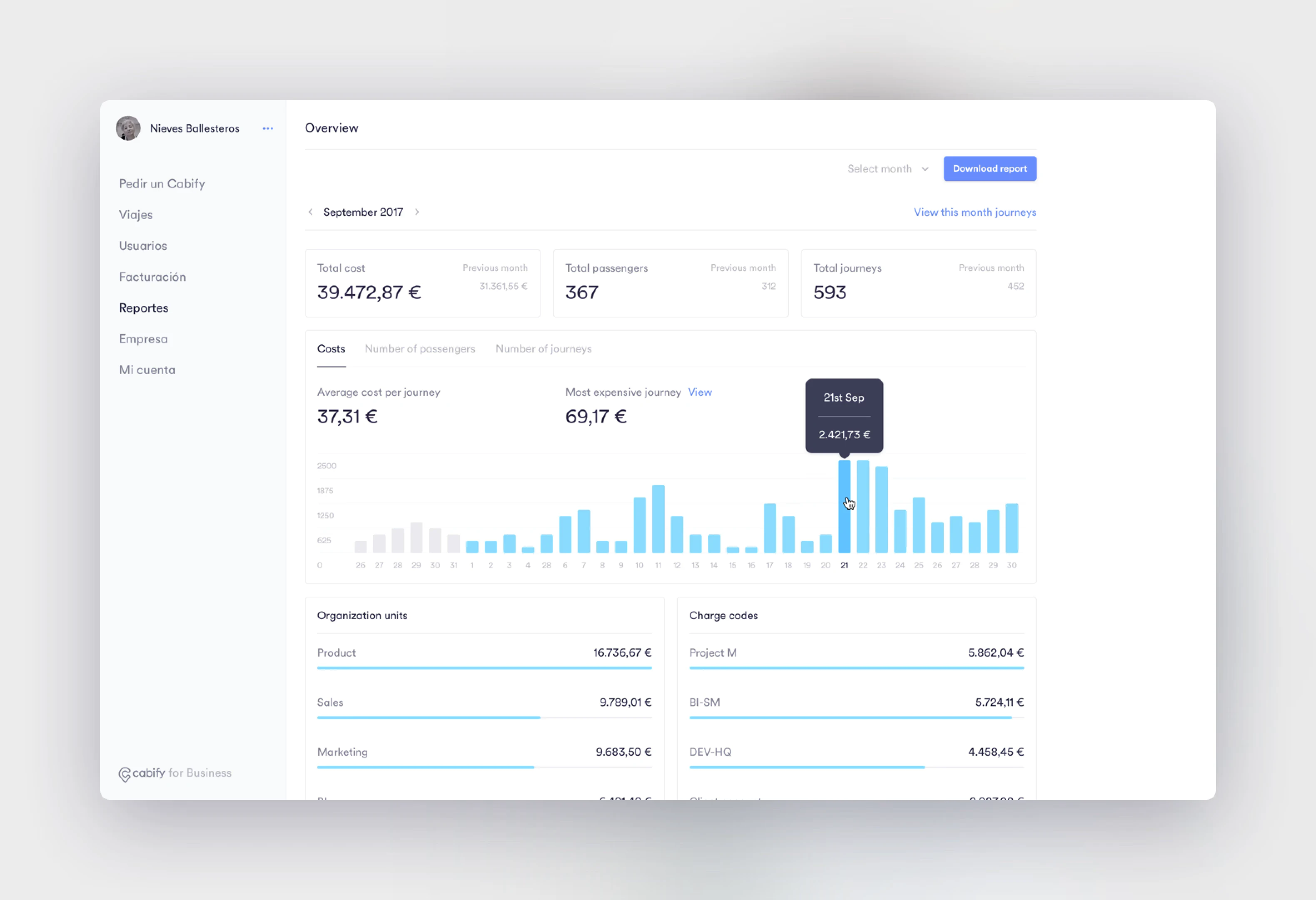
Enterprise web app
Sketch components management
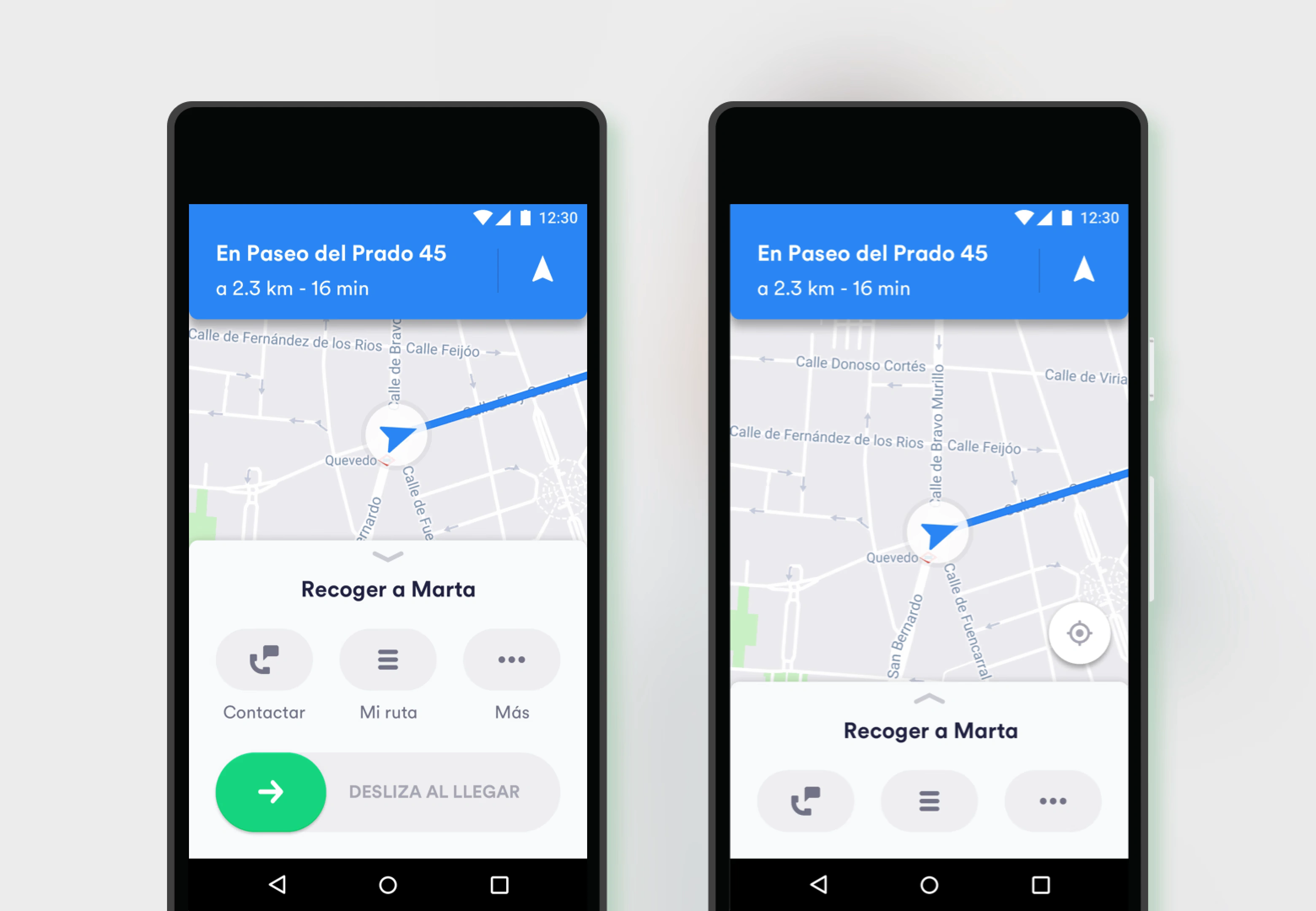
Driver app
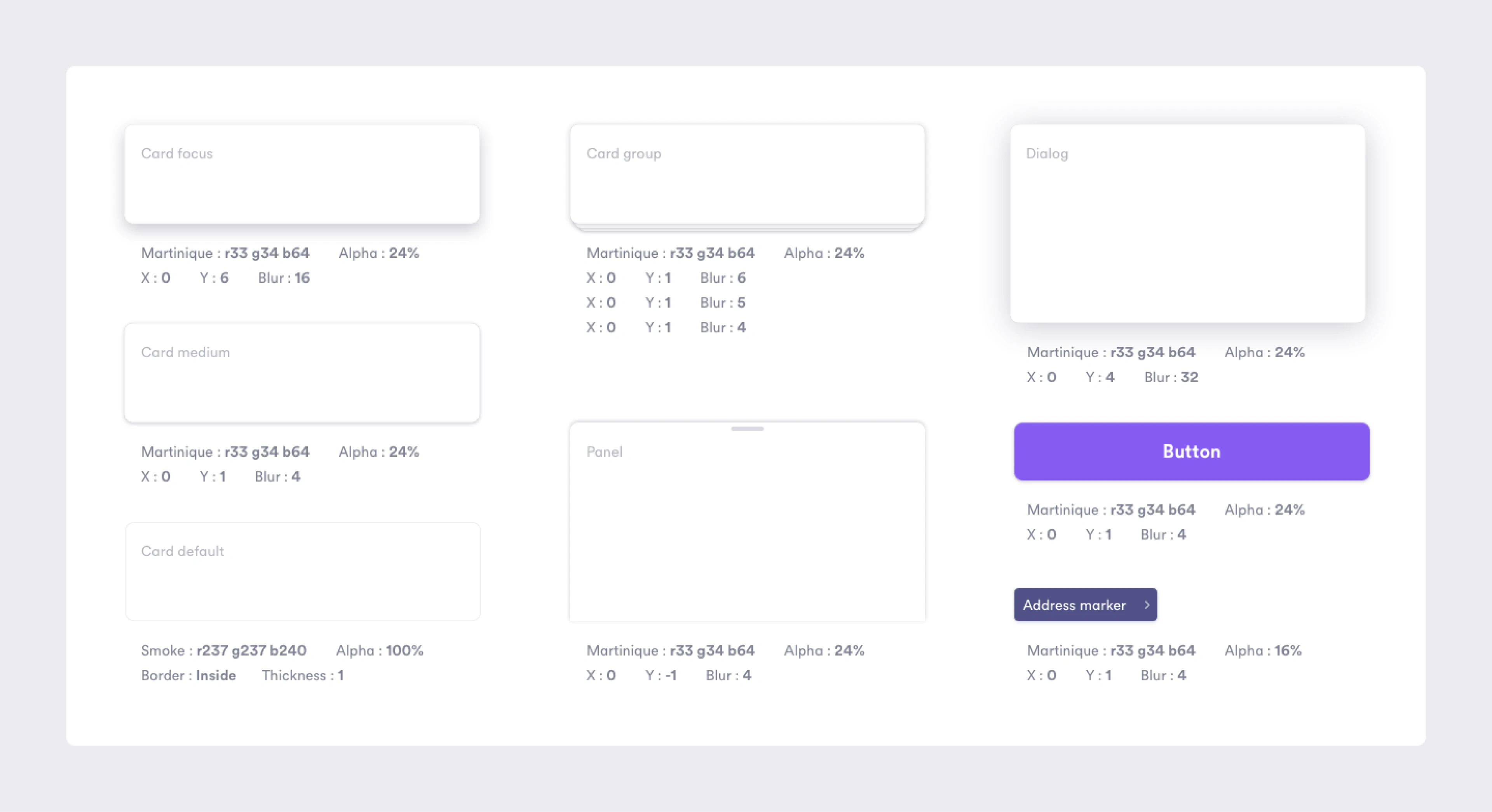
Card component and elevations
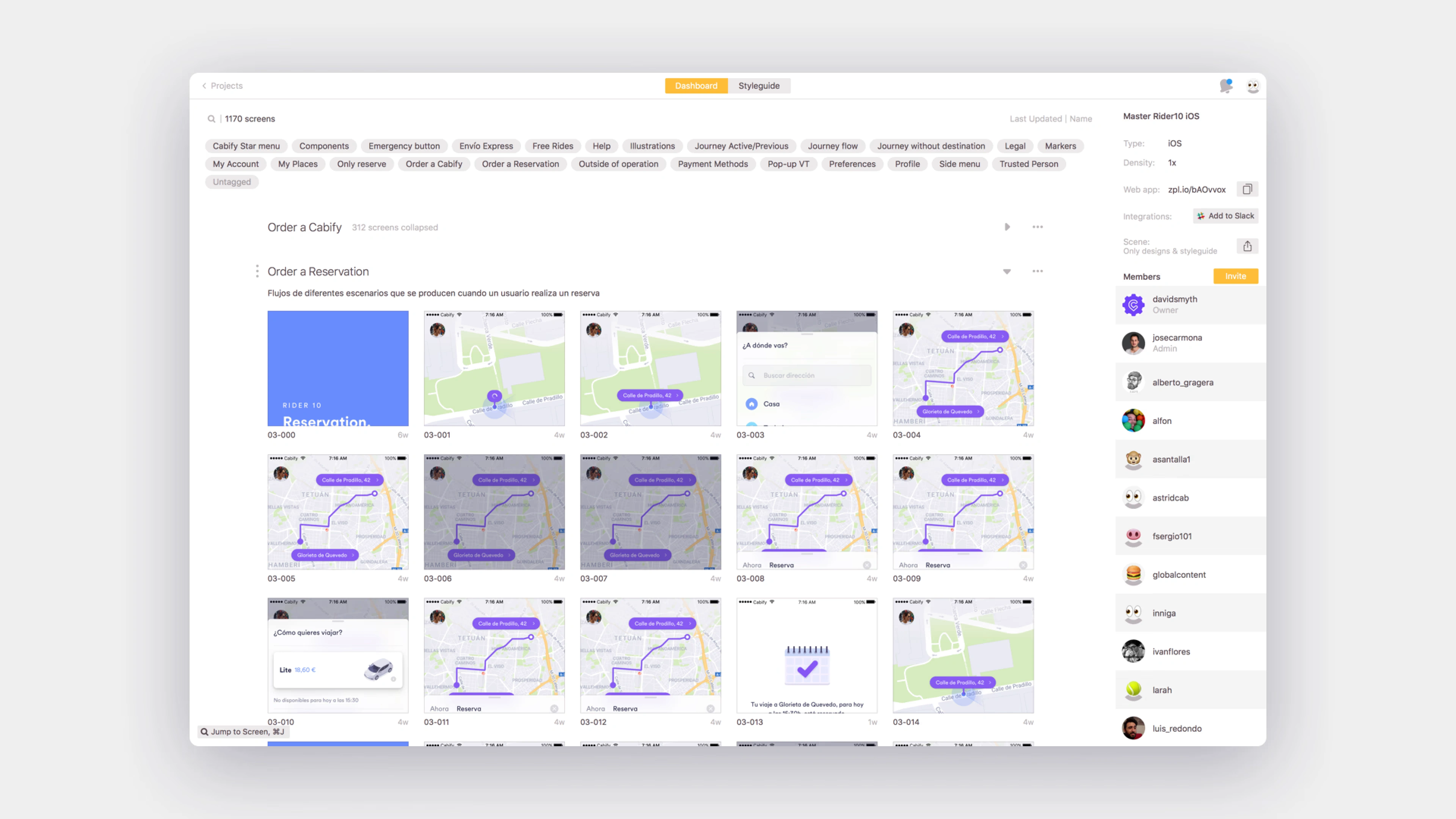
Zeplin handoff
Like this project
Posted Oct 30, 2025
Redesigned Cabify's passenger, driver and enterprise products and established a scalable design system.