Soundtrap Music Production Platform by Spotify

Iñigo Hernández

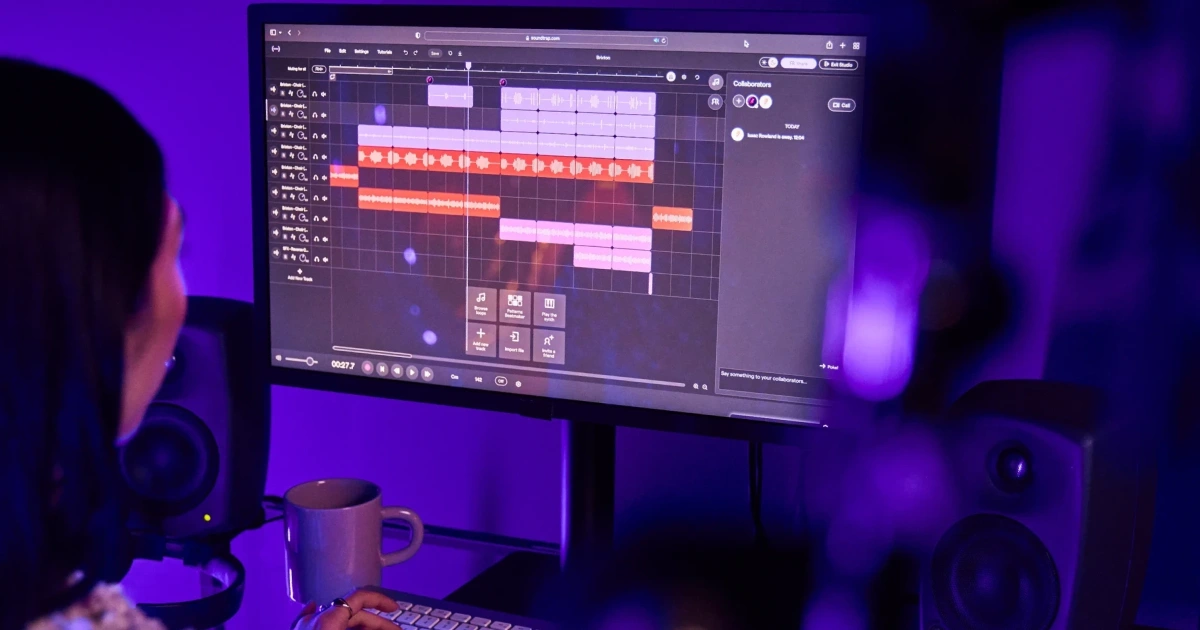
Soundtrap Studio by Spotify
Context
Soundtrap, Spotify’s web-based music studio, had an underused effects library. Users found it hard to discover and confusing to apply, often abandoning it—missing both creative potential and monetization opportunities.
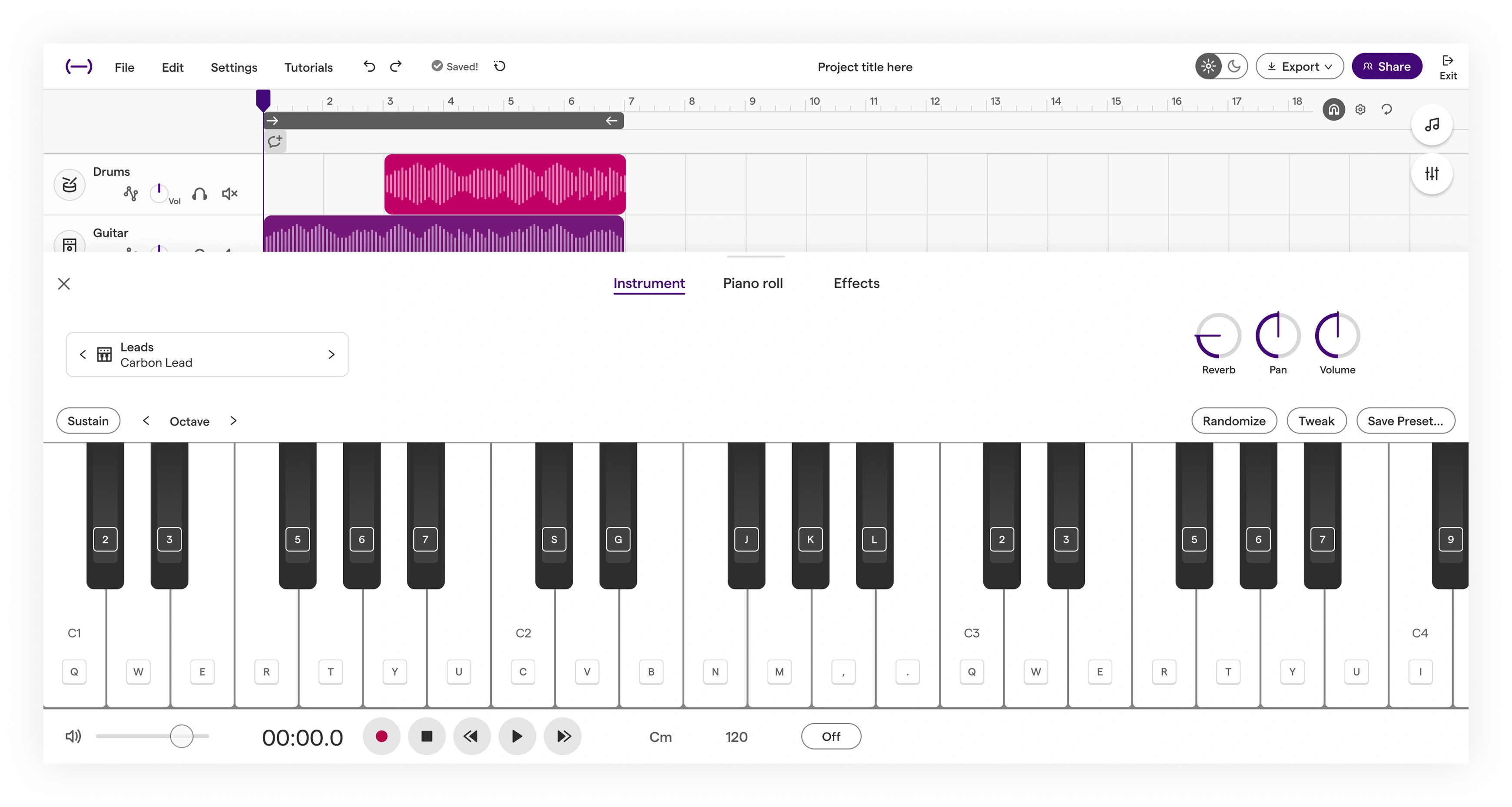
Soundtrap Studio
User Problems
Many users were unaware that effects existed or how to access them.
The effects library was difficult to navigate, with unclear labels and poor categorization.
No previews or guidance left users unsure how effects would change their sound.
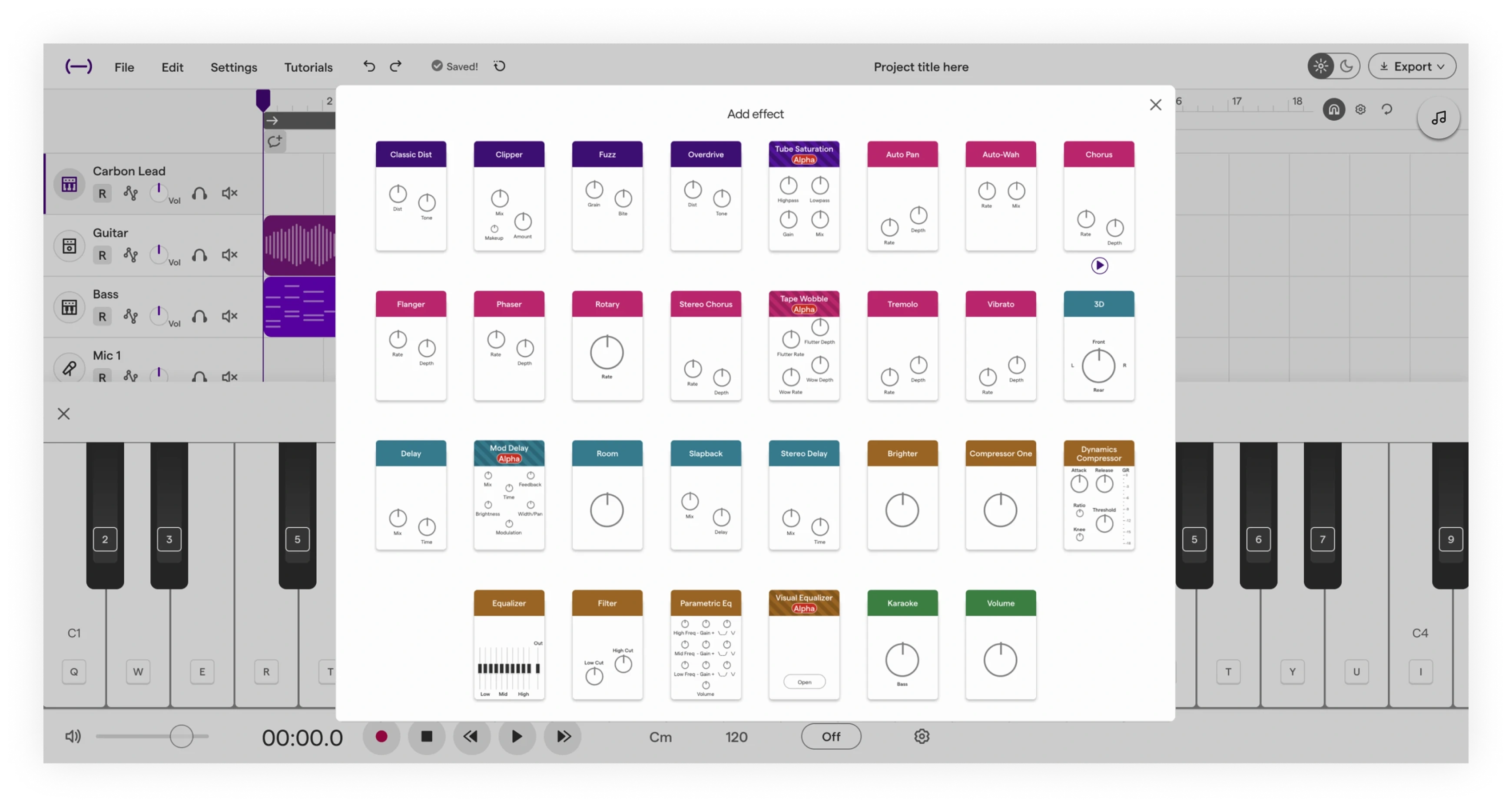
Old: Effects catalog
Goal
Redesign the effects experience so that novice users could stay in flow, while driving engagement and subscription growth.
Actions
Conducted user research and mapped the producer journey to identify friction points.
Led workshops with PMs, engineers, and researchers to prioritize improvements.
Simplified the effects library with categories, previews, and plain-language labels.
Added direct access from instrument panels and drag-and-drop slots for faster experimentation.
Partnered closely with engineers to validate feasibility and maintain performance across browsers.
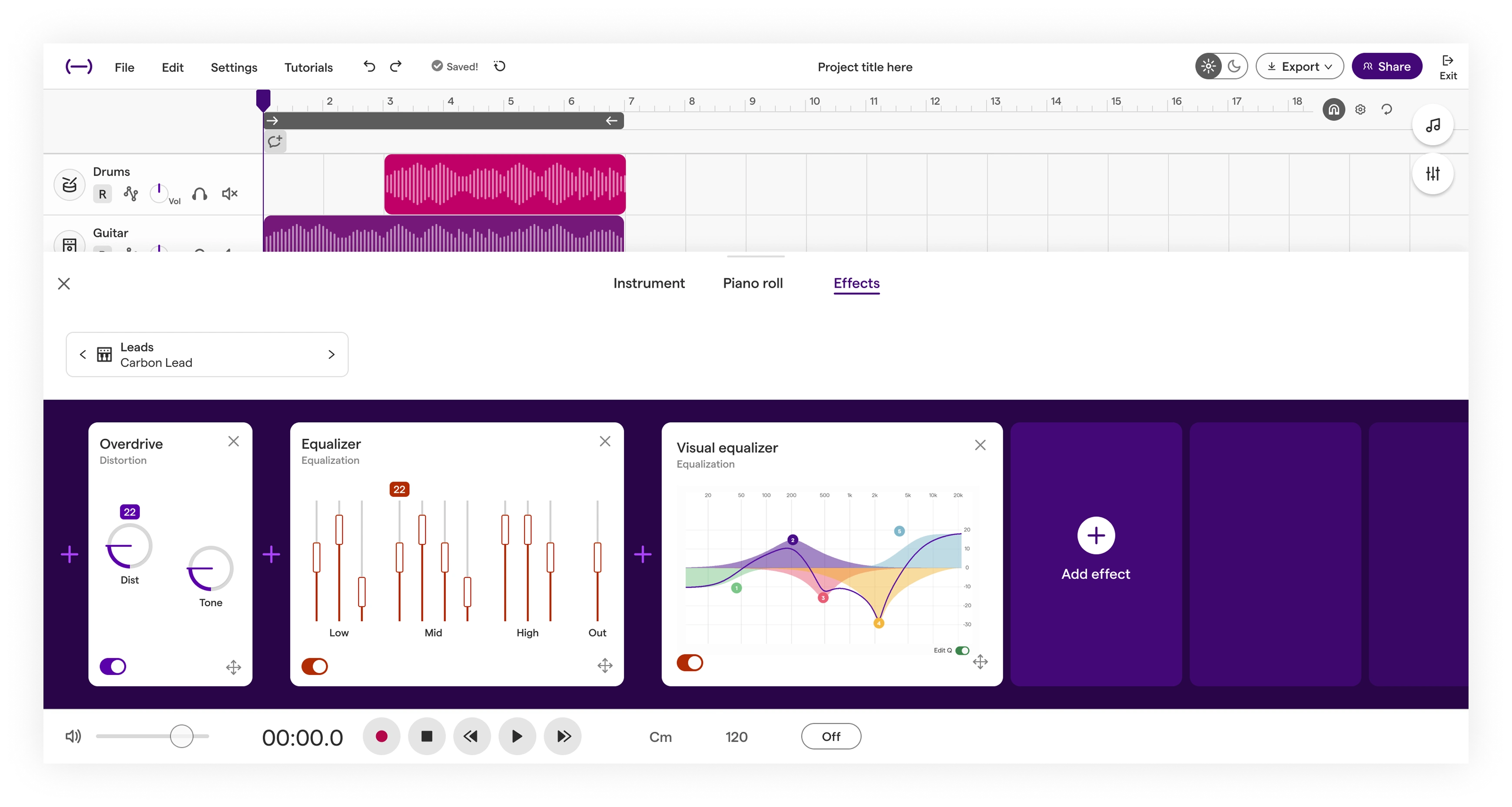
New: Effects panel overview chain
Challenges
The biggest challenge was balancing performance and usability—real-time previews risked slowing down the studio. Through close design–engineering iteration, we delivered lightweight previews first, then scalable advanced flows.
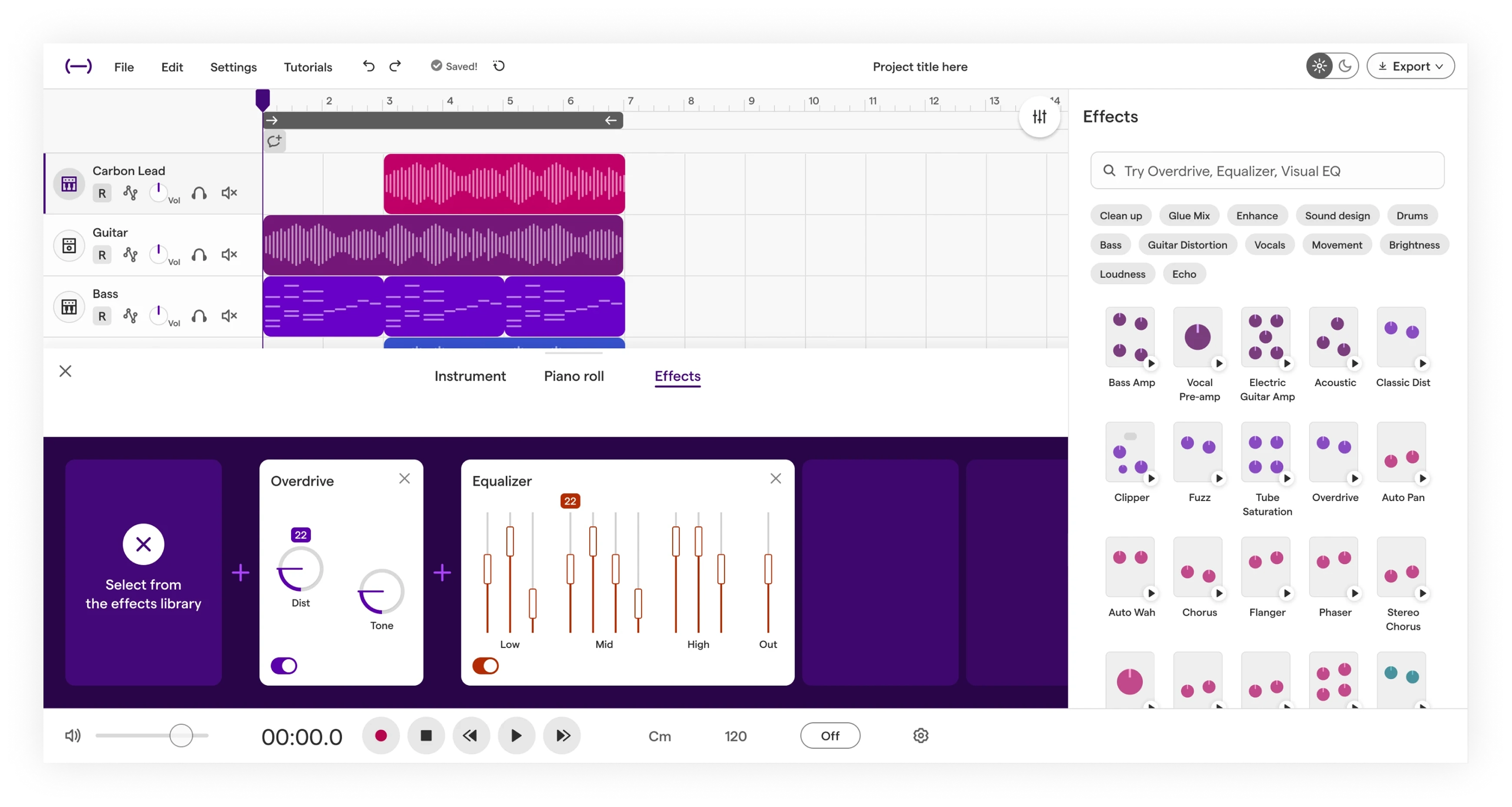
New: Effects catalog in the side panel
Results
5x increase in effects usage (time spent + applications).
+14% subscription conversion among users who used effects.
Higher satisfaction scores (NPS) and clear new monetization pathways.
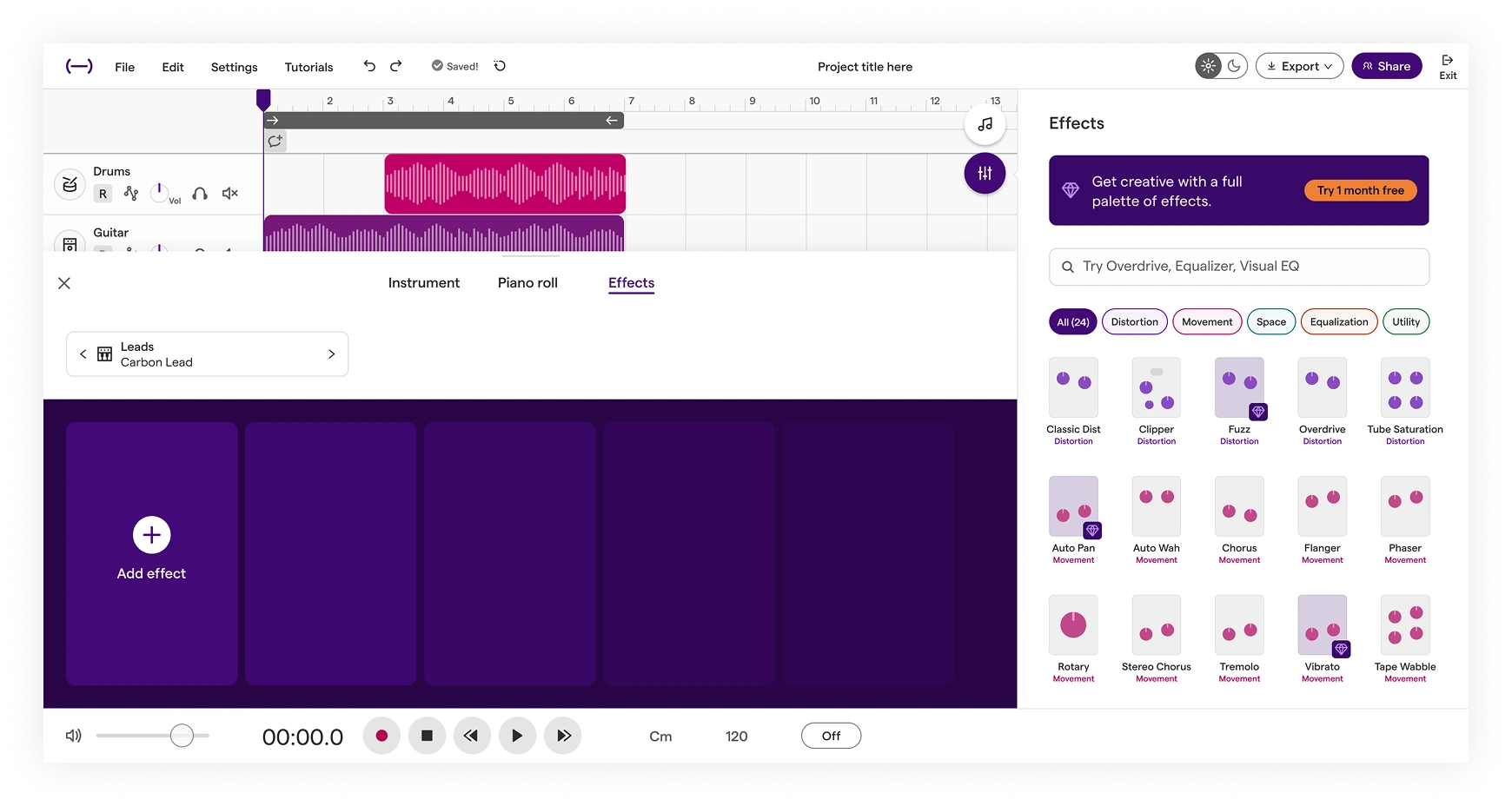
New: Opportunities for monetization in the effects catalog
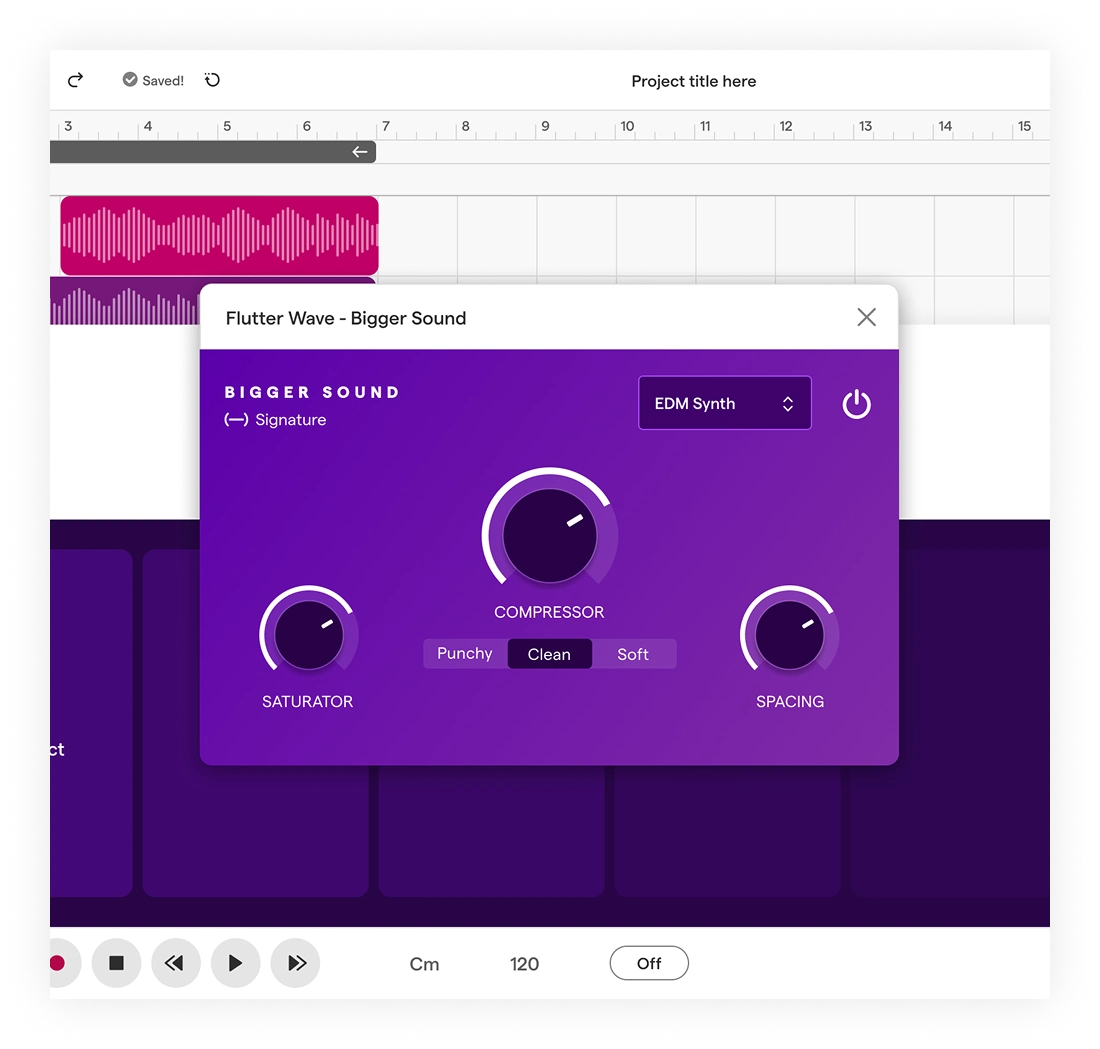
New: Full view of the effect for detailed control
Learnings
Early and continuous validation prevents wasted effort.
Elevated effects into a subscription driver, proving their business value.
Set a foundation for future AI-assisted effect recommendations.
Like this project
Posted Oct 27, 2025
Redesigned Soundtrap’s effects library, boosting usability and removing friction — driving 5× more effect usage and +14% higher subscription conversions.
Likes
2
Views
10