Why More Amazon Ads Won't Save a Broken Listing

Pradipta Podder


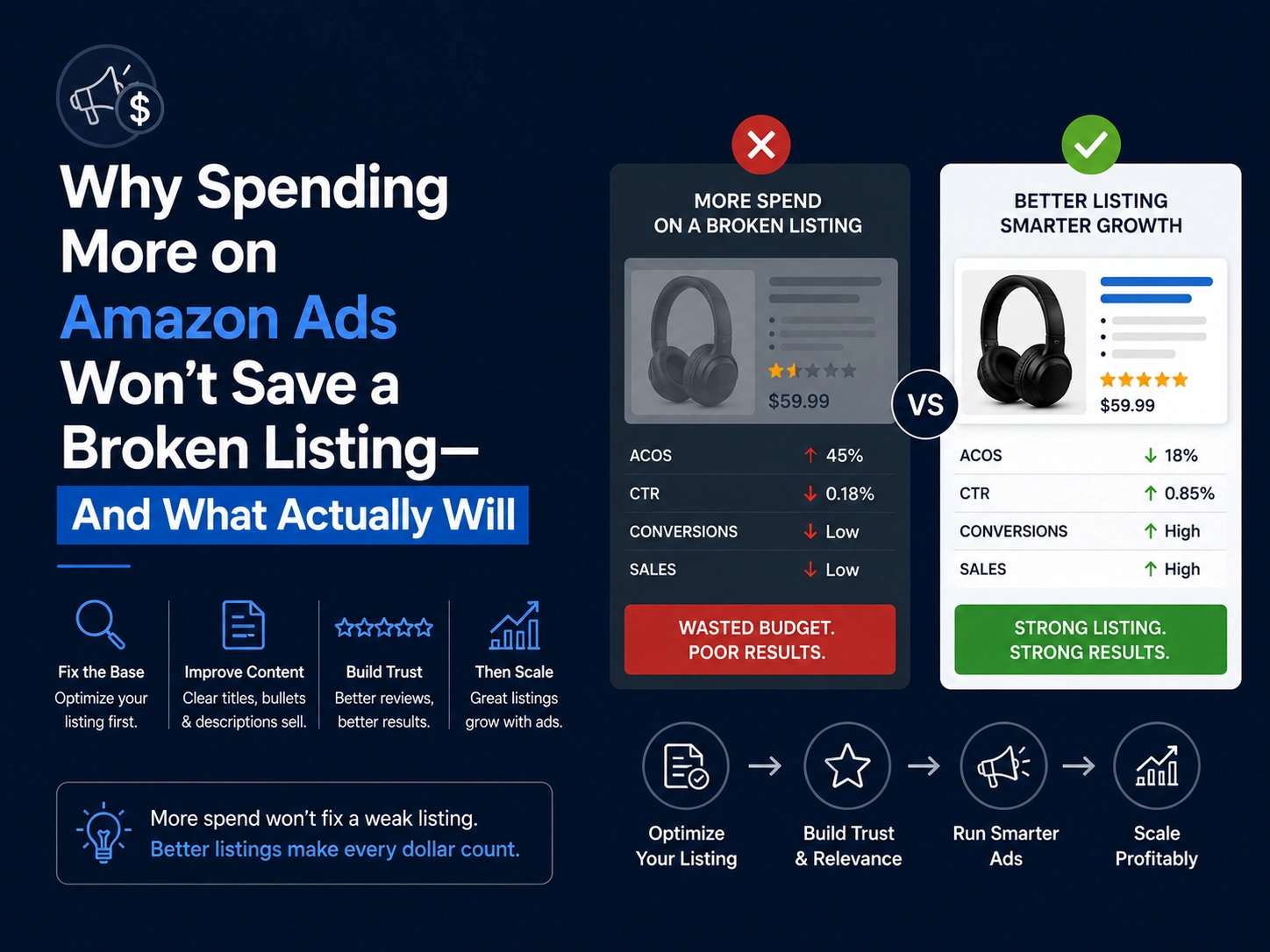
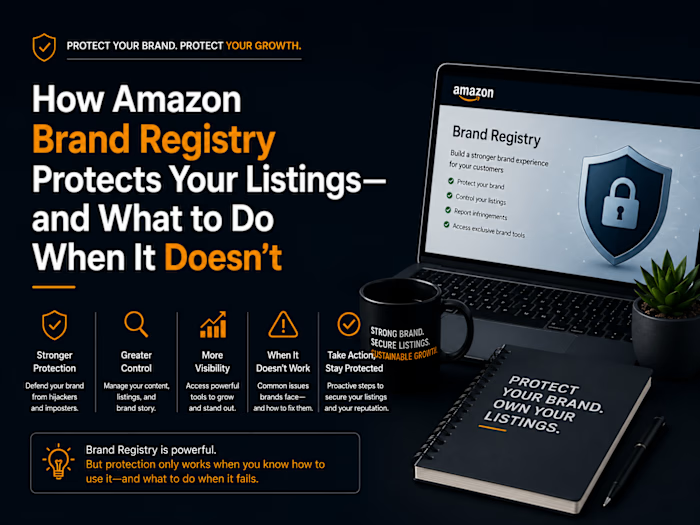
Why Spending More on Amazon Ads Won’t Save a Broken Listing — And What Actually Will
Follow
3 min read
·
Just now
Share
Every week, Amazon sellers pour hundreds of dollars into Sponsored Product campaigns expecting a surge in sales. Instead, they get clicks that go nowhere and an advertising cost of sale that keeps climbing. The product is good. The price is competitive. So why isn’t it converting?
The answer is almost never the ads. It’s the listing underneath them.
Running ads to a broken listing is like turning up the volume on a song that’s out of tune. More people hear it — but more people also skip it. Before you spend another dollar on PPC, you need to honestly answer one question: is your listing actually doing its job?
What a Broken Listing Looks Like
A broken listing isn’t always obvious. It doesn’t have to be missing images or filled with typos. Most broken listings look almost fine on the surface — but they’re silently killing conversions in ways sellers never catch.
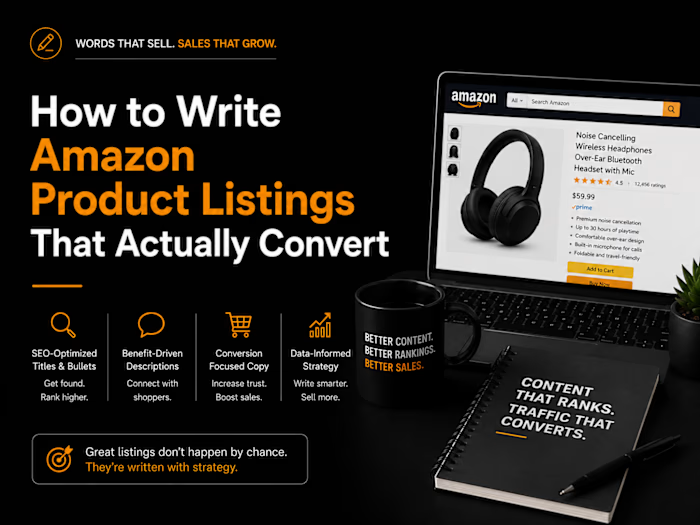
The title stuffed with keywords but impossible to read naturally. Bullet points that list product features instead of answering buyer questions. A main image that technically meets Amazon’s requirements but doesn’t stop a scroller. A+ content that looks pretty but says nothing specific. A product description written for the algorithm instead of the human reading it.
Amazon’s algorithm gets you the impression. Your listing content has to do everything else — build trust, answer objections, and close the sale. If it’s not doing that, ads will never fix it.
Why Ads Make a Broken Listing Worse
Here’s what most sellers don’t realize. When you run ads to a listing with poor conversion rate, Amazon’s algorithm notices. It sees traffic coming in and buyers leaving without purchasing. Over time that signals to the algorithm that your product isn’t relevant to those search terms — and your organic ranking drops.
You paid for clicks that didn’t convert and lost organic position at the same time. That’s the double penalty of advertising a broken listing that nobody talks about.
More budget doesn’t solve this. It accelerates the damage.
What Actually Needs Fixing First
Get Pradipta’s stories in your inbox
Join Medium for free to get updates from this writer.
Subscribe
Subscribe
Remember me for faster sign in
Before ads, fix these four things in this order:
First, your main image. It’s the only thing that gets you the click from search results. If it doesn’t immediately communicate what the product is and why it’s different, nothing else matters.
Second, your title. It needs to lead with your primary keyword, read naturally, and include the specific details — size, quantity, material, compatibility — that pre-qualify buyers before they even click.
Third, your bullet points. Stop listing features. Start answering the questions buyers are actually asking. What problem does this solve? Why is it better than alternatives? What should they know before buying?
Fourth, your A+ content. This is your closing argument. By the time a buyer scrolls here, they’re interested but not convinced. Generic brand banners and vague lifestyle images don’t close sales. Specific comparisons, clear use cases, and honest answers to common objections do.
What Happens When You Fix the Content
A listing with strong content converts at a higher rate from the same traffic. Higher conversion rate signals relevance to Amazon’s algorithm. Better organic ranking means more free traffic. More free traffic means your ads budget works harder because you’re not paying for clicks that organic search would have delivered anyway.
Fix the content first and your existing ad spend suddenly performs better — without increasing the budget.
The Right Order — Every Time
Optimize the listing. Then run the ads.
Not the other way around. Never the other way around.
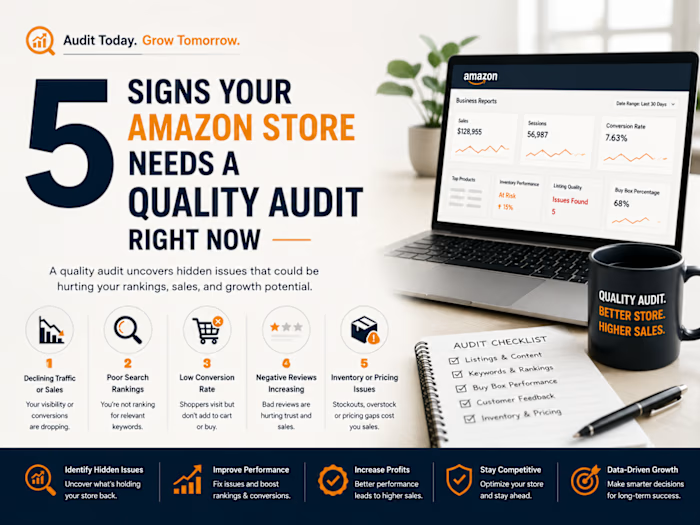
If your Amazon sales are disappointing right now, resist the instinct to increase your ad budget. Open your listing instead. Read your bullet points out loud. Look at your main image with fresh eyes. Ask yourself honestly — if I were a buyer who knew nothing about this product, would this listing answer every question I have and make me confident enough to buy?
If the answer is no, that’s where your money needs to go first. Content fixes are cheaper than wasted ad spend, and they compound over time in ways that paid traffic never will.
Like this project
Posted Jun 23, 2026
Pouring money into Amazon ads but sales won't budge? The problem isn't your budget — it's your listing. Here's what to fix first.