Amazon Brand Registry: Protect Your Listings and Fight Back

Pradipta Podder


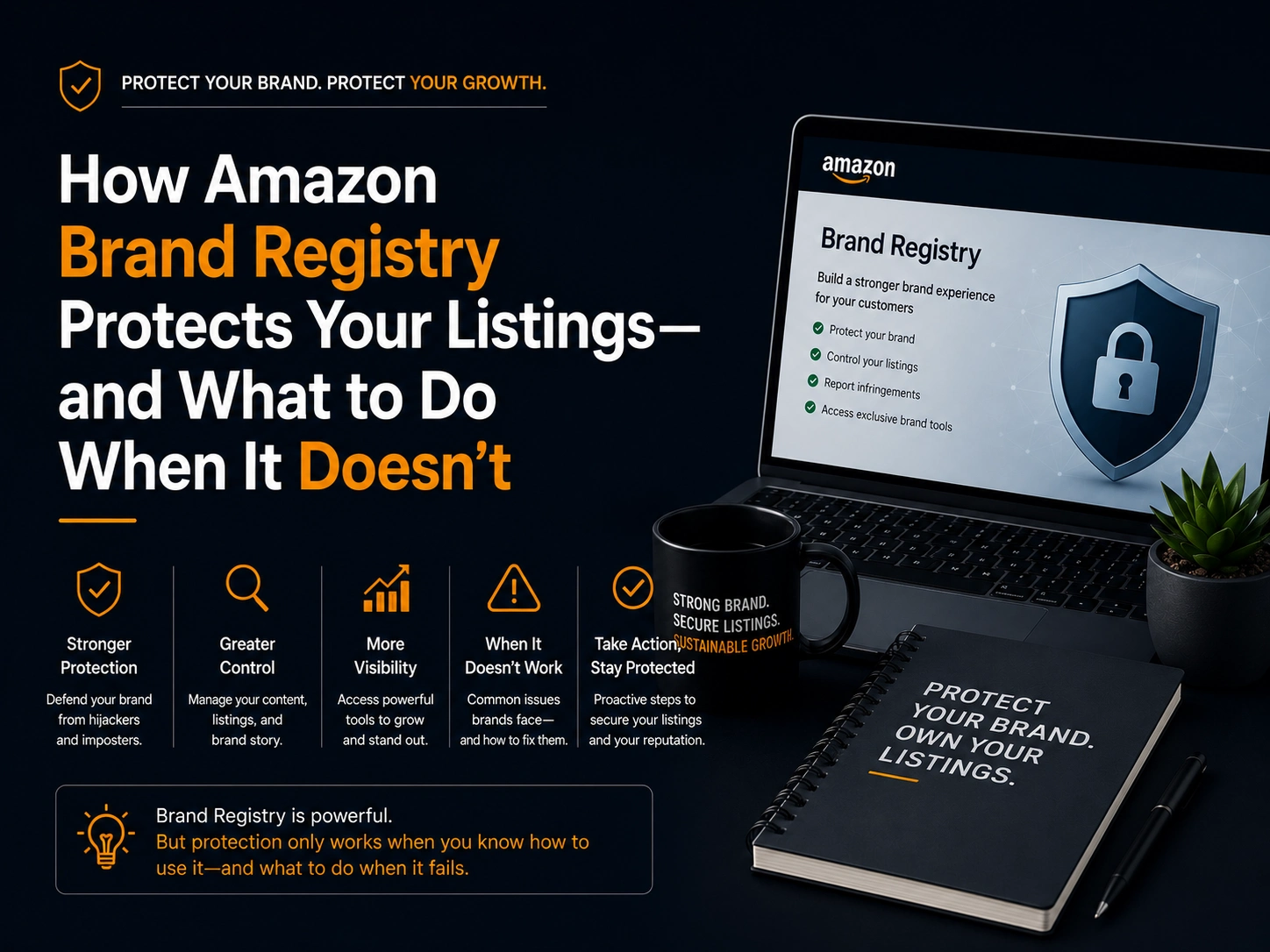
How Amazon Brand Registry Protects Your Listings — and What to Do When It Doesn’t
Follow
3 min read
·
Just now
Share
You log into Seller Central one morning and something’s off. Your listing title has changed, a stranger is sharing your Buy Box, and your review score is slipping because customers are receiving counterfeit units. Amazon’s automated system flagged nothing. This is what listing hijacking looks like — and it happens to registered brands too.
Amazon Brand Registry is supposed to prevent exactly this. And most of the time, it does. But when it doesn’t, most sellers have no idea what to do next. This guide covers both: how to make Brand Registry work for you, and how to fight back when it fails.
1. Conduct Daily Intellectual Property Sweeps If you’re waiting for automated alerts or customer complaints, you’re already losing money to hijackers. Set aside some time each morning to actively check your listings using the Report a Violation tool. By utilizing image search, trademark tracking, and ASIN monitoring, you can spot infringers and unauthorized sellers before they gain momentum or snatch the Buy Box.
Get Pradipta’s stories in your inbox
Join Medium for free to get updates from this writer.
Subscribe
Subscribe
Remember me for faster sign in
2. Execute Immediate Test Purchases Amazon’s support teams are often hesitant to accept vague claims that another seller is offering “fake” goods without solid proof. As soon as you notice a suspicious seller on your listing, you should buy their product right away. Getting your hands on that physical item gives you the concrete evidence — like noticeable packaging differences or missing logos — you need to file a strong counterfeit report that Amazon will actually take seriously.
3. Audit Your Brand Listing Authority Having a Brand Registry gives your account a boost in “listing authority,” but keep in mind that the catalog system can be a bit glitchy, letting unauthorized changes sneak in. It’s crucial to keep your brand updates separate from regular listing edits and to check your backend data every week. This consistent auditing helps ensure that your titles, bullet points, and images stay secure, preventing any bad actors from messing with your listings and triggering those dreaded automatic suspensions.
4. Leverage Proactive Protection Programs While Brand Registry is mostly reactive, signing up for Amazon Project Zero and the Transparency program shifts your strategy to a more proactive stance. With Project Zero, you can swiftly remove counterfeit listings without having to wait for Amazon’s manual approval. On the other hand, the Transparency program mandates unique, serialized barcodes for every unit shipped, effectively blocking unauthorized inventory right at the warehouse level.
5. Maintain an Updated IP Portfolio Amazon can’t protect what you can’t legally prove you own, so it’s essential to keep a well-organized registry of your active trademarks and global design patents. As your brand grows into new markets or rolls out new product variations, make sure to promptly update your Brand Registry account with the new registration numbers. This practice ensures that your legal coverage is always in place for your entire active footprint.
When the system inevitably lets you down — and Amazon’s automated bots dismiss a perfectly valid infringement claim — you can’t just resubmit the same ticket and cross your fingers for a different outcome. Instead, you need to escalate the matter right away by moving from basic seller support to the Executive Seller Relations team or by using the escalation options in the Brand Registry dashboard. Make sure to frame your argument around legal trademark infringement, support it with your test purchase order numbers, and clearly explain how the violation goes against Amazon’s terms of service. Brand Registry is a powerful tool, but it demands constant vigilance, legal precision, and a proactive approach to truly safeguard your listings.
Like this project
Posted Jun 21, 2026
Practical guide for Amazon sellers on Brand Registry covering hijacker response, Report a Violation, Project Zero, Transparency program, and escalation tactics.
Likes
0
Views
1
Clients
Amazon