Reducing Task Completion Time by 50%

Fábio Alencar


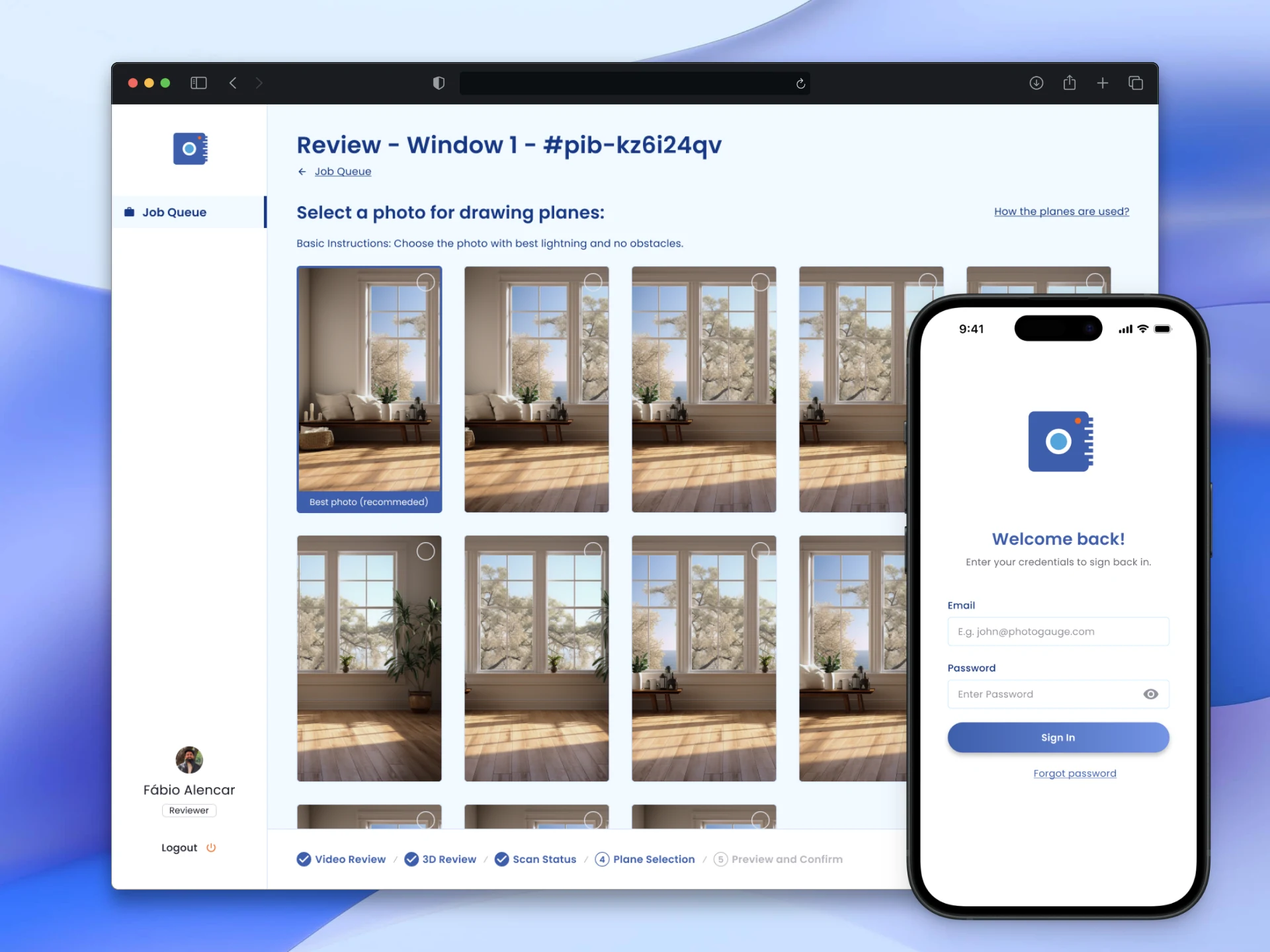
Reducing Task Completion Time by 50%
Transforming complex 3D measurement workflows into efficient processes through strategic design leadership.
Design System | Product Design | Research | Startup | Design Leadership
Overview
PhotoGauge is an AI-powered video measurement platform specialized in precise 3D engineering measurements, primarily for replacement windows and doors.
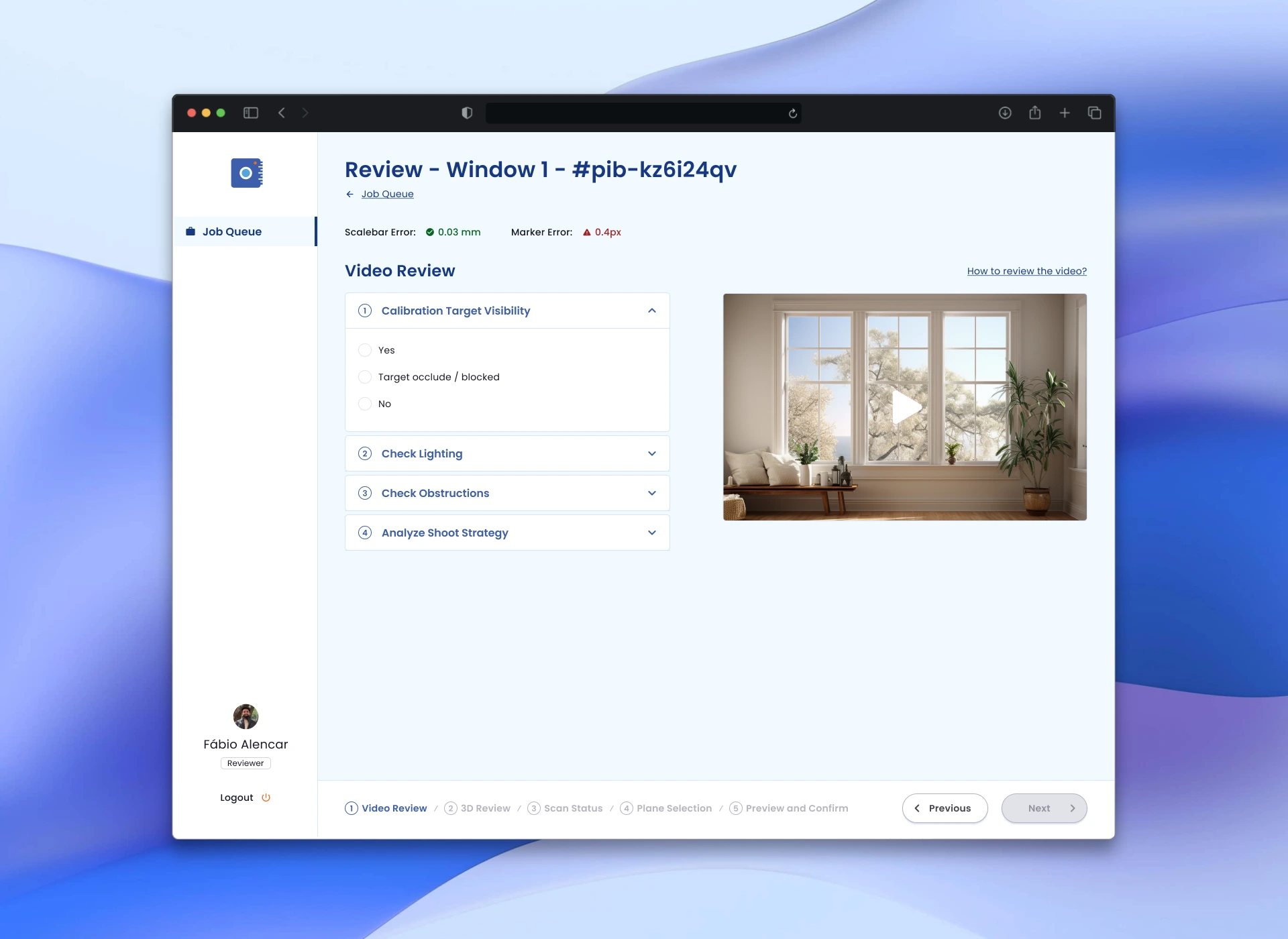
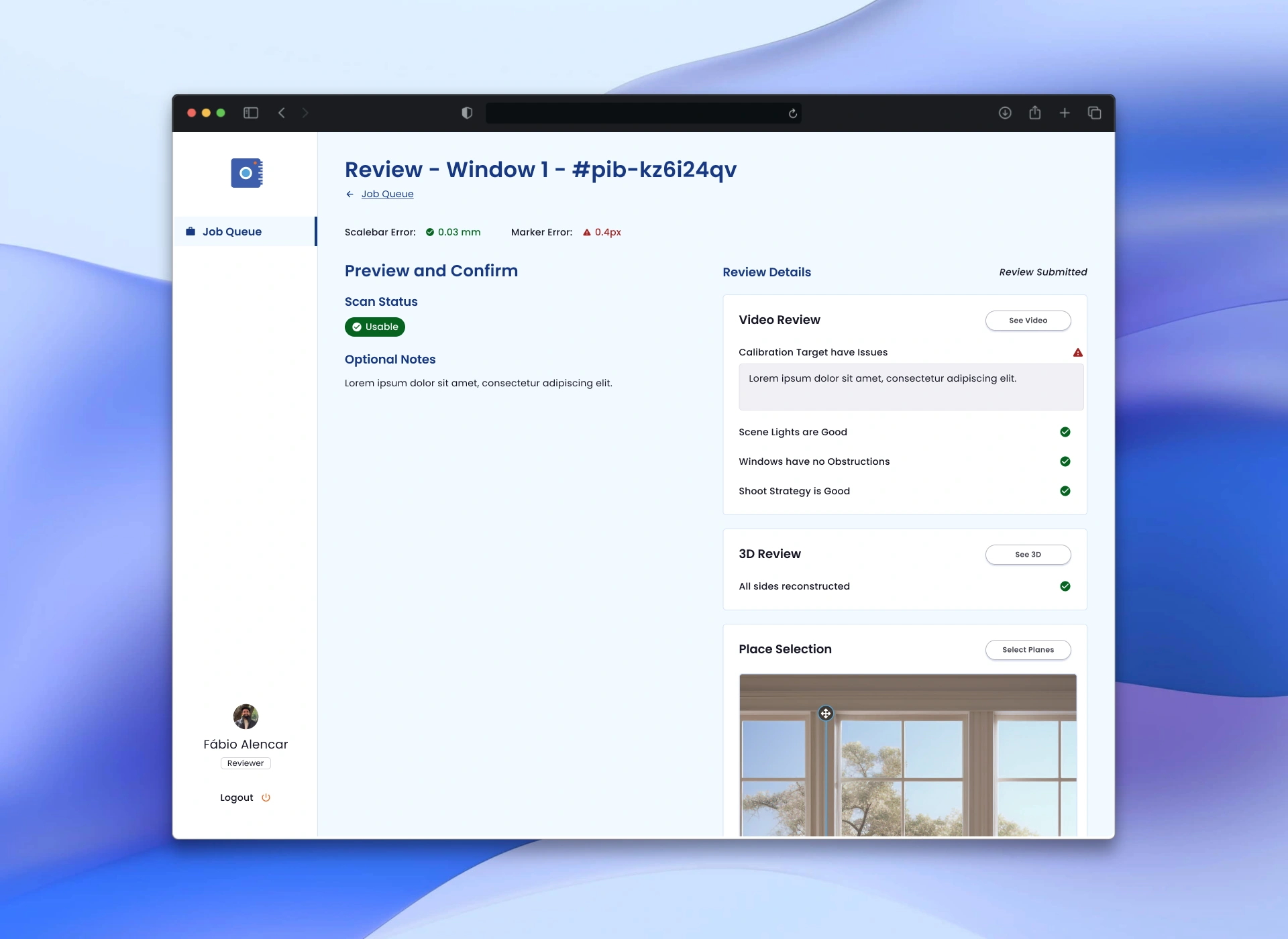
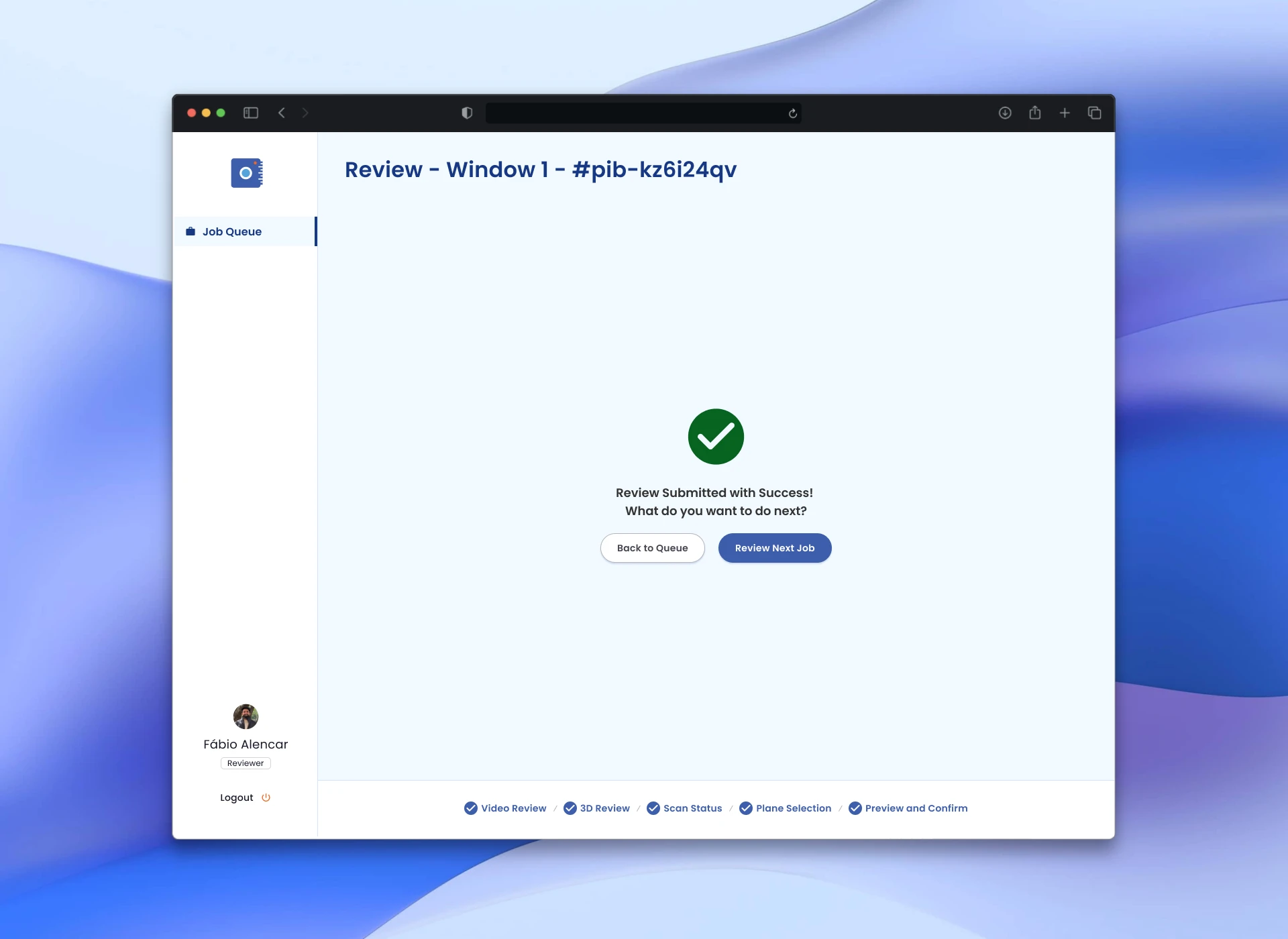
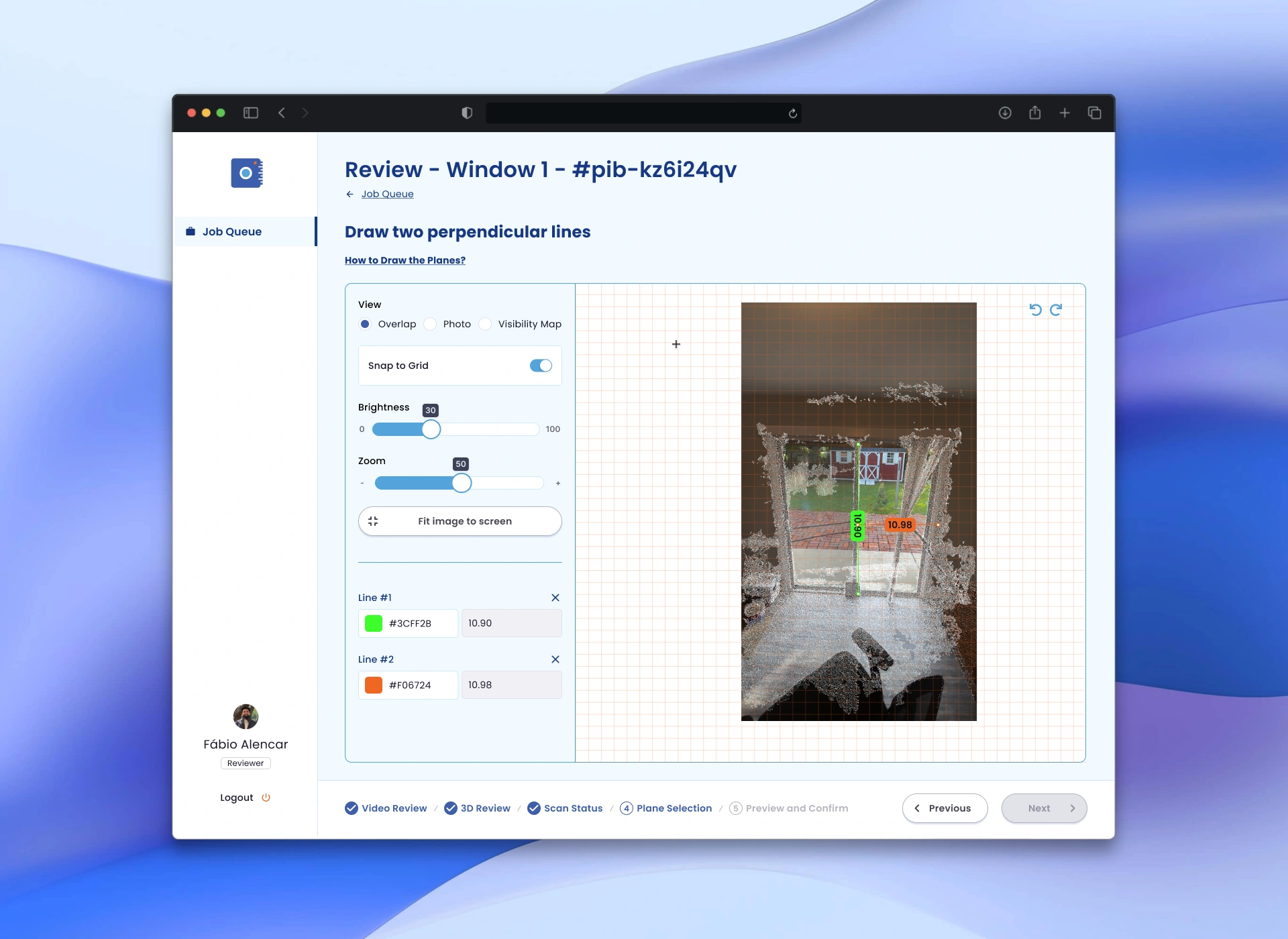
The dashboard redesign aimed to streamline the diligent and complex inspection review process, enhancing efficiency without compromising accuracy.
The Goal
Simplify the overly complex task review workflow while preserving detailed inspection capabilities and precision required for 3D engineering measurements.
Role: Lead Product Designer | Team: Managing 1 Junior Designer
The Challenge: Complexity as a Bottleneck
PhotoGauge's AI-powered 3D measurement platform faced critical workflow inefficiencies that undermined its core value proposition of precision engineering.
Productivity Loss
Overly complex task review workflow consuming excessive user time and reducing overall efficiency.
Accuracy Risk
Workflow complexity increased error rates during meticulous inspection processes.
Lack of Clarity
Monolithic experience failed to differentiate between Admins, Reviewers, and Managers.
Strategic Approach: Simplifying Precision
Led comprehensive research and structural reorganization while establishing design governance for startup scaling.
01 Research & Alignment
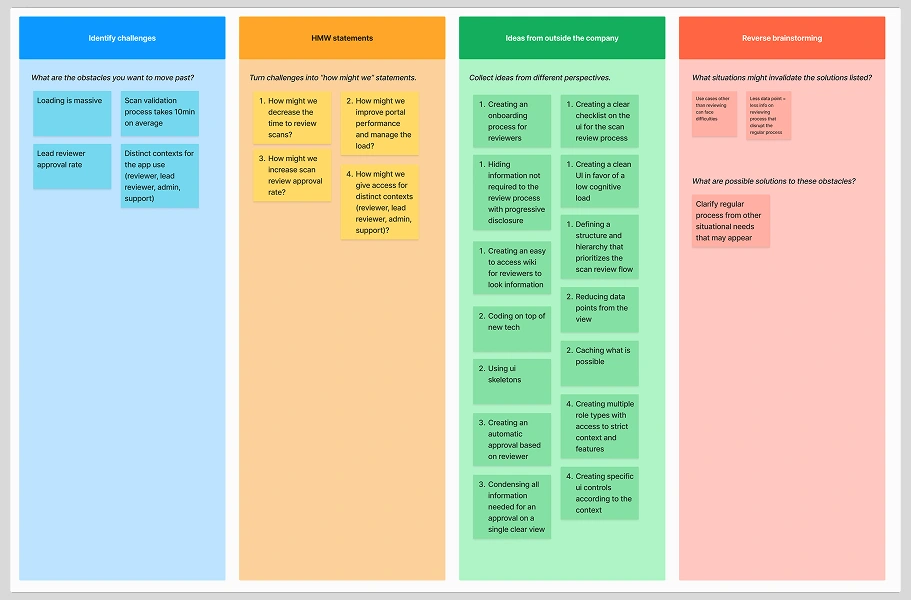
Researched industry standards and attributes. Engaged stakeholders including CEO, conducted UX audit, and prioritized features by impact. Performed quick benchmark analyses of similar rigorous review processes.
02 User Flow Mastery
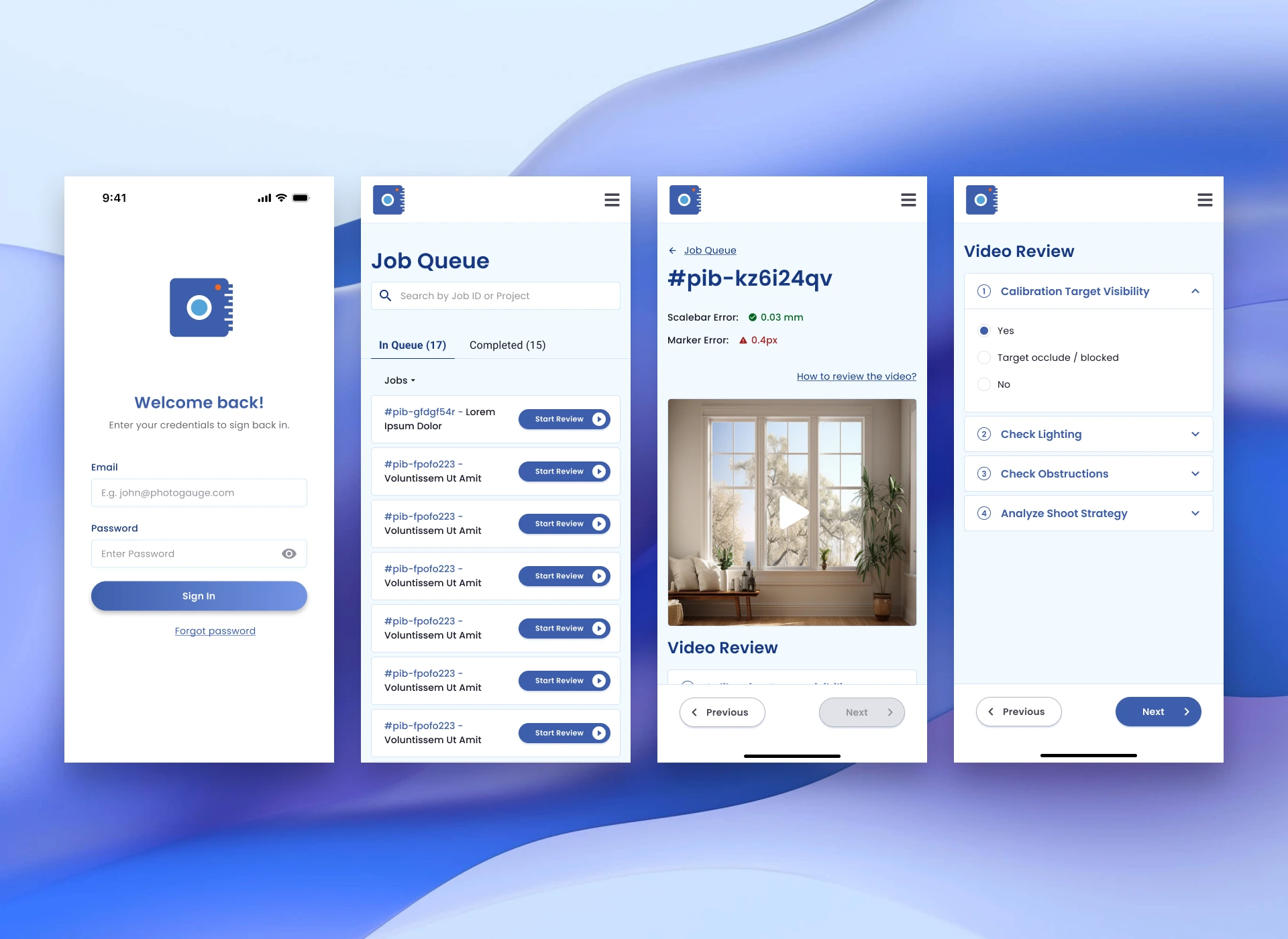
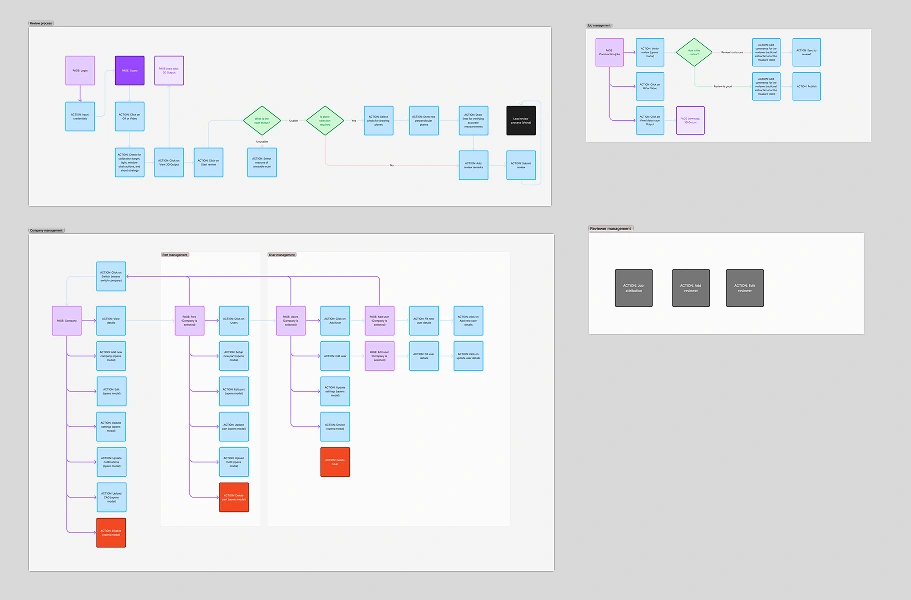
Created detailed flows for Admins, Reviewers, and Managers, identifying critical bottlenecks. Optimized interactions by reducing clicks and reorganizing tasks based on frequency and priority.
03 Role Differentiation
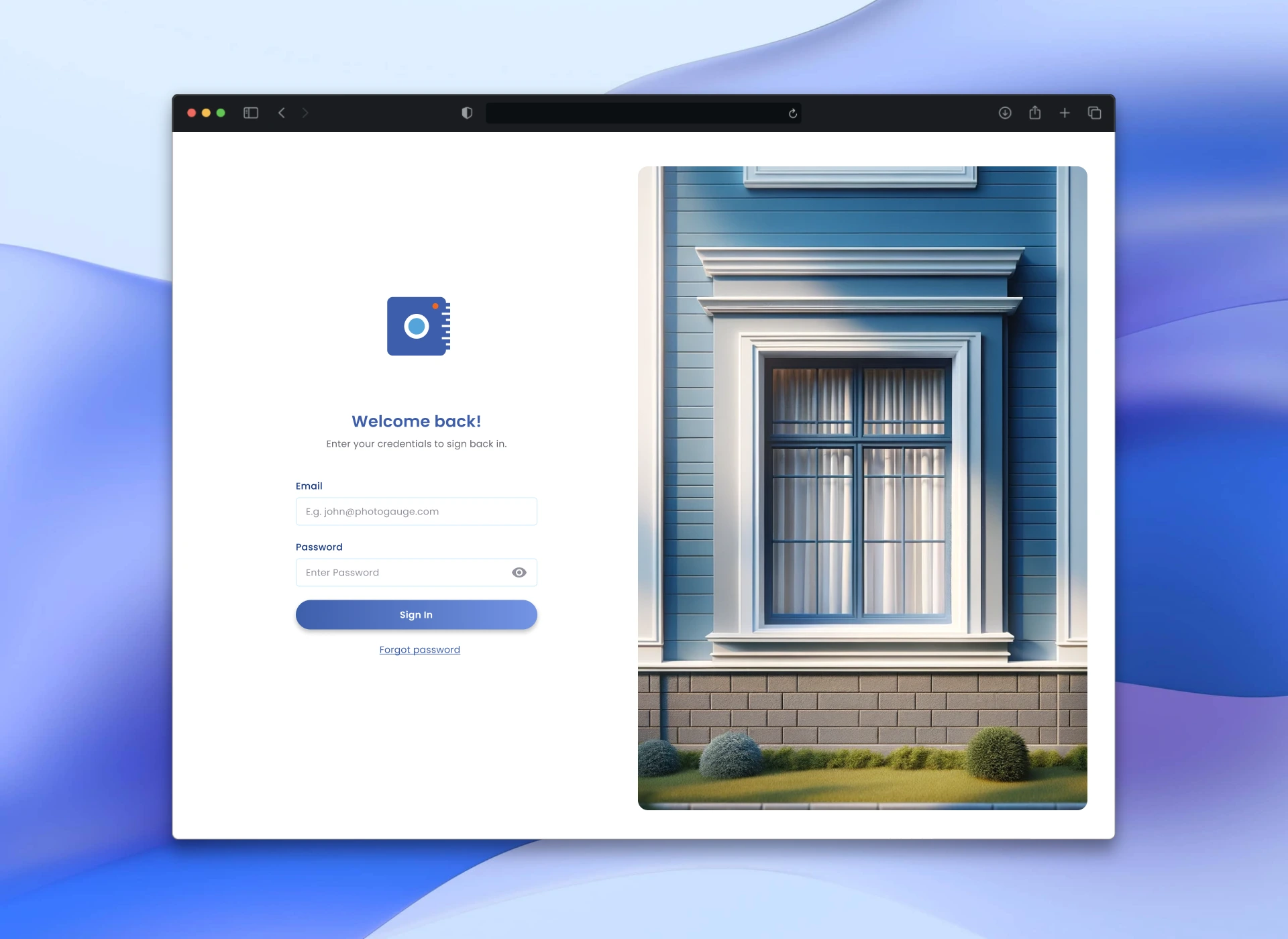
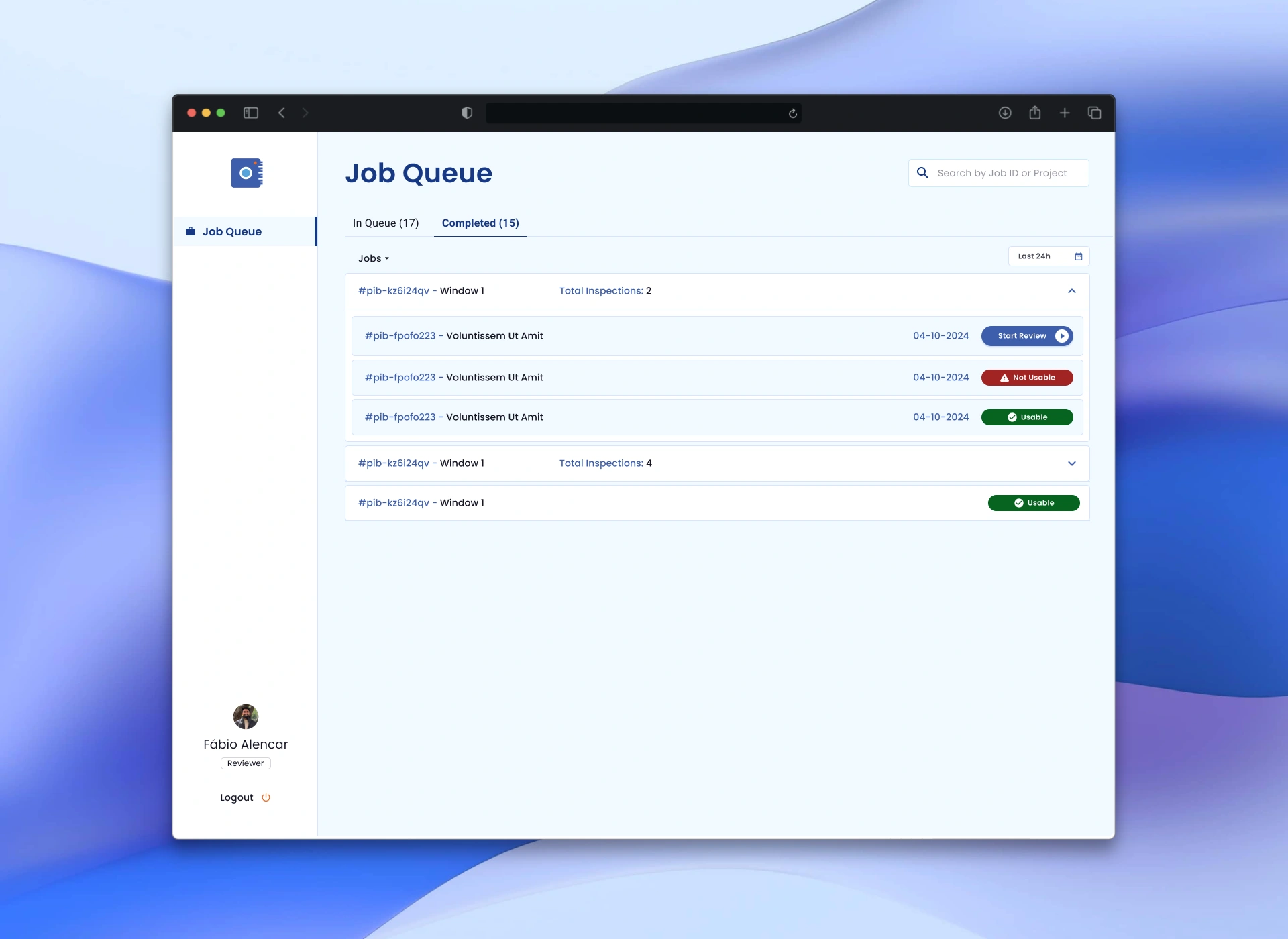
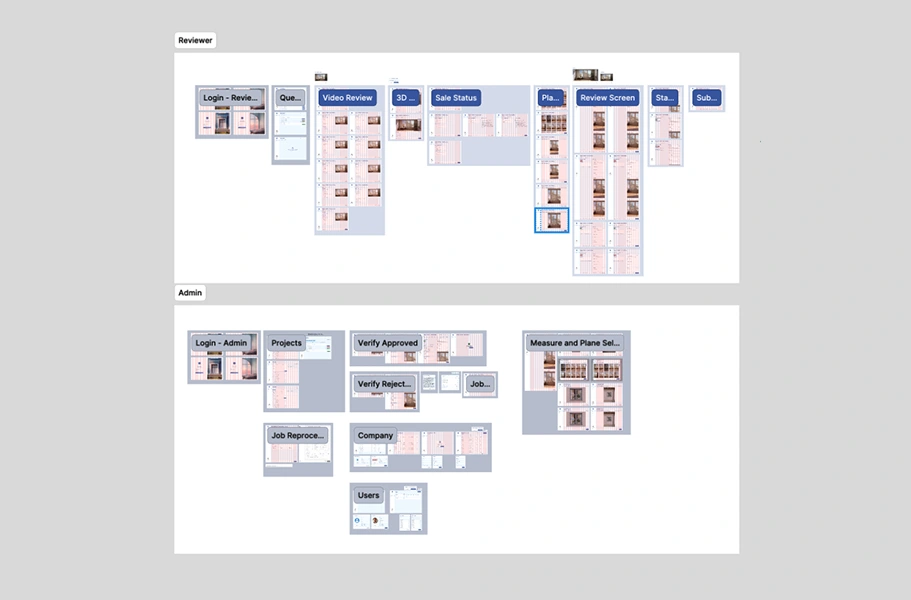
Reorganized experience into two clear profiles: Reviewers (task completion) and Admins (governance). This addressed the fundamental issue of a monolithic experience serving all user types.
04 Design Governance
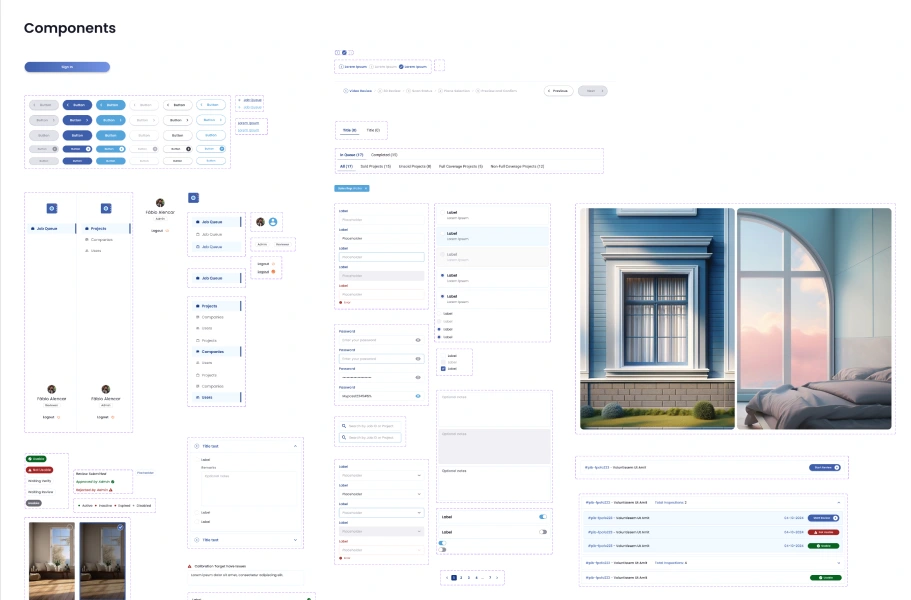
Established foundational component library in Figma for consistency and scalability. Directed UI/UX strategy and facilitated stakeholder discussions for long-term design operations.
Tools & Techniques
FigJam
Brainstorming and initial concept mapping
Figma
Wireframing, prototyping, UI/UX design, component library
Excel
Collecting and ranking feature data
Jira
Task documentation, tracking, collaboration
Measurable Impact
Strategic simplification delivered immediate efficiency gains and quality improvements across the platform.
~50% Time Reduction
Dramatic decrease in task completion time through workflow optimization.
Reduced Error Rates
Noticeably reduced errors during review process, enhancing measurement accuracy.
User Satisfaction
Significantly improved satisfaction due to simplified, intuitive workflows.
Key Insight
Balancing simplification with detailed granularity required for precise 3D engineering measurements. Effective stakeholder alignment and rapid, targeted UX improvements were essential for achieving high-impact results without compromising accuracy.
Key Learnings
Precision vs. Simplicity Balance: Engineering measurement tools require detailed granularity, but users still need streamlined workflows. Finding this balance was crucial for the redesign's success.
Stakeholder Alignment First: Engaging the CEO and key stakeholders early in the process enabled faster decision-making and alignment on priorities, especially for a startup environment.
Role-Based Design: Differentiating the experience based on user roles (Reviewers, Admins, Managers) solved fundamental usability issues that a one-size-fits-all approach couldn't address.
Design System Foundation: Establishing a component library early enabled consistency across the platform and will accelerate future development as the startup scales.
Like this project
Posted Mar 31, 2026
Dashboard redesign for PhotoGauge's AI-powered 3D measurement platform, streamlining inspection workflows while maintaining engineering precision.
Likes
0
Views
6