Decred | Blockchain, open-source software

Tanel August Lind


Decred is an open-source cryptocurrency built around community governance. My involvement began in 2016 with winning the project’s first product-design RFP. I initially led design studio EETER’s contribution, later overseeing design across the project. I co-authored the identity and helped establish a design practice spanning the brand and its software.
We approached DCR as a currency symbol: something that needed to stay recognisable at small sizes, sit alongside different typefaces and be simple enough to draw by hand. Simple construction and consistent visual logic helped distinguish it from letters and numbers.
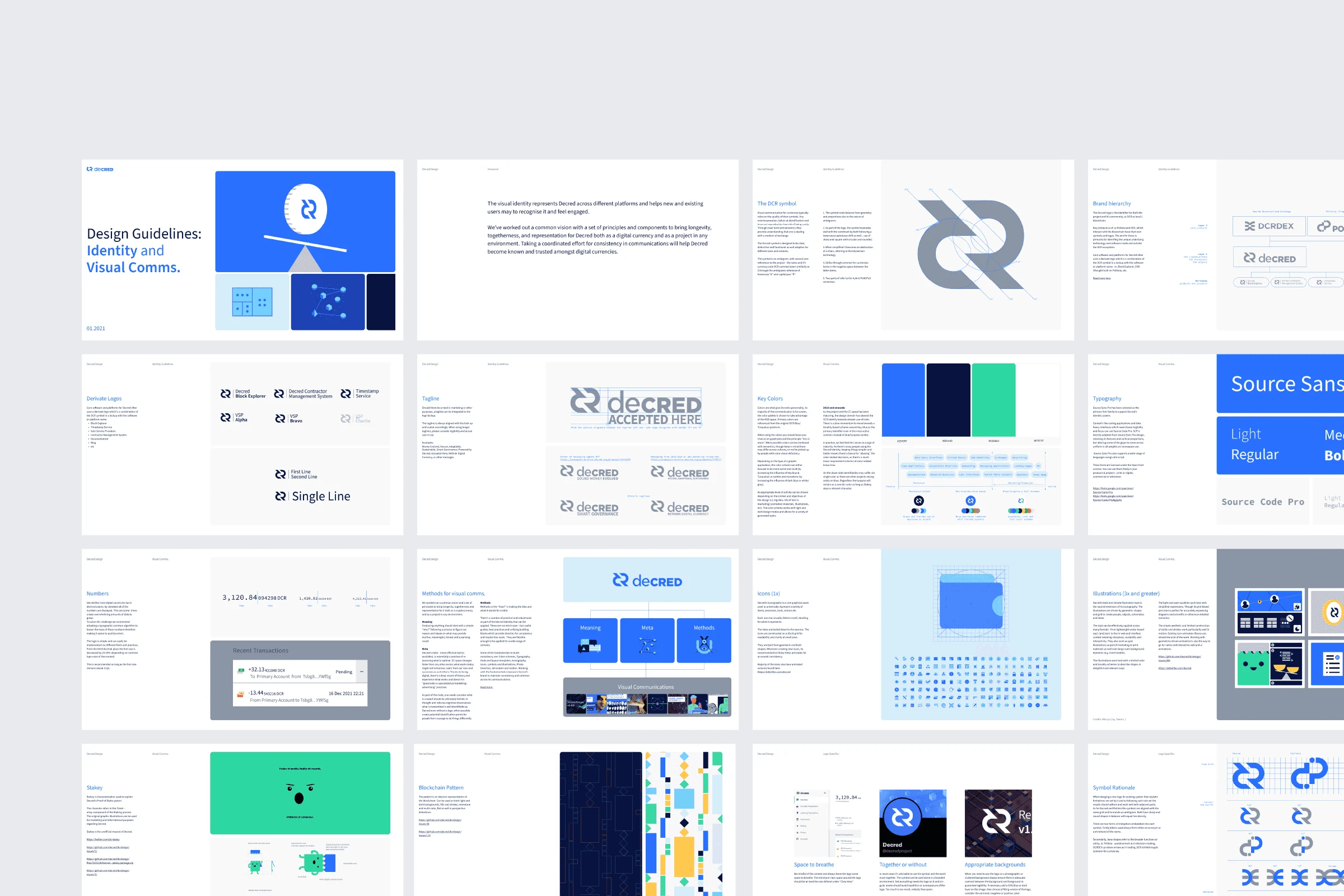
The identity went live in February 2017, alongside updated project websites and a reusable branding package. Shared principles, components and working files let contributors make new work independently while keeping it recognisably Decred.
The system had to hold together across:
communication
interfaces
contributor-built tools
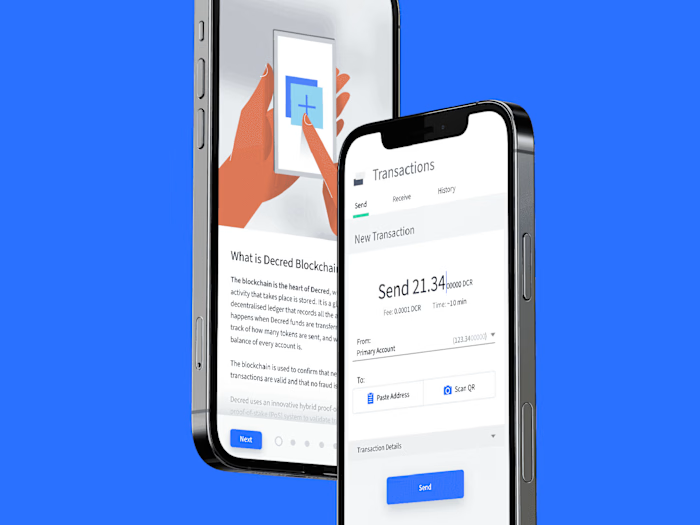
The work connected wallet and governance interfaces, visual communication and shared design tools. Working with the wider design contributor team, I helped grow a design effort involving more than 20 contributors.
For a distributed project, the design system had to be usable without the original designers in the room. Shared principles guided decisions, practical tools supported day-to-day work and reusable assets kept contributions consistent across contexts.
That base carried through several releases. We kept refining the details as the product and the team changed.
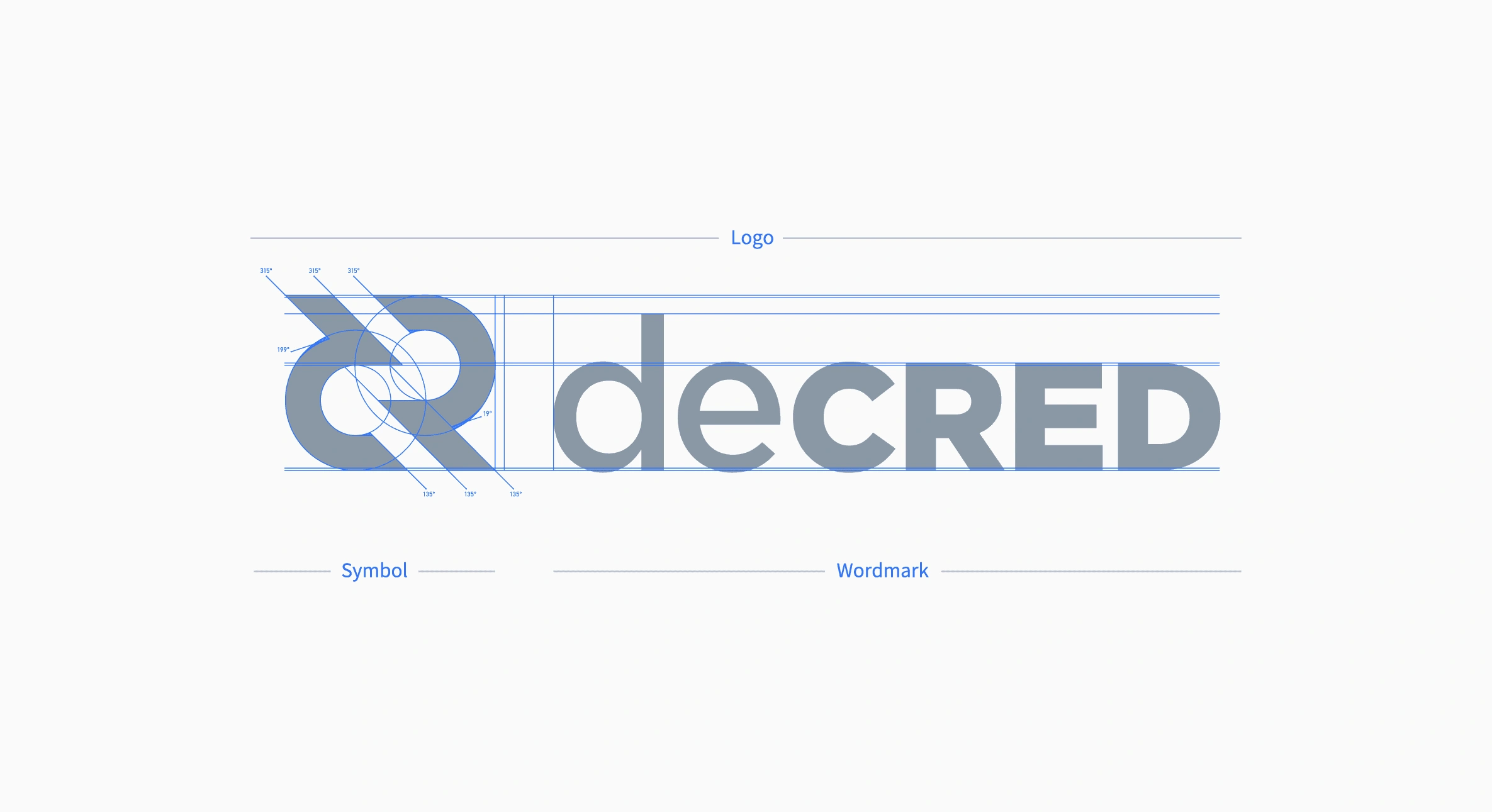
The DCR symbol is an ambigram. Its geometry gives it a distinct shape while allowing it to work across type, interfaces and motion. That construction also became a starting point for the wider identity.
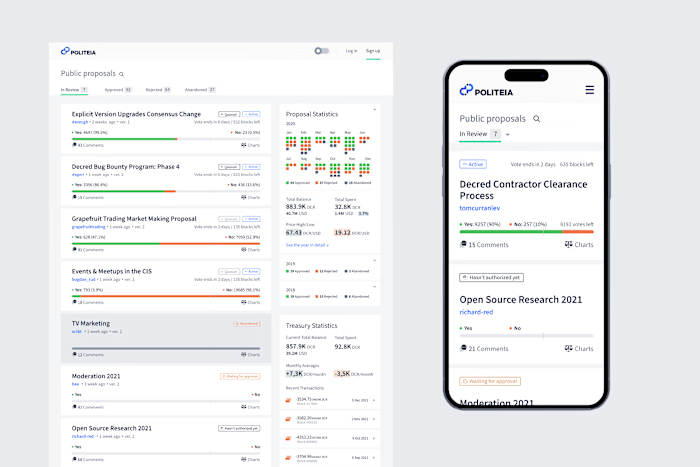
Work across Decrediton and Politeia informed pi-ui, the UI design system for related products. Shared components, visual rules and interaction patterns gave contributors a common foundation for design and implementation. The wider work included contributor-management tools for billing, review and accountability.
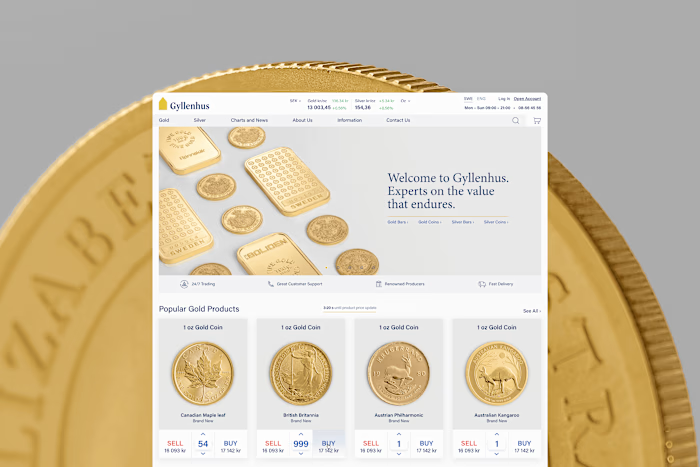
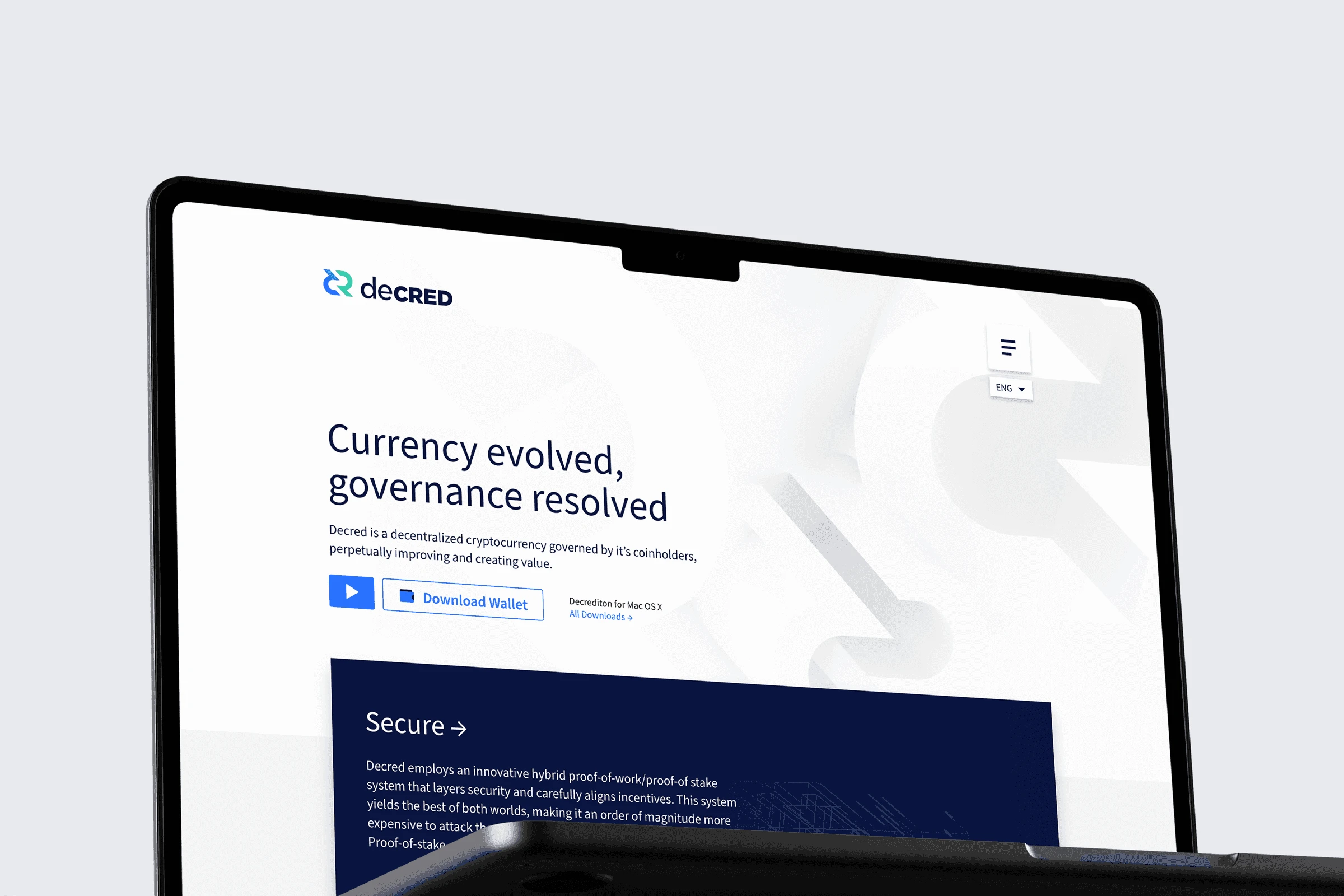
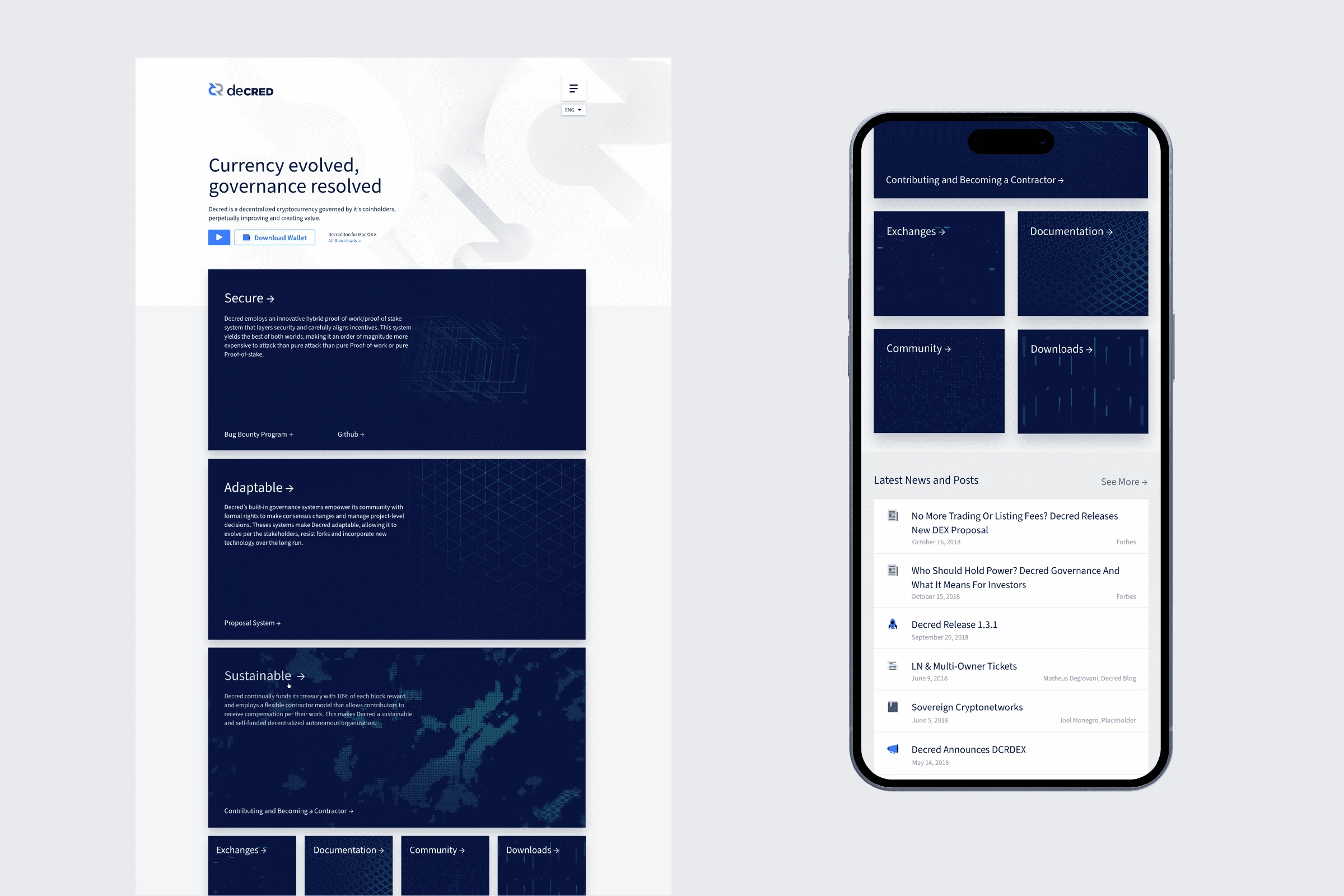
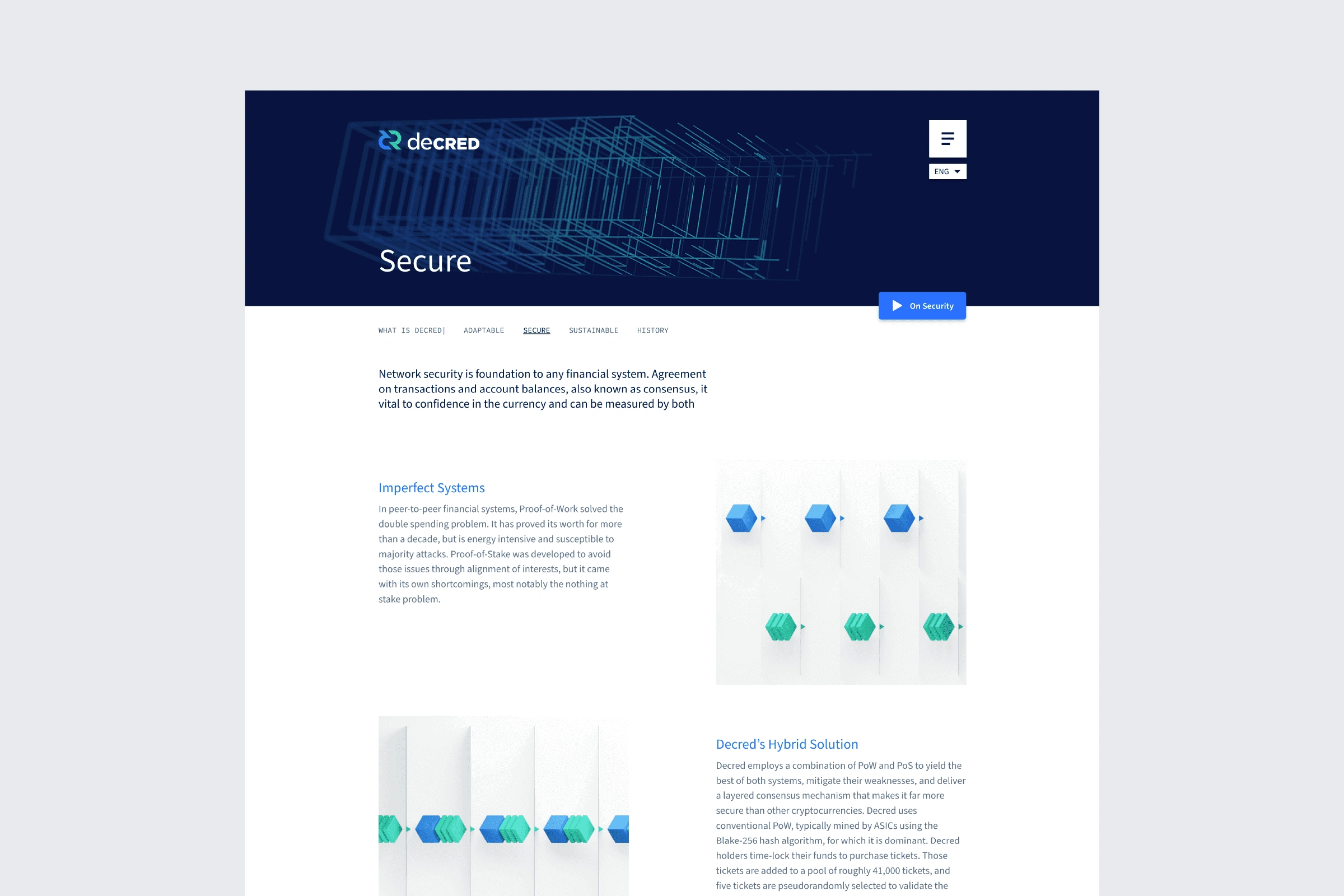
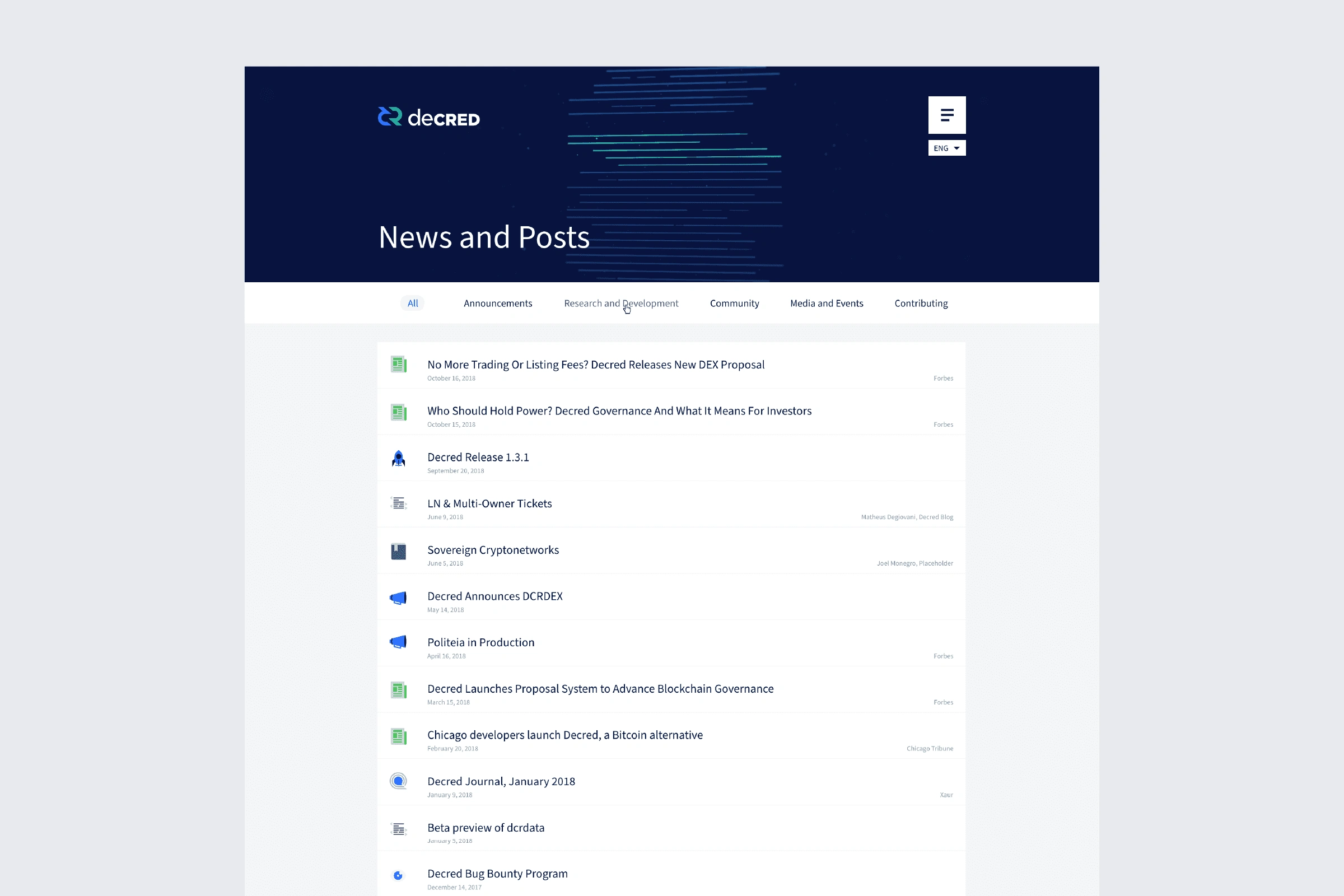
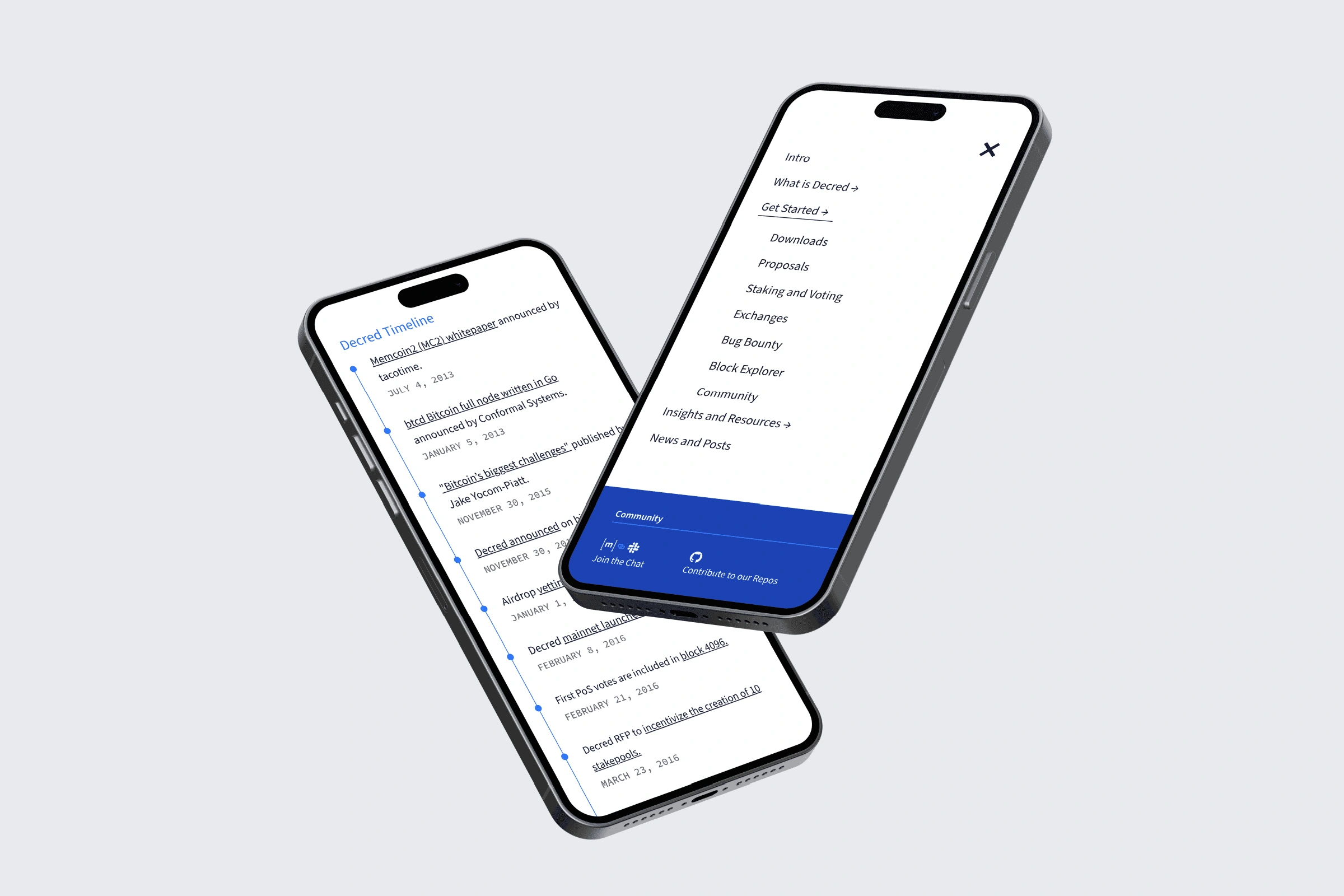
The main site changed more than once as Decred matured. Each pass made the project easier to explain, especially to people arriving without a deep crypto background.

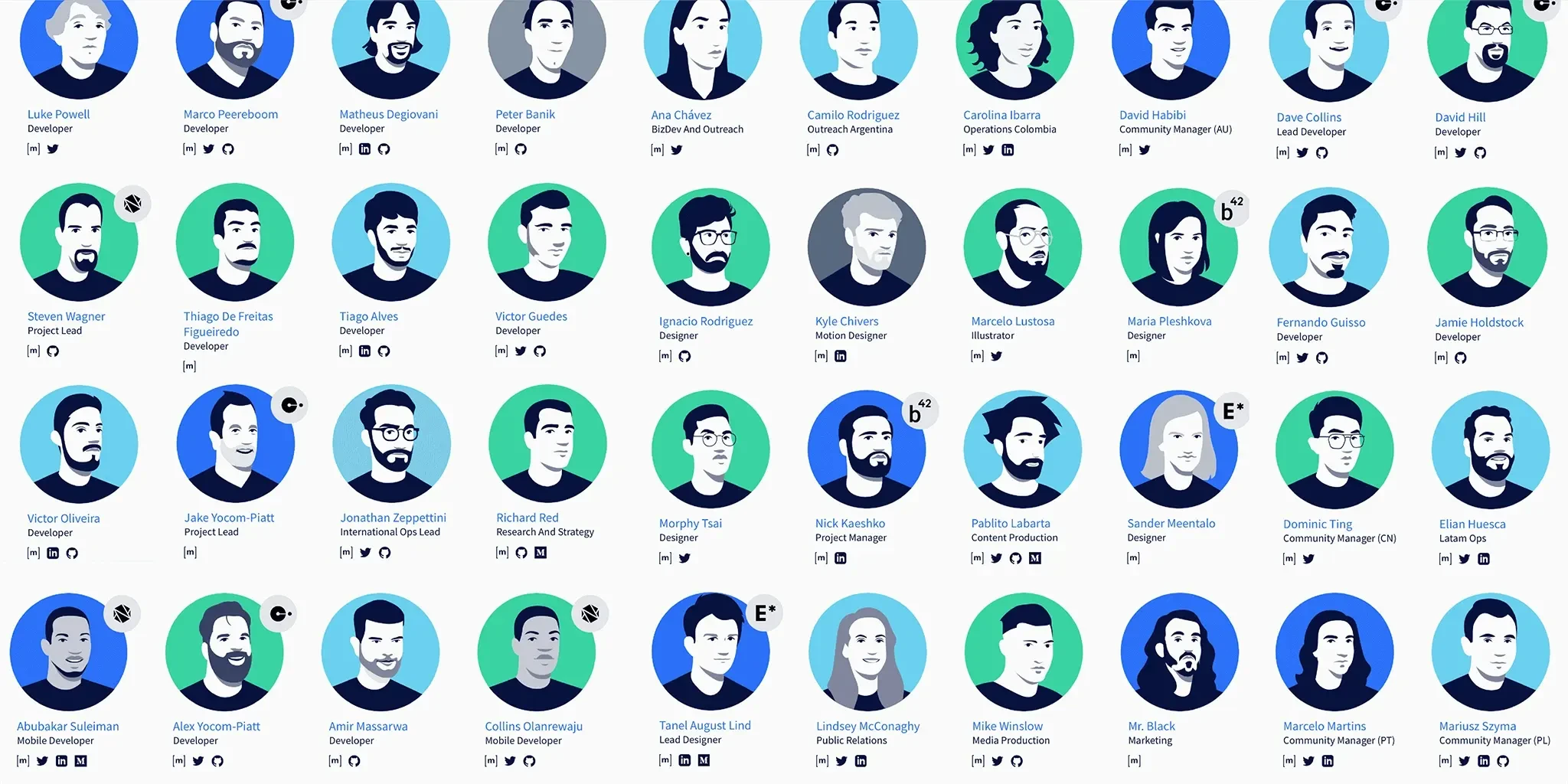
There was a lot beyond the core UI: illustrations, motion for releases and, later, a shared language of 3D forms. Different hands made them, but they belonged to the same project.


My work on Politeia ran from its version 0 prototype, based on Reddit’s interface, through successive releases to the implementation built with pi-ui. The platform lets stakeholders decide which work deserves support from Decred’s network-funded treasury. The design aimed to encourage active governance: questioning proposals, scrutinising budgets and engaging with their authors before voting. Clear stages, public discussion and visible outcomes were intended to support considered decisions and accountability.
Credits
Design Lead: Tanel A. Lind
Design: Sander M., Jani R.
Illustration: Kärt Koosapoeg, Marcel Lustosa
Motion: BOP (Sander Joon, Mikk Mägi), Kyle Chivers
3D: 30000fps
Development: Mykolas Raižys
Case Study 01: Identity and Design Development for a Digital Currency
Case Study 02: DCR Logo Performance Update
Github: /dcrdesign
Animation library: https://lottiefiles.com/decred
Figma: Identity and visual communication guidelines
Case study: https://www.ta-lind.com/decred/
Like this project
Posted Apr 1, 2025
I co-authored Decred’s identity and led design across its brand, wallet, governance and design systems, working with more than 20 design contributors.
Likes
2
Views
18
Timeline
Jan 1, 2016 - Jan 1, 2023
Clients
Decred