Impact Analyser Tool for DevOps

Karan Singh


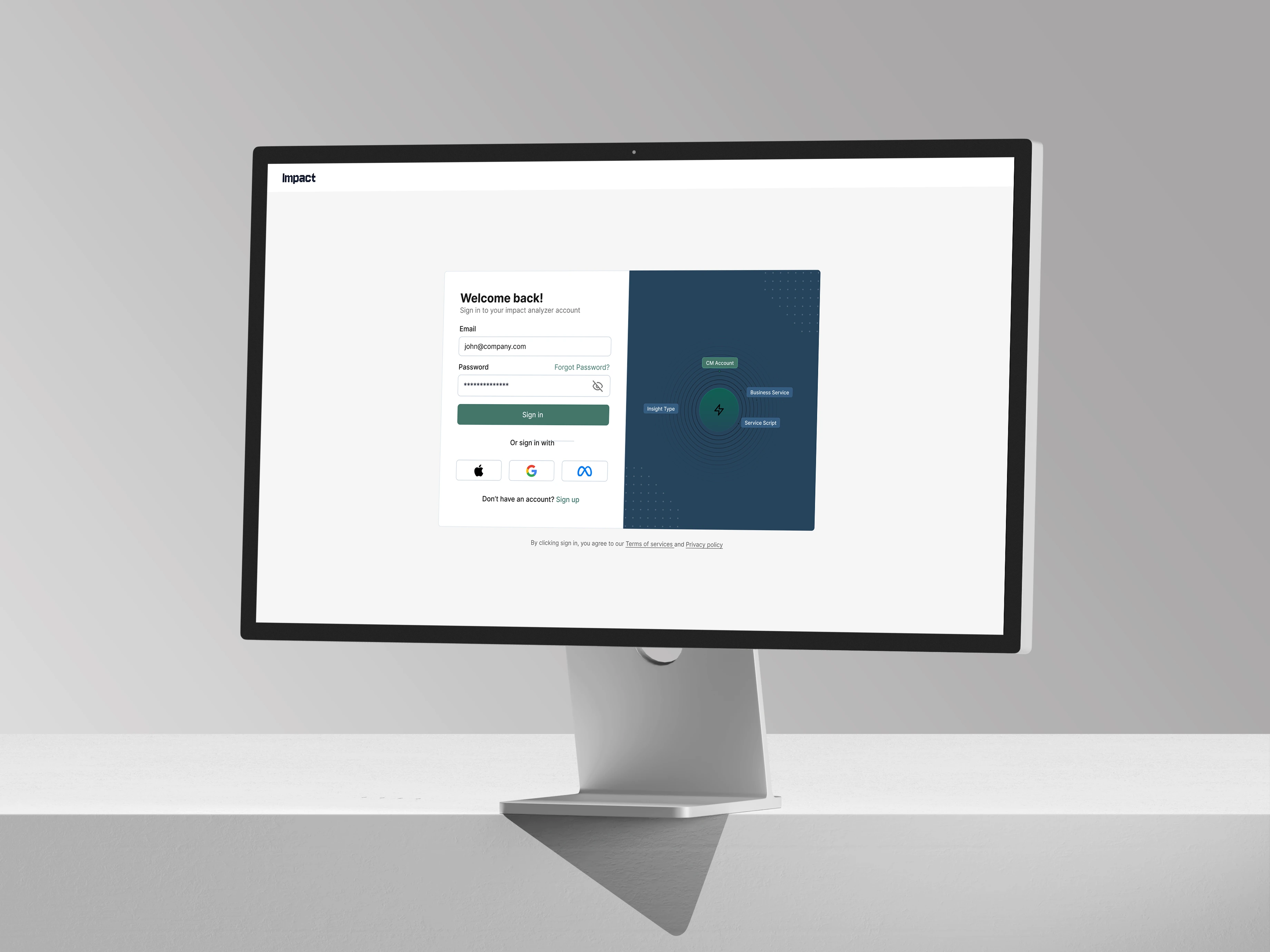
Impact Analyser Tool
Simplifying Application Lifecycle Management for Modern DevOps Teams
Overview
Impact Analyser Tool is a comprehensive Application Lifecycle Management (CALM) platform designed to help organizations streamline software delivery from planning and development to deployment and maintenance. Built for modern DevOps teams and utility organizations, the platform centralizes release management, automation, impact analysis, and data governance into a single, unified experience.
The objective of this project was to transform complex development workflows into an intuitive platform that enables teams to collaborate efficiently, reduce deployment risks, and accelerate software delivery while maintaining quality and compliance.
The Challenge
Development teams often rely on multiple disconnected tools to manage application lifecycles, making it difficult to track dependencies, coordinate releases, and maintain visibility across projects.
These fragmented workflows increase operational complexity, introduce deployment risks, and slow down innovation.
Key Problems
Development data scattered across multiple tools.
Limited visibility into application dependencies and change impacts.
Manual release planning increased the risk of deployment failures.
Complex workflows made onboarding difficult for new team members.
Lack of centralized governance and auditability.
Difficulty tracking project progress across multiple environments.
Inefficient collaboration between development, QA, and operations teams.
Project Goals
The primary goal was to create a unified platform that simplifies application lifecycle management while empowering teams to deliver software faster and with greater confidence.
The solution focused on:
Centralizing lifecycle management
Simplifying release planning
Improving visibility into application dependencies
Reducing deployment risks
Increasing team collaboration
Supporting enterprise-scale operations
Creating an intuitive and scalable user experience
Design Process
1. Understanding User Workflows
Mapped the complete software delivery lifecycle from project creation through deployment to identify bottlenecks and unnecessary manual steps.
2. Information Architecture
Organized complex enterprise functionality into logical modules, allowing users to navigate large datasets without feeling overwhelmed.
Core modules included:
Projects
Applications
Release Management
Impact Analysis
Data Control
Automation
Reports
Administration
3. Wireframing
Created low-fidelity wireframes to validate layouts before moving into high-fidelity designs.
Focused on:
Dashboard hierarchy
Navigation
Data visualization
Task management
Release workflows
4. UI Design
Designed a modern enterprise interface emphasizing clarity, efficiency, and usability.
Design principles included:
Clean visual hierarchy
Consistent spacing and typography
Clear status indicators
Minimal cognitive load
Accessible color system
Responsive layouts
Key Solutions
Unified Dashboard
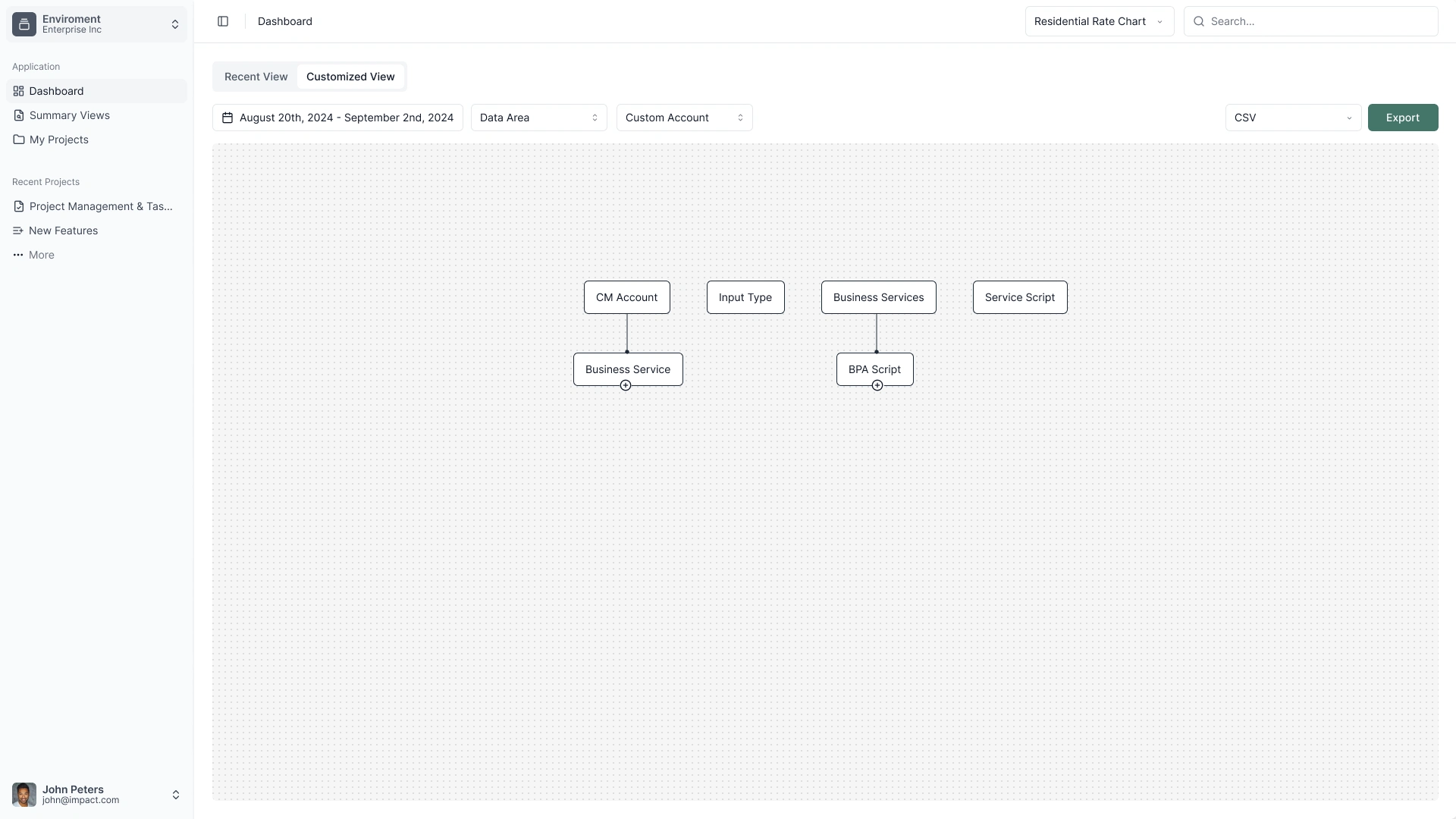
Designed a centralized dashboard that provides real-time visibility into projects, releases, deployment status, and application health.
Benefits
Faster decision making
Improved visibility
Better project monitoring
Impact Analysis
Developed intuitive visualization tools that help teams understand application dependencies before making changes.
Benefits
Reduced deployment risks
Better planning
Increased confidence during releases
Simplified Release Management
Streamlined release planning by organizing releases, environments, approvals, and deployment activities into one workflow.
Benefits
Faster release cycles
Fewer manual tasks
Better collaboration
Workflow Automation
Integrated automation capabilities to eliminate repetitive processes and standardize software delivery.
Benefits
Increased productivity
Reduced human error
Consistent deployment practices
Data Governance
Designed centralized controls for managing project data, permissions, audit logs, and compliance requirements.
Benefits
Improved security
Better traceability
Enterprise-grade governance
What I Learned
Designing for enterprise DevOps environments reinforced the importance of balancing powerful functionality with usability. Rather than exposing every capability at once, the experience was carefully structured to surface relevant information when users need it, reducing cognitive load while supporting complex workflows.
By combining thoughtful UX strategy with a scalable design system, Impact Analyser Tool delivers a modern Application Lifecycle Management experience that helps organizations simplify software delivery, reduce risk, and accelerate innovation.
Results
The redesigned platform delivers:
A unified Application Lifecycle Management experience.
Faster navigation across complex enterprise workflows.
Improved visibility into software releases and dependencies.
Reduced operational complexity.
Enhanced collaboration across DevOps teams.
Improved scalability through reusable design components.
A modern interface aligned with enterprise software standards.
Ready to Build Your Next Product?
Whether you're creating a SaaS platform, enterprise application, AI-powered product, or modern web application, great design goes beyond aesthetics—it solves real business problems, simplifies complex workflows, and creates experiences users love.
I help startups, growing businesses, and enterprise teams transform ideas into intuitive, scalable, and conversion-focused digital products through strategic UX, thoughtful UI, and robust design systems.
Send me a message on Contra with a brief overview of your project, goals, and timeline, and let's discuss how we can build something impactful together.
Like this project
Posted Aug 31, 2025
Impact Analyser Tool simplifies software development for DevOps teams.
Likes
1
Views
8
Timeline
May 23, 2025 - Jun 14, 2025