Web Design Studio | Brand Identity | Framer & AI Solutions


Web Design Studio | Brand Identity | Framer & AI Solutions




Senior SI Engineer
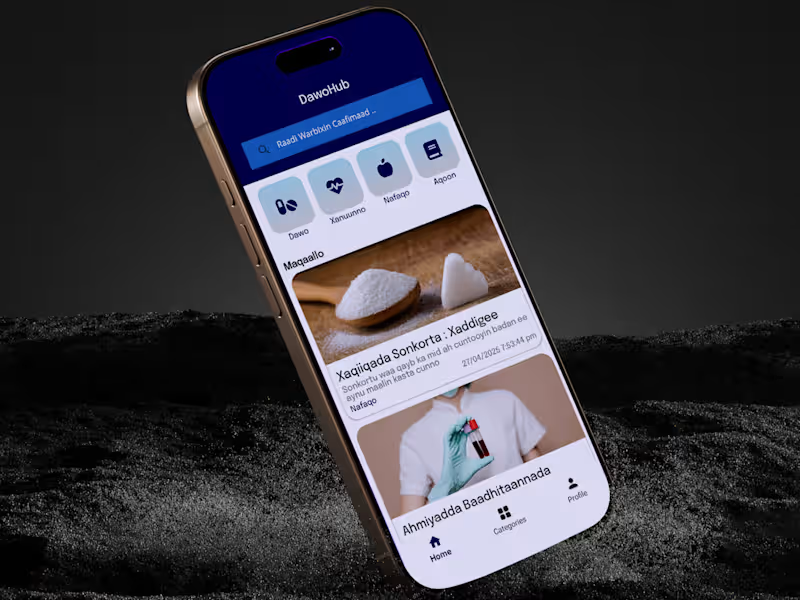
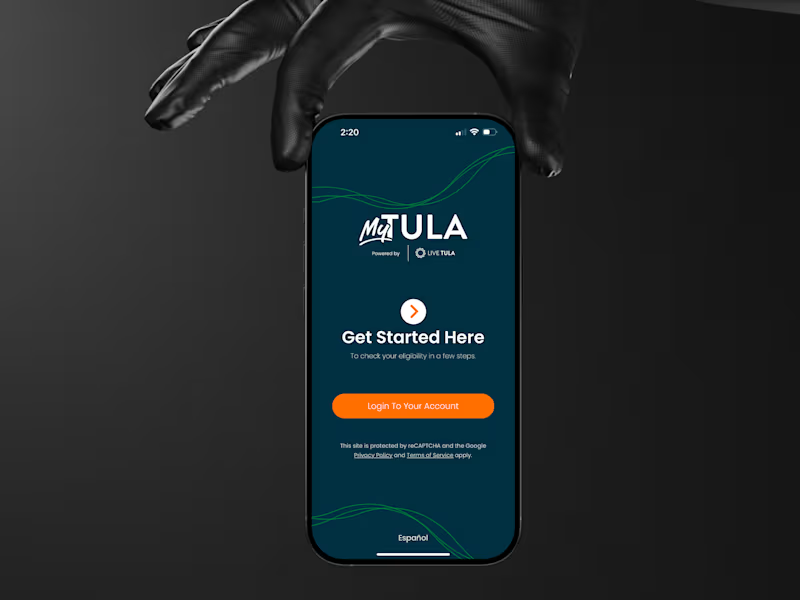
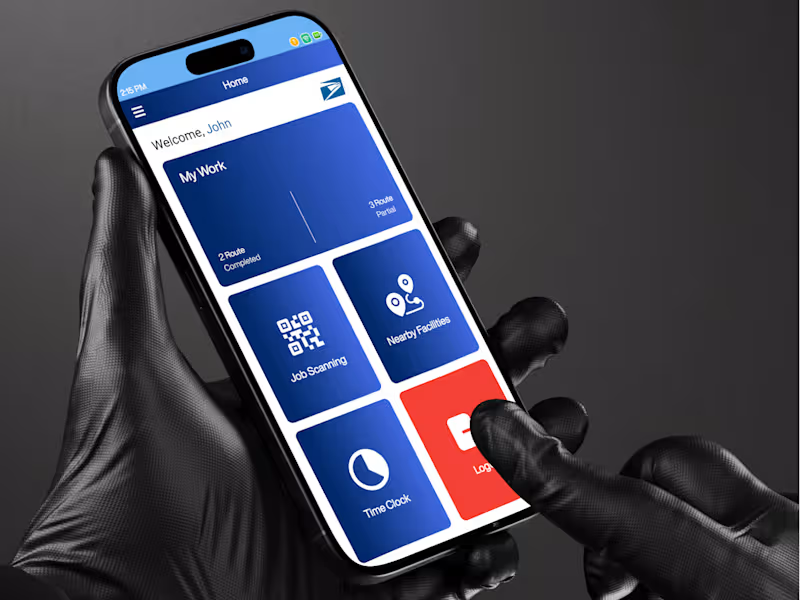
Eagle Clean - Web & Mobile Application (Android)
Tools: .NET (MVC), .NET MAUI, Figma, Azure
✦ Description: Custodian's Proof of Work(PoW) developed for
Zebra devices.
✦ Client: USPS
Contribution:
• Developing a web portal with .NET MVC.
• Developing .NET MAUI Mobile Application Features.
• Implementing pixel-perfect designs for Android from Figma.
• Integrating mobile features with .NET Core APIs.
• Conducting code reviews and technical discussions.
• Implementing version control and facilitating App Store deployment.
#dotnet #maui #figma #mobile #android #azure #web
1
788

Full-Stack Software Engineer | AI, Cloud & DevOps
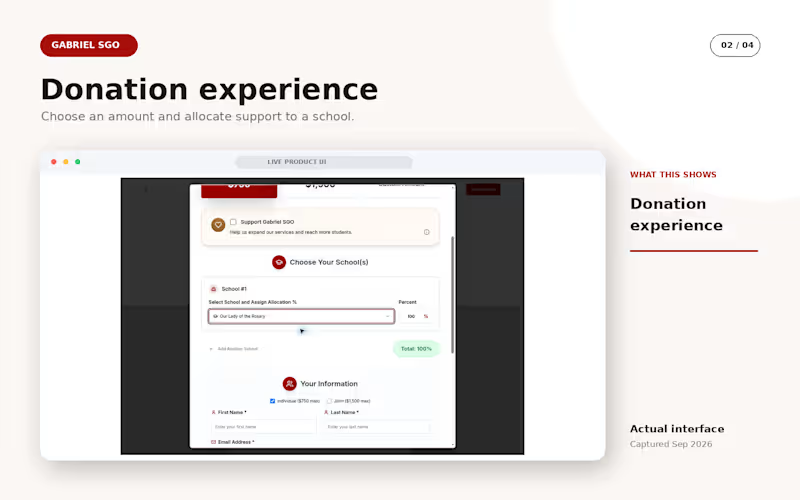
A good donation flow needs dependable systems behind the screens. For Gabriel SGO, I built the NestJS/PostgreSQL backend for donor and school workflows, with PayPal donation processing, Redis/BullMQ background jobs, Mailgun email, and AWS delivery.
The public experience helps Ohio donors estimate a contribution, choose a school, and understand the tax-credit process. I documented the backend work and real site screens here: https://contra.com/p/Ls6L2o7Y-gabriel-sgo-or-donation-and-school-allocation-backend
3
1K
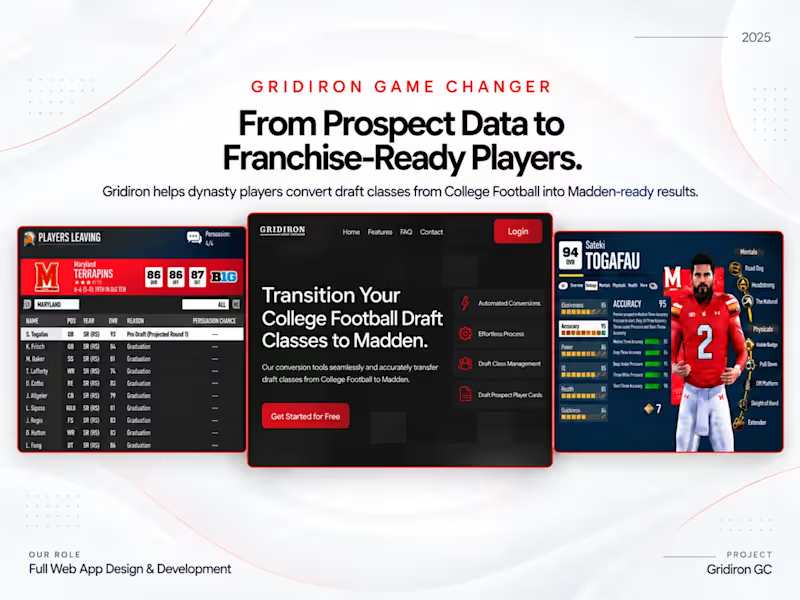
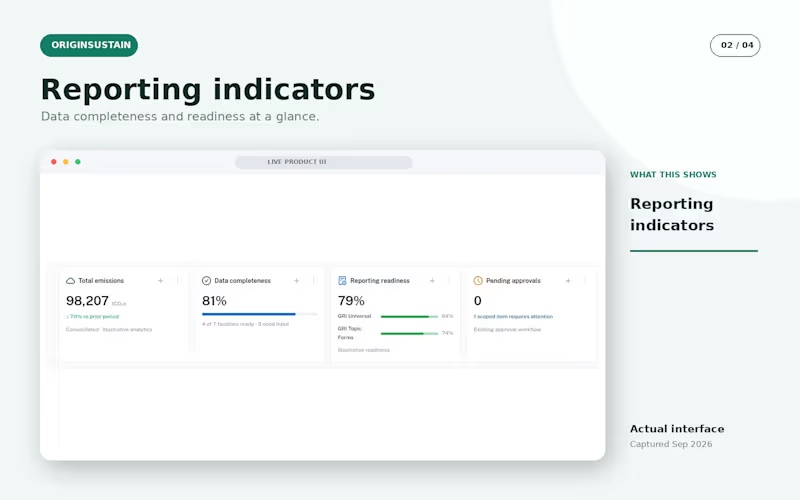
ESG reporting is a workflow problem as much as a data problem: teams need applicability rules, evidence, consolidation, review, and approvals before a report is ready.
For OriginSustain, I built NestJS/TypeScript backend services, PostgreSQL and Redis/BullMQ processing, and AWS/Docker delivery with CI/CD. OpenAI API and RAG support part of the reporting flow. The screens here are from the product’s illustrative command center; the numbers are demo values, not client outcomes.
The full backend case study: https://contra.com/p/WvNXbmQR-origin-sustain-or-multi-tenant-esg-reporting-backend
5
1.5K

Full-Stack Developer | SaaS, AI & Web Apps
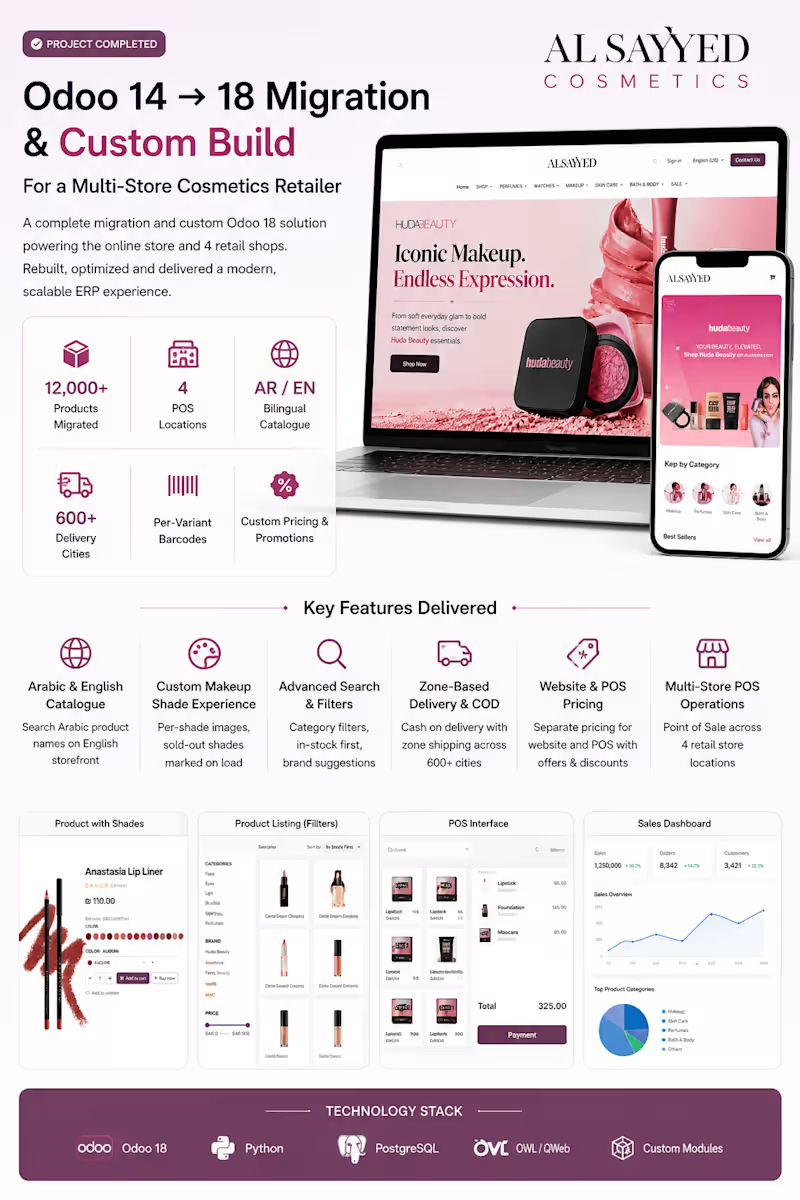
Recently completed a full Odoo 14 → 18 migration and custom build for a multi-store cosmetics retailer.
The project went far beyond a standard migration.
⚡ 12,000+ products migrated
🌐 Arabic & English catalogue
🏪 4 retail POS locations
🚚 Zone-based delivery across 600+ cities
💄 Custom makeup shade & variant experience
🔎 Advanced search and category filtering
💳 Custom website & POS pricing
🛠️ Legacy customizations rebuilt as maintainable Odoo 18 modules
The goal wasn't simply to move the existing system to a newer Odoo version — it was to rebuild the underlying workflows properly while preserving critical business data.
Tech: Odoo 18 · Python · PostgreSQL · OWL · QWeb
#Odoo #OdooDevelopment #OdooMigration #ERP #eCommerce
0
330
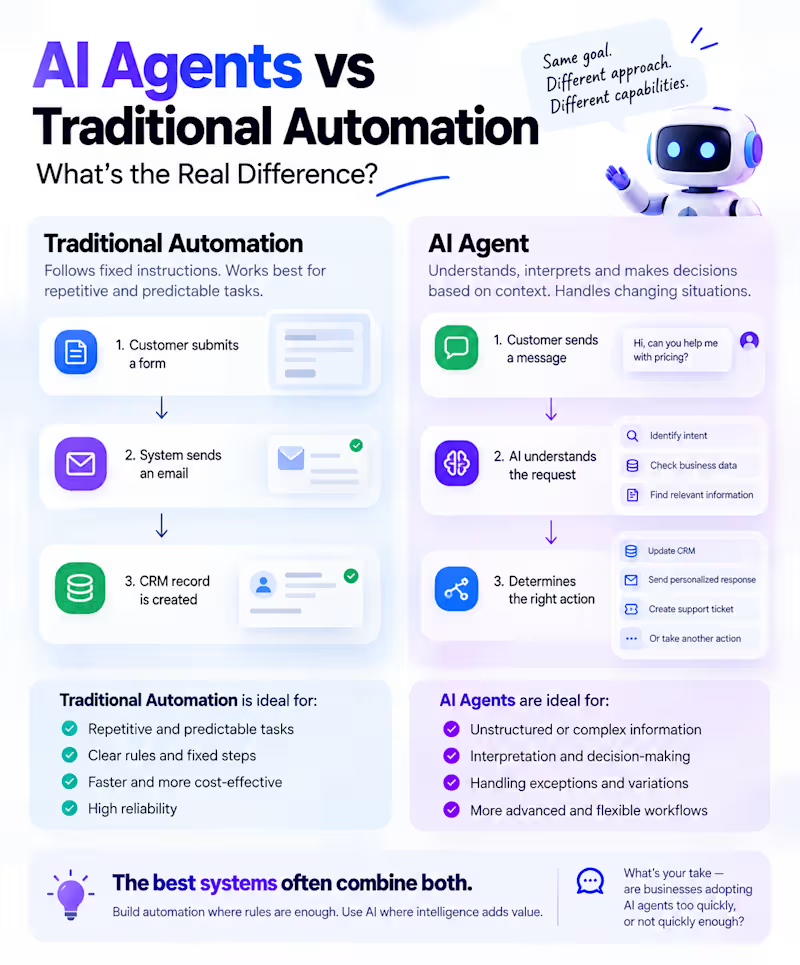
AI Agents vs Traditional Automation: What's the Real Difference? 🤖
Traditional automation follows instructions.
AI agents can interpret information, make decisions within defined boundaries, and choose the next step based on context.
Here's a simple example:
⚙️ Traditional Automation: A customer submits a form → the system sends an email → a CRM record is created.
🧠 AI Agent: A customer sends a message → AI understands the request → checks relevant business data → determines the appropriate action → updates the CRM or prepares a response.
Both are useful. The difference is how they handle changing situations.
And here's something important: not every workflow needs an AI agent.
For predictable, repetitive tasks, traditional automation is often faster, cheaper, and more reliable.
AI agents make more sense when workflows involve unstructured information, interpretation, and decisions that cannot easily be covered by fixed rules.
The best systems often combine both.
Build automation where rules are enough. Use AI where intelligence adds value.
What's your take — are businesses adopting AI agents too quickly, or not quickly enough?
#Automation #WorkflowAutomation
0
58
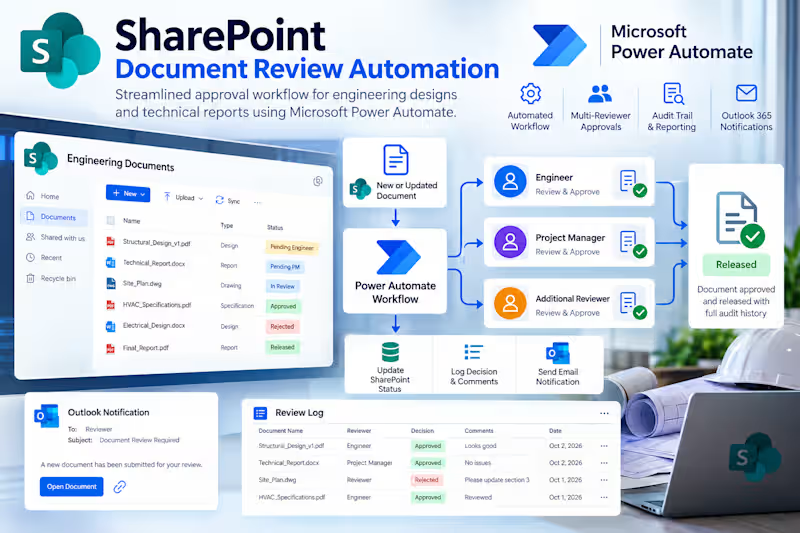
Developed a complete SharePoint Online document review workflow using Microsoft Power Automate for engineering designs and technical reports.
The automation triggers when documents are uploaded or updated, captures metadata, assigns multiple reviewers, tracks approvals and rejections, updates document statuses, and records reviewer decisions and comments in a dedicated Review Log.
Integrated Outlook 365 notifications provide reviewers with direct document links, while SharePoint version history remains intact throughout the review process.
The solution provides a clear, maintainable and auditable approval workflow within Microsoft 365.
2
0
243
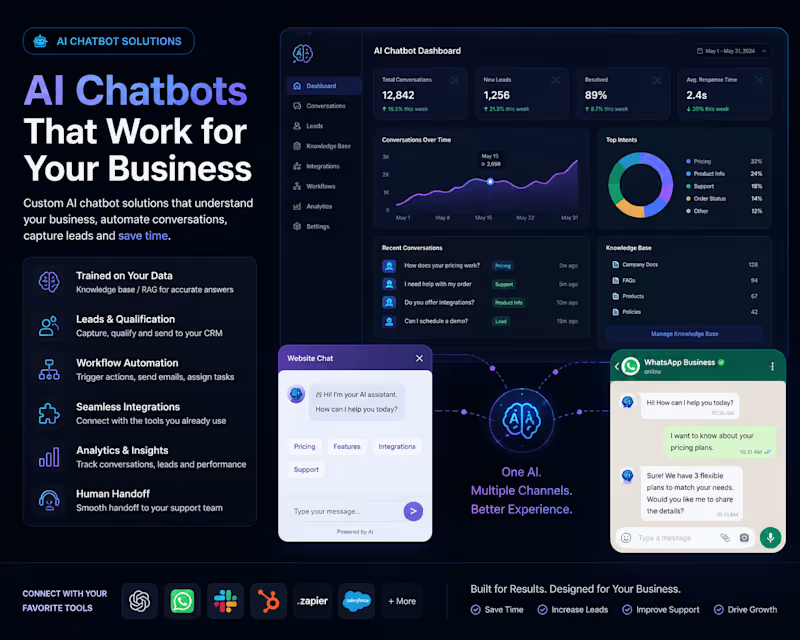
AI Chatbots Should Do More Than Just Answer Questions 🤖
I’ve been building AI chatbot solutions that go beyond basic Q&A.
A useful business chatbot should be able to understand your company’s knowledge, answer customer questions accurately, capture and qualify leads, trigger workflows, and connect with the tools your team already uses.
Recent solutions I’ve worked on include:
→ Custom knowledge-base / RAG chatbots
→ OpenAI & LLM integrations
→ Website AI assistants
→ WhatsApp & messaging integrations
→ Lead capture and qualification
→ CRM & API integrations
→ Human handoff workflows
→ Conversation history & analytics
→ Custom admin dashboards
The goal is simple: turn AI into a practical business tool—not just another chat window.
If your business has repetitive customer questions, manual lead handling, or information scattered across documents and systems, a custom AI assistant can automate a significant part of that workflow.
6
3
432

Data Analyst | Data Engineer
View more →

Full-stack developer delivering end to end software products
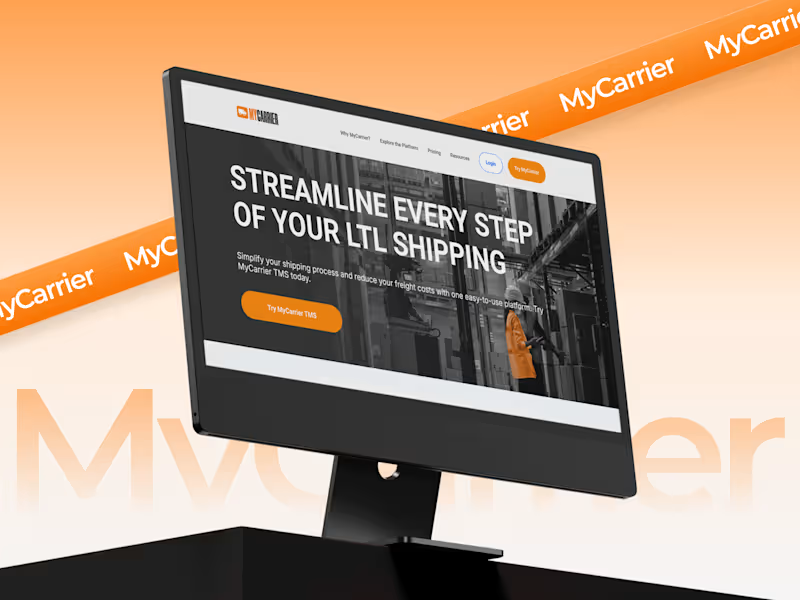
MyCarrier: DevOps & Cloud Transformation for Scalable Logistics SaaS
Preview description:
We helped MyCarrier move toward cloud-ready DevOps: adapted the system for microservices, implemented CI/CD and test automation, moved workloads to Azure, achieved 99.9% availability, decreased update delivery time to minutes.
Full description:
Problem
MyCarrier was growing fast, and the monolithic codebase became harder and more expensive to maintain. It was heavy, resource-consuming, and less suitable for the client’s long-term scaling plans. The team also needed faster delivery processes, but changes in the codebase and cloud migration had to stay unnoticed by users. Their logistics workflows could not be interrupted.
Solution
IT Craft aligned the project infrastructure with a microservices architecture and prepared the system for cloud operation. The team started with a technical audit and developed the migration strategy consisting of 20-28 items. The process was divided into pre-migration, migration, and post-migration phases, thus the product could keep running while infrastructure changed step by step.
The team moved non-critical standalone jobs to the cloud, connected virtual machines to Azure Storage Account, moved logging to MongoDB Atlas, and transferred user data and related processes to the cloud. New app functionality was released as microservices. IT Craft also designed and fine-tuned a CI/CD pipeline, automated infrastructure deployments, and reduced update delivery time through regression test automation.
Results
· Achieved 99.9% system availability.
· Maintained high fault tolerance using three shared clusters.
· Reduced update delivery time from hours to minutes.
· Enabled Sprint focus changes every two weeks based on client priorities.
Tech Stack:
· Azure Cloud
· MongoDB Atlas
· Azure SQL
· Azure App Service
· Azure Functions
· Azure Storage Account
5
16
765
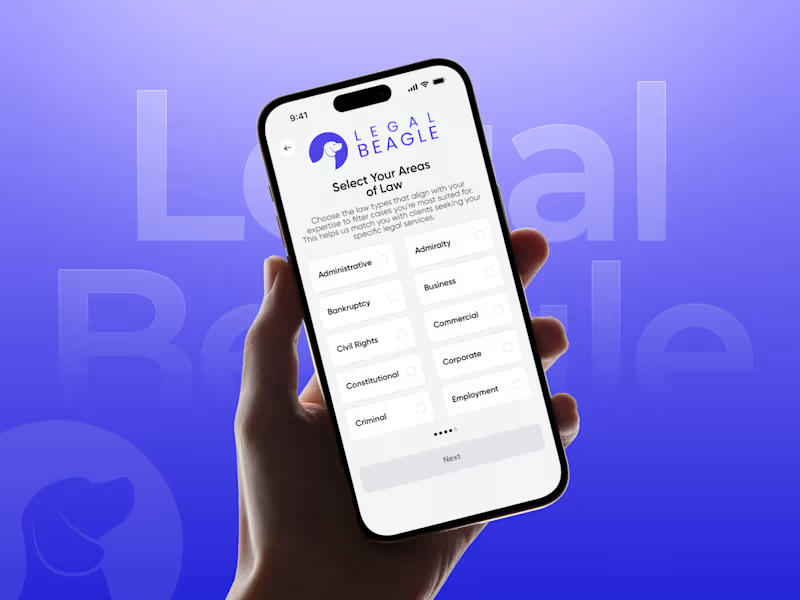
Legal Beagle – Mobile App Development for Legal Service Automation
Preview description:
Legal Beagle needed legal services to work properly on mobile. We delivered Android and iOS apps with five-minute onboarding, secure chat, video calls, e-signatures, and data that stays current across devices.
Full description:
Problem
Attorneys and clients at Legal Beagle were stuck moving paper between tools that didn't connect. The client wanted one legal SaaS product that lived on people's phones: secure messaging, fast attorney onboarding, e-signatures, and a shared space to work a case, same on Android, same on iOS.
Solution
IT Craft provided full-cycle mobile app development for Android and iOS. The team reviewed legal workflows, mapped mobile user flows, and built real-time features for secure messaging, video and audio consultations, document exchange, e-signatures, and case collaboration.
Both apps were built to keep user data current across devices, so lawyers and clients could continue their work without losing context. IT Craft also integrated CRM systems and digital signature tools, including Clio and DocuSign, and set up cloud infrastructure for secure legal service delivery. The product included compliance-focused security, data protection, and a white-label setup for future expansion into new legal markets.
Results
· Delivered Android and iOS apps for a legal SaaS platform.
· Added secure chat, video consultations, document workflows, and e-signatures.
· Enabled real-time synchronization across mobile devices.
· Reduced mobile attorney onboarding to 5 minutes.
· Integrated CRM and digital signature tools, including Clio and DocuSign.
· Developed a white-label version for expansion into new legal markets.
Tech Stack:
· Kotlin
· Android SDK
· Swift UI Kit
· PHP 8
· Symfony 6
· API-Platform
· Node.js
· AWS ECS (Fargate)
· Docker
· Firebase
· PostgreSQL
· MySQL
1
2
283
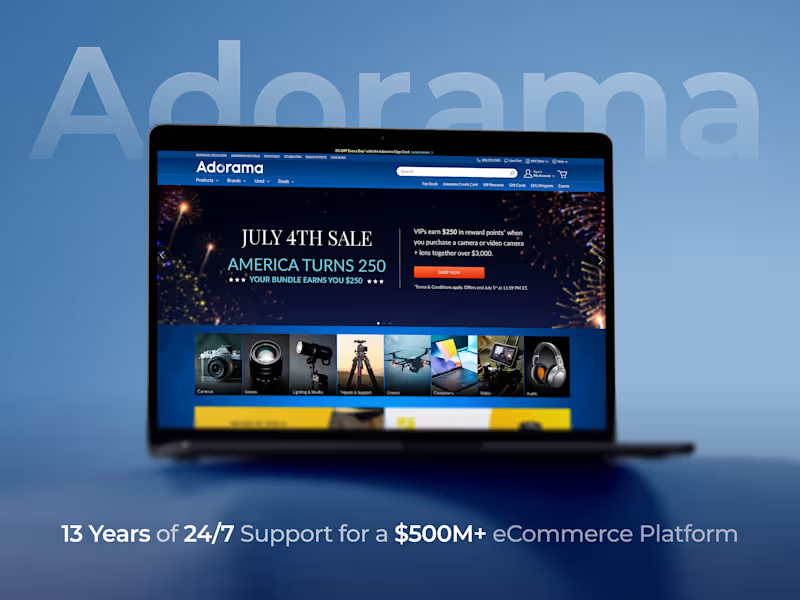
Adorama: 13 Years of 24/7 Support for a $500M+ E-Commerce Platform
Preview description:
We provided long-term 24/7 technical support for Adorama’s $500M+ ARR e-commerce platform, helping maintain 99.8%+ uptime, ship 2 releases per week, and keep team turnover at around 12%.
Full description:
Problem
Adorama needed a long-term technology partner capable of supporting a complex e-commerce ecosystem while maintaining business continuity, preserving product knowledge, and scaling engineering capacity as the platform evolved.
Solution
Over 13 years of collaboration, IT Craft scaled from a single engineer to a 54-person team supporting multiple areas of the platform. Our engineers became part of the client’s product cycle, supporting frontend, backend, testing, monitoring, platform maintenance, and infrastructure optimization.
The team helped keep the platform stable while releasing updates on a predictable schedule. IT Craft also supported recruitment, onboarding, team management, and retention, making sure new specialists joined quickly and product knowledge stayed inside the team. This setup gave Adorama continuous support for a high-revenue e-commerce platform instead of short-term development help.
Results
Maintained 99.8%+ uptime across a $500M+ ARR e-commerce platform.
Scaled the dedicated team from 5 to 54 specialists.
Delivered an average of 2 production releases per week.
Maintained team turnover at approximately 12% throughout long-term cooperation.
Tech Stack:
C#
ASP.NET (http://ASP.NET)
.NET Framework
JavaScript
jQuery
ASP MVC
MS SQL
1
366
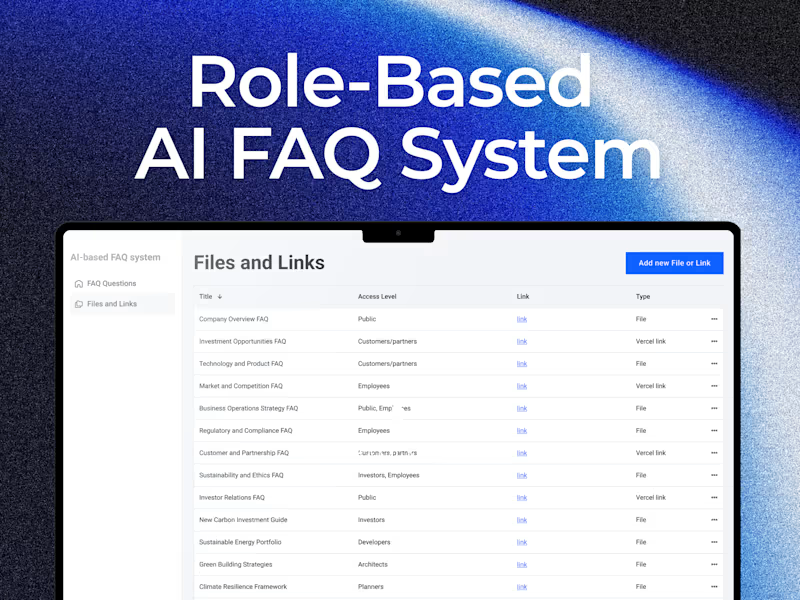
Role-Based AI FAQ System: Right Answer for Every User, Instantly
Preview description:
We built a modular, AI-assisted FAQ platform where the LLM acts as an intelligent query router to a centralized knowledge base, reducing support workload by 40%–70% and providing public, investors, partners, and employees with accurate information.
Problem
The client is a manufacturer of advanced multifunctional materials. He wanted to ensure all interested users had access to relevant information quickly, reliably, and without placing an extra burden on the company’s experts. A conversational interface was required to enable users to ask questions in natural language and receive responses while keeping AI behavior controlled and transparent.
Solution
We designed a standalone OpenAI-powered FAQ module with a controlled-response engine that generates answers based on predefined information, taking roles and permissions into account. As it is separated from the client’s Vercel-based website, the integration takes place via an iframe, while account management and access level assignment are handled within Vercel CMS.
When a user asks a question, the system filters the query based on the identified role (public, investor, partner, or employee) to eliminate data leakage. Then it applies the vector search to deliver an answer that is stored in the admin panel. The system also ensures that each response is accompanied by documents and links to Vercel pages based on available tags.
Results
The FAQ system reduces the average time needed to find information from 10–15 minutes to under 30 seconds through conversational search and centralized knowledge management. The support workload decreased by 40%–70%. Onboarding time for employees, partners, and investors decreases by 50–80% while the system grants instant access to structured answers.
Tech stack:
- OpenAI API for query understanding
- VectorDB (pgvector) database for semantic question matching
- PostgreSQL as a structured database for storing FAQs, tags, roles, and permissions
- Python/FastAPI for backend and admin panel development
- iframe for secure communication
- Vercel CMS Vercel-hosted frontend integration
1
208

Python & Django developer for web apps and APIs
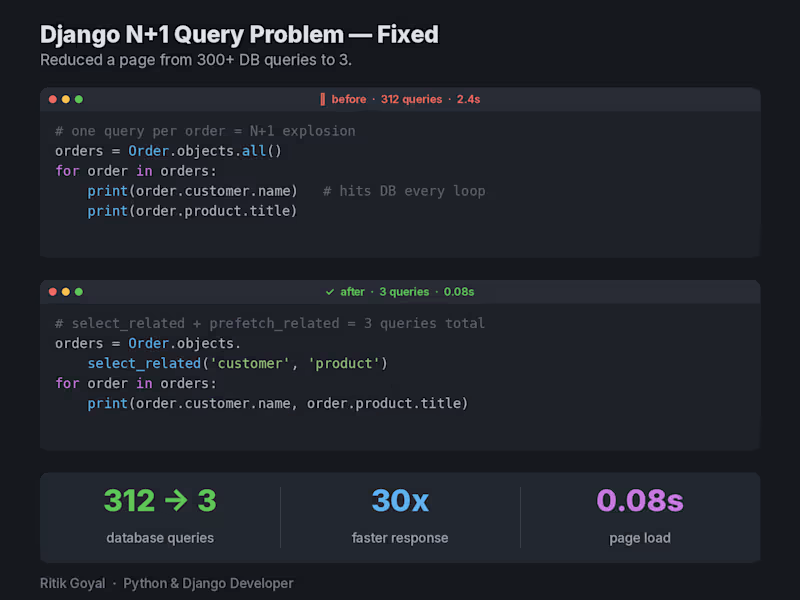
Spent an afternoon this week chasing down why a client's order dashboard took around 2.5s to load.
Turned out the page was firing 300+ database queries. Classic N+1 problem. Every order in the loop was making its own separate trip to the DB just to grab the customer and product.
One line fixed it. select_related() tells Django to pull the related rows in a single JOIN instead of querying them one at a time.
312 queries down to 3. Page load went from 2.4s to 0.08s.
The annoying part is this never shows up on small datasets in dev. It only bites you in production once the table grows. So now I always check the query count in Django Debug Toolbar before shipping any list view.
What's the worst N+1 you've run into?
0
157
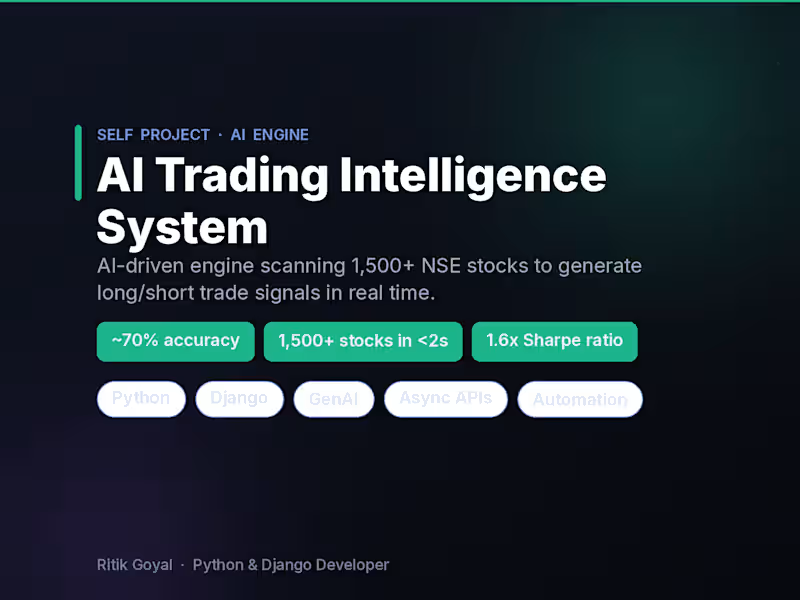
An AI-driven trading engine that analyzes 200-DMA breakouts and real-time market sentiment to generate long/short recommendations. It scans 1,500+ NSE stocks in under 2 seconds and uses generative AI to build option strategies, delivering event-driven trade signals end-to-end. I built the full Django backend, async APIs, and the signal-generation logic.
Accomplishments and responsibilities:
Built an AI-driven trading engine analyzing 200-DMA breakouts and market sentiment, generating long/short signals with ~70% directional accuracy — outperforming baseline strategies by 35%;
Integrated generative-AI insights for automated option-strategy creation (spreads, straddles, condors), improving Sharpe ratio by 1.6× and cutting manual analysis time by 60%;
Developed a Django backend with async APIs scanning 1,500+ NSE stocks in under 2 seconds, achieving 40% lower latency with event-driven alerts.
0
95
Hit a classic Django trap this week and figured it's worth sharing since so many people are running into it now.
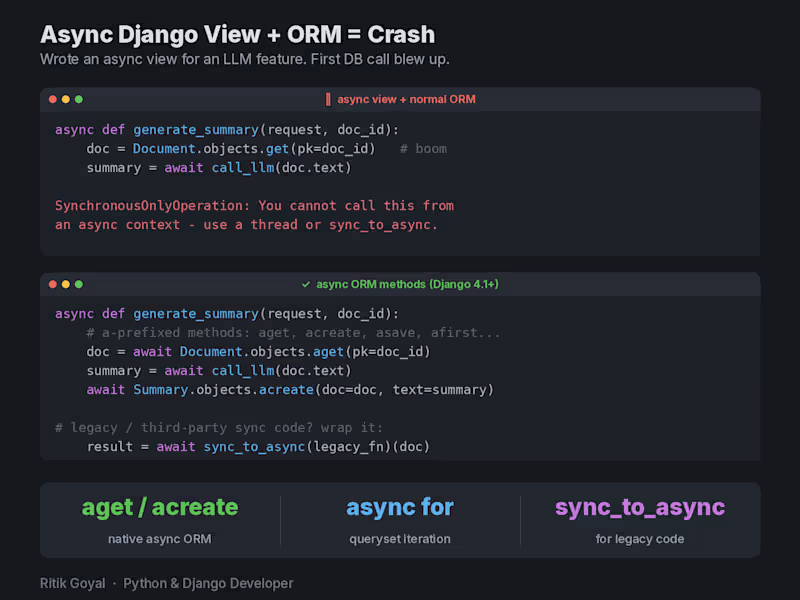
I was adding an LLM feature to a Django app. The AI call takes a few seconds, so naturally I made the view async so it doesn't block a worker while waiting. Wrote the async view, called the ORM like I always do, and boom:
SynchronousOnlyOperation: You cannot call this from an async context.
Turns out Django's ORM can't just be called normally inside async code. The classic sync API isn't safe in an event loop, so Django protects it and throws this error instead.
The fix is simpler than most people think. Since Django 4.1 the ORM has async versions of everything, same names with an "a" prefix. So objects.get() becomes await objects.aget(), create() becomes acreate(), save() becomes asave(). For loops over querysets, async for works directly. And for old sync code or third party libraries you can't change, wrap them with sync_to_async().
Why this matters right now: everyone is bolting AI features onto Django apps, and LLM calls are exactly the slow I/O that async is made for. Which means a lot of devs who never touched async Django are suddenly hitting this error for the first time.
One honest caveat: transactions still don't fully work in async mode, so if you need atomic blocks, keep that path sync and wrap it.
Anyone else made the jump to async views yet, or still happily on WSGI?
0
167
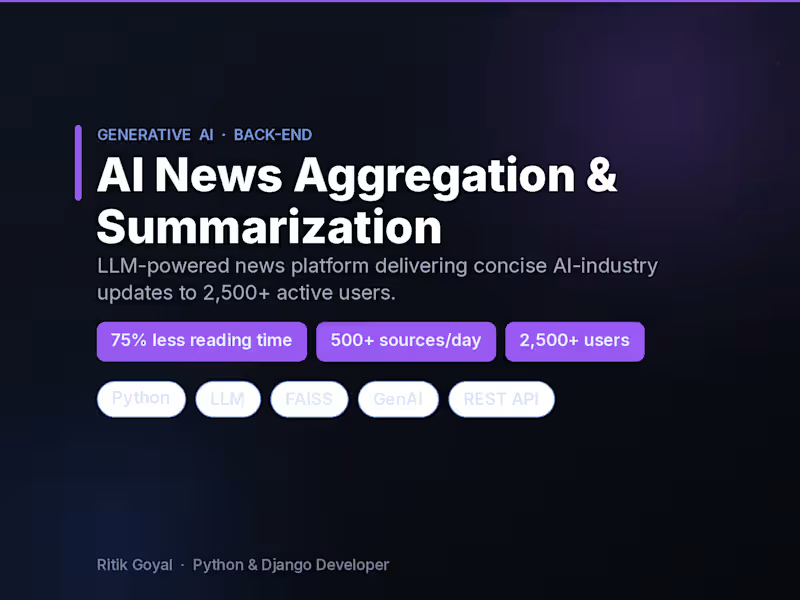
An AI-powered news platform that delivers concise, real-time AI-industry updates to 2,500+ active users. It scrapes and aggregates 500+ sources daily, removes duplicates, and uses generative-AI summarization to cut reading time significantly while surfacing the most relevant stories. I built the backend responsible for scraping, deduplication, and the LLM summarization pipeline.
0
97

Optimising businesses with data and business intelligence.
- 18
- Followers
Optimising businesses with data and business intelligence.