UI/UX & Interact & Brandin designer hello@mitkowlab.com

UI/UX & Interact & Brandin designer hello@mitkowlab.com
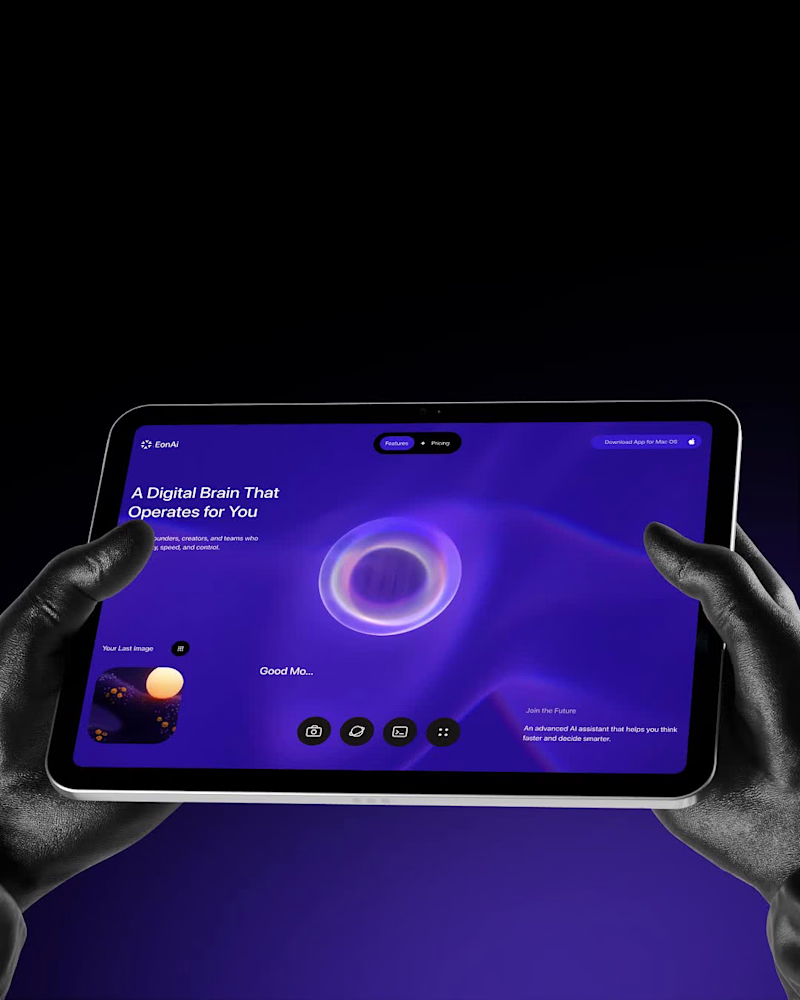
I’m hyped to share a first look at EonAi a concept for a next-gen digital brain that doesn’t just process data; it operates for you.
For this project, I wanted to break away from static, boring interfaces. I used Unicorn Studio to handle the high-end animations, giving the central quantum orb a living, breathing feel. The fluid motion and "glassmorphism" effects create an immersive experience that feels less like a tool and more like an extension of your own mind.
8
27
643
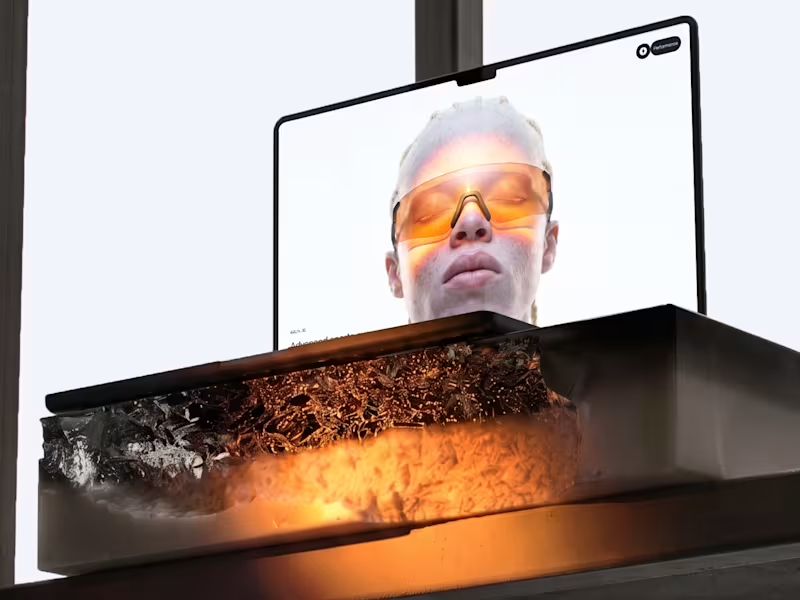
A personal brand concept exploring the future of AI-powered performance eyewear.
I wanted to create something that blends sports, technology, and futuristic aesthetics into one cohesive visual identity.
From the eyewear design and product visuals to art direction, 3D renders, and motion every detail was developed to give AVC its own distinctive character.
Not just another pair of sports glasses. A vision of what next-generation wearable technology could look like.
More explorations coming soon.
11
34
1.6K

Founder | Automated Systems Expert | Industry Leader

Founder | Automated Systems Expert | Industry Leader


AI Automation Engineer | Full-Stack Apps & Integrations


AI Automation Engineer | Full-Stack Apps & Integrations


Turning your fintech and web3 ideas into shipped products


Turning your fintech and web3 ideas into shipped products

Engineering & Architect in AI and Product Manager


Engineering & Architect in AI and Product Manager
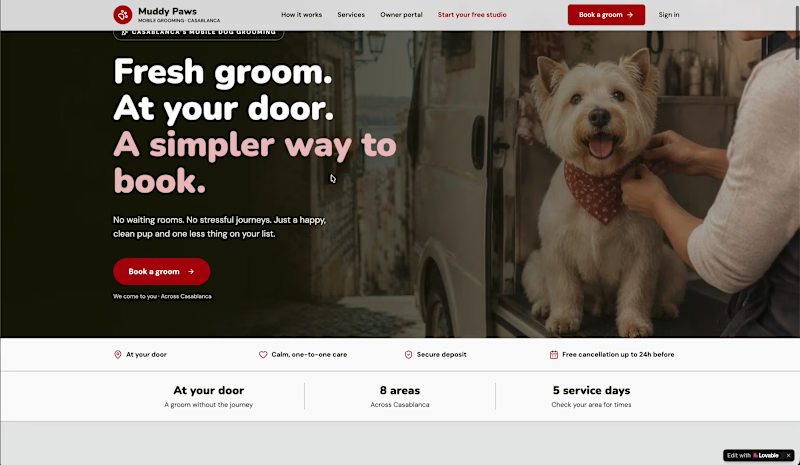
Muddy Paws: a booking engine that turns "can I book?" into "you're booked" in 60 seconds
Business: Muddy Paws Mobile Grooming, Lisbon, Portugal as Early Stage !
One-line problem solved: A solo mobile dog groomer was losing bookings and about 1 in 5 appointments to no-shows, so I built a booking flow that confirms and protects every slot with no manual back-and-forth.
The client brief:
Inês runs a grooming van in Lisbon, alone, booking about 6 dogs a day, Tuesday to Saturday.
Requests arrive through WhatsApp and Instagram DMs and get lost.
She can't answer the phone while grooming.
About 1 in 5 customers don't show up, which costs her the slot and the fuel.
Appointment length depends on the dog's size and coat.
She drives between neighborhoods, so not every time slot works.
The goal: turn an inbound inquiry into a confirmed, paid booking with as little effort from Inês as possible.
Before and after
Before: a DM arrives, Inês replies hours later, they negotiate times, the customer forgets, the dog doesn't show, and the slot is gone.
After: the customer picks their dog and services, sees only the slots Inês can actually serve, pays a small deposit, and gets an instant confirmation. Reminders, rescheduling, and waitlist refills happen automatically.
What I built:
Fixing the front door
Dog profile and service selection, with duration and price calculated live from size and coat.
Address check against Inês's service zones.
Route-aware availability: slots respect her neighborhood-by-day schedule, service length, and travel buffer.
Deposit to secure the slot, then an instant confirmation with calendar links.
Guest checkout with no account needed.
Fixing the follow-through:
Reminders at 48 hours and 2 hours with one-tap confirm, reschedule, or cancel.
Cancelled slots reopen and go to a waitlist automatically.
A nudge for customers who start a booking and don't finish.
An owner dashboard: today's route, a "Needs attention" queue, and hours saved.
Built to work worldwide: currency, timezone, language (including Arabic right-to-left), units, and service zones are configurable, so the same engine can serve a groomer in Lisbon or a dentist in Toronto.
How it maps to the criteria:
Problem-solving impact: a complete path from inquiry to a paid, confirmed booking.
Owner-effort reduction: confirmations, reminders, rescheduling, waitlist, and lead follow-up all run without Inês.
Craft and execution: mobile-first, branded, and tested end to end with seeded demo data.
Storytelling: the demo video moves from a chaotic WhatsApp day to a calm dashboard with the hours-saved number.
Process:
I treated it like a real client brief: define the owner's quirks first, then design the booking logic around them (duration, route, deposits), then build in Lovable in layers, starting with the booking flow and then automations, dashboard, and global settings.
2
533


25+ Products Branded, Designed, Built, Shipped & Marketed
25+ Products Branded, Designed, Built, Shipped & Marketed


Video Producer & Audio Designer 🎞️🎵🪓

Video Producer & Audio Designer 🎞️🎵🪓



AI Agents & SaaS Platforms | 10+ Products Shipped


AI Agents & SaaS Platforms | 10+ Products Shipped