AI Automation Engineer | Full-Stack Apps & Integrations


AI Automation Engineer | Full-Stack Apps & Integrations




Data, Automation, AI Agents, Buildship, Framer, Bubble


Data, Automation, AI Agents, Buildship, Framer, Bubble



Verified Kajabi & GHL Expert ✅ | 100+ Happy Clients ✨

Verified Kajabi & GHL Expert ✅ | 100+ Happy Clients ✨

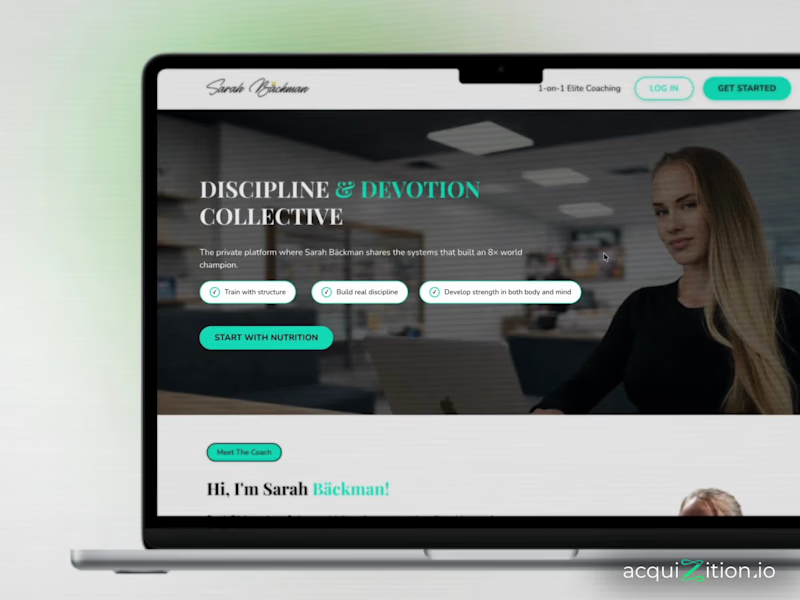
Zahra Gozal - Kajabi Coaching Website Build
Full coaching ecosystem built on Kajabi for an ICF-accredited transformational coach.
Delivered:
- Homepage + brand storytelling
- Emotional Bodywork service architecture
- Archetypal Transformational Coaching pages
- Women Who Run With The Wolves community hub
- Mandala workshops + retreat funnels
- Automations and workflows
- Blog, activities, contact integration
Outcome: a website that matches the depth of the coaching work. Calm, grounded, feminine, conversion-focused.
Open to similar projects, coaches, healers, transformational practitioners.
5
1.6K

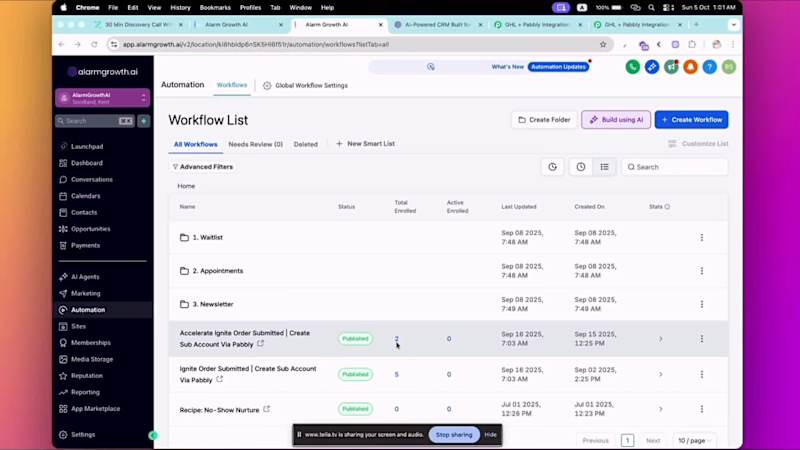
Manual setup
Wrong access
Missed steps
Delayed onboarding
That’s where trust dies.
We built alarmgrowth.ai (http://alarmgrowth.ai) and fixed this.
Three plans.
Three different backend flows.
Zero humans touching setup.
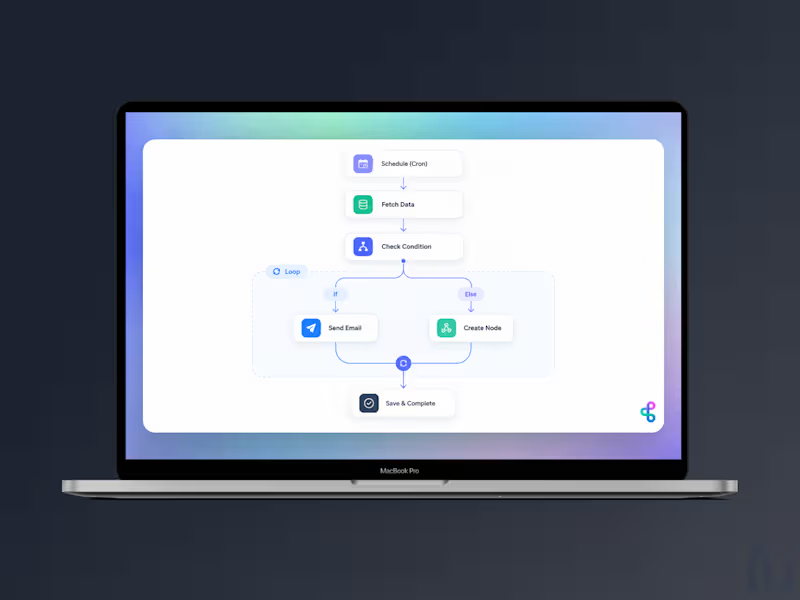
Purchase → automation fires
Sub-account created
User added
Correct snapshot loaded
Everything drops in clean
No Slack pings.
No “give us 24–48 hours.”
No excuses.
If you’re still onboarding clients manually while selling multiple plans, you’re building on friction.
Watch the backend.
This is how scalable delivery actually looks.
👇
#GoHighLevel
#AutomationSystems
#zapier
#SaaSBuild
#BackendMatters
5
1K

AI CRM, Automation & Webflow Developer
- $10k+
- Earned
- 2x
- Hired
- 5.0
- Rating
- 30
- Followers
AI CRM, Automation & Webflow Developer
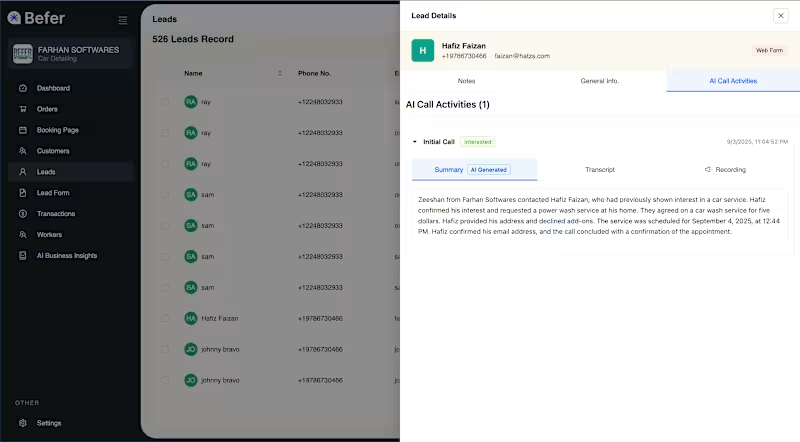
Blue-collar businesses don’t need “fancy tech”, they just want their day to run smoother. (Source: My experience)
While building Befer.co (http://Befer.co), every owner said the same:
• Missed calls = lost jobs
• No order/worker system
• Too much manual work
Instead of adding features, I built only what fixed the pain:
✅ AI Calling Agent
✅ AI workflows (marketing, leads, orders)
✅ Smart CRM
✅ Financial analytics + QuickBooks
Result? +35% jobs from calls, faster orders, happier customers.
Lesson: Innovation = solving the right problem, not adding more.
What do you think is better, Adding features or adding useful features?
26
325



Full Stack Web & Mobile Dev | Next Js | AI Agent | React
- $•••••
- Earned
- 2x
- Hired
- 5.0
- Rating
- 40
- Followers
Full Stack Web & Mobile Dev | Next Js | AI Agent | React





API Integration & Web Application Developer
- $10k+
- Earned
- 2x
- Hired
- 5.0
- Rating
- 17
- Followers
API Integration & Web Application Developer

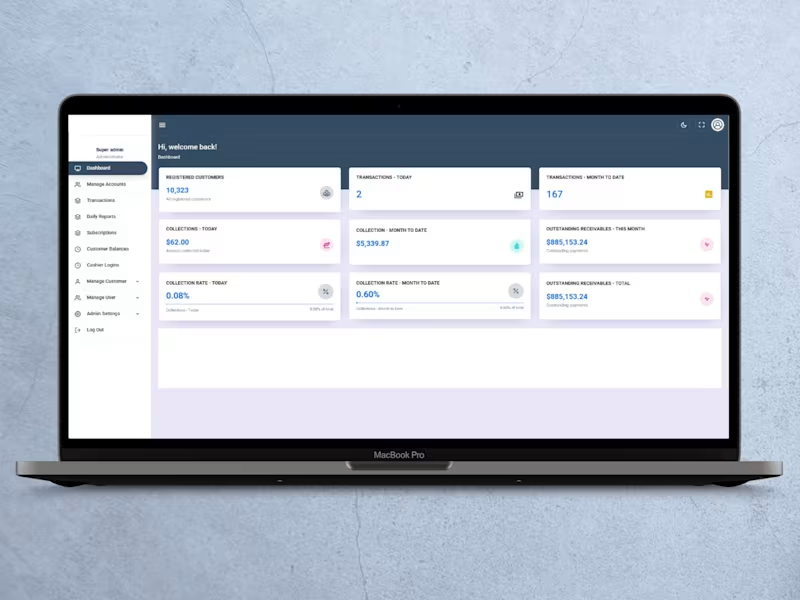
From ACH to Card Payments: Building Scalable Payment Systems for US Businesses
Over the past few years, I’ve worked closely with US-based businesses to design and implement secure, scalable payment systems across ACH, online card payments, and card-present (terminal) environments.
My experience spans platforms like North.com (http://North.com), NMI, and other payment APIs—supporting everything from recurring ACH billing to fully integrated in-person payment solutions using physical terminals.
On the ACH side, I’ve handled bank account verification, transaction lifecycles, and returns such as NSF and failed debits. ACH systems require careful management of delayed settlements, webhook events, and reconciliation—especially within US financial workflows.
For online card payments, I’ve implemented secure gateways, tokenization, and optimized checkout experiences to ensure fast, seamless, and PCI-compliant transactions.
I’ve also built and deployed card-present solutions, including:
– EMV terminal integrations
– Tap, dip, and swipe transaction flows
– Device configuration and deployment
– Real-time syncing with backend systems
– Handling reversals, refunds, and partial approvals
A critical part of every integration is compliance and security. My work ensures:
– PCI DSS compliance for card data protection
– Tokenization (no sensitive data storage)
– Secure API authentication and encryption
– Reliable webhook handling and audit-ready transaction logs
From a technical perspective, I specialize in building robust API integrations, webhook listeners, retry mechanisms, and fail-safe systems that continue to operate reliably under real-world conditions.
Key solutions I’ve delivered:
– ACH debit and recurring billing systems
– Online card payment integrations with secure token flows
– Card-present terminal integrations
– Real-time transaction systems using webhooks
– Payment failure handling and reconciliation logic
– CRM and internal dashboard integrations
Working in the US payments ecosystem has given me deep exposure to compliance requirements, operational challenges, and the importance of building systems that are both secure and scalable.
My focus is simple: build payment systems that are reliable, compliant, and seamless—whether online or in-person.
Open to collaborations in fintech, payments, and API integrations.
1
365




3x Retool Certified · AI Dashboards & Automation

3x Retool Certified · AI Dashboards & Automation



Kajabi Expert | Web Design, Funnels & Automation
Kajabi Expert | Web Design, Funnels & Automation