A.I.M. Plumbing Services Website Migration & SEO Expansion

Abu Hanzallah
Verified



Migrating a 74-Content Website to Duda Without Losing Its SEO Foundation
A.I.M. Plumbing Services had an established website that needed to move from Scorpion to Duda without losing the structure, content, and SEO foundation already in place.
The project covered 50 pages and 24 blog posts, followed by an expansion into 18 new geo-targeted pages across two key locations.
The challenge wasn't simply rebuilding the website. It was making the transition carefully while creating room for the site to grow.
The Challenge
This wasn't a greenfield website.
There were already 74 content assets, an established visual direction, and an existing SEO structure to account for.
The migration needed to preserve important elements such as URLs, metadata, redirects, alt text, and content structure, while moving the experience into Duda and maintaining approximately 80% visual similarity.
Rebuilding the Website in Duda
I rebuilt the existing website in Duda, carrying the established design direction into the new platform while optimizing the experience across desktop and mobile.
The focus was on continuity: the new website needed to feel familiar to existing users while giving the business a more manageable platform for future updates and expansion.

Home Page CTA
Rebuilding the established website experience in Duda while maintaining visual continuity.
Building the Site as a System
The work wasn't limited to the homepage.
The site's service architecture was rebuilt across category and individual service pages, creating clear paths from broader plumbing services into specific solutions.
This made the website structure easier to navigate while giving individual services their own focused destinations.
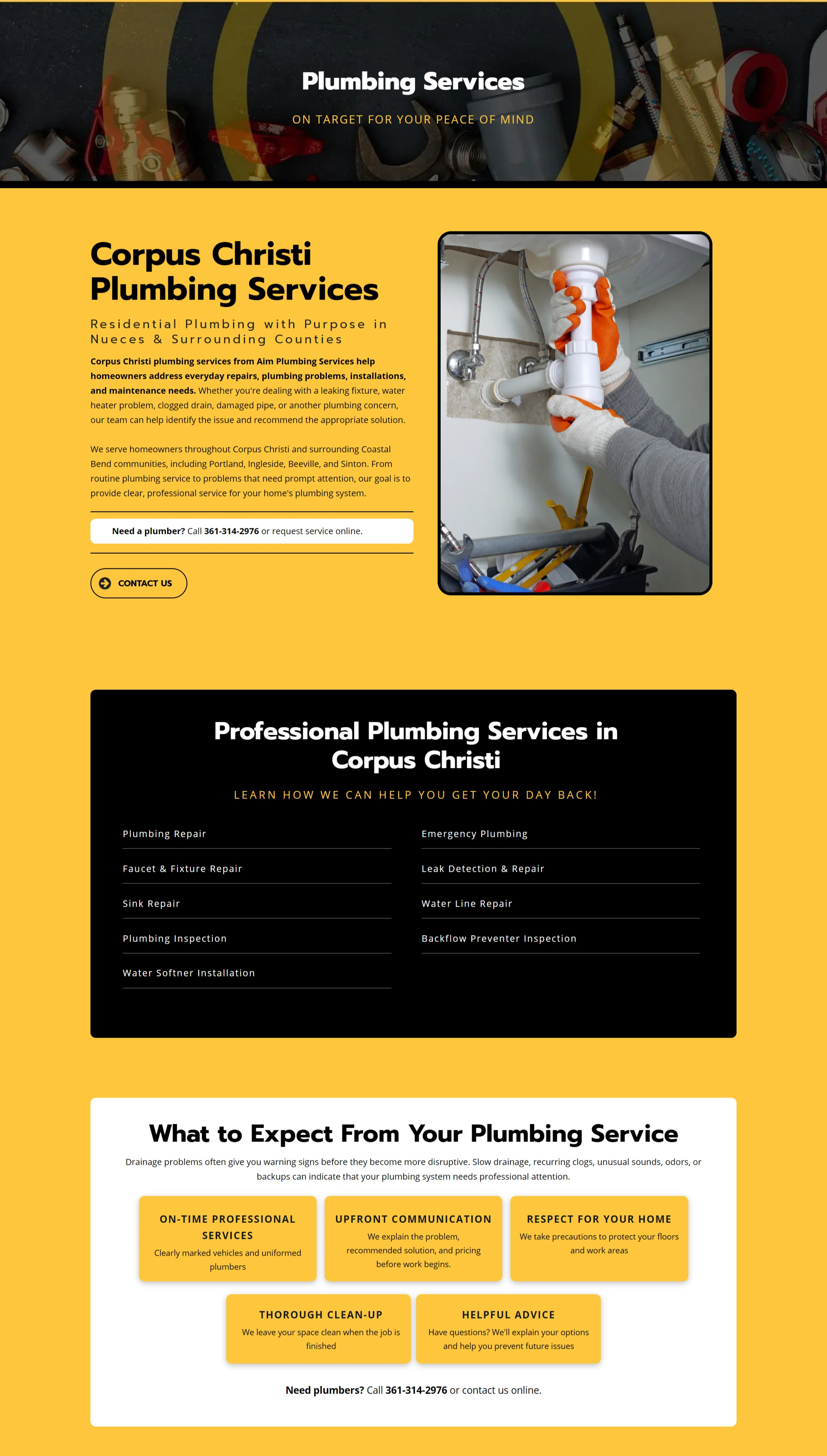
Services Category Page
Service architecture connecting broader categories with focused individual service pages.
Protecting the SEO Foundation
A platform migration can affect much more than the visual experience.
I carried the existing SEO structure into the new implementation, including URLs, metadata, redirects, alt text, and content structure.
SEO was therefore treated as part of the migration itself, not something to address after the website was rebuilt.
SEO structure was considered alongside the website rebuild to maintain continuity during the platform transition.
Turning the Migration Into an Opportunity
Once the core website was rebuilt, the project moved into its second phase: expanding the site's local SEO architecture.
I created 18 geo-targeted service pages across two key locations, combining localized content with local keyword optimization, on-page SEO, internal linking, and sitemap updates.
The goal was to extend the existing website structure into a broader local-content system rather than simply adding standalone pages
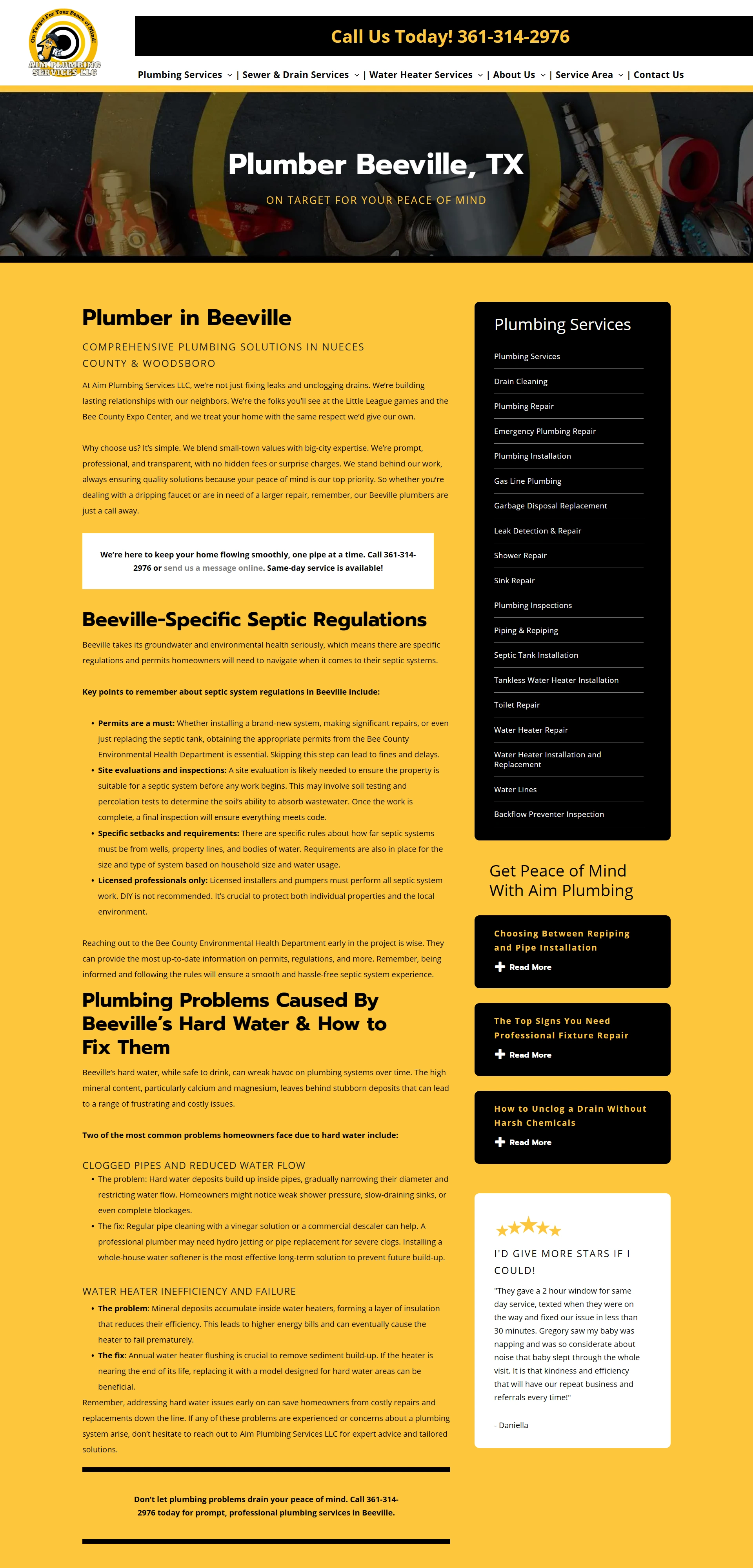
Geo Targeted Page
Expanding the service architecture into location-focused pages.
The Finished Website
The final implementation brought together the migration, responsive experience, service architecture, SEO preservation, and local expansion.
74 existing content assets migrated.
18 new geo-targeted pages created.
Scorpion → Duda.
2 key locations expanded.
More importantly, the website was rebuilt with its existing foundation in mind while creating a structure that could support further local expansion.
What I Delivered
Website migration
Duda development
50-page rebuild
24 blog migrations
Responsive implementation
SEO structure preservation
URLs & redirects
Metadata & alt text
QA & performance checks
18 geo-targeted pages
Local SEO
Internal linking
Sitemap updates
The Takeaway
This was more than a platform change.
It was a migration of an established website, a preservation of its SEO foundation, and an expansion of its local architecture, all handled as one connected implementation.
Design, development, content, and SEO had to work together rather than exist as separate deliverables.
Like this project
Posted Nov 26, 2025
Migrated A.I.M. Plumbing Services from Scorpion to Duda, rebuilding 74 content assets while preserving SEO and expanding local search with 18 geo-targeted page.
Likes
0
Views
12
Timeline
Nov 26, 2025 - Ongoing