Framer Pro Expert | Trusted by YC & growing brands


Framer Pro Expert | Trusted by YC & growing brands


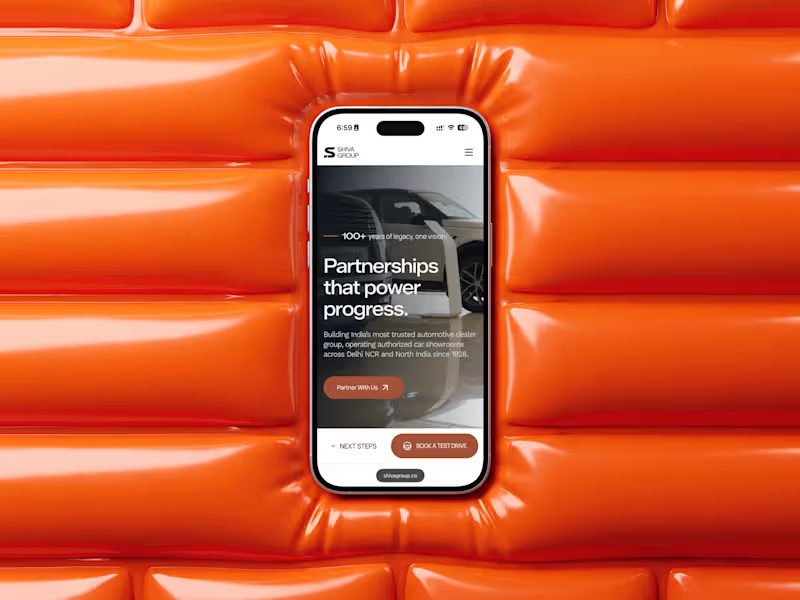
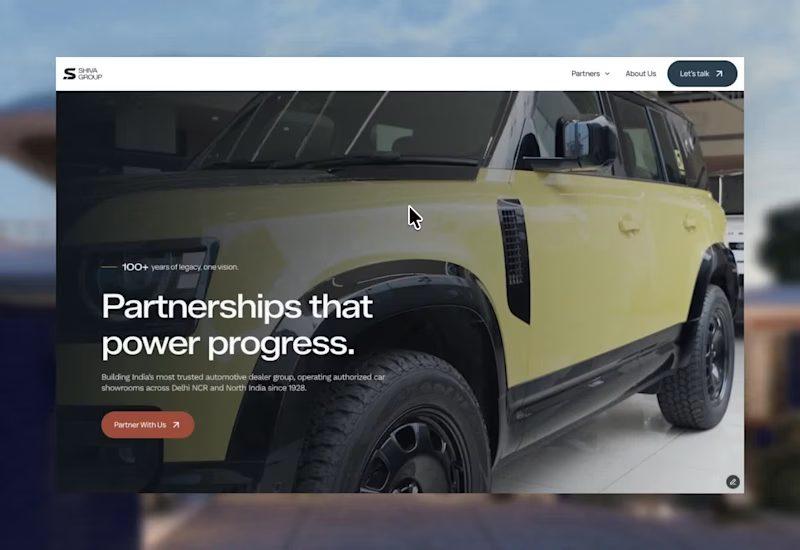
Spent the last few months rebuilding the digital presence for Shiva Group, a multi-brand automotive dealership group running JLR, Mahindra, Triumph, KTM, Bajaj, and MG Select showrooms across North India.
New site architecture, cleaner model pages, a live outlet locator across 50+ locations built entirely on Framer. Genuinely happy with how it turned out, and it's already paying off for them too, with $1.2M+ in vehicle bookings coming through the site in the first month!
Check it out (https://contra.com/p/Ekbr6eEZ-shiva-group-full-website-rebuild-across-10-automotive-brands)
19
58
3.8K

AI SaaS MVP & Full-Stack Developer for Founders
- $10k+
- Earned
- 3x
- Hired
- 5.0
- Rating
- 39
- Followers
AI SaaS MVP & Full-Stack Developer for Founders



Senior AI Full-Stack Engineer
- $1k+
- Earned
- 3x
- Hired
- 5.0
- Rating
- 8
- Followers
Senior AI Full-Stack Engineer
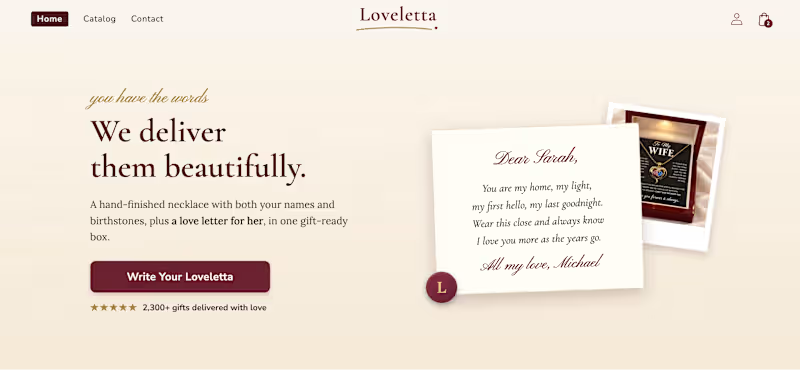
Loveletta is a personalized jewelry brand I built and run for customers across the US. On the technical side, I customized the Shopify theme in Liquid, built the personalization fields so customers can add names and messages that carry through to each order, and set up the product structure, collections and SEO so the store is easy to manage and easy to find. I also run the brand's Instagram, using AI tools to produce the posts, carousels and reels that bring customers to the store.
0
40

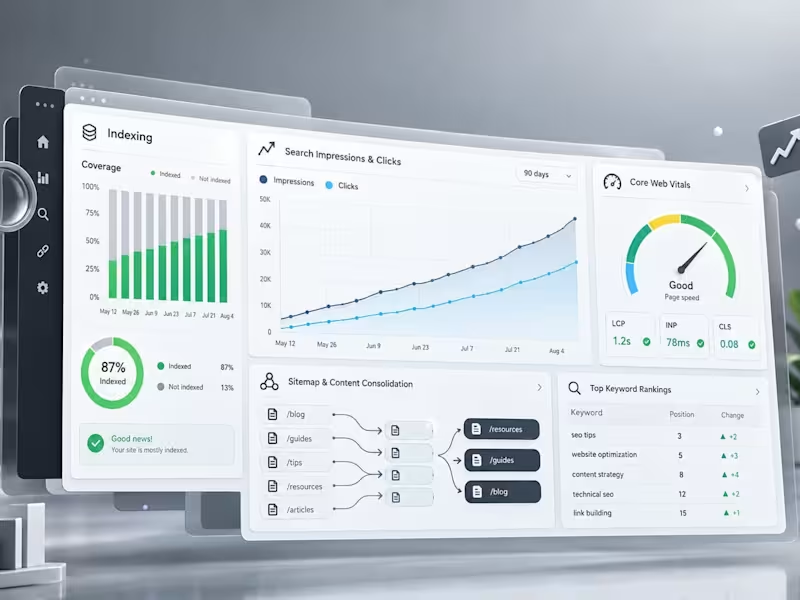

AI Automation & SaaS Developer | Web & Mobile Apps
- 5.0
- Rating
- 72
- Followers
AI Automation & SaaS Developer | Web & Mobile Apps
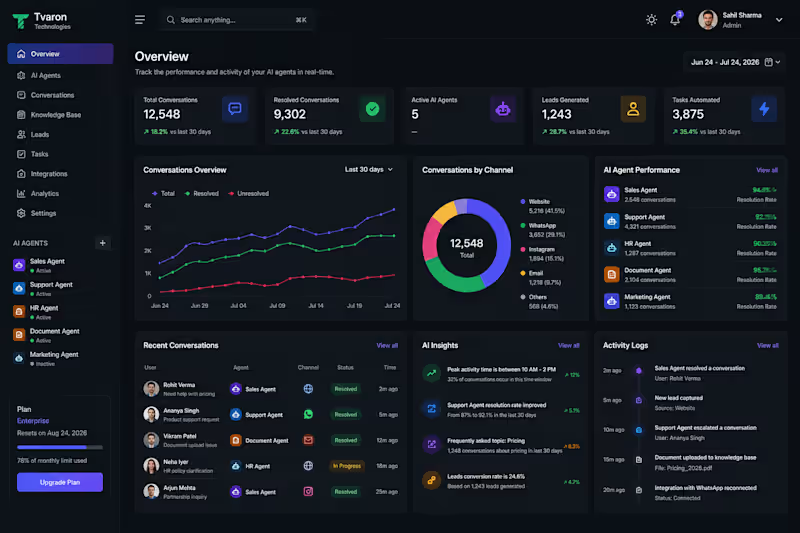
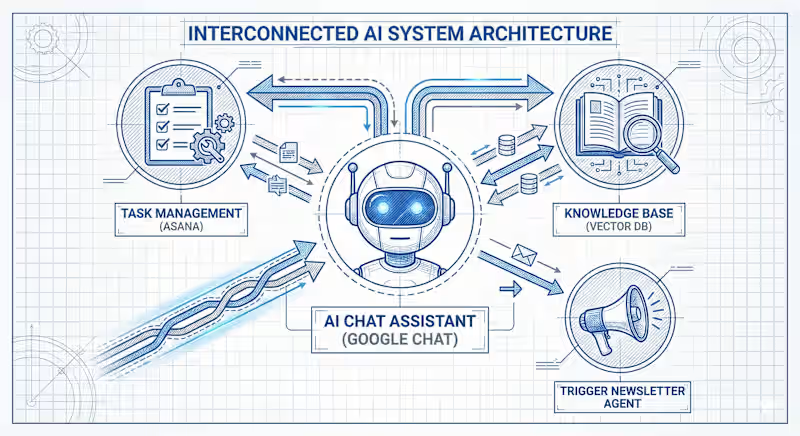
We recently built an AI Customer Support Agent, and one thing surprised us...
The chatbot wasn't the hardest part.
Getting the AI to understand the business was.
The quality of an AI assistant isn't determined by the model alone.
It's determined by the information you give it.
During development, we found that connecting the AI to the right documentation, FAQs, business rules, and workflows made a far bigger difference than switching between models.
Once the AI had the right context, responses became more accurate, consistent, and genuinely helpful.
It reinforced something we've been seeing across recent AI projects:
Businesses don't need another chatbot. They need an AI assistant that actually understands their business.
That's where the real value is.
Curious to see how other teams are approaching AI knowledge management. What's been your biggest challenge when building AI products?
#AI #ArtificialIntelligence #CustomerSupport #AIAgents #SaaS #ProductDevelopment #Automation #OpenAI #Claude #BusinessAI #TvaronTechnologies
3
4
365
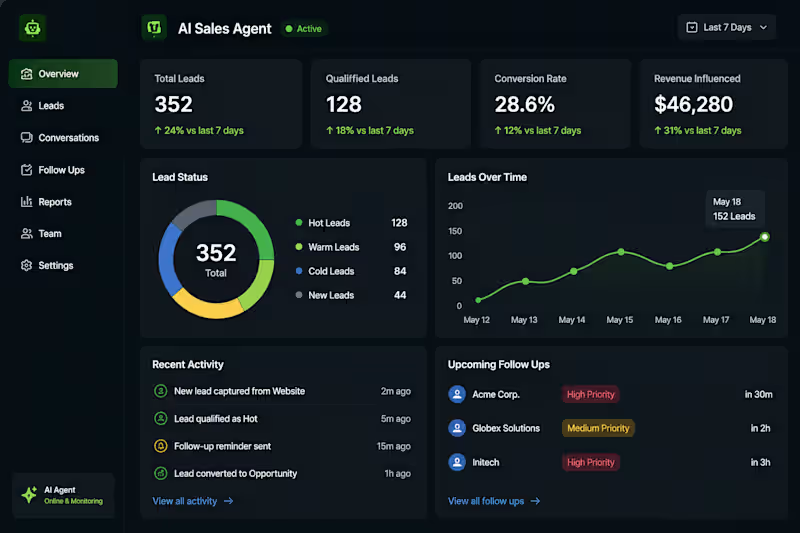
Claude is becoming our default choice for business AI agents.
Just finished an AI Sales Agent that:
- captures website leads
- qualifies them automatically
- updates the CRM
- tracks follow-ups
- generates conversion reports
The biggest win wasn’t AI conversation quality.
It was eliminating the “who owns this lead?” problem.
Built with Claude + automation workflows + CRM integration.
3
4
1.2K

AI Agent Developer & Engineer | MCP, LLM apps, automation
- 1x
- Hired
- 5.0
- Rating
- 64
- Followers
AI Agent Developer & Engineer | MCP, LLM apps, automation

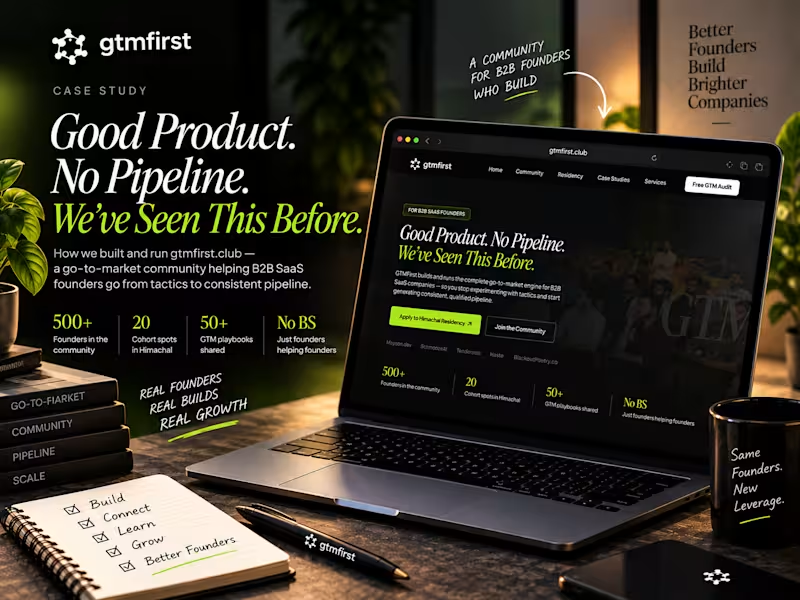

Modern web developer helping brands grow online.

Modern web developer helping brands grow online.

I built FlowLancer — My End-to-End Autonomous Freelance AI Agent
As a freelancer, I was spending way too many hours on admin work — managing clients, proposals, time tracking, invoicing, and follow-ups.
So I created FlowLancer, my custom AI agent in Notion that handles almost all backend operations automatically.
Here’s what it does for me:
• Processes new client emails and turns them into proper projects + proposals
• Creates my daily plan every morning with prioritized tasks
• Logs time automatically when I tell it
• Tracks project progress and creates next tasks
• Prepares invoice drafts when milestones are complete
• Sends polite payment reminders
• Gives me a full weekly summary every Sunday
Now I spend 90% of my time on actual client delivery work instead of operations.
🔗 Agent: FlowLancer (https://www.notion.so/marketplace/custom-agents/flowlancer)
12
615

Most AI tools help you write.
Designa helps you build.
Inside Notion, you can just tag @designa and
describe anything:
“Freelance manager”
“Startup dashboard”
“Food delivery app”
And it turns that idea into a working system.
You get:
– Structured databases
– Smart workflows
– UI ideas + layouts
– Even code + flows in FigJam
No switching tools. No complex setup.
It connects everything in one place and actually makes it usable.
This is what a real AI agent looks like.
Not just generating content…
But turning ideas into systems you can use instantly.
🔗 Agent: Designa (https://www.notion.so/marketplace/custom-agents/designa)
3
17
680
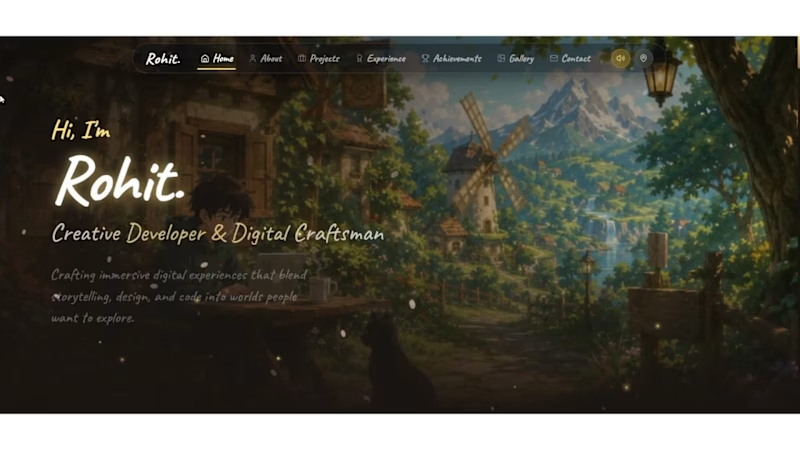
Built an immersive fantasy portfolio where every section becomes part of a living world instead of another webpage.
Designed the entire experience in @flowstep_ai using Flowstep + MCP (Antigravity).
Connected Flowstep MCP with Antigravity, then iterated directly on the canvas using prompts—refining layouts, components, navigation, interactions, and the design system without rebuilding screens from scratch.
Created reusable design tokens, cinematic UI, glass navigation, parchment components, handcrafted cards, and a consistent visual language across every scene.
Once the prototype was finalized, I replicated the entire Flowstep canvas into a Next.js application and polished interactions with modern animation libraries before deploying.
The workflow:
🌿 Idea → Prompt Flowstep
🎨 Refine with MCP (Antigravity)
🧩 Build reusable design system
🖼 Iterate every screen on the canvas
⚛ Replicate to Next.js
▲ Deploy on Vercel
🏡 9 connected fantasy scenes
✨ 1 immersive portfolio
Project link : https://portfolio-6asf.vercel.app/
flowstep link : https://app.flowstep.ai/file?activeFileId=dd5c563d-33a1-4b37-8b24-3669efac9652
1
224
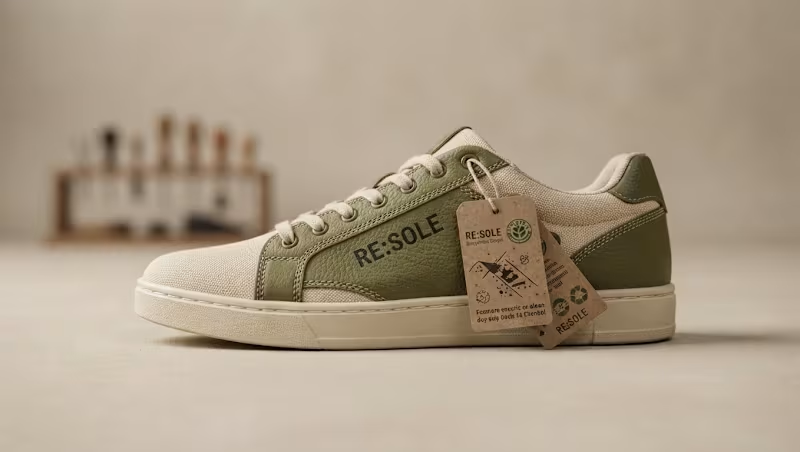
Human by Design isn't about using less AI—it's about knowing when not to listen to it.
For this challenge, I created RE:SOLE, a fictional sustainable sneaker brand built around one simple idea:
"Repair, Don't Replace."
Instead of designing another perfect sneaker, I wanted to tell the story of a shoe that becomes more valuable with every scratch, crease, and repair.
My Workflow
Built the brand identity using Envato AI as the creative starting point.
Used Envato assets for inspiration and visual direction.
Created a custom typeface pairing to give the brand its own timeless personality.
Iterated through multiple concepts before choosing the final direction.
Designed the campaign visuals and cinematic product storytelling around authenticity rather than perfection.
My Human by Design Moment
AI consistently generated spotless, flawless sneakers because it assumed perfection sells.
I made a different creative decision.
I intentionally added visible wear, repaired stitching, faded textures, and handcrafted imperfections because they communicate something AI couldn't understand on its own: memories have value.
That single decision transformed the campaign from a product advertisement into a story about craftsmanship, sustainability, and emotional connection.
Tagline:
"Scars aren't flaws. They're memories."
2
3
373

AI Business Strategy & Intelligent Automation
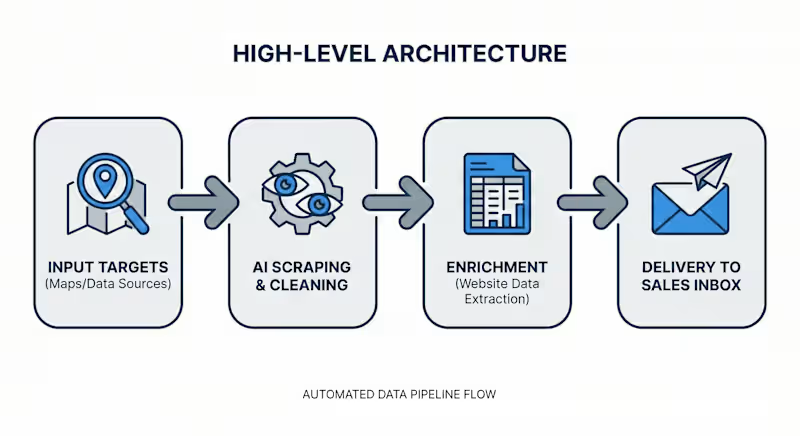

AI Automation Developer | n8n, Make & GoHighLevel