Tunes - Rapid MVP Development with Wireframer AI

Edward Jaiyeola


Overview
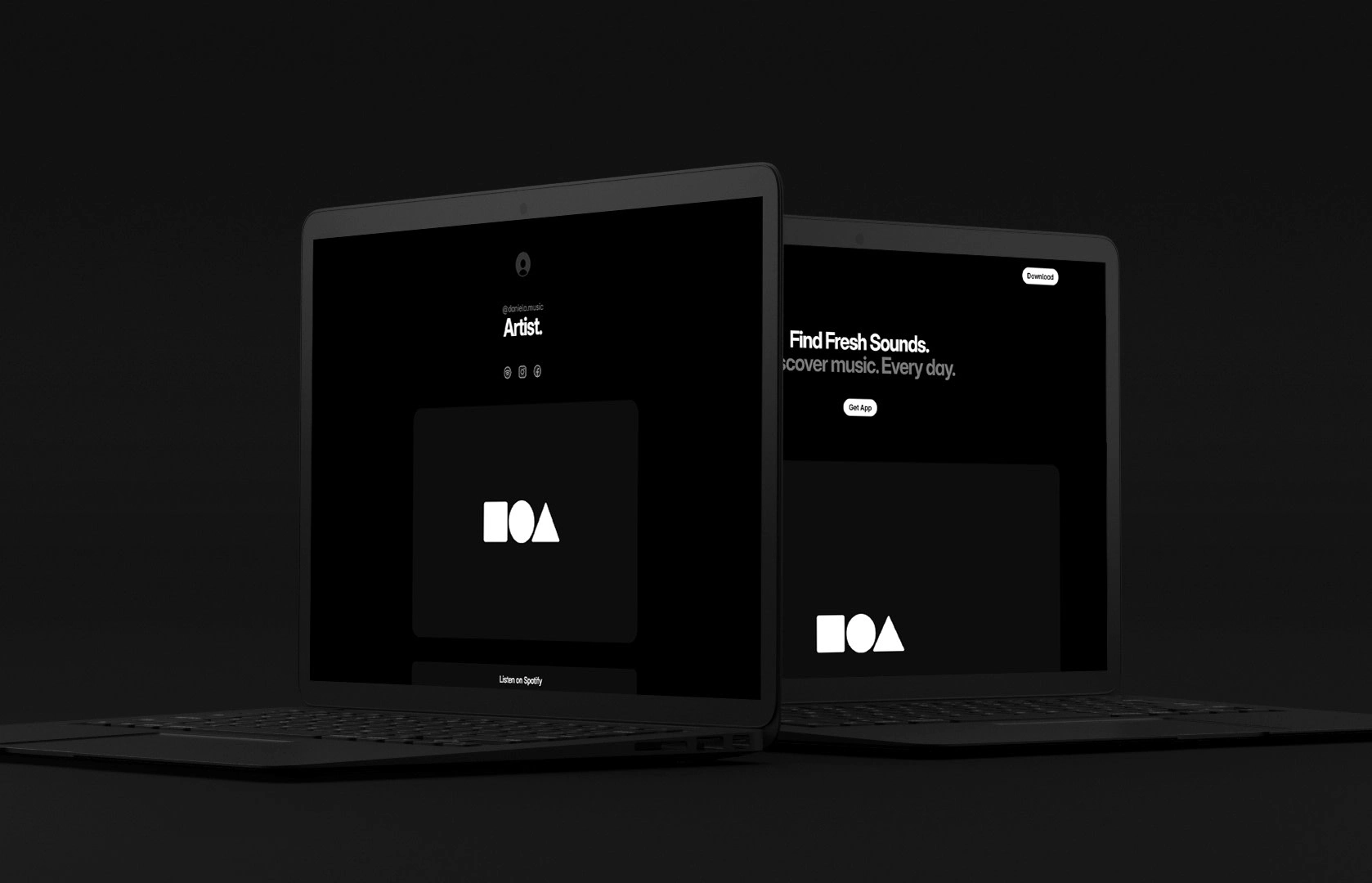
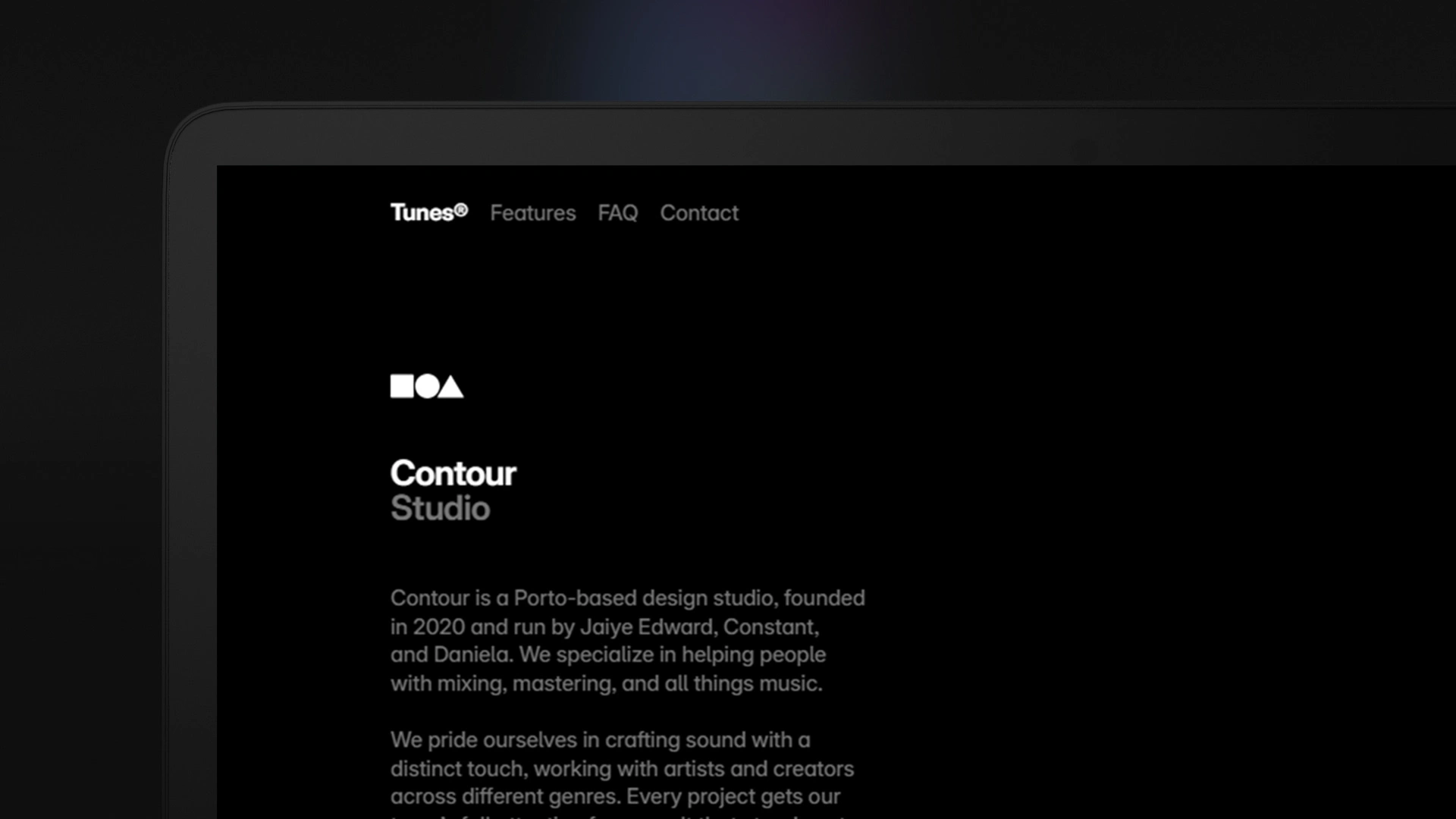
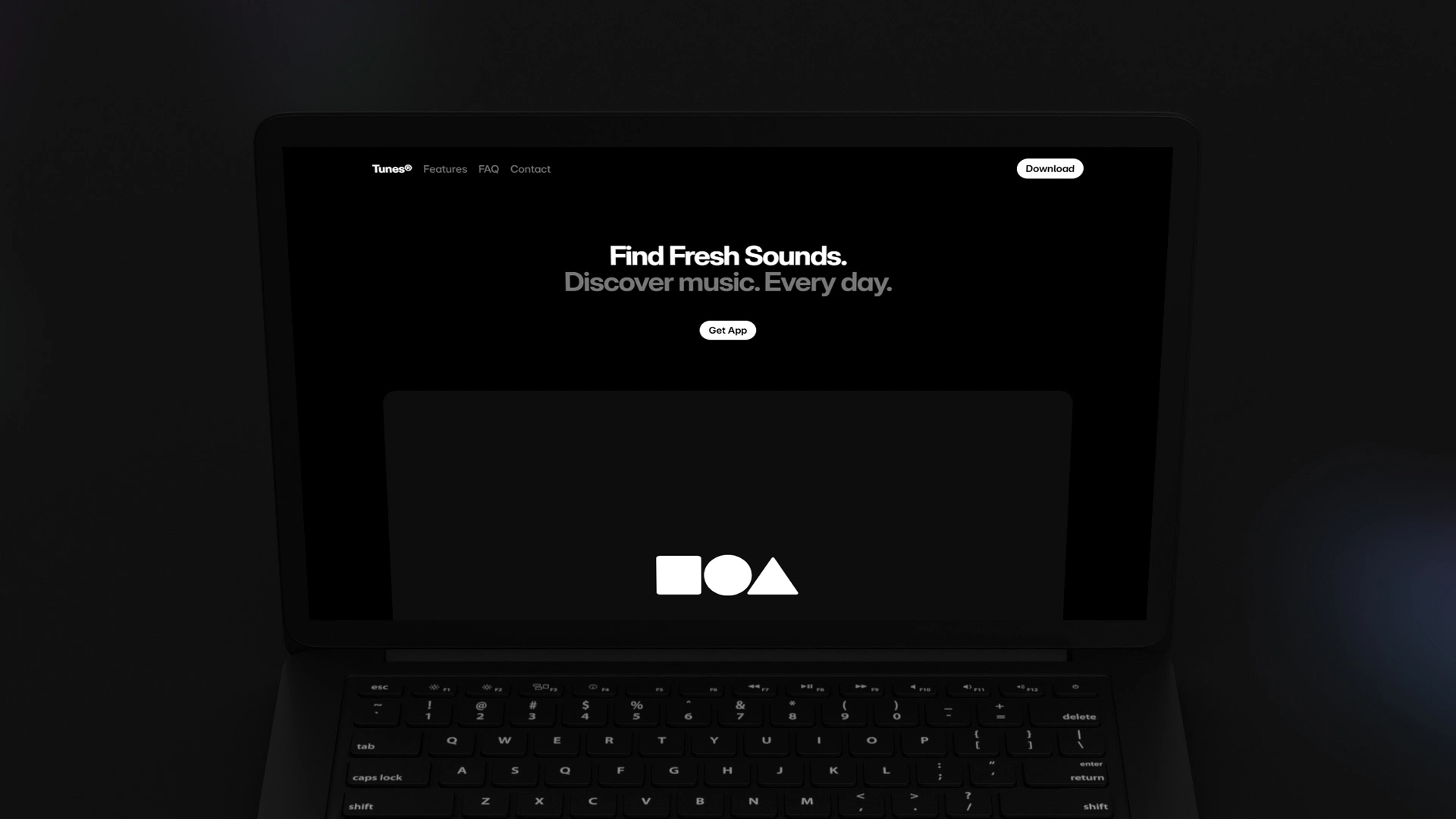
"Tunes" is a high-fidelity landing page for a concept music discovery application. The project served as a strategic exploration into AI-augmented design workflows, specifically utilizing Framer's "Wireframer" tool. The objective was to test the capabilities of AI in generating structural layouts and component logic to drastically reduce the "zero-to-one" development time for web projects.
The Goal
The primary goal was to benchmark the speed and quality of AI-assisted development against traditional workflows.
Workflow Optimization: Determine how effectively Wireframer could handle complex sectioning (Hero, Feature Grids, FAQ accordions).
Speed to Market: Create a fully responsive, polished MVP (Minimum Viable Product) landing page in a fraction of the typical development time.
Aesthetic Control: Challenge the "generic AI look" by heavily customizing the generated wireframes into a premium, dark-mode aesthetic.
Challenges Faced
AI Rigidity: While Wireframer generates layouts quickly, they often lack a specific brand personality. The challenge was taking rigid, grid-based AI outputs and styling them to feel organic and bespoke.
Content Integration: AI fills space with lorem ipsum. Integrating real context ("Find Fresh Sounds") while maintaining the visual balance of the generated typography required careful manual override.
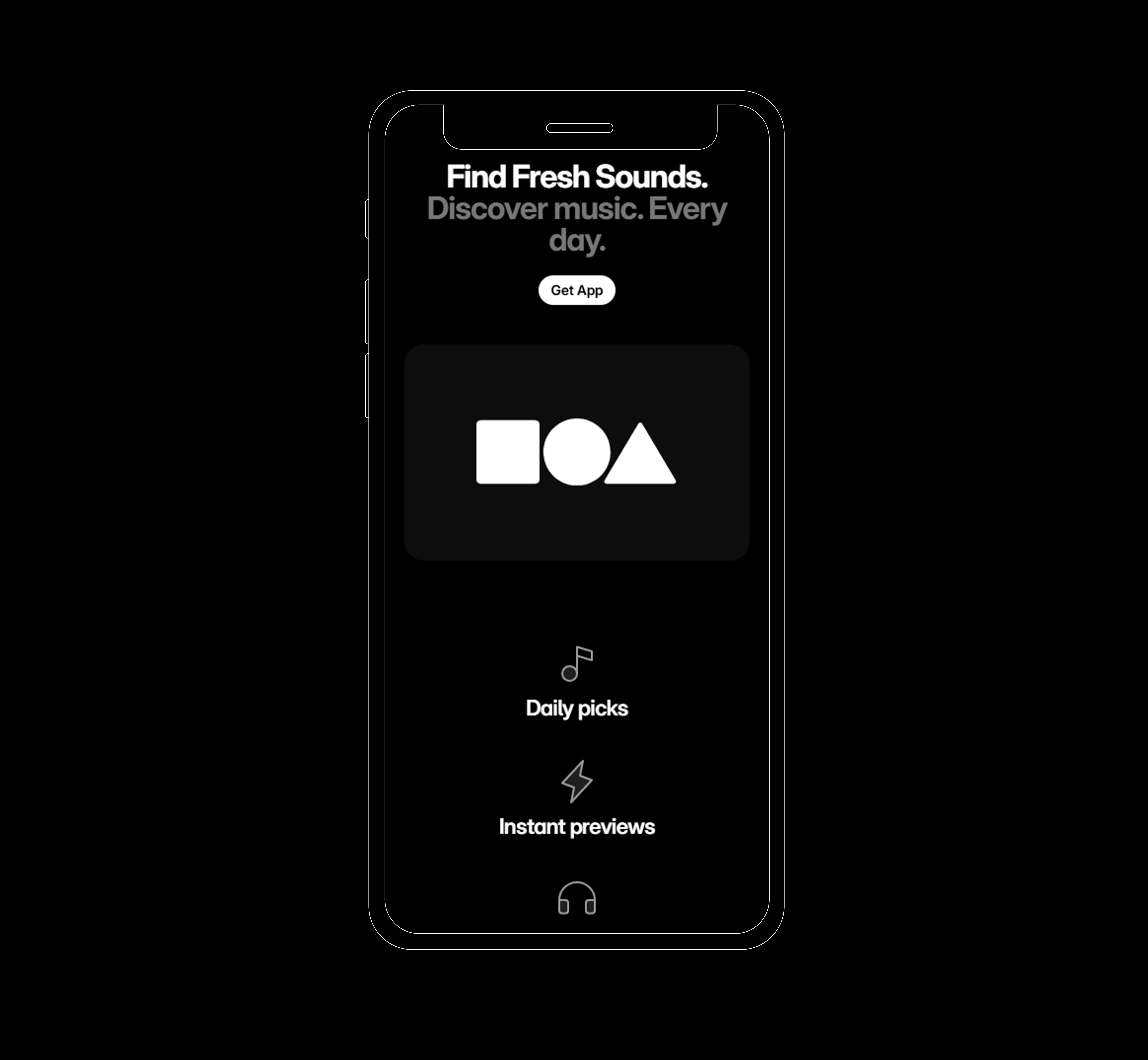
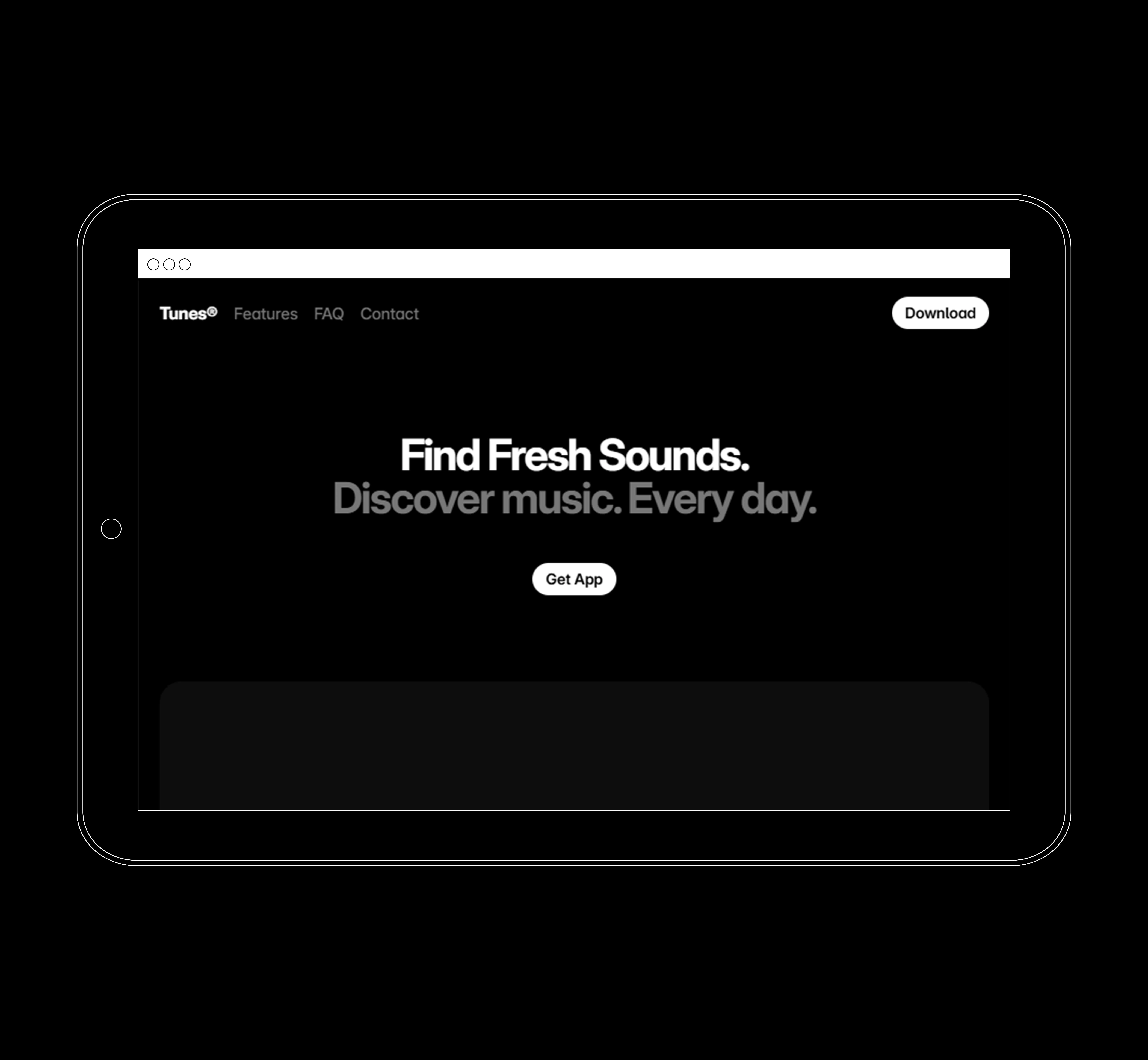
Responsive Fidelity: Ensuring the AI-generated stacks translated perfectly to mobile breakpoints without manual rebuilding.
Solutions & Execution
Leveraging Wireframer: I used the AI to generate the core skeleton, specifically the feature columns and the FAQ logic, which eliminated the initial structural setup time.
The "Hybrid" Workflow: I adopted a "Generate then Polish" methodology. I allowed the AI to handle the heavy lifting of responsiveness and layout constraints (Stacks/Grids), allowing me to focus entirely on visual styling, typography hierarchy, and micro-interactions.
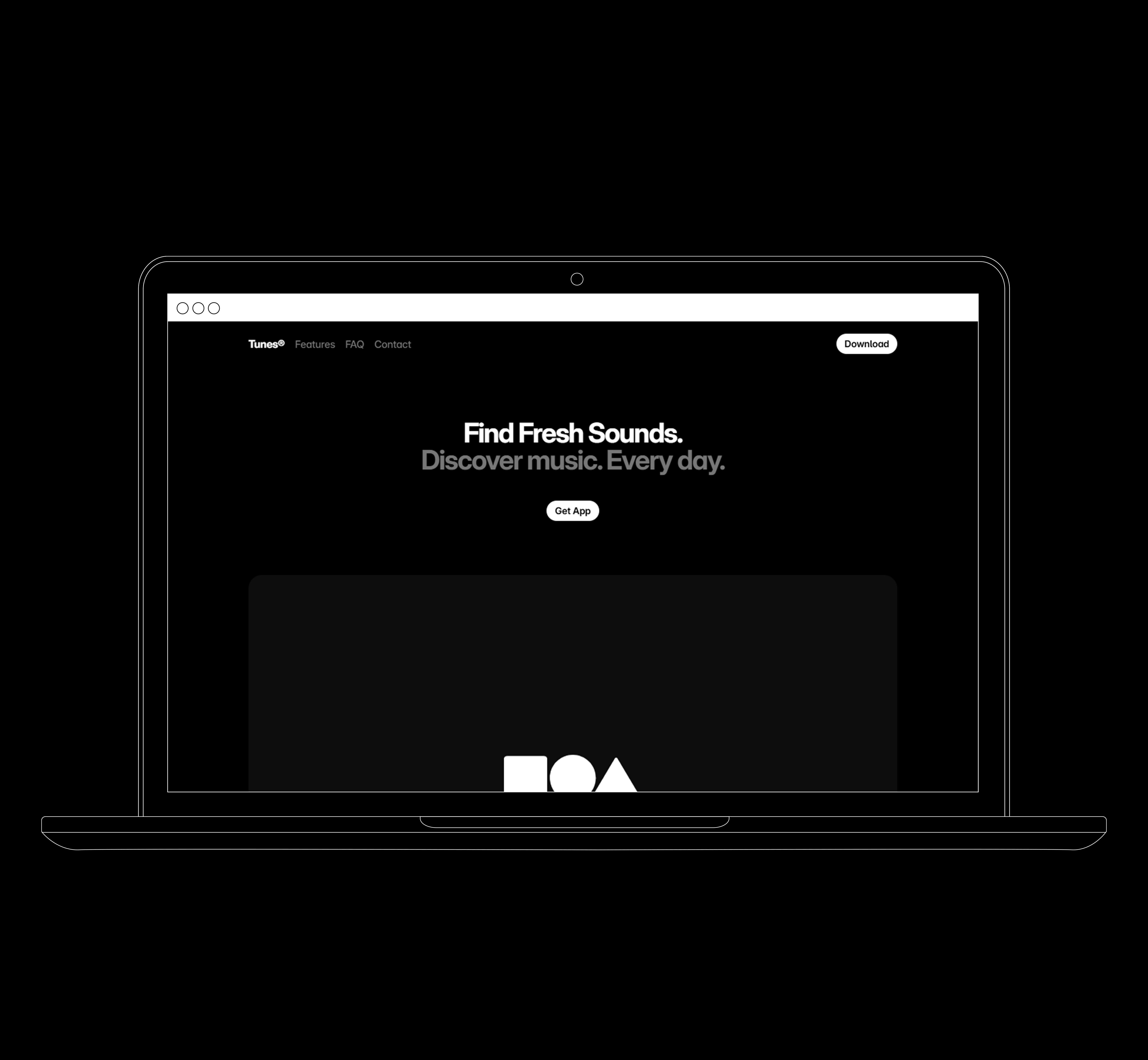
Dark Mode Adaptation: I customized the generated layout with a cohesive dark color palette and high-contrast white typography to give it a premium, SaaS-like feel.
Outcomes & Business Impact
This project proved that integrating AI tools into the design workflow offers significant ROI for business clients:
70% Faster Turnaround: By skipping the low-fidelity wireframing phase, I reduced the design-to-publish timeline from days to hours.
Cost-Effective MVP Testing: For startups, this workflow allows for the rapid testing of value propositions (like a new app launch) without the heavy budget usually associated with high-fidelity web development.
Scalable Foundations: The site is built on clean code structures (thanks to Framer's output), making it easy to scale from a one-page site to a full multi-page platform.
What I Learnt
AI as a Catalyst, Not a Replacement: Wireframer is excellent for overcoming "blank canvas syndrome," but a designer's eye is critical for spacing, typography, and conversion optimization.
Prompt Engineering for Design: I learned how to prompt the tool effectively to get layouts that are 90% ready, minimizing the need for manual structural changes.
Business Value of Speed: I can now offer "Rapid Landing Page" services to clients who need to validate ideas fast, using this exact workflow.
Like this project
Posted Nov 18, 2025
A strategic exploration into AI-augmented design workflows, specifically utilizing Framer's "Wireframer" tool.
Likes
3
Views
12
Timeline
Nov 16, 2024 - Ongoing
Clients
Framer