International Policy & Parliamentary Web Experience

Valentina Guerrero
Verified


Strategic Overview
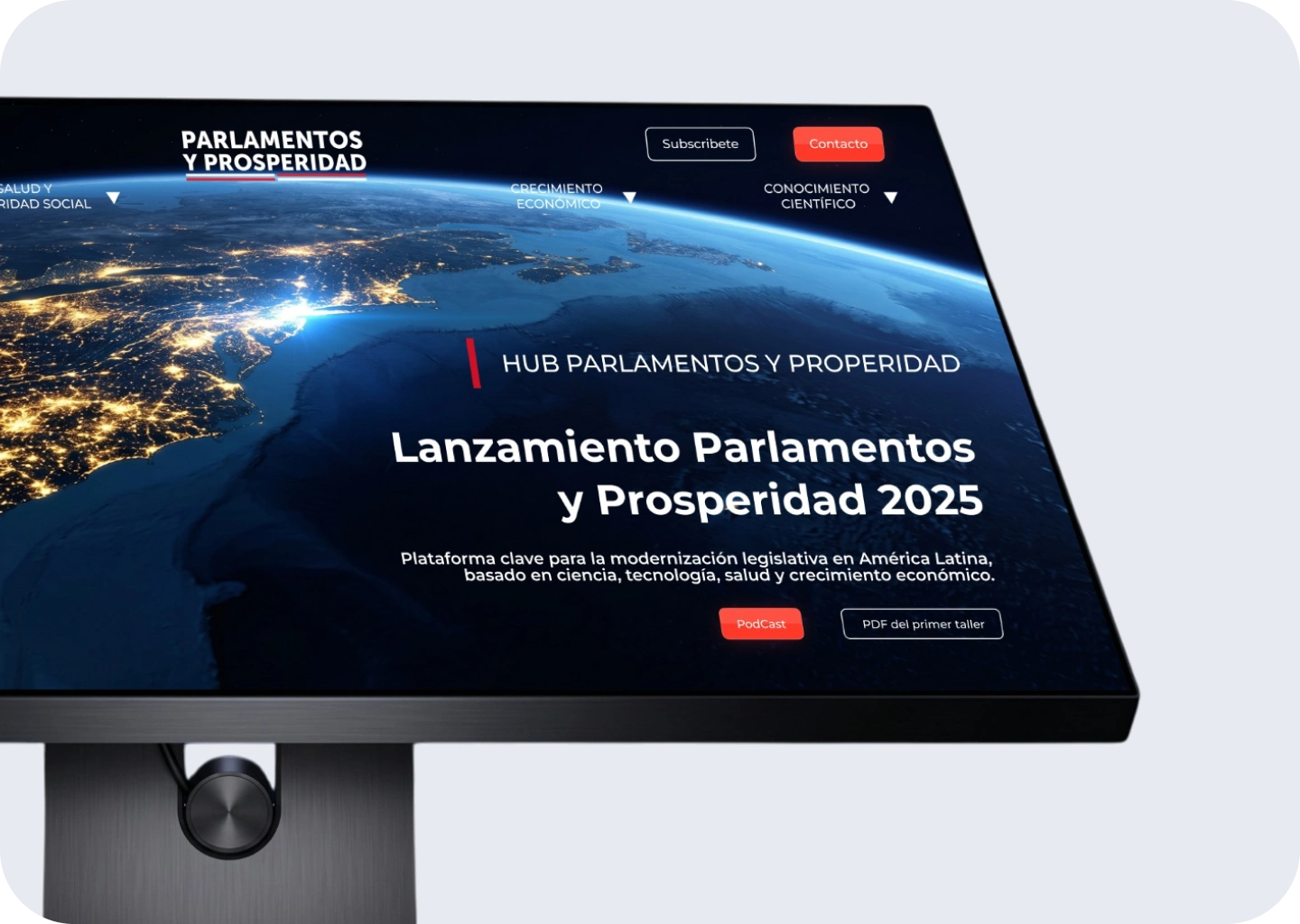
Designed and developed a digital platform for Parlamentos y Prosperidad, an international parliamentary initiative created to foster collaboration, dialogue, and economic development across participating countries.
The primary challenge was translating a complex institutional ecosystem involving governments, international organizations, and parliamentary representatives into a clear, accessible experience capable of driving participation and event registrations.
The project required balancing credibility, information clarity, and stakeholder representation while supporting ongoing engagement beyond individual events.
Audience Considerations
Primary Audience
International organizations, parliamentary representatives, government officials, and institutional stakeholders.
UX Challenge
Visitors arrived with different levels of familiarity with the initiative. The platform needed to explain the purpose, structure, and opportunities for participation without overwhelming users with institutional complexity.
Strategic Goal
Create a framework that encouraged participation while maintaining the credibility expected from multinational organizations.
Key UX & Information Architecture Decisions
1. Transforming Institutional Complexity into a Scannable Structure
Problem
The initiative involved multiple countries, organizations, representatives, events, and working groups.
Decision
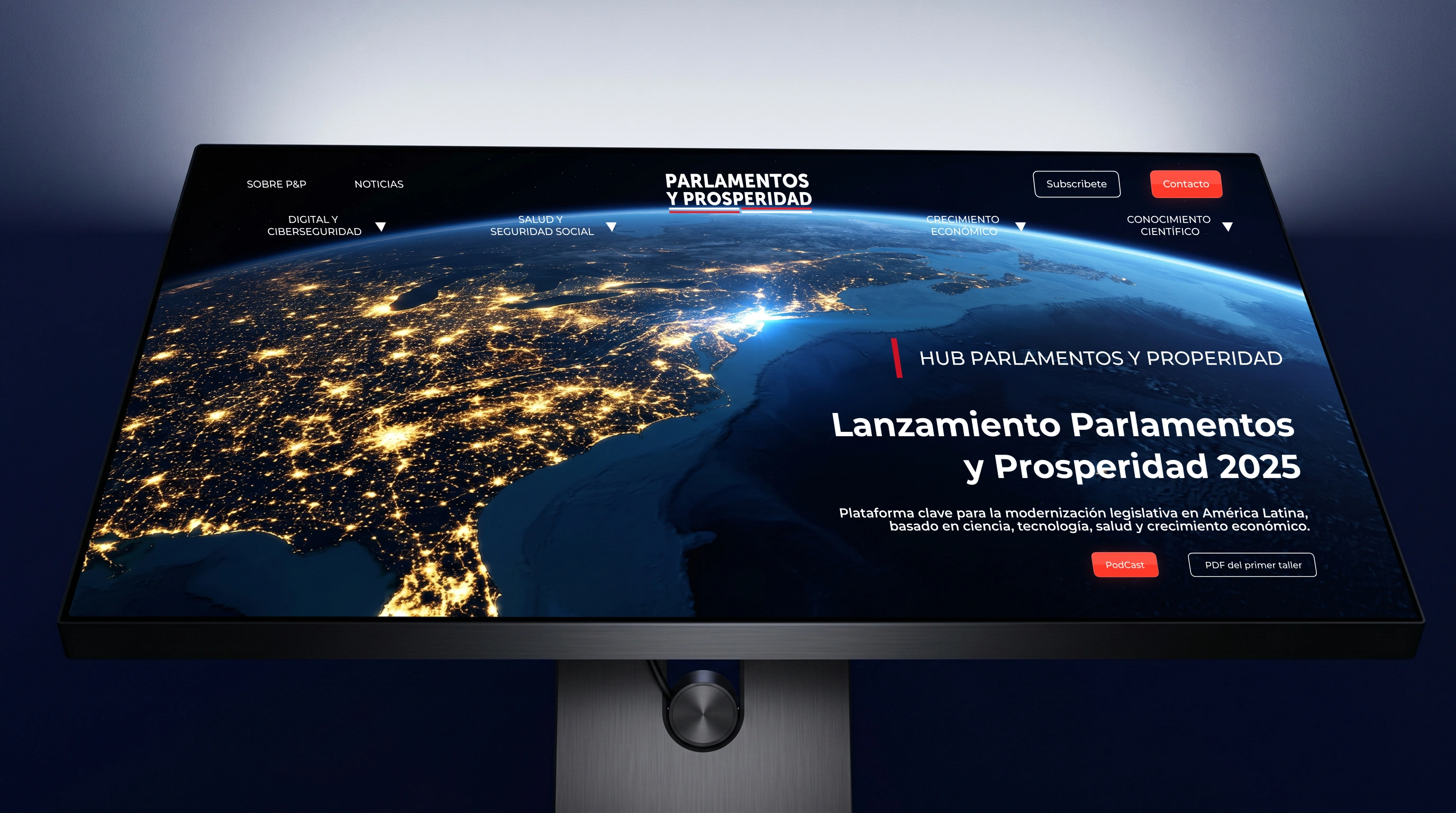
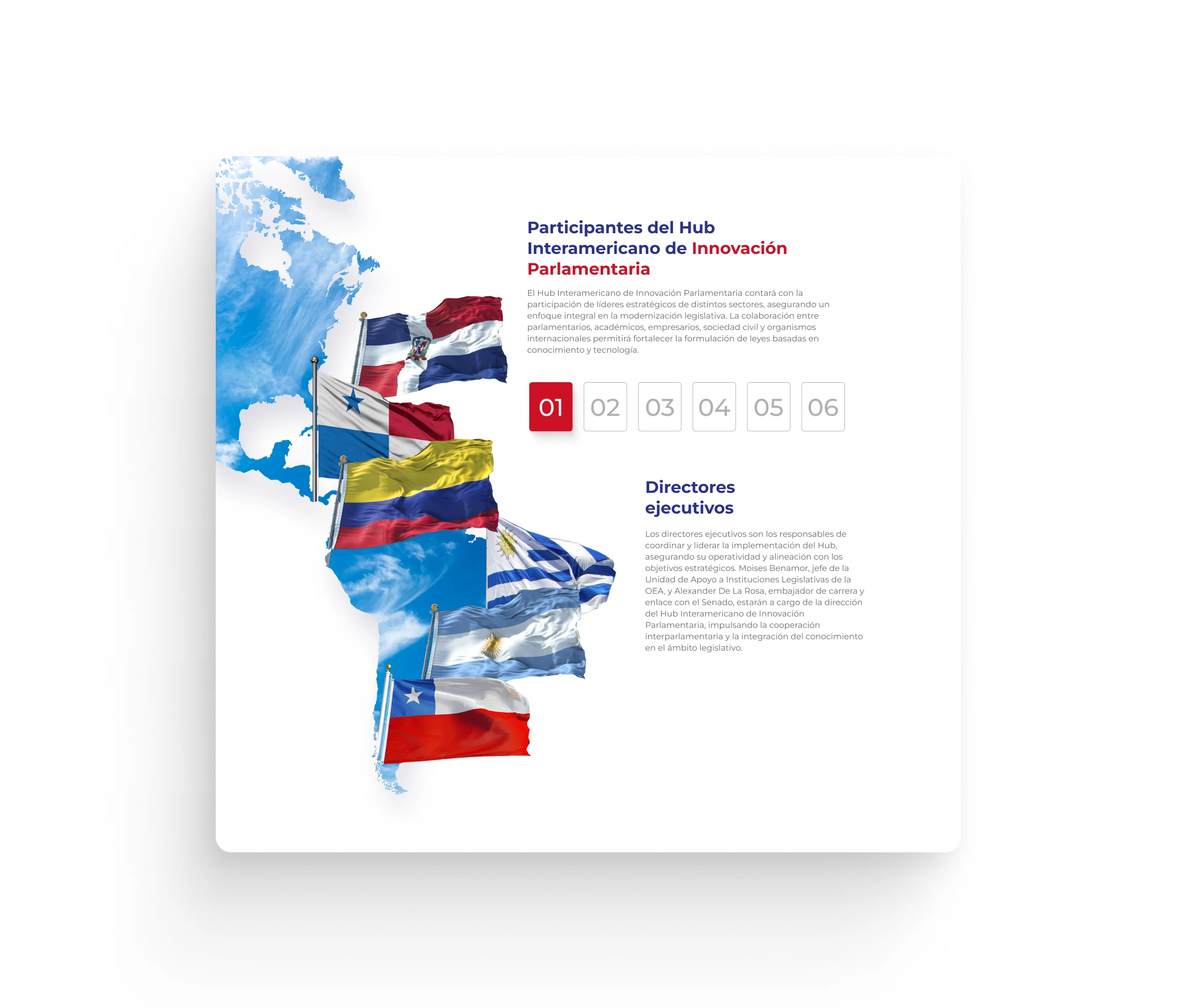
Content was reorganized into a structured hierarchy that progressively introduced the initiative, its leadership, participating countries, and engagement opportunities.
Impact
Users could understand the ecosystem without needing prior knowledge of the organization.
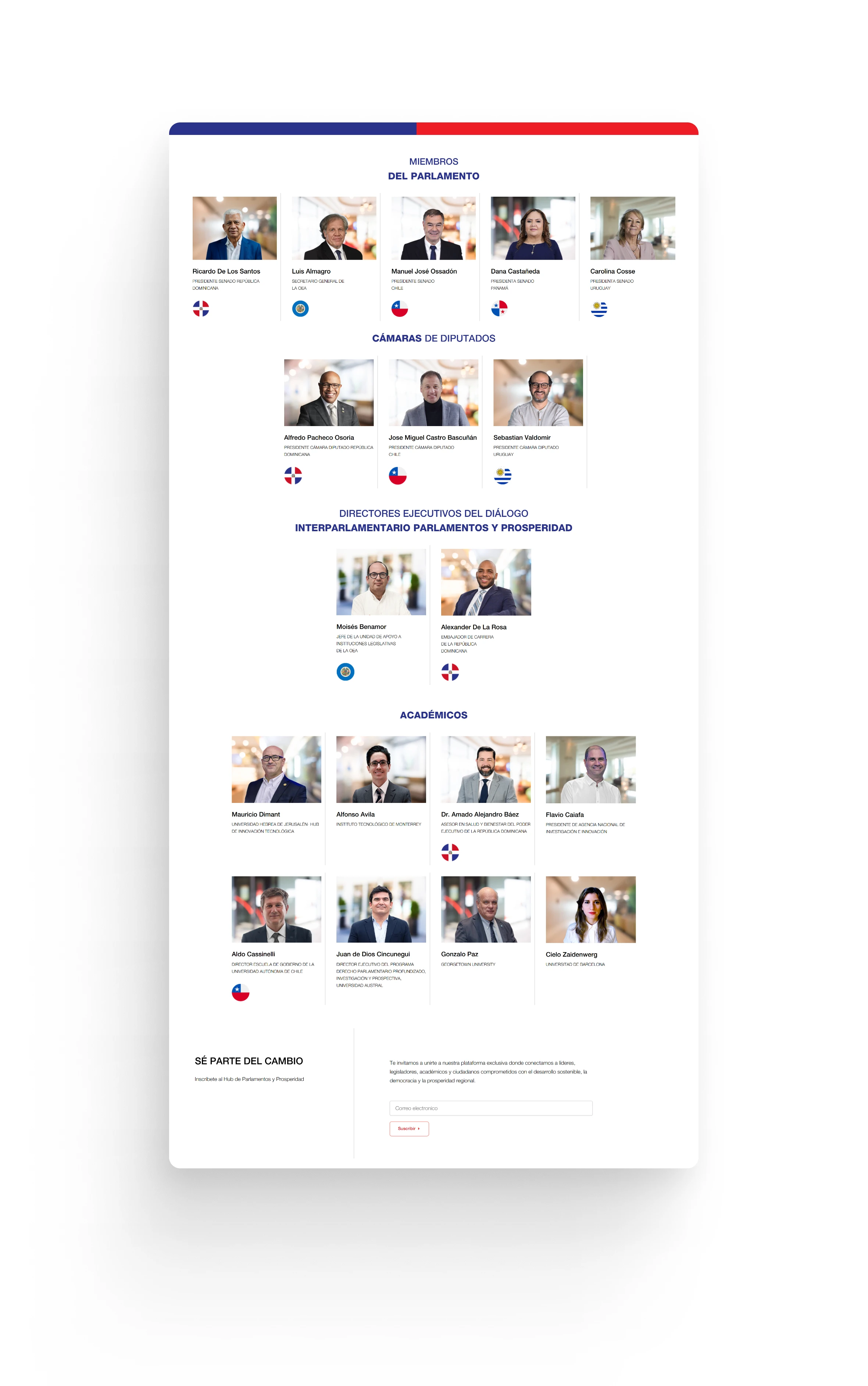
2. Representative Card System
Problem
Early content treated all representatives equally, making it difficult to understand leadership roles and organizational structure.
Decision
Introduced a card-based system displaying representatives, titles, and country affiliations.
Impact
Created visual hierarchy, improved recognition of key stakeholders, and clarified the governance structure of the initiative.
Business Value
Strengthened institutional credibility while making a complex network of participants easier to navigate.
3. Registration-Oriented Information Flow
Problem
Users needed to understand the initiative before committing to attend events or participate.
Decision
Structured the experience around a progression of:
initiative → leadership → events → participation opportunities
Impact
Reduced cognitive load and created a more natural path toward registration.
4. Credibility Through Institutional Visibility
Problem
Trust is critical when engaging international organizations and public institutions.
Decision
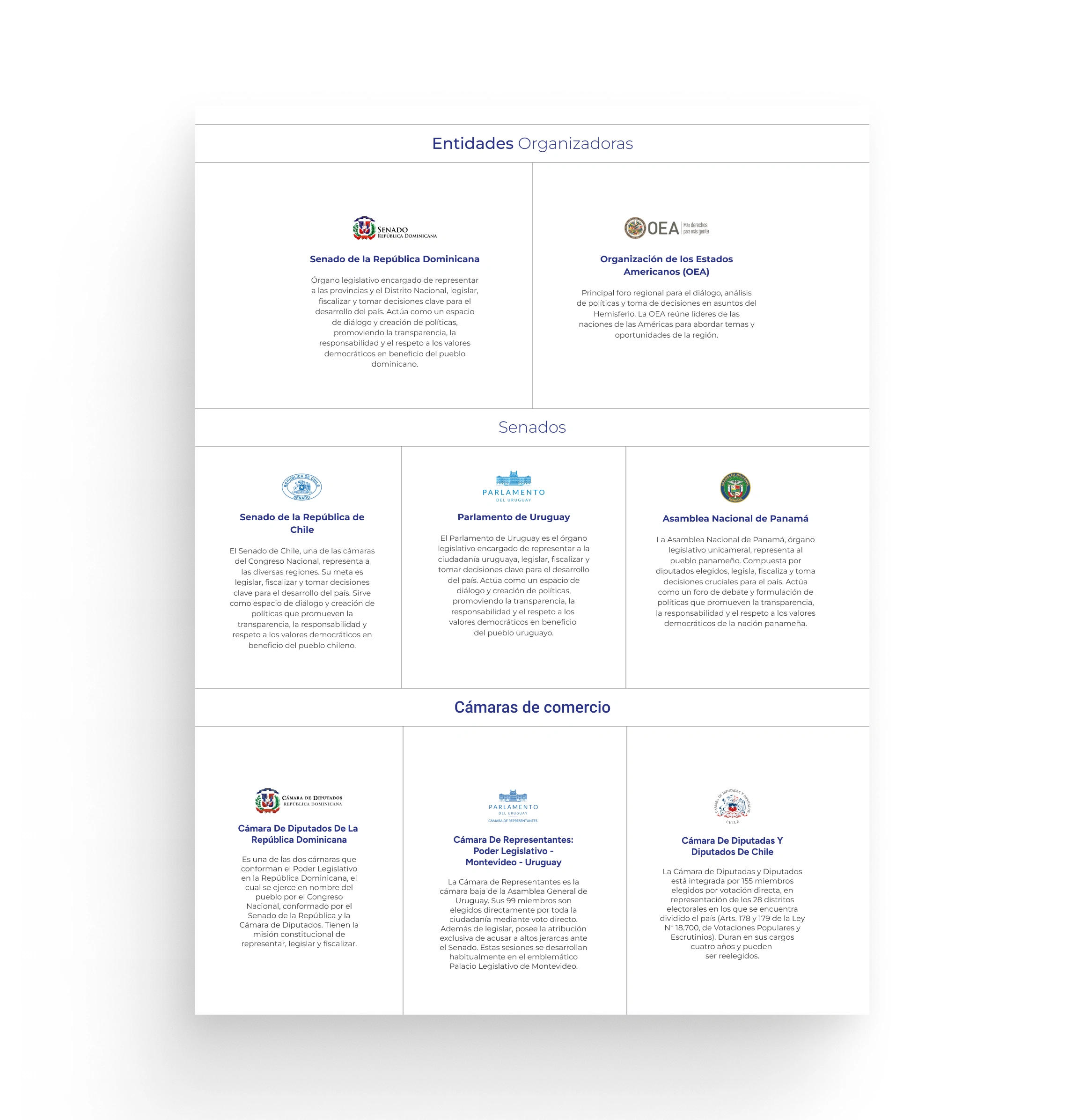
Integrated participating countries, institutional affiliations, and organizational partnerships throughout the experience.
Impact
Reinforced legitimacy and encouraged stakeholder participation.
Messaging & Communication Strategy
The platform was designed to answer three questions as quickly as possible:
What is this initiative?
Who is behind it?
How can I participate?
Rather than focusing on event promotion alone, the website positioned the initiative as an ongoing collaborative platform for parliamentary dialogue and development.
Trust-Building Decisions
Institutional Representation
Participating countries and organizations were prominently integrated into the experience to reinforce legitimacy.
Leadership Visibility
Key coordinators and representatives were given clear visual hierarchy to establish organizational structure.
Structured Information Architecture
Complex institutional content was organized into predictable, easy-to-scan sections to reduce confusion and increase confidence.
Business Impact Rationale
The platform was designed to support participation in a multinational parliamentary initiative by making a complex institutional structure easier to understand and engage with.
By combining clear information architecture, stakeholder visibility, and registration-focused user flows, the website helped transform a multi-country collaboration effort into a more accessible and actionable digital experience.
Tools & Skills
UX/UI Design
Information Architecture
Web Development
WordPress
Elementor
Figma
AI-Assisted Design Workflow
Live Website
Explore the final experience HERE
Planning a similar project?
Let's discuss how strategy, UX, and development can help achieve your goals.
Like this project
Posted Jun 9, 2026
Strategic web experience designed to transform a complex parliamentary initiative into a clear and engaging stakeholder platform.
Likes
0
Views
19
Timeline
Mar 1, 2025 - Jul 12, 2025