KR Actors Talent Database Automation

Rod Acevedo


KR Actors
Three decades of actor records, migrated by automation instead of by hand, and a casting shortlist that turns browsing talent into a PDF a director can take into the room.
KR Actors is one of New Zealand's most established acting agencies. Kathryn Rawlings launched it in 1992, and for over thirty years the agency has represented actors across film, television, theatre and commercials. All that time, the information that makes an actor castable (credits, training, accents, dance, singing range, stage combat, licences) was handled manually. There was no intelligence in it: no filters, no structure, nothing a casting director could search.
So the old site could show you actors, but it couldn't help you find one. That costs both sides. A director working to a deadline goes elsewhere, and an actor with exactly the right accent never surfaces. For an agency whose whole value is knowing its people, the website was quietly working against them.
Impact
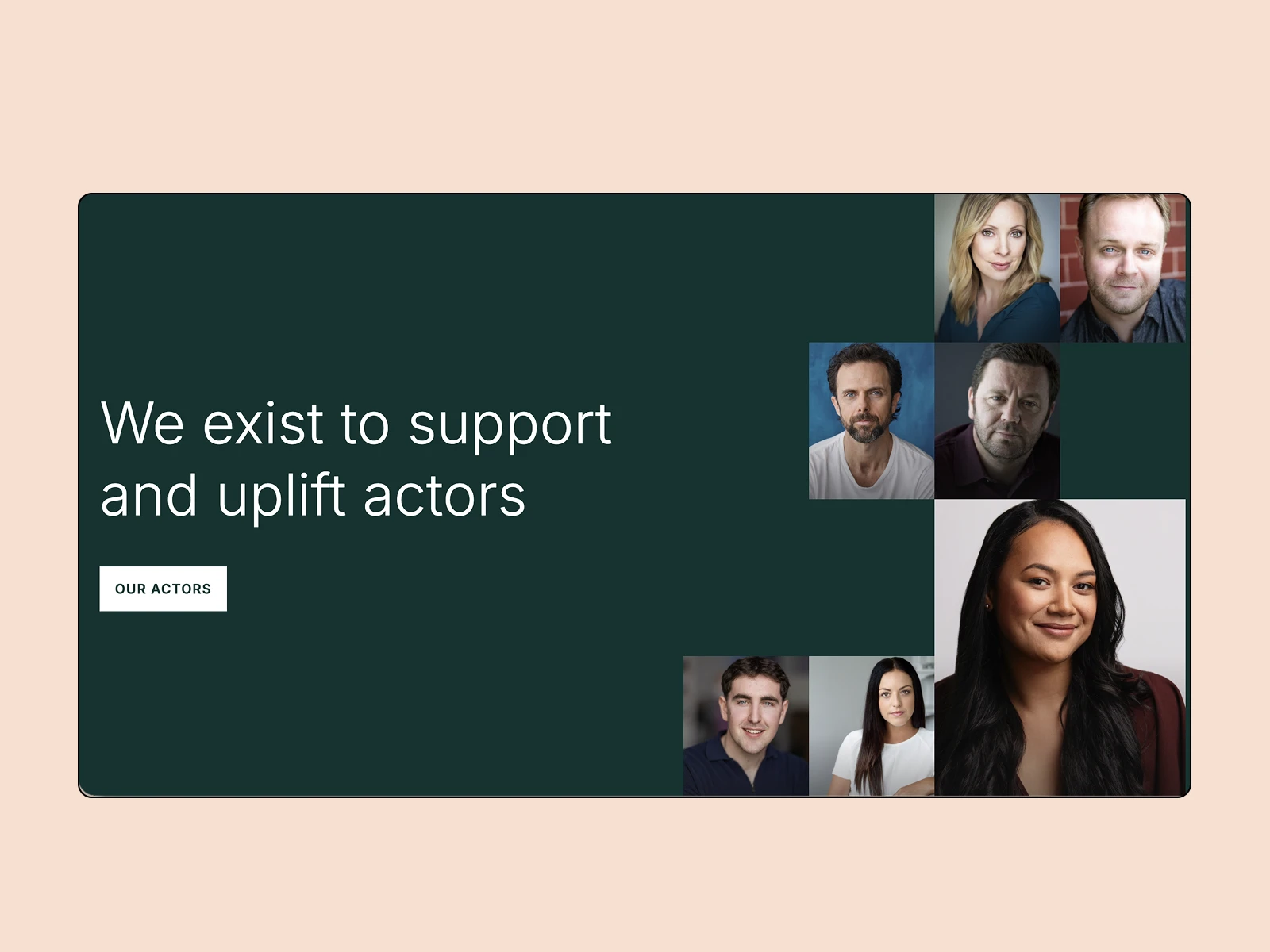
A fully automated migration, a searchable talent database, and a shortlist tool that exports to PDF. Live since 2023 and still being extended.
Instead of retyping thirty years of records, I automated the migration and moved the whole roster into structured Webflow collections. What started as a one-off pipeline became permanent infrastructure: micro workers that keep actor information current, with webhooks checking that profiles are complete and that the data stays consistent and high quality. Casting directors get a site that answers questions instead of just listing people, and the agency gets a database that maintains itself.
My role as product design lead, designer and builder
I led the product design, designed it, and built it. That covered the Webflow build, the automation pipeline behind the migration and the ongoing workers, and the part people underestimate: bringing the agency team along. Moving from a manual process to a structured system is a change in how you work, not just a new website, so teaching the team to trust and run it was part of the job.
Three decisions that shaped it
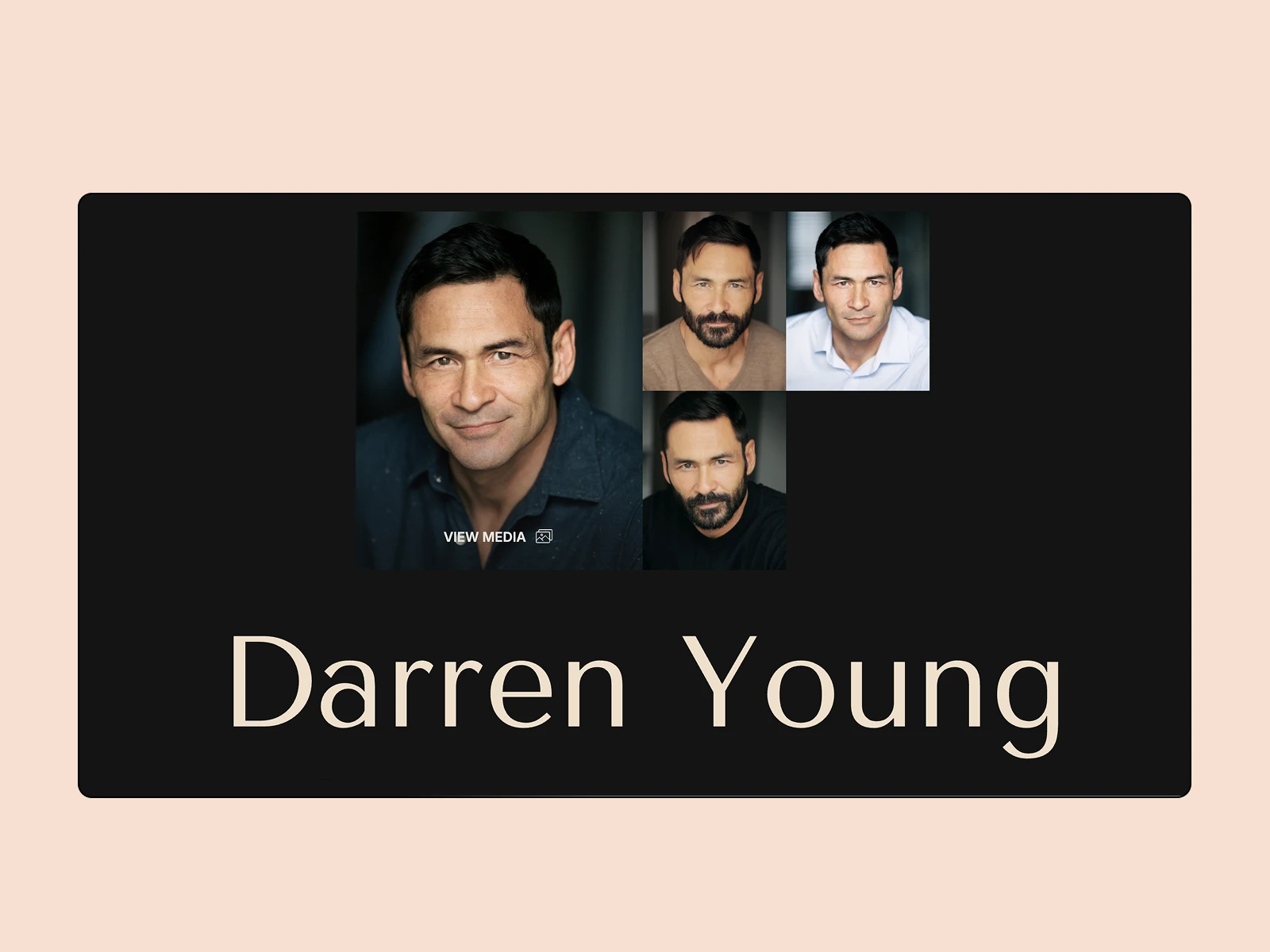
The shortlist and the PDF are the product. Everything else supports them. A casting director browses, saves the actors they want, and walks out with a PDF they can take into a meeting or send to a producer. That last step is where most talent sites stop and where the real work actually happens, so it's the piece I designed first.
Automate the migration, then keep the machines running. Automating the move saved an enormous amount of manual work, but the better outcome was what it left behind. Micro workers and webhooks now handle the unglamorous job of checking that profiles are complete and consistent, which is exactly the work that decays first when humans have to do it forever.
Come back and optimise for how people search now. Two years after launch I added answer engine optimisation across the content, so the agency's talent surfaces when people ask AI tools and search engines the kinds of questions casting starts with. A site built in 2023 shouldn't be discovered the way 2023 expected.

If you're sitting on years of information that people can't search, this is the work I do: structure it, automate the move, and build the tool that makes it useful.
Get in touch.
Like this project
Posted Aug 3, 2026
Automated KR Actors' records migration and developed searchable PDF export tool.
Likes
0
Views
0
Timeline
Jul 27, 2023 - Aug 1, 2026