Exploring icon application beyond the limits of screen

Oluwatobi Adetunji


Introduction
Icons were originally designed for screens. Introduced in the 1980s by systems like Xerox Star and the Apple Macintosh to improve usability on early graphical interfaces. Since then, they’ve remained a constant in digital design because they’re simple, intuitive, and effective at communicating meaning at a glance.
A few weeks ago, while experimenting in Figma, a question came to mind:
What if icons weren’t limited to screens?
What if we applied them to everyday, real-world objects?
That question led me to explore how digital iconography could translate into physical space—and this is the result of that exploration
Tote Bags
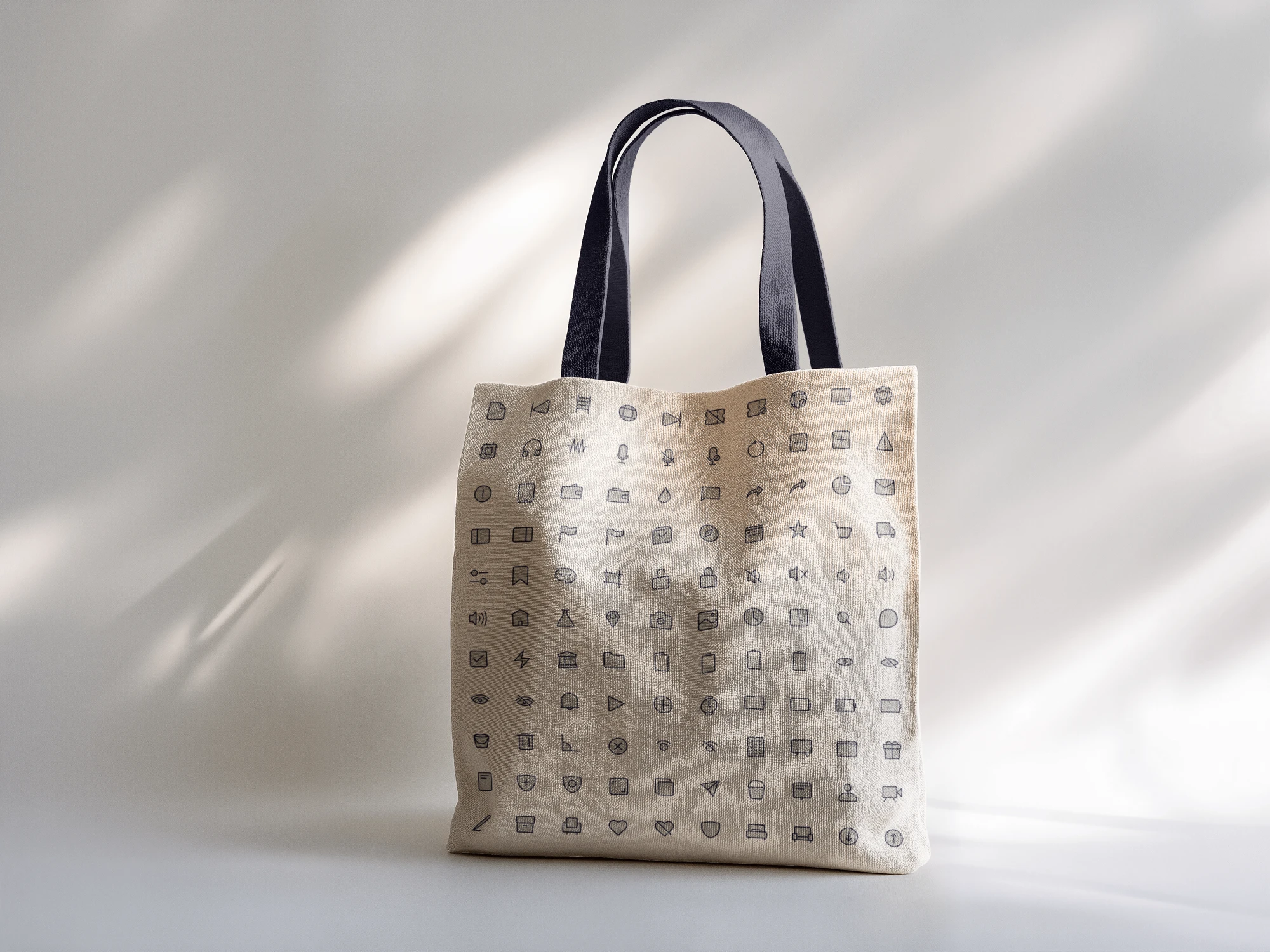
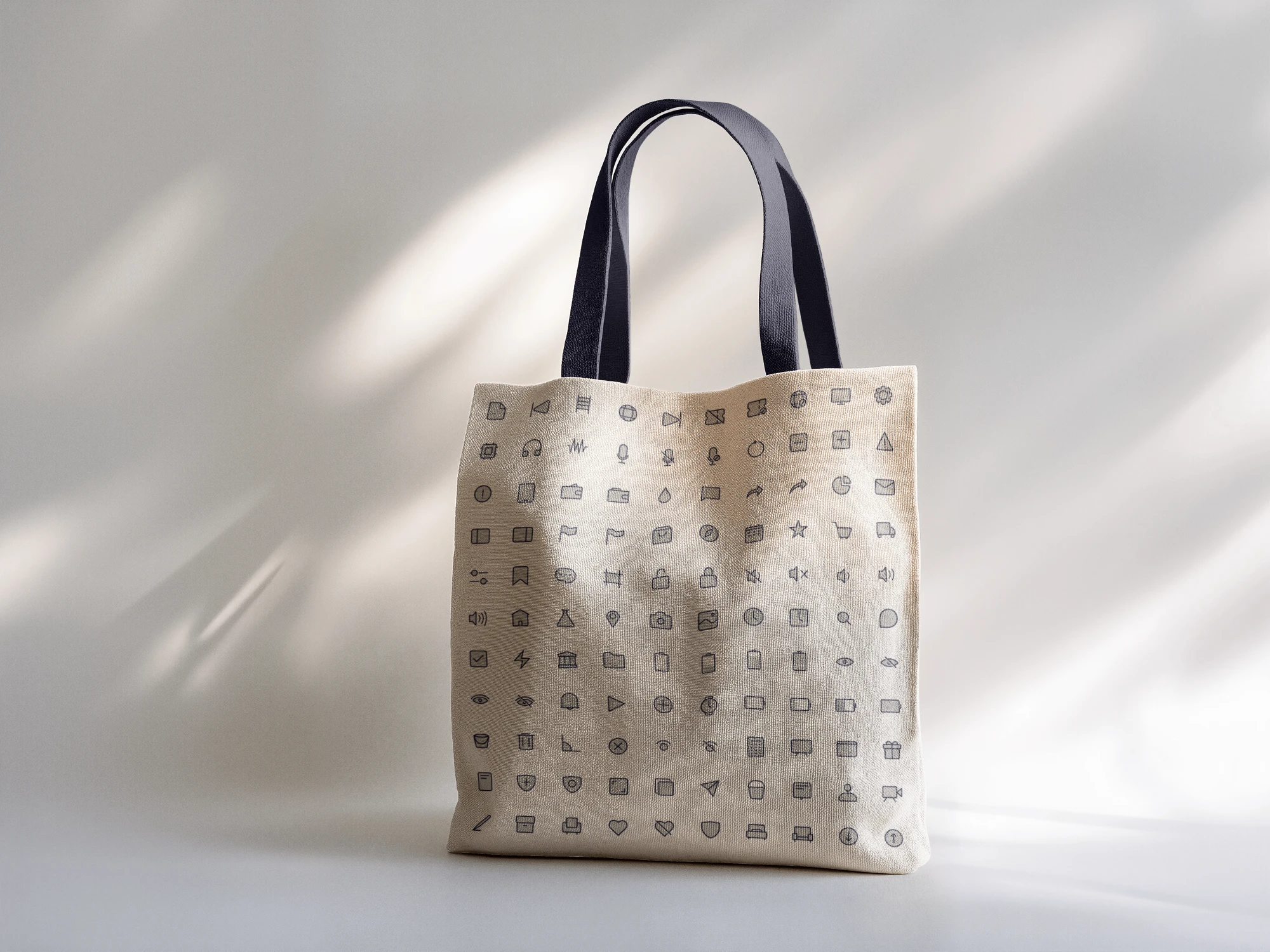
Duo-tone icon applied to a tote bag
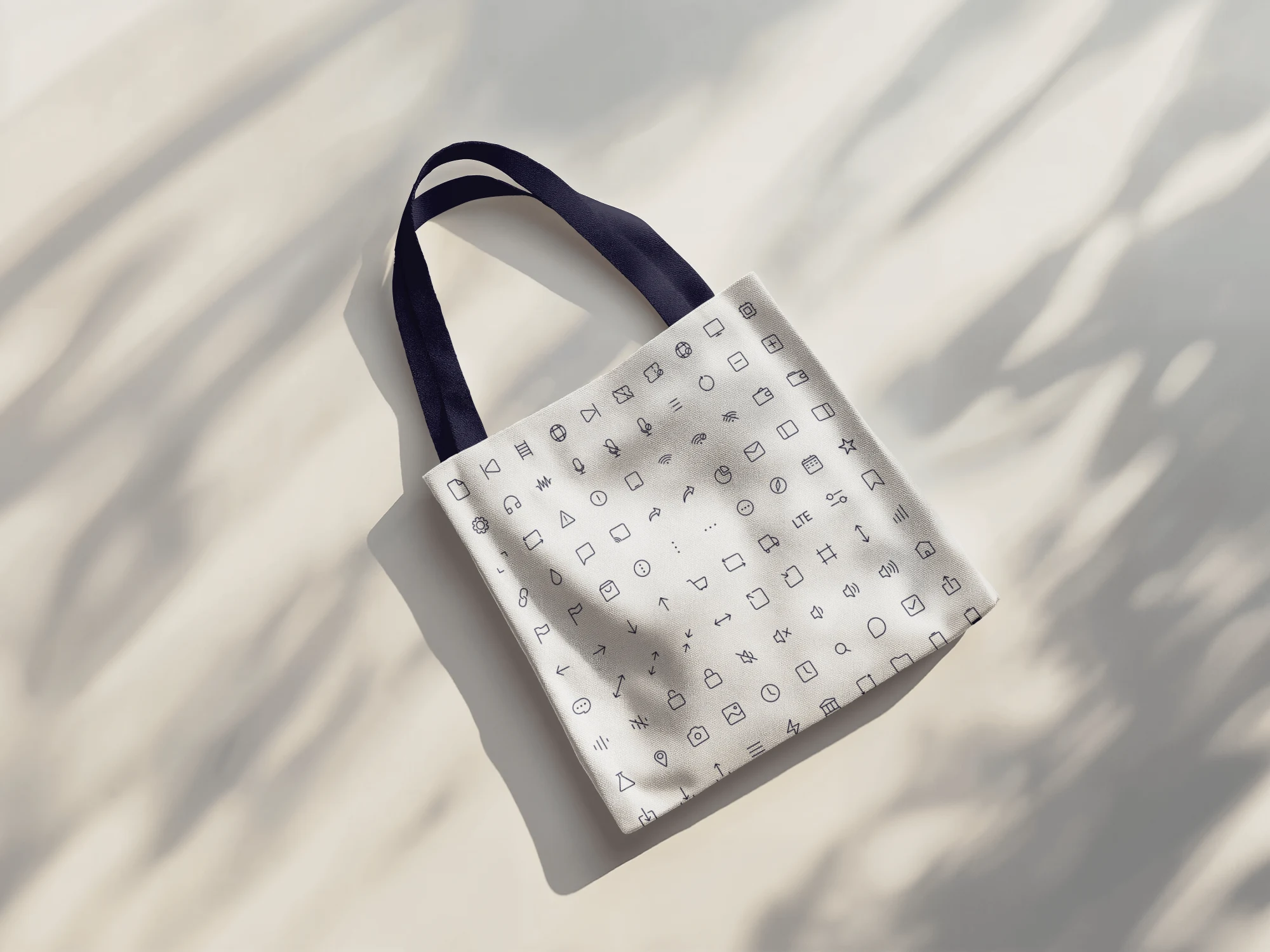
Linear icons applied to a tote bag
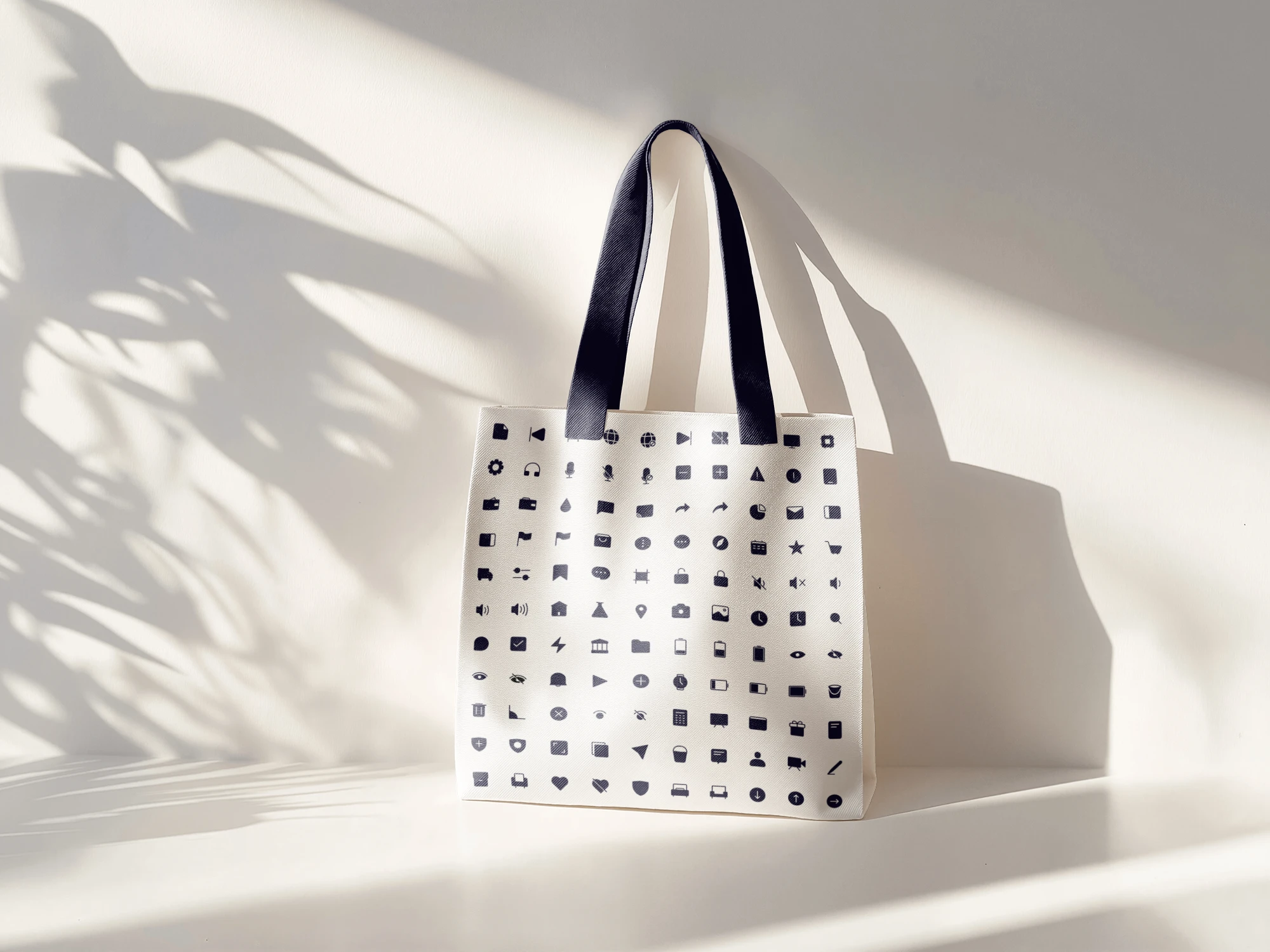
Filled icons applied to a tote bag
Coffee Cups
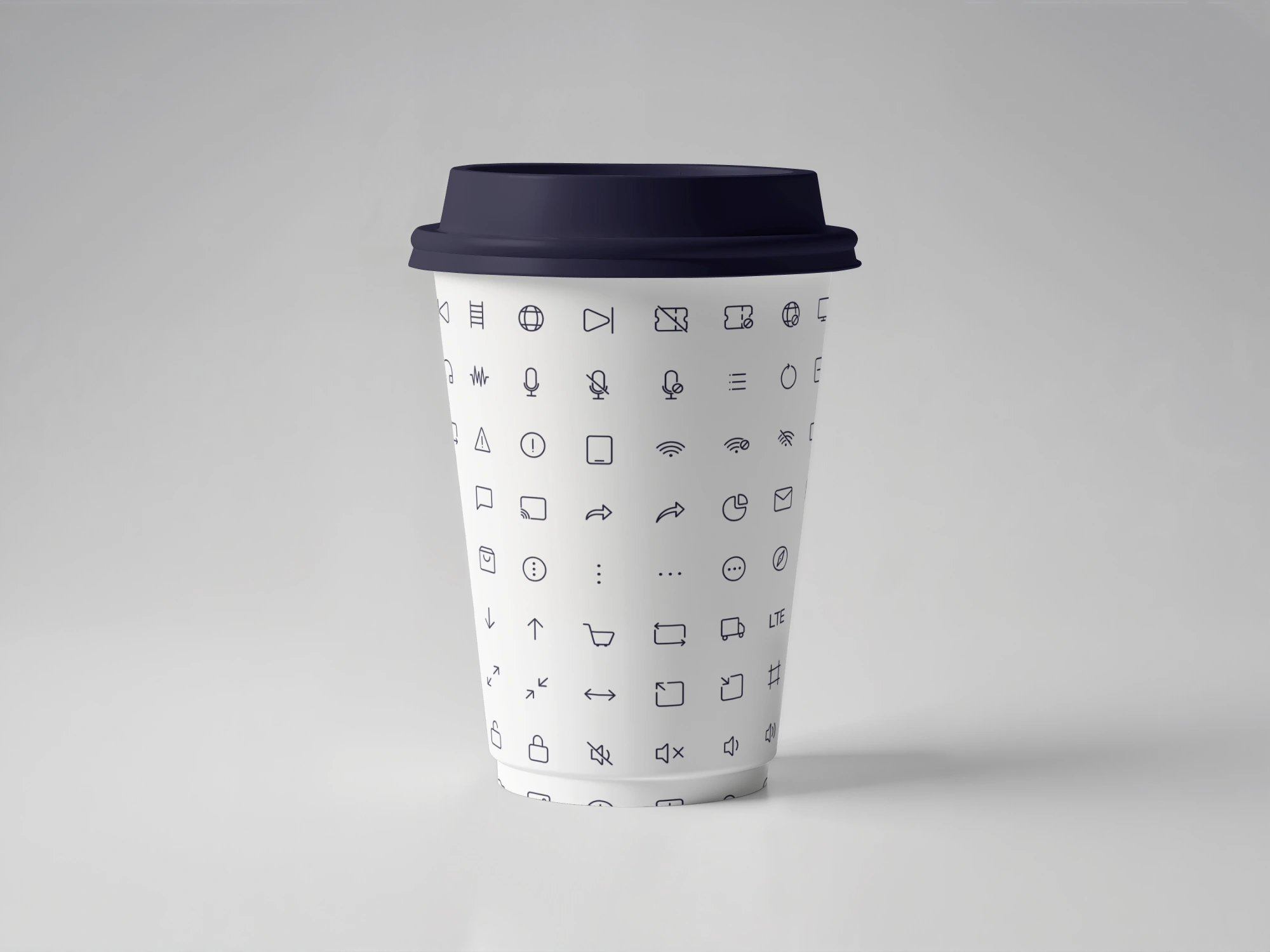
Linear icons applied to cup of coffee

Dou-tone icons applied to cup of coffee

Filled icons applied to cup of coffee
Like this project
Posted Dec 27, 2025
Everyday items like tote bags and coffee cups were explored for this project. The result was a set of mock ups that was loved by everyone who saw them
Likes
0
Views
10