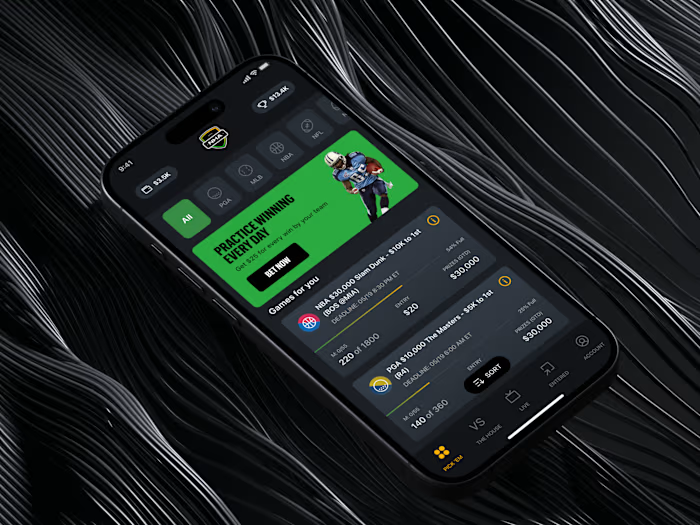
AI-Optimized Mobile App Interfaces

Divan Raj


Overview
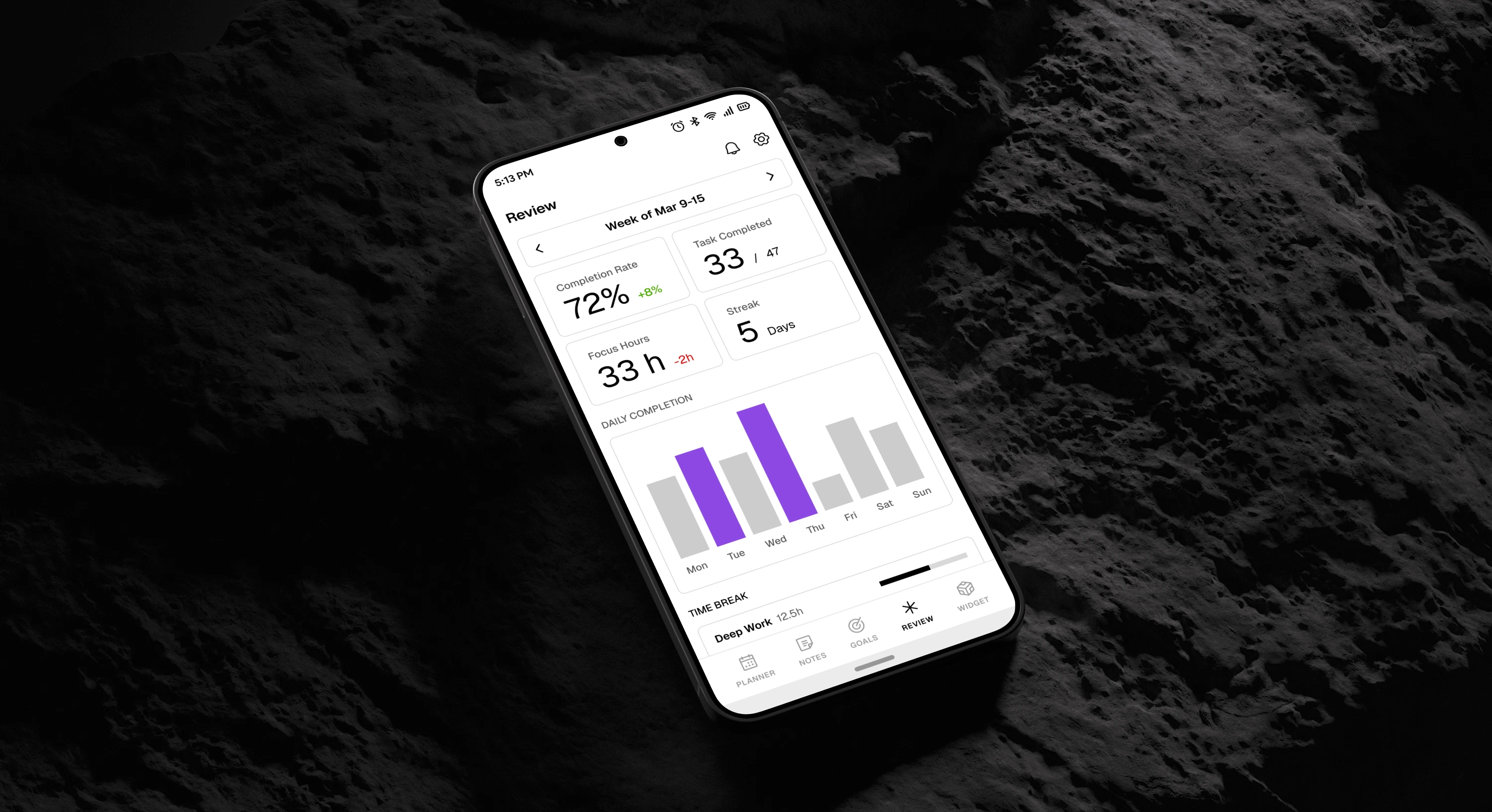
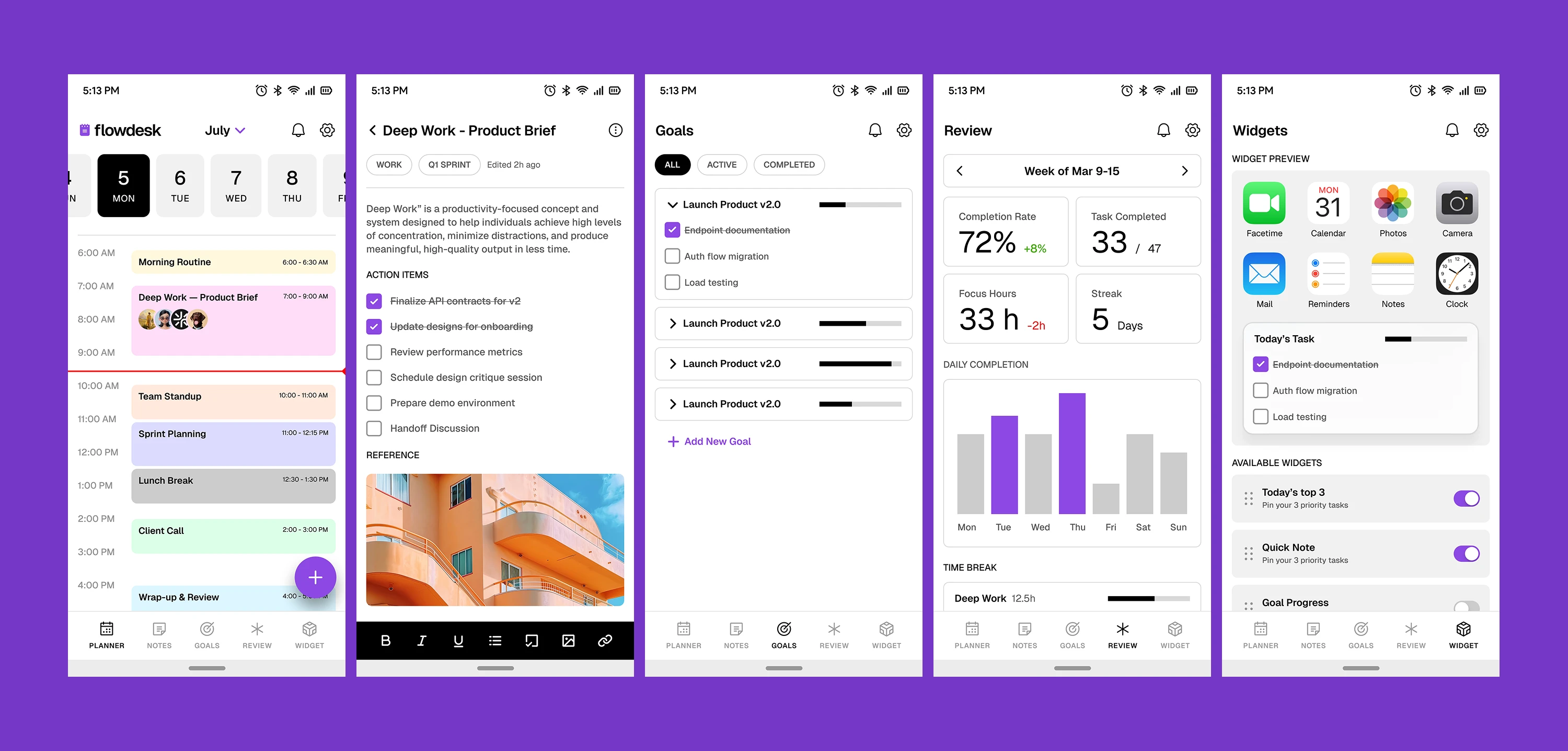
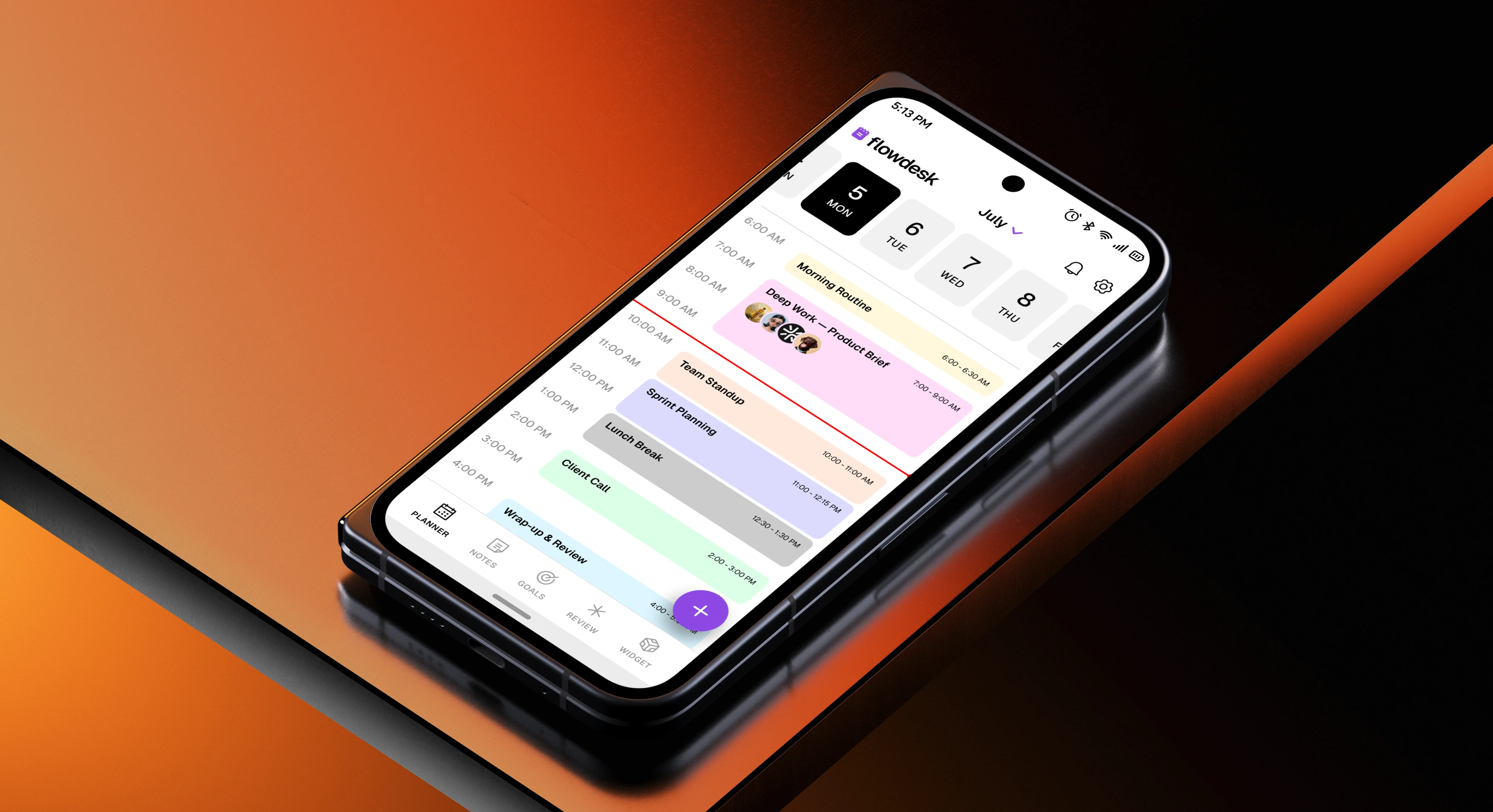
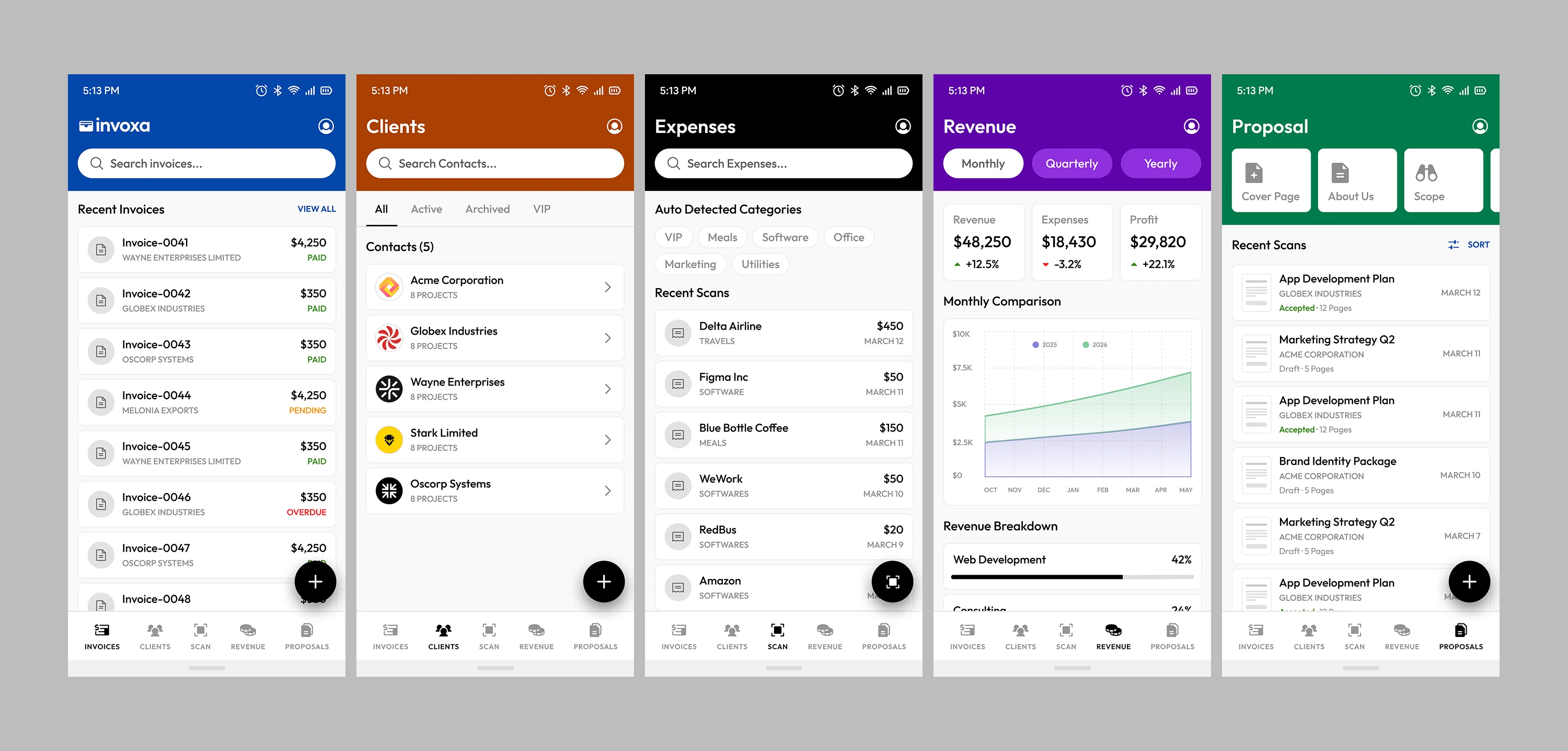
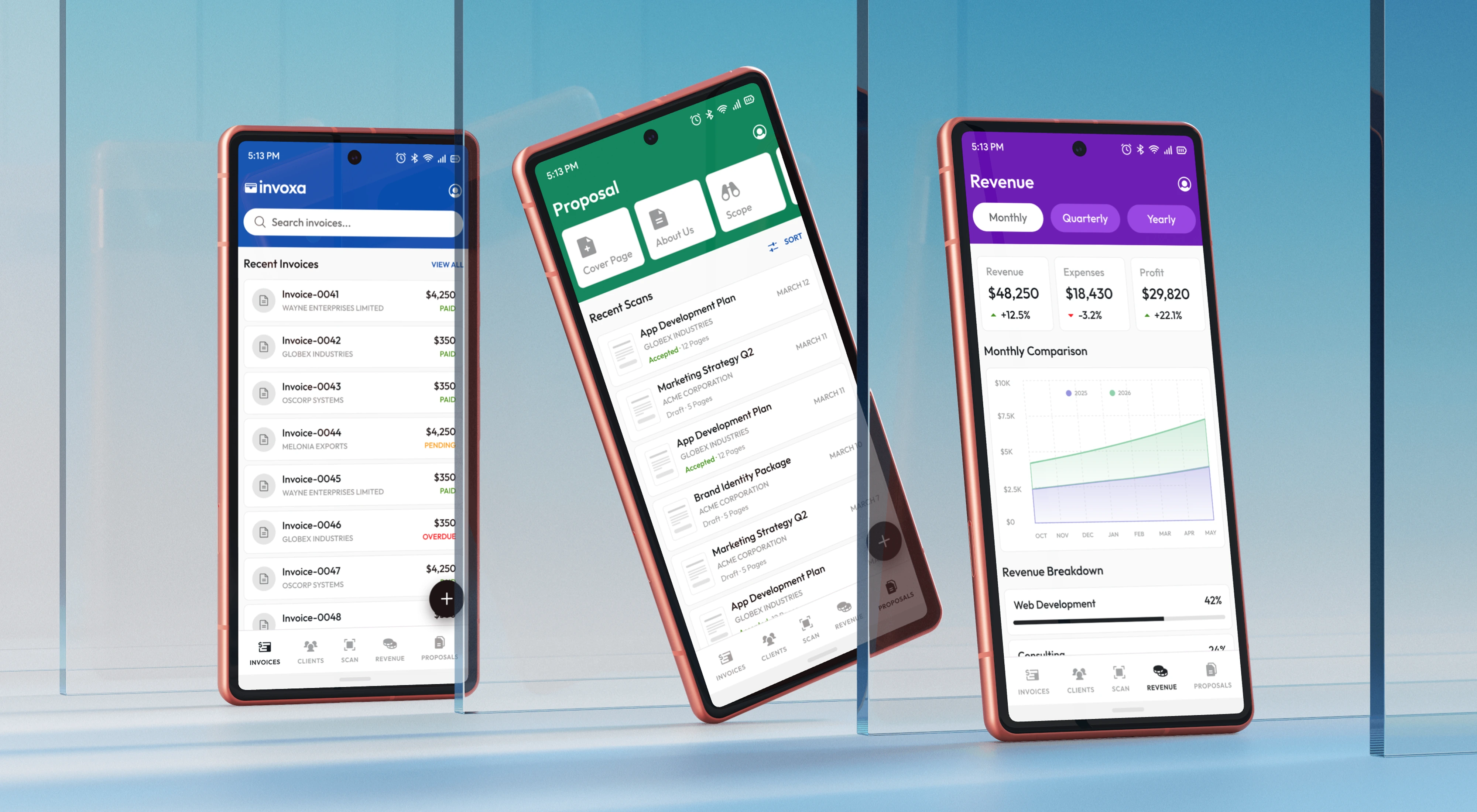
This project involved designing a suite of mobile applications tailored specifically for AI agent training and interaction. The goal was not just to create visually appealing apps, but to structure them in a way that AI systems could interpret, learn from, and execute efficiently.
The work was delivered for a major AI company, where each app interface serves as structured input for agent-based workflows.
Objective
Design multiple mobile app interfaces that:
Maintain high-quality visual aesthetics
Are structurally optimized for AI understanding
Use consistent and scalable design systems
Enable seamless interpretation by AI agents through clean hierarchy and naming
Scope of Work
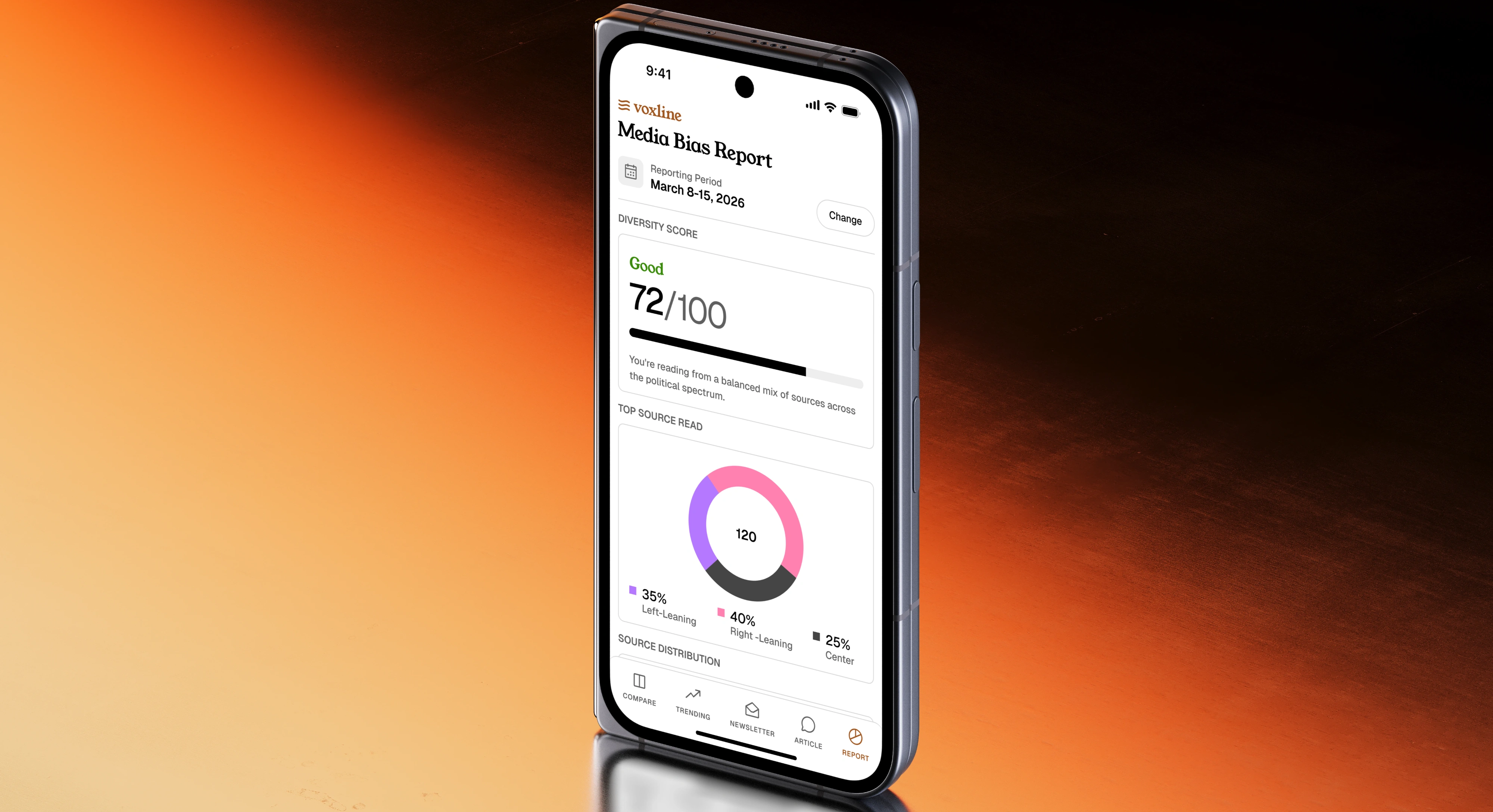
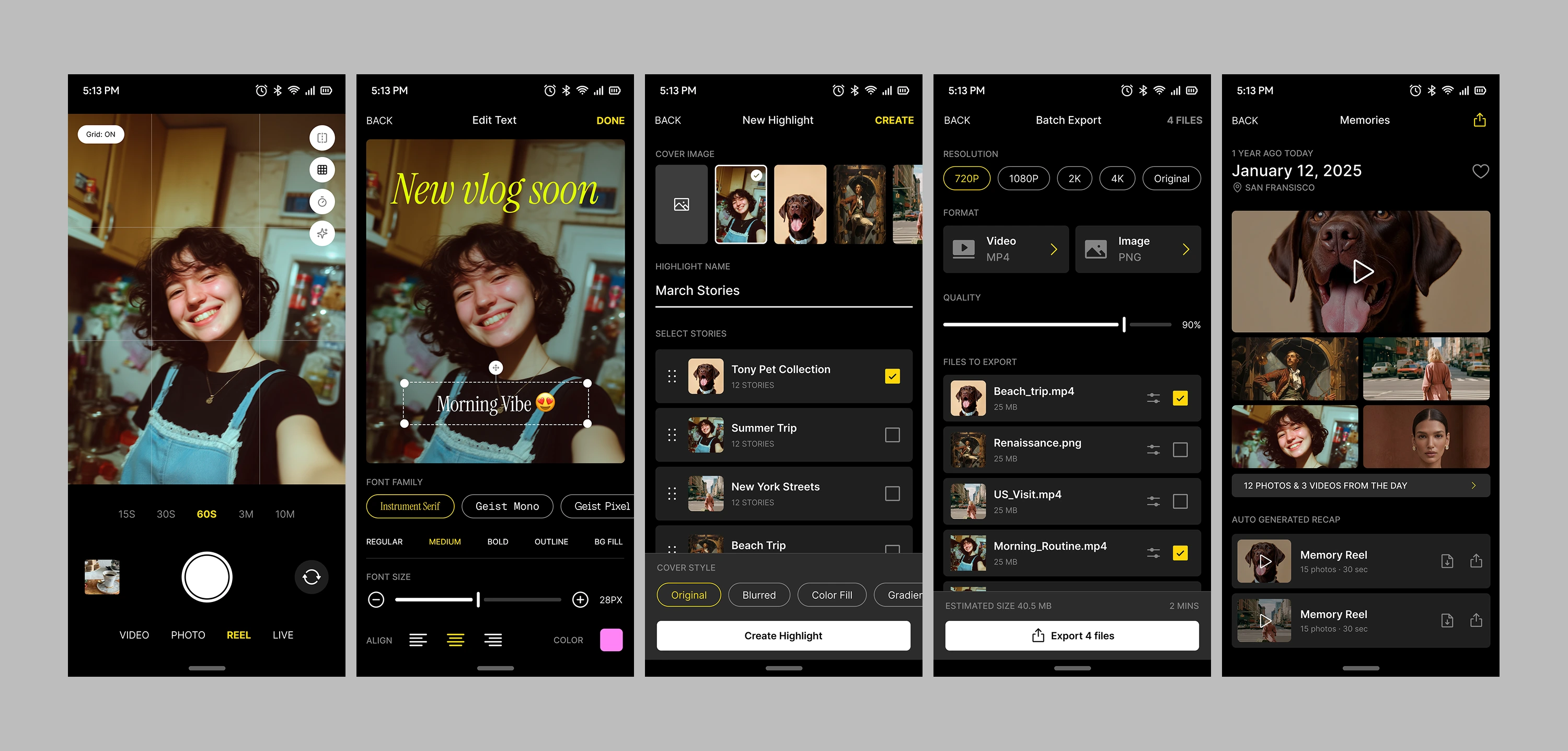
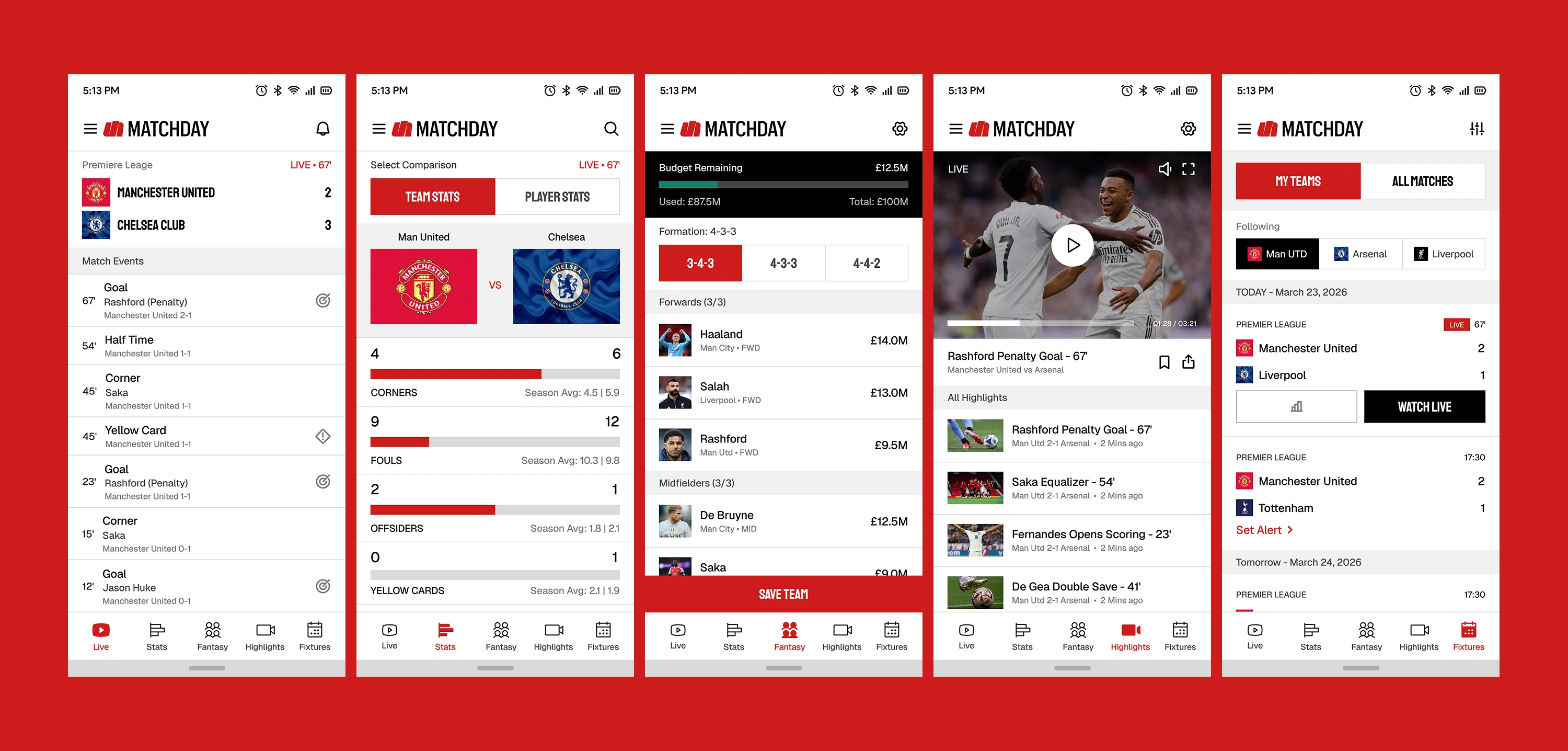
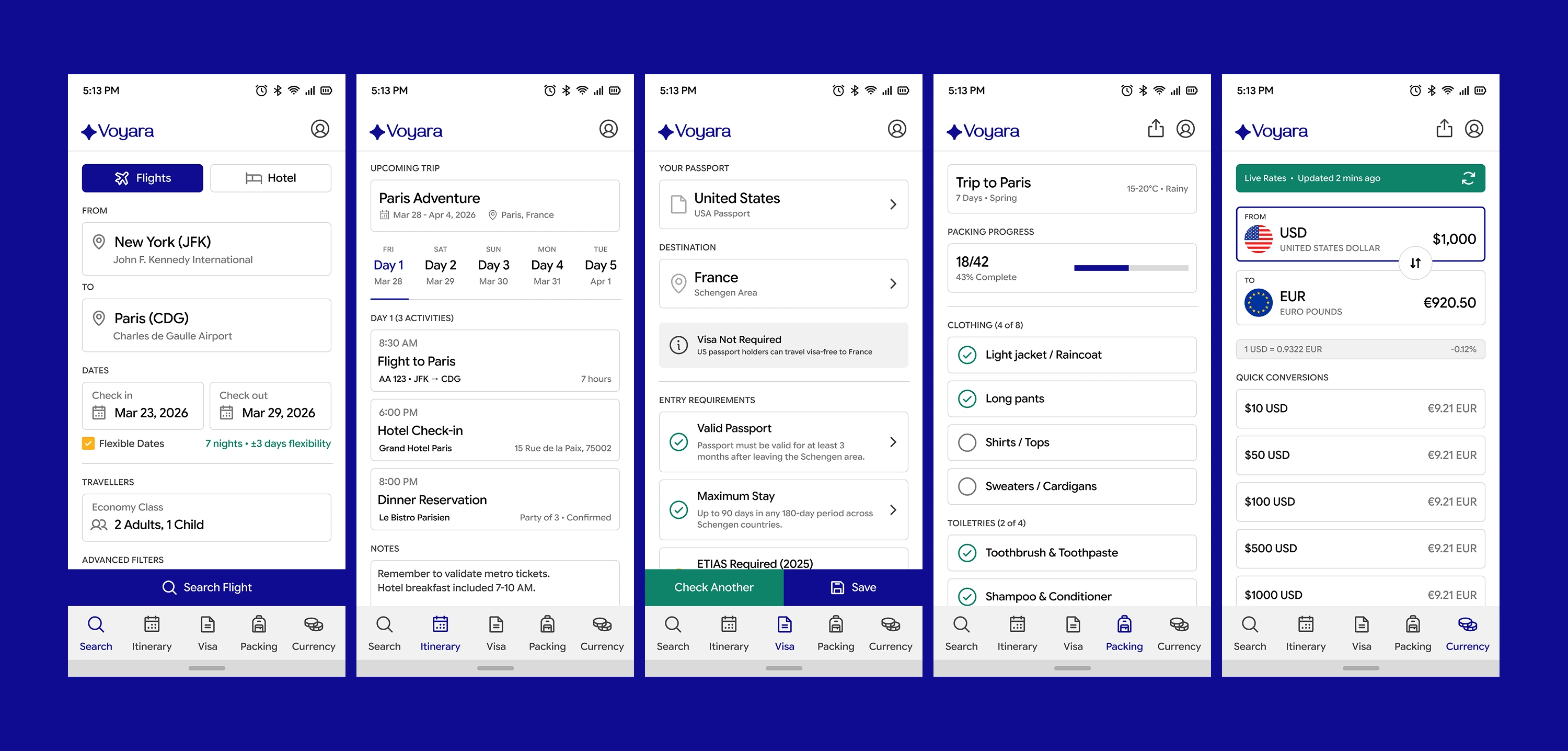
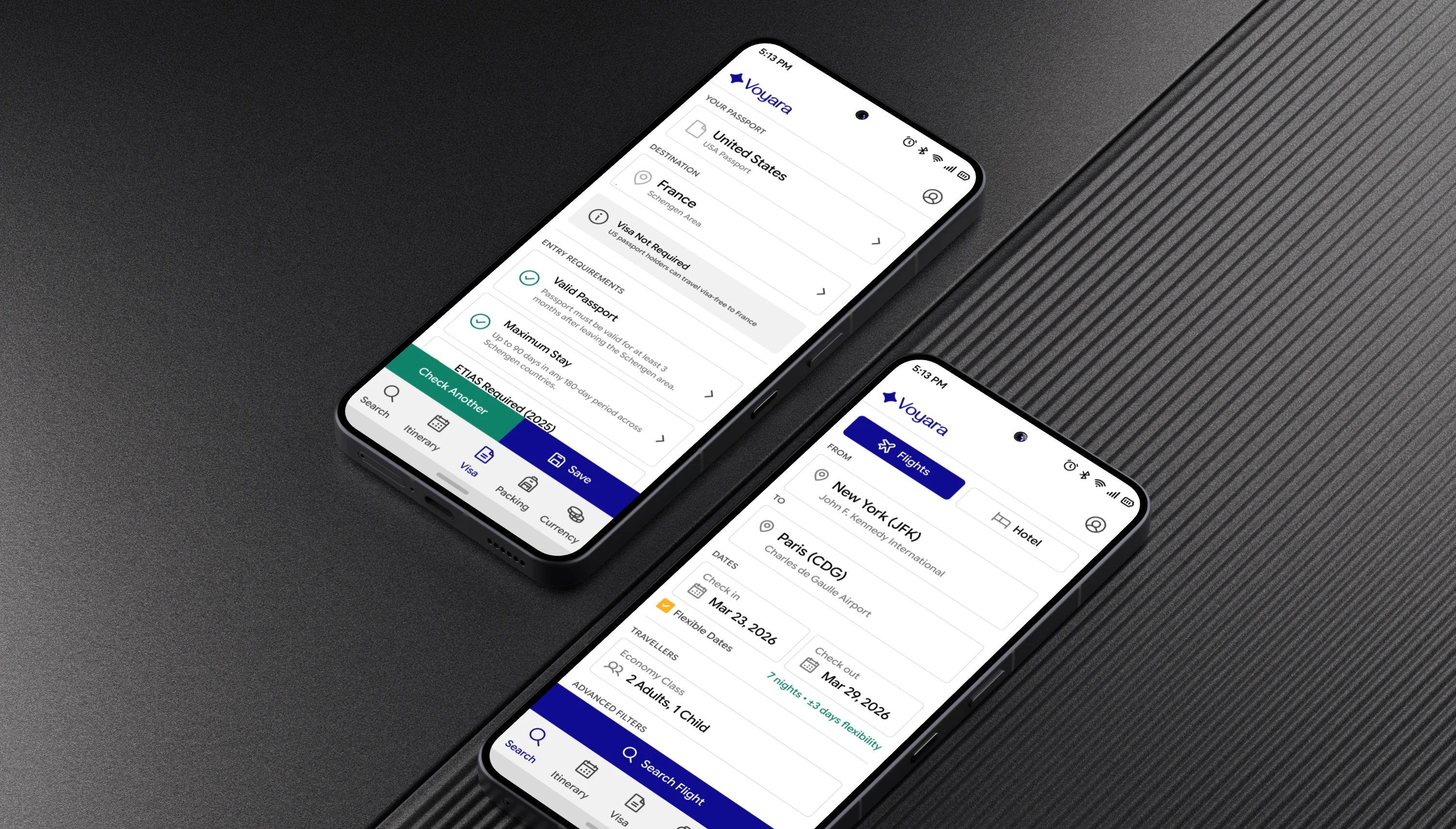
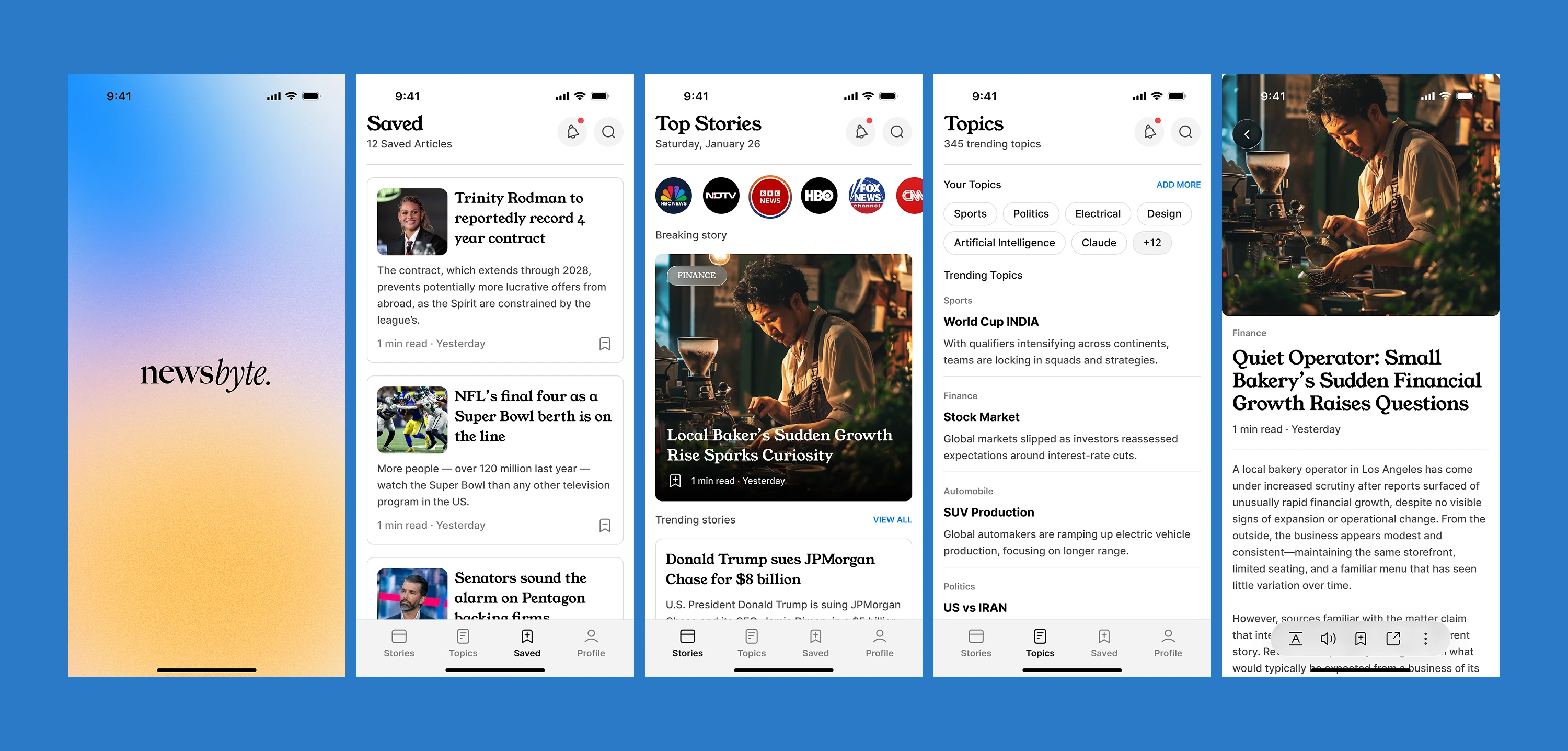
Each application includes 5 core screens, designed with clarity and consistency.
Categories:
News
Utility
Invoice
Photo App
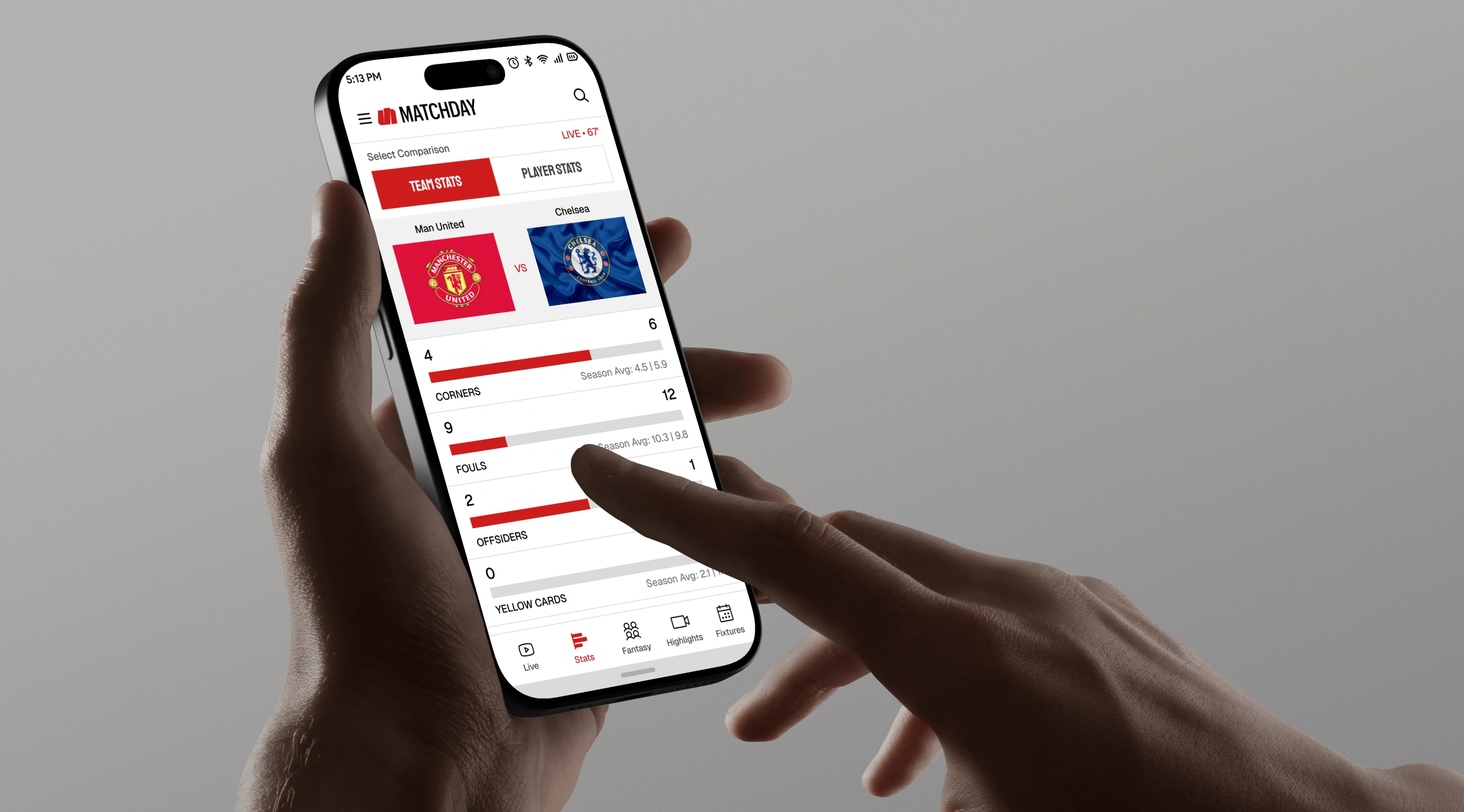
Sports
Flight Booking
Article/Content Platform
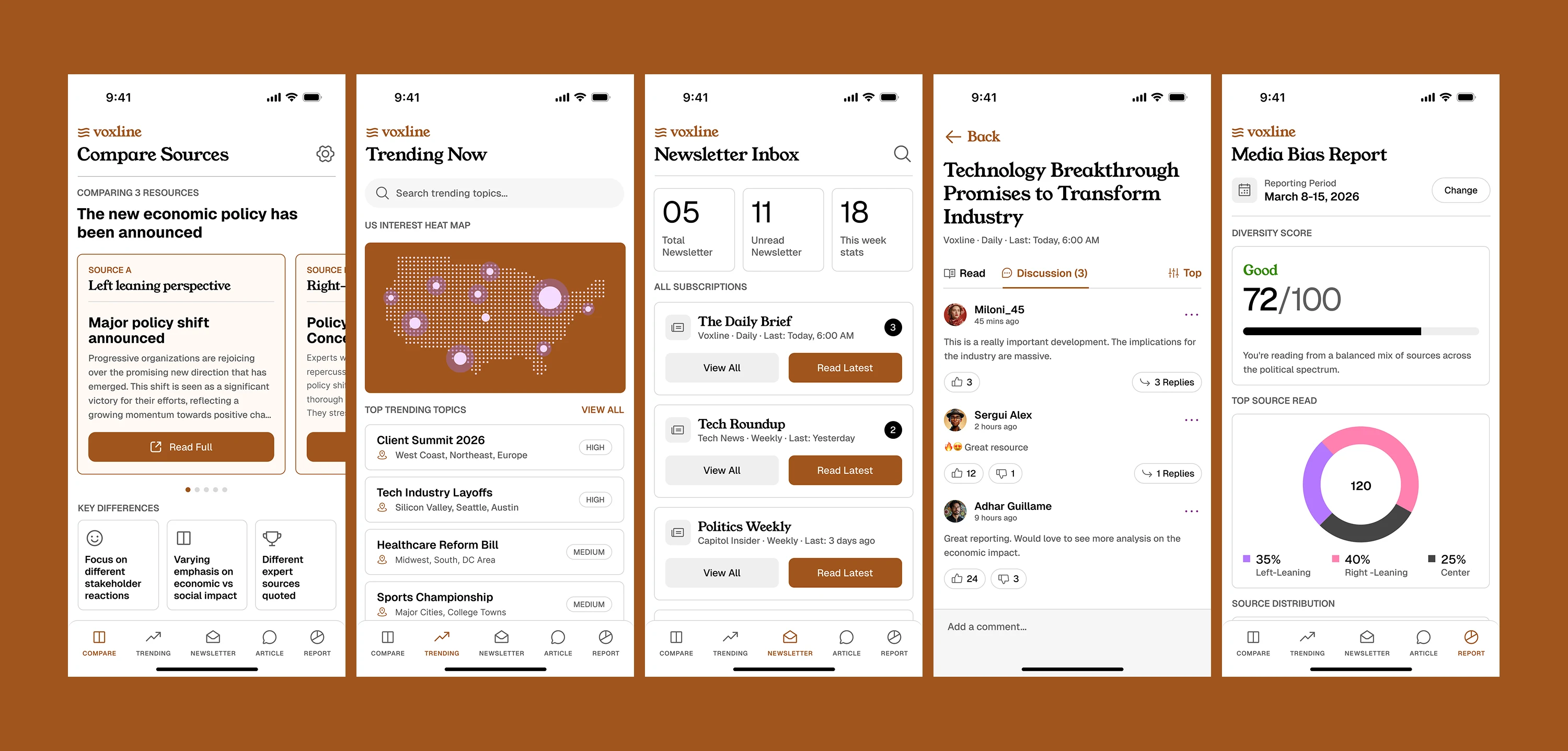
Platform
iOS
Android
Design Tool
Figma
Key Challenges
Designing for humans is one thing, designing for AI interpretation introduces a completely different layer of complexity:
Ensuring semantic clarity in UI components
Maintaining consistent layer naming conventions
Structuring layouts for machine readability
Balancing visual appeal with functional hierarchy
Creating reusable systems that scale across multiple app types
Approach
Instead of starting purely from a user interface perspective, the process began with:
How AI agents parse UI structures
How components are identified and reused
How hierarchy impacts understanding
This influenced every design decision, from layout to naming.
2. Structured Design System
A robust design system was created to ensure consistency and scalability:
Typography system for clear hierarchy
Color tokens for consistent theming
Spacing system for predictable layouts
Component library for reuse across apps
Variants and states clearly defined
3. Layer Naming & Organization
One of the most critical aspects of the project:
Clear, descriptive layer naming (no ambiguity)
Logical grouping of components
Consistent naming patterns across all screens
AI-friendly structure for easier parsing
4. Tokens & Variables
Used extensively to ensure:
Scalability across multiple apps
Easy updates and maintenance
Better machine interpretation
Cross-Category Consistency
Even though the apps span multiple industries, the system ensures:
Unified interaction patterns
Predictable layouts
Reusable components across categories


Design Focus
Modern, minimal UI
Clean layouts
Strong visual hierarchy
Platform-native feel (iOS & Android)
Easy-to-scan interfaces
Clear call-to-actions
Logical content flow
Outcome
Successfully delivered multiple app interfaces optimized for AI agent training
Established a scalable design system adaptable across industries
Improved efficiency in AI interpretation through structured design
Reduced ambiguity in UI components via standardized naming and tokens
Created a strong balance between human usability and machine readability
Key Takeaways
Designing for AI requires precision over decoration
Naming conventions are as important as visual design
Systems thinking is critical when scaling across multiple app types
A well-structured design system can bridge the gap between design and automation

If you’re looking to boost conversions, build stronger customer trust, and elevate your brand’s overall presence, this is the right moment to rethink your design strategy.
Thanks for taking the time to explore this project. If this direction aligns with what you have in mind, I’d love to help bring your next idea to life.


Like this project
Posted May 12, 2026
Designed AI-friendly mobile app interfaces with scalable design systems for Analytics, Sports, News, and Ticketing platforms.
Likes
1
Views
1
Timeline
Feb 12, 2026 - Mar 12, 2026