Designing Axial's AI-Assisted CAD Platform Landing Page

Oluwatobi Adetunji

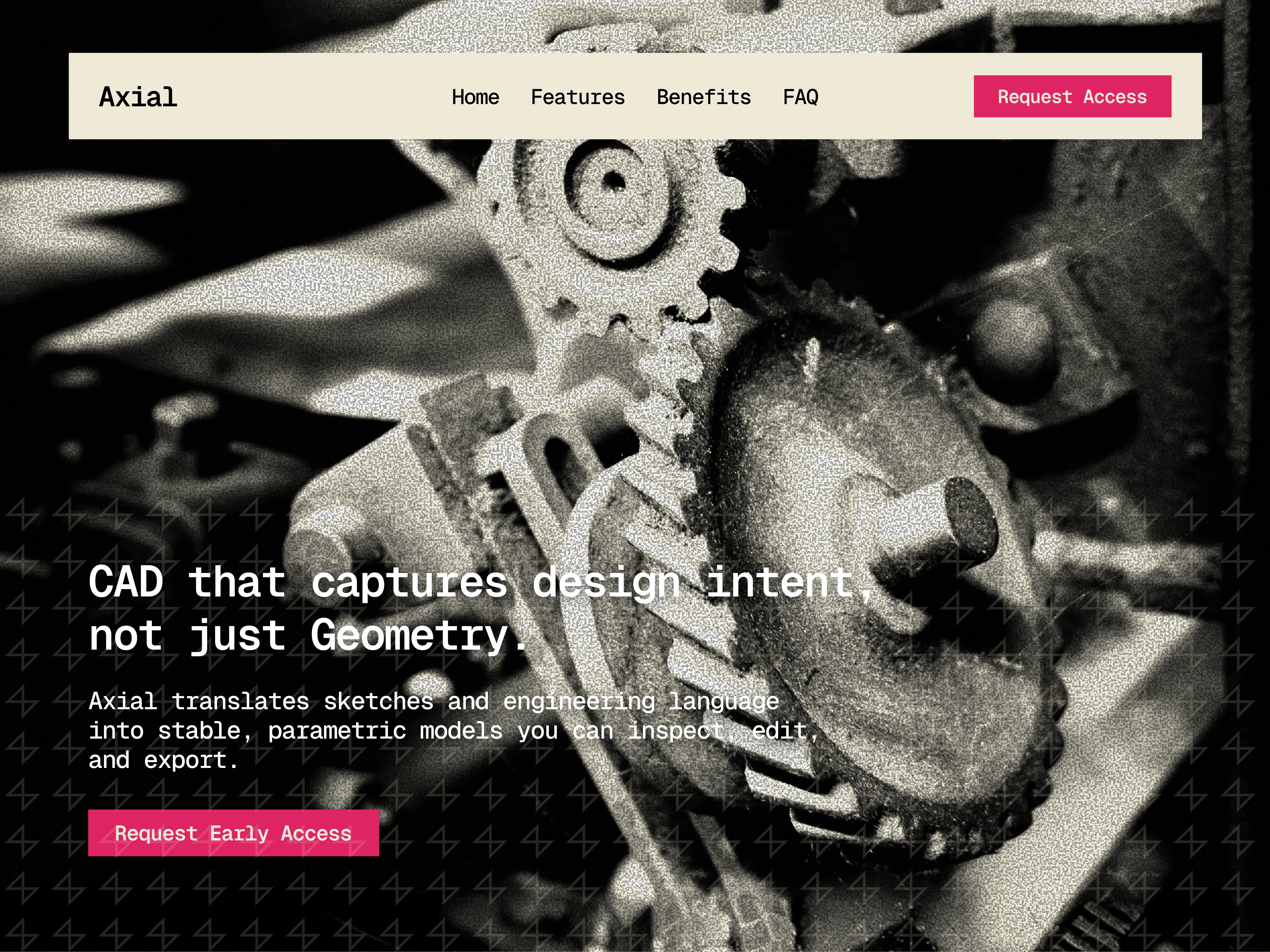
Axial: Landing Page for an AI-Assisted CAD Platform (Concept)
Product Design · Visual Design · Web
Overview
Axial is AI-assisted parametric CAD platform designed for mechanical engineers. This project is part of a series of speculative engineering tools designed with a unified brand system.
The project explores how a technically credible, engineering-first product could be positioned visually and verbally without relying on common AI or SaaS marketing tropes. The focus was on clarity, trust, and communicating complex functionality in a restrained, professional way.
This case study centers on the design of a landing page intended to introduce the product, explain its core capabilities, and establish credibility with a highly technical audience.
The Problem
Most modern CAD tools are extremely powerful but also interaction heavy and fragile under iteration. Engineers often spend more time encoding intent into software than actually solving design problems.
At the same time, many AI-driven design tools struggle with credibility. They tend to emphasize automation or “magic” outputs, which can alienate experienced engineers who need transparency, control, and reliability.
The challenge was to imagine a CAD product that:
Emphasizes design intent, not just geometry
Uses AI as an assistive layer, not a black box
Feels serious, stable, and trustworthy to engineers
Design Goals
The landing page was designed around the following principles:
Engineer-first communication
Avoid hype language and focus on capability and outcomes.
Technical credibility
Every headline and feature description should sound plausible to someone familiar with CAD workflows.
Restraint over spectacle
No exaggerated AI visuals or marketing buzzwords.
Clear information hierarchy
The page should support scanning, not persuasion through excess copy.
Visual Direction
The visual system was built to reference the physical and mechanical nature of CAD work.
Mechanical part renders were used instead of abstract UI or illustrations to ground the product in real-world engineering.
Grain and texture evoke manufacturing artifacts, tolerances, and materiality.
High-contrast color blocks help structure the page and guide attention without overwhelming the content.
Minimal typography and strong hierarchy reinforce clarity and seriousness.
The goal was to make the product feel grounded in engineering, through and through
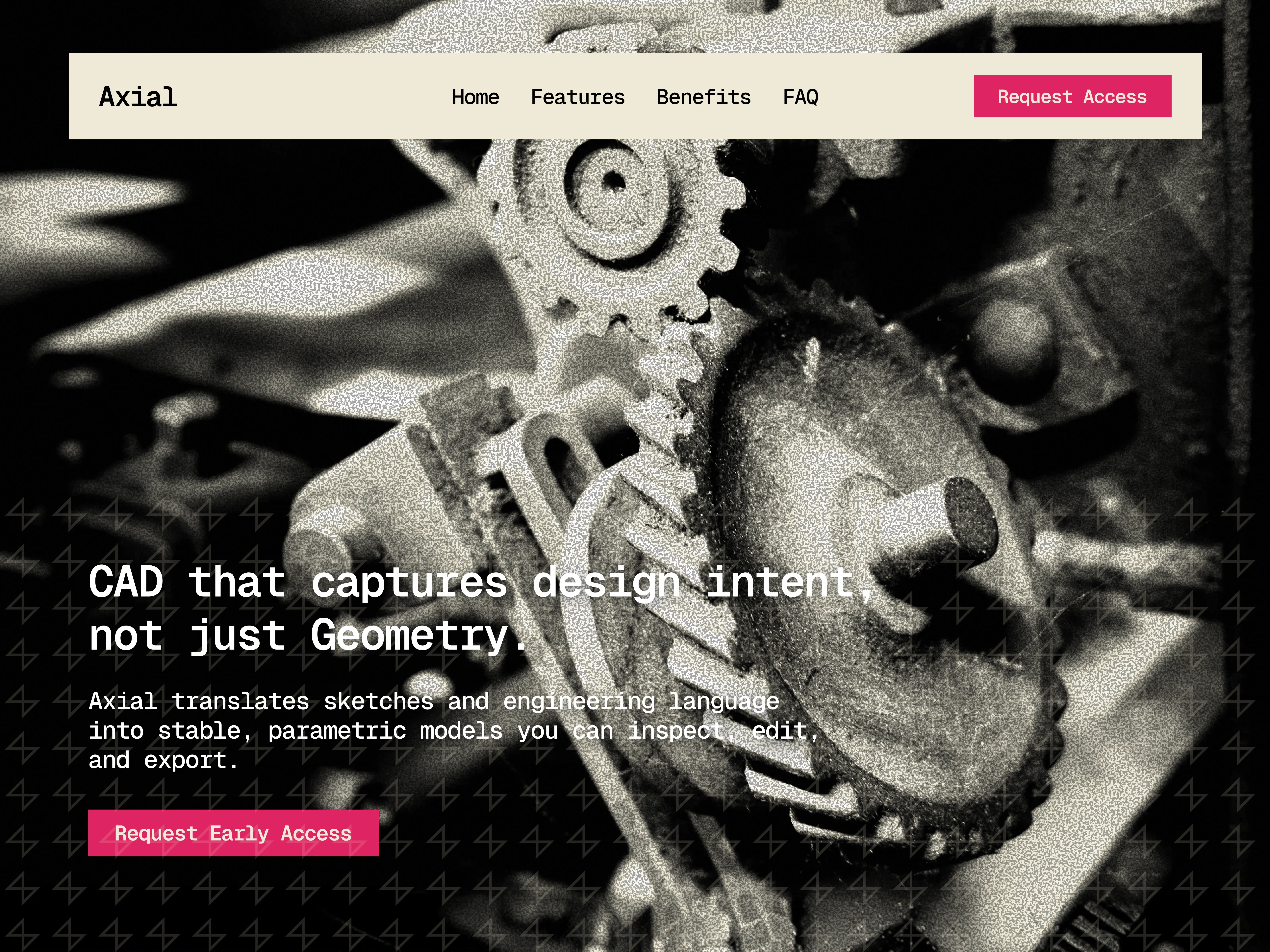
Hero Section
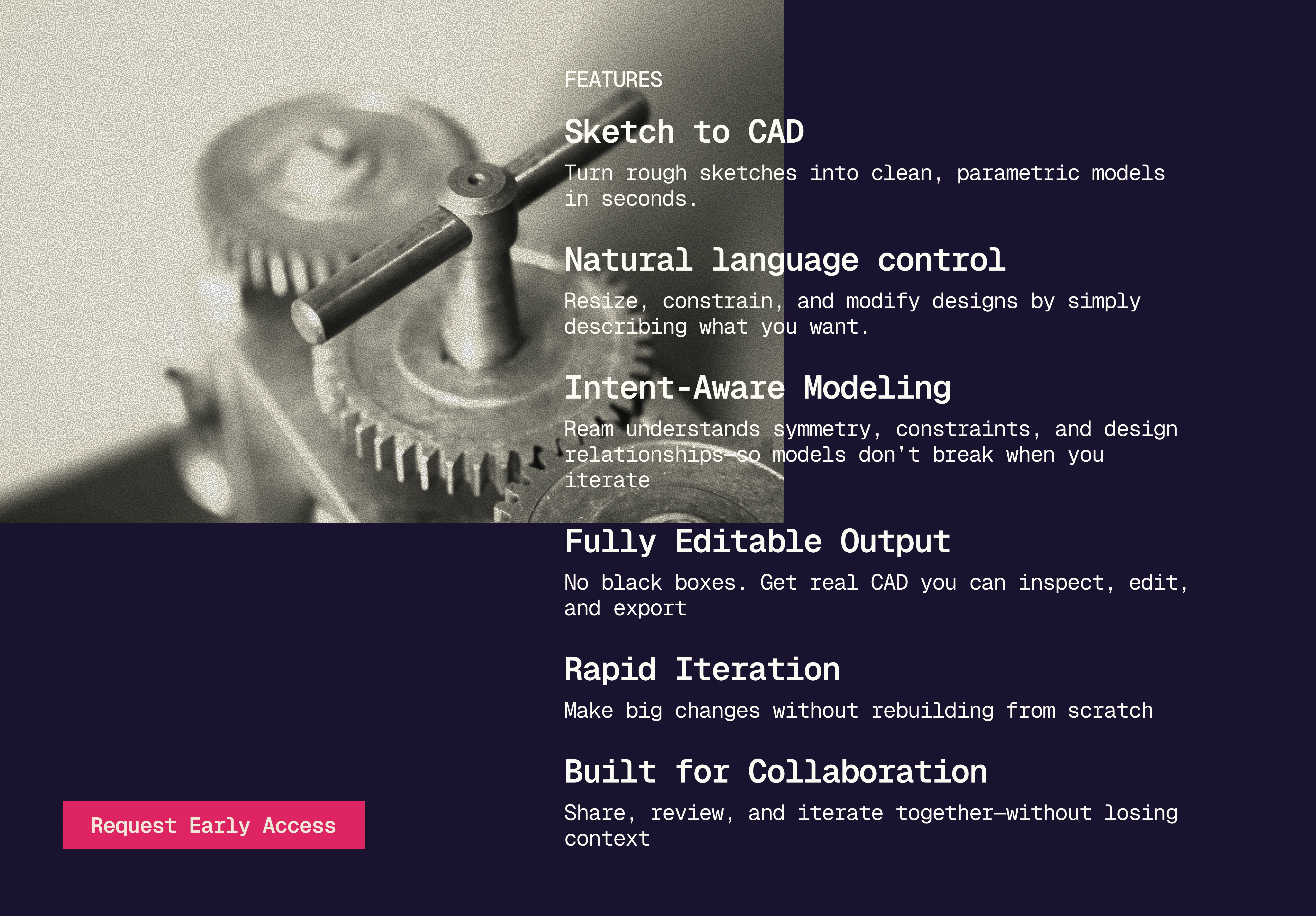
Features
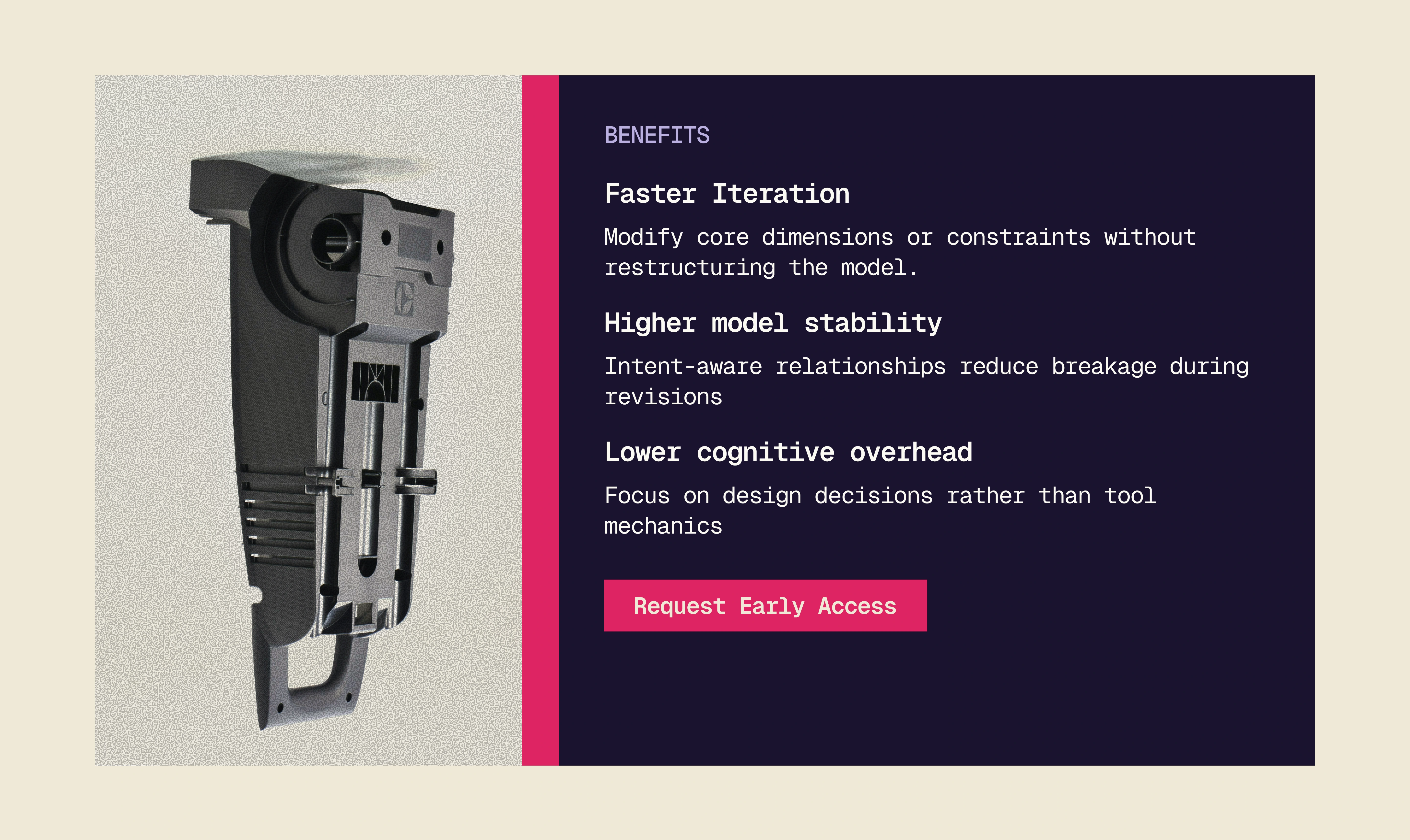
Benefits of Axial
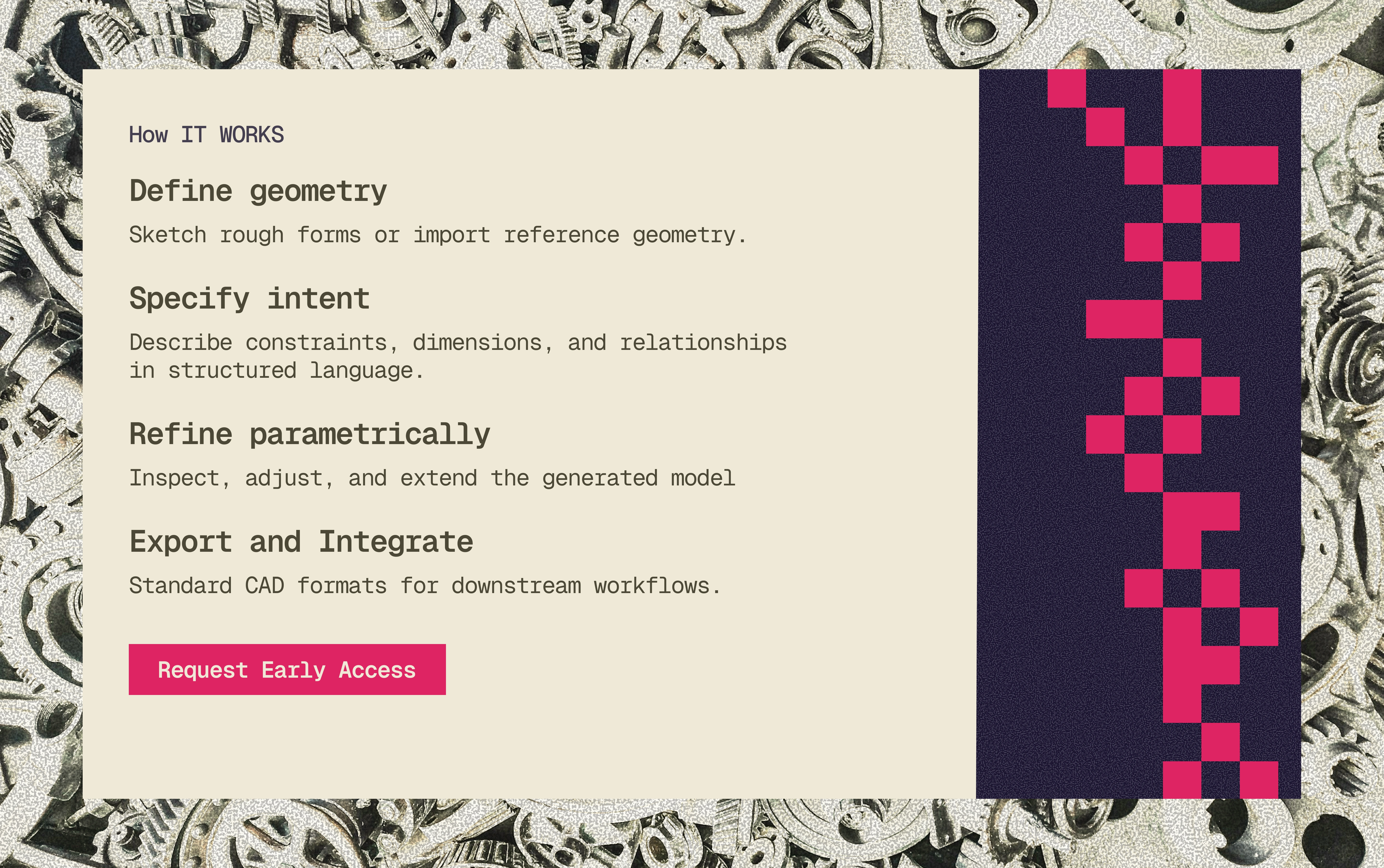
How it Works
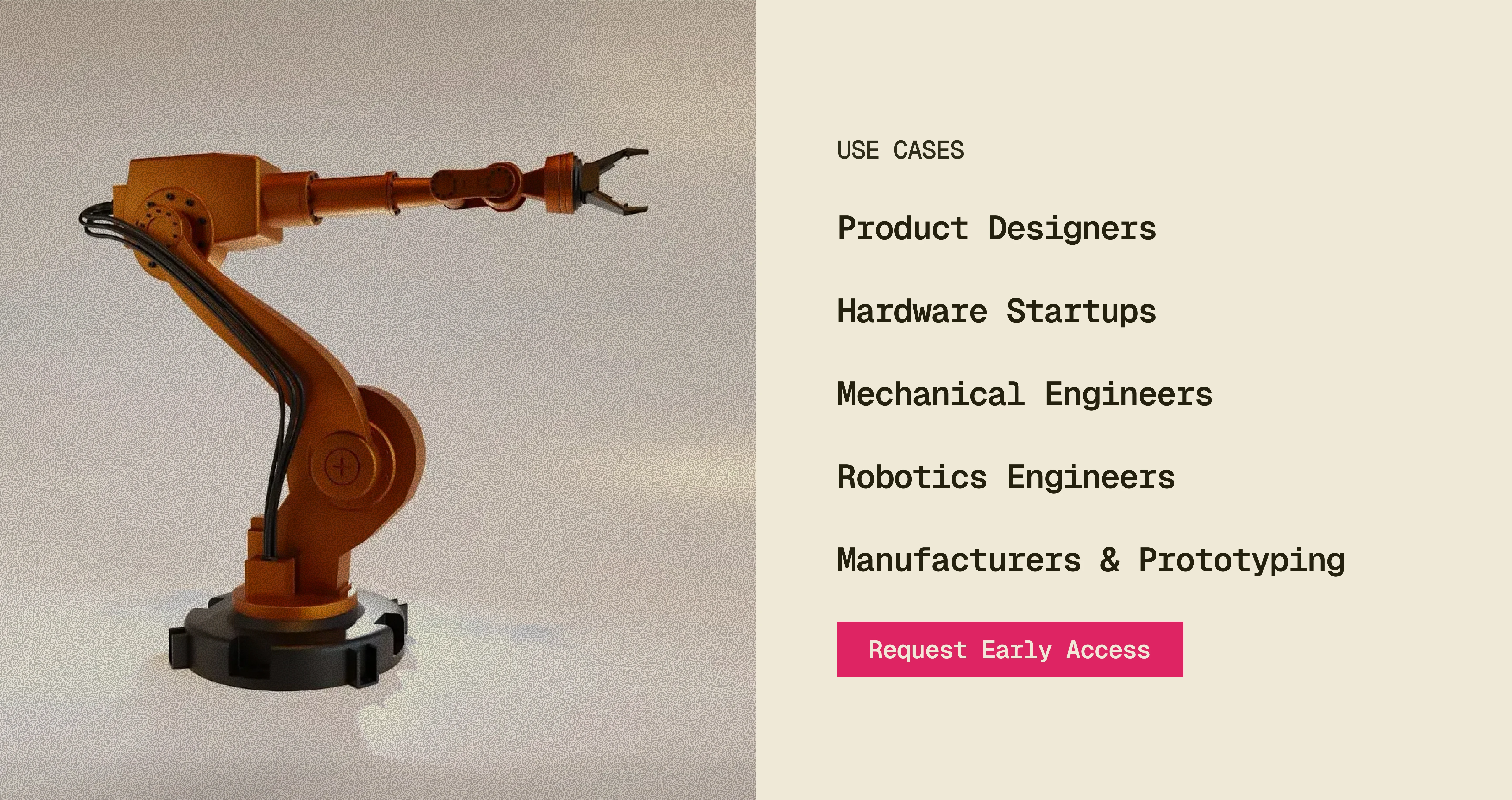
Use cases
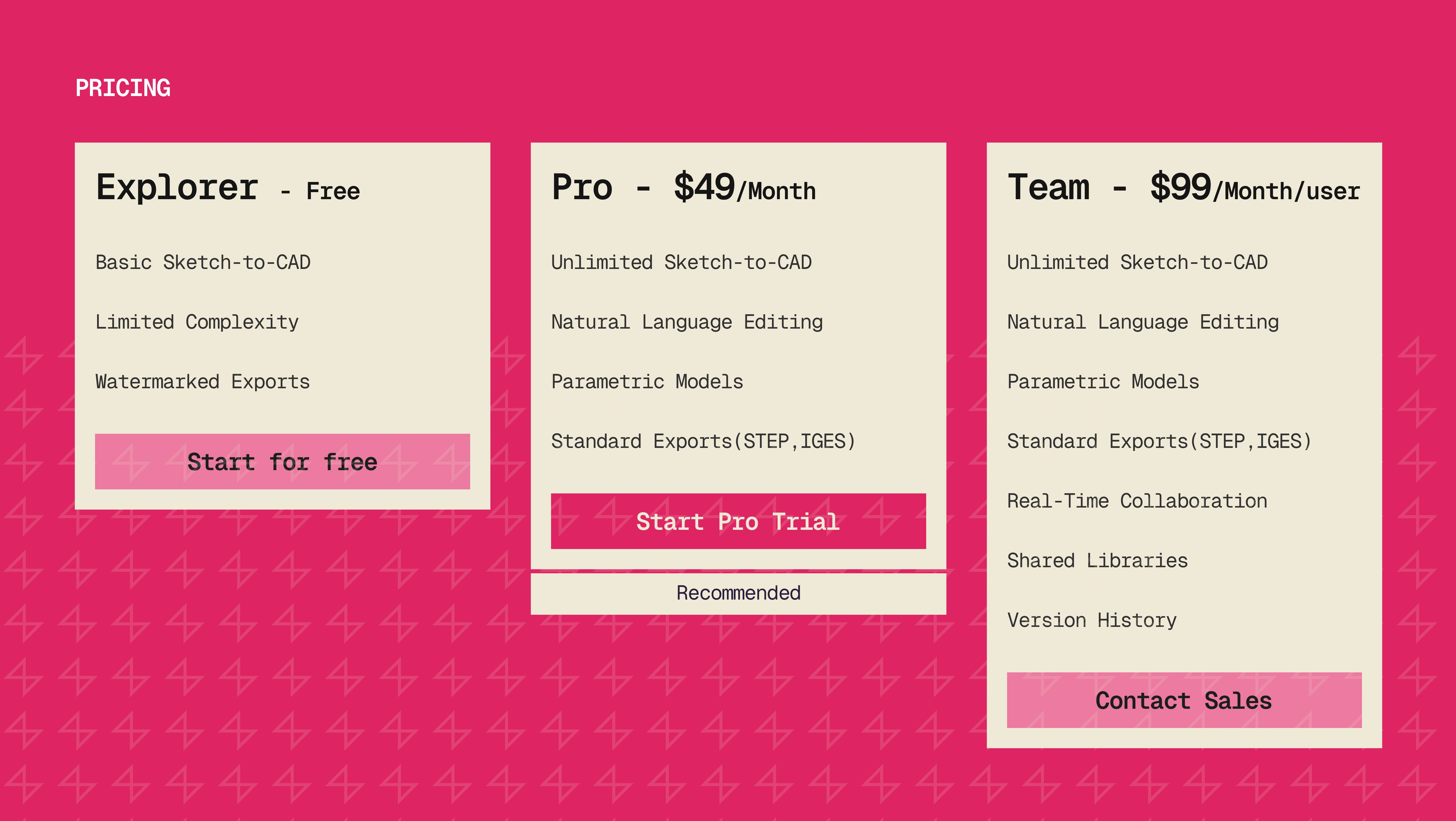
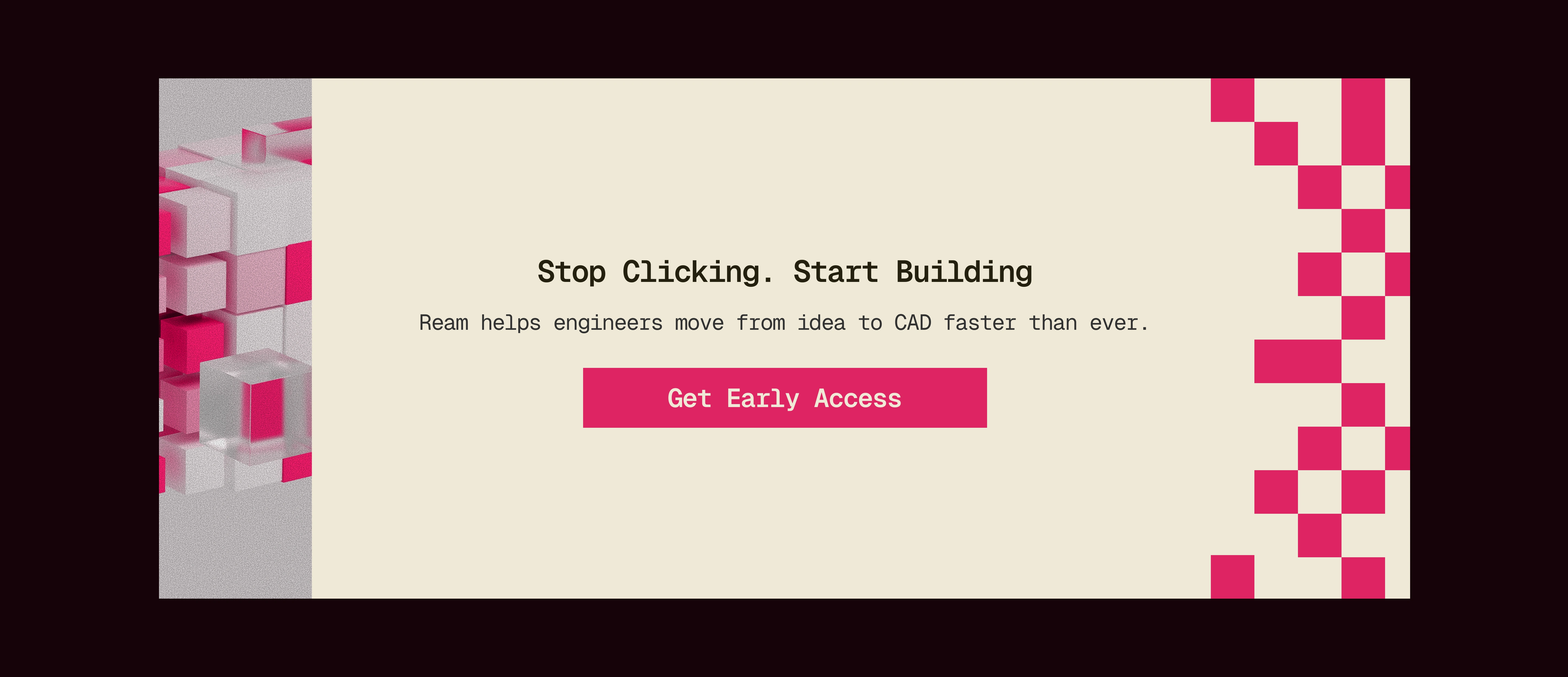
CTA

Footer
Outcome
The result is a landing page concept that presents a fictional product as if it were real:
Clear positioning
Credible technical language
A cohesive visual system
A structure suitable for an actual SaaS launch
The project demonstrates an approach to designing for highly technical users where clarity, trust, and restraint matter more than novelty.

Full
Bonus
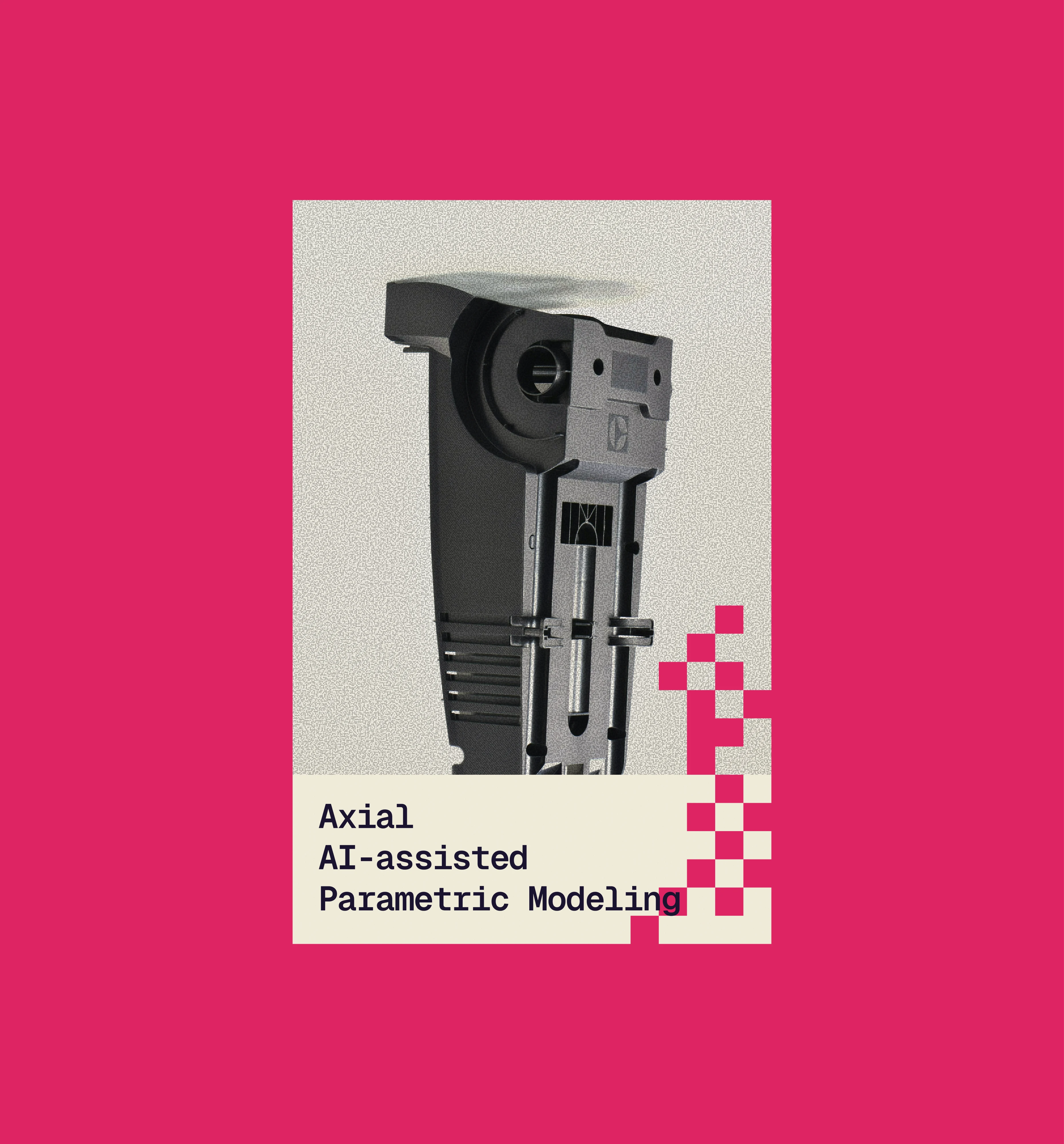
Social Media design
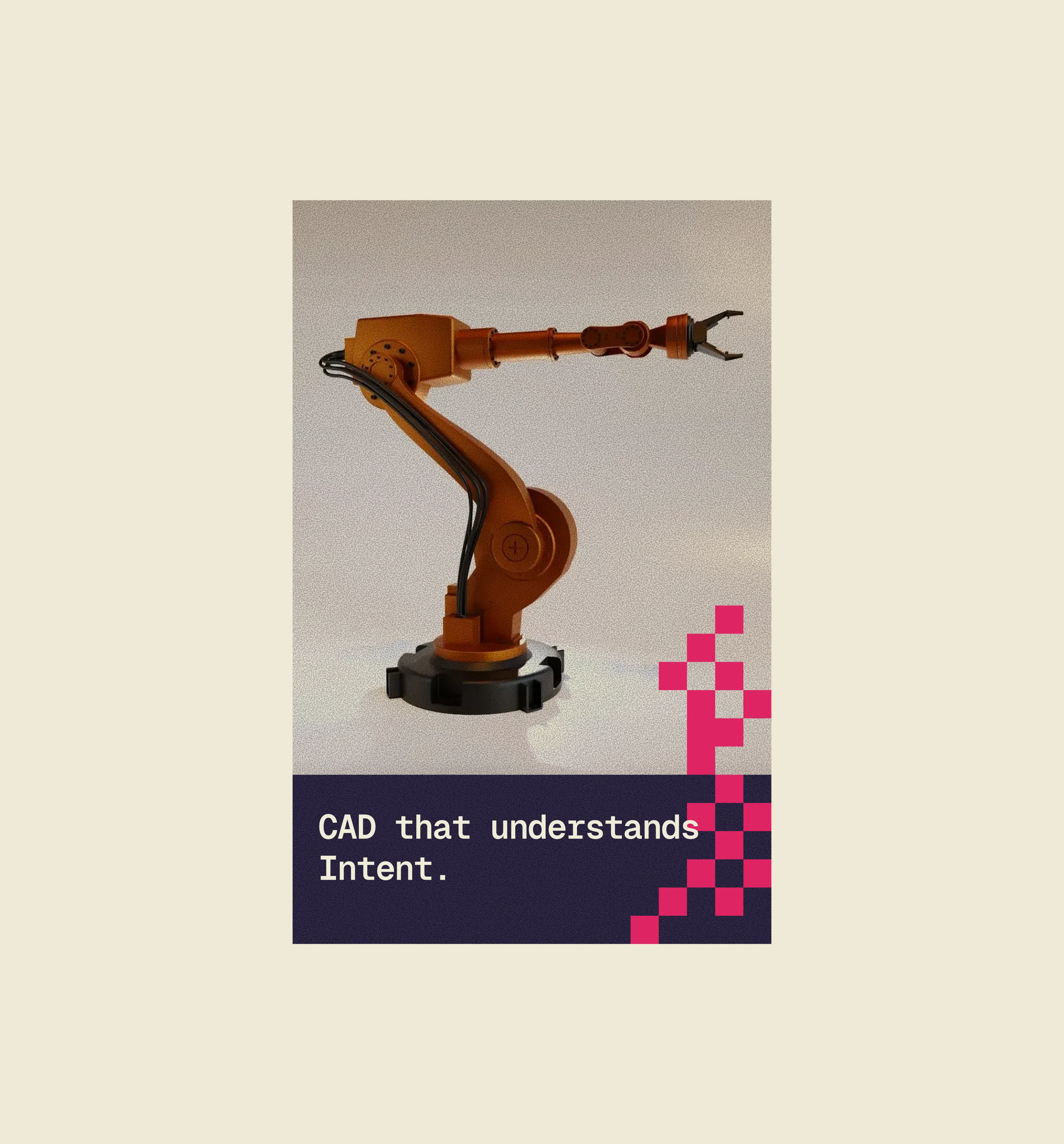
Social Media design
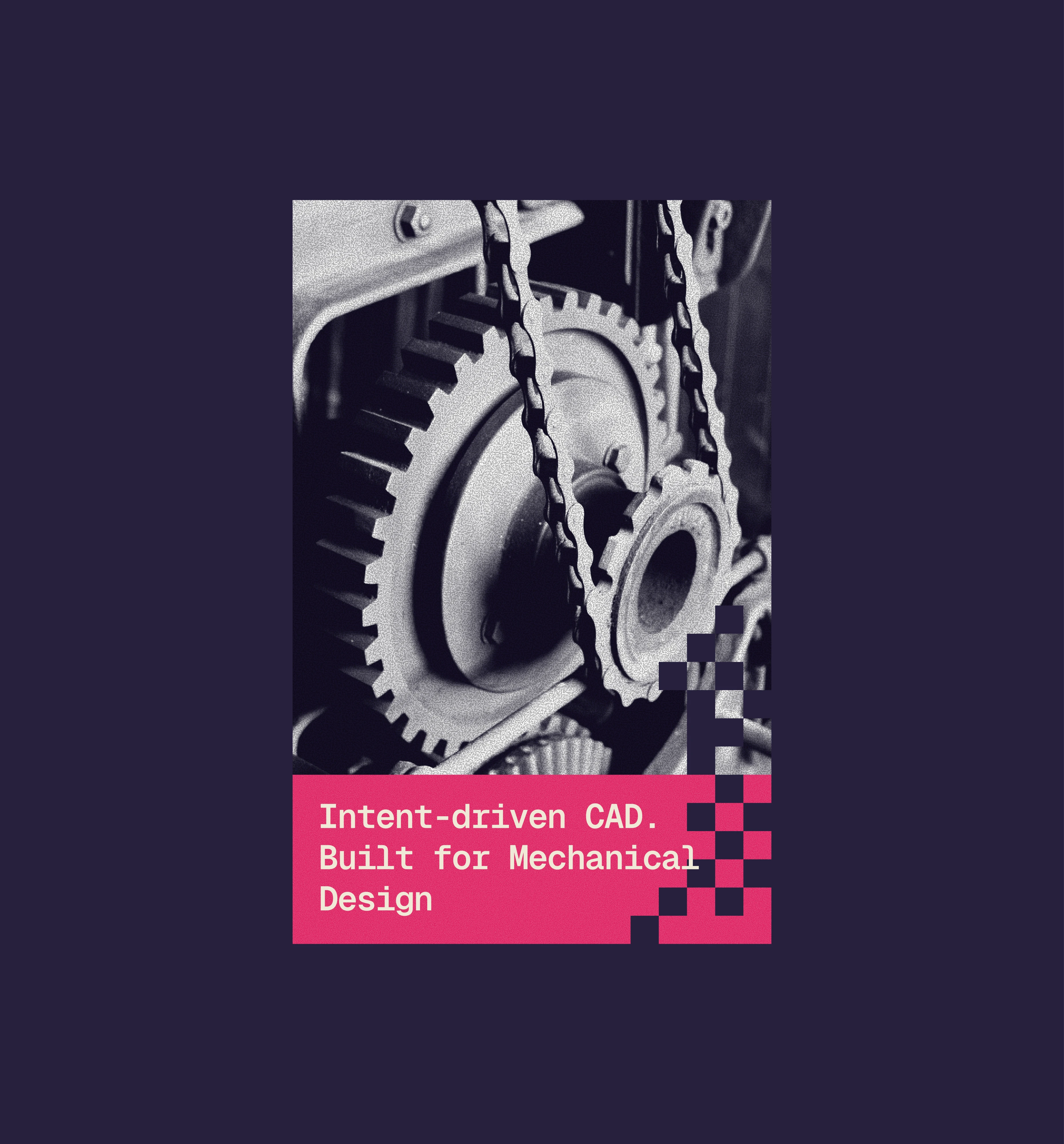
Social Media design
Like this project
Posted Jan 24, 2026
Designed a landing page for Axial, focusing on brand visuals, clear, credible, and technical communication.