Light Pollution Educational Platform Design | Lux System

Kimberlee


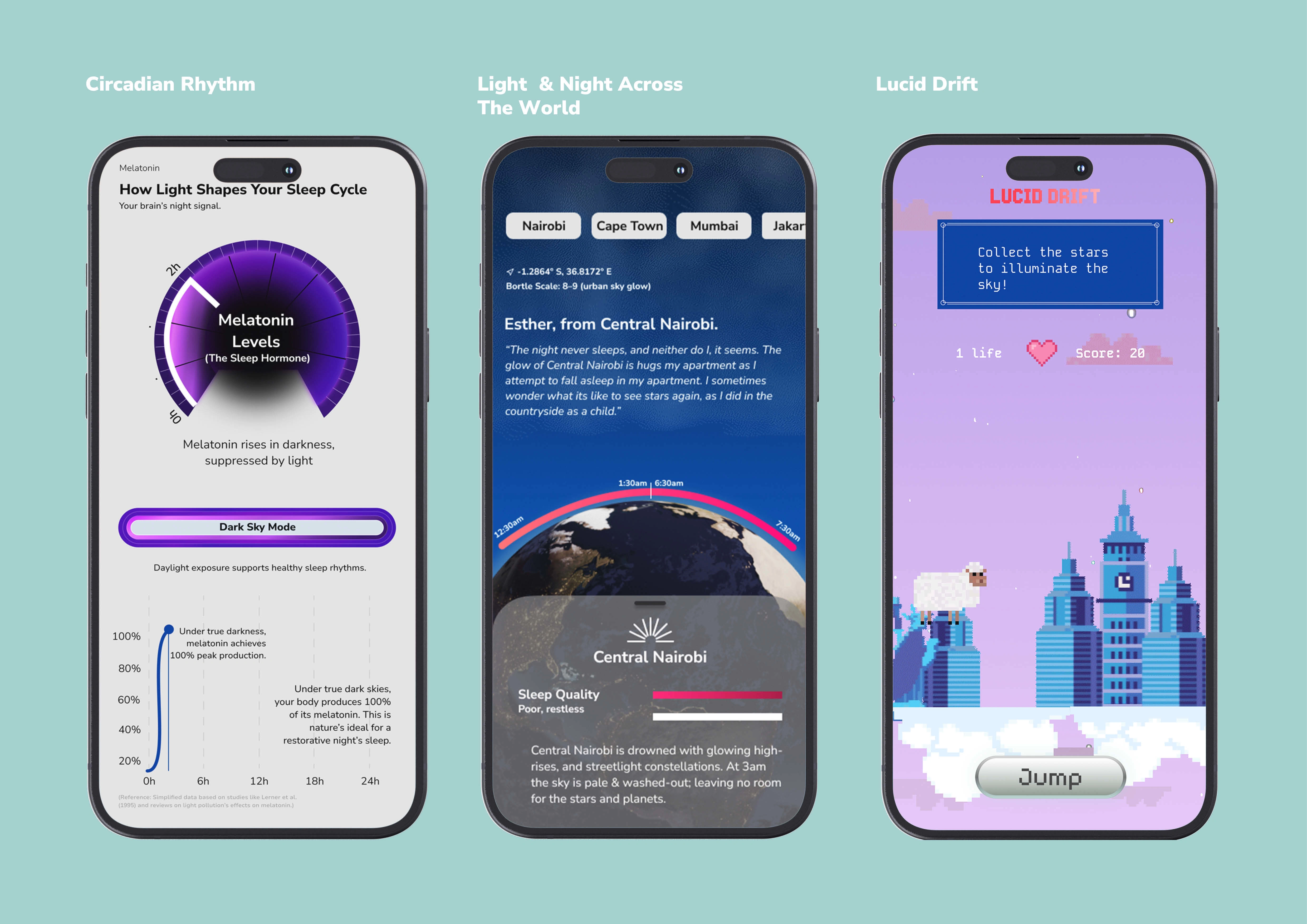
Lux Systems
Lux Systems is a digital platform, merging environmental science and interactive design to reveal how light pollution disrupts human biology. The project uses real data, intuitive metaphors, and dynamic interfaces to translate circadian rhythm science into a seamless, educational user experience.
Overview
The development of this project stemmed from a simple observation: the world no longer gets dark. Cities have been replaced by a persistent glow from shop windows, lamps, screens and cars; but what happens to one’s body when the sun sets but light doesn’t?
It didn't take long to realise through research and design, that documenting the impacts of light pollution on the human body and health - particularly melatonin production and natural sleep cycles, should be a topic that is well addressed and spoken about. From here it became clear what was required: refocusing the app back to solving the core problem, and integrating seamless and engaging design experiences. Documenting these effects not through chart and text-heavy screen but through immersive and intuitive design.
Design Challenge
How can we communicate the biological effects of artificial light in a way that emotionally resonates with non-scientific audiences? What happens to one’s body when the sun sets but light doesn’t?

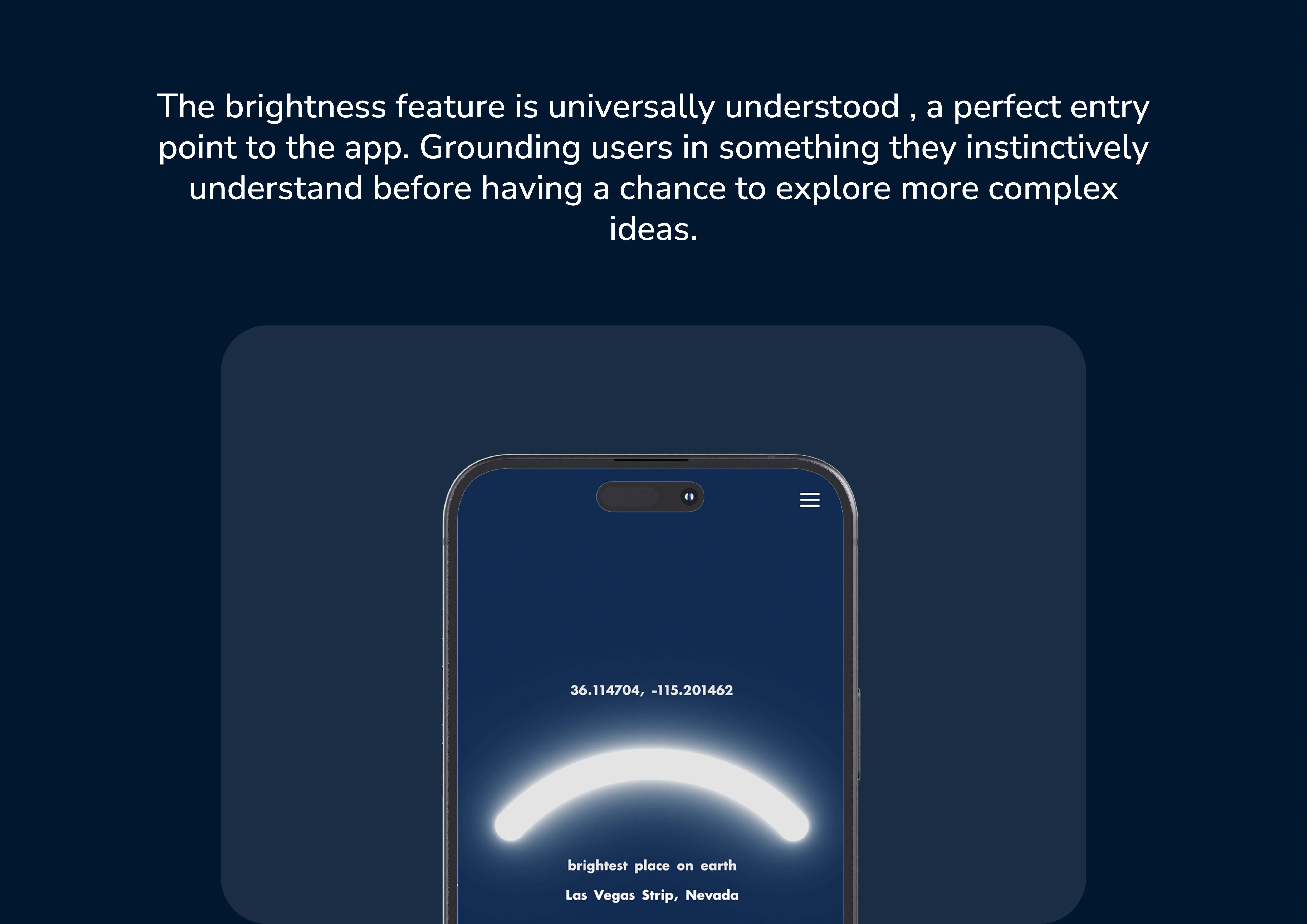
Lux Systems - Brightness Feature
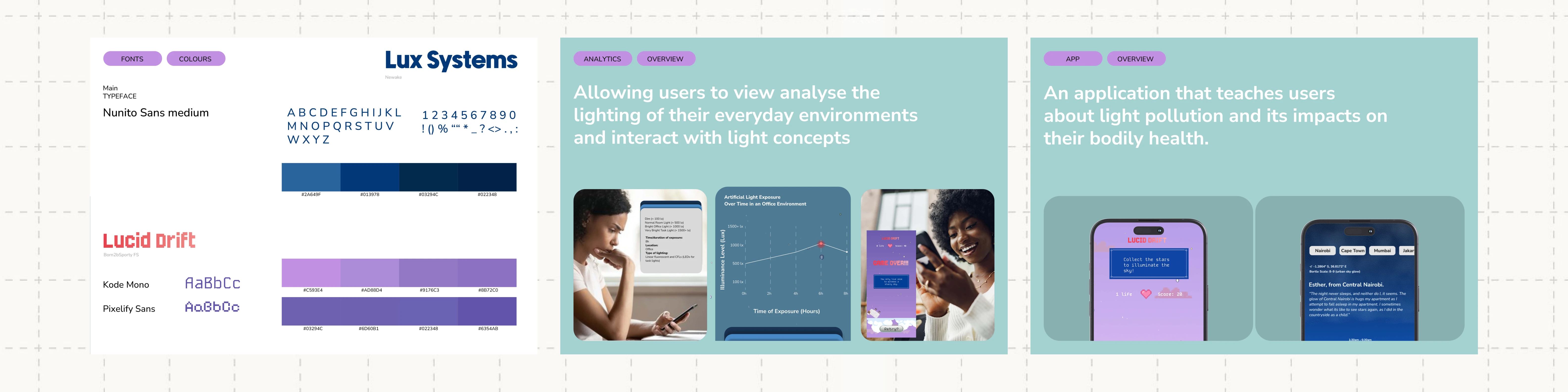
Lux System's Design System
Illustration and System-First Designs
Designing
I explored a wide range of visual formats to communicate hormone rhythms and light exposure; ranging from metaphor-based UI elements, glowing dots and motion trails. Through feedback from peers ensured that the interface remained both scientifically grounded and intuitive for younger, non-expert users. Furthermore, the feedback also inspired visual cues to bridge the gap between everyday familiar tech habits and biological awareness.
Illustration and System-First Designs
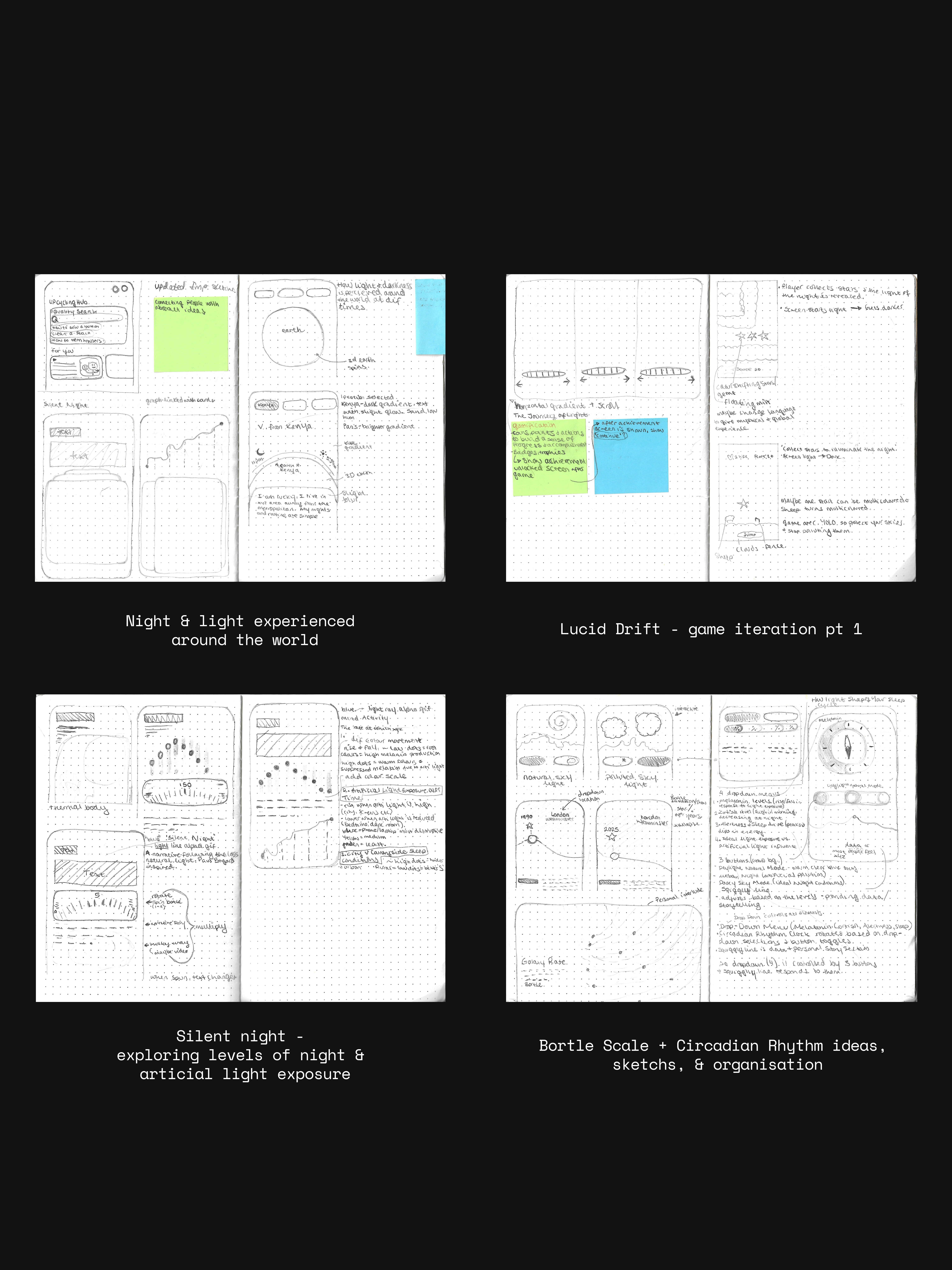
Illustration and System-First Designs
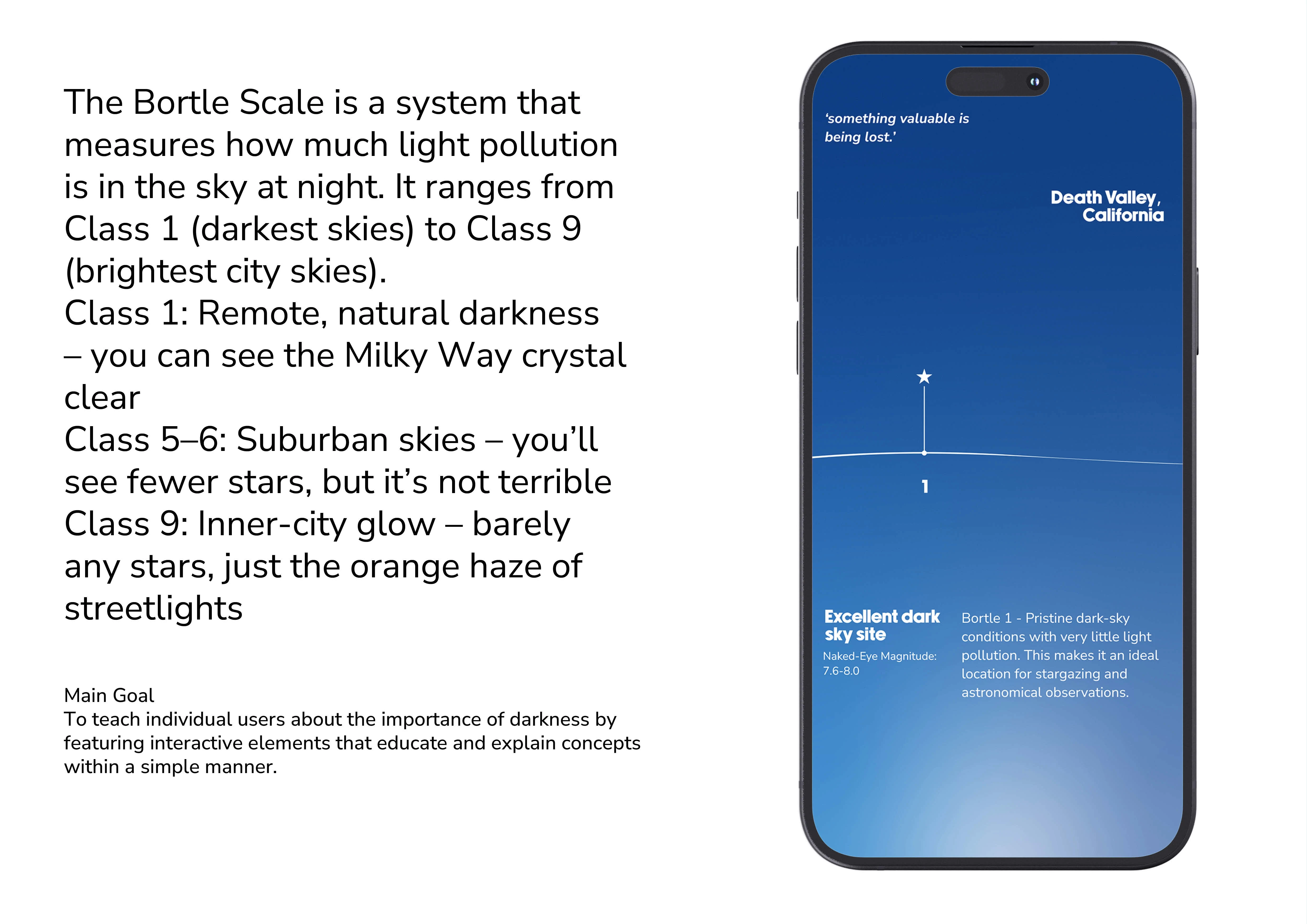
Lux Systems - Bortle Scale
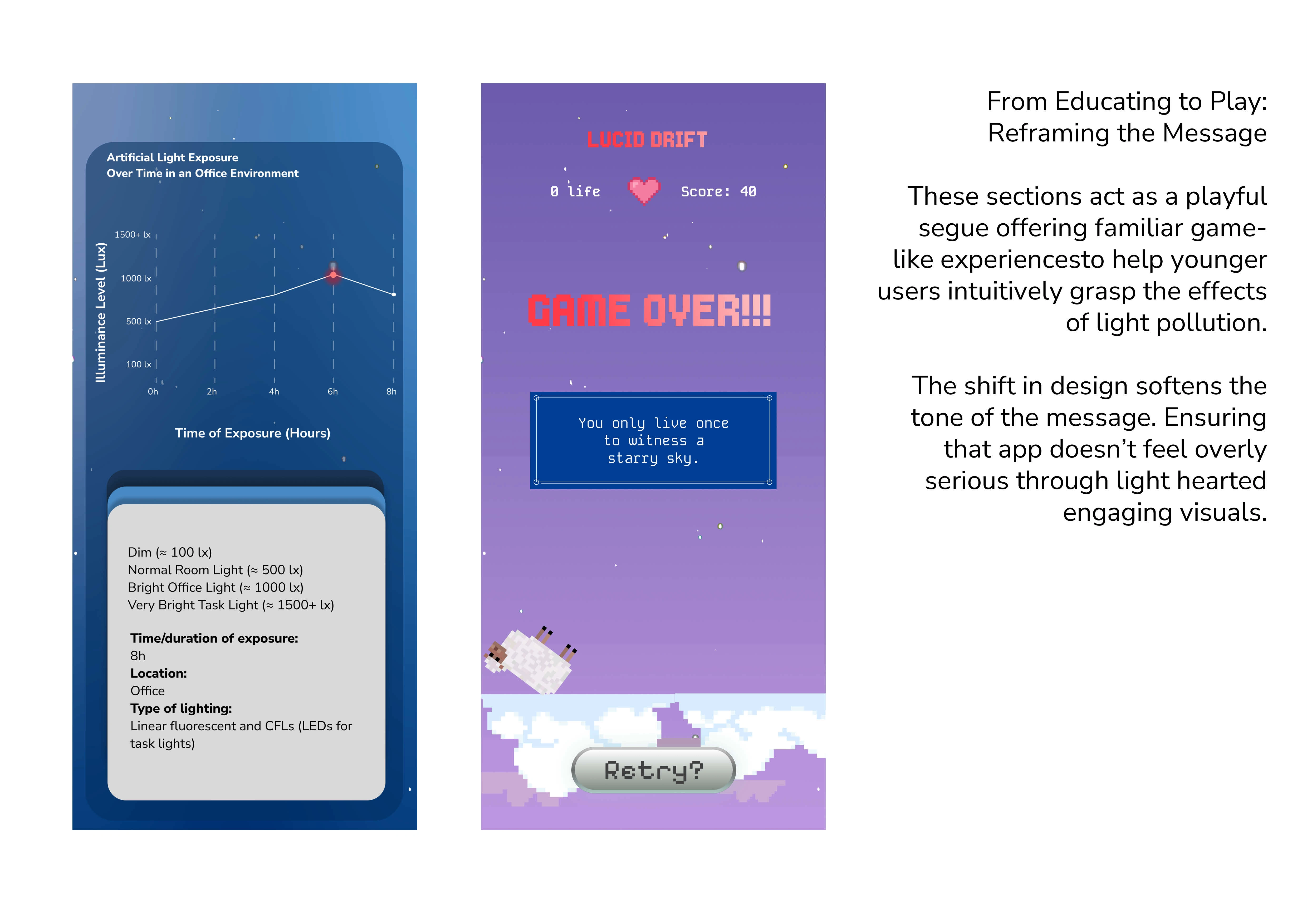
Lux Systems - Education + Play
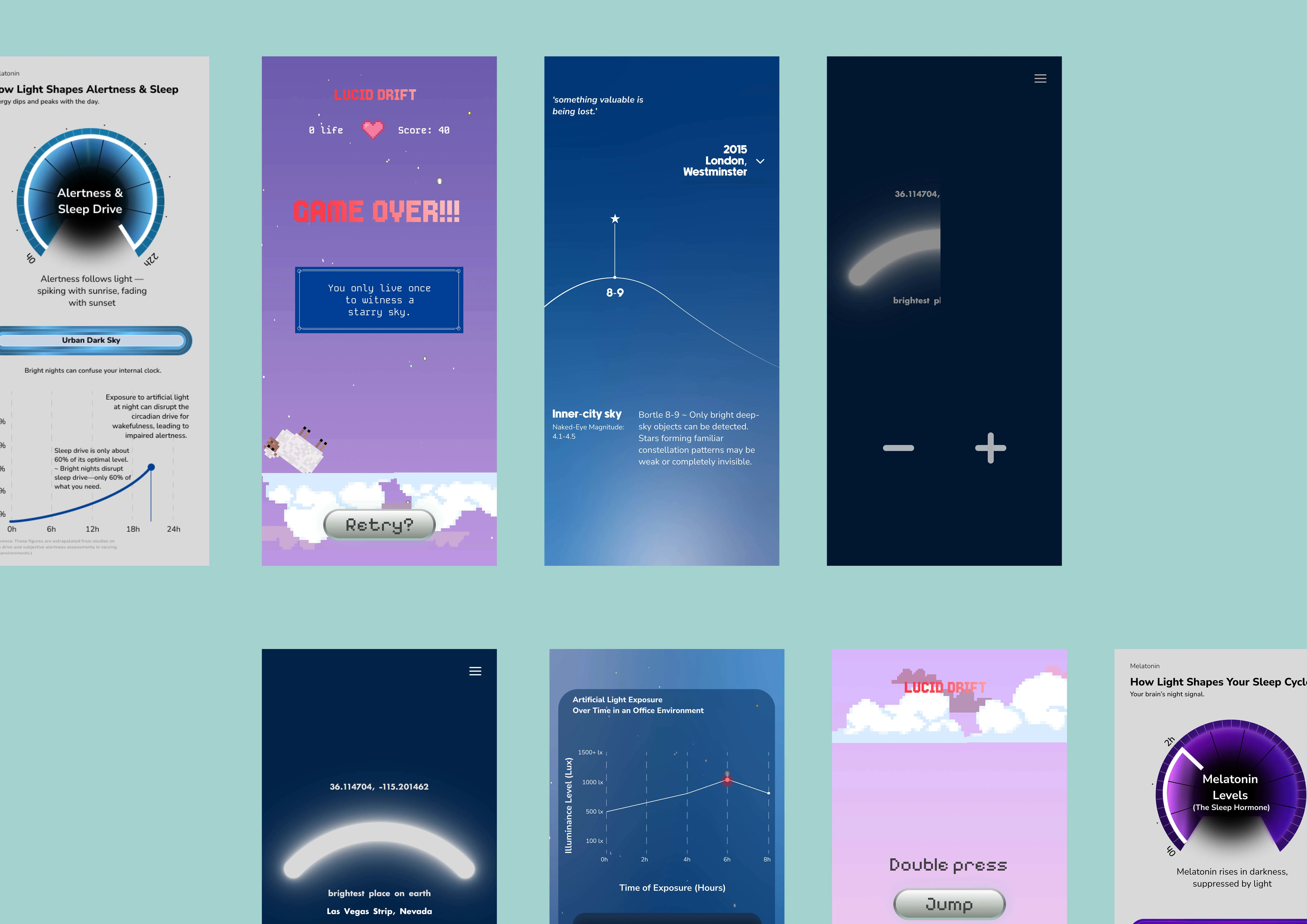
Lux Systems
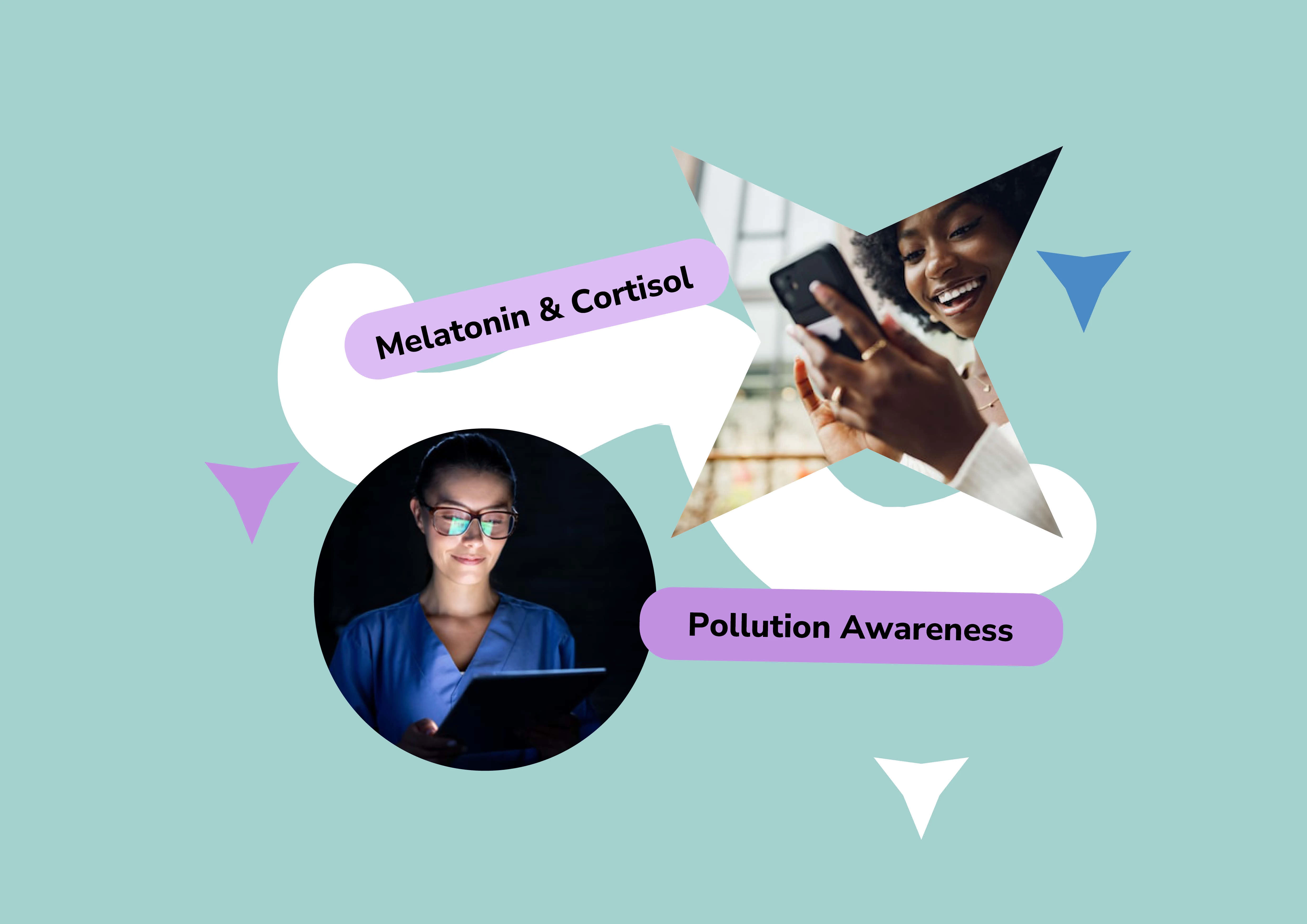
Luc Systems - Science
Like this project
Posted Dec 11, 2025
An educational platform to illustrate light pollution effects. The project uses real data, intuitive metaphors, and dynamic interfaces.
Likes
1
Views
6