Lotly: AI Tenant Screening UX for PropTech by Amirul HakimLotly: AI Tenant Screening UX for PropTech by Amirul Hakim

Lotly: AI Tenant Screening UX for PropTech

Amirul Hakim

Amirul Hakim

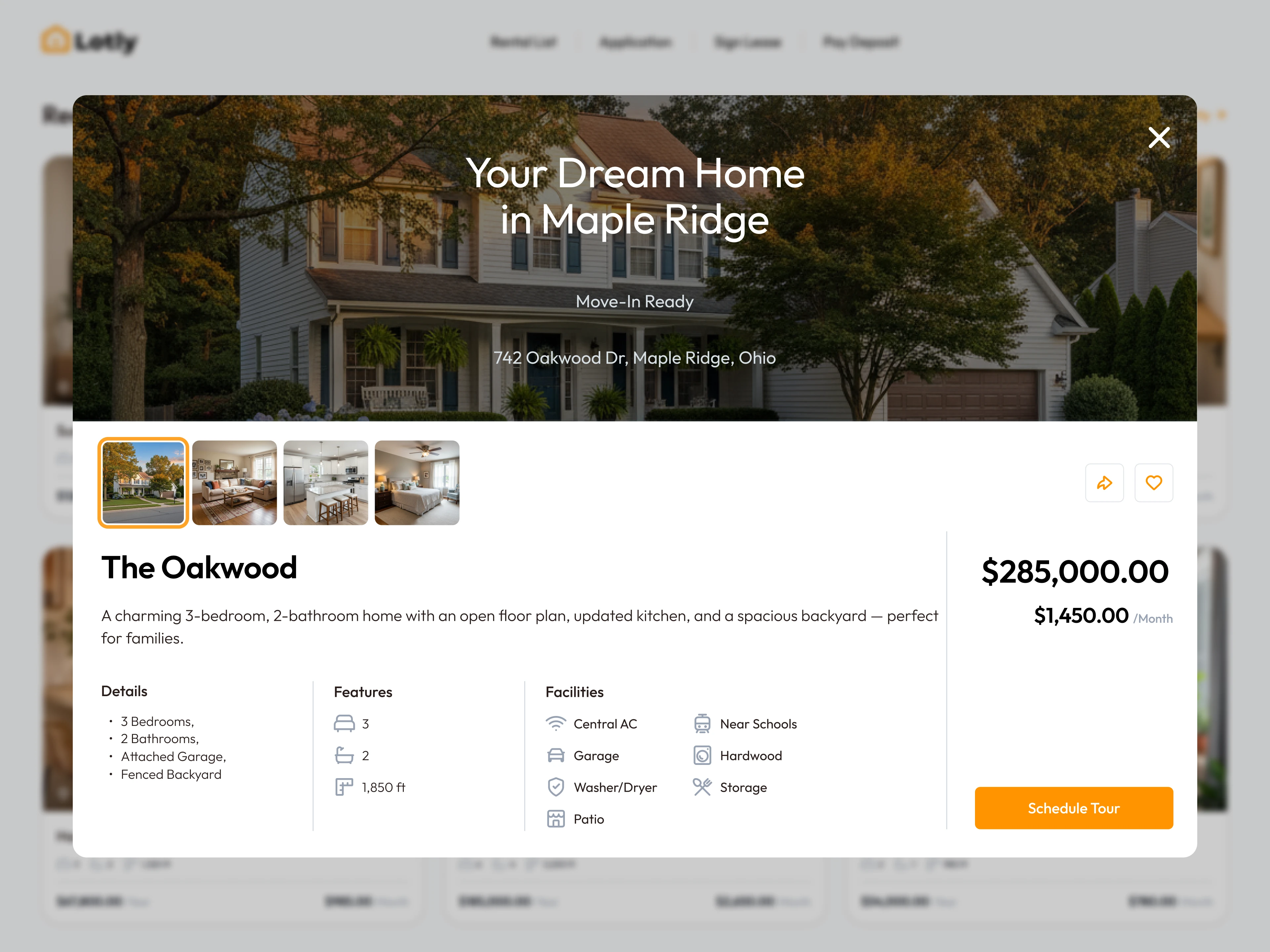
Lotly Cover
Lotly Cover
Lotly 3
Lotly 3
Lotly 4
Lotly 4

The Problem

Renting a home involves a mountain of paperwork. Tenants submit dozens of documents (ID, proof of income, employment letters, references, credit checks) and landlords review every single one manually for every applicant. For a single listing with 20 applicants, that's hundreds of documents to verify by hand.
Both sides lose. Tenants spend hours gathering and uploading paperwork with no visibility into where they stand. Landlords drown in document review, often making gut decisions because thorough screening takes too long. The process is slow, error-prone, and biased toward landlords who have time to spare.
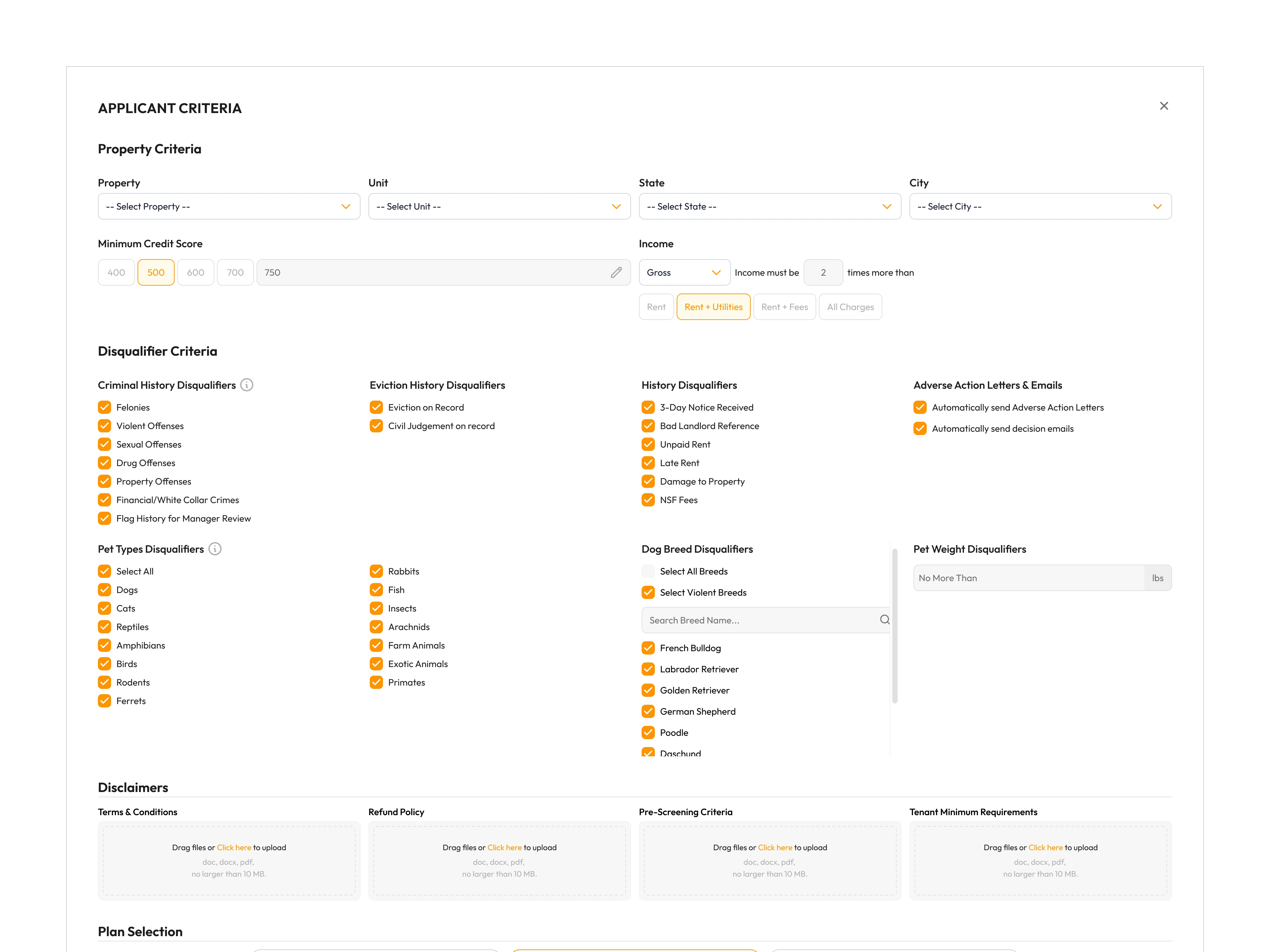
Lotly's mission: use AI to make tenant screening fast, fair, and painless for both sides, specifically targeting affordable housing where tenants and landlords have the least time and resources to waste.
Lotly 5
Lotly 5
Lotly 6
Lotly 6

The Users

User 1: Tenants. People searching for affordable housing who need to submit 10+ documents per application. Many apply to multiple listings simultaneously. They're often lower-to-middle income, time-poor, and frustrated by repetitive paperwork.
User 2: Landlords. Property owners or managers who receive dozens of applications per listing and need to verify each one. They want qualified tenants fast, but manual screening is a bottleneck that delays occupancy and costs money.
Lotly 7
Lotly 7
Lotly 8
Lotly 8
Lotly 9
Lotly 9

The Process

Step 1: Audit every document. I studied every document a tenant typically needs to submit and every policy a landlord commonly enforces. This gave me the full picture of what both sides actually need from the screening process, not just what existing forms were asking for.
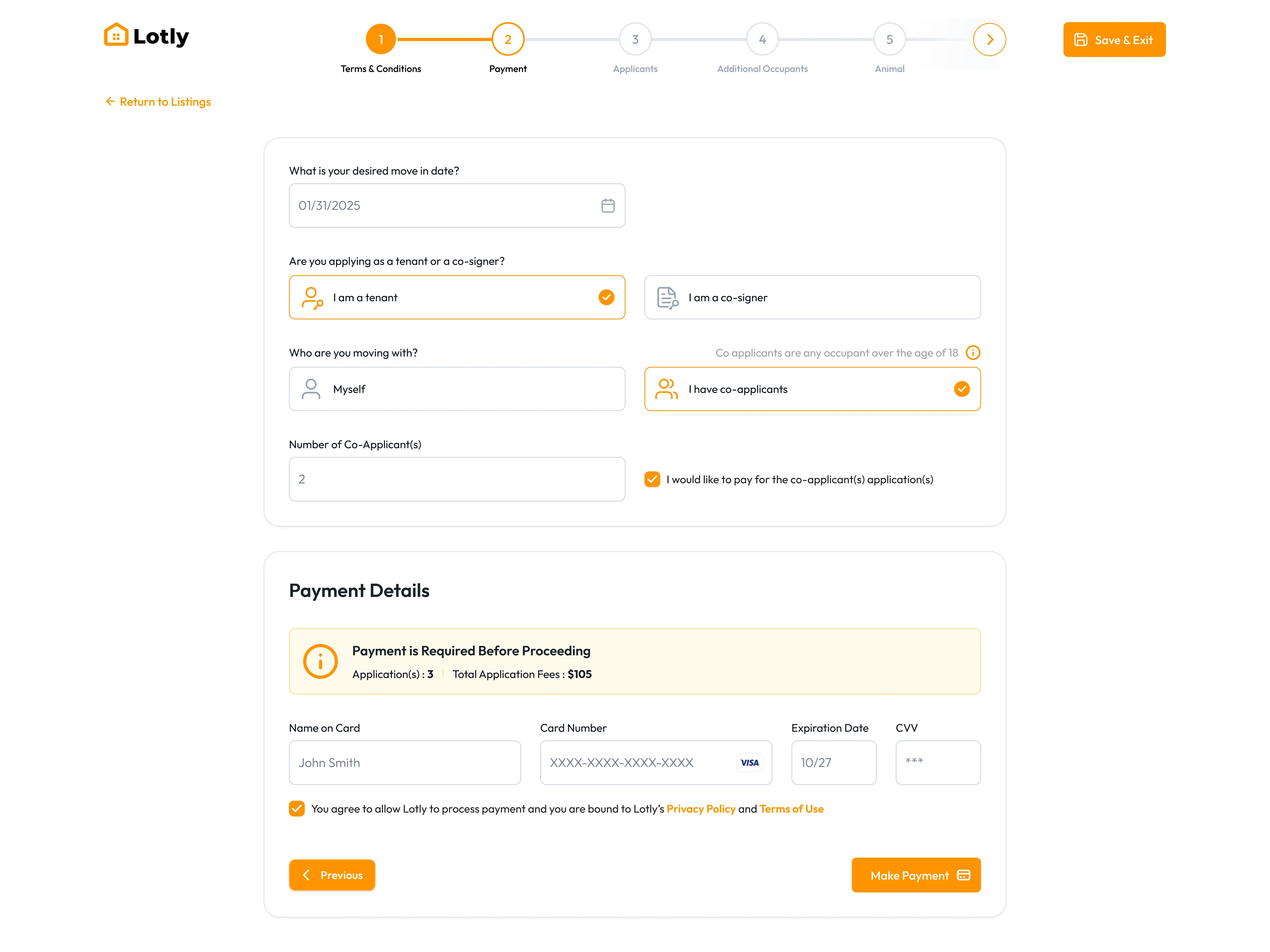
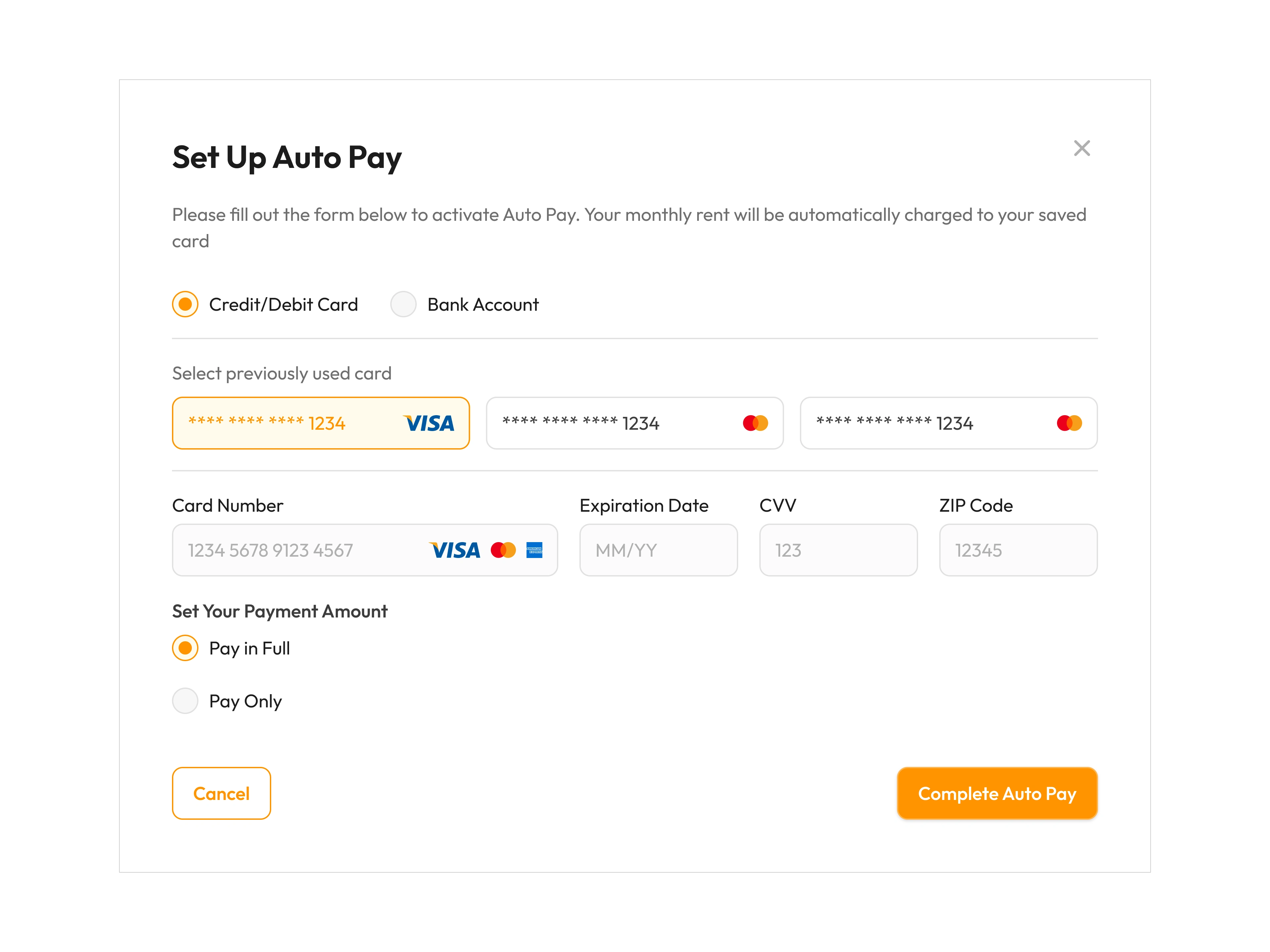
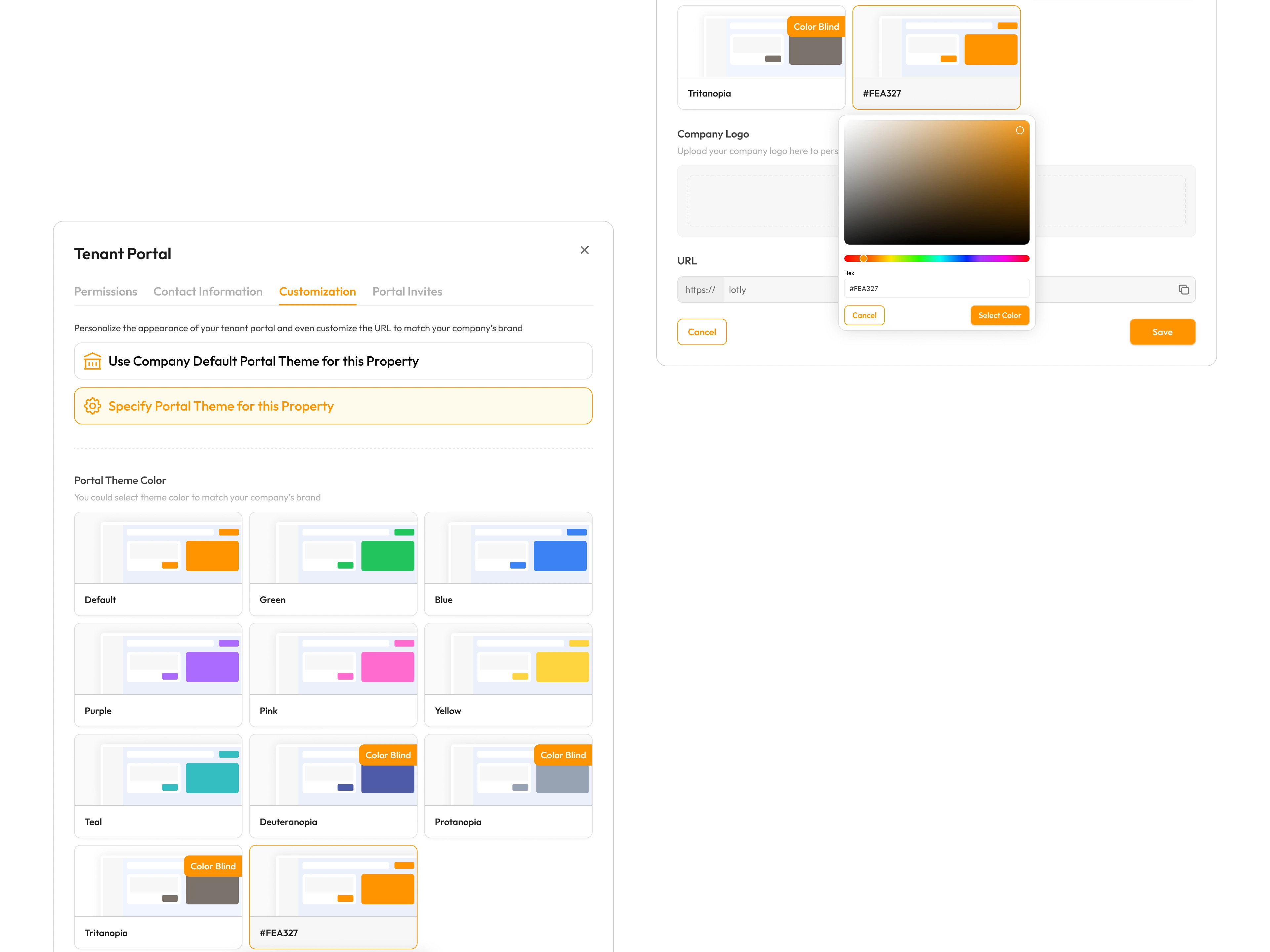
Step 2: Break the wall into steps. Instead of presenting all documents as one overwhelming upload page, I restructured the entire submission into a step-by-step flow. Each step focuses on one document category at a time: identity, income, employment, references. The tenant always knows where they are and how much is left.
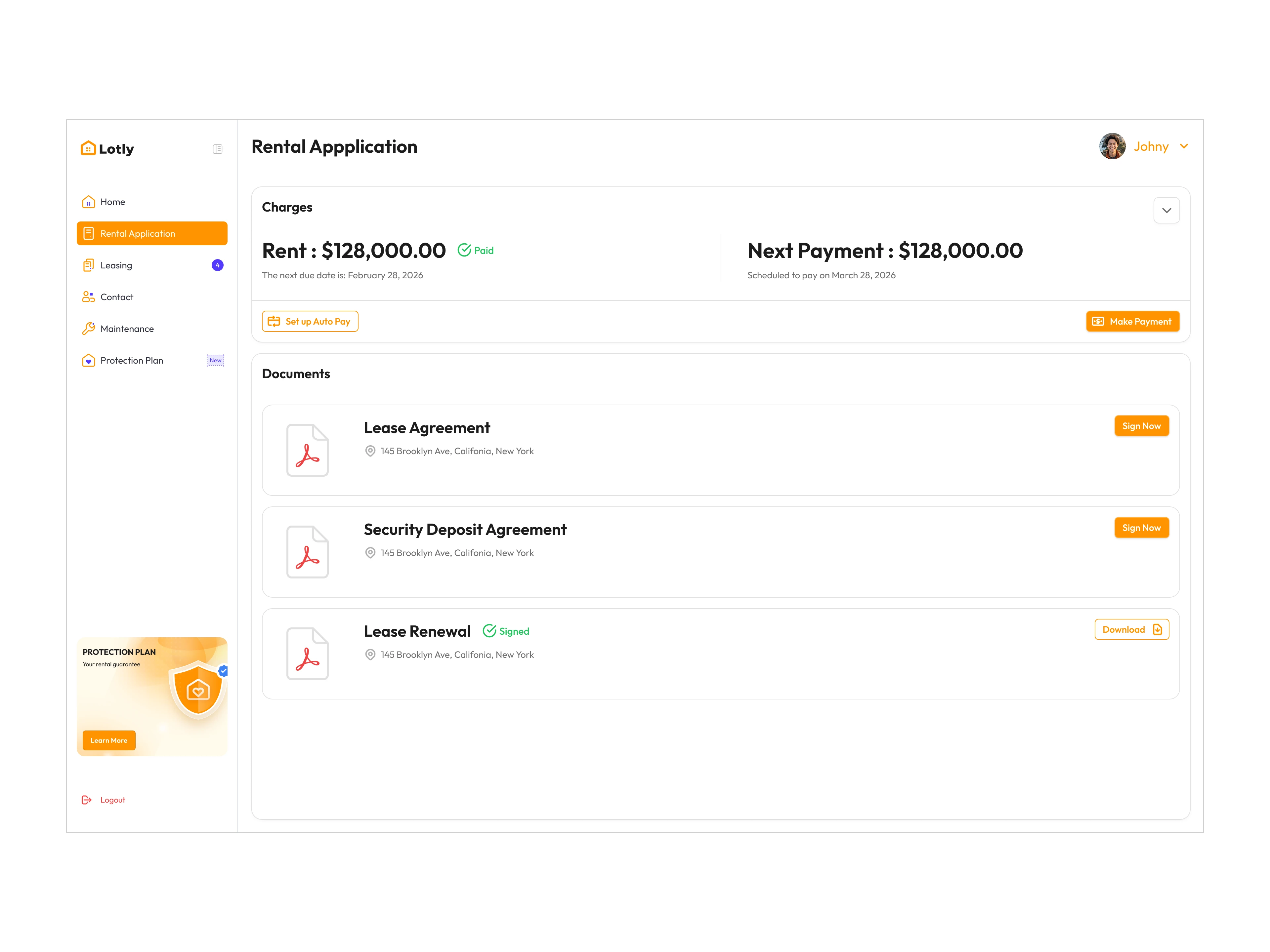
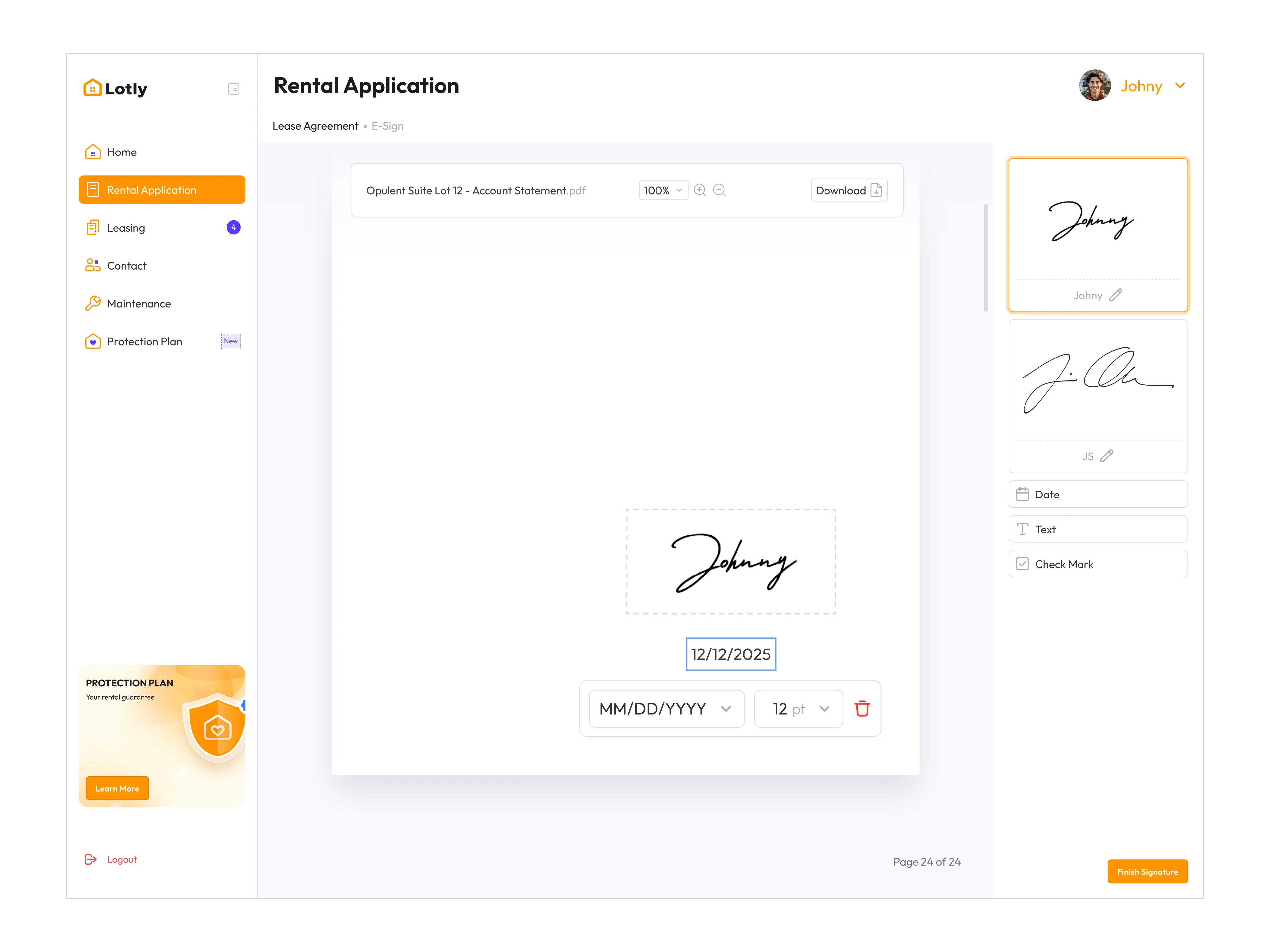
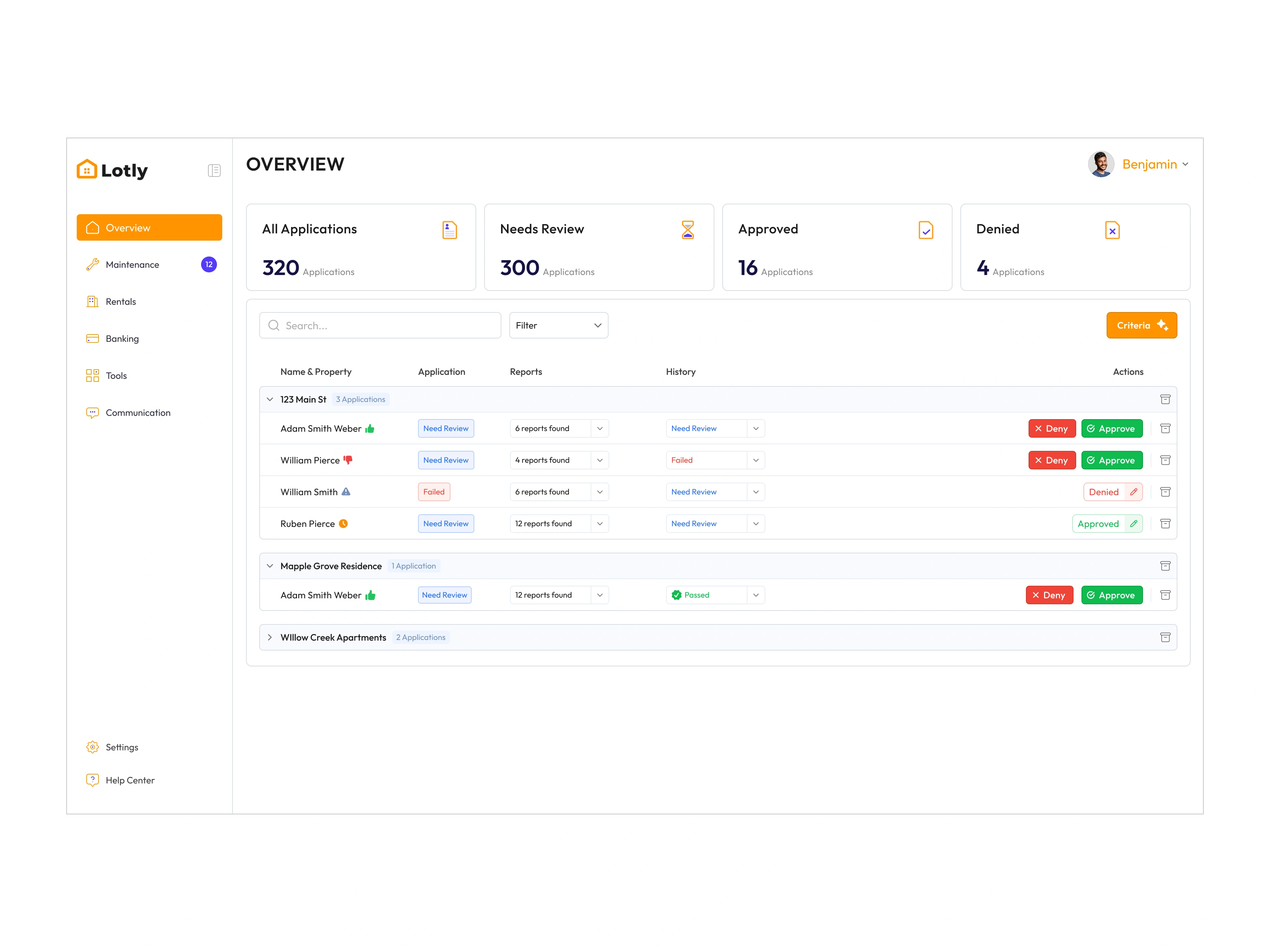
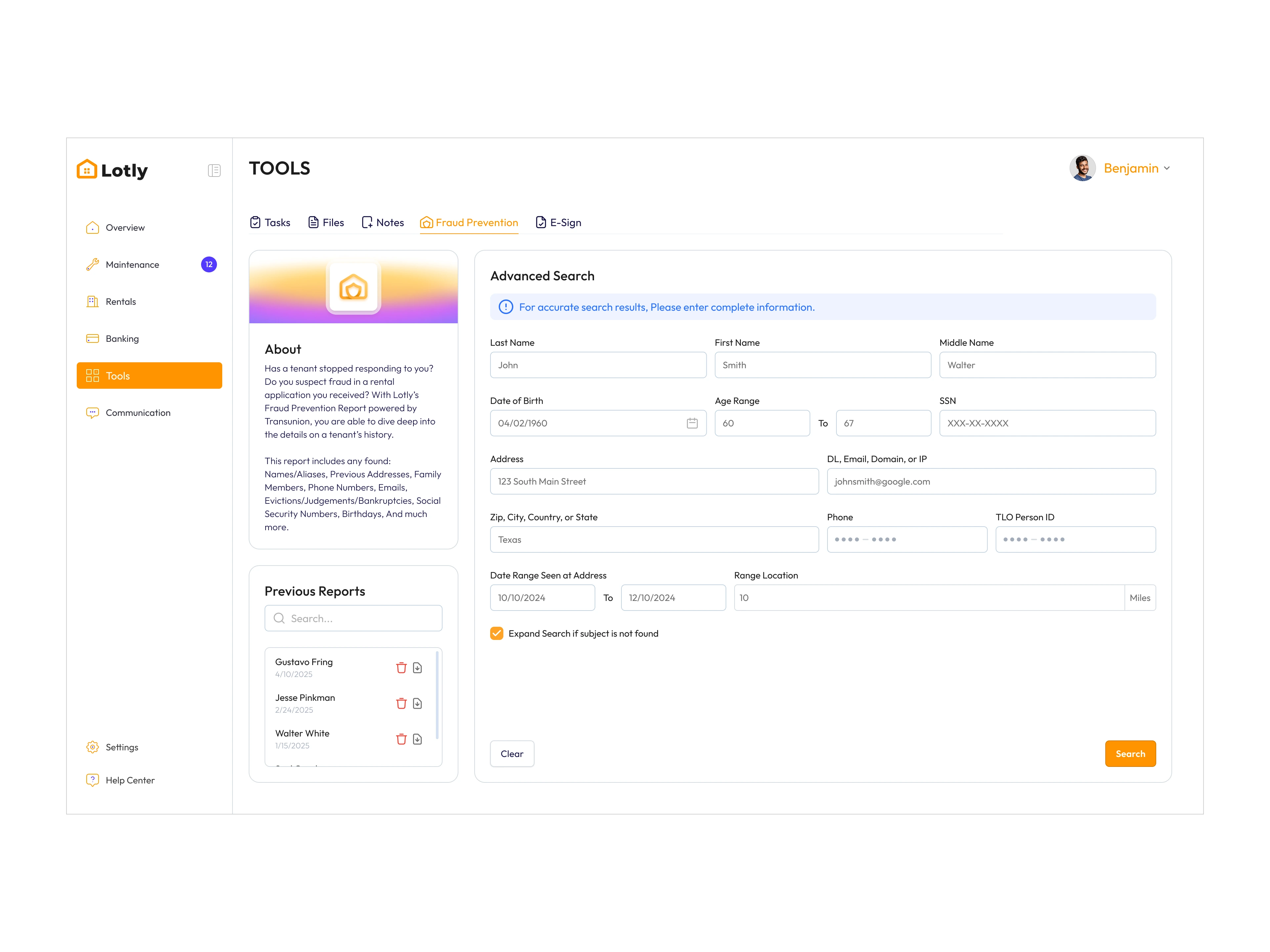
Step 3: Let AI handle the matching. Once both sides have submitted their information (tenant documents and landlord policies), the AI cross-references everything automatically. It checks whether a tenant meets the landlord's criteria, flags mismatches, and surfaces the strongest applicants. The landlord reviews AI-verified summaries instead of raw documents.
Lotly 10
Lotly 10
Lotly 11
Lotly 11
Lotly 12
Lotly 12
Lotly 13
Lotly 13
Lotly 14
Lotly 14

The Key Design Decision

The most important principle: the user must never feel like they're filling out a lot of documents at once.
Document-heavy processes fail when users see the full scope upfront. A screen showing 12 required uploads triggers abandonment before the first file is attached. The fix wasn't reducing the number of documents (landlords still need them). It was changing the perception of effort.
AI plays a critical role here. For required documents, the AI pre-fills fields where possible and validates in real-time so users don't submit and wait for rejection. For optional documents, the AI recommends which ones would strengthen the application based on the specific landlord's criteria, turning "12 required uploads" into "3 steps done, AI suggests 2 more that would help."
The result is a flow where tenants feel like they're answering a few questions, not filing paperwork. The documents still get submitted. The landlord still gets everything they need. But the experience feels light.
Lotly 15
Lotly 15
Lotly 16
Lotly 16
Lotly 17
Lotly 17
Lotly 18
Lotly 18
Lotly 19
Lotly 19
Lotly 20
Lotly 20
Lotly 21
Lotly 21

The Outcome

Since launching in 2025, Lotly has grown to 100,000 users. For an AI-powered real estate startup targeting affordable housing, that's a significant milestone.
The platform proved that tenant screening doesn't have to be painful. By restructuring the document flow into digestible steps and letting AI handle the cross-referencing, both tenants and landlords get through the process faster with less friction. Tenants in the affordable housing segment, who often have the least time and patience for bureaucracy, now have a screening experience that respects their time.
Lotly 22
Lotly 22
Like this project

Posted Jun 17, 2026

Designed the UX for Lotly's AI-powered tenant screening platform. Turned a multi-document paper process into a step-by-step AI-assisted flow. 100,000 users since launch in 2025.