WordPress website design and development

Maham Vohra


Overview
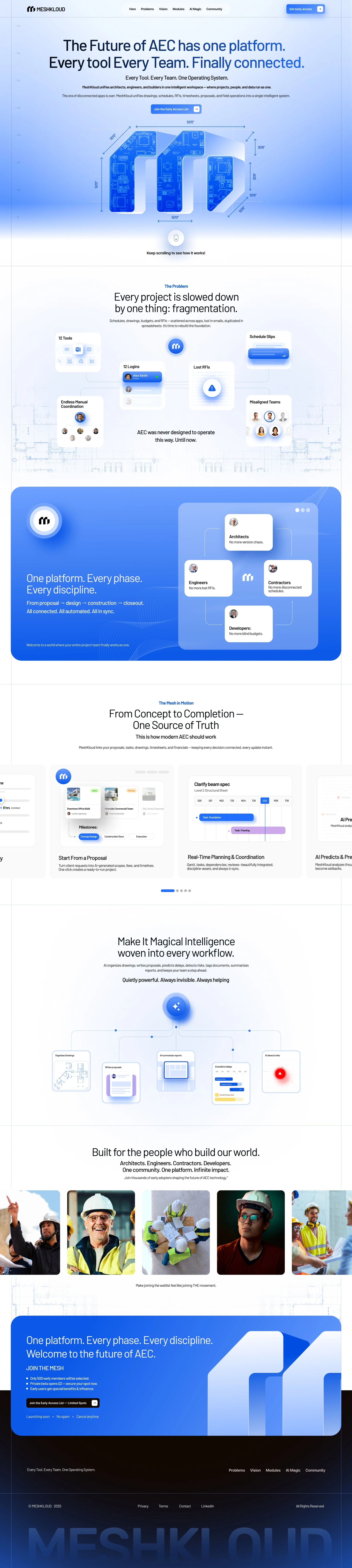
A full WordPress website design and development project for a tech company, built from the ground up. From initial wireframes in Figma to a fully functional, responsive WordPress site powered by Elementor. The goal: a fast, visually polished site that communicates technical credibility while remaining approachable to non-technical visitors.
WordPress website design
The Challenge
The client needed a website that could serve multiple audiences simultaneously: potential customers evaluating the product, developers looking for technical documentation, and investors assessing the company's market position. The existing site was outdated, slow, and failed to communicate the sophistication of their product.
Key requirements included sub-3-second load times, mobile-first responsive design, SEO optimization from day one, and a CMS structure that allowed the internal team to publish blog posts and update landing pages without developer involvement.
Research & Discovery
The project kicked off with a competitive audit of 15+ companies in the same tech vertical. I mapped common UI patterns, identified what worked (clear value propositions above the fold, social proof placement, intuitive navigation) and what didn't (cluttered layouts, jargon-heavy copy, buried CTAs).
User journey mapping revealed 3 primary paths visitors would take through the site. Each path was optimized with distinct landing pages, contextual CTAs, and progressive disclosure of technical information. Analytics from the old site informed which pages received the most traffic and where drop-off occurred.
Design Process
Wireframing & Architecture. Started in Figma with low-fidelity wireframes for all key pages: homepage, product features, pricing, about, blog, and contact. Information architecture was validated with the client through 2 rounds of feedback before moving to high-fidelity.
UI Design. The visual direction leaned into clean geometry, generous white space, and a color system built around the brand's existing palette. Typography paired a geometric sans-serif for headlines with a highly legible body font optimized for screen reading. Component libraries were built in Figma for consistency across 20+ page templates.
Interaction Design. Micro-interactions were designed for key moments: hover states on feature cards, scroll-triggered animations for data visualizations, and smooth transitions between sections. Every animation served a functional purpose, guiding attention rather than decorating.
Development
WordPress + Elementor Stack. The site was built on WordPress with Elementor Pro as the page builder, giving the client full visual editing capabilities without touching code. Custom widgets were developed for unique components that Elementor's default library couldn't handle.
Performance Optimization. Every decision was filtered through performance impact. Images were served in WebP format with lazy loading. CSS and JavaScript were minified and deferred where possible. Server-side caching was configured alongside a CDN for global delivery. Final PageSpeed scores: 94 mobile, 98 desktop.
Responsive Implementation. The design was implemented mobile-first, with breakpoints at 768px, 1024px, and 1440px. Touch targets were sized for thumb navigation. Typography scaled fluidly using clamp() functions rather than rigid breakpoints.
SEO Foundation. Schema markup was implemented for organization, breadcrumbs, and FAQ sections. XML sitemaps were auto-generated. Meta titles and descriptions were templated for consistency. Heading hierarchy was semantically correct across every page.
CMS Structure
The WordPress backend was organized for the client's workflow:
Custom post types for case studies, team members, and product features
Advanced Custom Fields for structured content entry without layout concerns
Reusable Elementor templates for consistent section styling across new pages
Role-based permissions so marketing could publish blog posts while only admins could modify core pages
Scheduled publishing and revision history for content governance
Deliverables
20+ page templates fully responsive and editable via Elementor
Figma design system with components, styles, and documentation
WordPress theme with custom post types and ACF configurations
Performance audit report with before/after metrics
SEO setup including sitemaps, schema, and meta templates
Training documentation and video walkthrough for the client's team
30-day post-launch support for bug fixes and content questions
Results
The new site delivered immediate, measurable improvements:
68% reduction in page load time (from 8.2s to 2.6s)
42% increase in organic traffic within the first 3 months
3.2x improvement in average session duration
56% decrease in bounce rate on the homepage
89% of content updates handled by the client's team without developer support
The client's sales team reported that prospects frequently mentioned the website's professionalism during calls, citing it as a factor in their decision to book demos.
Key Takeaways
WordPress gets dismissed by developers who haven't used it in years. With the right architecture, performance optimization, and design system, it remains one of the most practical choices for businesses that need to own their content workflow without ongoing developer dependency.
The best websites aren't the ones with the most features. They're the ones where every element earns its place, every interaction serves a purpose, and the client can maintain it independently 6 months after handoff.
Like this project
Posted May 7, 2026
"Custom WordPress websites designed in Figma and built with Elementor. Fast, responsive, SEO-ready sites that clients can manage independently."
Likes
2
Views
19
Timeline
May 2, 2026 - Jun 1, 2026