The most senior thing I did at Cerner wasn't design work

Catherine Hicks

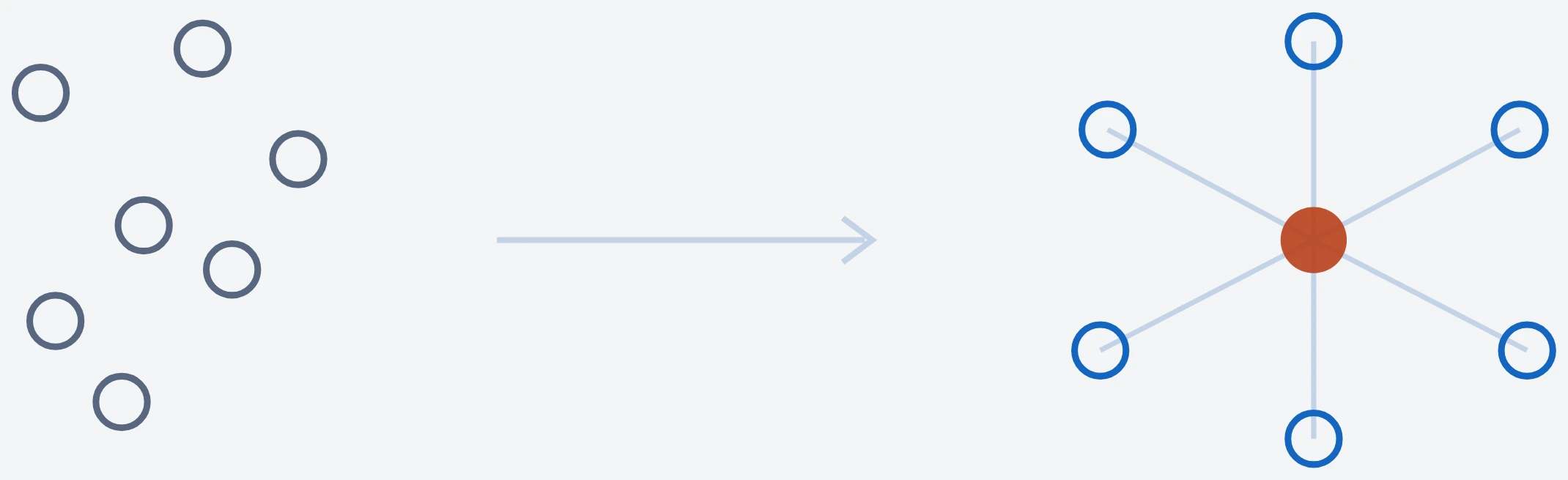
Most of my case studies are about a screen. This one is about a team — because at Cerner (now Oracle Health), the design was the team.
I inherited seven designers in the Charting & Documentation group — the EHR tools clinicians use all day, where a nurse logs vitals and a physician writes a note. Seven talented people pointed at an enormous product surface and left to fend for themselves: no leadership, no shared cadence, no agreed way of working. The symptoms were predictable — inconsistent output, missed deadlines, and the quiet morale erosion that sets in when smart people don't feel supported. I had one quarter.
Two problems, stacked
Under the team problem was a domain problem: EHR charting is high-stakes, heavily regulated, and unglamorous. You can't just "make it simpler" — every change touches compliance, safety, and a web of downstream systems. So a leaderless team was also facing a genuinely hard design space it had no chance of navigating well. I didn't set out to redesign a feature. I set out to build a team that could redesign features — reliably, and after I was gone. The measure I cared about wasn't a deliverable; it was whether the team became self-sufficient.
Move before you have the answers
I took charge within a week — the team didn't need a month of me observing, it needed a point of contact and a rhythm, fast. The first thing I installed was a dependable cadence, and none of it was exotic, which is the point: the team hadn't failed for lack of clever process, but for lack of any reliable rhythm. Stand-ups killed the silent duplication of effort. Critiques pressure-tested decisions instead of shipping them in isolation. One-on-ones told me what each person was actually stuck on.
Manage the load, guard against burnout
I ran the work as one shared load, not seven separate ones — assigning to strengths, balancing priorities, and watching for burnout on purpose. In a domain this heavy, a ground-down designer produces exactly the inconsistent, deadline-missing work the team was already known for. Much of leadership is the unglamorous discipline of knowing who's doing what, whether it's the right thing, and whether they're okay.
Make standards the throughline
With seven designers and a sprawling product, the design system was what could hold the work together. I pushed for consistent use of Cerner's Design Standards, contributed patterns back, and flagged non-compliant output for mitigation instead of letting it quietly ship. Standards weren't bureaucracy — they were how separate hands added up to one product. Around all of it, I became the connective tissue across designers, Human Factors, strategy, product, and dev, negotiating the vision every time user needs, business needs, and product reality pulled apart — which in an EHR is constantly.
Where it landed
A disjointed, low-morale group became a functioning, collaborative unit — meeting deadlines, producing more consistent work, with better morale. The charting tools got sharper for clinicians. And the part I'm proudest of reached past my own team: the frameworks I introduced were picked up by partners in engineering and product. I'll keep that honest — these are qualitative outcomes; no hard metrics were captured, and I won't invent any. A fellow lead put the durable part best: within a couple of weeks, he said, I'd shown him where to strengthen his own mentoring.
The lesson that stuck: leadership is largely the deliberate act of giving power away. Direction keeps a team from drifting, but trusting people with ownership is what makes the work outlast the leader. The hard problem was never "improve this feature." It was "build a team that keeps improving features long after I've gone."
See the full case study → https://design-case-studies.vercel.app/cerner
Like this project
Posted Aug 3, 2026
I inherited seven leaderless designers on Cerner's EHR charting tools and had one quarter. I didn't set out to redesign a feature — I set out to build a team that could redesign features reliably, after I was gone.
Likes
0
Views
7