Deep Tech Brand Identity for Laminar Instruments

Artur Mikhov


Laminar Instruments is a research-grade systems-level innovation company developing foundational technology for critical enterprise ecosystems and next-generation computational infrastructure.
The company operates at an unusual intersection: its products are software-native, but function more like scientific instruments — each designed around its own rules, dimensional constraints, optimization logic, and operating principles.
The challenge was to create a brand identity that could communicate this new category of technology: precise enough for scientific and engineering audiences, but visionary enough to represent the future of computational infrastructure.
Brand strategy. Logo design. Brand identity. Visual identity. Technology branding. Scientific branding. Research branding. Deep tech branding. Computational technology branding. B2B branding. Graphic design. Typography. Art direction.
The Tension
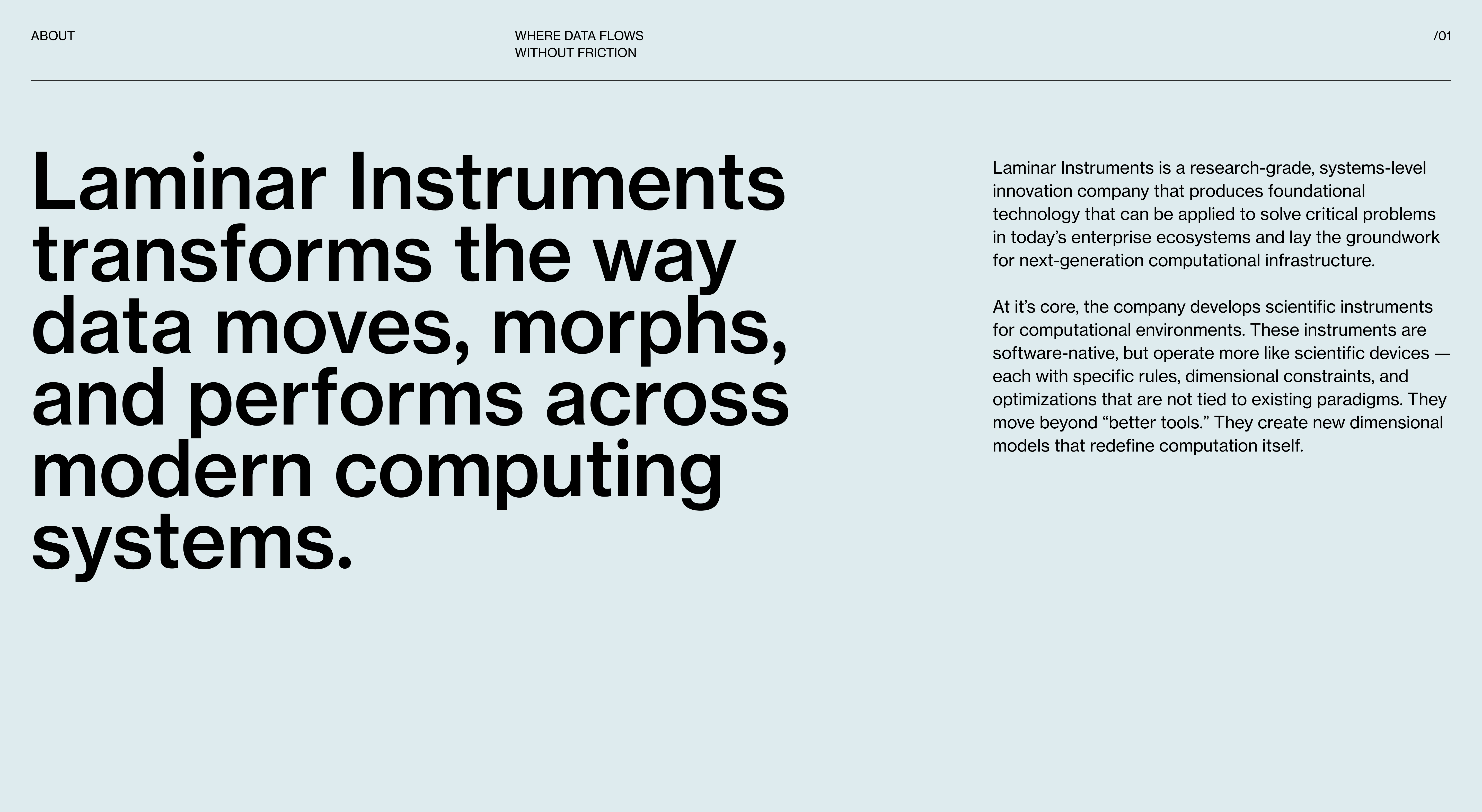
Laminar Instruments doesn't fit neatly into an existing category.
It's software, but it behaves like instrumentation.
It's computational, but its thinking is grounded in physical constraints, systems engineering, and scientific methodology.
That created an interesting branding challenge.
The identity couldn't rely on the familiar visual language of SaaS, enterprise software, or traditional scientific institutions.
It needed to communicate precision, intelligence, experimentation, systems thinking, and technological depth — while establishing Laminar as a company building something fundamentally new.
The Decision
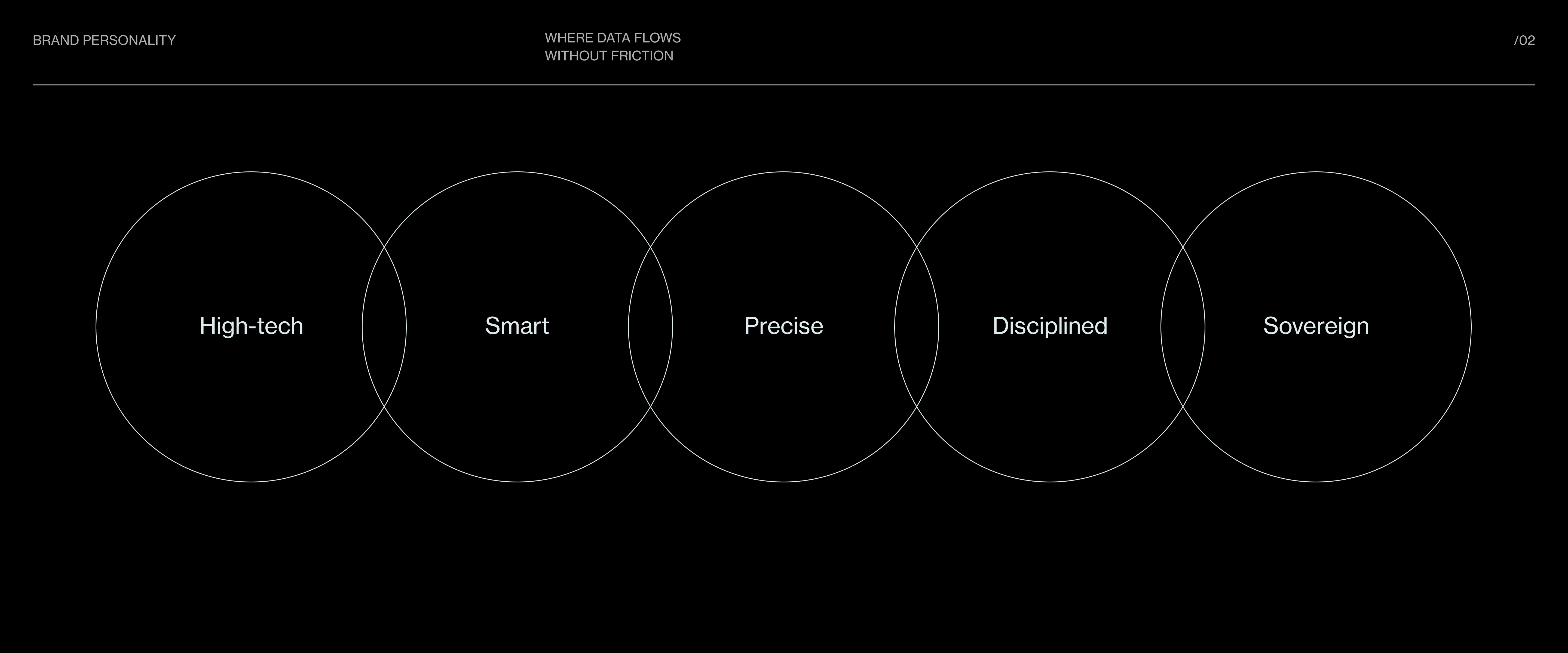
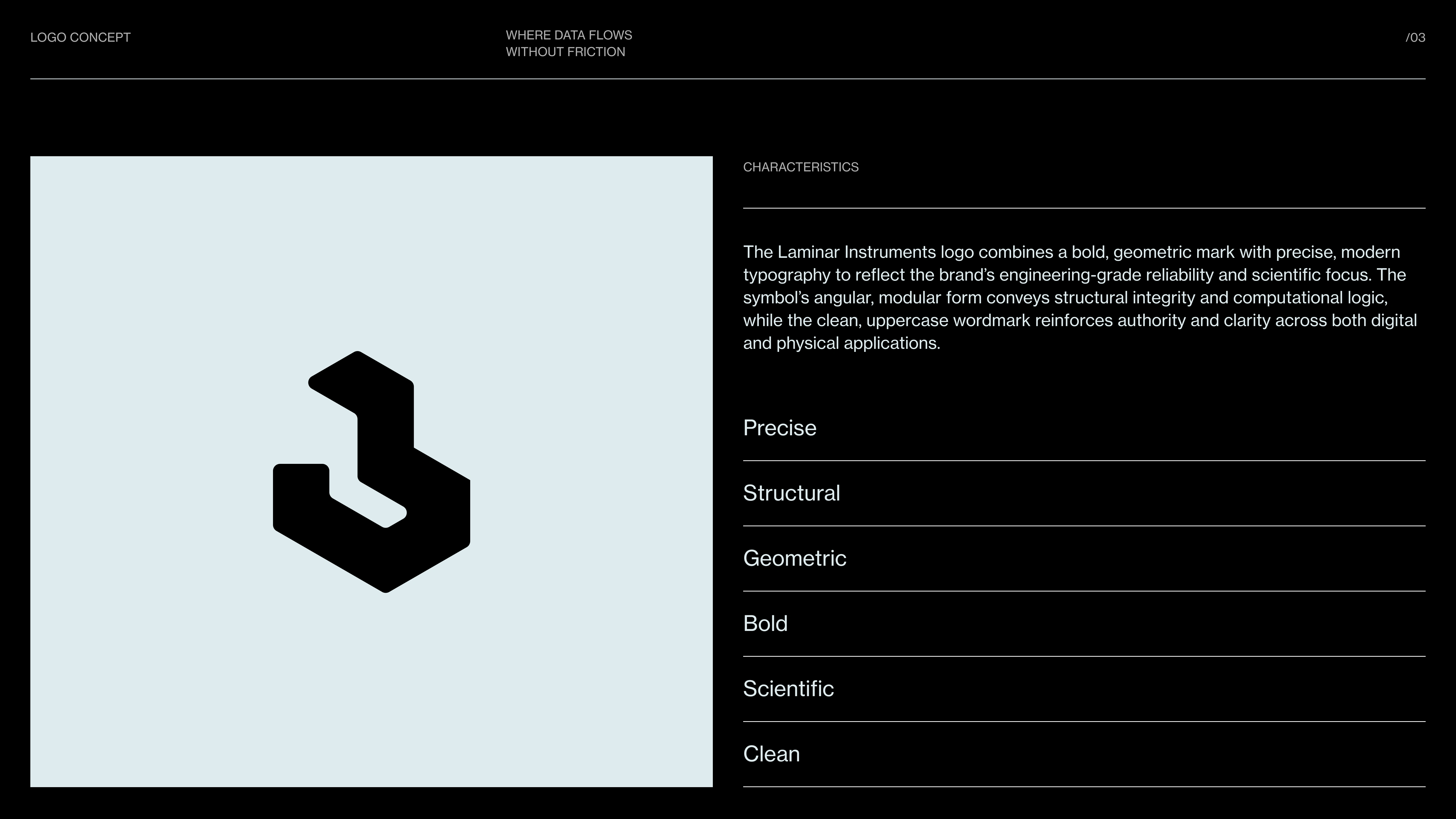
The visual direction was built around the idea of systems operating within precise constraints.
Instead of treating the technology as an abstract digital product, the identity approaches it like an instrument: structured, measured, modular, and purposeful.
Geometry and proportion become important parts of the visual language.
The brand feels engineered rather than decorated.
This creates a visual identity that reflects the company's philosophy: technology doesn't have to follow existing paradigms when the underlying problem requires a better system.
The System
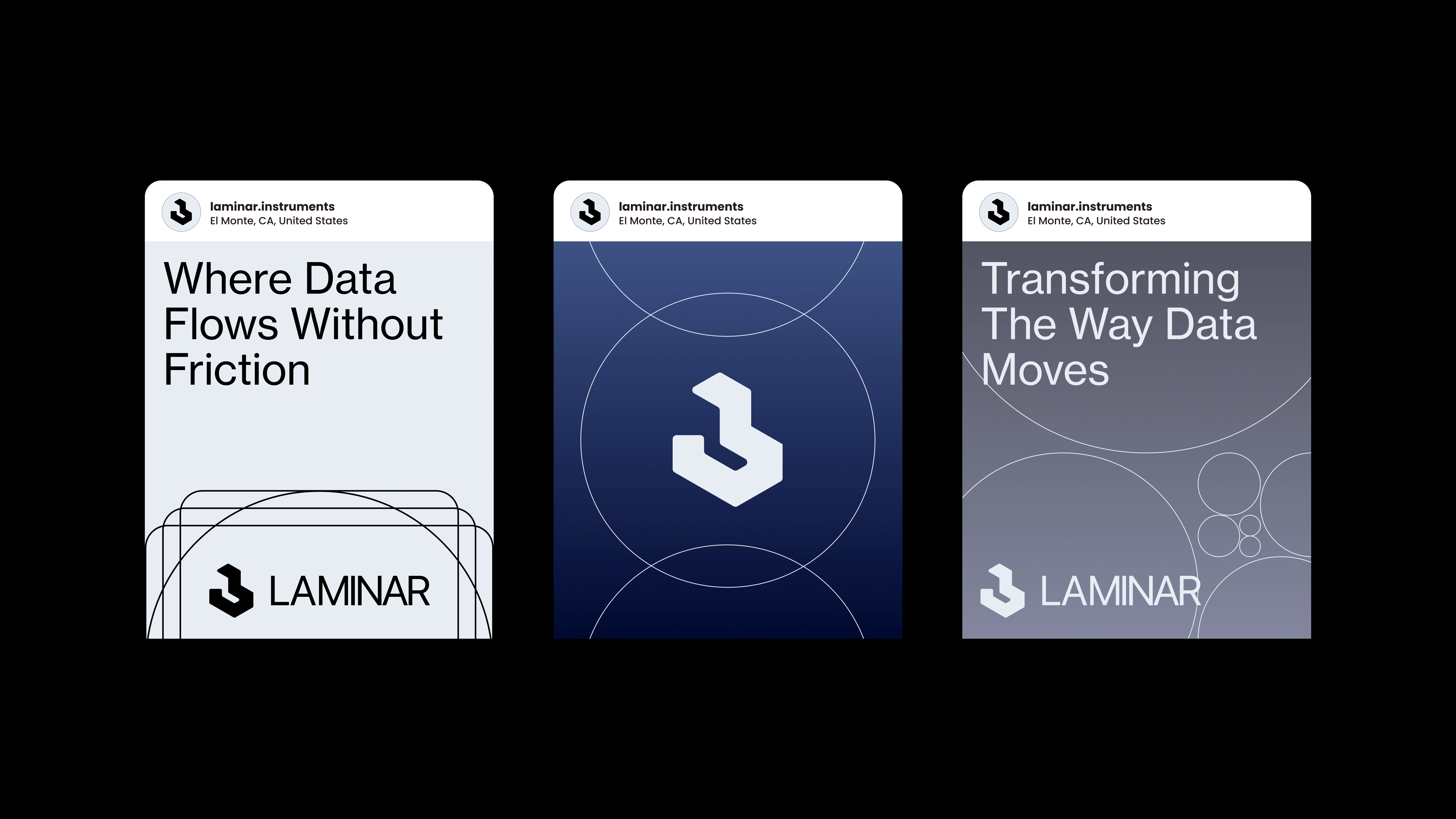
The Laminar Instruments visual identity is designed around precision and controlled complexity.
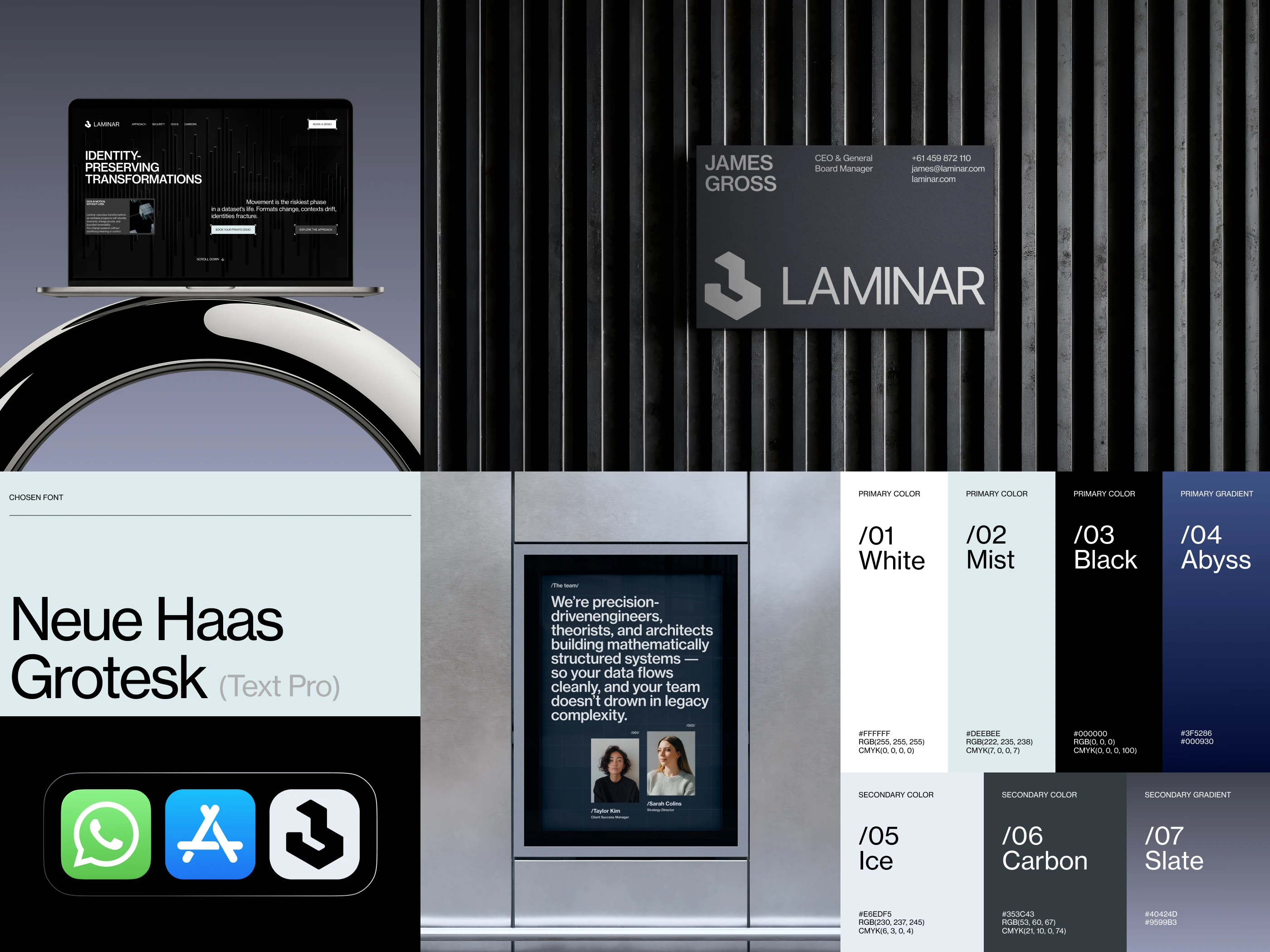
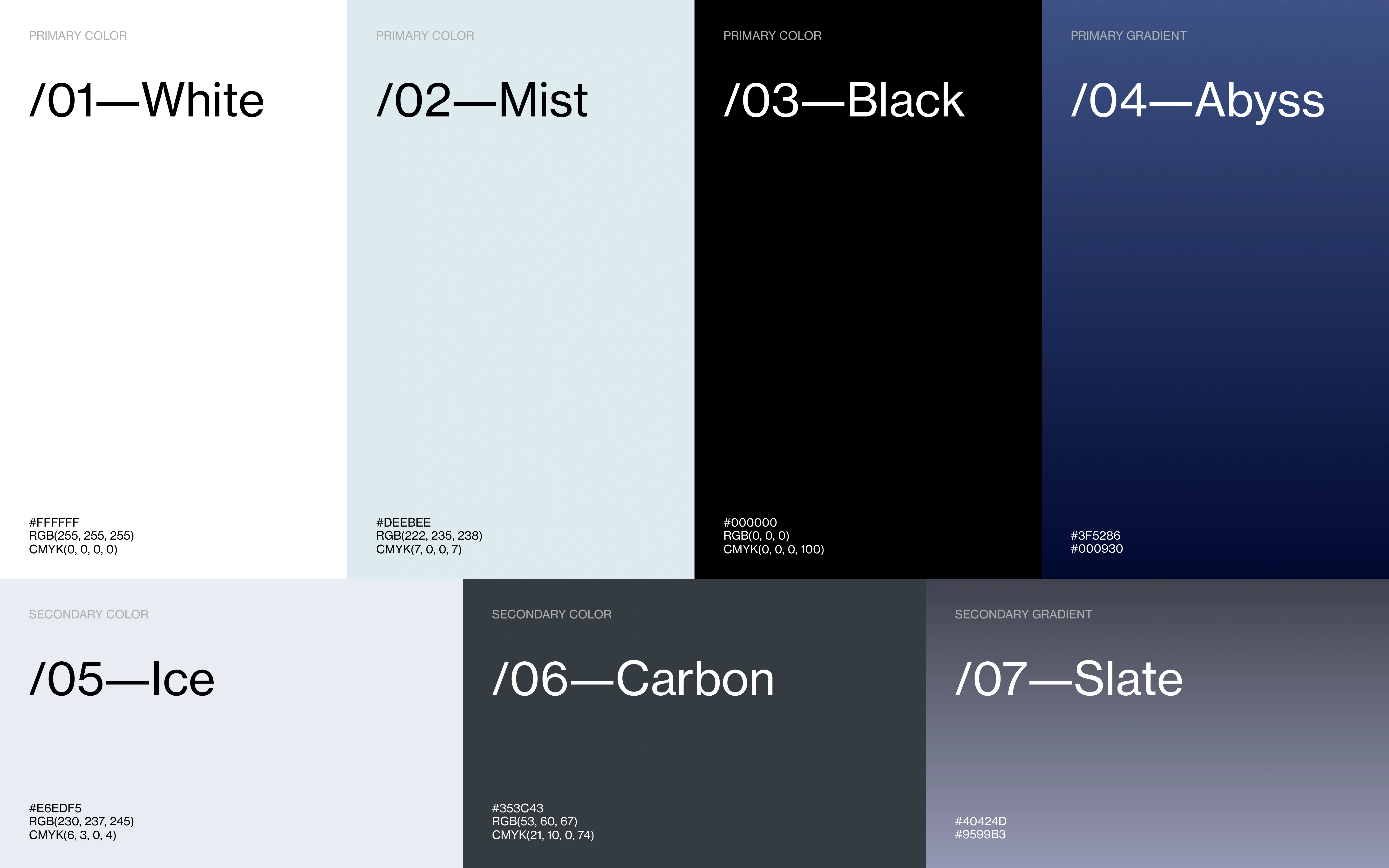
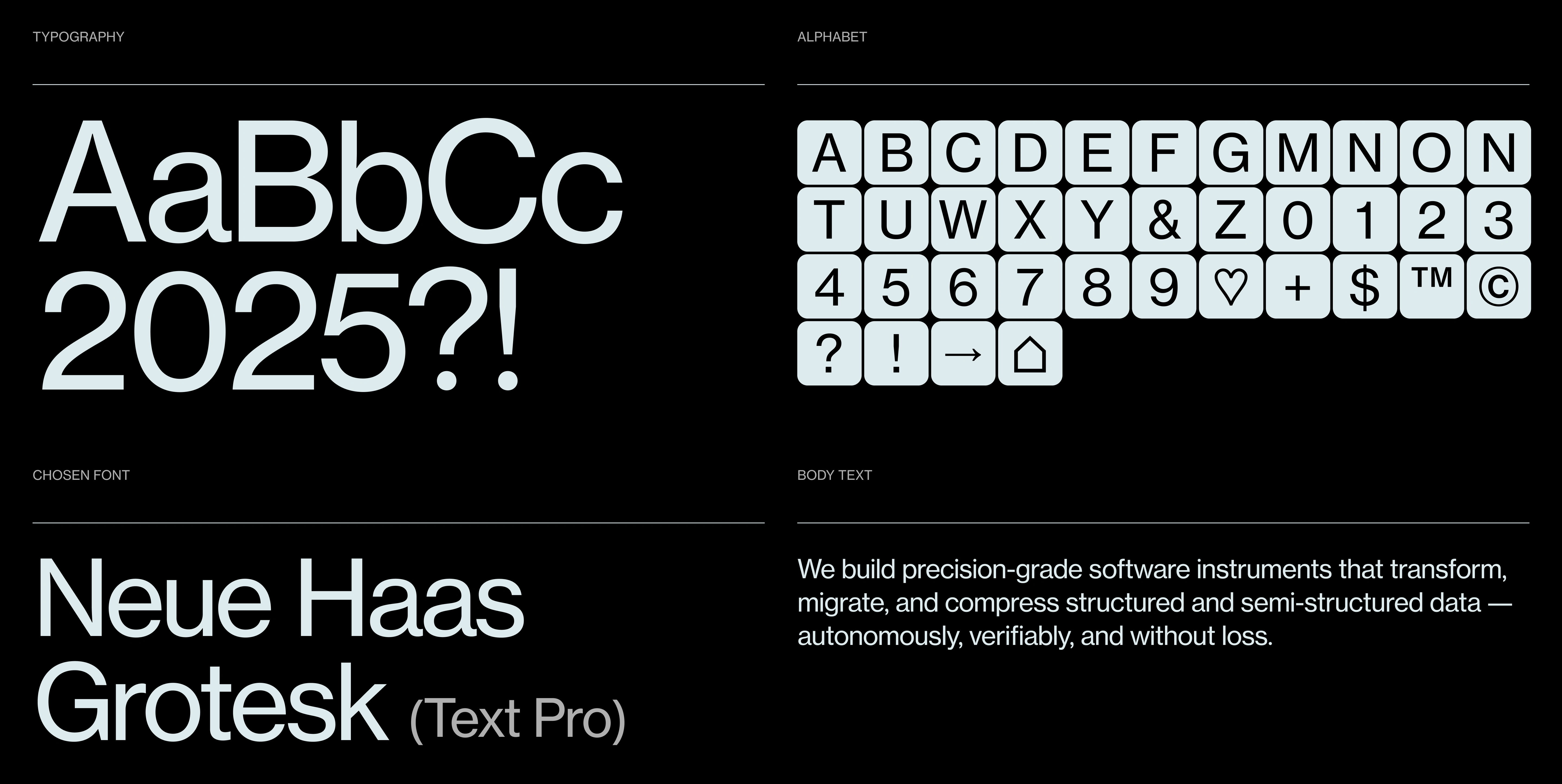
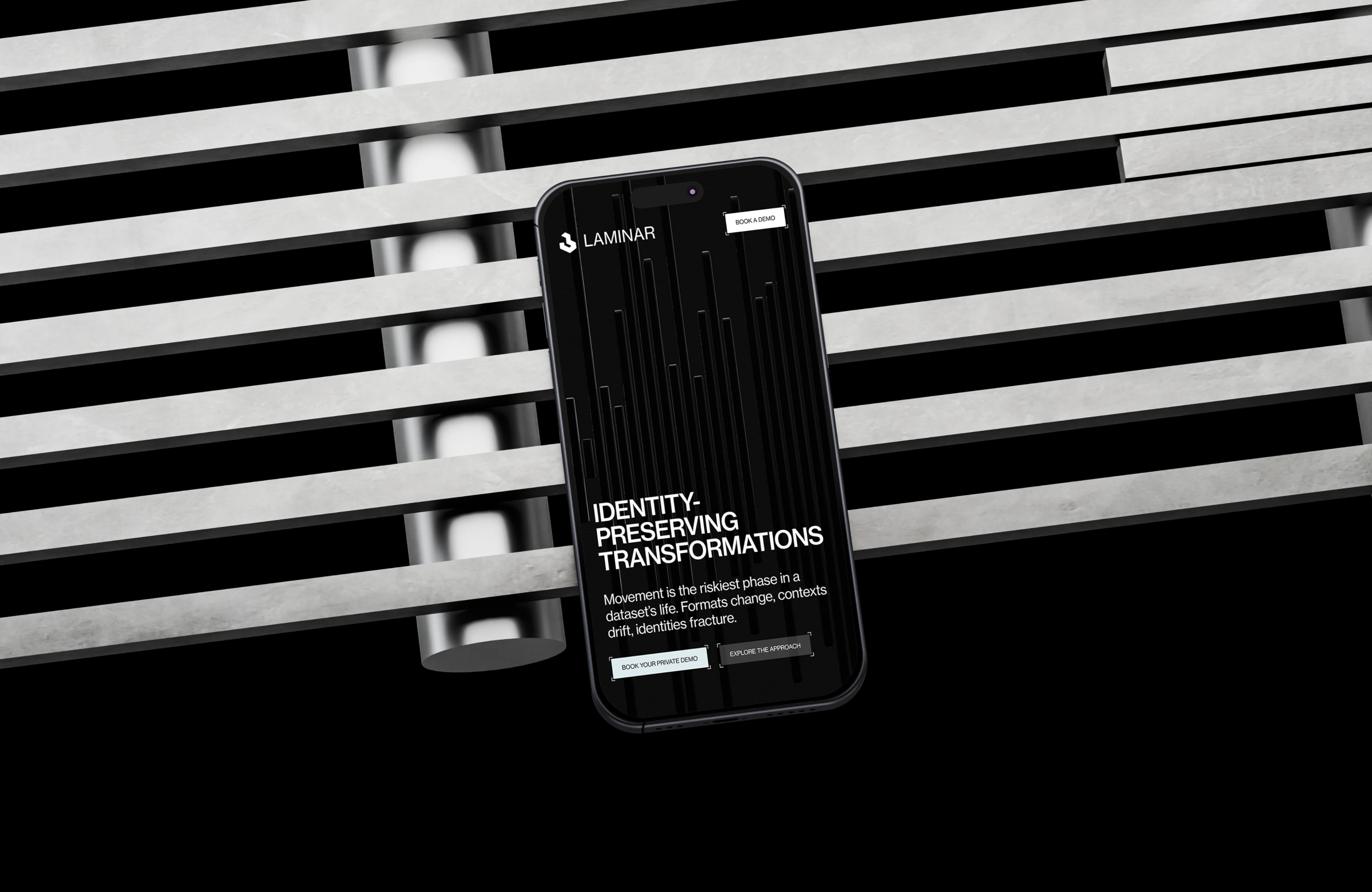
Typography establishes a technical and research-driven character while maintaining clarity across different communication formats.
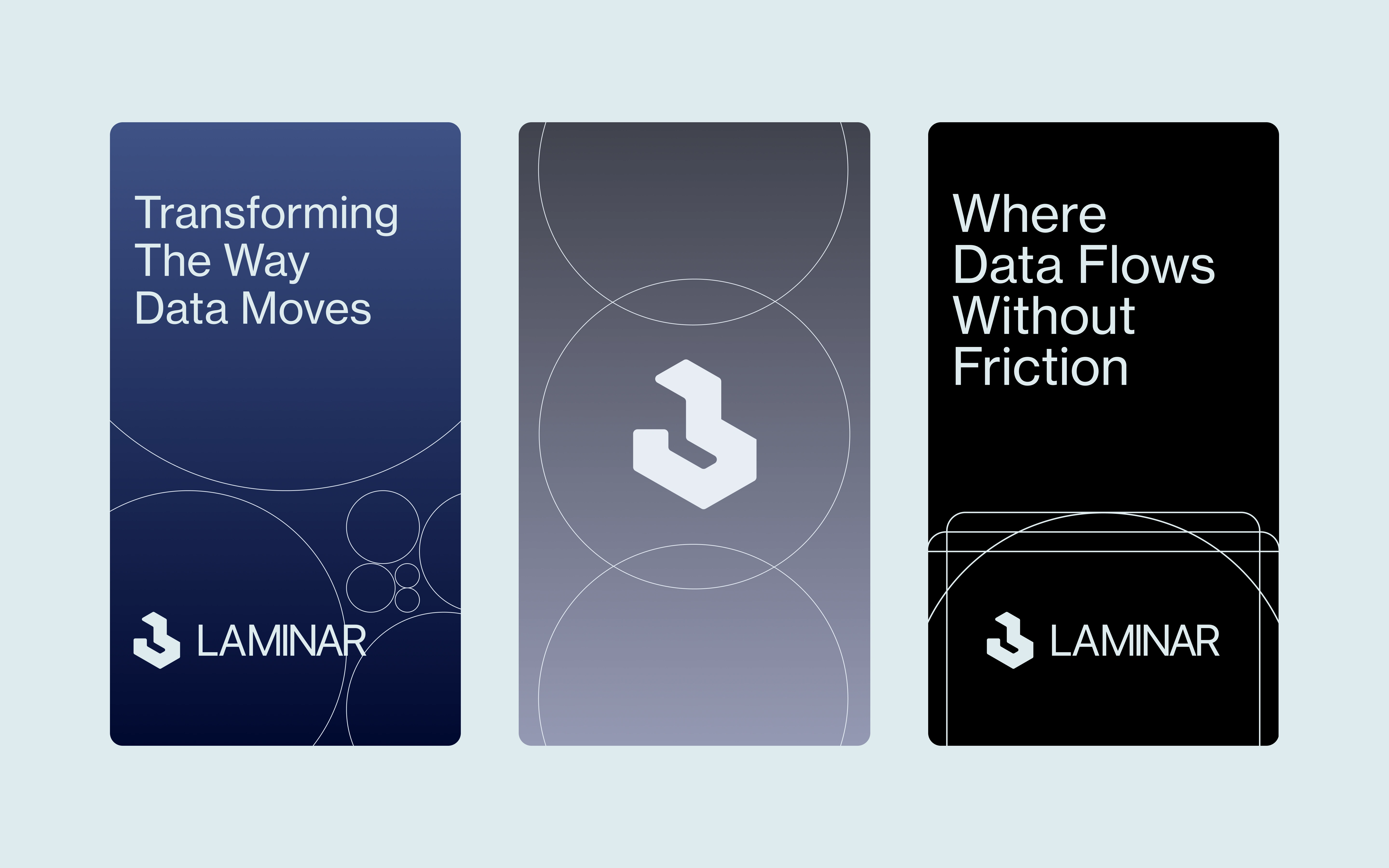
Geometric structures and modular compositions reference scientific instrumentation, computational architecture, dimensional constraints, and systems engineering.
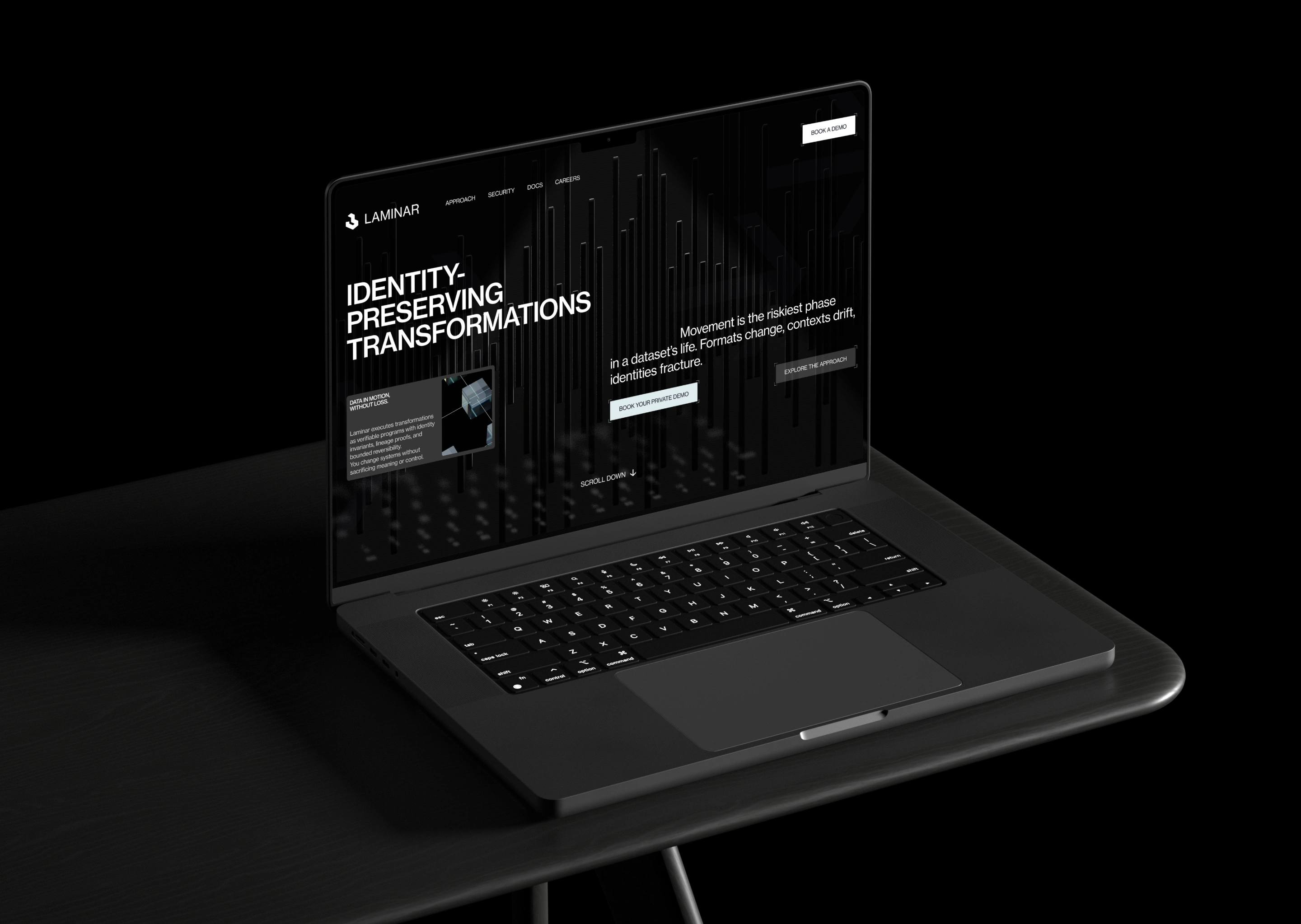
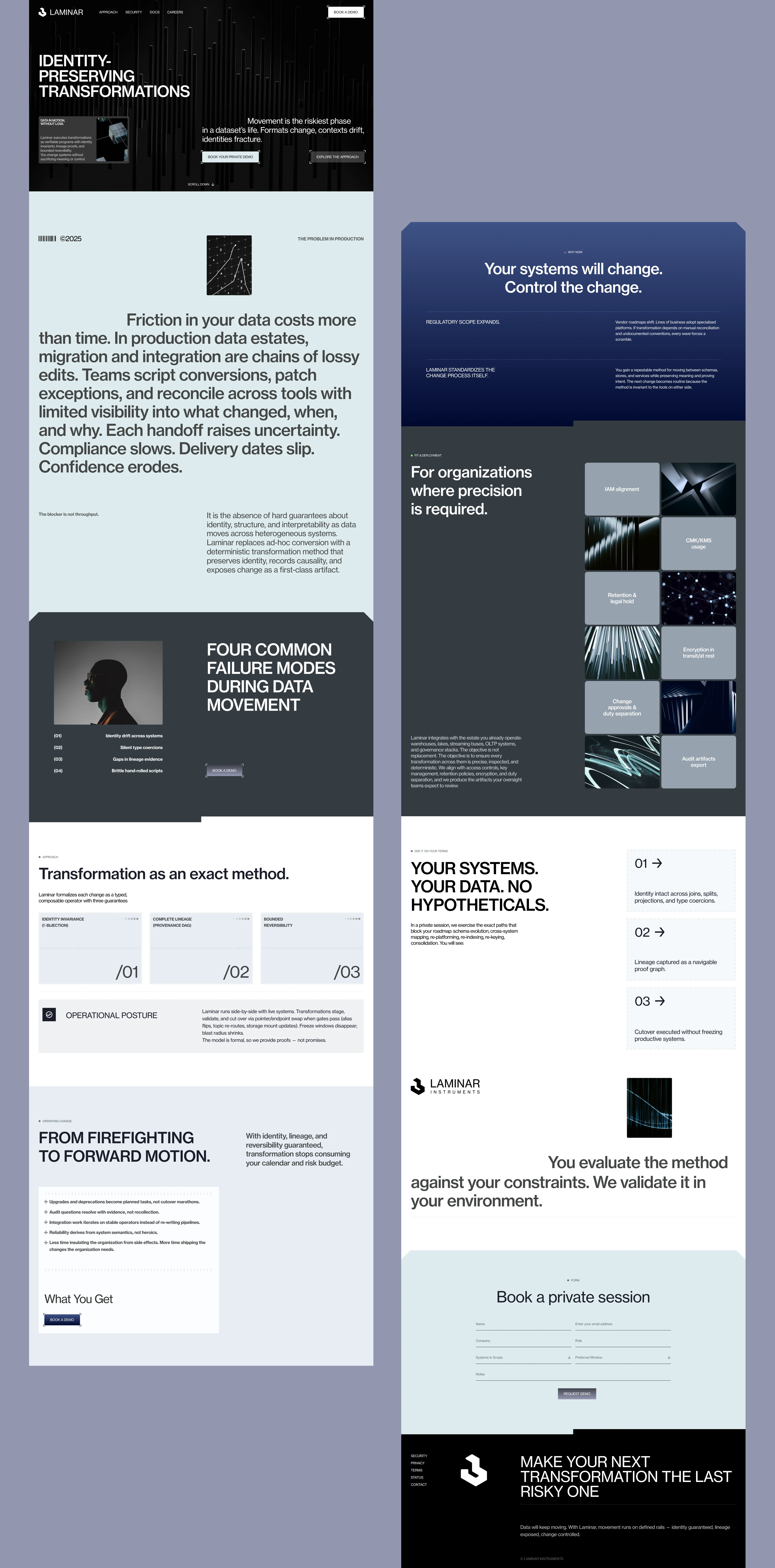
The graphic language can expand from simple brand applications into more complex technical and digital environments without losing consistency.
The result is a scalable deep tech brand identity system designed for a company operating at the frontier of computation and scientific innovation.

Software That Behaves Like an Instrument
One of the defining ideas behind Laminar Instruments is that software doesn't necessarily need to behave like conventional software.
Its instruments have their own rules, dimensions, constraints, and optimizations.
That distinction became an important part of the brand strategy.
Rather than presenting Laminar as another software company, the identity positions it as a new class of computational instrument.
The visual language reinforces that distinction through structure, precision, and a sense of engineered specificity.

Research Meets Infrastructure
Laminar Instruments is building technology intended to become foundational infrastructure.
That means the brand needed to work across two very different levels.
At one level, it needs to communicate research, scientific rigor, and technical expertise.
At another, it needs to communicate vision, scalability, and the potential to support next-generation computational environments.
The identity bridges these worlds without leaning too heavily into either.
It feels rigorous enough for researchers and engineers, while remaining ambitious enough for an innovation-driven technology company.
Built for a New Category
The brand system was designed with future expansion in mind.
As Laminar develops new instruments and technologies, the identity needs to support multiple products without turning each one into a separate visual world.
A consistent framework allows individual instruments to have their own characteristics while remaining part of the broader Laminar ecosystem.
This creates a scalable product branding and technology branding system built for a company whose category is still evolving.
The Impact
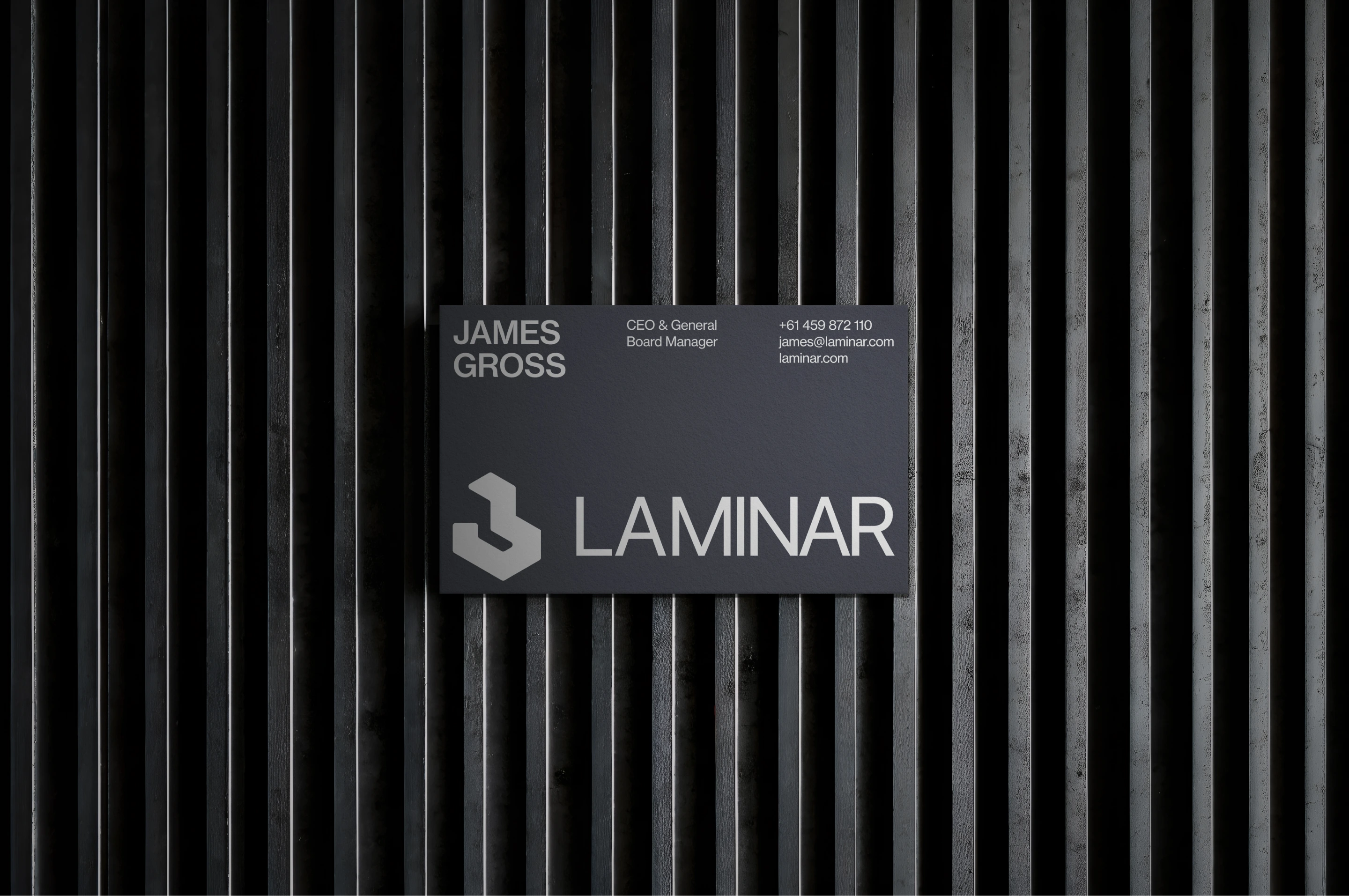
Laminar Instruments received a distinctive deep tech brand identity designed around scientific rigor, computational thinking, engineering precision, and technological innovation.
The project combines branding, logo design, visual identity, scientific branding, deep tech branding, technology branding, B2B branding, product branding, graphic design, typography, and art direction into a cohesive system.
A brand designed not for the technology that exists today — but for the computational infrastructure that comes next.
The Takeaway.
When you're creating a new category, the brand shouldn't explain the old one. It should make the new one feel inevitable.



Our Website
whales.design
Email:
Like this project
Posted Aug 17, 2026
Deep tech brand identity for a research-grade technology company developing software-native scientific instruments and next-generation computing infrastructure.
Likes
0
Views
13