MiSurg

Rachana Gone
MiSurg
Michigan Medicine • UX Designer
Optimizing the FLS training and feedback experience for surgical trainees at the University of Michigan Medical School.

Quick summary
Smart feedback for surgical training
FLS ( Fundamentals of Laparoscopic Surgery) is an assessment tool designed to evaluate the learner's understanding of the knowledge and skills required in basic laparoscopic surgery.
The American Board of Surgery requires certification in FLS for graduating residents.
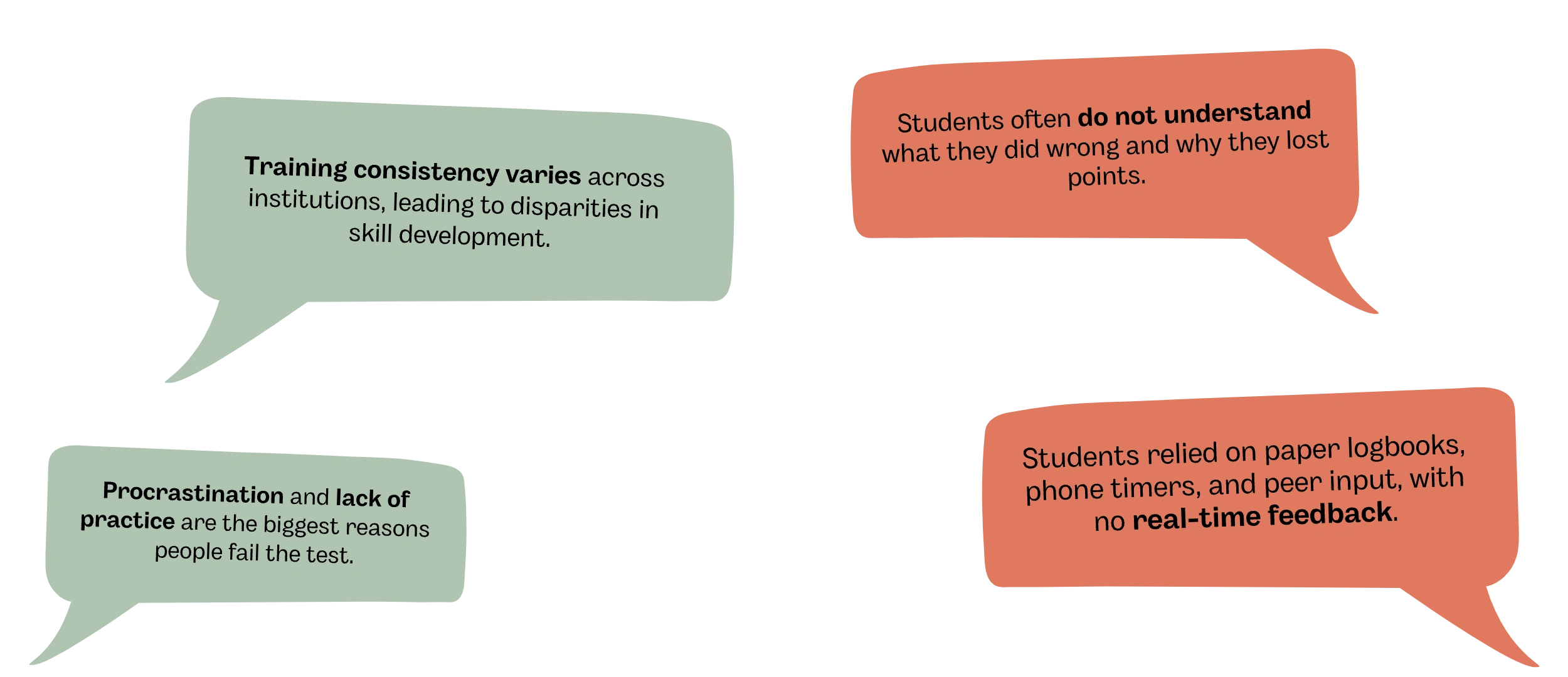
At the University of Michigan, practice is largely self-directed and lacks structured feedback, resulting in a longer-than-necessary learning curve.
So we designed MiSurg.
MiSurg is a digital tool built to enhance how medical trainees prepare for the FLS exam. It introduces real-time error detection, performance tracking, and instructor feedback; all in one system powered by AI and haptic radar.
Awarded 1st place for the Entrepreneurship/Innovation Award at the UMSI Exposition 2024.
Impact
3x
faster feedback with real-time alerts and post-session analysis.
80%
of users found the system to be helpful in identifying and correcting errors effectively.
2+ hrs/week
saved for instructors through asynchronous log review & feedback.
the problem
So, where did we start?
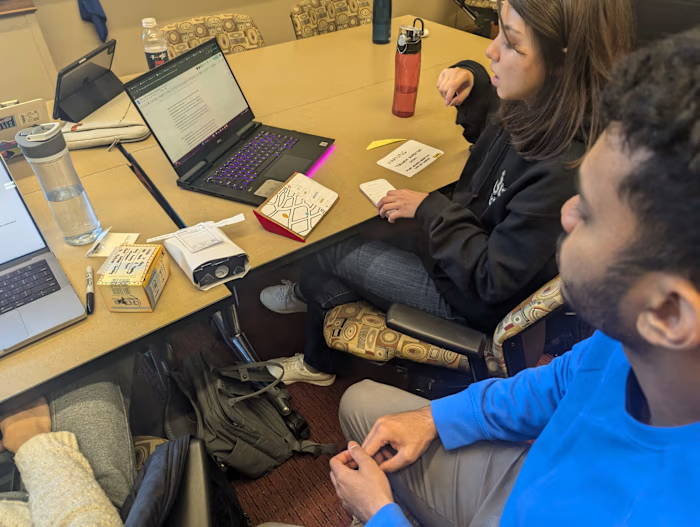
My team and I, coming from diverse backgrounds outside the medical field, had no idea where to start.

So we did the only thing that made sense—head to Michigan Medicine’s surgical simulation lab to watch it all in action.
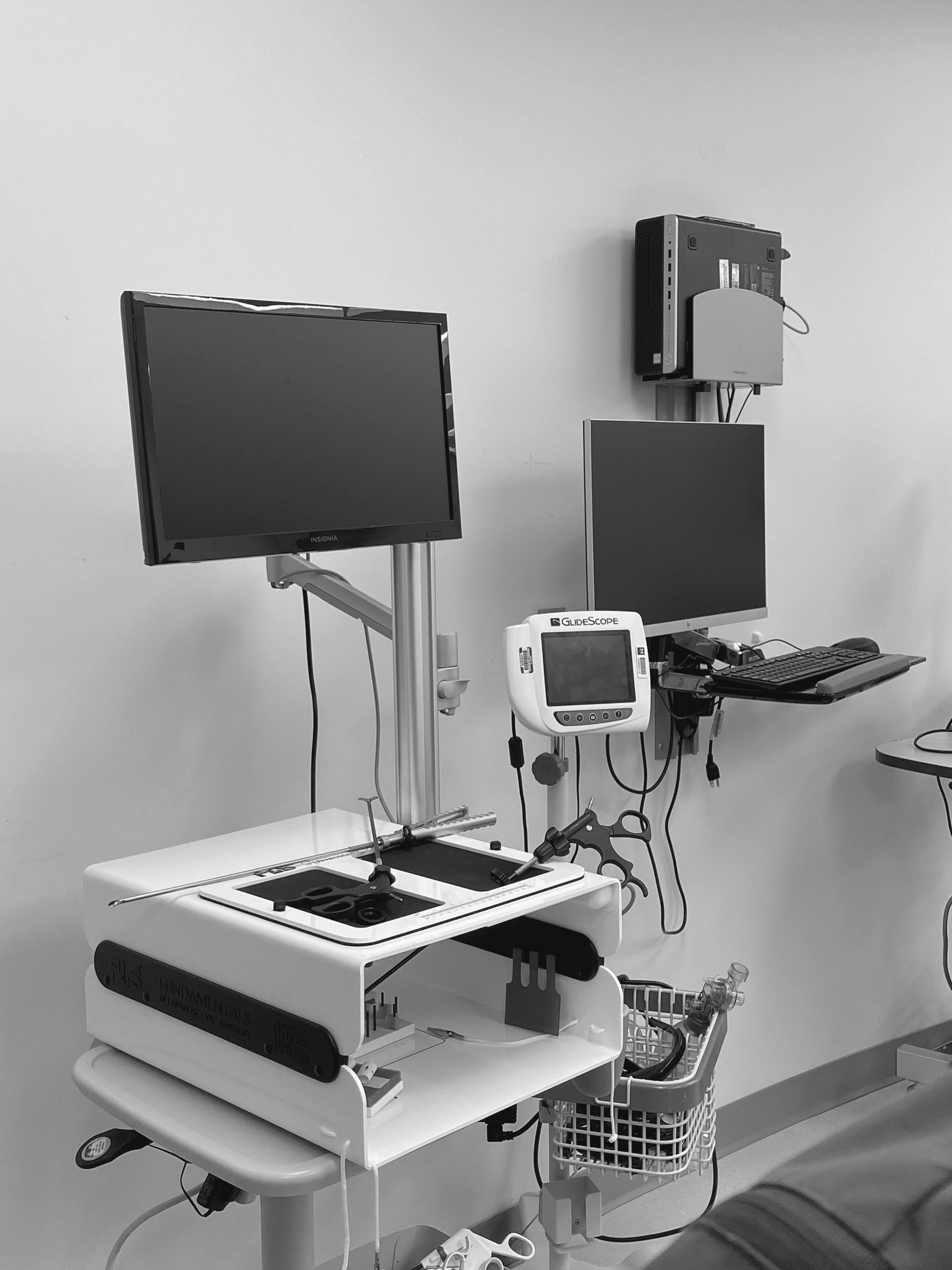
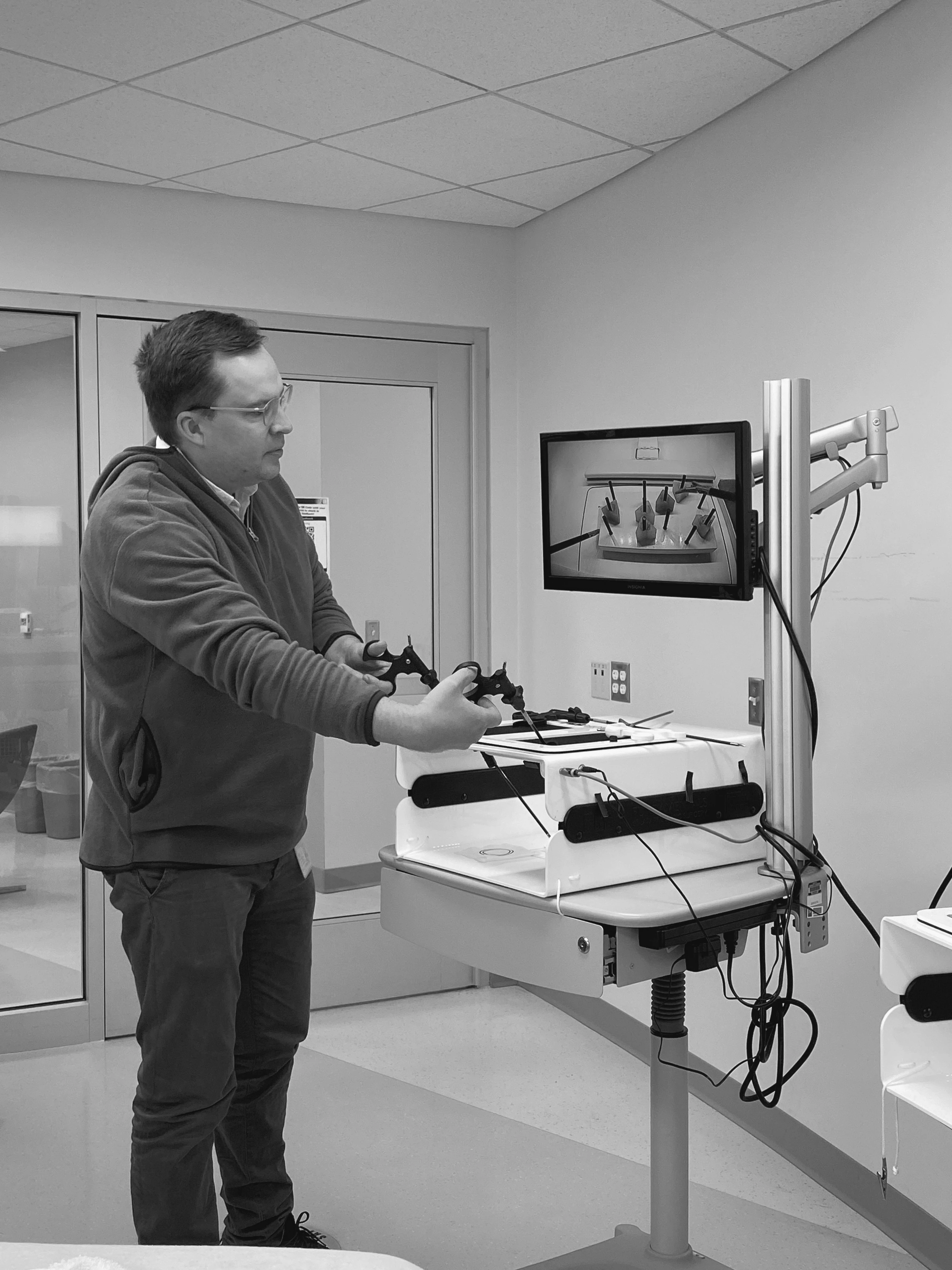
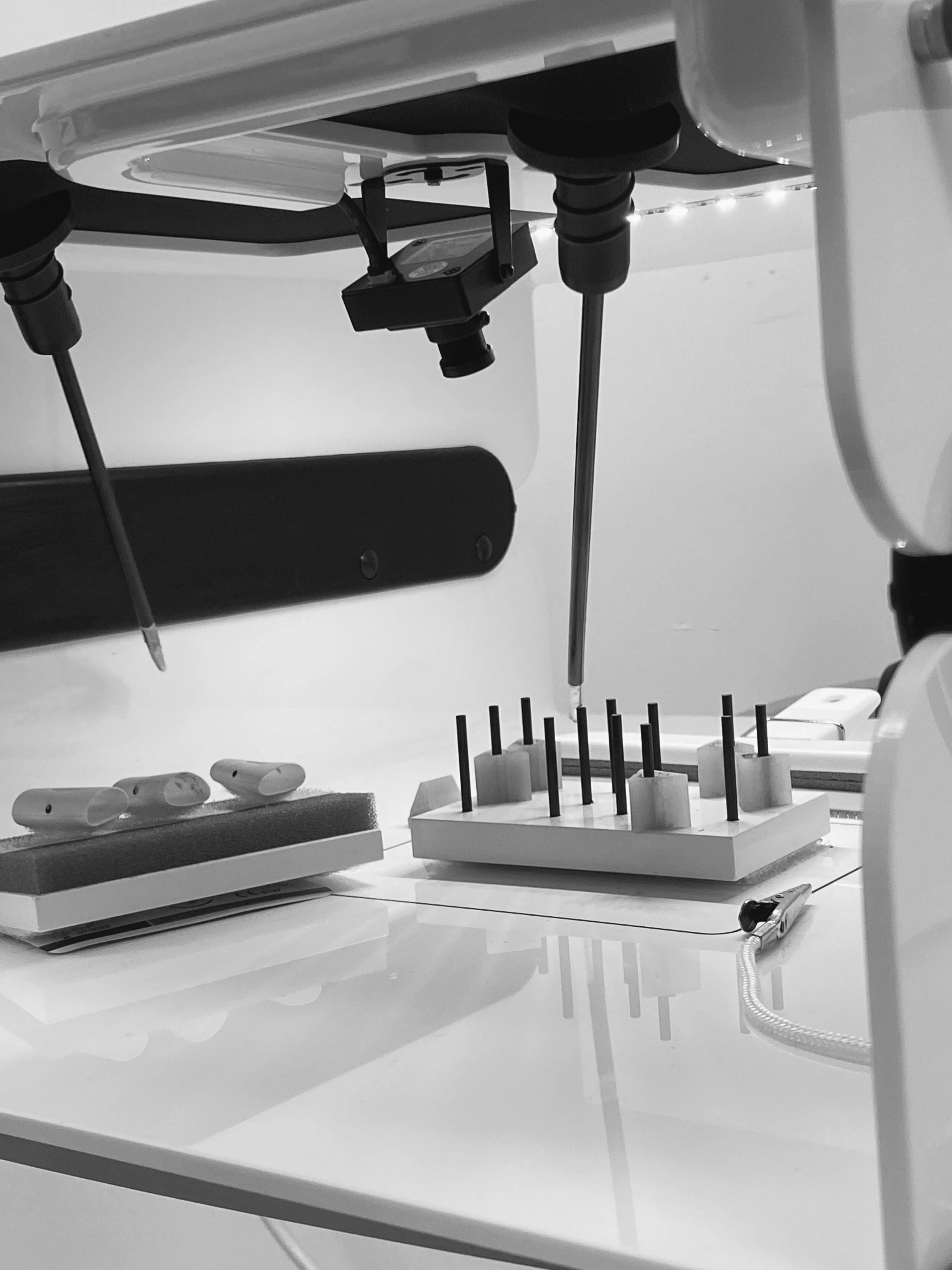
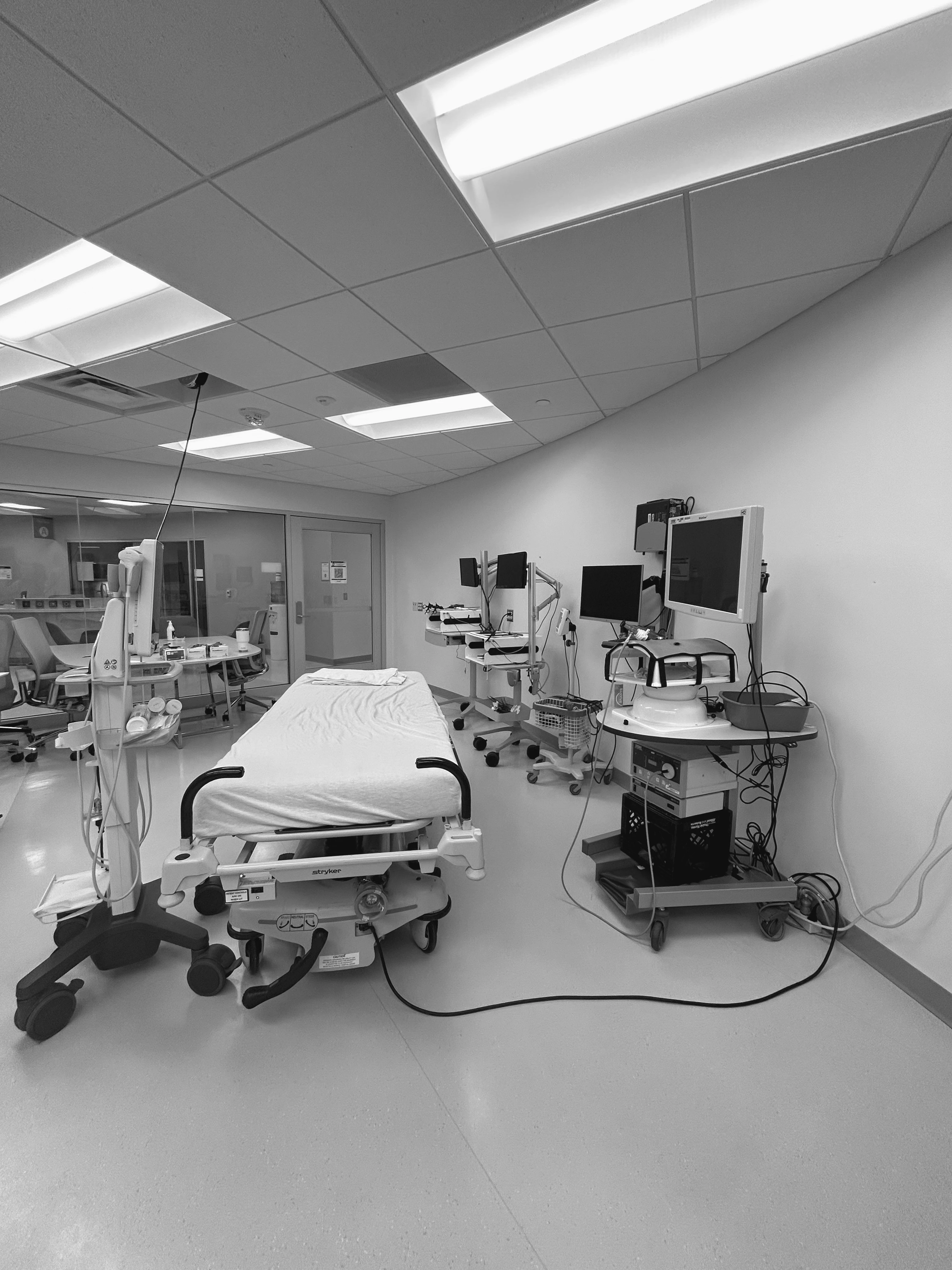
What did we observe?
At Michigan Medicine, trainees practice for the Fundamentals of Laparoscopic Surgery (FLS) exam, an essential certification that tests their precision, speed, and coordination through five simulation-based tasks.
The setup was advanced. The support system wasn’t.
No real-time feedback. No digital record of progress. Just phone timers, paper logs, and peer input.
That visit grounded our direction. We needed to design something simple, supportive, and feedback-focused, a tool that matched the precision of FLS with a smarter way to train for it.
Problem Statement
How might we give surgical trainees structured, real-time feedback so they can practice independently, stay motivated, and pass the FLS exam with confidence?
Design process
What did we do?
Problem Analysis
We began by observing FLS practice sessions in the simulation lab to identify students' challenges. Through divergent and convergent thinking, we mapped their frustrations and focused on the core issues.
The learning curve is too high. | Instructors lack visibility. | Students want to practice anytime. |
|---|---|---|
Students spend months practicing without clear feedback, which slows progress. | There’s no way to track how students are practicing or where they’re struggling. | But without real-time feedback, they can’t correct mistakes or know if they’re improving. |
Identifying gaps in feedback and flow
We mapped when, how, and if feedback was delivered and found the biggest drop-offs.
Learning from the people who live it up close
Interviews with trainees and instructors revealed what they need (and what they’re missing).
Exploring what others are doing
Our competitive analysis showed us what’s missing in current FLS tools: flexibility, feedback, and accessibility.
Understanding who we are designing for
From full-time residents to busy parents and overworked instructors—we designed for all.
Making sense of the mess (the best part)
We used storyboarding, user flows, and journey mapping to visualize how training could feel smoother.
Prioritizing features that actually help
Through QOC, we focused on what matters: immediate feedback, clear progress, and better planning.
Despite all our research and competitive analysis, we found no existing solution that addresses this specific gap in FLS training: real-time, personalized feedback for independent practice.
Design process
What didn't work?
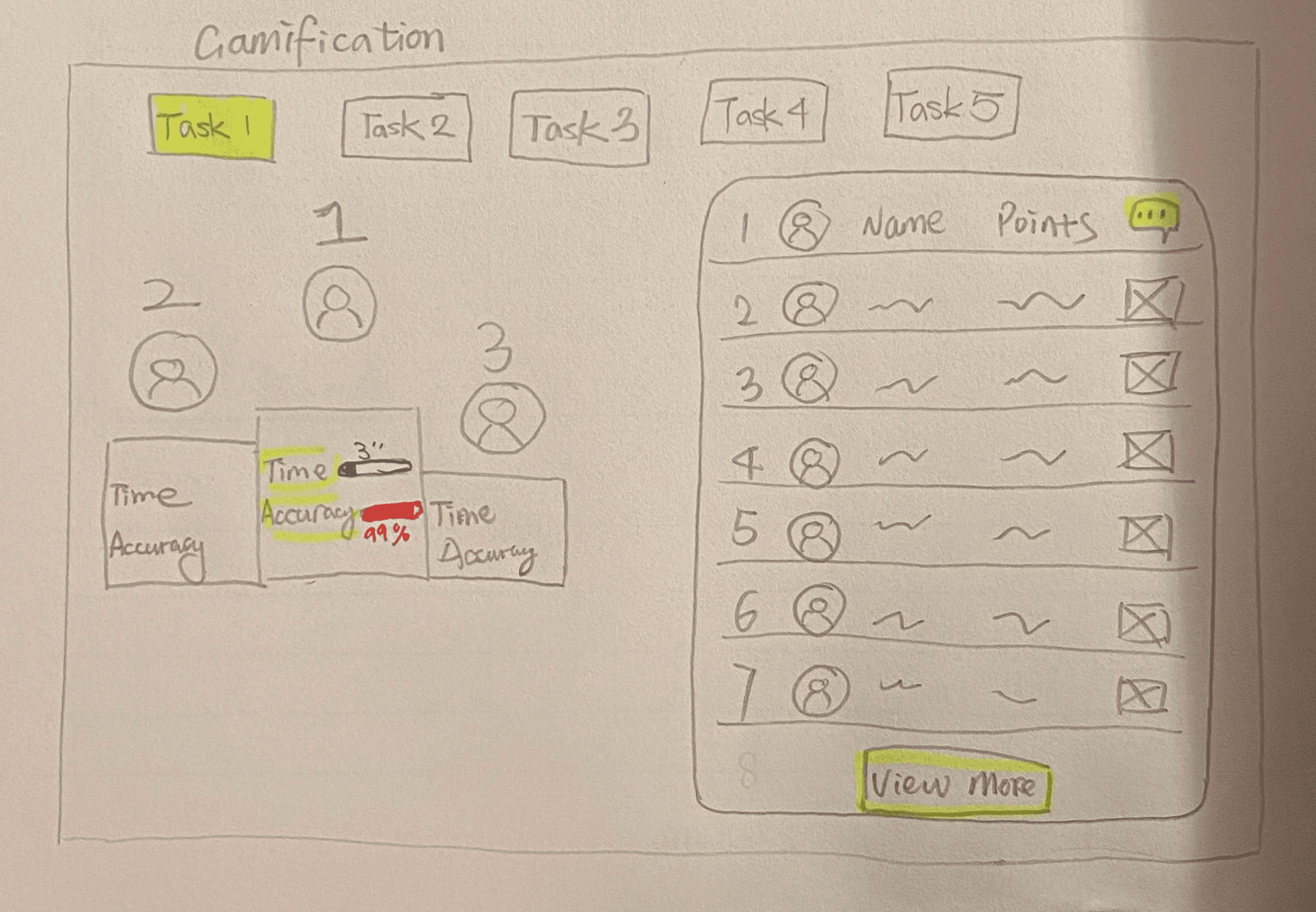
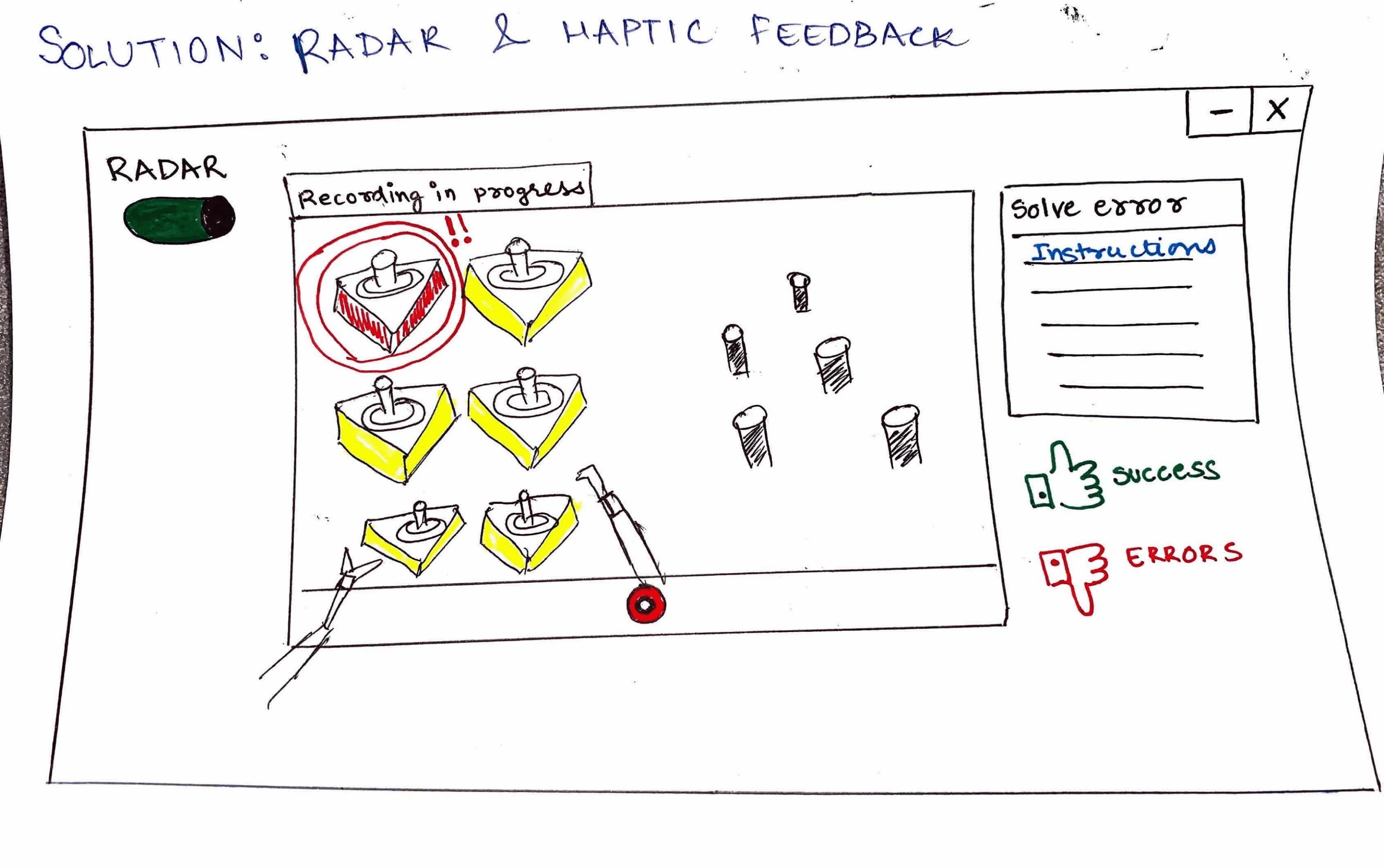
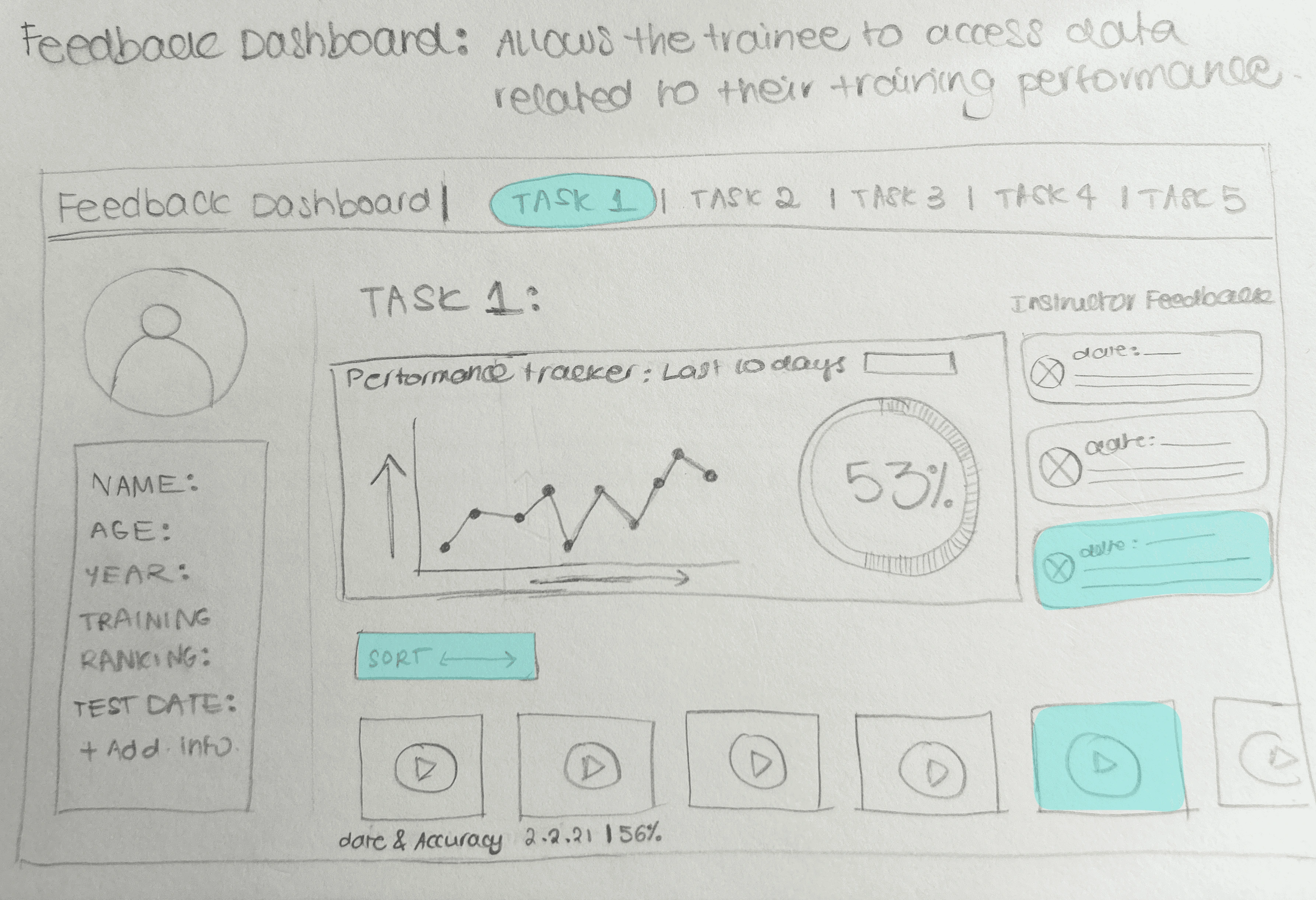
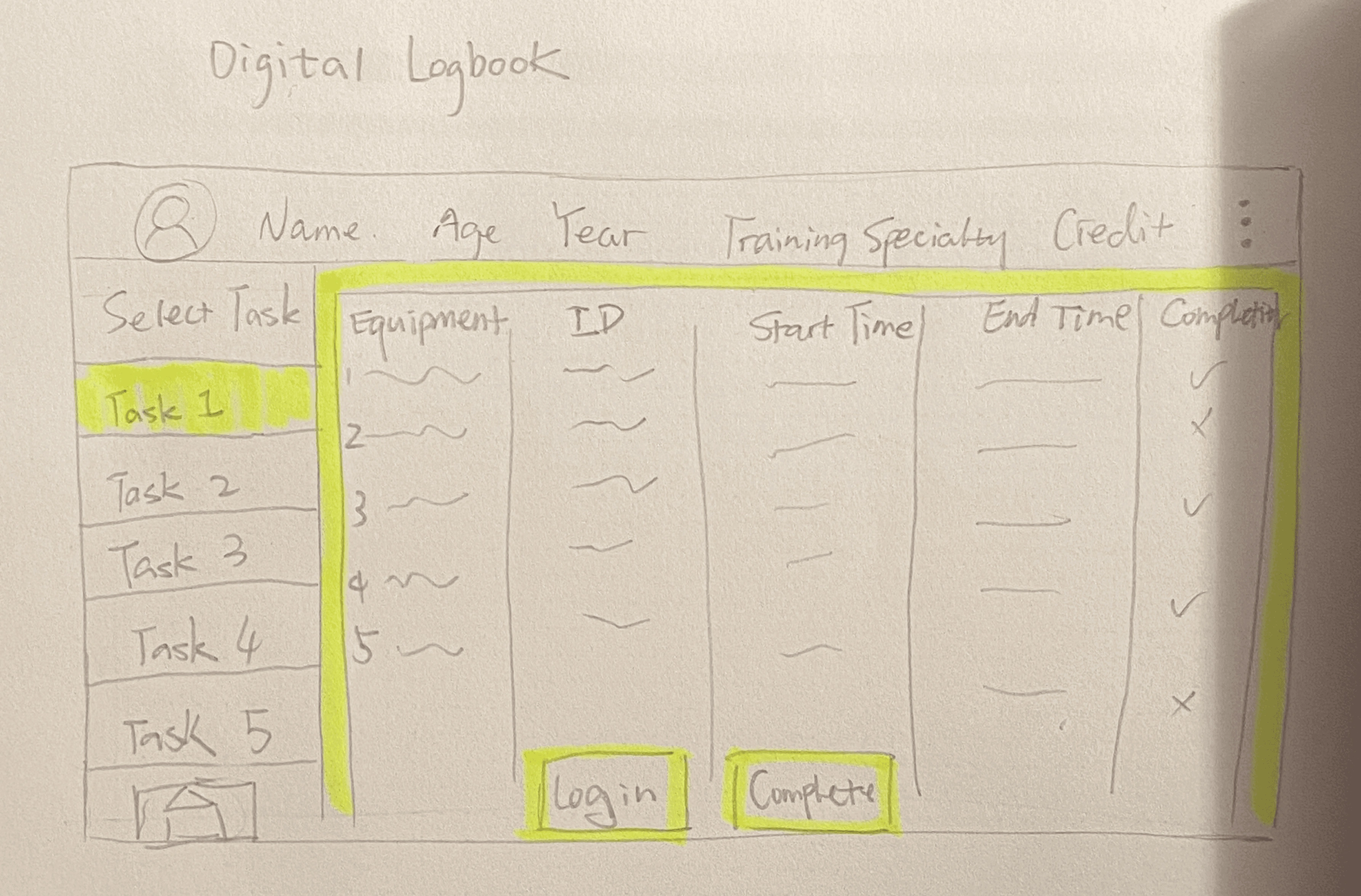
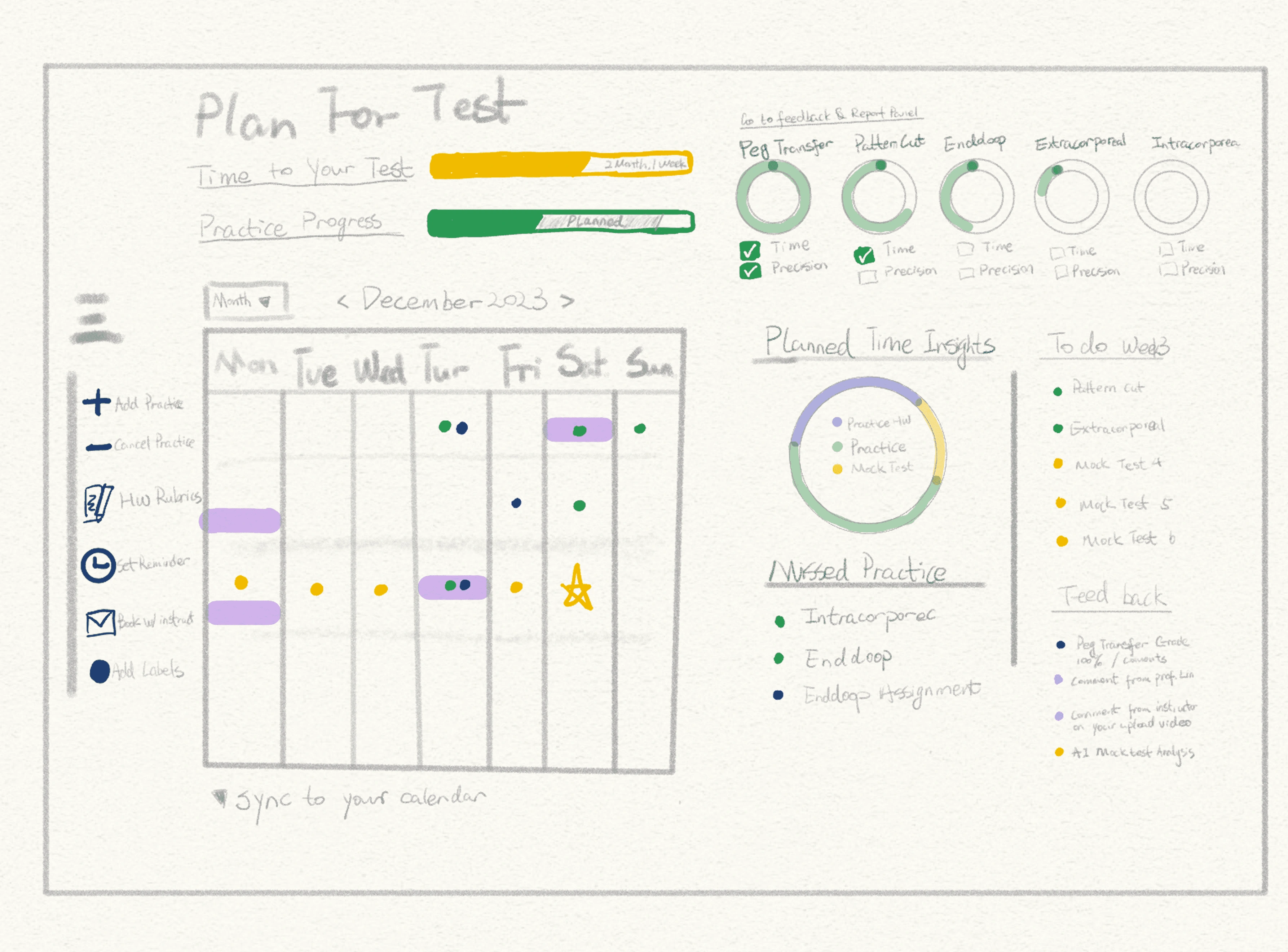
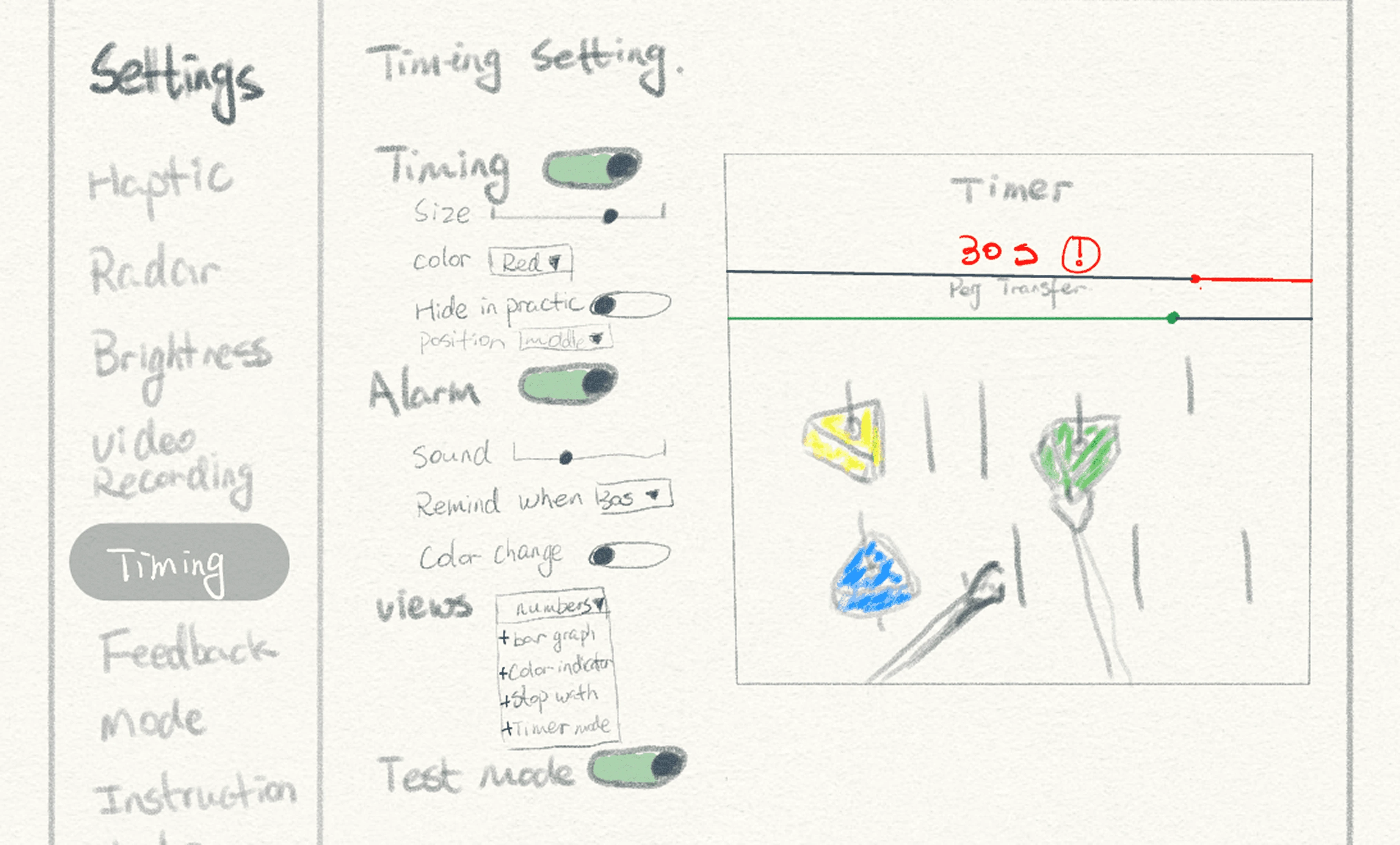
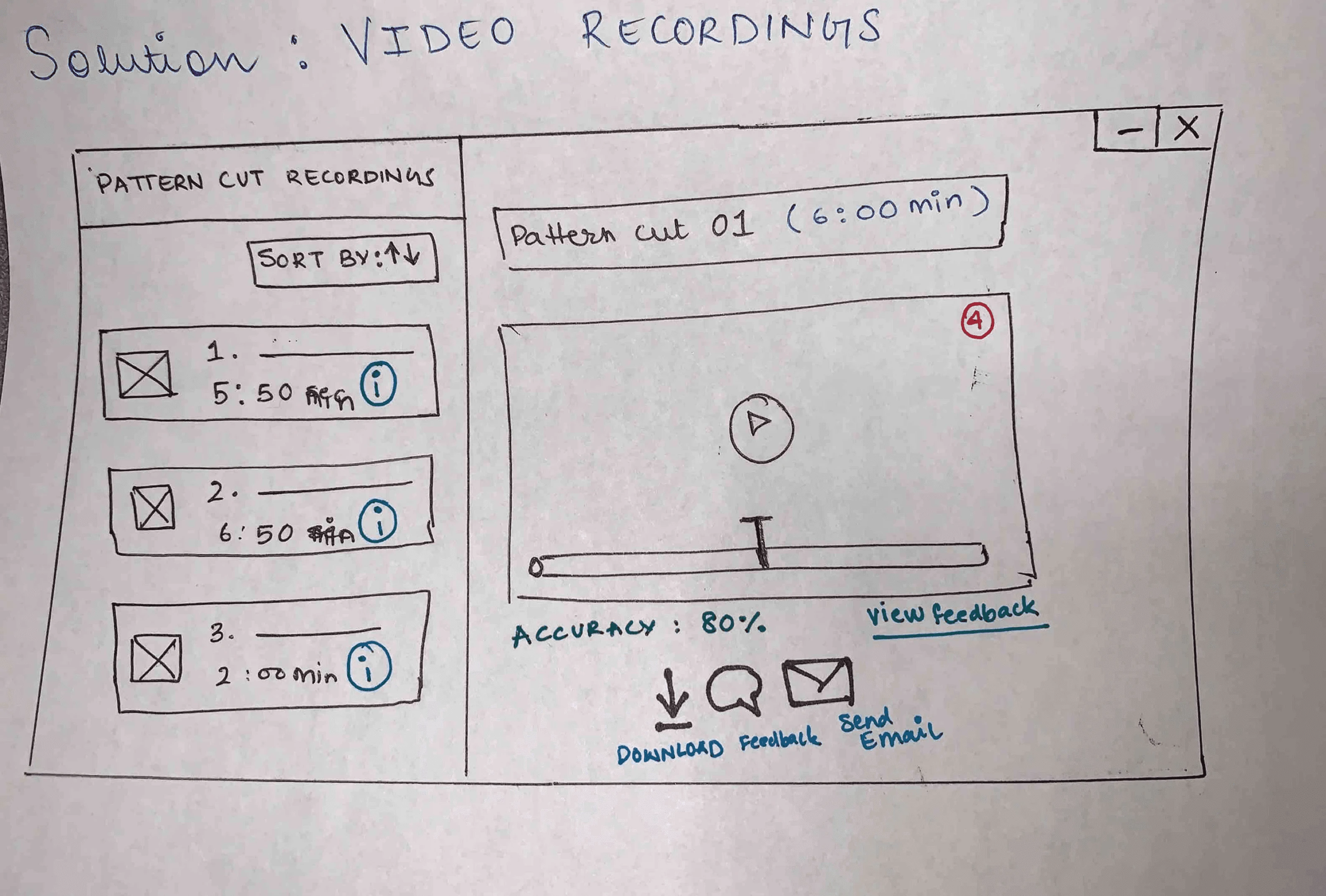
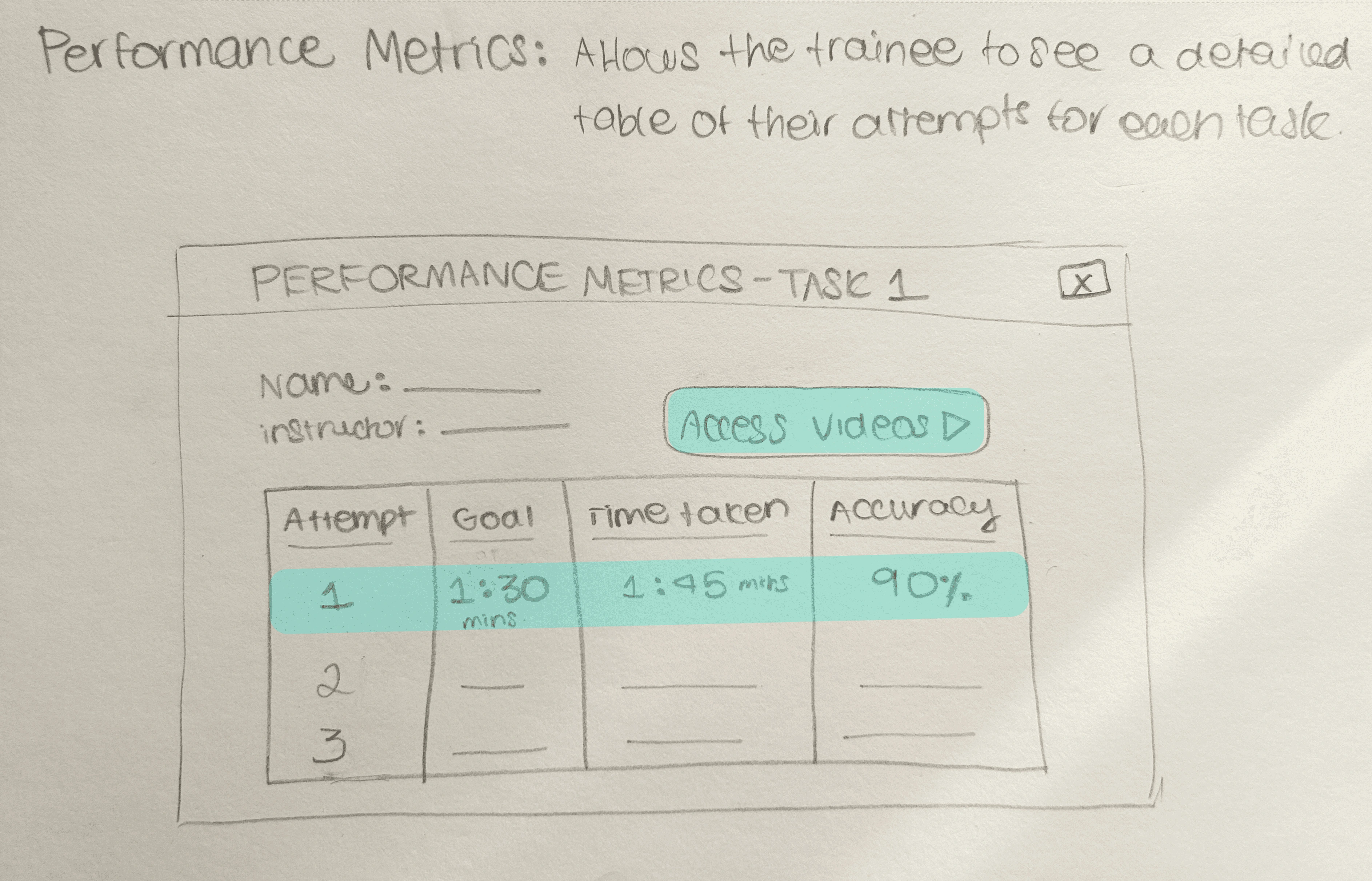
Not every idea was a winner. Here's what we tested, questioned, and let go of along the way:
Early sketches that missed the mark
We began with quick sketches to get ideas out of our heads and onto paper. Some focused too heavily on timers, static task checklists, or overly complex navigation. They lacked the flexibility and focus that real students needed.
AR integration
Cool idea in theory, but not in practice. It required expensive hardware, wasn’t self-serve, and distracted from our goal: simple, independent practice.
Instructor-first design
Our first concepts assumed instructors would guide every step. But in reality, they can’t be present all the time. We shifted to designs that worked even if students practiced completely solo.
Overloaded dashboards
We packed in too much: feedback graphs, rankings, video logs, all on one screen.
It looked powerful but felt overwhelming. In testing, users preferred just enough information, shown at the right time.
final dESIGN
What DID work?
A smarter solution to train for surgery.
MiSurg is a digital tool built to enhance how medical trainees prepare for the FLS exam. It introduces real-time error detection, performance tracking, and instructor feedback; all in one system powered by AI and haptic radar.
It’s structured to fit into real-world training workflows and help students build confidence through better, faster feedback.
Goal 1
Give trainees a clear, personalized view of their journey to passing the FLS exam.
Trainees see their task-wise progress, time spent, upcoming milestones, and feedback history. It’s designed to reduce stress, avoid last-minute cramming, and make practice feel purposeful.
Goal 2
Help instructors track student progress without needing to be in the room.
The instructor dashboard gives an at-a-glance view of student rankings, practice frequency, task completion, and scheduling conflicts. Instructors can quickly identify who needs help—and when—without sifting through paper logs or emails.
Goal 3
Help trainees quickly detect and correct surgical errors, without needing an instructor present.
MiSurg uses AI-powered radar and subtle haptic alerts to notify users in real time when they make a mistake, such as incorrect tool positioning or unintended motion. This immediate feedback builds muscle memory and reinforces safer habits.
Goal 4
Motivate trainees through healthy competition or private, personal progress.
For students who thrive on competition, we built a leaderboard. For those who prefer solo goals, there’s a private tracker that shows percent complete per task. Either way, students see improvement and stay motivated.
Goal 5
Enable students to review, reflect, and learn from every session.
Each training session is automatically recorded. Students can watch it back at any time, at 2x speed or frame-by-frame, and share it with instructors for targeted feedback. It’s like having a mirror for your surgical practice.
Reflection
What did I learn?
Designing for a field as high-stakes as surgery meant I had to be extra intentional in screening, every flow, every word needed to serve a purpose.
Working with a problem I had no personal experience with pushed me to ask better questions, listen more, and lean on user stories to drive design decisions.
I learned how much feedback systems shape behavior, especially when that feedback is immediate, visual, and accessible outside of the practice room.
Our team had to continuously simplify: not just the UI, but also how we communicated data, performance, and goals to both students and instructors.
This was also one of my first deep dives into medical UX and designing for behavior change. I realized how powerful it can be to combine motivation, structure, and empathy.
This project sparked my deeper interest in building thoughtful, AI-powered tools for healthcare and education, spaces where design has the potential to change lives.
Like this project
Posted Apr 7, 2026
Developed MiSurg, a tool for real-time feedback in surgical training.
Likes
0
Views
5
Tags