Brand & Product Design work

Daksh Aswall
Verified


Workers: Brand and Product Design Work
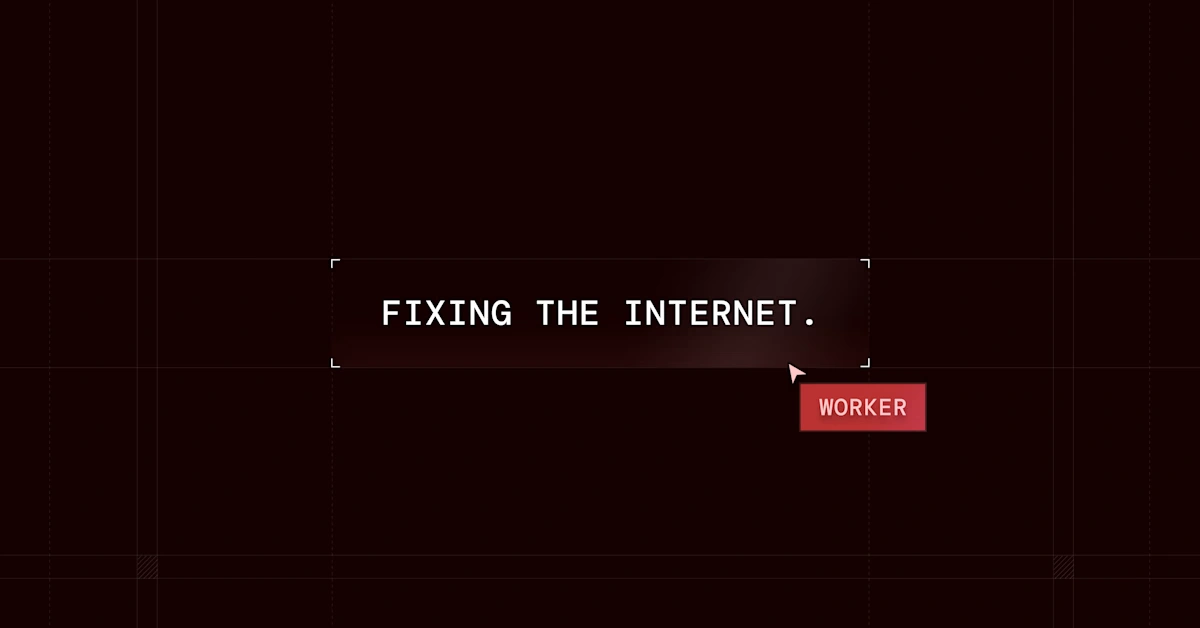
Workers.io is building the AI workforce for ops. Not chat agents. Not copilots. Actual deployable workers that show up inside the tools enterprise teams already use, take on the work, and learn the job.
Strong product. Real category-defining ambition. But when they came to us, the brand wasn't carrying the weight of what they were building...
The problem
Workers.io was sitting in the most crowded category in AI right now. Every other launch this year is calling itself an "agent platform," an "AI workforce," or a "vertical agent for X." Inside that noise, even genuinely differentiated products get flattened into the same evaluation bucket.
Workers had the technical chops to be considered for enterprise pilots. But the brand didn't yet do the qualifying work upfront. Enterprise procurement teams need to feel something specific in the first ten seconds: this is infrastructure I can stake a budget on, not a demo someone will ghost on in six months. The site wasn't getting them there fast enough, and the broader brand wasn't backing up the conversations the sales team was trying to have.
The job wasn't to make Workers look like another agent platform. The job was to pull them out of that category entirely.
The approach
One strategic call shaped everything: stop selling agents. Start selling workers.
The category positions itself around capability ("our agent can do X"). Enterprise buyers don't think in capabilities. They think in headcount, in roles, in deliverables they can measure. Reframing the product as a workforce, not a toolkit, changed every downstream decision.
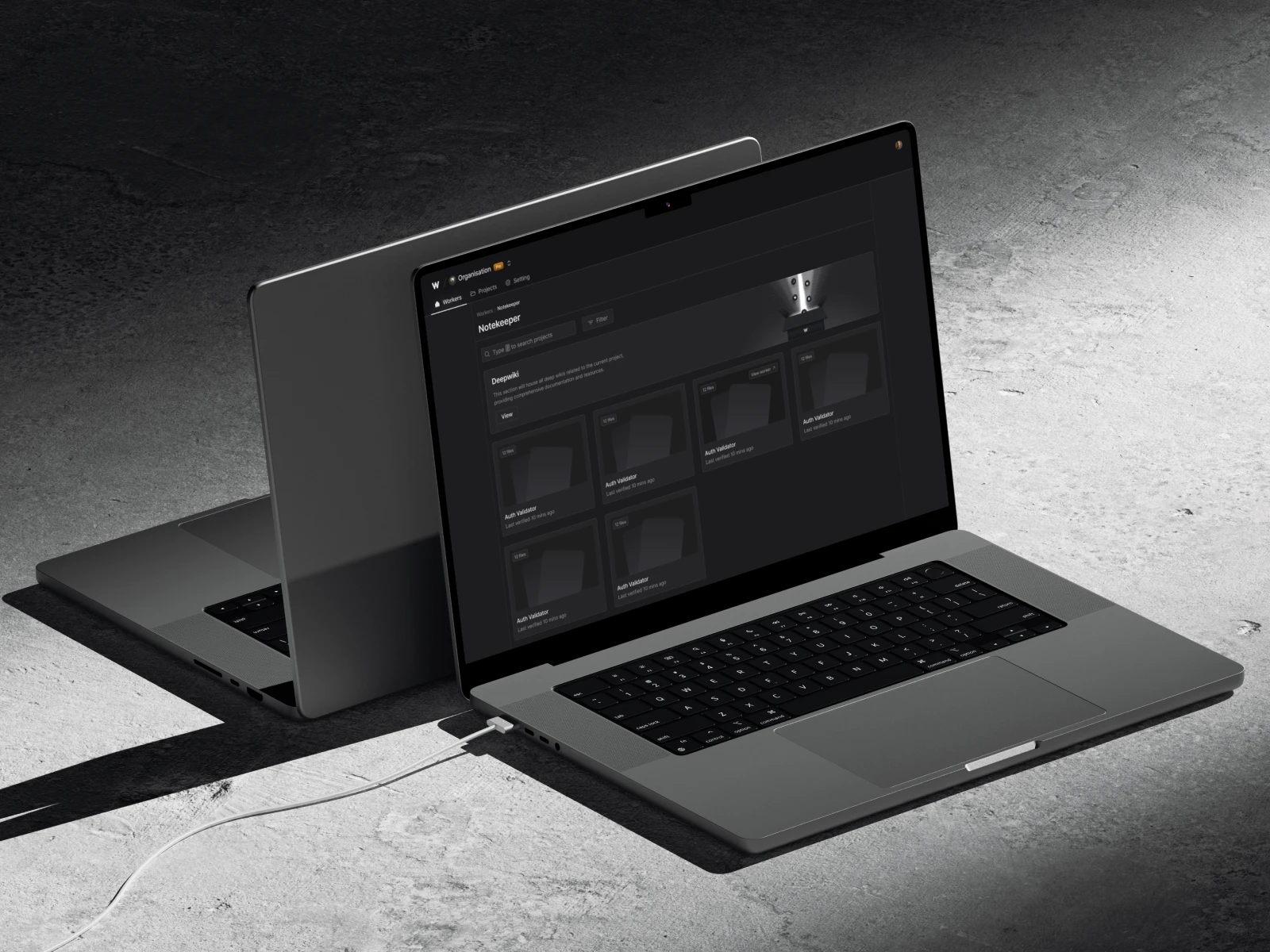
Brand. Built around the workforce metaphor with discipline. Not gimmicky, not literal. The visual system signals operational seriousness, the kind of thing that fits in an org chart rather than a feature comparison. Restrained color, deliberate motion, type that reads more like Bloomberg than Product Hunt.
Website. Architected around the buyer journey for someone evaluating a new line item on a procurement budget. Hero leads with the workforce framing, not the technology. Use cases shown as roles deployed inside real workflows, not abstract capabilities. Trust signals (the logos of partners and customers Workers had earned) placed where enterprise buyers look for them. Every section answers a real procurement objection in the order it gets asked.
Product. The same workforce language extended into the product surface. Workers don't get configured, they get deployed. Don't get prompted, get briefed. The vocabulary and the interaction patterns reinforce the position the brand is selling.
The outcome
Workers.io closed enterprise partnerships with Salesforce, PostHog, Cal.com, and Gumroad. The kind of partner roster that doesn't happen by accident in this category. The brand and website did exactly what they were built to do: get Workers taken seriously by buyers who would have previously slotted them next to fifty other agent platforms.
The repositioning held. From "another AI agent company" to a workforce enterprise teams actually deploy.
Like this project
Posted Oct 10, 2025
Strategic brand repositioning & website sprint for Workers.io. Post-launch, they closed enterprise partnerships with Salesforce, PostHog, Cal.com, and Gumroad.
Likes
5
Views
137
Timeline
Jul 28, 2025 - Ongoing
Clients
10XU Inc