AI Campaign Assets + Agents for DTC Growth


AI Campaign Assets + Agents for DTC Growth





AI & ML Engineer
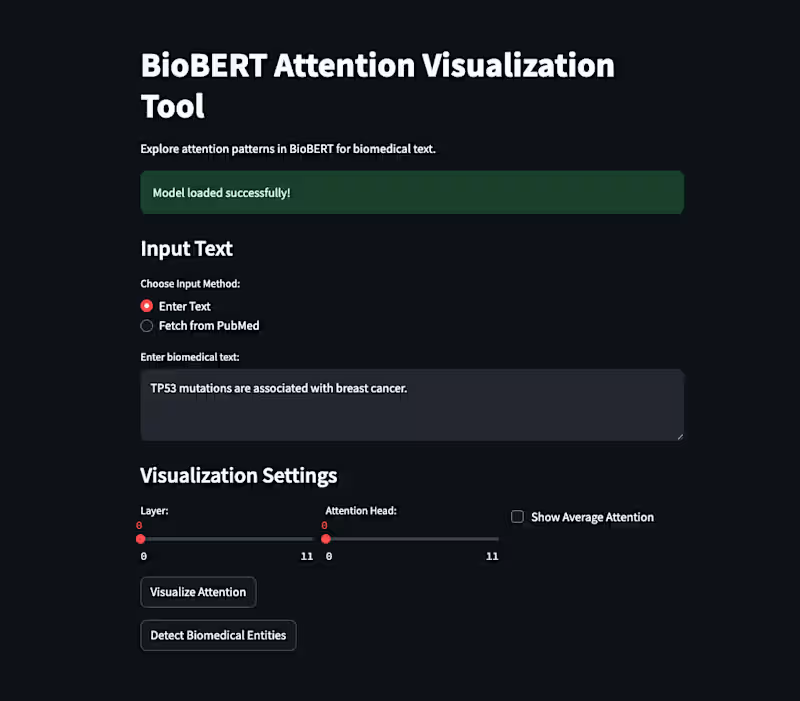
BioBERT Attention Visualization Tool
An interactive web application for visualizing attention mechanisms in BioBERT on biomedical text. This tool helps researchers and practitioners understand how transformer models process biomedical language by providing intuitive visualizations of attention patterns.
1
162
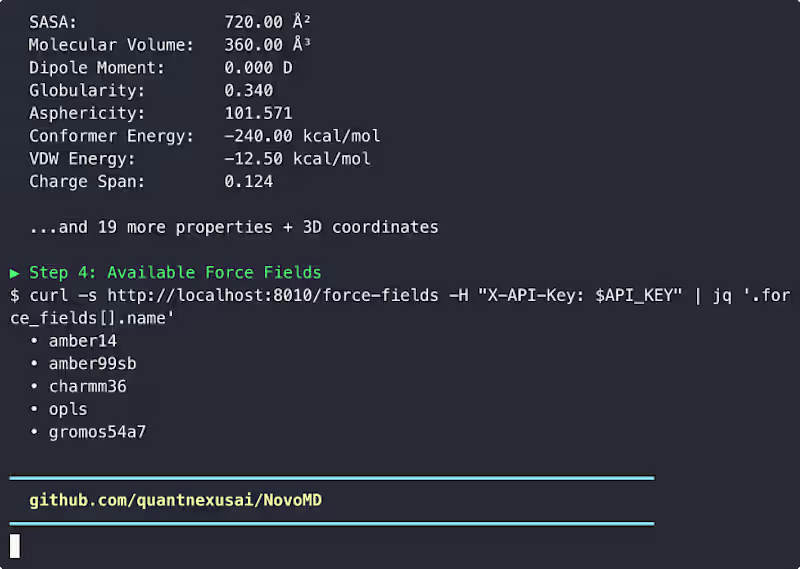
Open-source REST API for molecular dynamics simulations, protein-ligand docking, and conformational analysis.
Features
SMILES to OpenMD Conversion: Convert SMILES strings to OpenMD format files with real 3D optimization
Comprehensive Property Calculation: 32+ molecular descriptors calculated from real 3D coordinates
Multiple Force Fields: Support for AMBER, CHARMM, OPLS, and GROMOS force fields
Real Calculations Only: No mock data - all properties derived from actual 3D structures
1
203


Websites, videos and logos for your business




FOI: AI skills for hospitality robots
FOI: AI skills for hospitality robots
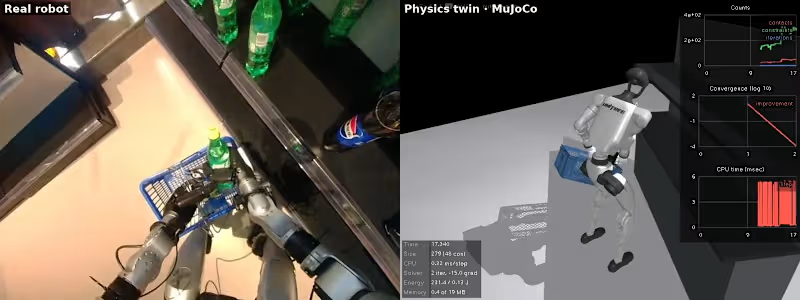
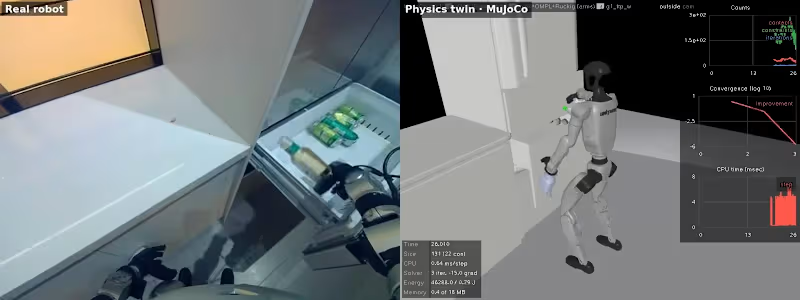
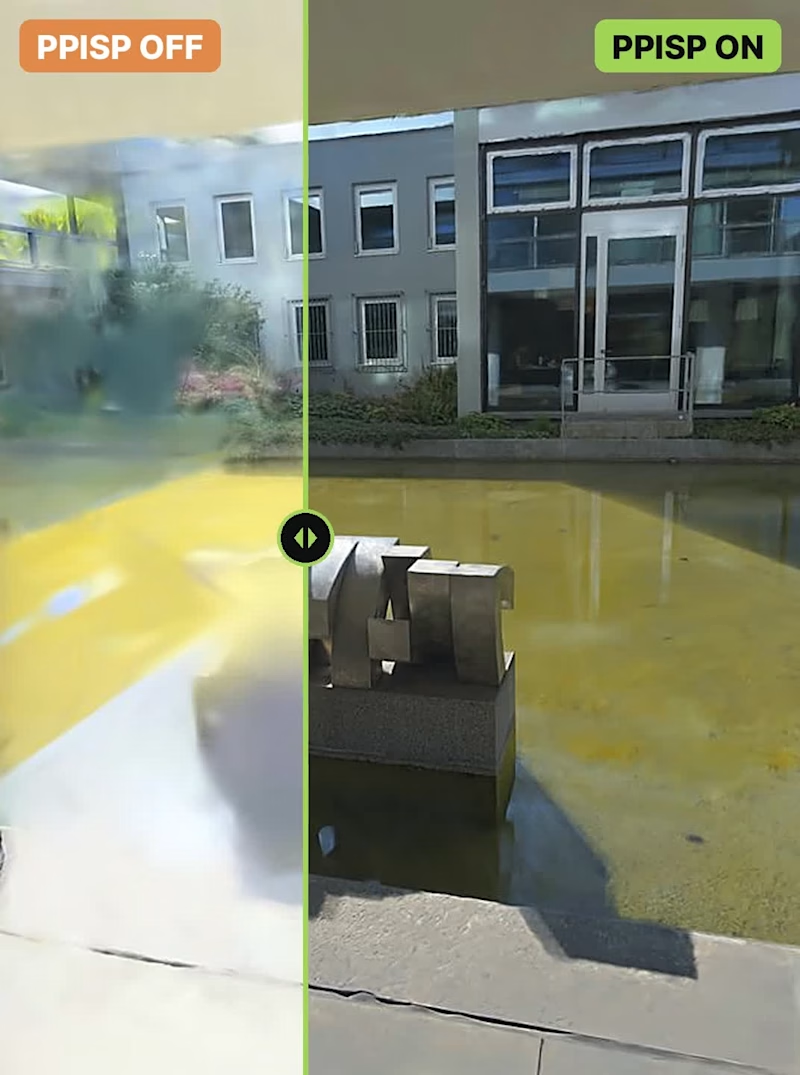
NVIDIA just dropped PPISP — put it to the test on a real 3-camera capture.
OFF → a hazy, washed-out blur
ON → sharp & colour-correct (+9.5 dB PSNR)
Drag-to-compare every view ↓
http://forenly.ai/lab-study/ppisp
(http://forenly.ai/lab-study/ppisp)
@NVIDIAAI (https://x.com/NVIDIAAI)
@bilawalsidhu (https://x.com/bilawalsidhu) #PPISP (https://x.com/hashtag/PPISP?src=hashtag_click) #AI (https://x.com/hashtag/AI?src=hashtag_click) #3D (https://x.com/hashtag/3D?src=hashtag_click)
0
135

AI Product Videos & Backend Dev for E-commerce





Clear, rigorous problem-solving in AI and robotics
Clear, rigorous problem-solving in AI and robotics

Alter Ego is a personalized AI assistant I built and deployed on my website using OpenAI’s ChatGPT. It’s designed to represent how I think and work, not just answer questions. The system uses a structured persona, curated knowledge from my research and projects, and context-aware prompting to hold accurate, grounded conversations about my background in AI, robotics, and agentic systems. The goal is not imitation for novelty, but continuity: enabling clear, truthful interaction with my work, ideas, and problem-solving approach even when I’m not present.
Please check out the demo on my website:
https://amirmohaddesi.github.io/
23
239
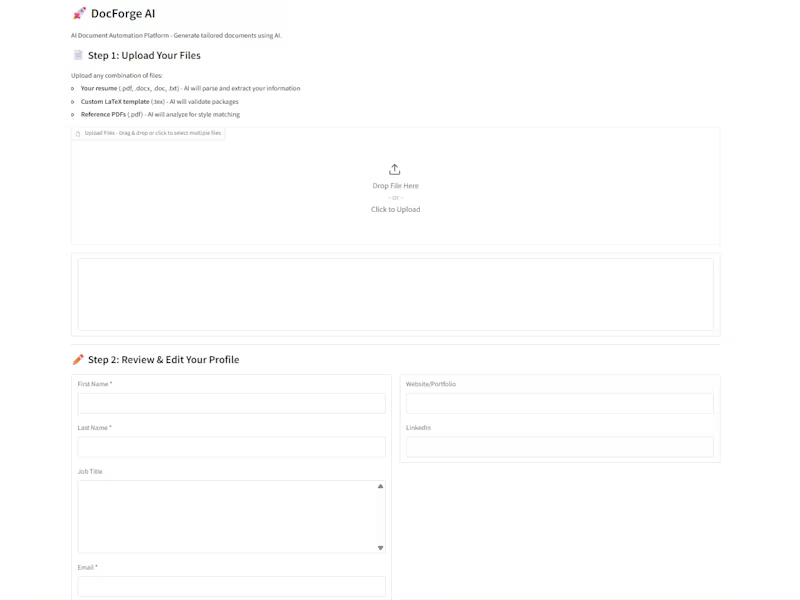
DocForge AI is a document automation system that uses Large Language Models as reasoning engines, not just text generators. Instead of simply “writing” documents, the system analyzes structure, constraints, and intent to produce professional, publish-ready outputs such as resumes, SOC 2 reports, technical specifications, and compliance documents. LLMs are orchestrated to plan sections, enforce schemas, validate consistency, and adapt tone and layout to industry standards. The result is documents that are not only well-written, but correct, coherent, and visually polished, reducing manual effort while maintaining trust and professional quality.
17
366

I built and studied a multi-robot coordination system in Webots to understand how different navigation strategies affect team performance in exploration tasks. Using Clearpath PR2 robots, I implemented and compared Route, Survey, and Mixed human-inspired strategies, along with obstacle avoidance and conflict resolution in C++. By running controlled simulations, I measured how strategy choice impacts task completion time, coverage, and coordination efficiency. One key result was that mixed strategies consistently produced more robust and efficient teams, offering insights directly relevant to real-world search, rescue, and exploration robotics.
11
177
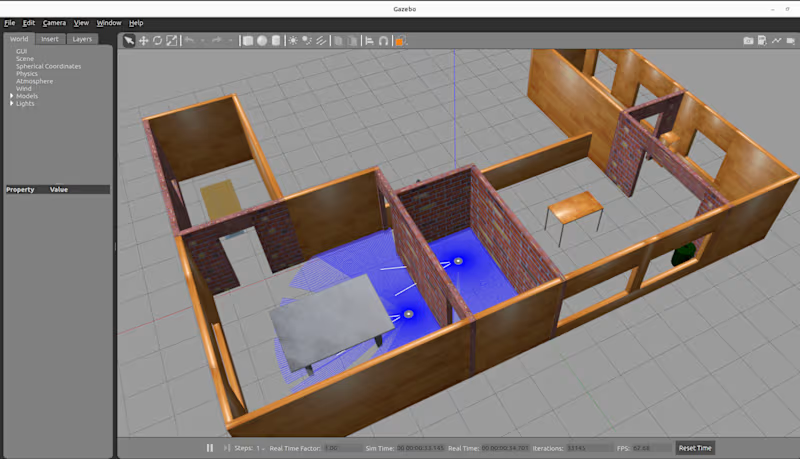
Multi-Robot Coordination & Simulation in ROS2
Designed and implemented a ROS2-based multi-robot simulation platform to study coordination, navigation strategies, and communication-aware exploration.
Integrated SLAM Toolbox, Nav2, map merging, and multi-agent coordination logic. Used Python and C++ nodes with live visualization in RViz to evaluate efficiency, coverage, and cooperation under different strategies.🚀
21
308

Full-stack developer
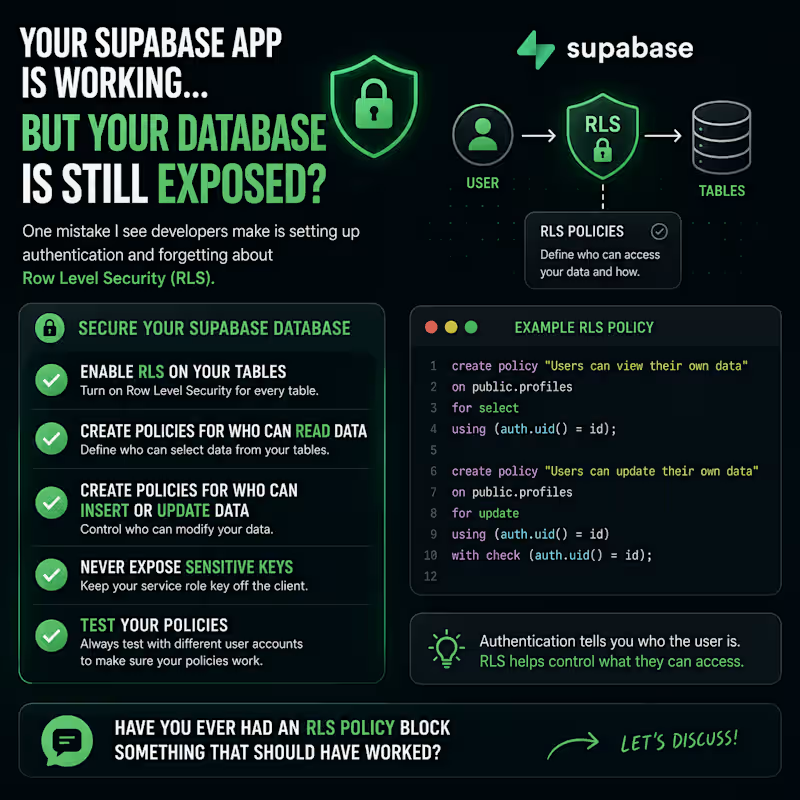
Your Supabase app is working… but your database is still exposed? 🔐
One mistake I see developers make is setting up authentication and forgetting about Row Level Security (RLS).
If you're using Supabase, don't just create your tables and move on.
Make sure you:
✅ Enable RLS on your tables
✅ Create policies for who can read data
✅ Create policies for who can insert or update data
✅ Never expose sensitive service keys in the frontend
✅ Test your policies with different user accounts
Authentication tells you who the user is. RLS helps control what they can access.
Have you ever had an RLS policy block something that should have worked? 👇
2
14
623
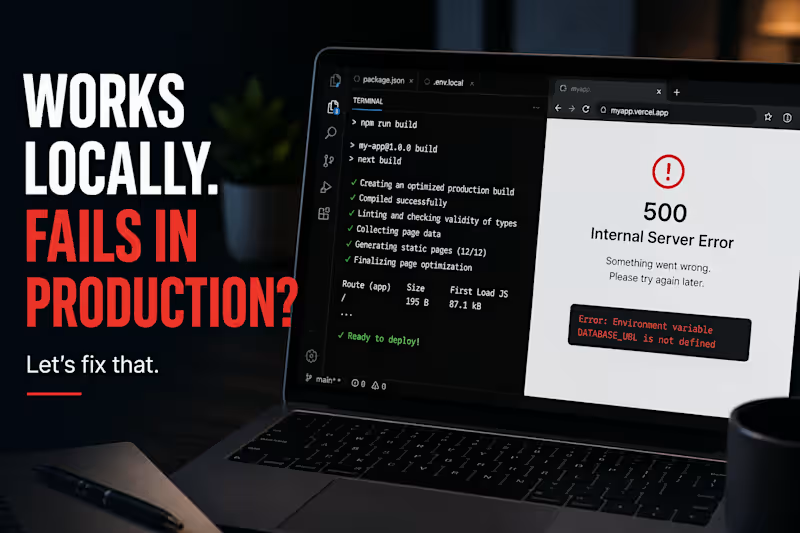
Your app works locally… but crashes after deployment? 😩
One of the most common mistakes I see is forgetting that local and production environments are different.
Before deploying, always check:
✅ Environment variables are correctly configured
✅ Production database credentials are set
✅ API URLs point to the right environment
✅ CORS settings allow your frontend
✅ Build errors are resolved
✅ Authentication works in production
My rule: Never assume that because it works on localhost, it's ready for production.
What’s the most frustrating deployment error you've faced? 👇
20
554
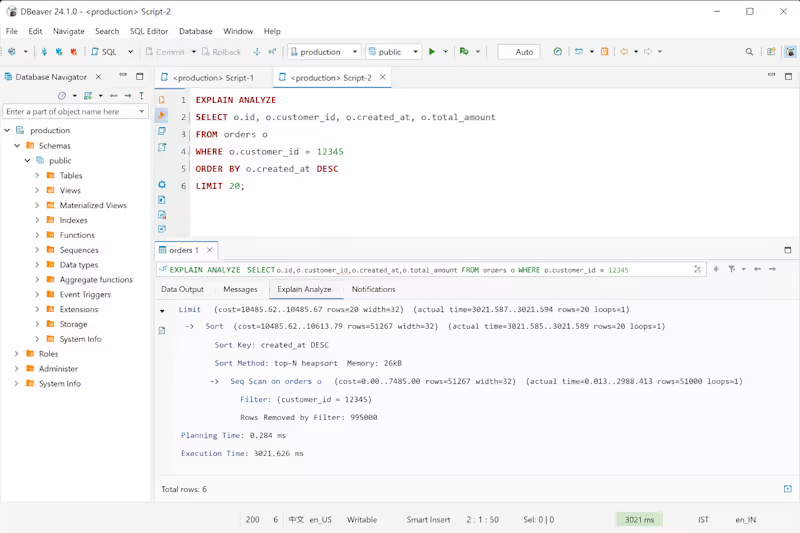
🚨 Your database query works… but it’s taking 3 seconds?
Before rewriting the whole backend, check your database indexes.
One missing index can turn a fast query into a slow one as your data grows.
Optimize the query before optimizing everything else. ⚡
Have you checked your database indexes recently? 👇
5
410
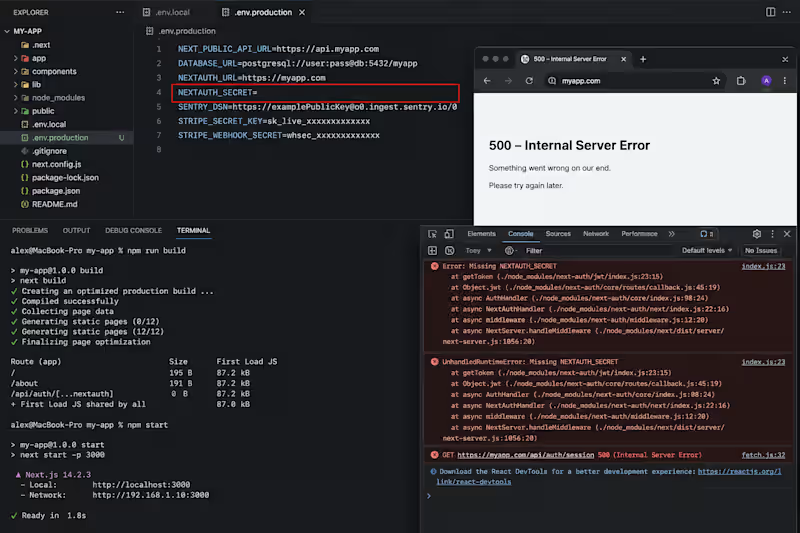
Found a bug that only happened in production.
The code looked fine locally. The real problem? A missing environment variable.
Lesson: Always check your production environment variables before rewriting working code. 😅
Have you ever spent hours debugging something that turned out to be a simple configuration issue?
7
561

AI agents & automations that act only with your approval