AI Agent Designer Projects in India
AI Agent Designer Projects in India
Sign Up
Post a job
Sign Up
Log In
Filters
2
Projects
People
Message
5
Divan Raj
pro
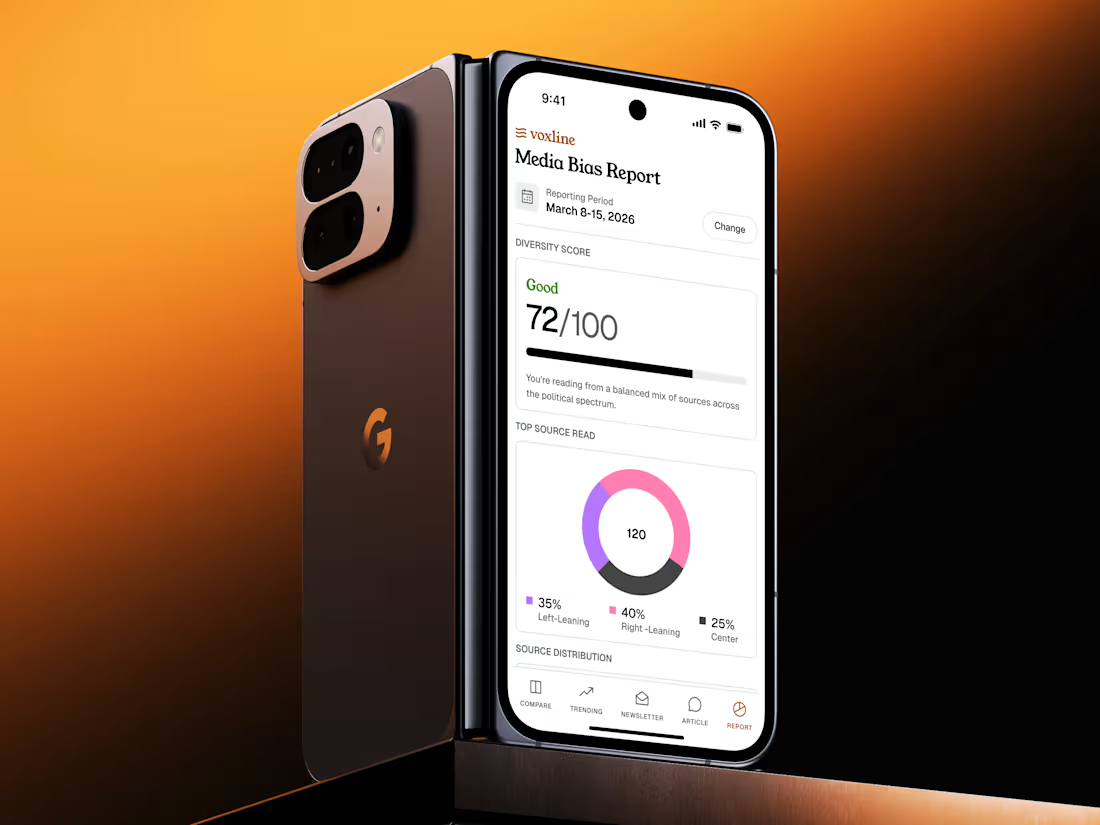
Mobile App Compilation - AI Agent Taste
5
117
Message
0
Jithin Kumar
max
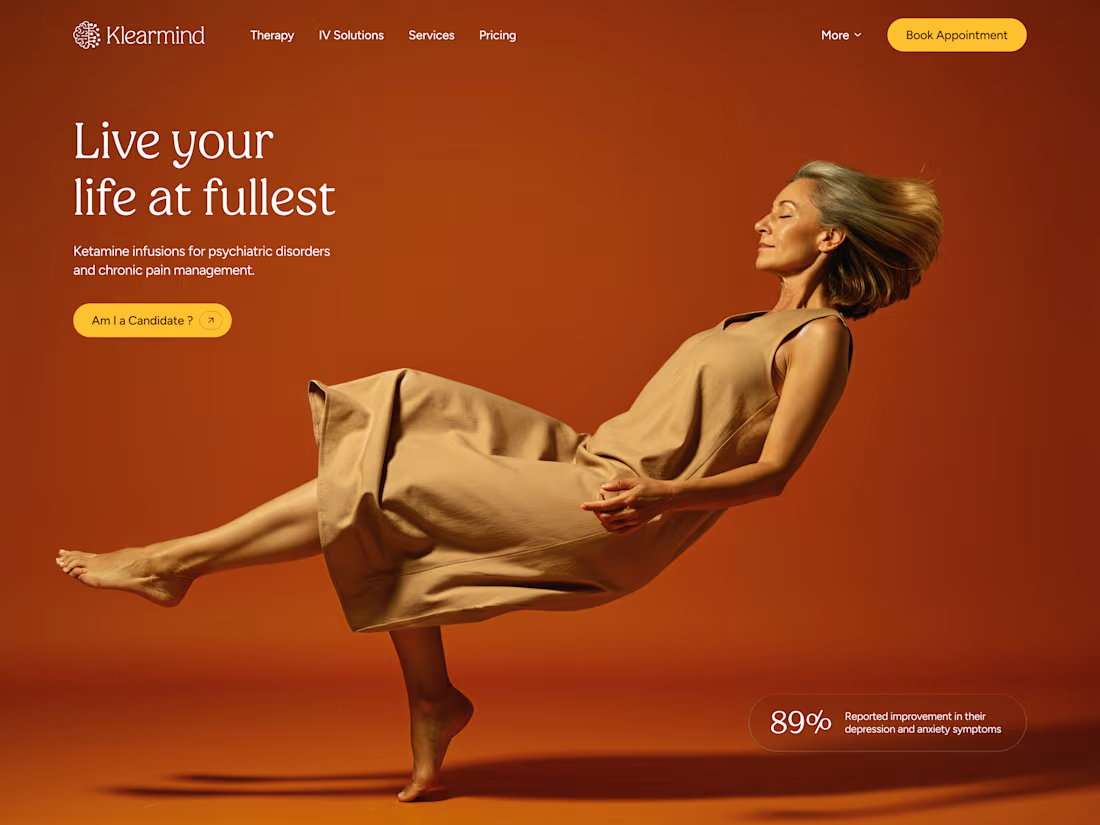
Klearmind Clinics - Ketamine Therapy Landing Page
0
39
Message
0
Anky C.
pro
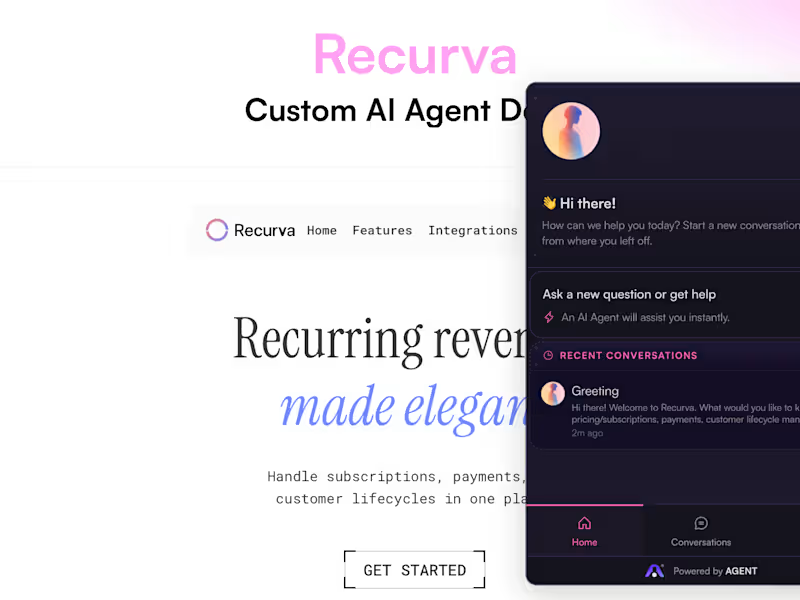
Recurva AI Assistant Design
0
8
Message
1
Hardikkumar Vinzava Top 1% Framer Creator
pro
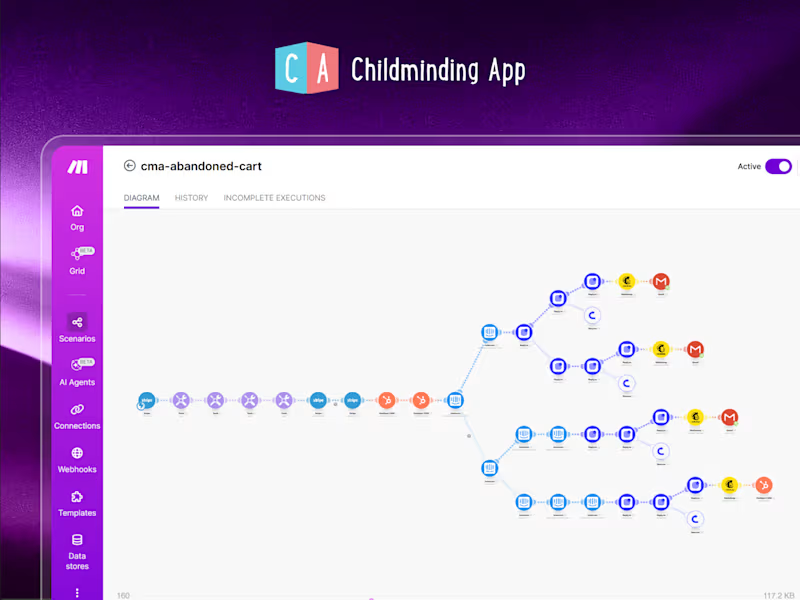
Childminding : Make Revenue Automation
1
33
Message
2
Shezaan Ansari
pro
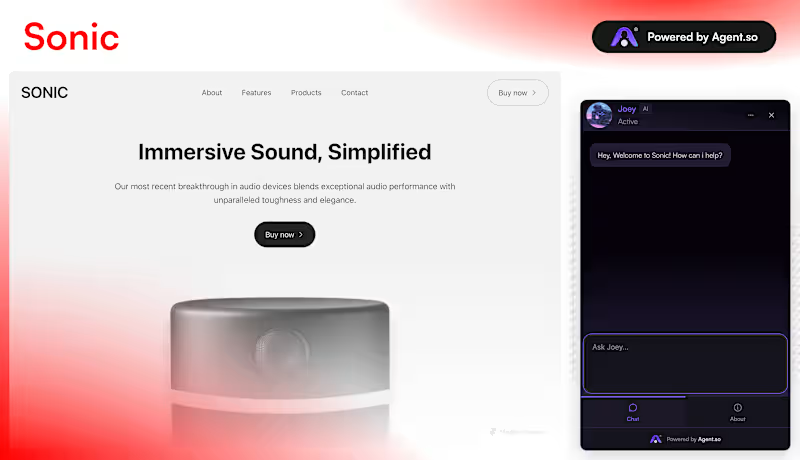
AI Assistant Development for Sonic
2
32
Message
0
7 Seers™
pro
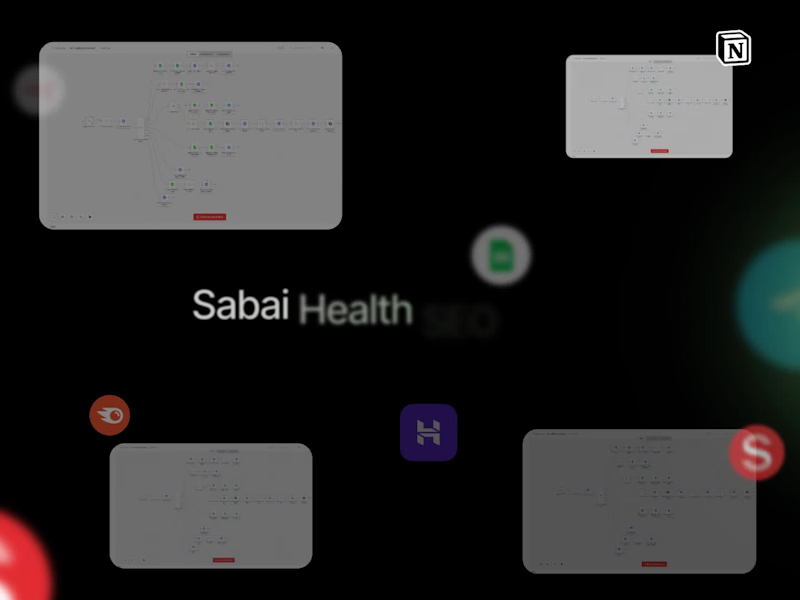
Autonomous AI SEO Agent for Sabai Health
2
0
29
Message
0
Mehul Sethia | Senseibles
pro
Converc — Turn Website Visitors Into Live Conversations URL: https://converc.com One-liner Built a real-time browser-based calling platform from scratch — MVP live in 5 days. Project Overview Converc solves a problem that costs B2B companies revenue every day: high-intent visitors land on your site, can't get a human immediately, and leave. It embeds a call widget that connects visitors to sales reps in real time — no booking links, no forms, no friction. I architected and built the full product: a Next.js frontend, Supabase backend with Row Level Security, and WebRTC-powered peer-to-peer audio calling that works entirely in the browser with no native app required. The stack was chosen for performance, low latency, and the ability to ship fast without sacrificing production quality. What I Built WebRTC call engine with real-time signalling via Supabase Realtime Embeddable call widget (drop-in script for any website) Agent dashboard with live call status, queue management, and session history Webhook integration layer for CRM and Slack notifications on call events OAuth-based authentication with Google and dev/prod environment separation Supabase RLS policies enforcing strict data isolation between workspaces How I Shipped It The core MVP — widget, signalling, agent dashboard, and working calls — was shipped in 5 days using Cursor with Claude as the AI pair programmer. Post-MVP work covered Google Safe Browsing clearance, Slack App submission, analytics scoping, and hardening the auth and security model for production. Tech Stack Next.js · Supabase · PostgreSQL · WebRTC · Vercel · Tailwind CSS
0
314
Message
0
Rishi Bajpai
pro
MeetClaw: OpenClaw installation and hardening as a service
0
4
Message
0
Syphon
pro
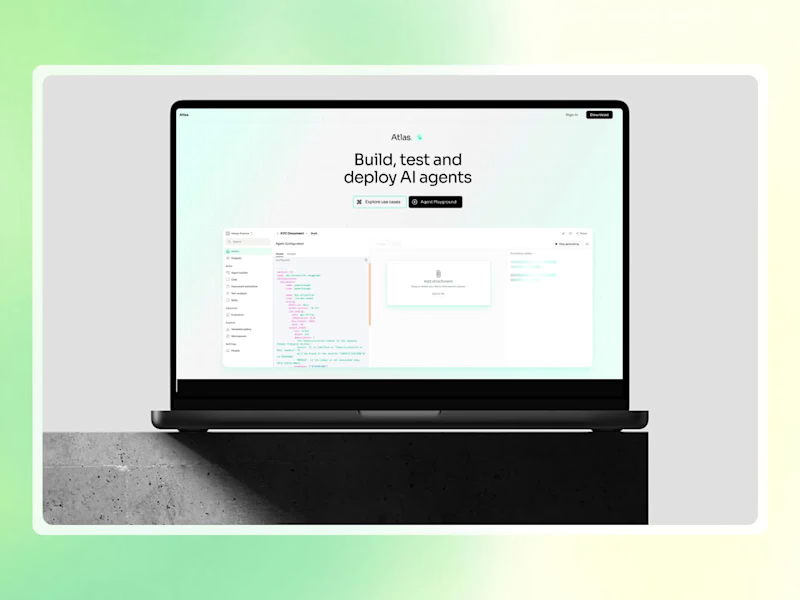
Atlas AI Studio Design for Fintech Workflows
0
6
Message
0
iCoderz Solutions
pro
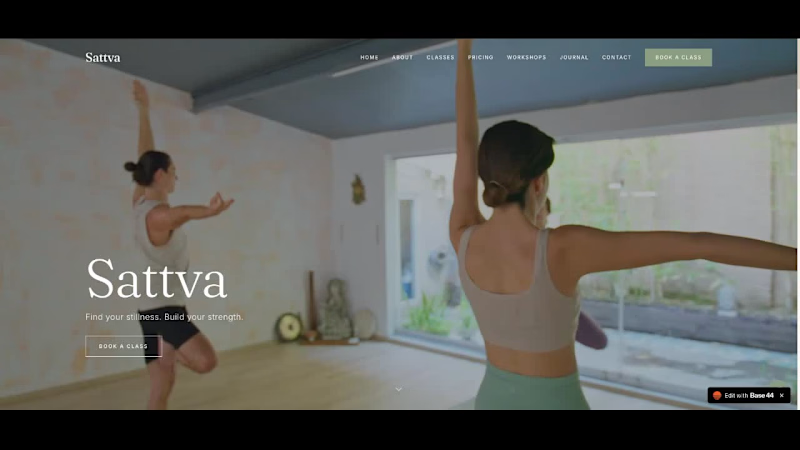
Sattva Studio — Yoga Booking Site Built in Base44
0
26
Message
0
Karamjit Singh
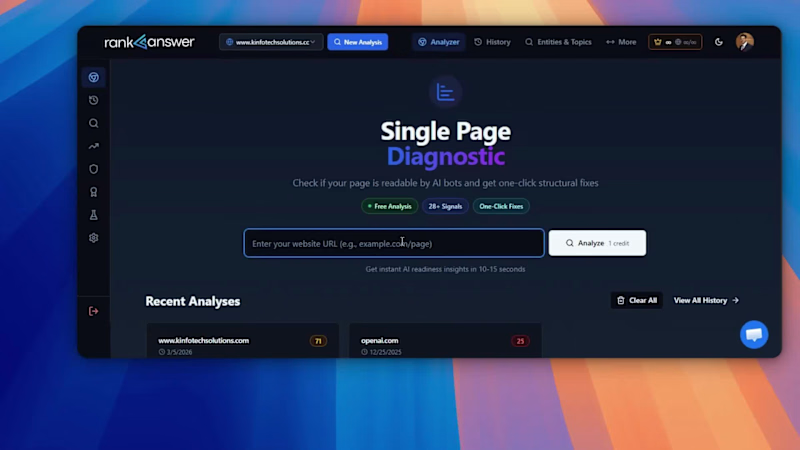
RankAsAnswer — GEO SaaS Platform I Built
0
143
Message
4
Sahil Sharma
pro
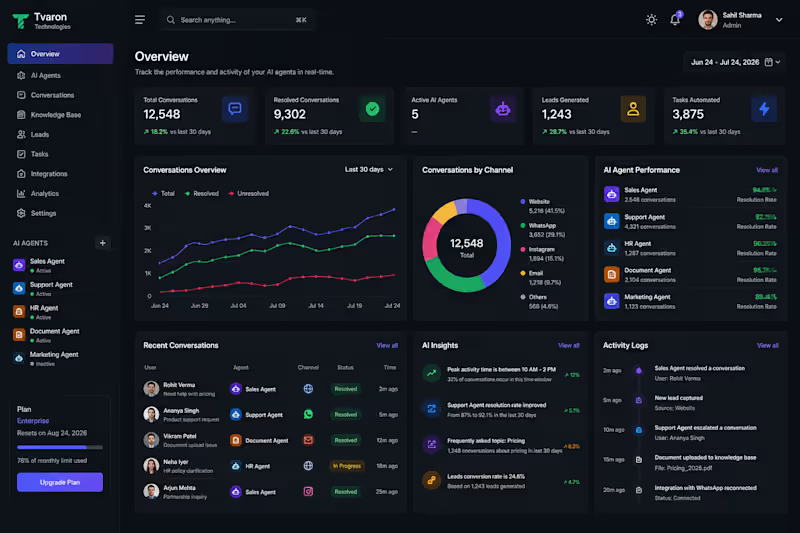
We recently built an AI Customer Support Agent, and one thing surprised us... The chatbot wasn't the hardest part. Getting the AI to understand the business was. The quality of an AI assistant isn't determined by the model alone. It's determined by the information you give it. During development, we found that connecting the AI to the right documentation, FAQs, business rules, and workflows made a far bigger difference than switching between models. Once the AI had the right context, responses became more accurate, consistent, and genuinely helpful. It reinforced something we've been seeing across recent AI projects: Businesses don't need another chatbot. They need an AI assistant that actually understands their business. That's where the real value is. Curious to see how other teams are approaching AI knowledge management. What's been your biggest challenge when building AI products? #AI #ArtificialIntelligence #CustomerSupport #AIAgents #SaaS #ProductDevelopment #Automation #OpenAI #Claude #BusinessAI #TvaronTechnologies
3
4
286
Message
0
Rinky Choudhary
pro
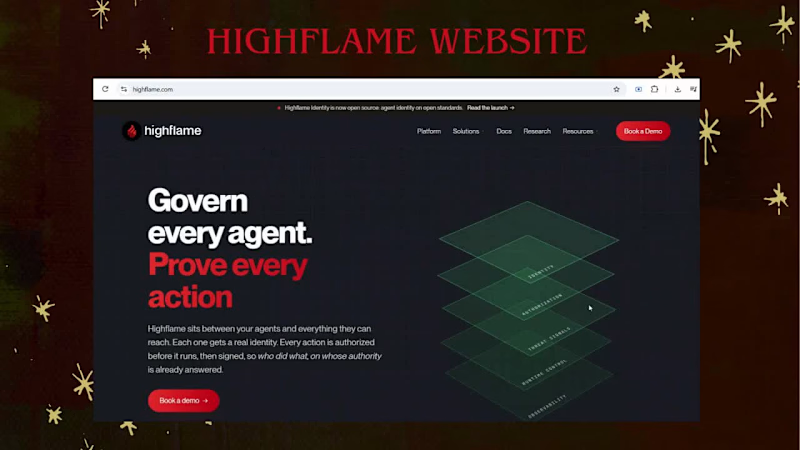
I designed and developed the Highflame website, creating a modern and professional digital presence for their AI security platform. The work focused on presenting complex AI security, agent identity, authorization, and governance solutions in a clear and easy-to-understand way. I worked on the website structure, responsive design, page layouts, and overall user experience to make the platform appealing to enterprise and technology-focused audiences.
0
79
Message
7
deepika grover
AI Generated E-Learning Video
7
570
Message
3
Keshav Sharma
pro
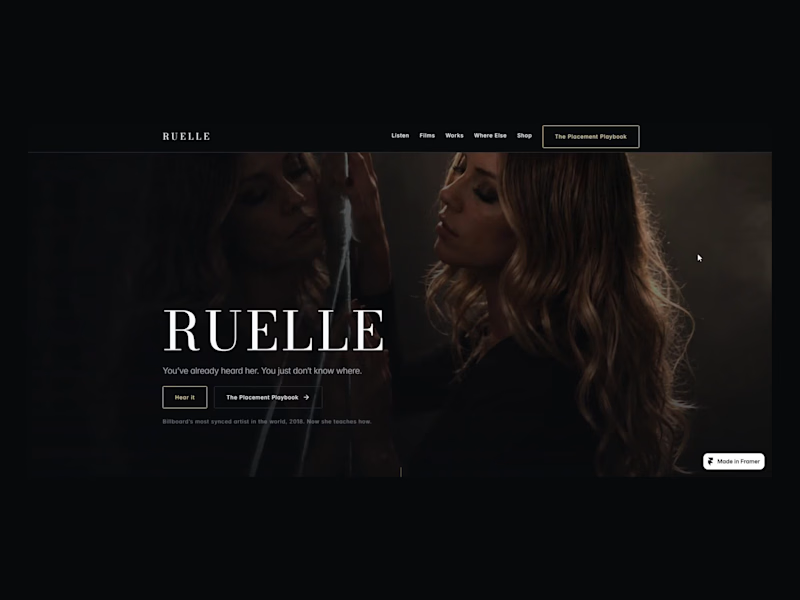
I wanted her website to feel like her music. Ruelle has been in my rotation since Shadowhunters. Her songs are dark cinematic, enigmatic even which is why they keep landing in prime time shows yet in contrast her site is white and quiet. So I rebuilt it in her musical persona. There's music on her original site, but there's no player. You hunt, you click, you wait, you leave. So the rebuild has one job. Make the listening happen on the site itself. A bespoke working turntable at the centre, built as a code component. The records carry her own release art, cropped round with the hole punched through. Browsers won't autoplay audio. So the tap on the vinyl record became the opening. Concept piece. The hero is a photograph of her, animated with Kling. And in the last moment, I just added these cursor effect of floating musical notes- to make it more cohesive with the theme :) Do let me know y'all if you have ever listened to any song by her, and if yes, which one? Also, do let me know your thoughts on this reconceptualisation and rebulid.
3
3
319
Message
1
Stuti Sharma
What if your business could keep selling while you sleep? AI agents can now handle the work that keeps your pipeline moving — responding to leads, booking calls, following up, and supporting conversions. I build AI-powered systems that turn repetitive sales tasks into automated workflows that work 24/7. You sleep. Your business keeps moving. What would you automate first?
1
140
Explore projects