20+ years experience in web/mobile development

20+ years experience in web/mobile development


Full-Stack & AI Dev | TypeScript, Next.js, React, Node
- $50k+
- Earned
- 5x
- Hired
- 5.0
- Rating
- 136
- Followers
Full-Stack & AI Dev | TypeScript, Next.js, React, Node

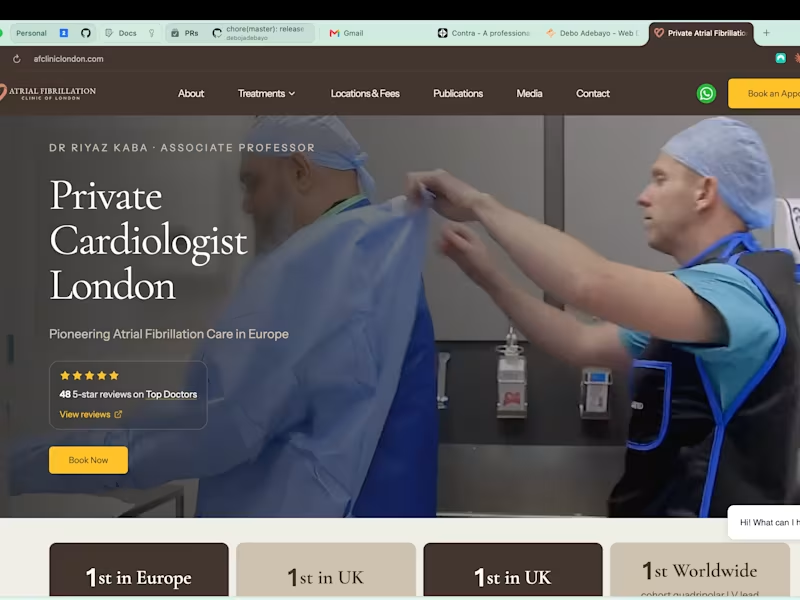
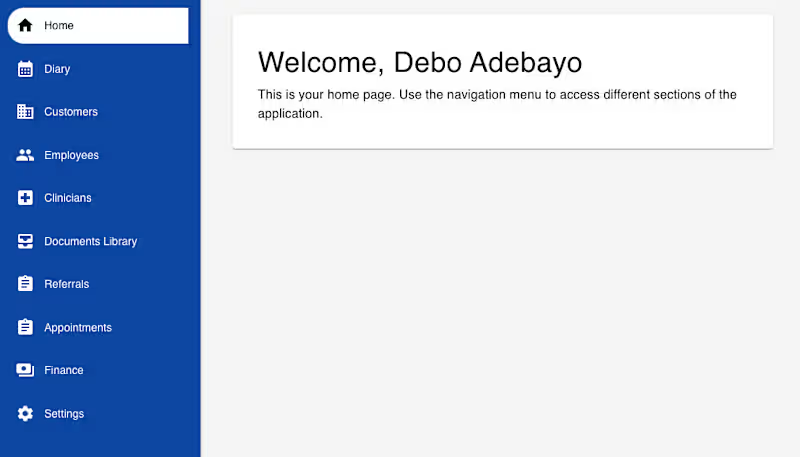
Healthcare Web & Full-Stack Developer

Healthcare Web & Full-Stack Developer



Full-Stack Product Developer & UI/UX Designer
- $1k+
- Earned
- 2x
- Hired
- 4.3
- Rating
- 64
- Followers
Full-Stack Product Developer & UI/UX Designer
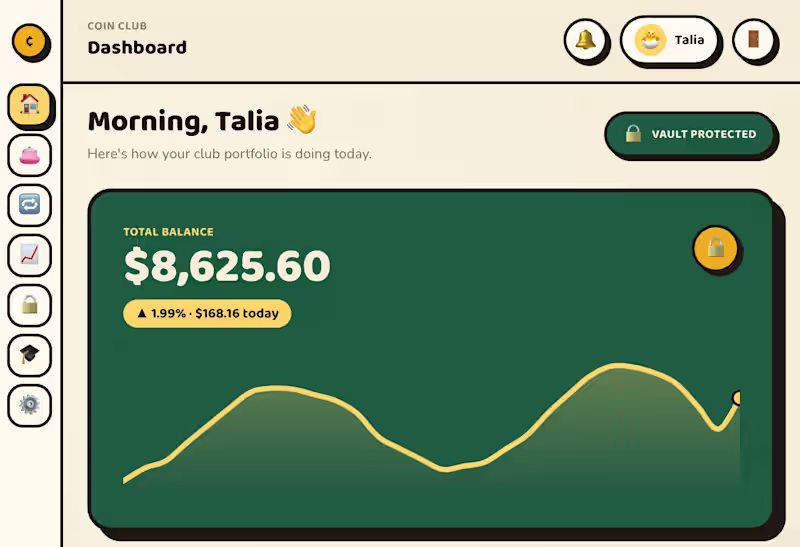
New weekend project: Coin Club - a fictional fintech/crypto platform with a rubber hose-inspired visual style.
I wanted to apply a lot of what I do in my day job around dashboards, workflows, data-heavy interfaces, and internal tools, but package it into something a little more fun.
Features include:
• Portfolio dashboard
• Asset swaps
• Markets and watchlists
• Security vault
• Learning hub
• CMS-powered blog
Tech stack:
• Next.js
• TypeScript
• Tailwind CSS
• Framer Motion
• Supabase
• Sanity
Very different visually from the kind of work I normally do, but it was a fun challenge exploring how far I could push a playful design system while still keeping the product usable and structured.
Feedback is always welcome.
2
2
276

I've been working on something over the past week, that started as job board exploration but the more I built the more I realised the valuable part wasn't the jobs, its everything that happens after you apply.
So FOUND slowly evolved into something closer to a job search operating system with:
• Application tracker
• Kanban board
• Calendar view
• Interview timeline
• Notes workspace
• Reminders & follow-ups
• Momentum tracking
Whether opportunities come from LinkedIn, referrals, recruiters, startup websites, or job boards, everything lives in one place.
Still a work in progress, but it's been a fun reminder that sometimes the best product ideas appear while you're building.
Built with Next.js, TypeScript, TailwindCSS, Framer Motion, and Supabase.
1
2
304

Last Seen - Places disappear. Their stories don't have to.
Last Seen is an archive of lost places and the memories people left behind. A living record of the places that shaped us, before they disappear from memory as completely as they have from maps.
The research
Before writing a line of code I posted to Reddit. "What closed place do you still think about?" Three subreddits. Three cities. 217,000 views. 1,652 replies. The Astoria. Shunt Vaults. CBGB. Florent. The problem was real before I built anything.
The Figma workflow
Figma Weave generated the visual language, aged paper textures, film grain overlays, archival map treatments. The Design Agent built the complete design system from a single prompt, colour styles, typography, eight components, page layouts, brand guidelines. The result is a 16-frame horizontal brand identity deck published to the Figma Community.
Two Figma Make widgets built and published to Community, Memory of the Day and Still Here, pulling real memories from a live Supabase database in real time.
The product
Next.js, TypeScript, Tailwind, Supabase, Mapbox GL JS, Vercel. 103 places across five cities. A heatmap showing where memory concentrates across continents. Real memories from real people. An admin queue, rate limiting, auto-geocoding, profanity filtering, i18n across six languages.
825 unique visitors in three days. The archive keeps growing.
The workflow
Reddit validation, Figma Weave, Design Agent, Figma Make, live product. In 24 hours.
Design System - https://www.figma.com/design/Kn81kFZfmAOf9OJkzUGohk/Last-Seen?node-id=0-1&t=JJ7SBoTiIzpf07OZ-1
Figma Make - https://glassy-sky-12636665.figma.site
Project link - https://www.lastseen.city
22
40
3.6K


Creative code → Apps ✦ Research ✦ Events

AI Automation & Web Design | n8n · Vapi · Claude API
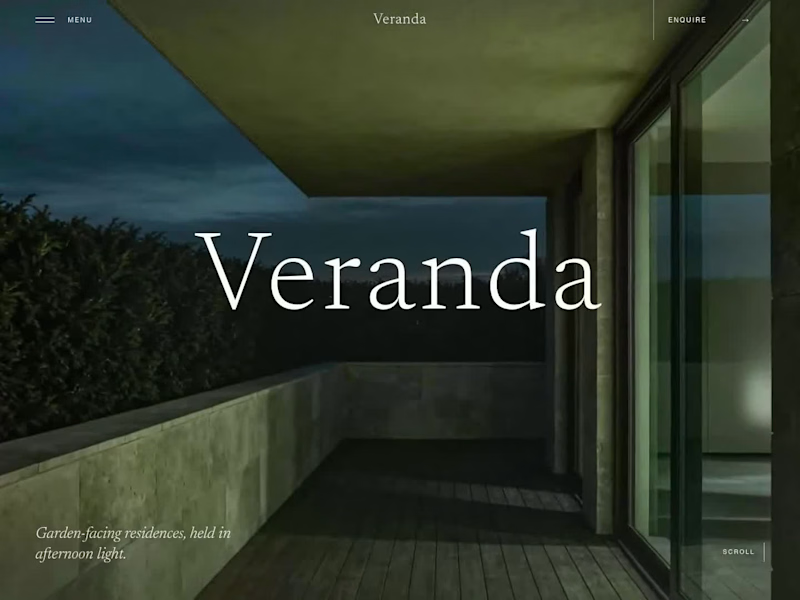
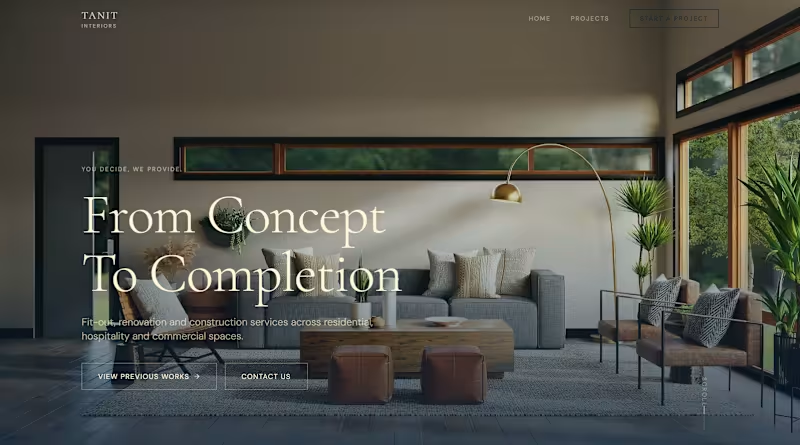
Veranda, a luxury residential concept landing page
Veranda is a concept build I created for a fictional luxury residential brand. It is not client work or a real property. The images and hero motion were generated with AI as part of the creative process.
I wanted to explore something that matters when building high-fidelity landing pages: after several rounds of changes, how do you make sure the final page still looks like the design that was approved?
The site is built in Next.js with responsive layouts, self-hosted fonts, GSAP motion and an interactive walkthrough. I also built in a proper QA process around it, not just checking that the page loads and the buttons work.
It compares 12 sections across five screen sizes against approved visual baselines. It flags visual drift, missing baselines and changes that have not been reviewed. I also tested interactions, accessibility, contrast, performance, browser behaviour and reduced-motion states.
The main lesson for me was simple: a page can pass functional tests and still no longer be the page that was agreed.
22
26
1.3K
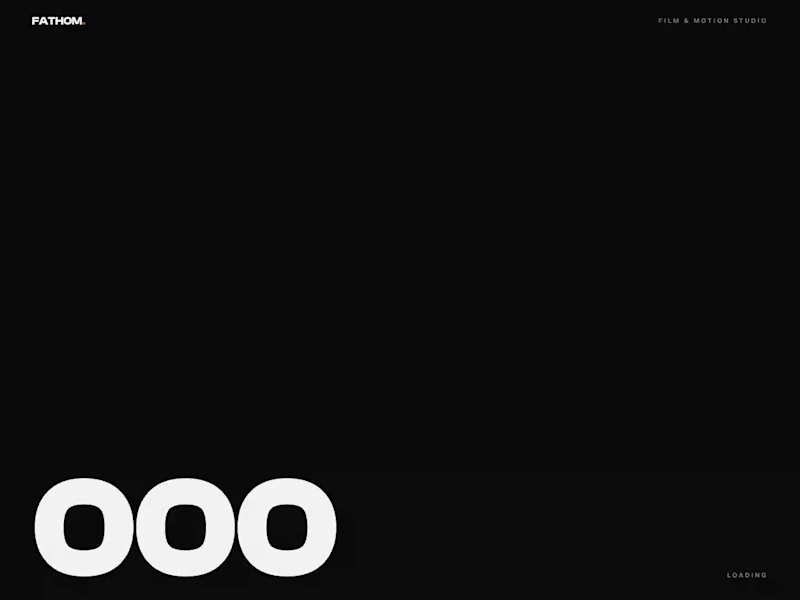
A cinematic portfolio concept for a film and motion studio, designed to feel more like an editorial reel than a standard agency website.
The site uses a dark visual system, oversized typography, smooth scrolling, restrained motion, and a full-screen project index to make the work feel premium before the user reads a word. The focus was on pacing, atmosphere and confidence: fewer sections, stronger visuals, cleaner movement.
Built as a responsive Next.js prototype with Framer Motion and Lenis-style smooth scrolling, including hero, selected work, about and contact sections.
7
12
579
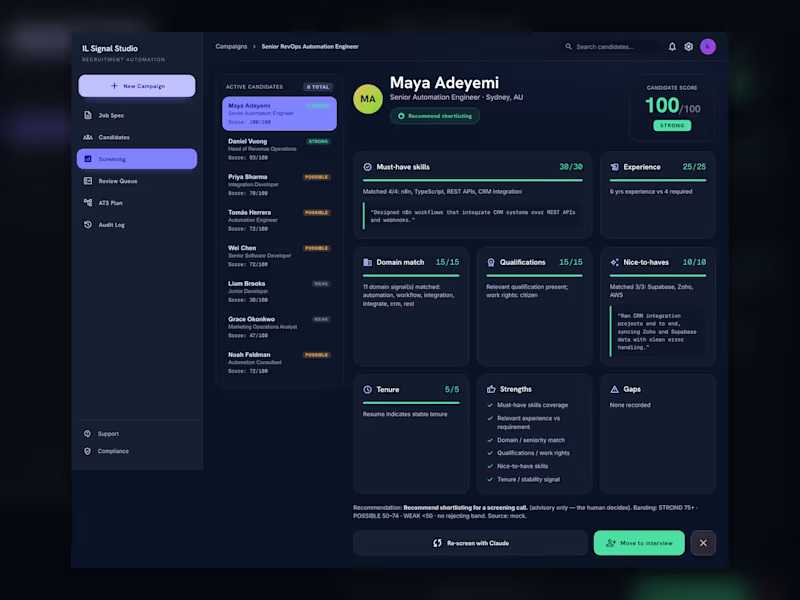
I built a working AI recruitment screening demo that shows how a hiring team can use AI without handing over the final decision.
The flow is simple:
A job spec goes in.
Candidate profiles are screened against a weighted guideline.
Each candidate gets a score, band, evidence quotes, and risk flags.
Then everything stops at a human review queue.
No auto-rejects. No silent ATS updates. No “AI decided this person is out”.
The system includes:
Candidate pipeline table
Evidence-based screening view
Human review queue
Approve / reject / snooze decisions
ATS deployment plan
Audit log for compliance
n8n workflow export with a human-in-the-loop Wait node
Optional live Claude screening path
The important part is the architecture: deterministic logic owns the workflow, gating, state and audit trail. The AI helps with judgement and screening, but the human owns the final decision.
Built with Next.js, TypeScript, Claude API, n8n workflow architecture, and a gated ATS sync pattern.
This is the kind of system I like building: AI that makes the work faster, but still respects the places where people need control.
Shorter Version
I built an AI recruitment screening pipeline with a human approval gate.
It screens candidates against a rubric, shows evidence quotes and risk flags, then routes every candidate into a review queue before anything reaches the ATS.
No auto-rejects. No silent updates. Human-in-the-loop by design.
Built with Next.js, TypeScript, Claude API and n8n workflow architecture.
1
203

I’m working on a clean interactive website concept for Volt Audio.
The idea is to make the first screen feel like a small product demo rather than a static landing page. The hero shows the automation visually, then the page scrolls into the actual service offer so someone can quickly understand what it does, who it is for, and why it matters.
The design direction is minimal, dark, and product-led, with the motion doing most of the explaining instead of relying on lots of heavy copy.
2
1
159

Full-stack developer - Next.js, Node.js, and AI Integration.
- 5.0
- Rating
- 14
- Followers
Full-stack developer - Next.js, Node.js, and AI Integration.


A few weeks ago, I started thinking about how exhausting hospital visits can be; patients trying to explain what’s wrong while doctors rush to take notes, often missing key details.
So, I built something different.
A healthcare pre-booking assistant where patients talk to an AI before their session. The AI listens, asks the right follow-up questions, and then transcribes everything into a summary doctors can review before the patient even walks in.
I built it in Webflow, powered it with OpenAI, handled all logic and data flow with JavaScript and Wized, and made sure the experience feels natural and human.
This project reminded me why I love creating with Webflow, because when you mix design, code, and empathy, you can build tools that actually make people’s lives better.
4
16
523

I’ve been experimenting with how AI can enhance the efficiency of healthcare.
One significant bottleneck in healthcare is that the first 10 minutes of every doctor’s appointment require the doctor to ask the same intake questions repeatedly.
So I built a pre-booking app where:
🩺 Patients talk directly to an AI on the clinic’s website
🤖 The AI asks follow-up questions automatically
📄 At the end, it transcribes and saves the conversation so doctors start with a clear summary
This kind of tool doesn’t replace doctors; rather, it makes their time more valuable, helps patients feel heard, and gives everyone a head start.
I have also implemented AI in real estate and a business building platform; Curious what other industries could use something like this 👀
6
238

Web Developer | Code to Life with Beautiful Design

Web Developer | Code to Life with Beautiful Design