UX/UI & Web Designer for SaaS Startups & Modern Brands 🚀
- $100k+
- Earned
- 6x
- Hired
- 5.0
- Rating
- 100
- Followers
UX/UI & Web Designer for SaaS Startups & Modern Brands 🚀
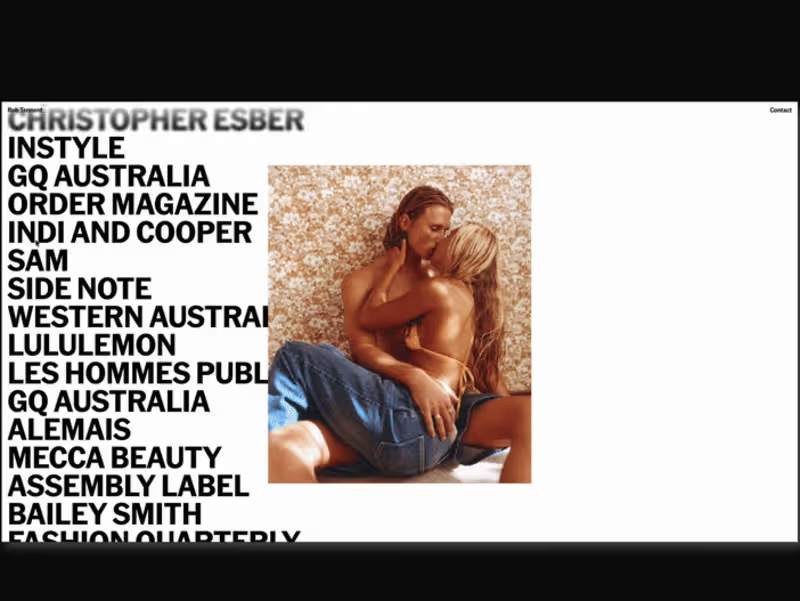
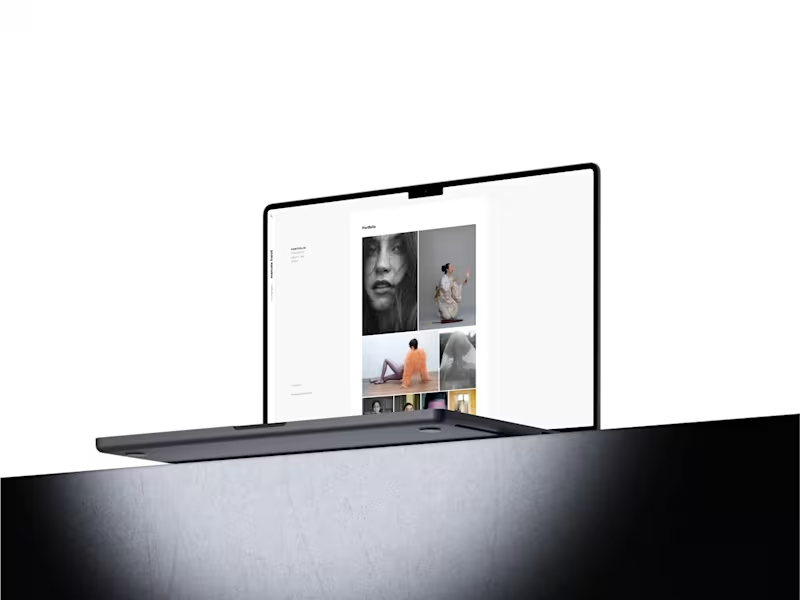
Rob Tennent is a photographer and creative director known for intimate, film-forward fashion and portrait photography; his site showcases his photography, books, and editorial projects. I liked designing and developing this site in Webflow because its minimal UI and generous negative space spotlight the images, the editorial flow feels like a curated zine, and Webflow's CMS made it easy to structure projects/books while keeping the layout clean and fast.
2
492
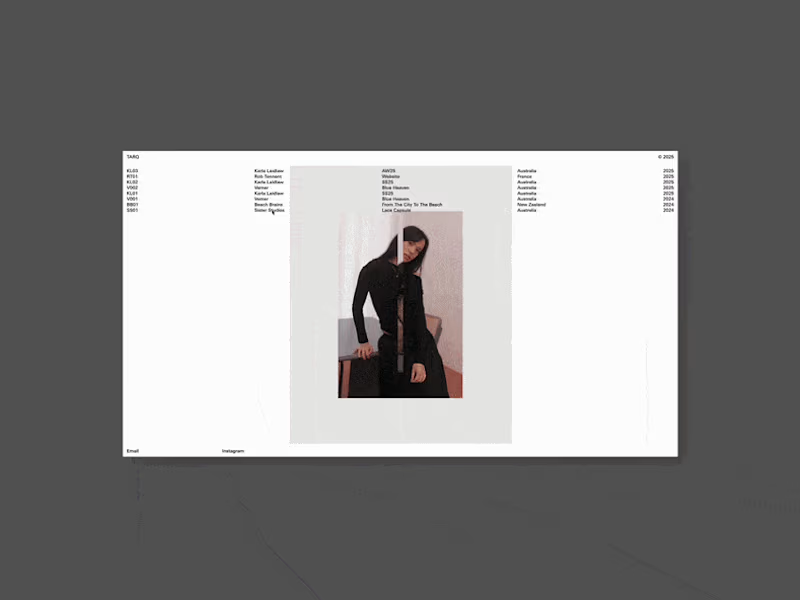


Webflow & AI developer | SEO and automation

Webflow & AI developer | SEO and automation
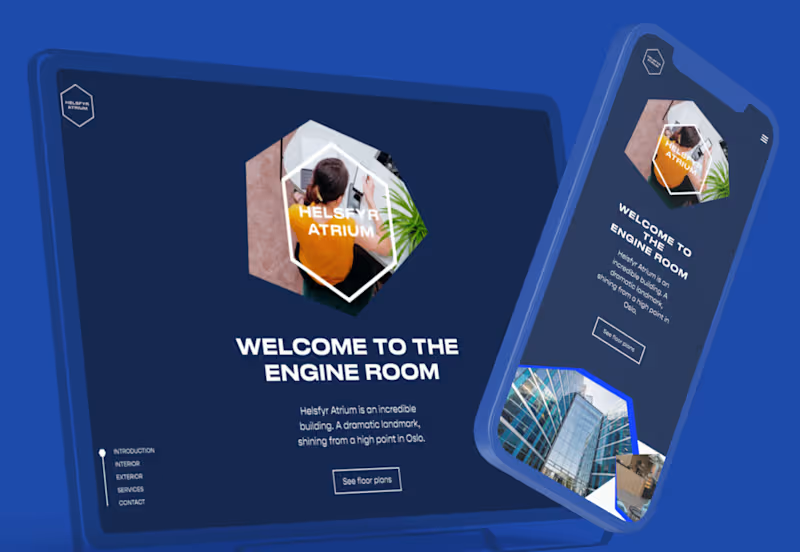
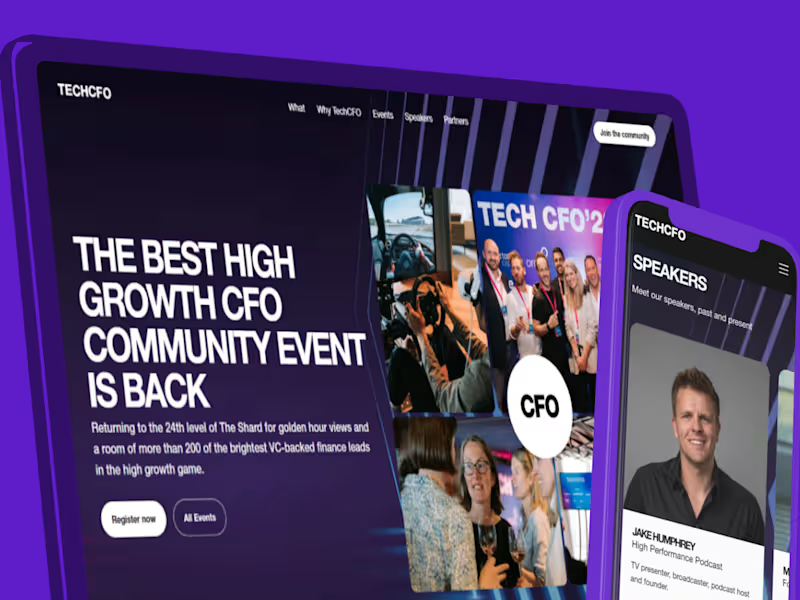



Product Designer and Framer expert


Framer Expert in B2B SaaS & AI websites
Framer Expert in B2B SaaS & AI websites


Framer development & website operations for B2B companies.

Framer development & website operations for B2B companies.


Helping brands and startup grow through design and content
- $10k+
- Earned
- 3x
- Hired
- 18
- Followers
Helping brands and startup grow through design and content
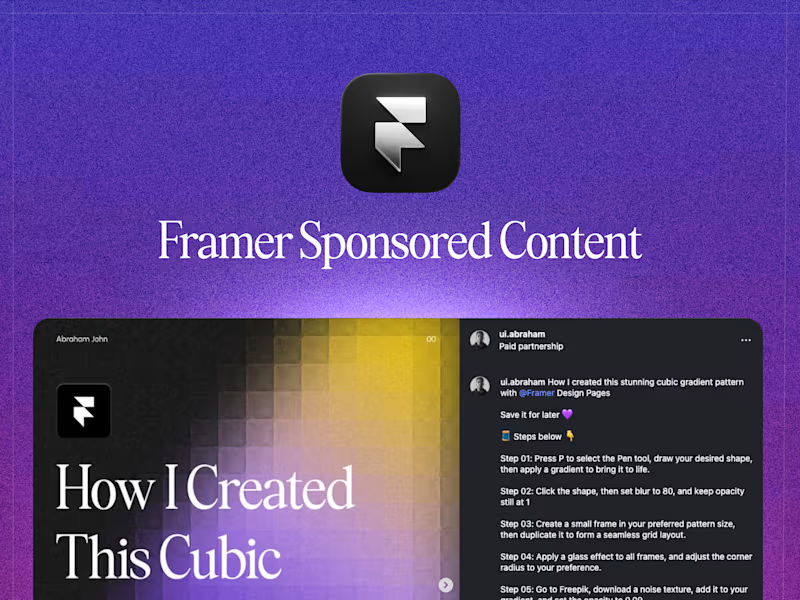
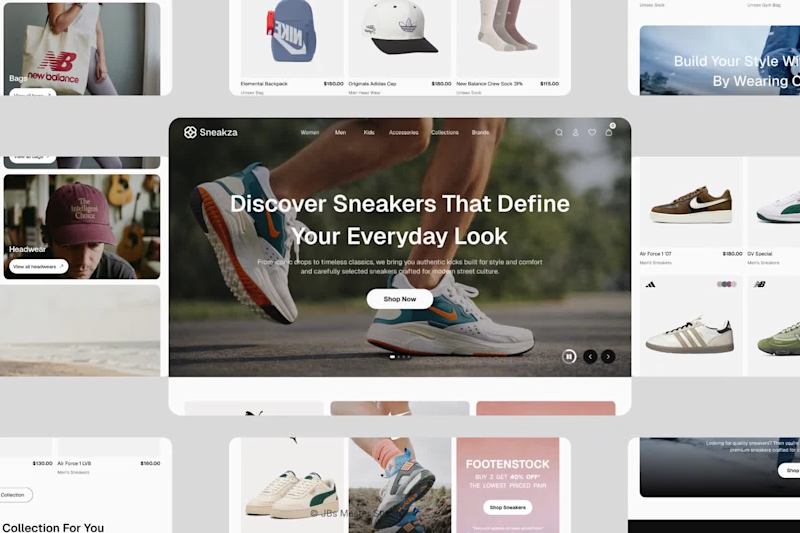


Design studio merging tech expertise with creative flair.

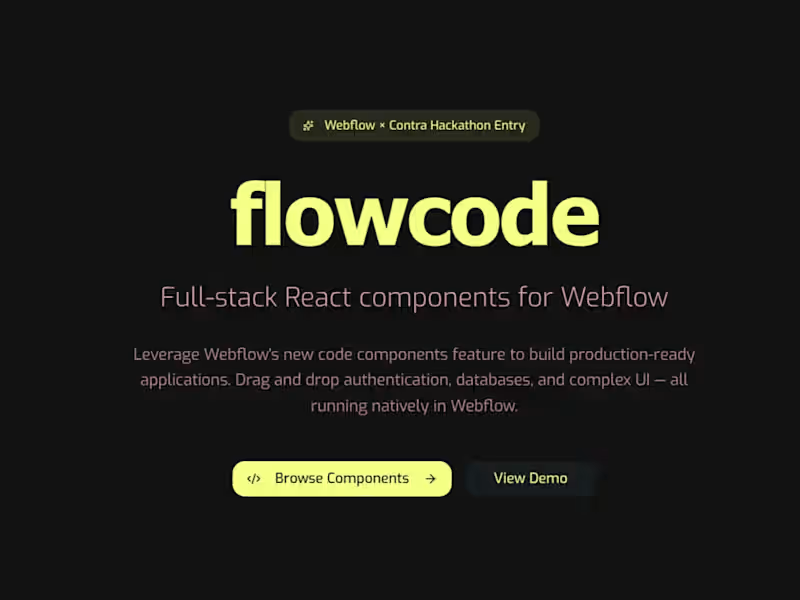
For the #WebflowChallenge, I didn’t build a beautiful site. In fact, I built a fairly ugly one 😕 but that was intentional
The goal wasn’t aesthetics, but disruption: subverting the judges expectations and pushing Webflow to its limits using the new code components (https://developers.webflow.com/code-components/introduction) from Webflow Conf 2025 (https://webflow.com/blog/webflow-conf-2025-keynote-recap)
What started as tinkering became an MVP for something bigger: a complete paradigm shift in the way I think about Webflow...
Introducing Flowcode - a developer-first framework for building full-stack production apps in Webflow.
Links:
🛠️ The Framework
(http://flowcode-v1.webflow.io)⚡ Features
(https://flowcode-v1.webflow.io/features)🧪 Demo App
(http://blogflow-v1.webflow.io)🔗 GitHub
(https://github.com/pat-mw/flowcode)
5
26
569
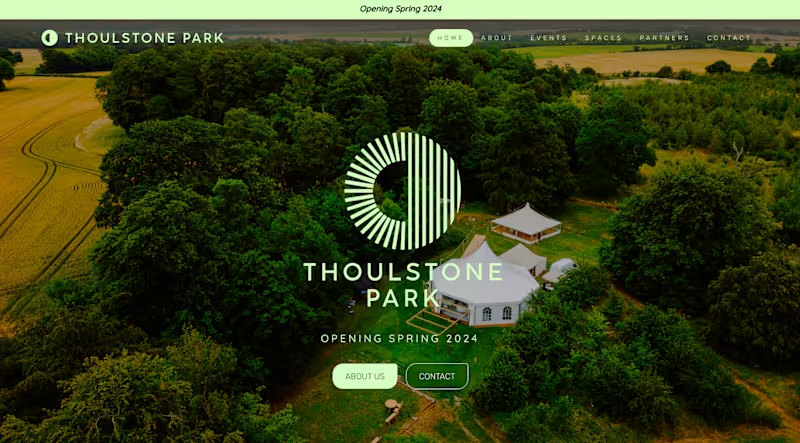

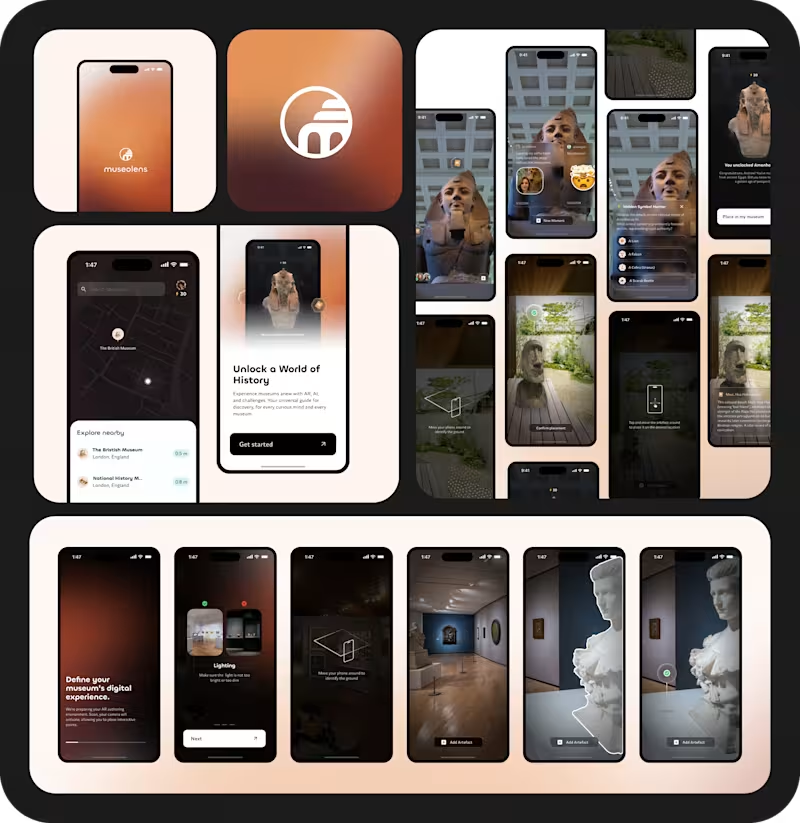
UI/UX Designer that loves creating immersive experiences.
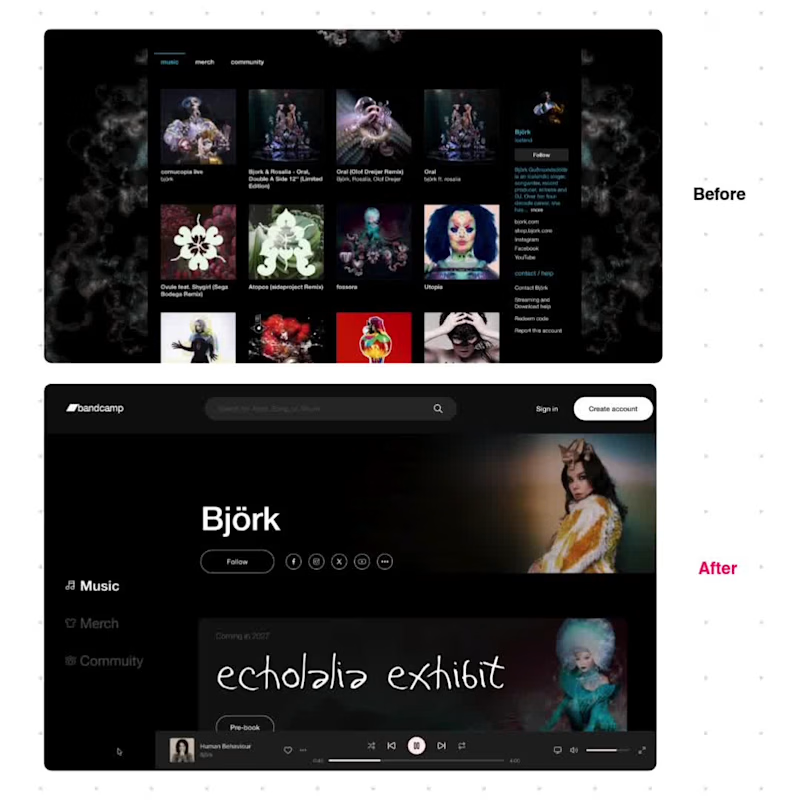
A speculative UX redesign of Björk's Bandcamp artist page, exploring what a modern, artist-first music platform could look like.
The original page loses the artist's identity as soon as you scroll, has no way to sort or filter a large back catalogue, and buries merch and community behind unused tabs. I redesigned the page to address each of these problems directly.
🌟 Key changes:
1. ) A persistent, sticky player bar that keeps the artist and track visible throughout the scroll
2.) Sort and filter controls for Albums, Singles, and EPs
3.) A dedicated hero section for promoting upcoming releases or events
4.) The artist's own handwriting used as the hero typeface, so the page feels personal rather than templated
5.) Merch and Community surfaced directly on the page instead of hidden behind tabs
6.)Simplified navigation and clear conversion points ("Follow," "Create Account")
7.) The layout was built as a reusable template, designed to adapt to any artist's catalogue and brand, not just this one.
This project focuses on identifying real usability gaps in an existing product and solving them with a clear, artist-centred design system.
1
101