
Dashboard design specialist
Electric Truck HMI & Vehicle Monitoring System
Overview:
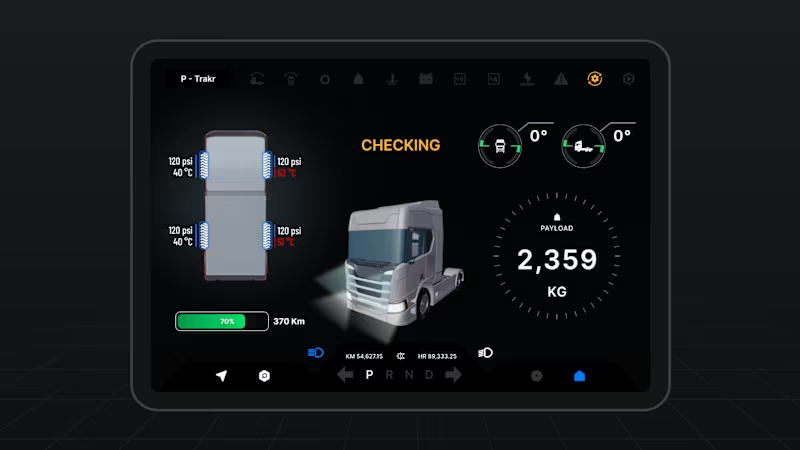
As electric vehicles introduce new ways to monitor vehicle performance and energy consumption, drivers need clear and accessible information to understand their vehicle's condition while on the road. For electric trucks, this extends beyond traditional driving indicators. Drivers also need visibility into payload, vehicle tilt, tire pressure and temperature, battery condition, charging status, and estimated driving range.
To address these needs, we worked on an integrated solution for an electric truck, combining an Android application, tablet interface, in-vehicle Human-Machine Interface (HMI), and a hardware adapter that reads data from sensors installed in the truck. The HMI brings essential driving information and vehicle monitoring into one interface, including speed, payload, tire conditions, battery and motor temperature, charging status, and estimated remaining range. Google Maps API integration also provides navigation within the driving experience.
Read more: https://codex-anshari.framer.website/
0
12
Employee Attendance & Workforce Self-Service Platform
Overview:
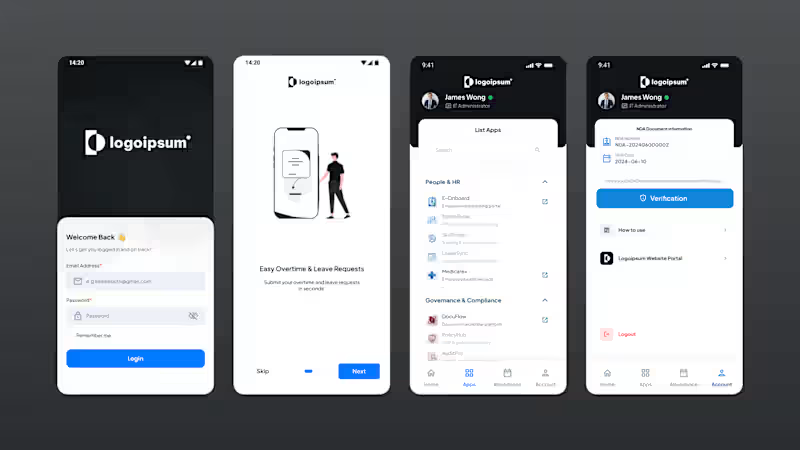
Managing workforce attendance across manufacturing and mining environments can be challenging, particularly in locations where internet connectivity is unreliable. Employees need a dependable way to record their attendance, while also accessing essential HR services without relying entirely on a desktop portal.
To address these needs, we worked on an integrated employee portal and mobile application for Android and iOS. The application supports offline attendance recording, allowing employees to record their attendance even without an internet connection. Once connectivity is restored, the stored records are synchronized with the main server. Beyond attendance, employees can submit leave and overtime requests, monitor request statuses, and access other applications available to them through a centralized application list.
The platform also brings additional employee workflows into the same experience, including NDA verification. The goal was to simplify everyday workforce administration and make essential employee services available through a single, connected platform.
Read more:
0
14
Kaltjeur - Indonesian Heritage Marketplace
Overview:
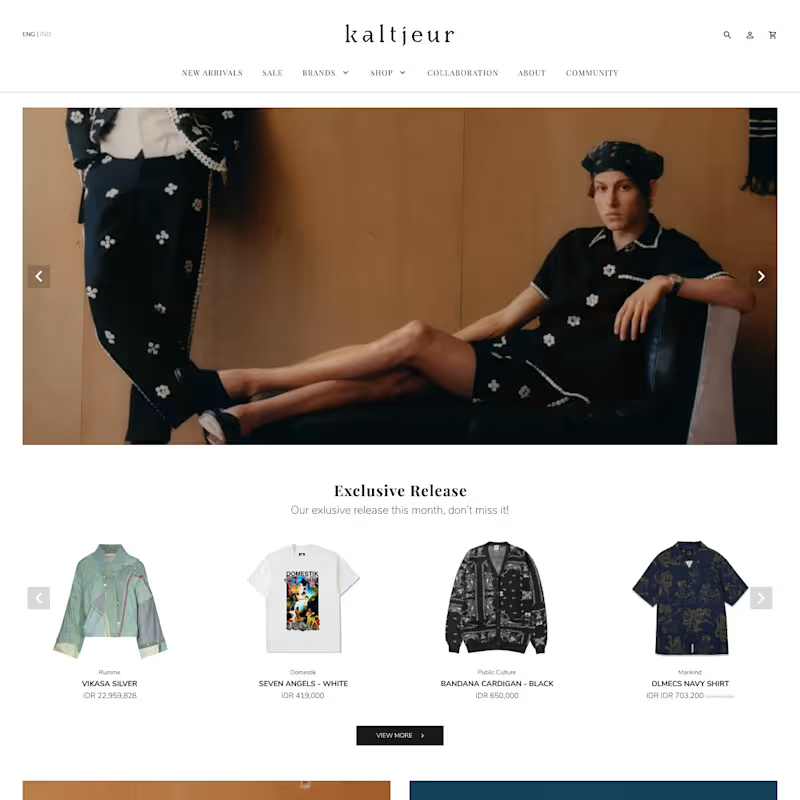
Indonesia’s local artisans and cultural producers often struggle to reach broader markets. Their work, full of heritage, craft, and meaning, is typically hidden behind outdated interfaces or lost in noisy e-commerce platforms. That’s where Kaltjeur came in: a curated online marketplace designed to celebrate and sell Indonesia’s cultural products with the respect and visibility they deserve.
Rather than mimicking modern marketplaces, we designed Kaltjeur as an immersive experience. Each product page told a story, not just what the item was, but where it came from, who made it, and why it matters. The interface emphasized warmth and culture, with local textures, bold typography, and micro-interactions inspired by traditional motifs. Behind the scenes, we created smart product categorization and seller onboarding flows to help communities publish their products with ease.
We wanted users to feel like they were walking through a modern heritage gallery, not just shopping online. This narrative-focused approach helped buyers build emotional connections with the products and encouraged repeat visits driven by curiosity and culture.
Read more on: https://codex-anshari.framer.website/
0
20

I'm Bilal,I design web/apps
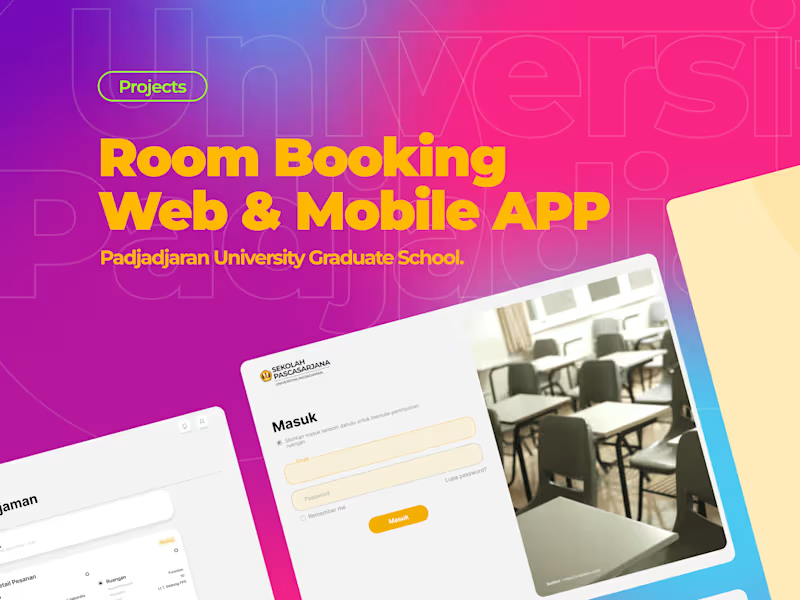
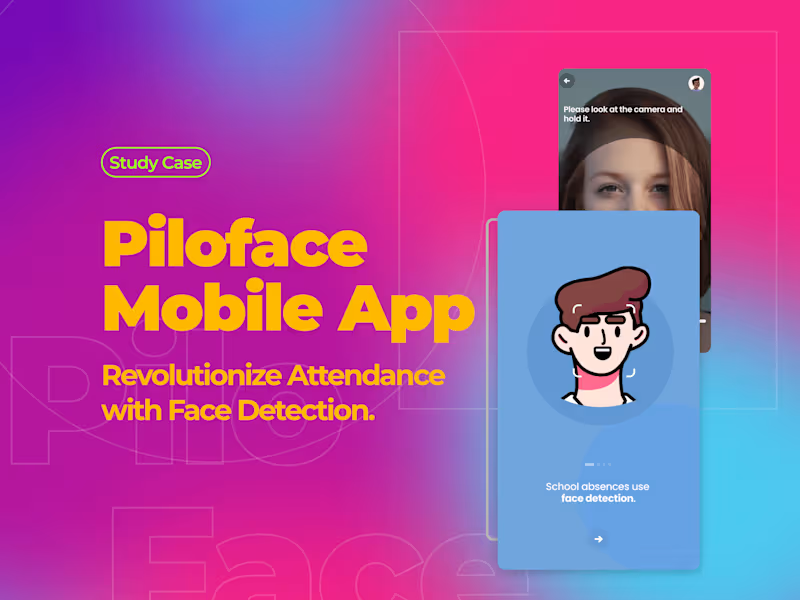
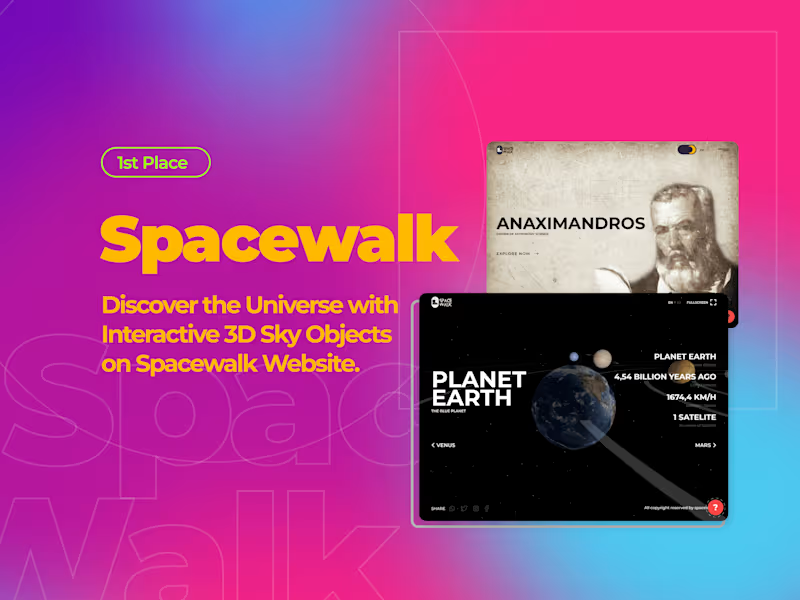
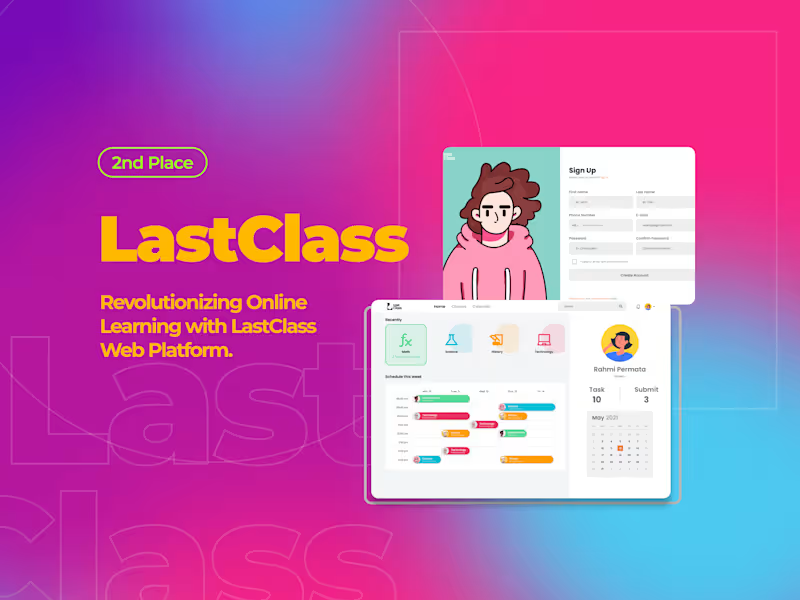

Solve problems through thoughtful design
Solve problems through thoughtful design
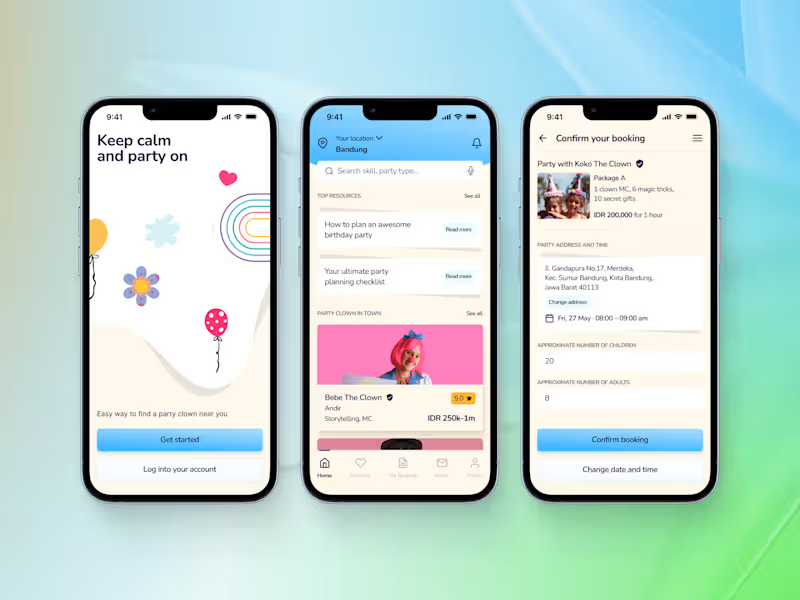
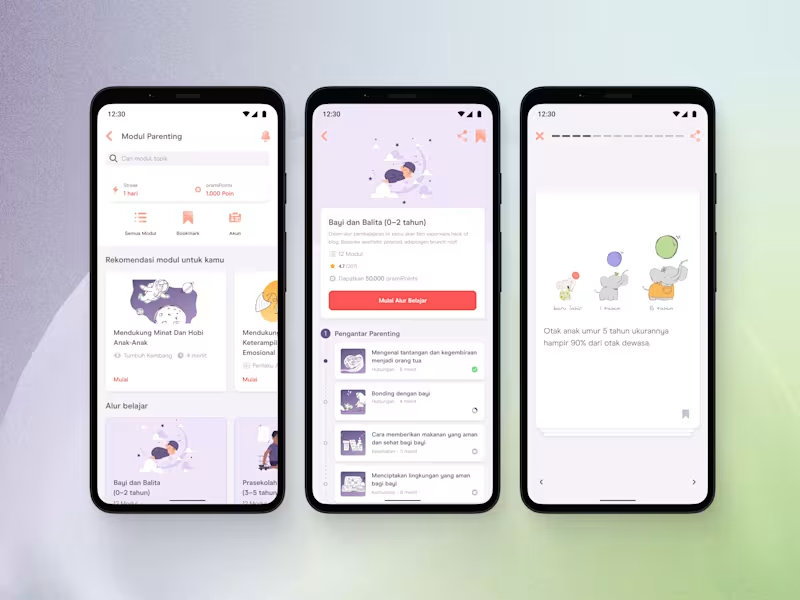
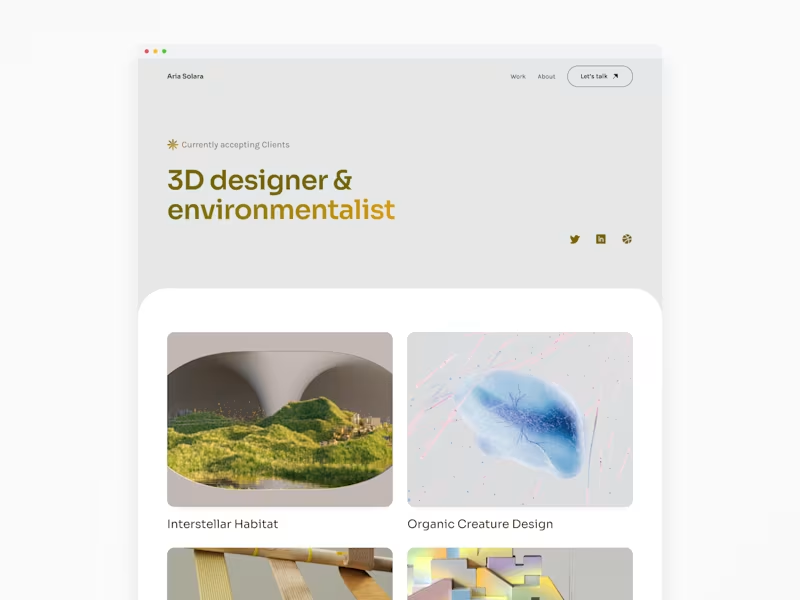
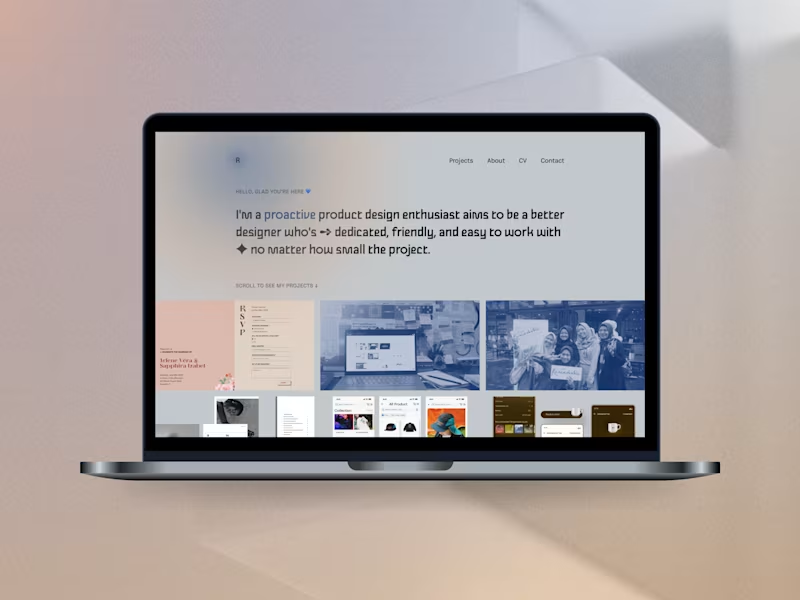

Figma and UX Design Expert ⚡️
Figma and UX Design Expert ⚡️


Certified Framer Expert | UI/UX Designer | Figma to Framer

Certified Framer Expert | UI/UX Designer | Figma to Framer
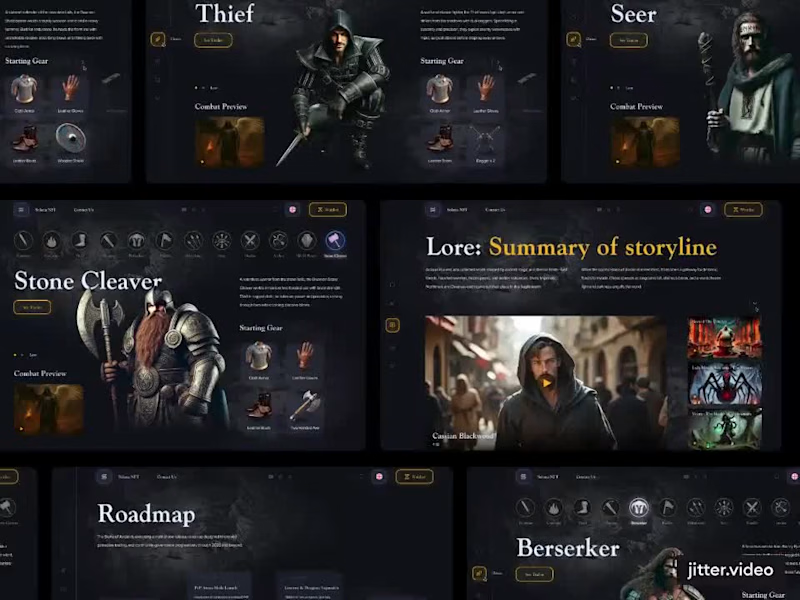
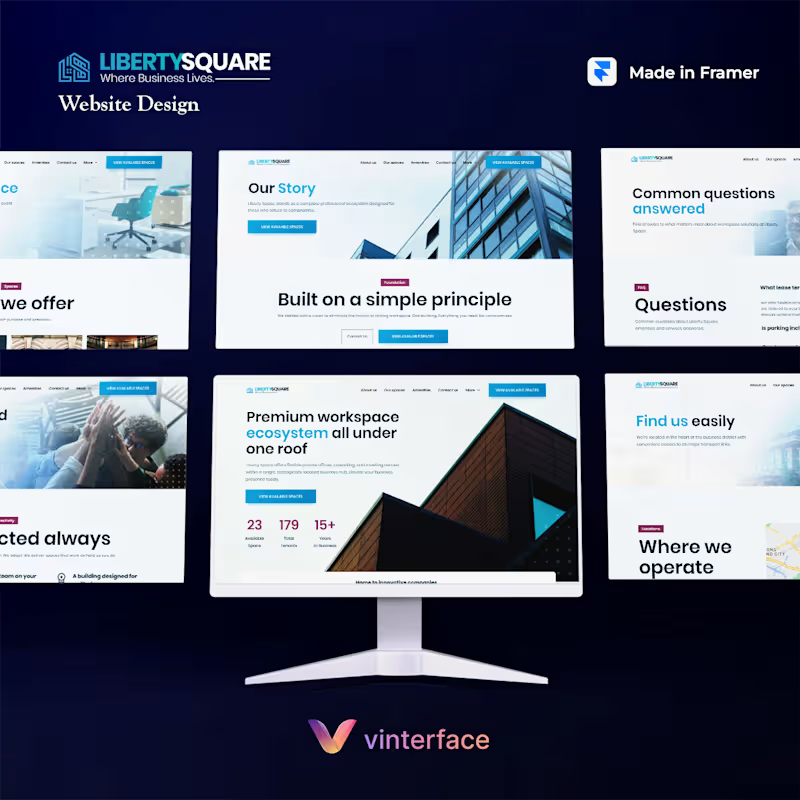
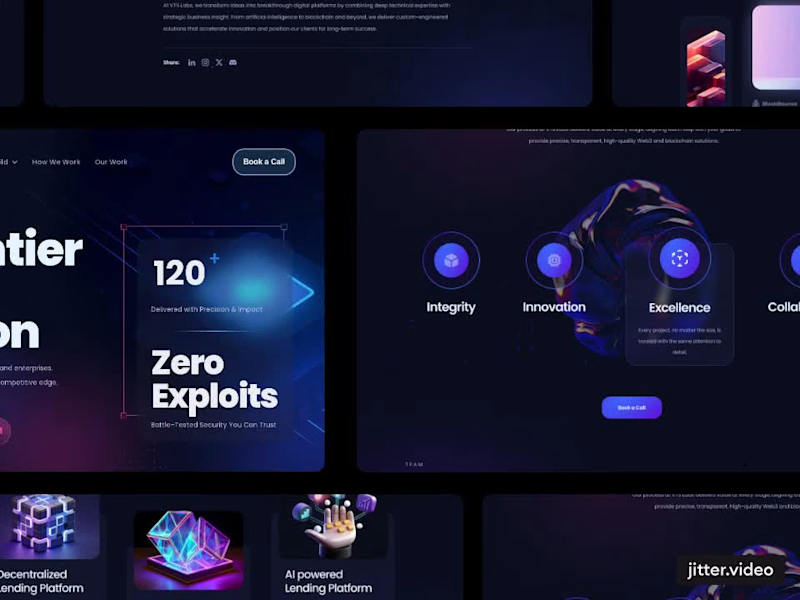

Crafting Memorable Digital Experiences
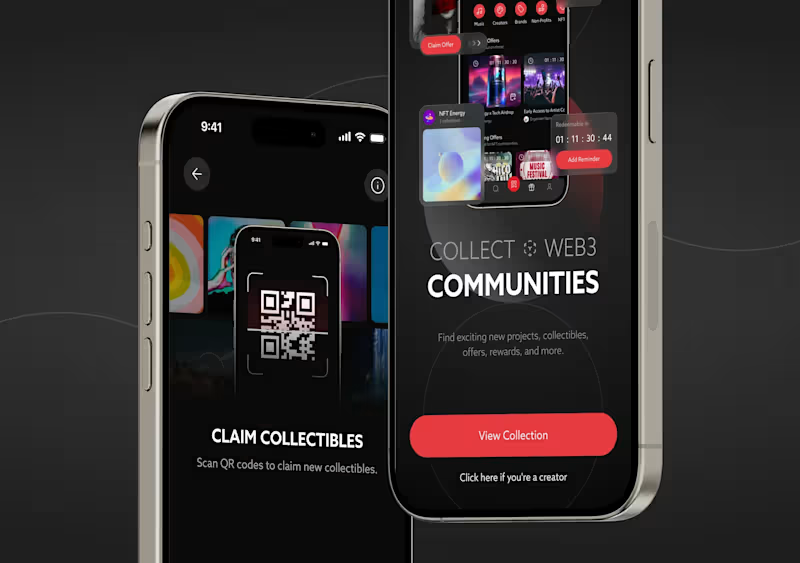
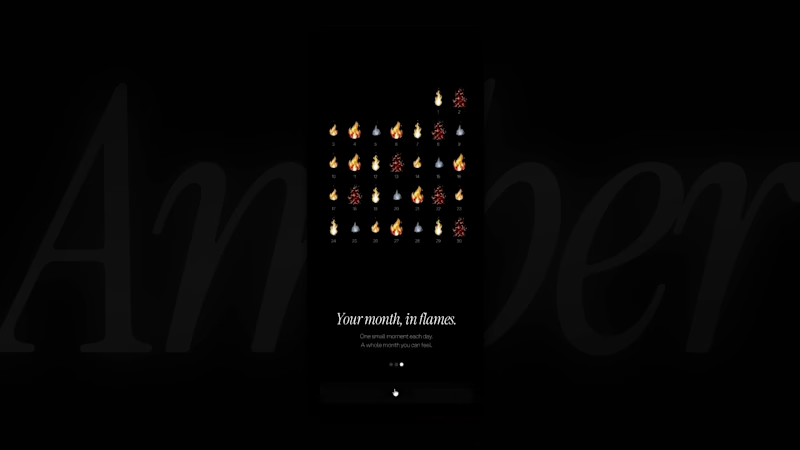
I made an app where you turn your days into flames. It's called Amber.
I wanted something that captures the intensity of a day instead of scoring it, a quiet day isn't a failed day, it's just a quiet one.
One question: How did your day go? You slide to the flame that matches, add a note if you feel like it, done in about fifteen seconds. A month later your calendar is a grid of flames you can actually feel.
On the build: I made all five flame states in Figma Weave, and I designed every screen myself in Figma and handed it to Make through MCP.
Try Amber: https://amber-app.figma.site
(https://amber-app.figma.site)Figma community file: https://www.figma.com/community/file/1649128971567301375
Social post: https://www.linkedin.com/posts/kevinnkwok_configmakeathon-figma-figmamake-ugcPost-7473065471005794304-cNLR/?utm_source=share&utm_medium=member_desktop&rcm=ACoAADdlQK8B1qbSyrKktjzva-q_3NUicLCvWQ8
Built for #ConfigMakeathon
2
4
222

Work Life Balance
Work Life Balance
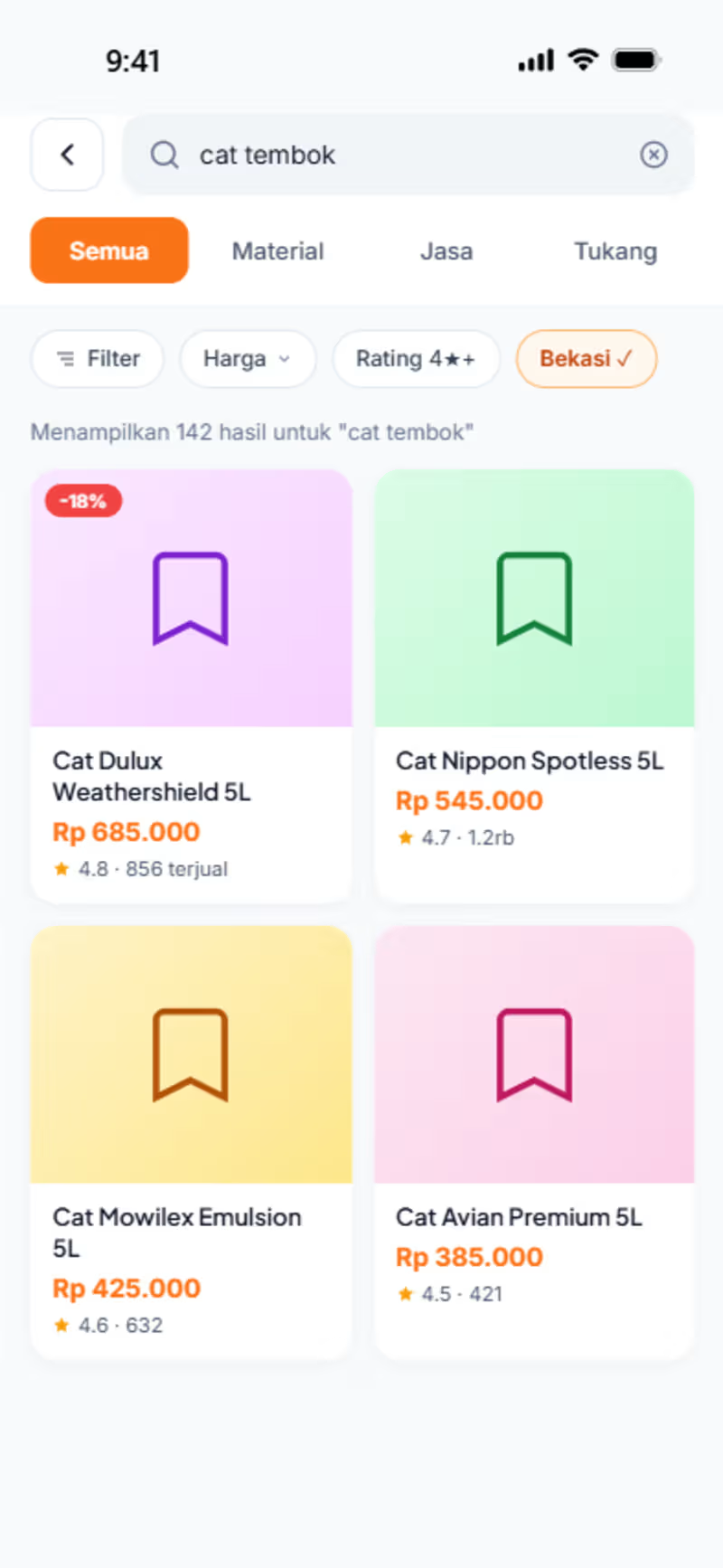
This project aims to design and develop a modern mobile-based construction and home renovation platform tailored for the Indonesian market. The platform will serve as an integrated ecosystem that connects homeowners with building material suppliers, renovation service providers, contractors, and project monitoring tools within a single digital experience.
The product is designed to address common challenges faced by Indonesian homeowners during renovation processes, including difficulty finding trusted contractors, lack of transparency in project progress, fragmented purchasing workflows for construction materials, and limited digital tools for renovation management.
The platform combines four core service pillars:
Building material marketplace
Home renovation and repair services
Contractor and worker booking system
Renovation project monitoring and documentation
The application is intended primarily for non-technical homeowners who require a simple, guided, and trustworthy renovation experience. Therefore, the product strategy emphasizes beginner-friendly navigation, transparent workflows, intuitive mobile interactions, and a modern premium user experience that remains approachable for mass-market users.
From a product and UX perspective, this project focuses on creating a startup-grade mobile application blueprint that includes:
Product architecture and information hierarchy
Mobile UX strategy and interaction design
End-to-end user journey planning
Marketplace and service booking workflows
Renovation project management experience
Scalable design system planning
Component and navigation structure
Screen-by-screen UX documentation
Trust-building and accessibility considerations
The final output of this project will function as a comprehensive product design foundation for:
UI design development in Figma
Design system implementation
Frontend and mobile application development
UX documentation and stakeholder alignment
MVP planning and startup execution strategy
The visual and interaction direction will adopt a modern startup aesthetic inspired by leading digital platforms such as Tokopedia, Gojek, Stripe, Linear, and Airbnb, combining marketplace usability with clean and elegant mobile-first design principles.
This initiative is expected to produce a scalable, production-ready mobile product framework capable of supporting future business growth, service expansion, and digital transformation within Indonesia’s home renovation and construction industry.
0
97
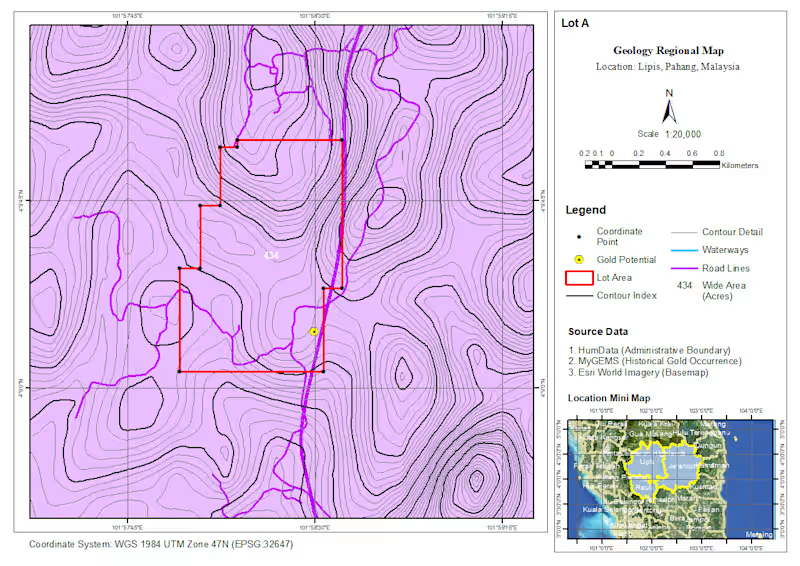
Recently completed a GIS-based desktop study for a gold exploration project in Pahang, Malaysia, covering areas around Lipis, Jerantut, and Raub.
As a GIS Analyst, I worked on compiling and integrating multiple spatial datasets to support preliminary assessment and planning of potential exploration areas.
The analysis and mapping included:
• Regional geological mapping
• Geomorphological analysis
• Satellite imagery interpretation
• Gold occurrence and resource visualization
• Accessibility and surrounding area analysis
• Quarry/resource mapping
• Project planning and infrastructure mapping
• Permit application mapping
The workflow involved combining geological and mineral occurrence data with terrain, satellite imagery, road networks, waterways, and project boundaries to create clear and structured thematic maps for desktop-level assessment.
The maps were developed using ArcGIS with a focus on consistent cartographic standards, spatial accuracy, and presenting complex geospatial information in a format that can support further exploration planning and decision-making.
This project was a great opportunity to apply GIS not only for visualization, but also as a tool for integrating geological, environmental, and spatial information into a more structured exploration workflow.
📍 Pahang, Malaysia
🗺️ GIS Analysis & Cartography
⛏️ Gold Exploration Desktop Study
1
227
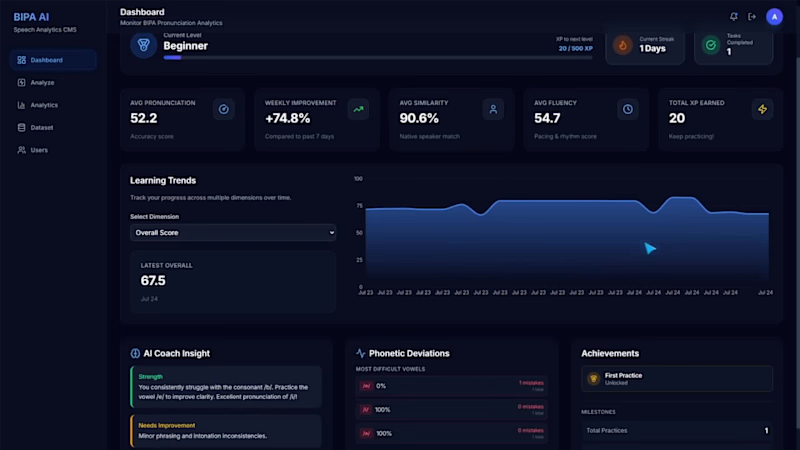
BIPA AI — AI-Powered Pronunciation Learning Platform
BIPA AI is an intelligent pronunciation learning platform that helps non-native Indonesian speakers improve their speaking skills through AI-driven speech analysis and personalized learning.
The platform evaluates pronunciation across multiple dimensions—including pronunciation accuracy, fluency, intonation, clarity, vowel articulation, phoneme accuracy, and native speaker similarity—to provide detailed, actionable feedback after every speaking exercise.
Designed as more than just a speech analyzer, BIPA AI introduces structured pronunciation tasks, learning progress tracking, historical performance analytics, and adaptive AI recommendations, creating an engaging learning experience similar to modern language learning platforms.
By combining speech processing, machine learning, and interactive analytics, the application transforms spoken audio into measurable insights that support continuous pronunciation improvement.
Highlights
- AI-based pronunciation evaluation
- Native speaker comparison
- Speech performance analytics dashboard
- Guided pronunciation learning
- Personalized AI feedback
- Long-term learning progress tracking
- Modern responsive web application
0
104

Fast doesn’t mean good.
Most teams move fast.
Ship fast.
Break things faster.
But speed isn’t what makes a product last.
What matters is:
– how accurately it solves the problem
– how honest the scope is
– how maintainable it stays months after launch
That’s the idea behind this identity.
A visual tension between speed and precision.
Between moving fast — and moving right.
Because “fast” is easy to promise.
But “right” is something you have to stand by.
0
104

Product Designer: Figma, Website & Apps
Product Designer: Figma, Website & Apps

View more →