The network for creativity
Join 1.25M professional creatives like you
Connect with clients, get discovered, and run your business 100% commission-free
Creatives on Contra have earned over $150M and we are just getting started
Back to feedPost

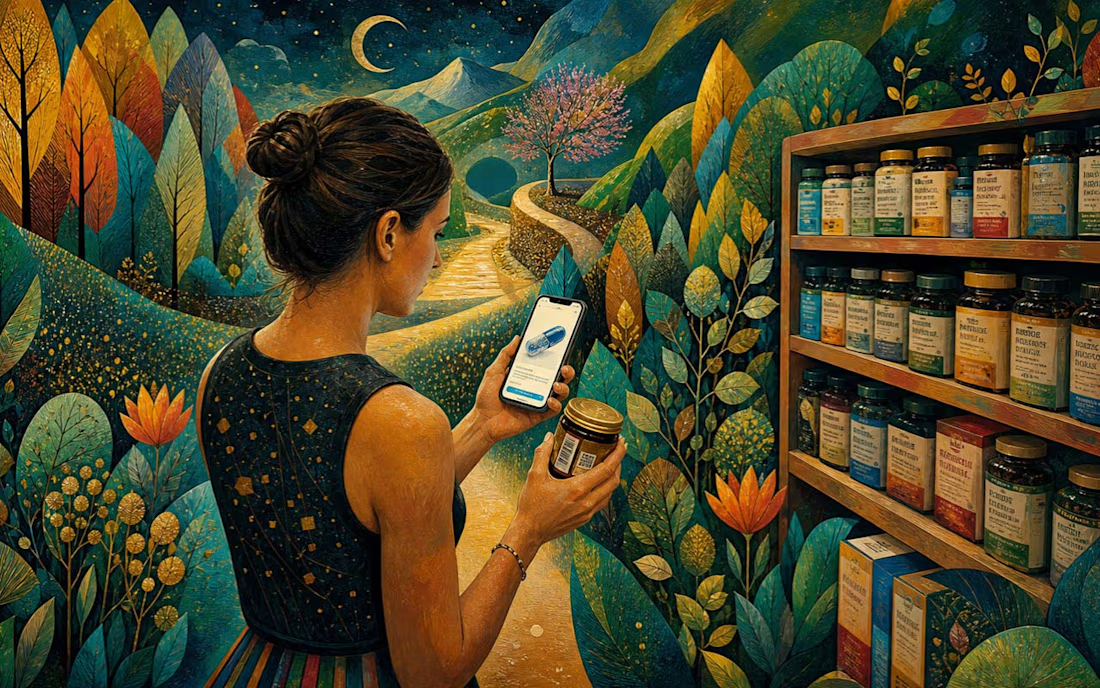
Consumer packaging is about to get a second code — a QR code. Most brands will treat that as a compliance headache. I think it's the most interesting thing to happen to a package in years.
Here's why. A barcode rings up the sale and then goes quiet. A QR code is a door. A shopper standing in the aisle, phone in hand, can open it — and what's behind it is ours to design.
Plenty will aim that door at their homepage. That's like opening it and leaving someone on the sidewalk, staring at the front of the house. The package in their hand already told them more.
So point it somewhere better. Ask one question: what does this shopper want to know right now? Maybe it's the origin story that justifies the price. A thirty-second video of the product in use. The allergen detail that turns a maybe into a yes. A first-purchase offer. Real customer testimonials.
The code does one of two jobs. For the shopper still deciding, it's the nudge. For the one already sold, it's a small delight they didn't see coming. Either way, the brand keeps talking past the edge of the label — and we decide what it says.
The code costs nothing. What's behind it is a design decision. That's the fun part!
The network for creativity
Join 1.25M professional creatives like you
Connect with clients, get discovered, and run your business 100% commission-free
Creatives on Contra have earned over $150M and we are just getting started



Related posts


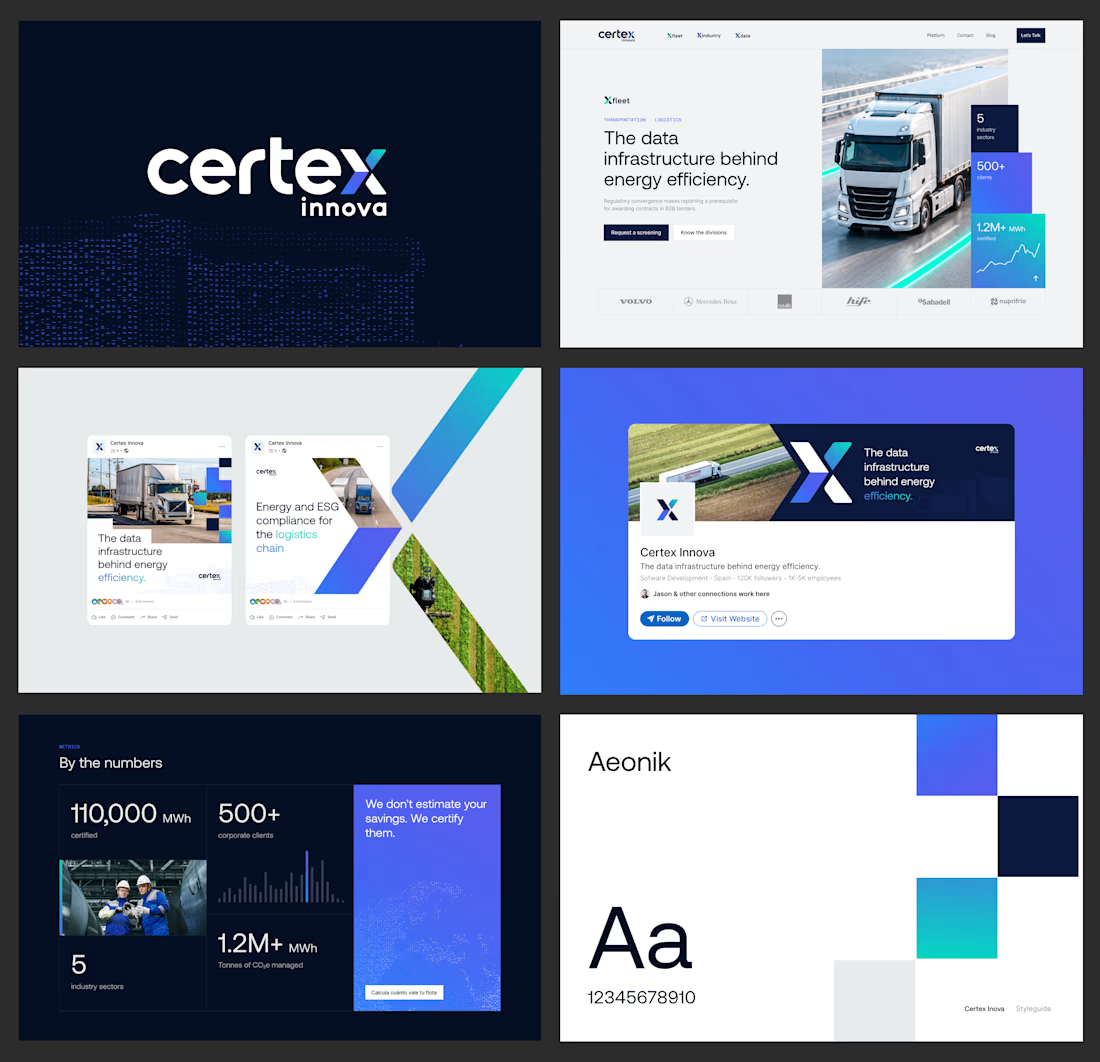
Branding a B2B company full of regulations and data doesn't have to look boring. ⠀

Awesome work!

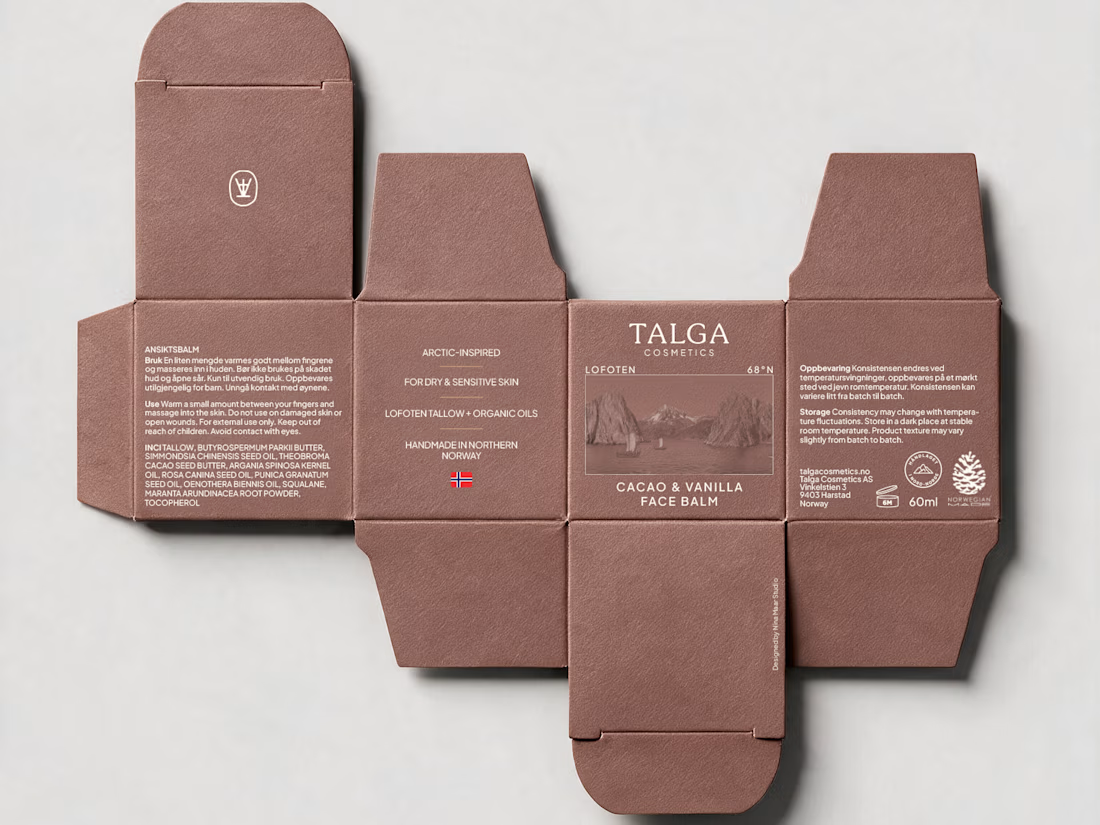
Contra featured my Talga Cosmetics packaging project!
Thanks to the Contra team for recognising and sharing my work.
Explore the full case study ↓

Congrats on the feature. The dusty pink works really well on the boxes.

How do you make someone want a product they've never held? 🤔
That was my challenge while designing a launch for a premium cinema drone. Specs like "8K, 249g, 46-min flight" are impressive, but nobody falls in love with a spec sheet.
So I went atmosphere first, specs second: dark night-sky tones, misty mountains, and one bright lime accent that only shows up when it's time to act.
The result is a full brand identity, a landing page that feels like one long flight, and a campaign that tells the same story everywhere.
Do you lead with emotion or features when you design? I'd love to hear your take. 👇
https://contra.com/p/X7XsgEEg-brand-identity-and-landing-page-or-ui-ux-branding-and-web-design?
Amazing work!