Fyah & The Yard Mascot Design

Chantal Jemmott
Verified


Fyah & The Yard
Brief
Recraft launched a mascot challenge on Contra. Invent a character, build the world it lives in, prove it can travel. It was my first time designing a mascot, so I approached it the way I approach any brand problem.
Concept
I chose a Hot Sauce Social Club: community-based, accessible, something people want to be part of. The Yard is the name of that club, a place for people who take their spice seriously, where the food isn't just eaten, it's grown from the ground up.
Character
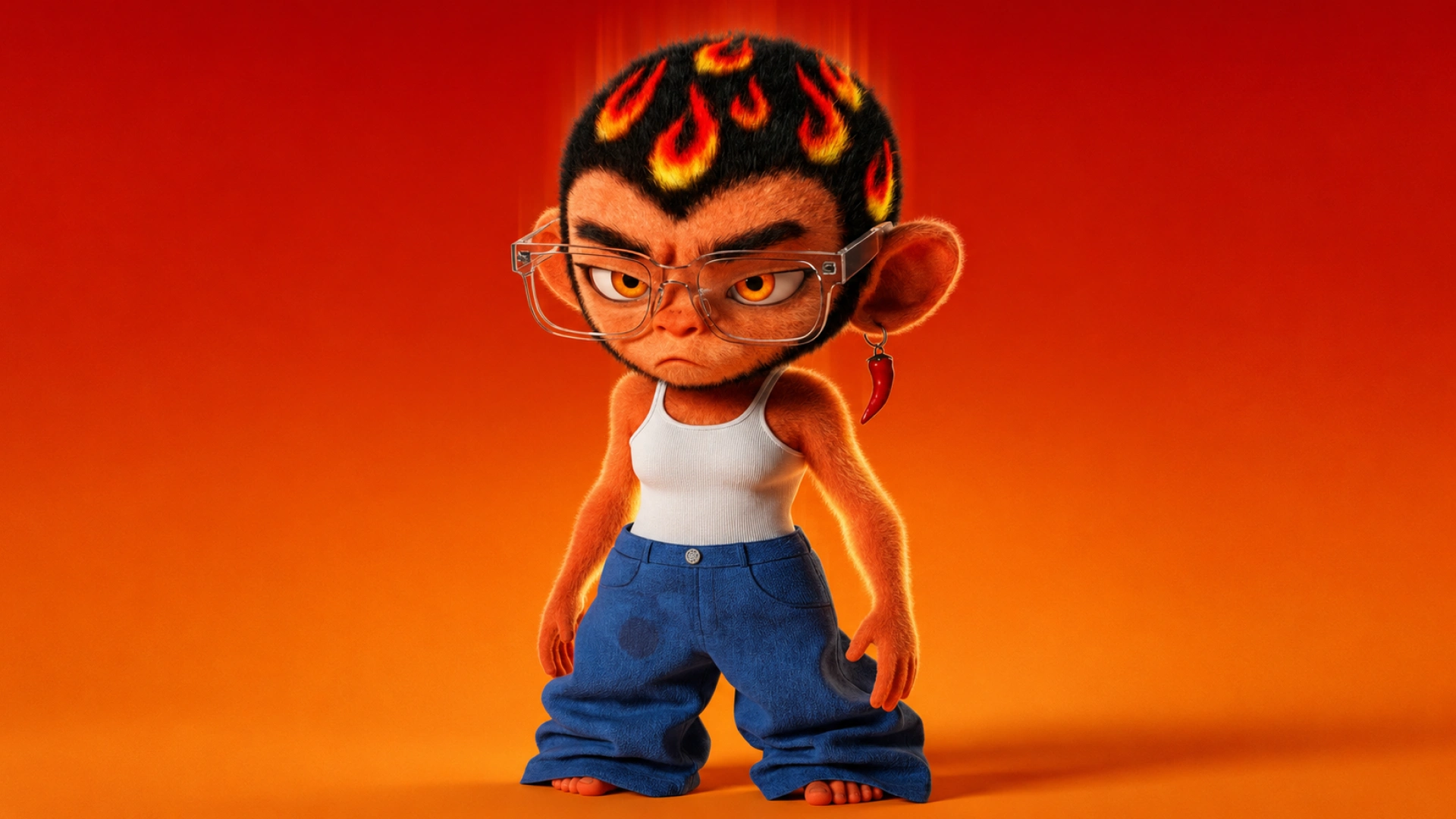
Before designing anything, I defined the archetype: the Trickster meets the Connoisseur. Someone who loves food, has strong opinions about it, and doesn't hide either.
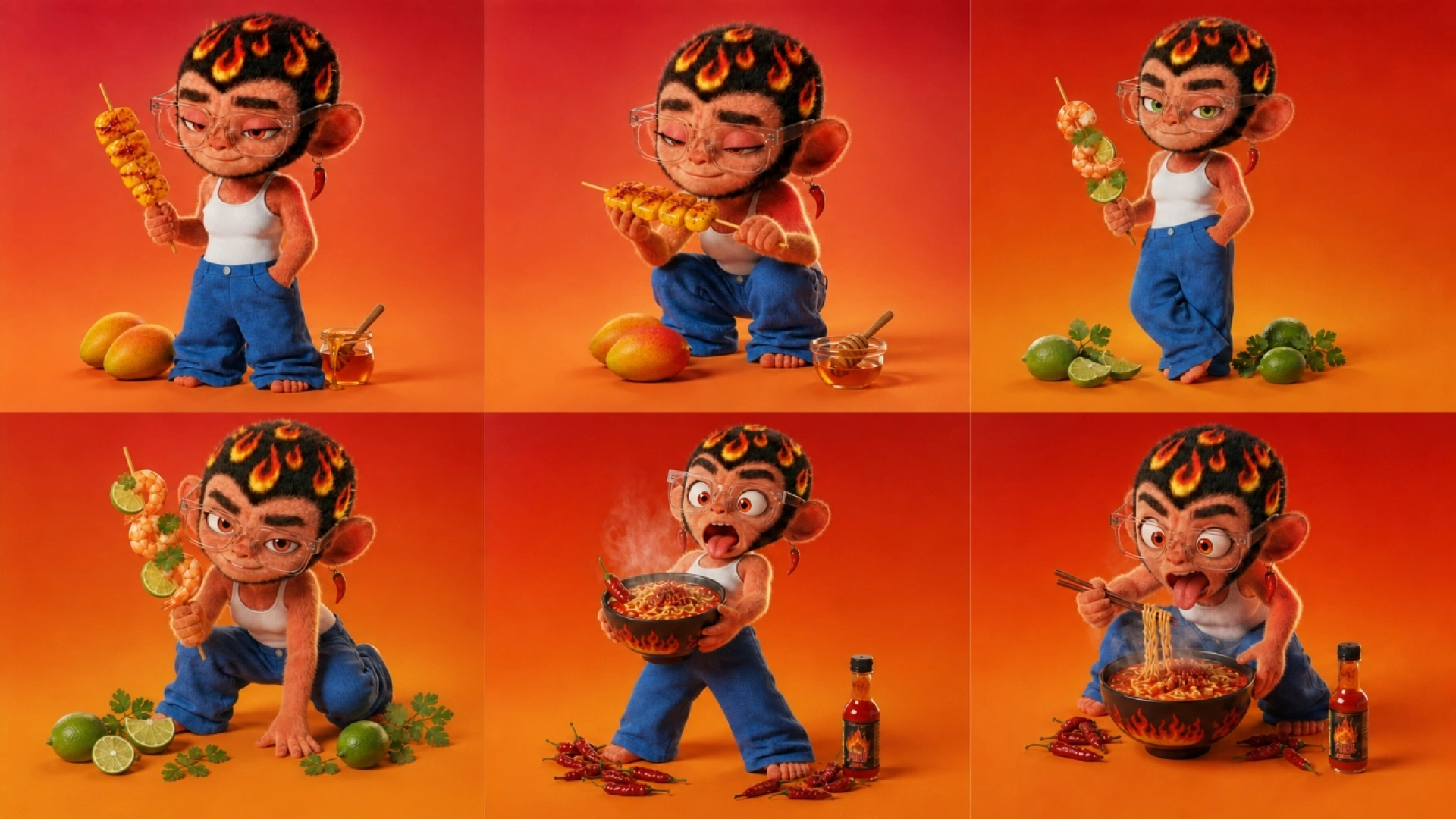
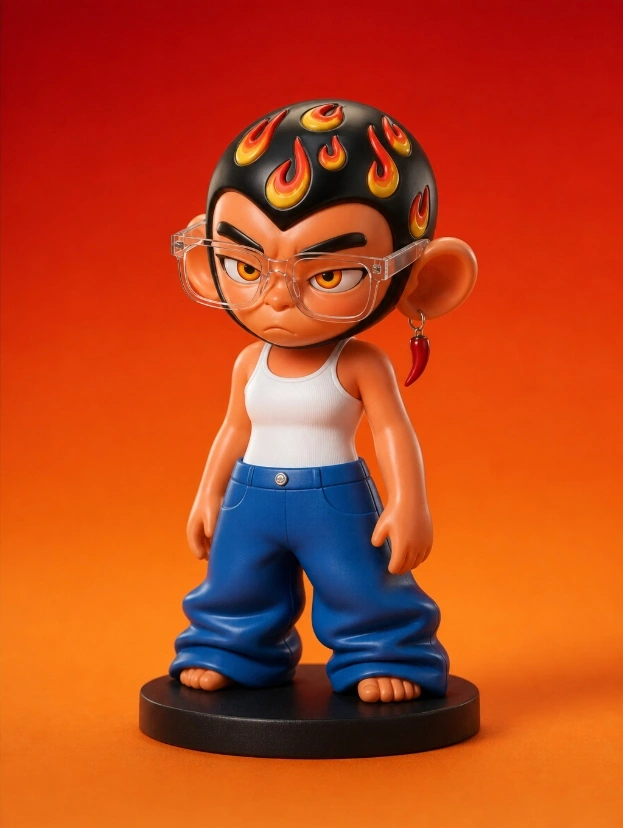
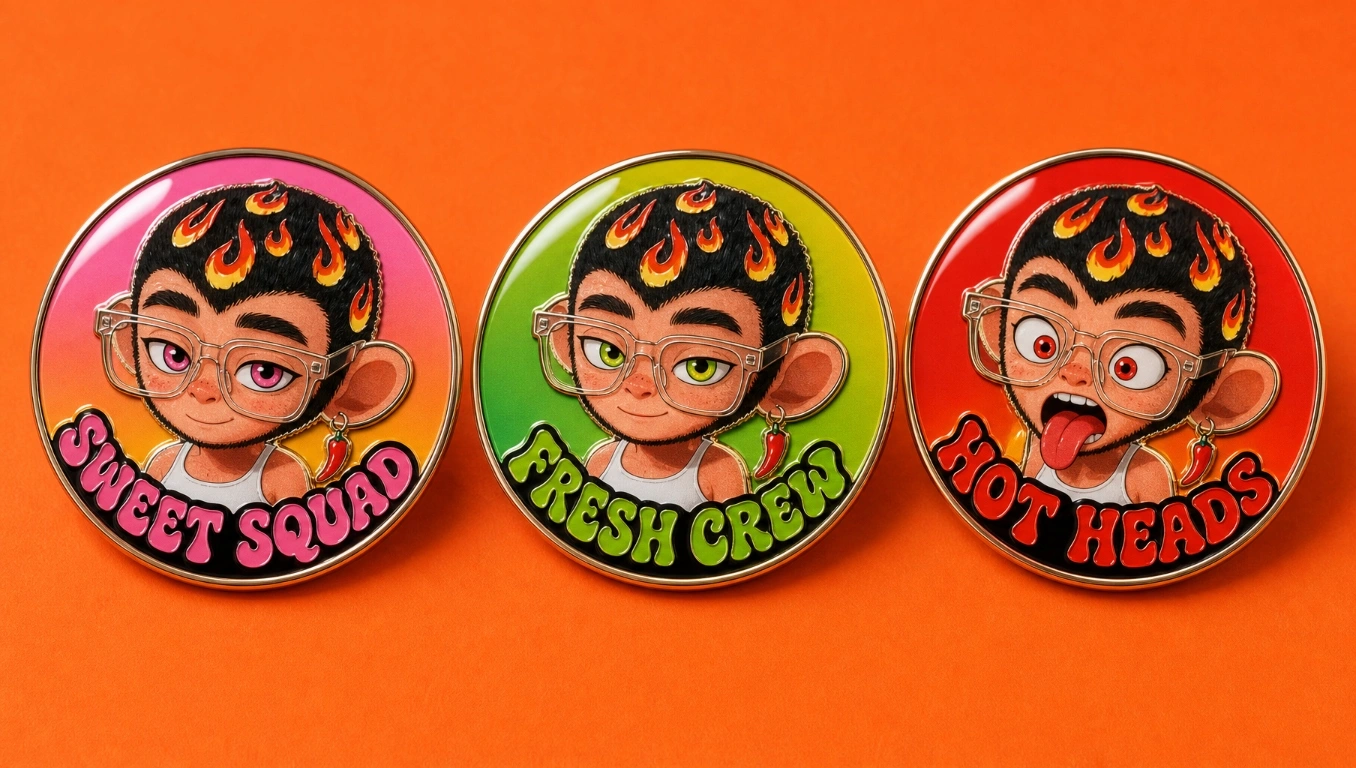
Fyah is inspired by a monkey, not literally, but in spirit. Expressive, spontaneous, smart. The flame hair references those haircut designs where texture lives directly on the head. The chili earring anchors him to the world of spice. The transparent glasses add a critical, picky energy without hiding his expressions, because his reactions are the whole point. The outfit is deliberately neutral so he can adapt across every color variant without losing himself.
Color System
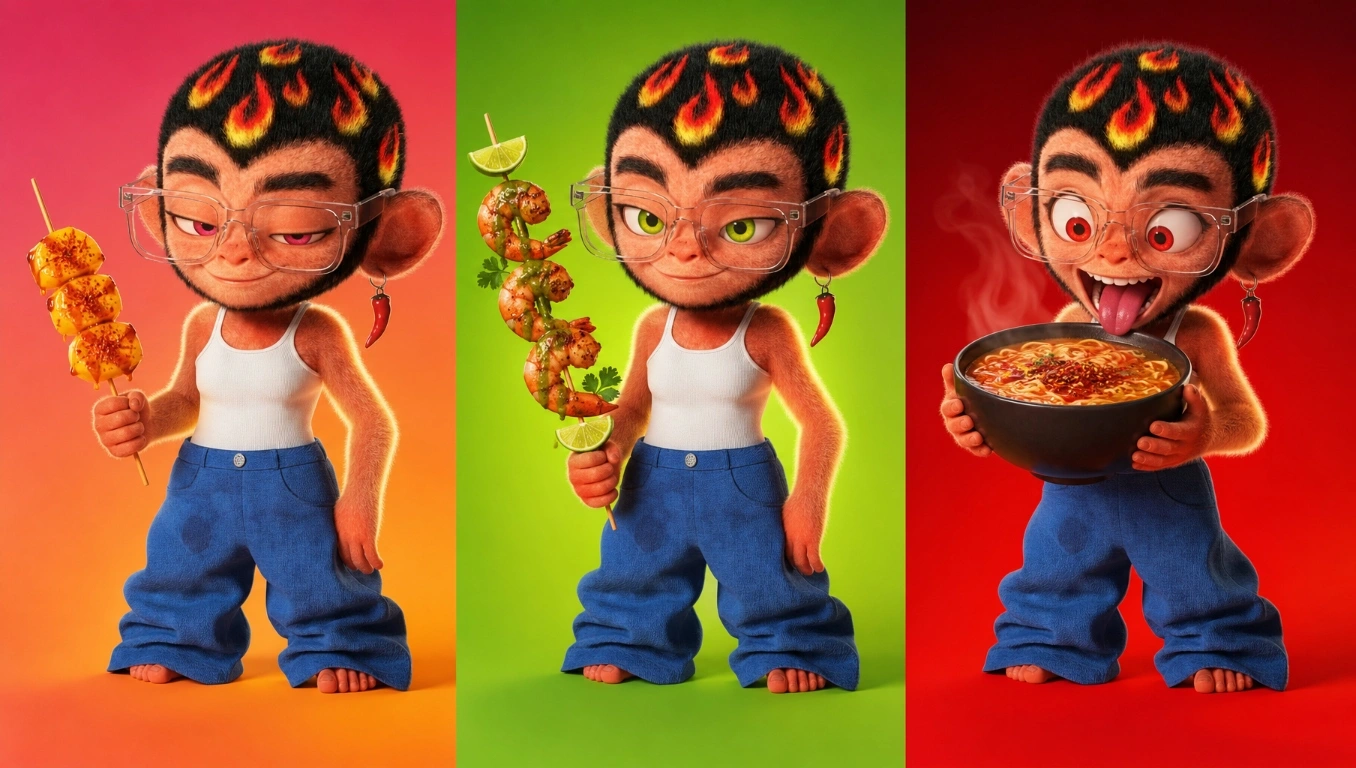
I deliberately pushed beyond my usual aesthetic, more intense, more saturated, more fun. I invented three flavor categories and assigned a specific color range to each: warm pink and orange for sweet, green and lime for fresh, deep red for very spicy. Same character, same system, different emotional register per heat level.
Typography
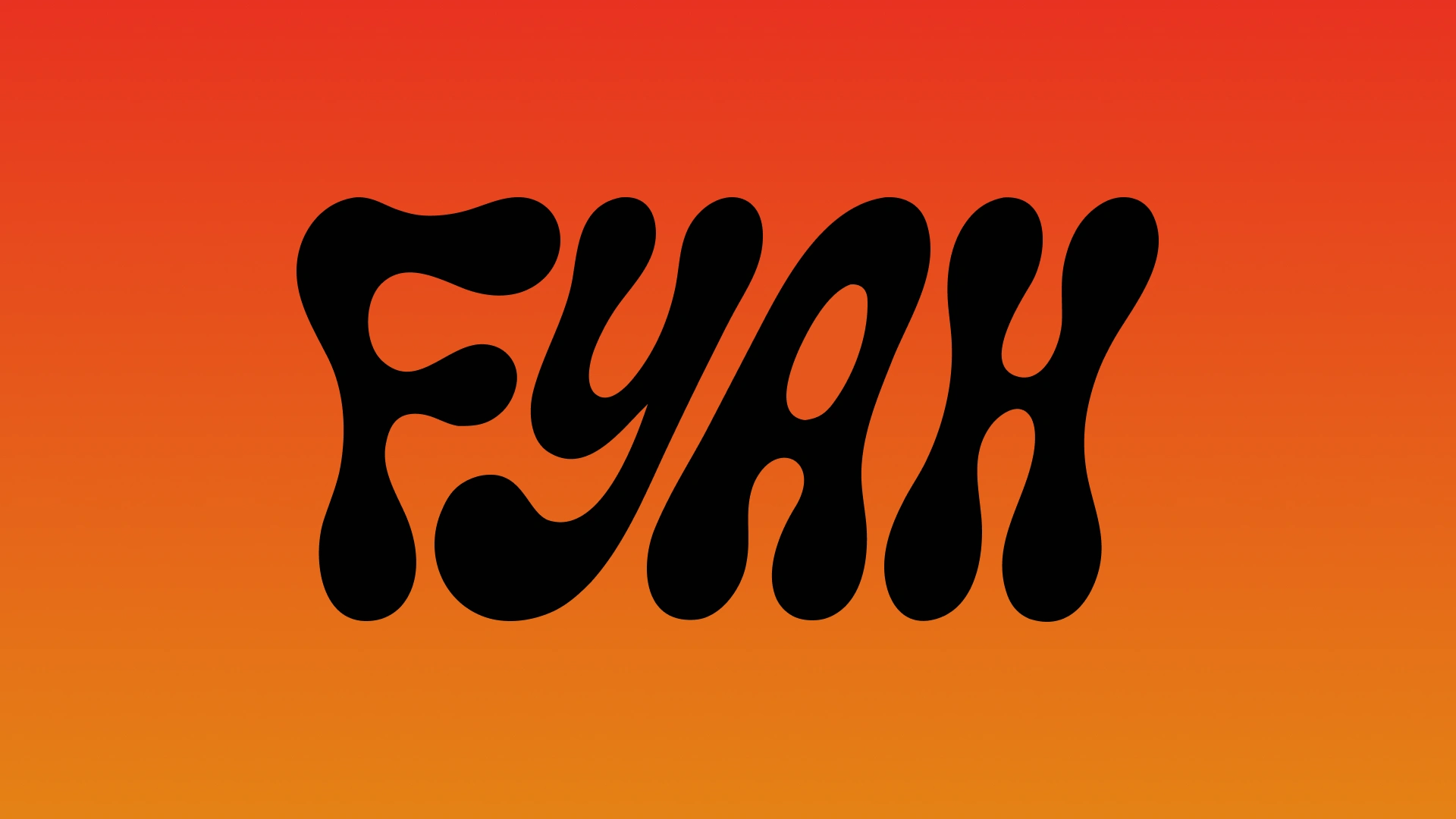
Fyah is the patois pronunciation of fire, a Caribbean linguistic reference that does the work without explanation. So instead of making the lettering about fire visually, I focused it on the sauce: thick, hand-painted brush lettering with rough edges. The name and the product become the same thing.
System
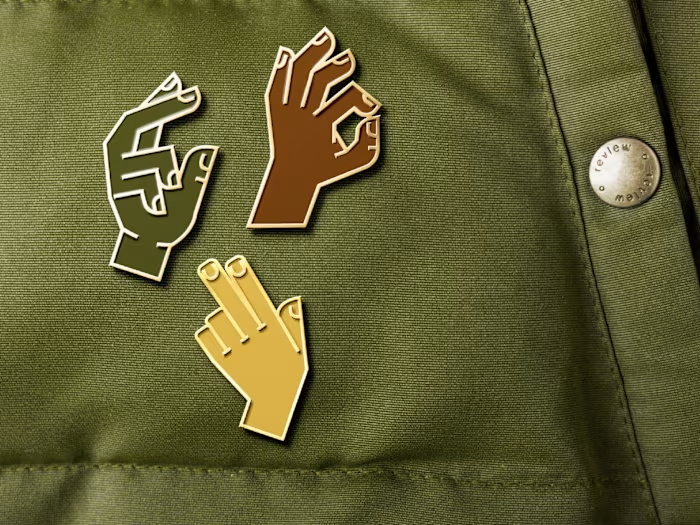
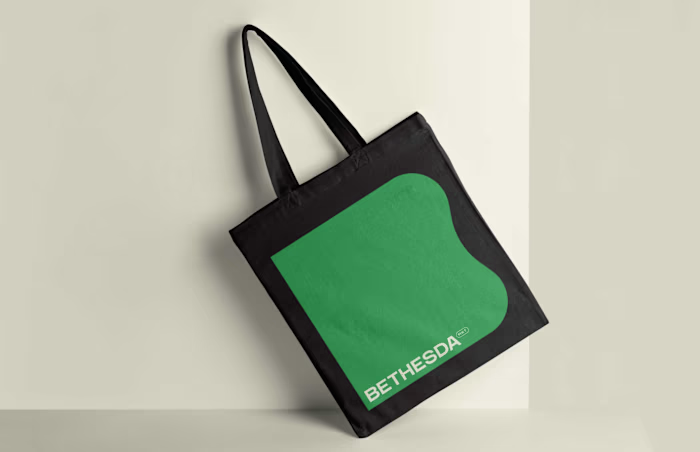
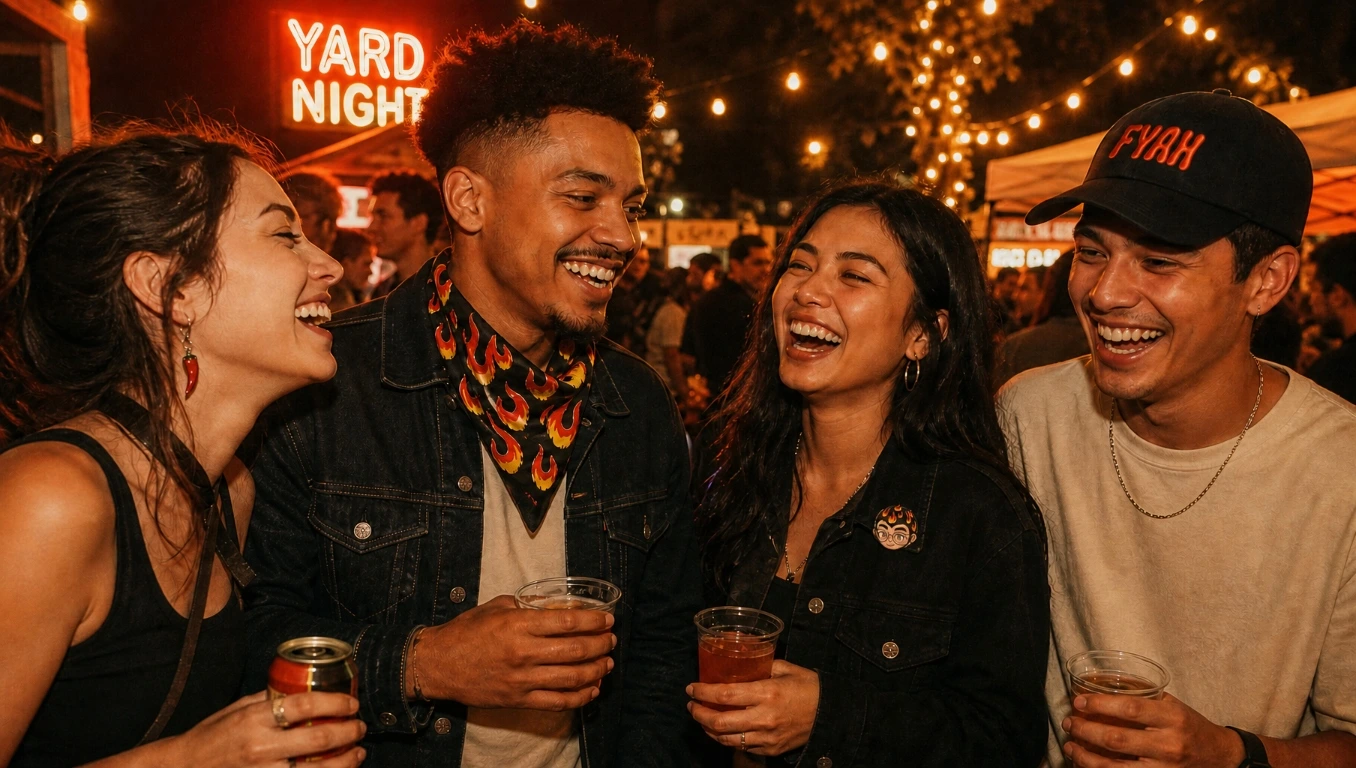
Everything was designed to live beyond the character. Flame motif, chili, color variants, typography, all of it works on merch, packaging, a pin, a bandana, without Fyah present. That's what makes it a brand system, not just a mascot.
Recraft
First time using it seriously. Exploration Mode was the most useful part, it let me push in multiple directions before committing. The more specific and narrative my prompts, the better the output. Not everything worked on the first try, but every failed attempt clarified what I actually wanted. Which is exactly how design is supposed to work.
Like this project
Posted Jul 3, 2026
Fyah is the face of a hot sauce social club. AI Mascot design, brand system, and world-building for Recraft's challenge.
Likes
3
Views
102
Timeline
Jun 27, 2026 - Ongoing
Clients
Contra