Turning Strangers Into Real-World Connections

Henry Ugo


ZuThailand
Overview
ZuThailand was a two-month popup city that brought together thousands of people from all over the world, most of whom arrived as complete strangers. I designed the brand and product experience that got them to connect with each other in real life, verify those connections, and keep coming back for more.
At its core, this was about solving one of the hardest problems in any community or platform: getting people who don't know each other to take the leap from a screen to an actual meeting, and making that feel safe, easy, and worth repeating.
The real challenge
A community only works if people actually connect. You can put thousands of interesting people in the same place, but that doesn't mean they'll meet, and it certainly doesn't mean they'll keep meeting. Most people, even at an event built for connection, default to staying in their own bubble.
The challenge I was handed was behavioural before it was visual. How do you design an experience that actively nudges people out of their comfort zone and into real conversations with strangers, then makes those moments feel rewarding enough that they seek out the next one?
The hard part was never the technology. It was the human behaviour. Getting someone to reach out, agree to meet, and then actually show up is the whole game.
What I designed
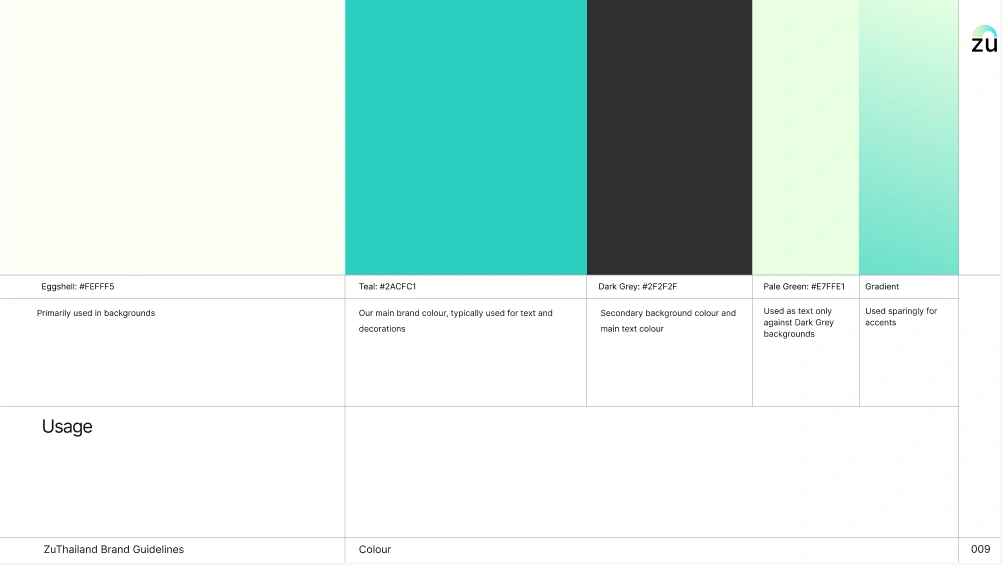
I led the brand and product experience as one connected system rather than a set of separate pieces. The visual identity, the companion app, the motion design, and the real-world touchpoints all worked together and felt like one thing.
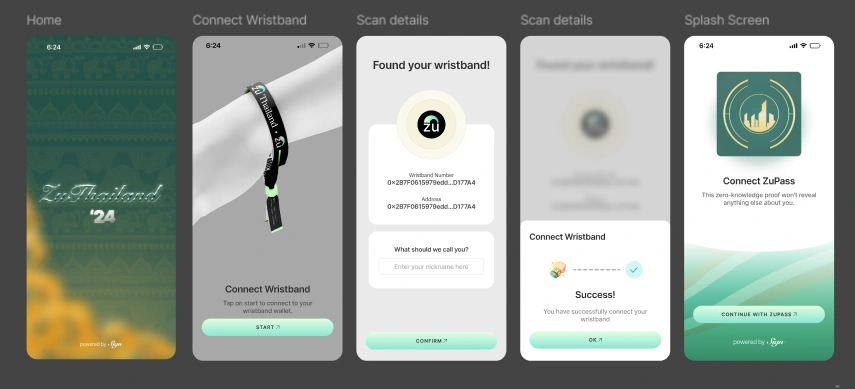
The centre of it was a companion web app that became the home for the whole experience. People used it to onboard, find their footing in a brand new environment, see what was happening around them, and keep track of the connections they were making.
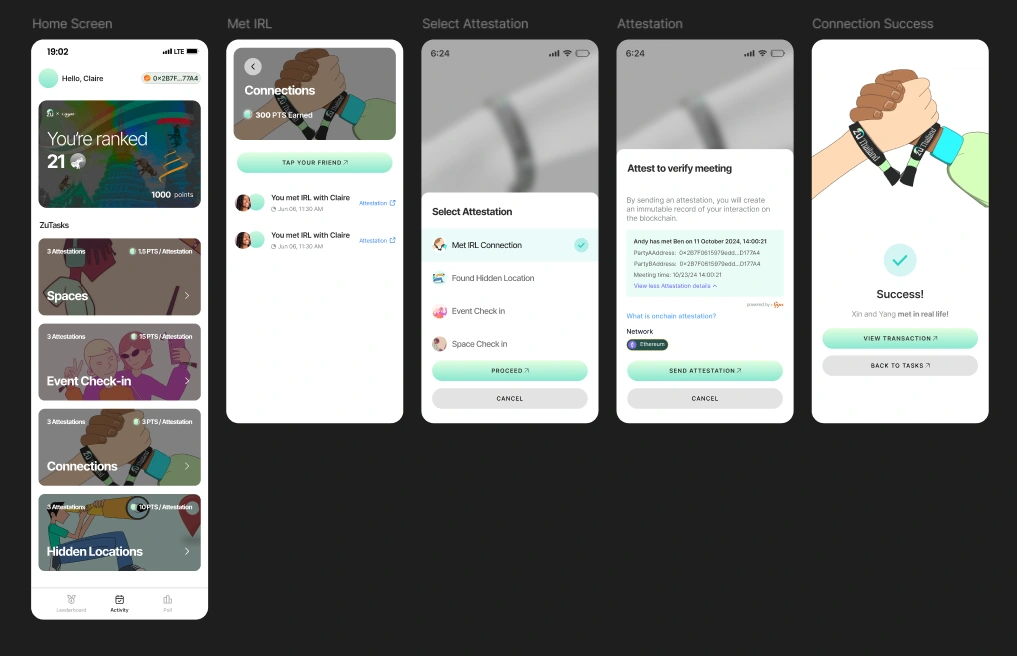
One of the most important features was something we called Met IRL. When two people met in person, they could confirm it, creating a verified record that the meeting had actually happened. It turned a real-world moment into something tangible and shareable. That mechanic, proof of a genuine human connection between two people who started as strangers, became one of the most meaningful parts of the experience.
Alongside it, I designed flows for entering shared spaces, attending events, and discovering locations around the city, each one a gentle prompt to participate, explore, and cross paths with people rather than stay still.
The trust layer
None of this works without trust. People won't engage with strangers in an unfamiliar environment unless the experience makes them feel safe and oriented from the very first moment.
So trust was designed in from the start, not added at the end. Onboarding was built to make someone feel confident and welcome rather than lost. Every interaction gave clear, immediate feedback so people always knew where they stood. And the verification of real-world meetings meant connections felt authentic rather than anonymous.
Any platform that asks people to meet strangers in real life has to earn confidence at every step, and that confidence is built through hundreds of small design decisions, not one big safety feature.
Motion and implementation
I animated the core product states so the interface could respond with motion at the exact moments that mattered most. The animation system was used to reinforce progress, confirm success, and make each interaction feel emotionally satisfying.
That motion layer was important because it helped the brand feel alive. It gave the system rhythm, personality, and a sense of momentum across both the app and the physical experience.
What this project demonstrates
ZuThailand showed what it takes to do a specific, difficult thing well: take strangers, design an experience that gets them to connect in the real world, build the trust that makes that possible, and hold the brand, the product, and the feel together as one coherent system.
It's a clear example of behavioural design thinking, integrated brand and product work, and a system built to turn online intent into real-world action.
Like this project
Posted May 15, 2026
Product design for a two-month popup community of thousands. The challenge: get strangers to meet in real life, build trust, and keep them coming back.