Most wellness apps ask how you feel, then do nothing with th...

David Motilayo

Most wellness apps ask how you feel, then do nothing with the answer.
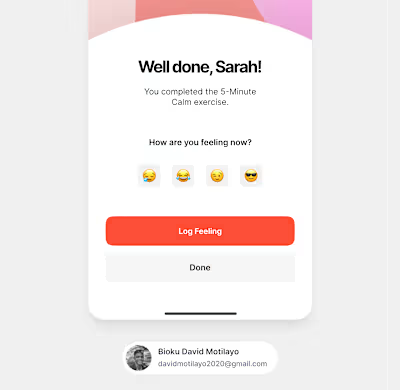
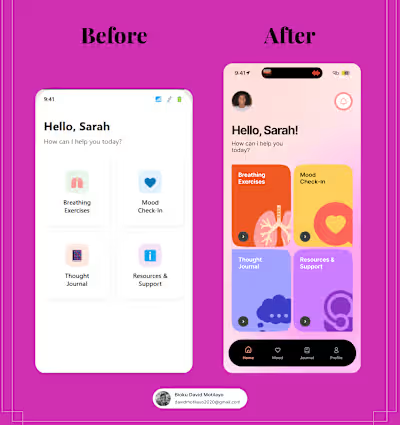
That was my concern with the original Mood Check-In: it worked, but felt mechanical.
Tap a mood. Log it. Exit.
In the redesign, the goal was to slow users down just enough to reflect, not just report.
Instead of isolated entries, the experience highlights patterns, streaks, and emotional progress over time.
The shift was intentional:
From logging emotions → to understanding them
From static lists → to visual feedback
From checking in → to building awareness
For users, reflection feels natural, not forced.
For the product, it builds consistency, trust, and long-term engagement.
These few screens capture the core idea:
Good UX doesn’t just collect data, it helps people make sense of it.
Like this project
Posted Jan 1, 2026
Most wellness apps ask how you feel, then do nothing with the answer. That was my concern with the original Mood Check-In: it worked, but felt mechanical. Ta...
Likes
0
Views
0