Cloneify AI | UI/UX Design for Mobile App MVP

Iroshan De Zilva

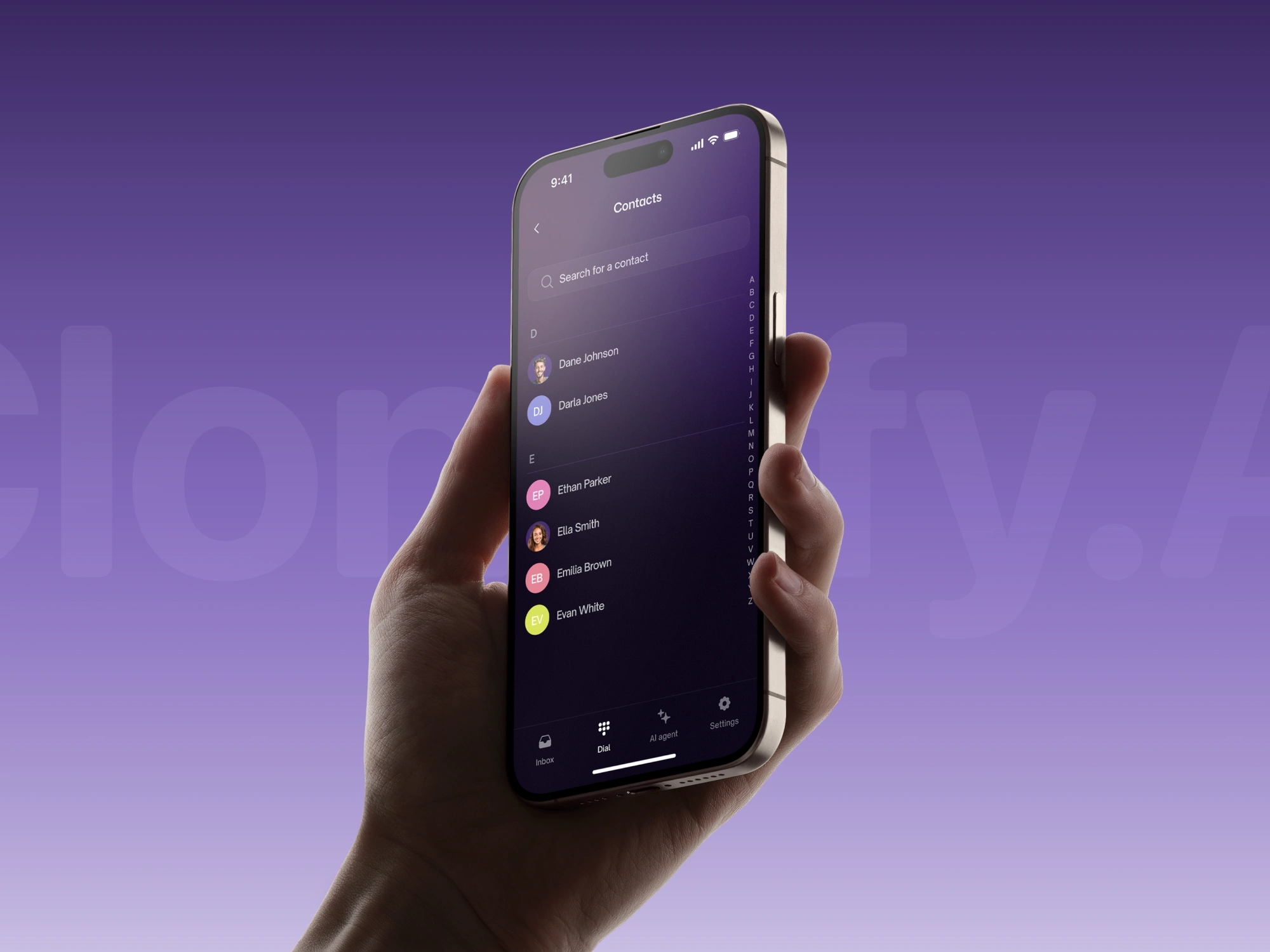
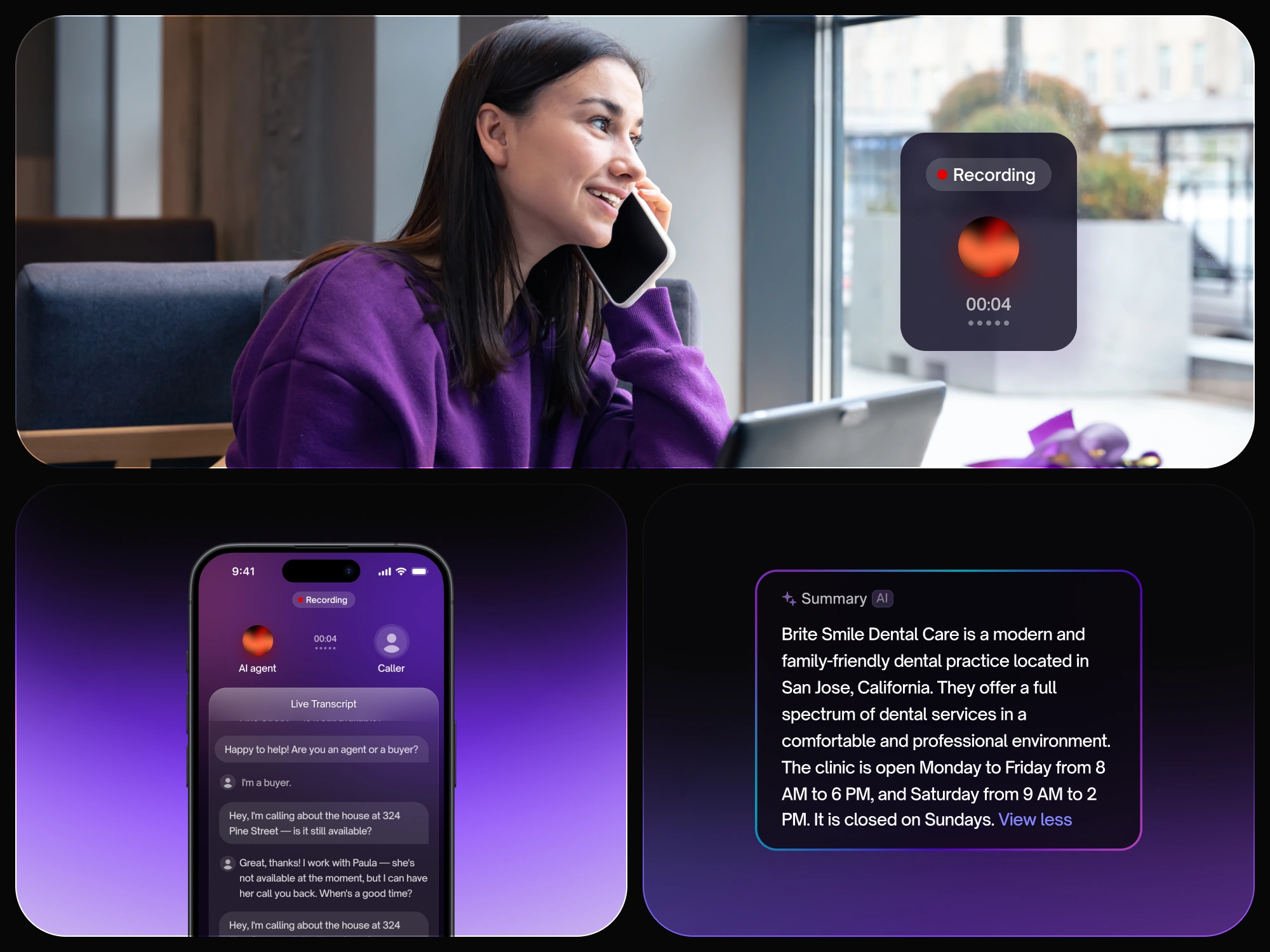
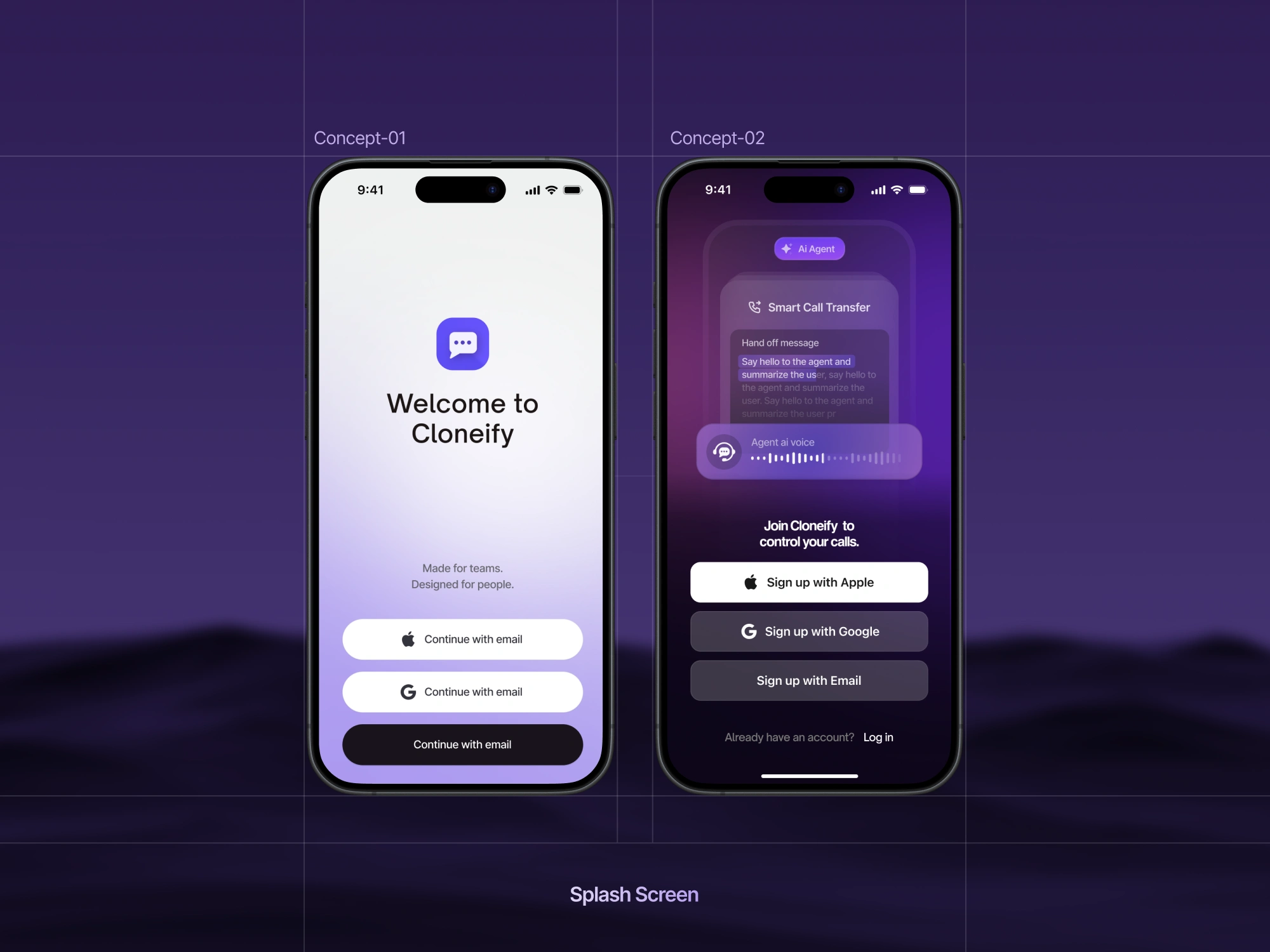
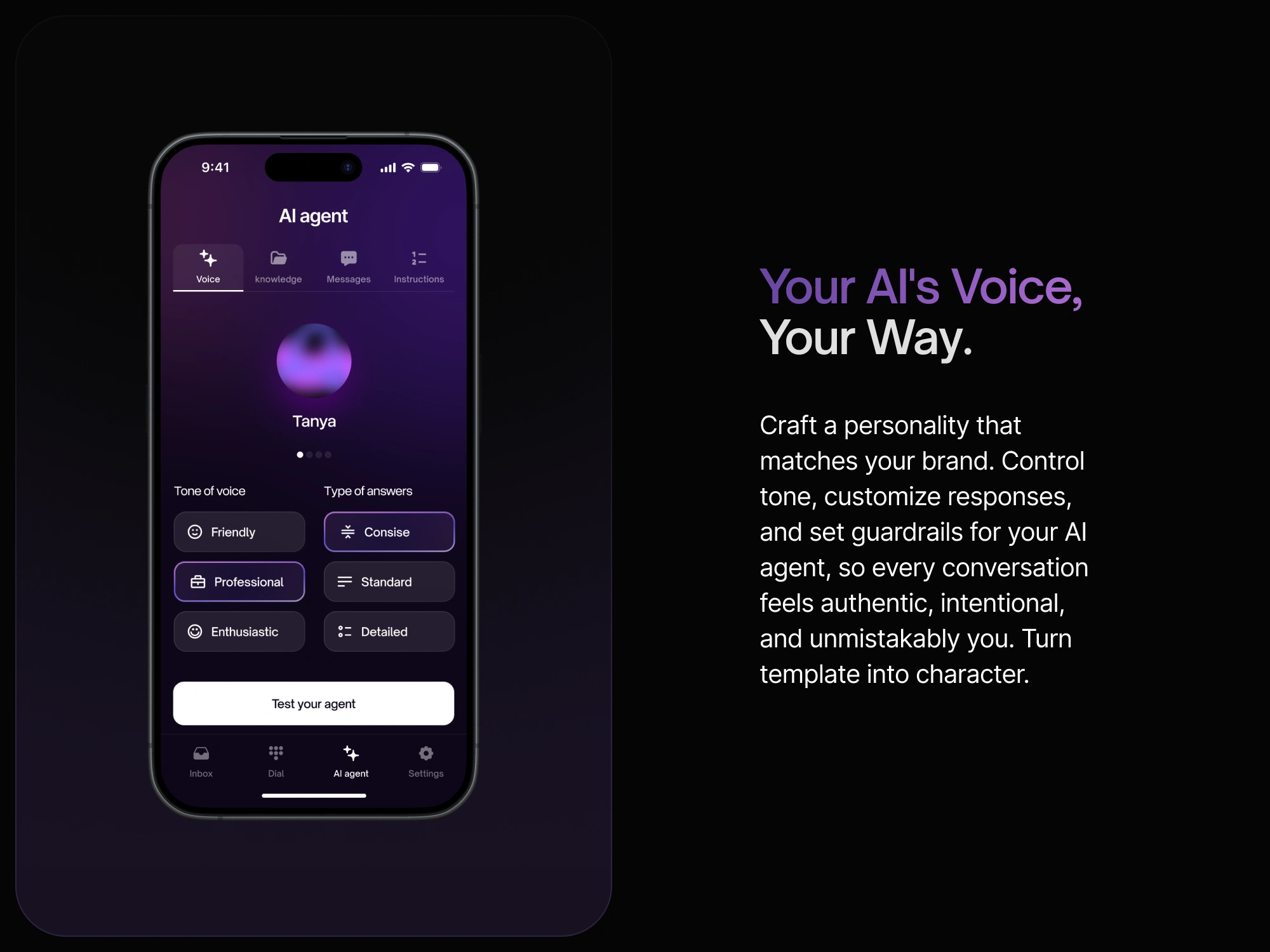
Based on your notes, here's a portfolio case study description for Cloneify. I've written it in a clean, honest tone that fits an end-to-end product designer portfolio, and kept the realities (tight timeline, client constraints) framed as professional context rather than complaints.
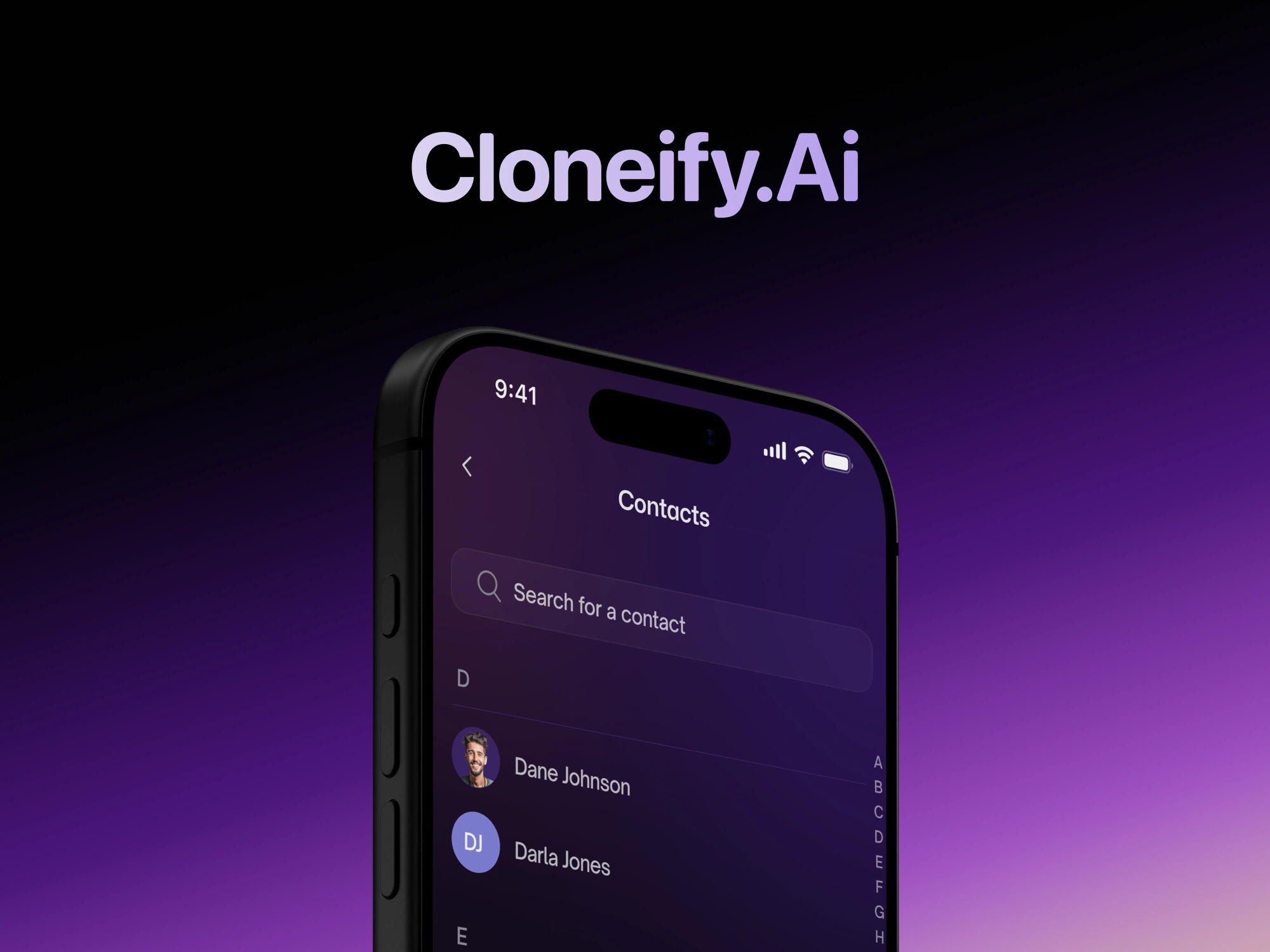
Cloneify
AI call-answering app — mobile product design
Role: Product Designer (end to end) · Platform: iOS/Android · Timeline: 3 weeks · Client engagement via Upwork
Overview
Cloneify is a mobile app that answers your calls for you. Users set up a virtual number, and any call to that number is handled by an AI agent that responds to callers using knowledge the user provides about their business. Instead of missing calls or routing everything to voicemail, the agent fields questions in real time, grounded in the user's own information rather than generic answers.
I was brought on to design the full mobile experience within a tight three-week window, working directly with the founder.
The problem
An AI agent is only as useful as what it knows. A call-answering assistant that responds with generic, predefined answers offers little value to a business owner. The product lived or died on two things: getting users set up fast, and getting their business knowledge into the system quickly so the agent could actually represent them.
What I focused on
Fast onboarding. The first priority was getting users from install to a working AI agent with as little friction as possible. The faster someone reached a functional setup, the faster they understood the product's value.
Knowledge input as the core flow. I treated the knowledge-updating experience as the heart of the product, not a settings afterthought. This is the step that turns a generic assistant into one that speaks for the user's specific business, so it needed to feel central and approachable.
How I worked
The client had a clear reference point and a strong vision for look and feel. Rather than impose a formal process, I moved straight into high-fidelity design and explored the problem through volume, producing multiple distinct directions for each screen instead of a single proposal.
This gave the client a menu to react to. They pulled the elements they liked from across different iterations, which kept us aligned and let us converge quickly despite the timeline. Where my instinct differed from the client's vision, I worked to find a middle ground that respected their direction while keeping the experience usable.
Outcome
The design was handed off and the client moved into development. The work shipped as a complete, high-fidelity mobile product built around quick onboarding and a knowledge-first setup flow.
Like this project
Posted Jun 2, 2026
a mobile AI app that answers your calls. Designed fast onboarding and a knowledge-first setup so the agent speaks for your business, not generically
Likes
1
Views
28