Million Dollar Sleepwear Market Study Before Market Entry

Rohit Shihora



Brand Market Research
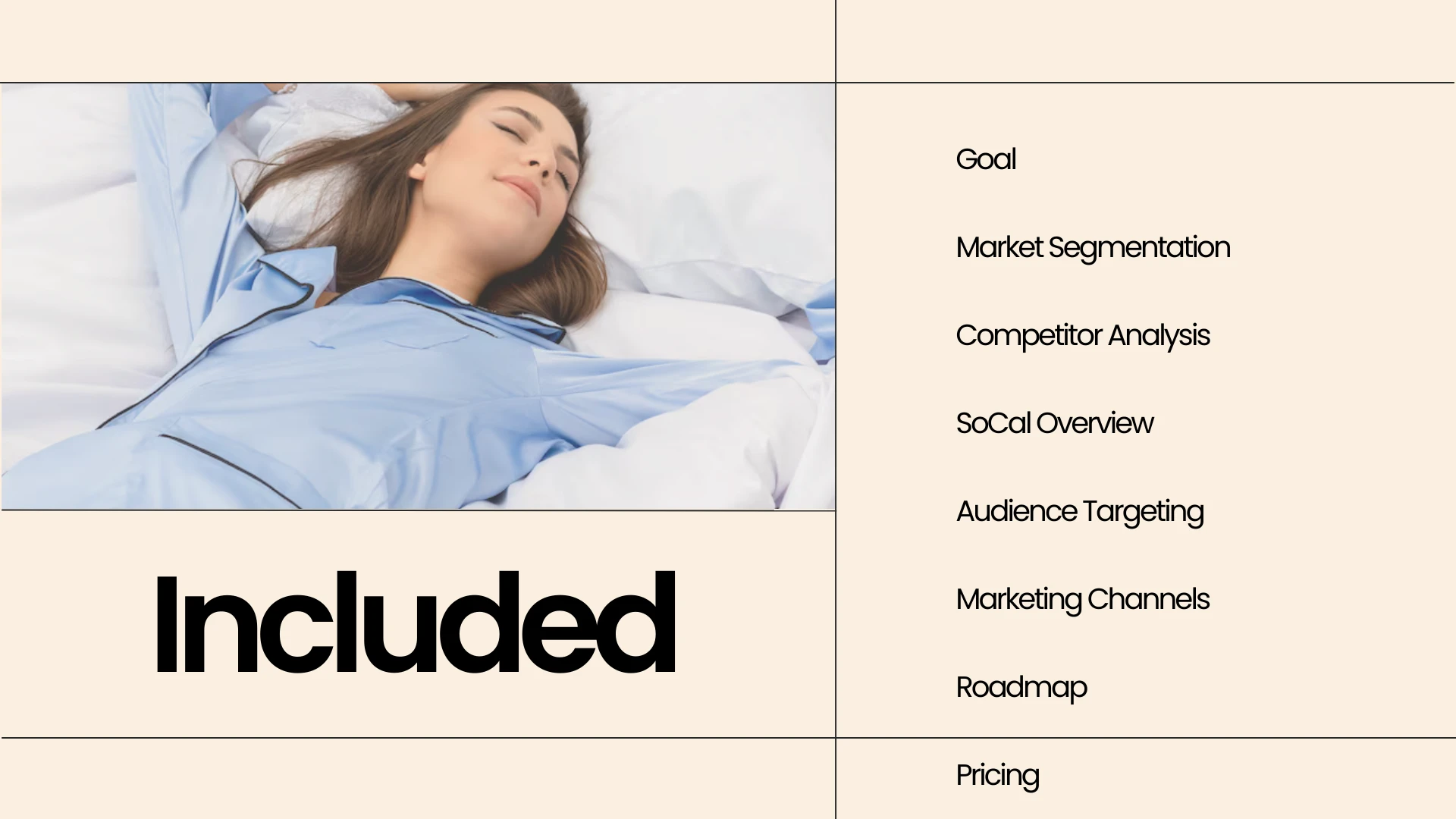
Just a table of content

Their goal I have received before starting the research
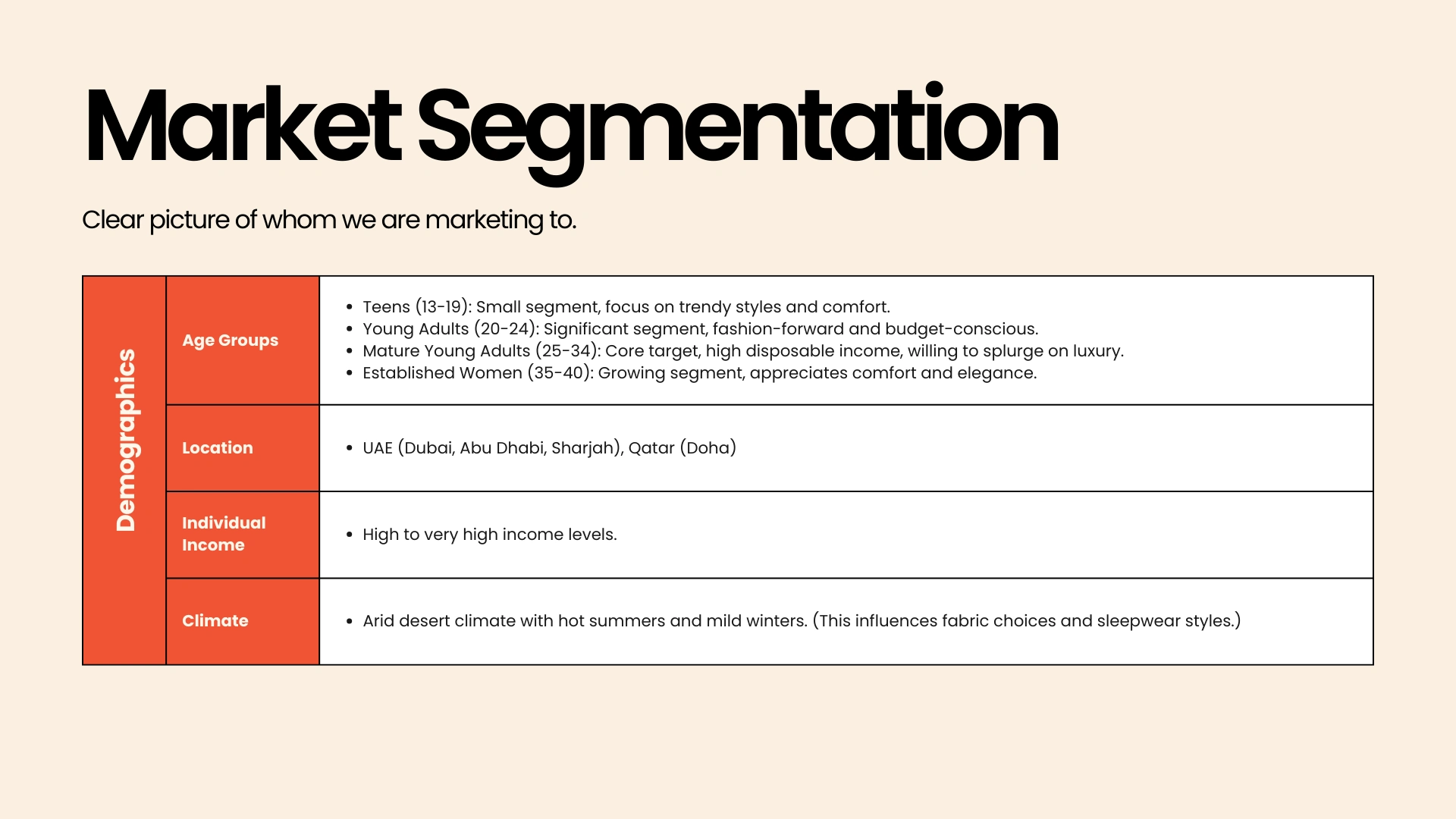
Market Segmentation (Demographics)
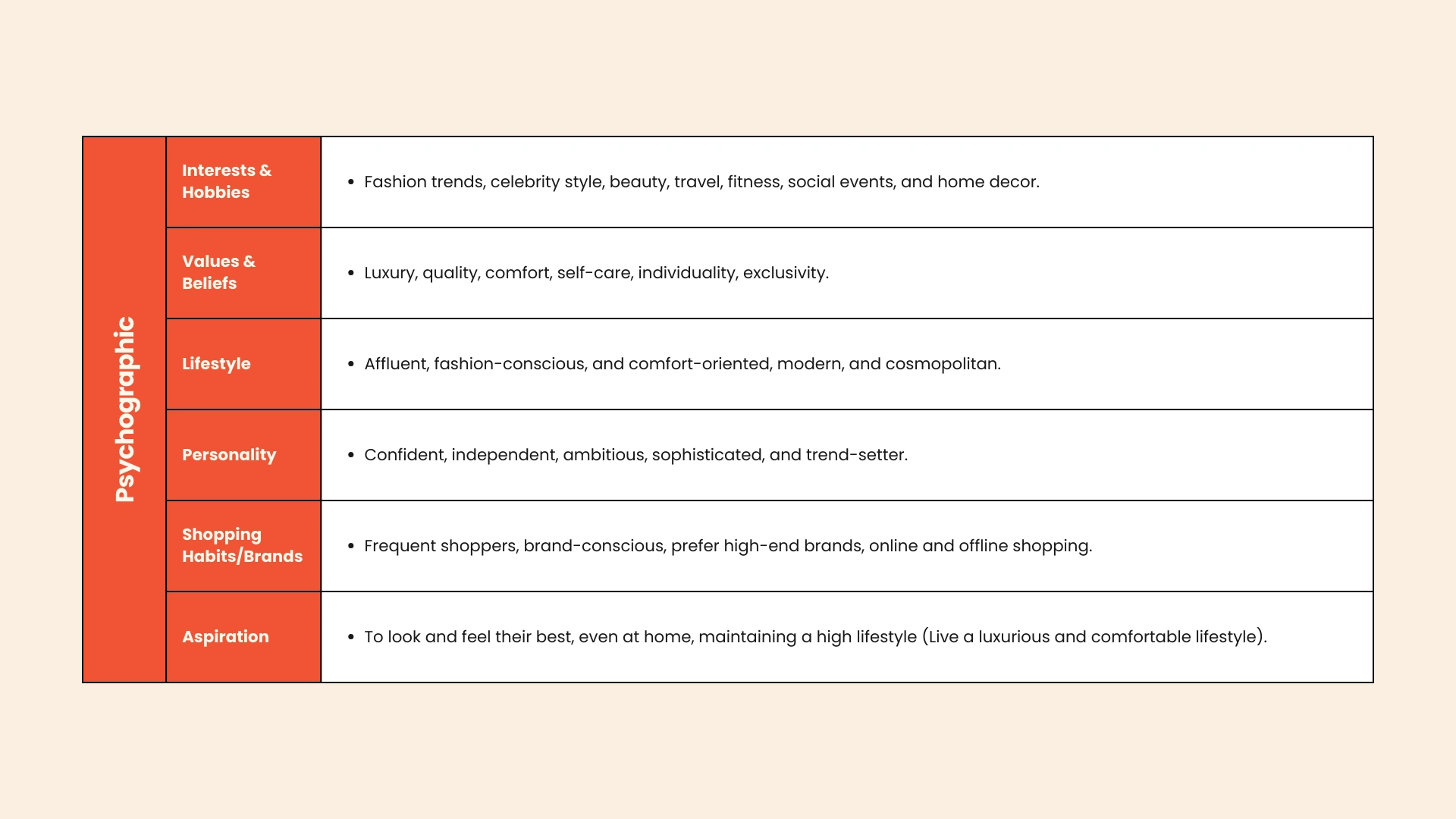
Market Segmentation (Psychographics)
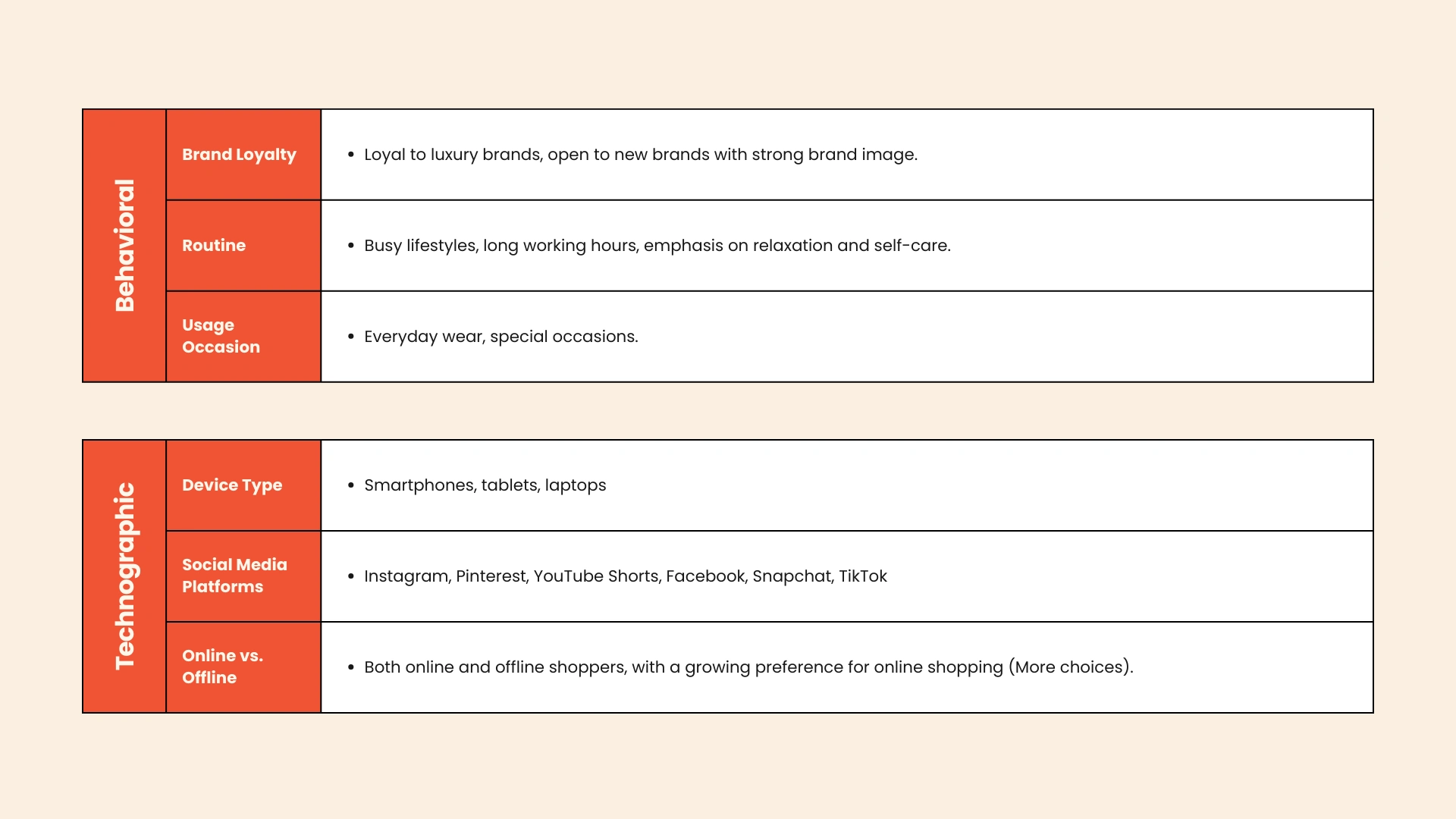
Market Segmentation (Behavioral & Techno.)

Where their competitors are positioning
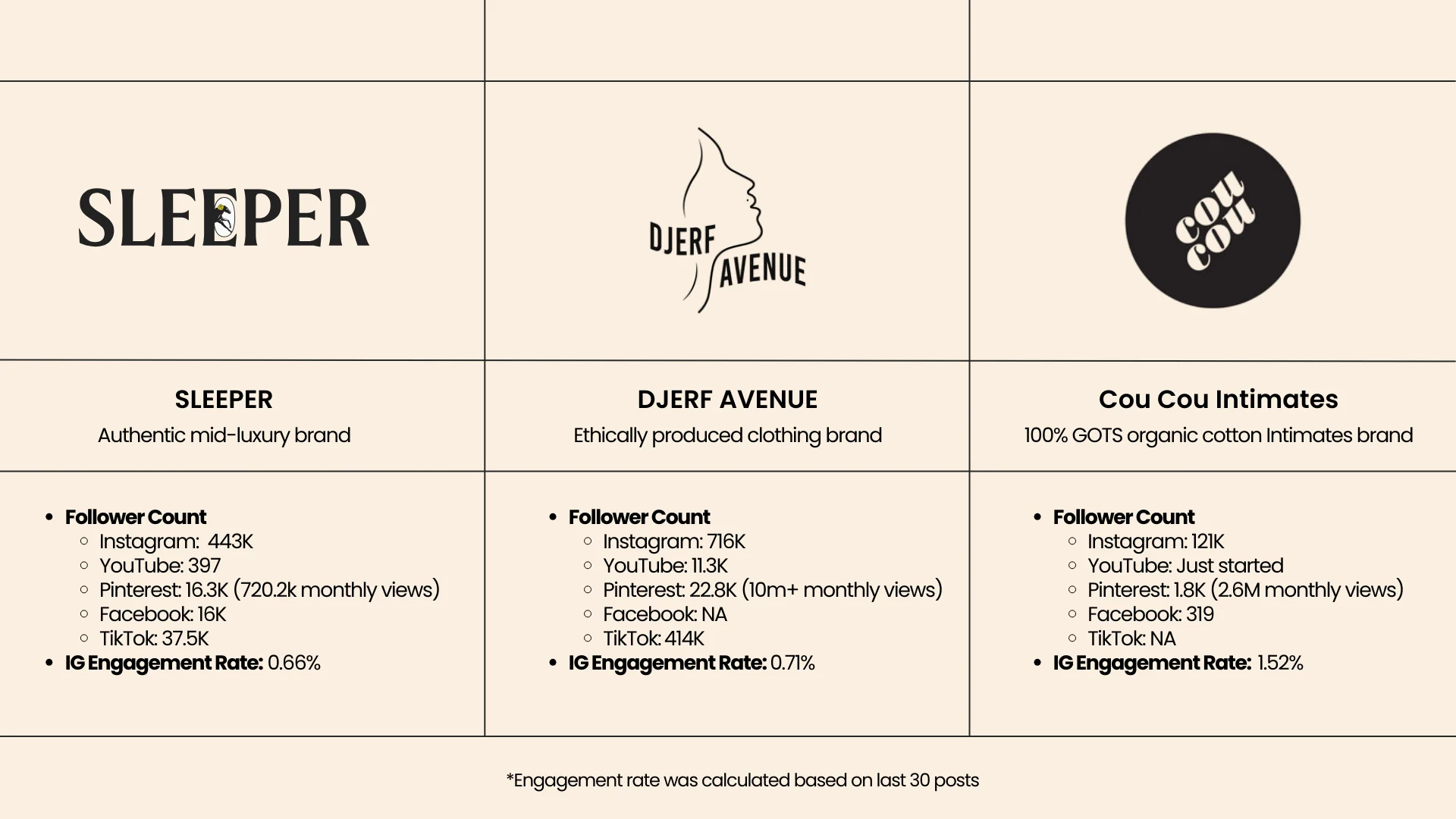
Metrics 1
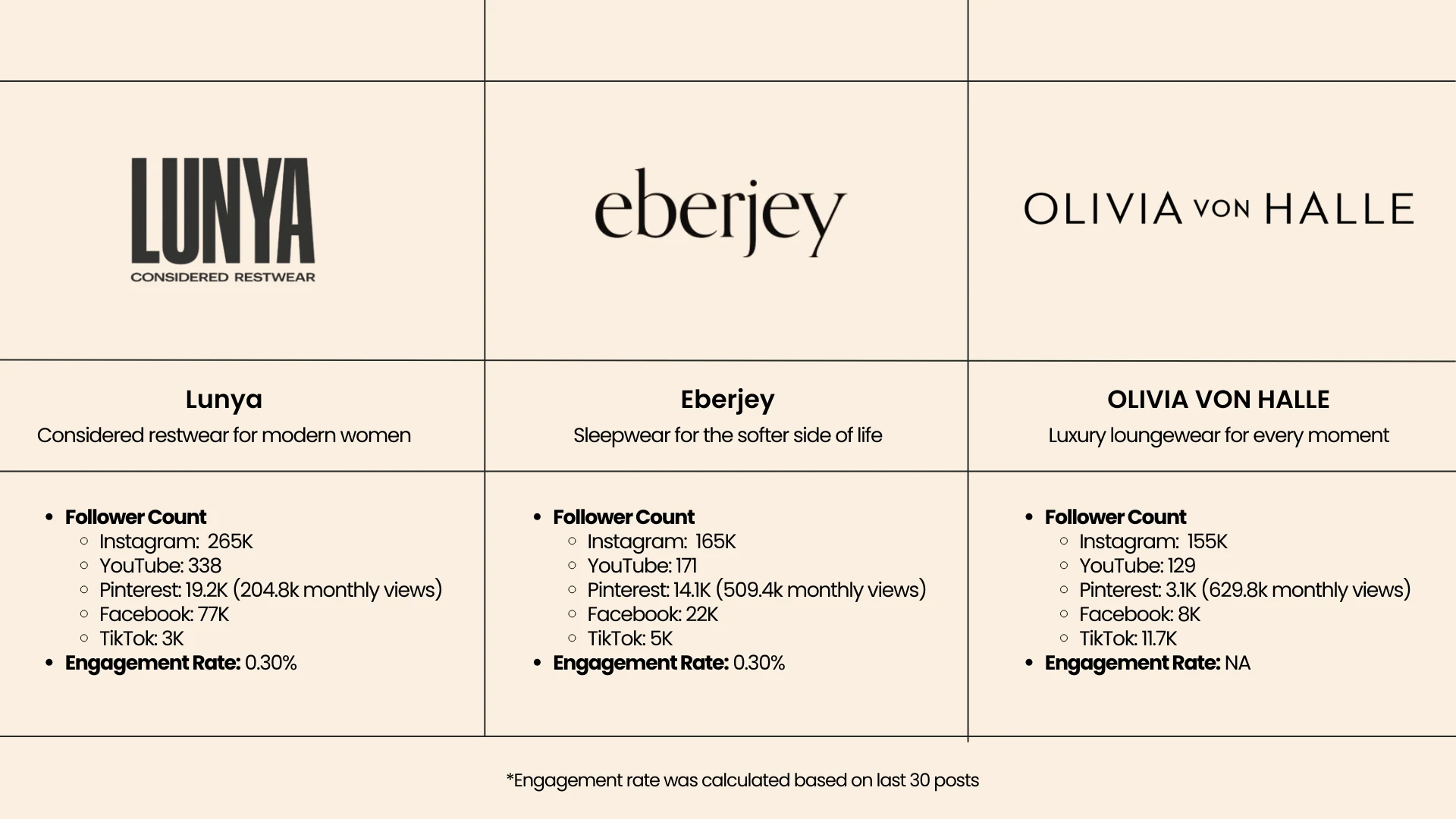
Metrics 2
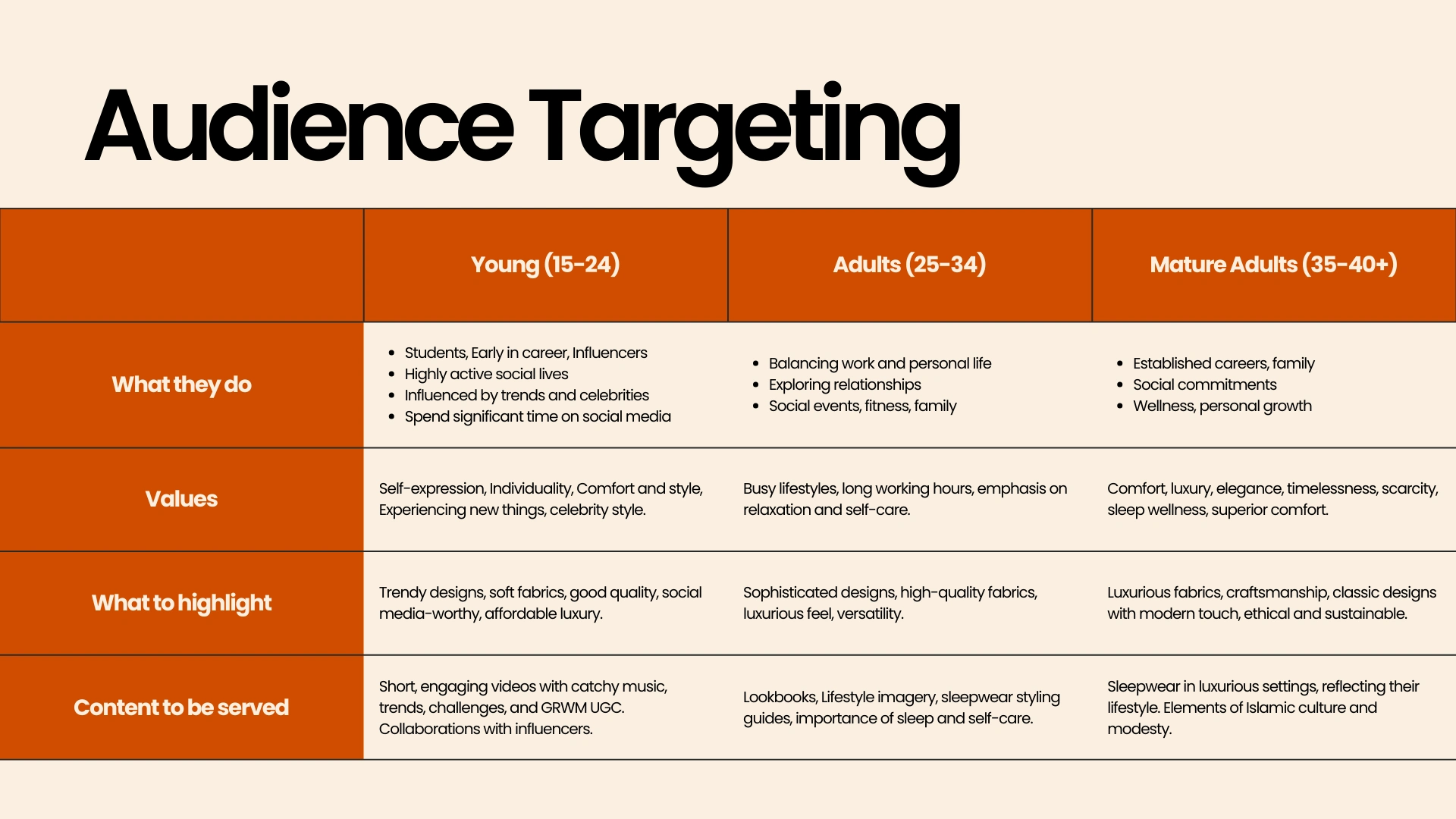
Targeting Strategy (Before jumping into GTM part)

I let my client relax;)
Not a one sided brain to keep it static (Everything is feedback loop based)
Before touching ads, creatives, or budgets, I tore the market apart.
Not surface level “women 25–40 luxury buyers” nonsense. Real segmentation.
I split the audience by earning power, lifestyle pressure, and aspiration gap.
Then geography.
UAE core. Qatar secondary. Climate influence on fabric choice. Desert heat changes product messaging. Hydration, breathability, lounge-to-luxury crossover. That insight alone reshapes copy.
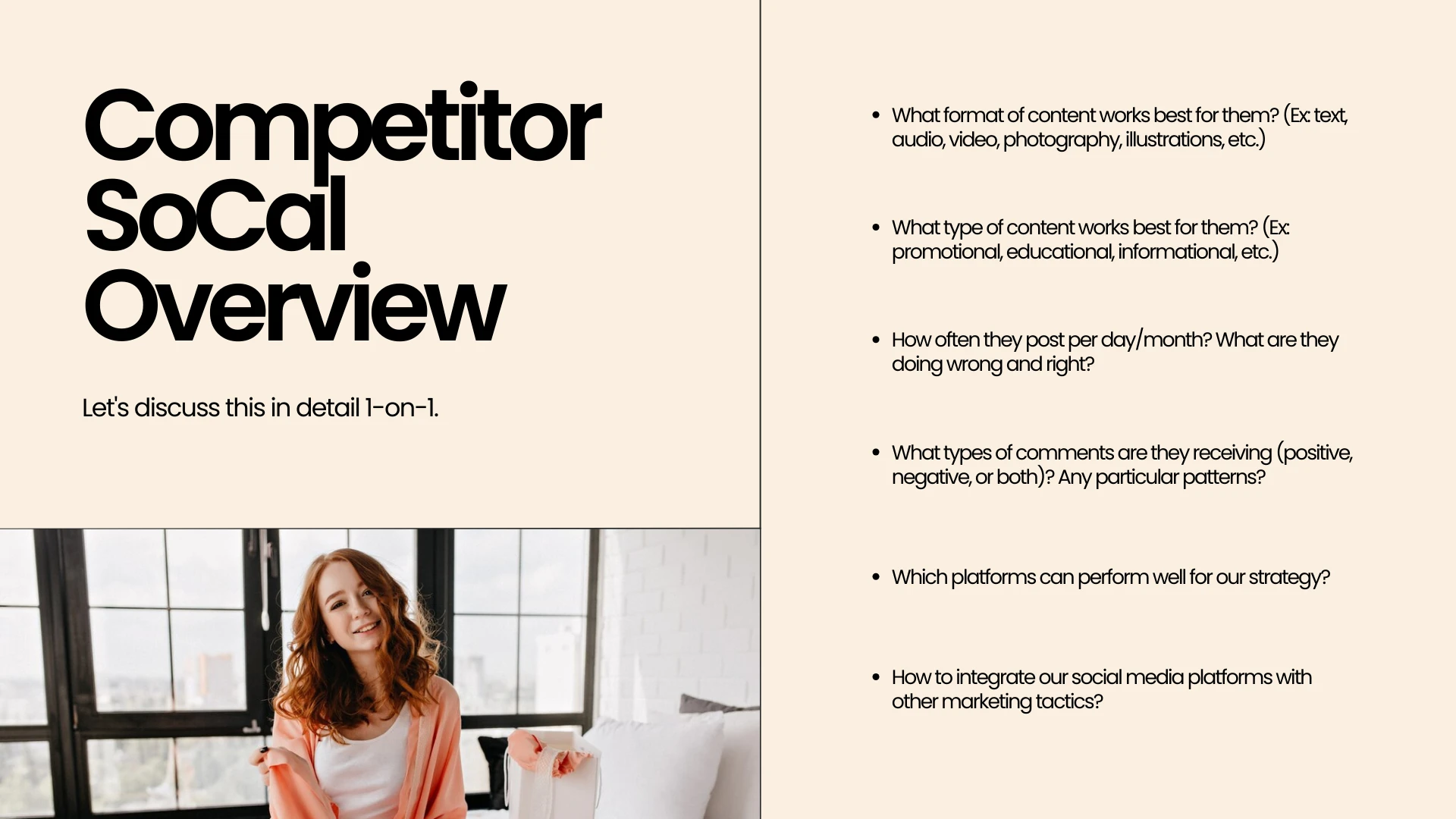
Then I studied competitors properly.
Sleeper: 443K followers, 0.66% engagement.
Djerf: 716K, 0.71%.
Cou Cou: smaller audience, 1.52% engagement.
Lunya, Eberjey sitting at 0.30%.
Big following does not equal emotional pull.
Pinterest monthly views told a bigger story than Instagram. Some brands were sitting on millions of discovery impressions but weak community retention. That means aspirational traffic, not loyalty.
So here’s what I did with that.
I identified whitespace between “soft feminine comfort” and “statement luxury restwear.” No one fully owned premium, desert-relevant, high-status sleep identity in GCC.
I mapped:
– Which segment sees sleepwear as self-care
– Which sees it as aesthetic content
– Which sees it as status
– Which buys repeatedly
Then I aligned:
Positioning per age tier.
Content type per psychographic.
Platform per behavior.
Messaging per aspiration trigger.
You don’t run ads into a market.
You enter with a narrative advantage.
That’s the difference between spending to learn and researching to win.
Like this project
Posted Feb 12, 2026
Not trend research. Structural market analysis that shaped positioning, content strategy, and channel decisions.