MOLG: Building Order Into Circular Manufacturing …

Adem Awol
Verified


Category: Operations & Industrial Tech / Circular Economy
Molg: Turning Circular Manufacturing Chaos Into an Actual System
How a three-layer internal tool gave a hardware startup its first clear view into the pipeline, because apparently "vibes-based manufacturing operations" is not a scalable strategy. Shocking. Disturbing. Someone inform the spreadsheet.
Molg was building the future of circular manufacturing, but its internal tooling was basically “ask the person who knows” wearing a dashboard costume.
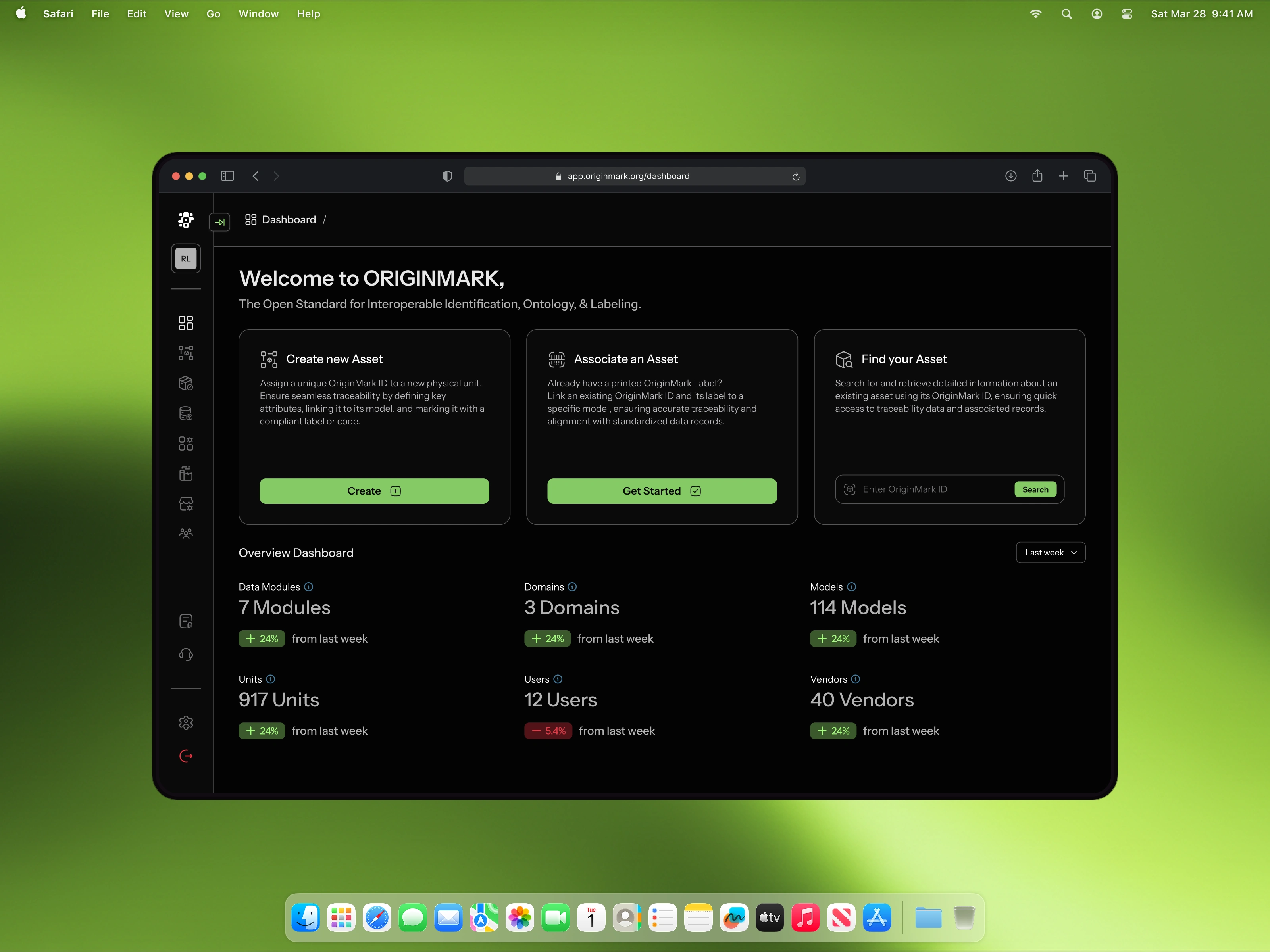
I designed a three-layer system around Models, Assets, and Data Modules to turn disassembly workflows, asset tracking, and traceability into one clear operational pipeline.
Result: less mystery-box manufacturing, more visibility, and a team that could finally scale without treating every device like a missing persons case.
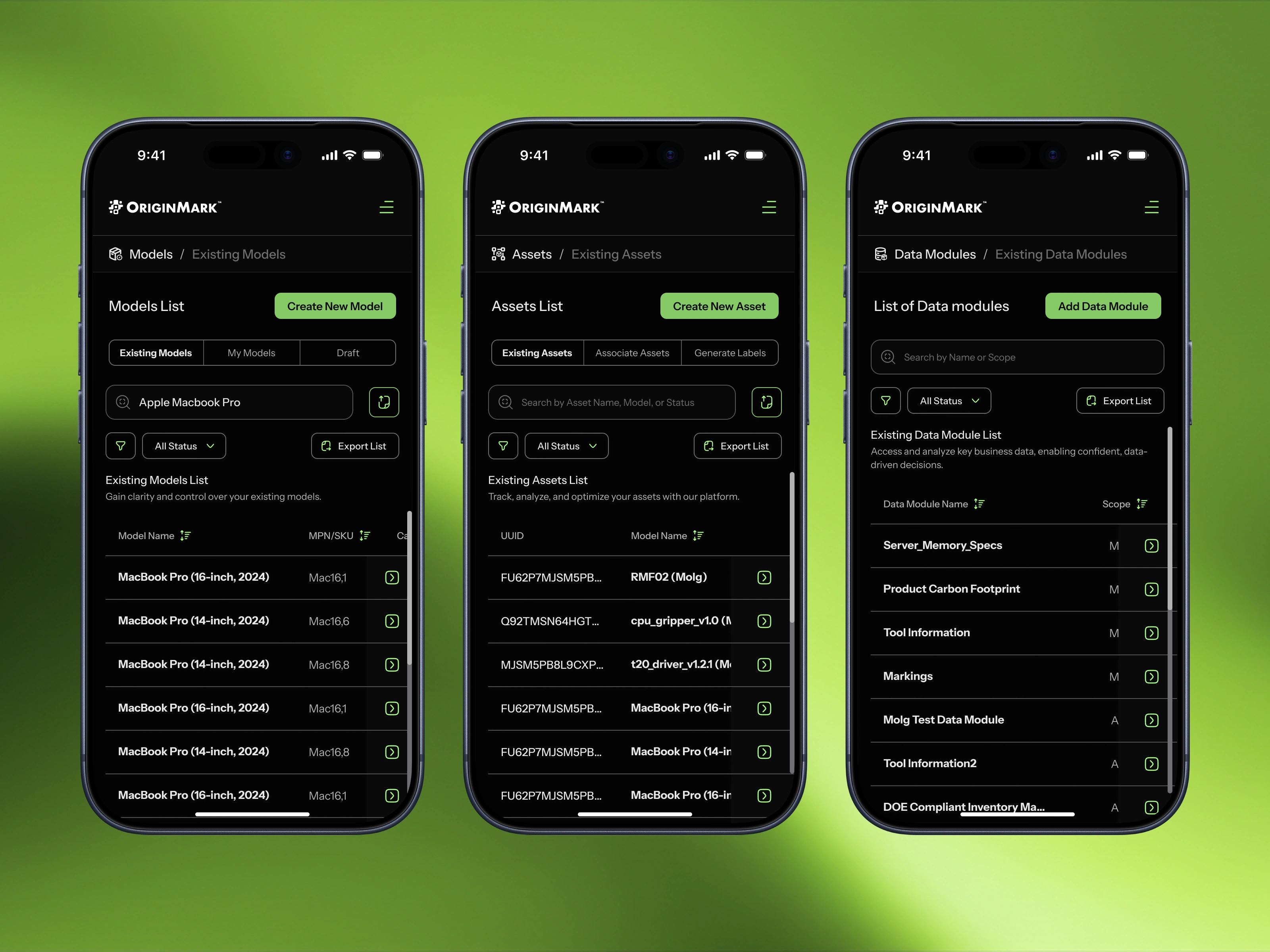
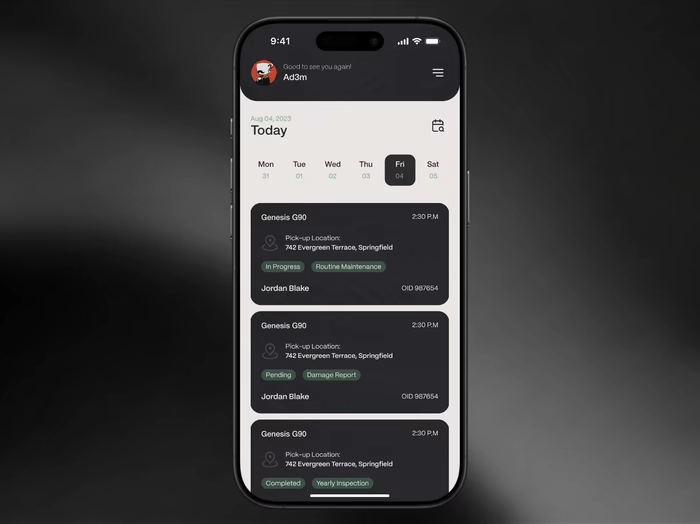
Mobile • Models, Assets, Data Modules
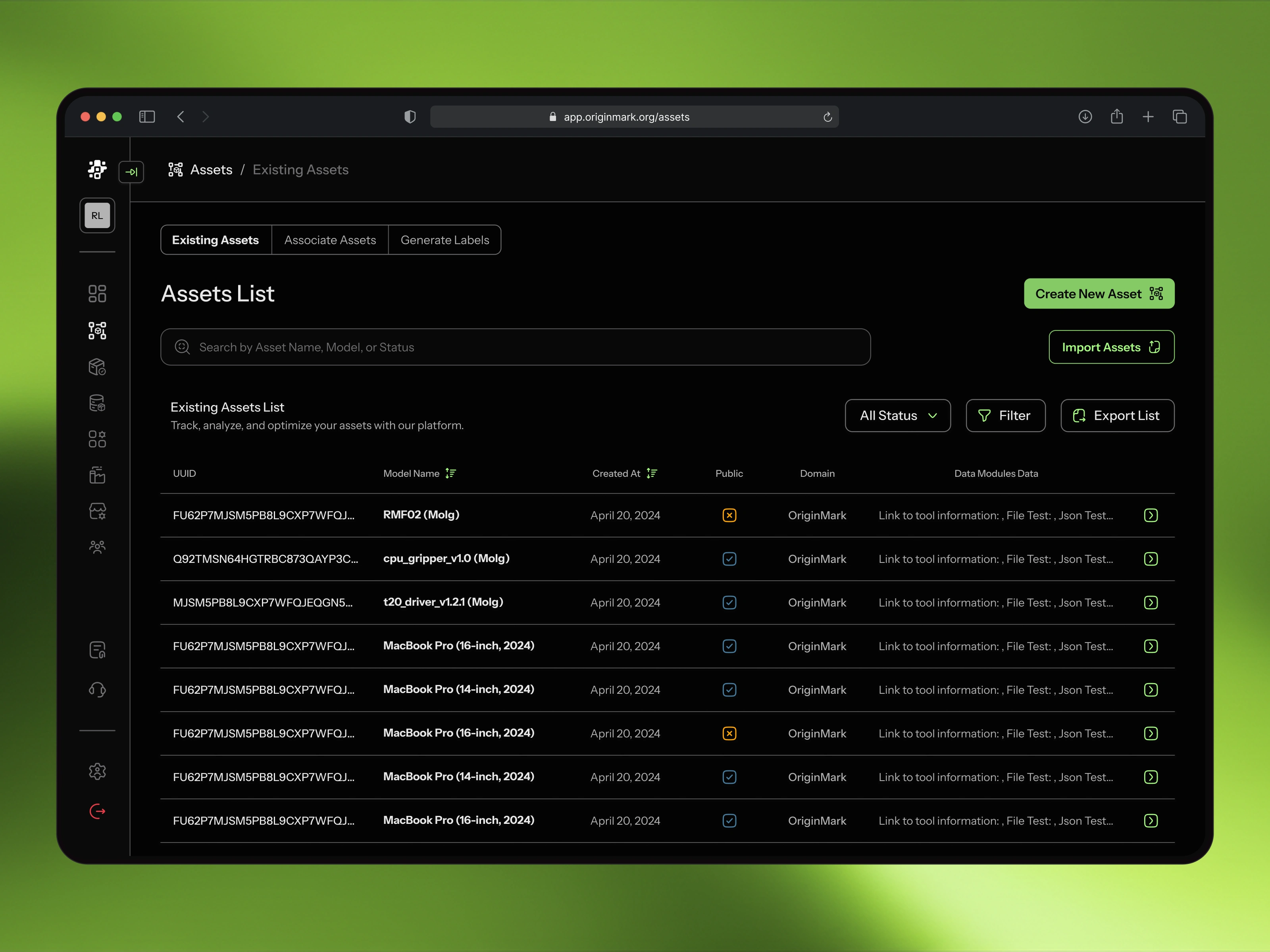
Asset(s) List
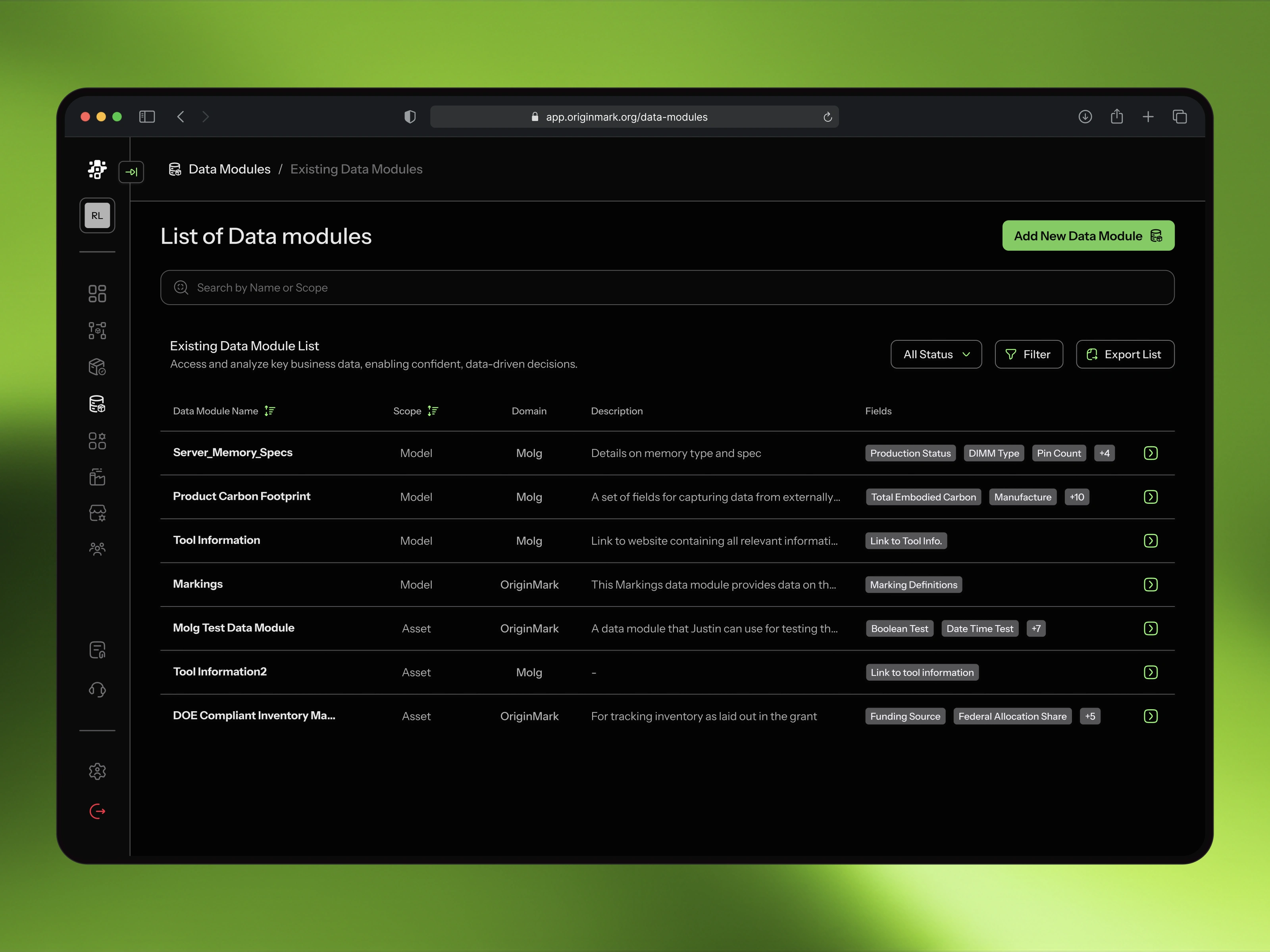
Data Module(s) List
Figma Link (Proof That the Chaos Eventually Got a UI)
Lesson: What Molg Taught Me, Besides How to Professionally Decode Confusion ...
Ambiguity is not always a blocker. Sometimes it is the brief wearing sweatpants.
Internal tools fail silently. Nobody files a bug report on tribal knowledge until scale punches everyone in the calendar.
A shared system beats a smart workaround. Alignment is a design output, not just a meeting agenda item.
Dual-role engagements demand that the designer create a structure first, because nobody is arriving with a requirements scroll.
Traceability is not compliance theater. Done right, it becomes a feedback loop that makes the next product easier to build.
The real job of a well-designed internal tool is to surface the structure buried under workarounds, tribal knowledge, and "ask Michael, he knows" dependencies.
When the brief is incomplete, the work is not to panic beautifully.
It is to find the logic, turn it into a system, and build something precise enough that the team can scale without a group exorcism every Monday morning.
Like this project
Posted Nov 12, 2025
Designed Molg’s internal tool for circular manufacturing, turning messy disassembly workflows into a traceable, scalable operations system.
Likes
1
Views
31
Timeline
Dec 17, 2024 - May 12, 2025
Clients
Tempo Labs