LiftLink: Receipts Before the Scratch

Adem Awol

Category: PropTech / Automotive Services / Operations Infrastructure
TL;DR: Receipts Before Regret
The fastest way to destroy customer trust is to hand over a car with no paper trail, no photos, no logs, and the spiritual confidence of someone saying, “It was already like that.”
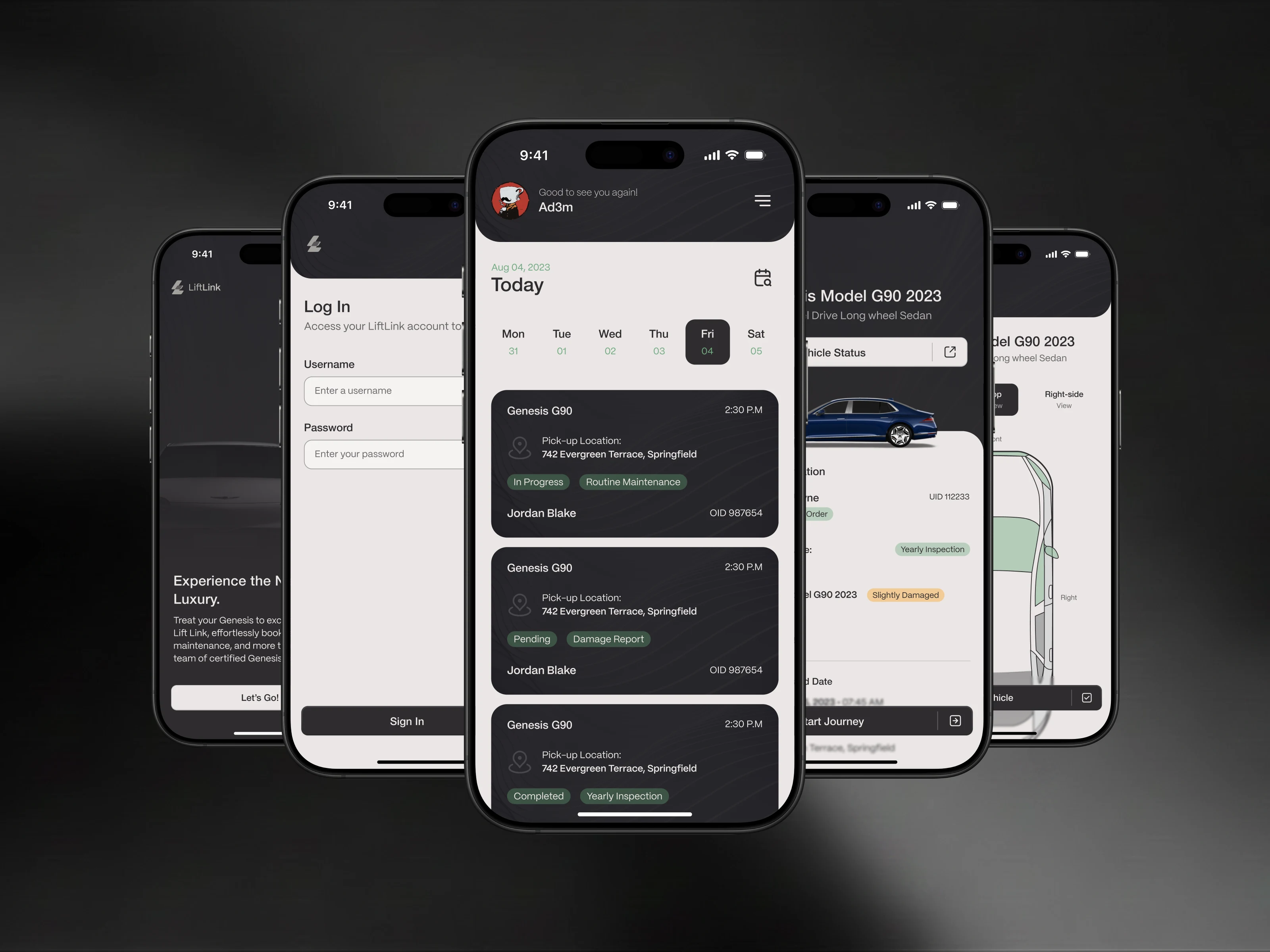
LiftLink started as a valet-tracking tool for dealerships, running vehicle handoffs on WhatsApp, memory, and dangerous levels of confidence.
I designed a system that documented every handoff with photos, timestamps, damage logs, and a 2D car blueprint, so disputes could be stopped before they became parking-lot courtroom drama.
The pilot proved the core idea: the real product was not valet tracking, it was trust infrastructure. LiftLink later evolved into Trackon, an on-demand vehicle transfer platform for dealerships, rental fleets, and service centers.
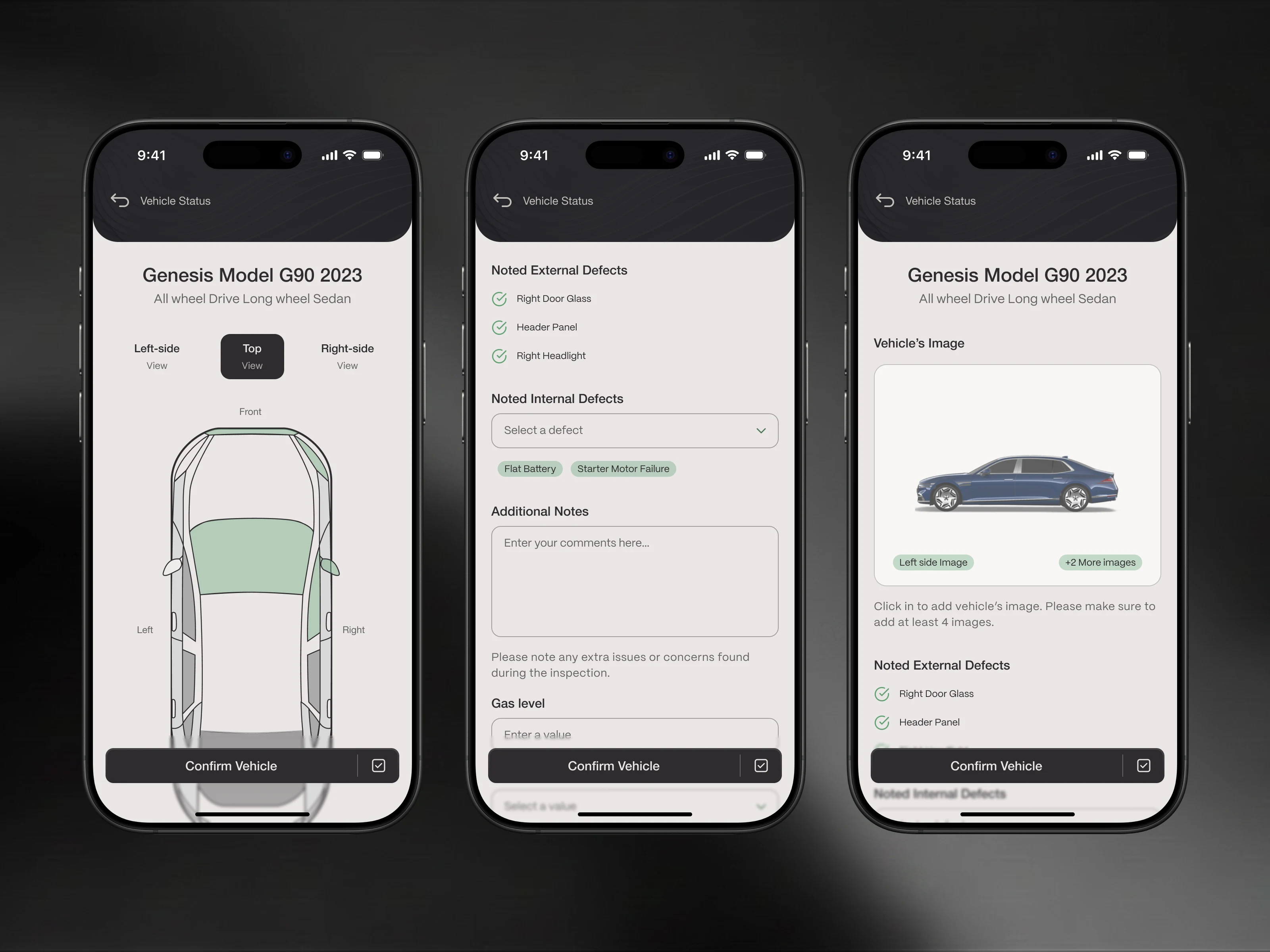
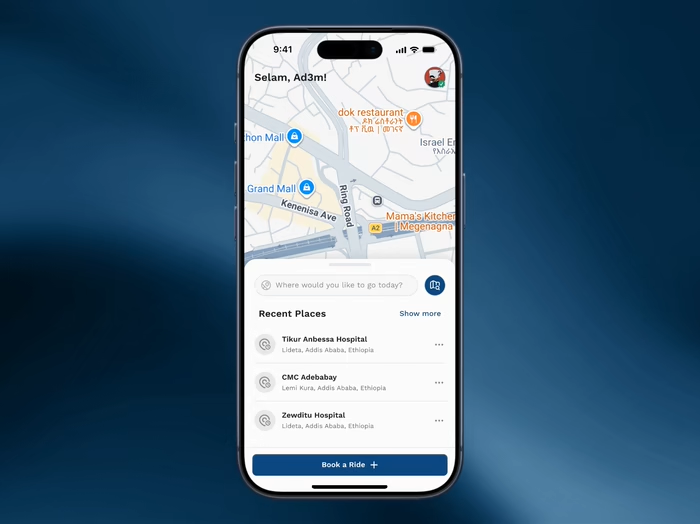
liftLink • 2D car blueprint, driver-marked damage zones, and the pre-handoff photo log.
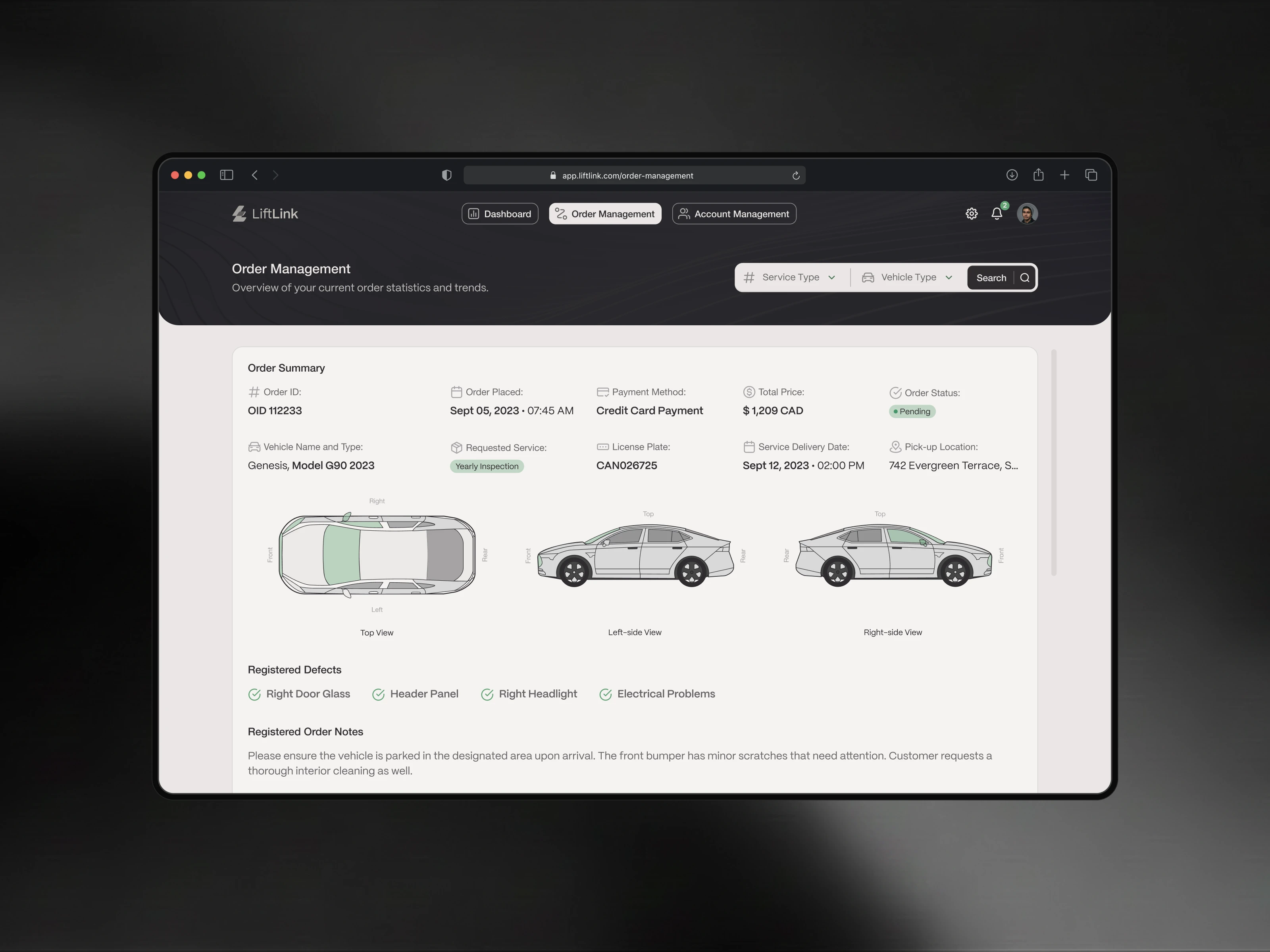
liftLink • Order Management (2D car blueprint, and driver-marked damage zones)
Figma Link (Proof Before The Panic)
Lesson: What LiftLink Taught Me, Besides Never Trusting a Scratch Without a Timestamp
The chaos was never really about cars. It was about accountability disappearing the moment a handoff happened. Find where trust breaks, then design the fix directly into that moment.
“Too early to measure” does not mean “failed.” A pilot that proves the concept works is still a valid proof of concept. Just name it honestly and stop pretending every outcome needs a fake growth chart.
Going from no documentation to full documentation is a 0-to-1 shift. That is the metric. You do not always need a percentage when the before-state was basically medieval paperwork.
An unfinished product is not automatically a failed product. LiftLink became Trackon because the core insight survived the pivot. The valuable IP was never just the UI. It was the principle: proof before the problem.
The real product was not a valet tracker. It was a trust infrastructure for an industry running on handshakes, luck, and “bro, I swear it was like that before.”
When accountability is built into the handoff itself, the argument has nowhere to start. Everything else follows from that one design decision.
Like this project
Posted Jun 11, 2026
Designed LiftLink, a valet handoff system with photo logs, damage tracking, and timestamps to stop car disputes before they start.