Inflight Design-Feedback Platform Development

Lu Wang
Verified


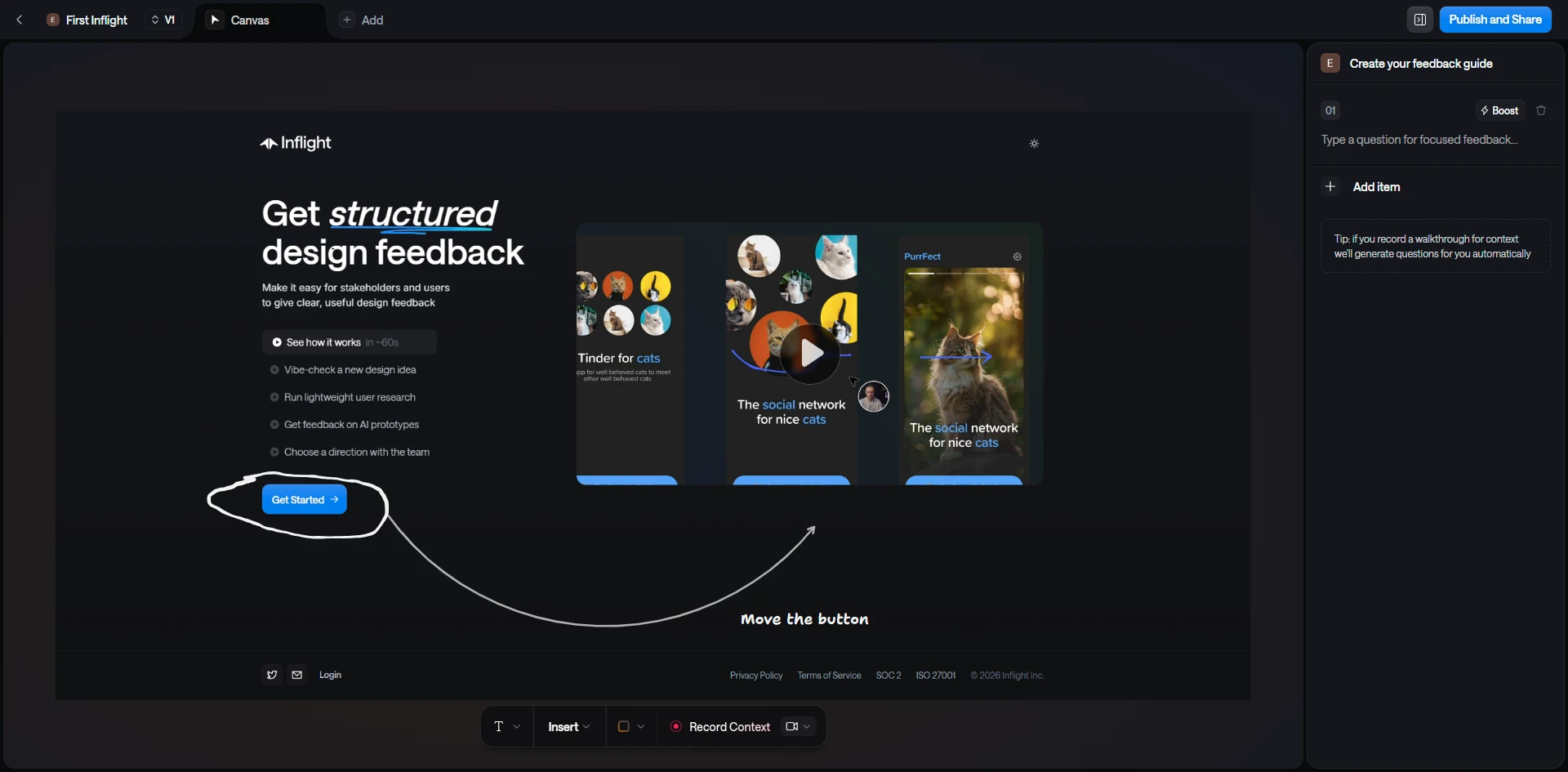
At Inflight.co, I built a structured design-feedback SaaS platform that transforms scattered Figma comments into organized, actionable UX insights for product teams. The goal was to help teams move from messy, unstructured feedback to clear, trackable improvement workflows.
Frontend Development
I developed the entire frontend using Next.js, Tailwind CSS, HeroUI,
and Framer Motion, focusing on creating a clean, intuitive experience
for asynchronous collaboration.
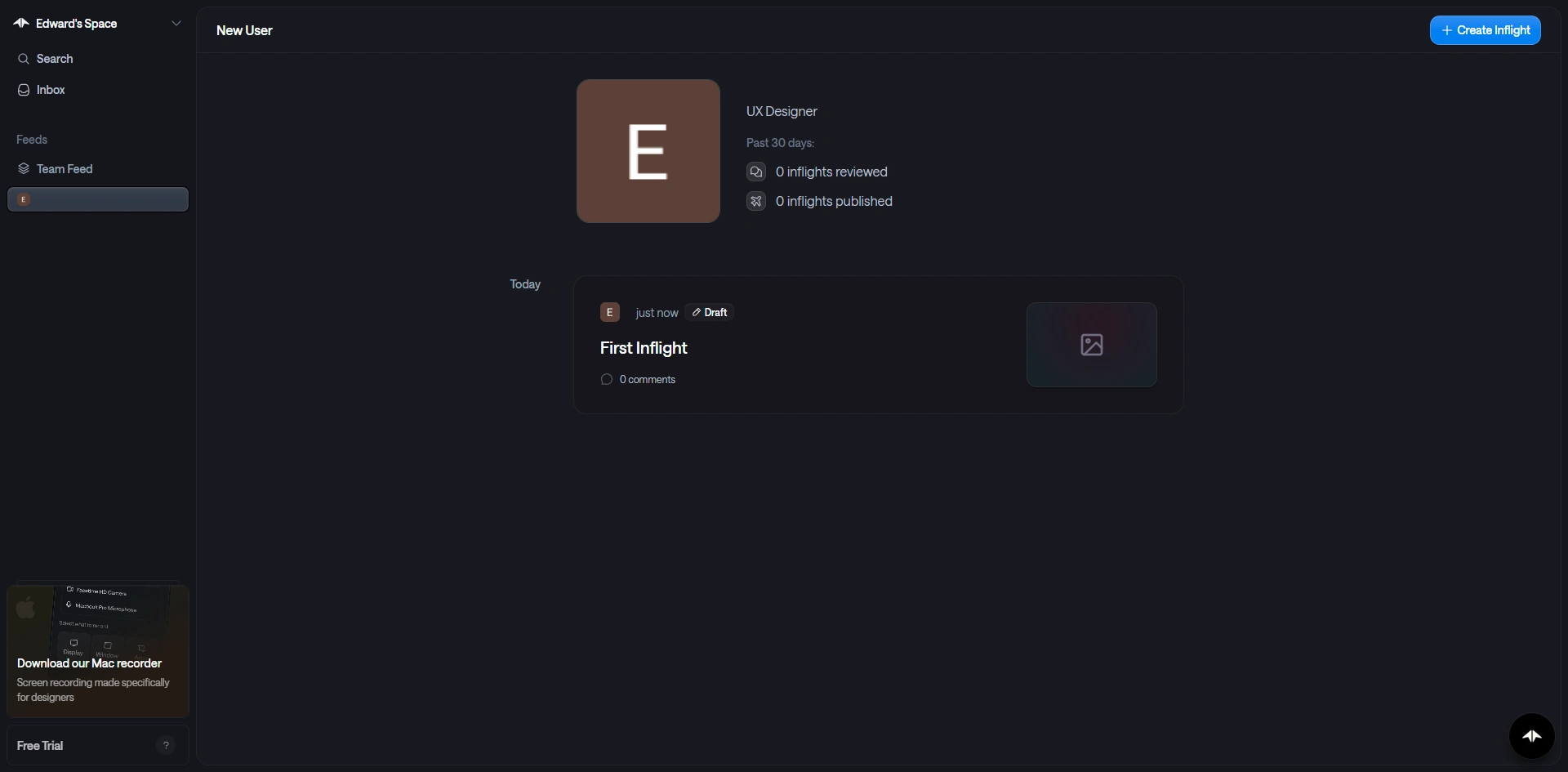
I built responsive review dashboards that make it easy for teams to track
feedback, categorize insights, and monitor action items. To support real-time
multi-user updates, I implemented advanced state management using MobX,
ensuring feedback changes were instantly reflected across users.
The UI was carefully structured to support categorized insights, severity
levels, lifecycle states, and action tracking — without overwhelming users.
Backend & System Architecture
On the backend, I architected the full-stack application using Next.js
and Supabase.
I designed relational data models in PostgreSQL to support
structured feedback, themes, and version alignment between evolving design
files. Real-time synchronization was implemented to ensure distributed teams
could collaborate seamlessly.
A key focus was building a scalable feedback framework that maintained
consistency even as design versions changed over time.
Integrations & Workflow
The platform integrates naturally with existing Figma workflows, making
adoption frictionless for design teams.
I also built a structured reporting system that automatically groups
feedback into themes and action items. Contextual walkthrough videos and
asynchronous external reviews were supported to enable collaboration across
time zones.
The platform was deployed on Vercel, leveraging global edge
infrastructure for performance and rapid iteration.
Key Product Challenges
Design feedback is inherently subjective and unstructured. Some of the main
challenges included:
Maintaining consistency across changing design versions
Avoiding a system that felt overly rigid or restrictive
Structuring qualitative insights without losing depth
These were addressed by designing a flexible categorization system with
severity levels, lifecycle states, and modular feedback grouping — balancing
structure with usability.
Like this project
Posted Feb 24, 2026
Built a structured design feedback platform using Next.js, Supabase and Tailwind CSS, enabling organized collaboration and streamlined review of design assets.
Likes
0
Views
4
Timeline
Feb 19, 2026 - Feb 19, 2026
Clients

Venveo
InFlight