FitTrack – Fitness App UI/UX Design

Devowise Studios


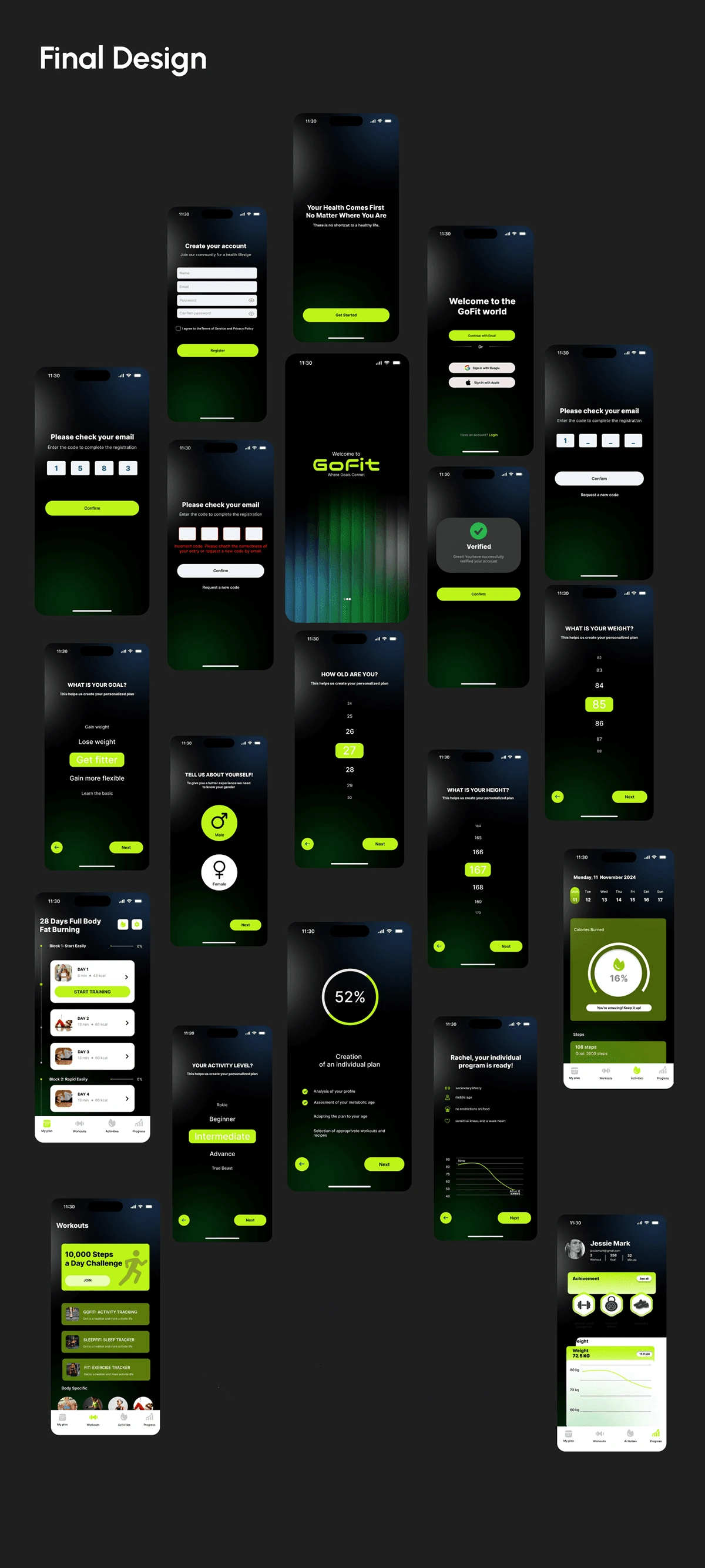
FitTrack — Designing an Intuitive Fitness App for Smarter Workout Tracking
Overview
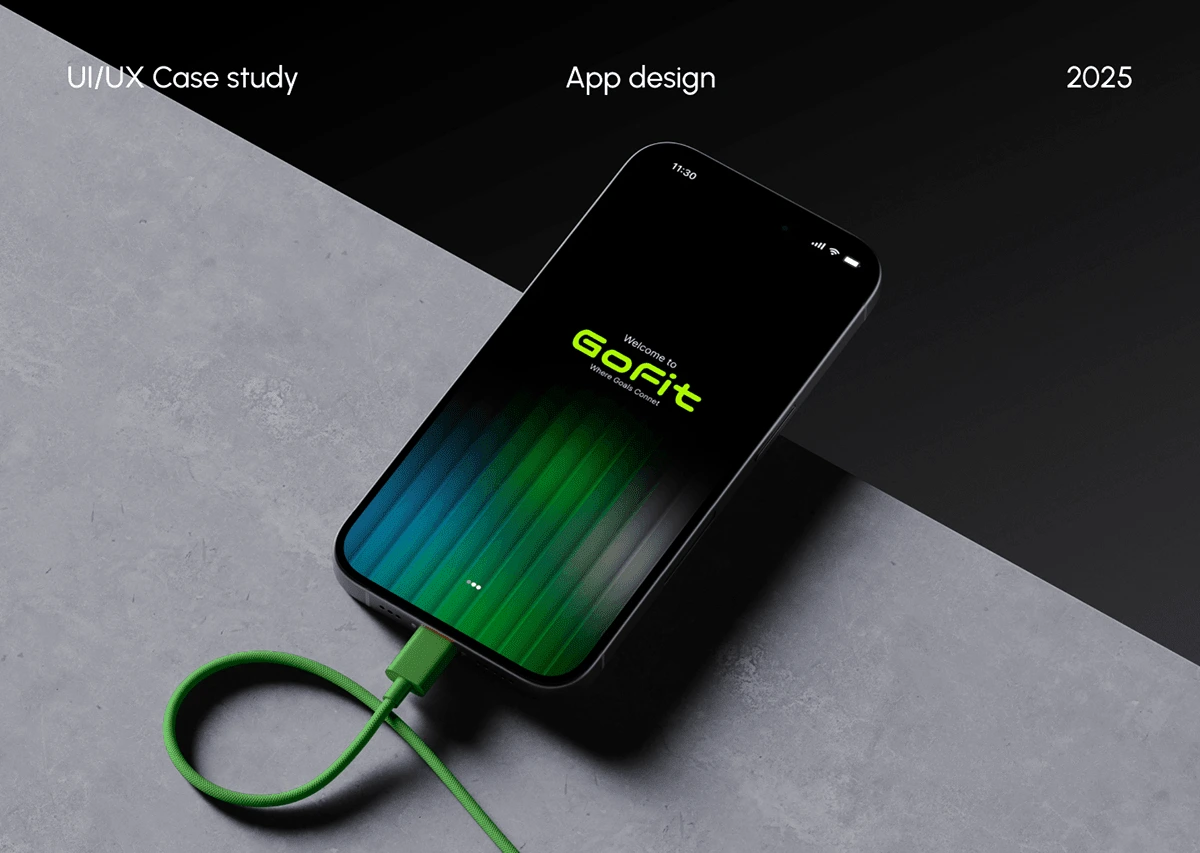
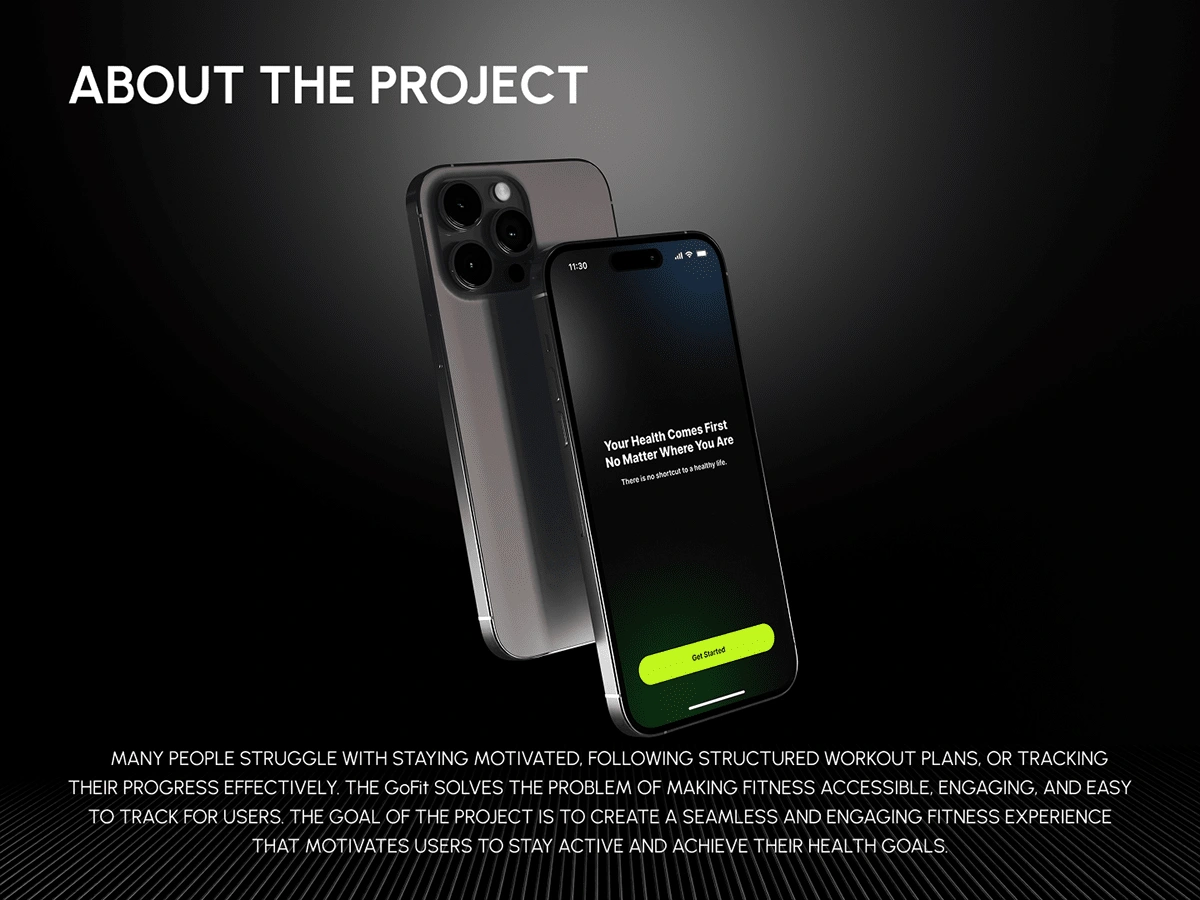
At Devowise Studios, we designed FitTrack, a modern fitness application that empowers users to plan workouts, track progress, and stay motivated throughout their fitness journey. The goal was to create a clean, intuitive, and engaging mobile experience that makes fitness tracking accessible for users of all experience levels.
By combining thoughtful UX strategy with a modern visual interface, we crafted an application that simplifies workout management while encouraging consistency through personalized insights and seamless navigation.
The Challenge
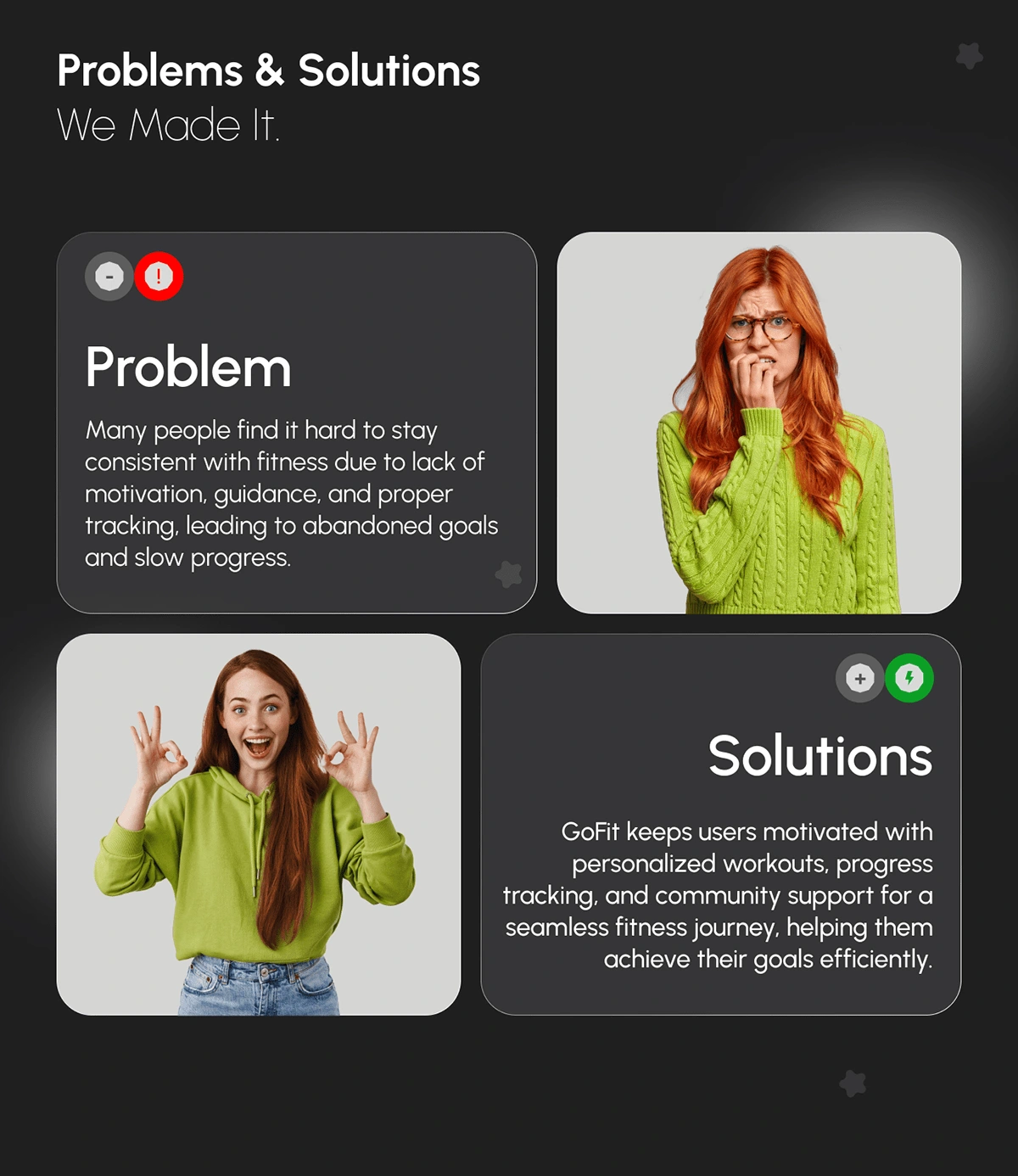
Fitness applications often overwhelm users with excessive features and complicated interfaces, making it difficult to stay focused on personal goals. The challenge was to create an experience that balances functionality with simplicity while keeping users motivated over time.
We set out to design an application that would:
Simplify workout tracking through an intuitive user interface.
Encourage consistent engagement with personalized fitness experiences.
Present progress and analytics in a clear, meaningful way.
Deliver a seamless experience across different mobile devices.
Build a scalable interface capable of supporting future fitness features.
Project Objectives
To achieve these goals, we focused on:
Creating a modern and accessible fitness experience.
Simplifying workout planning and progress tracking.
Improving usability through thoughtful information architecture.
Designing engaging interfaces that encourage daily interaction.
Building a reusable design system for consistency and scalability.
Supporting long-term user retention through intuitive UX.
Our Role
Our team led the project from concept through high-fidelity interface design, including:
UX Strategy
User Research
User Journey Mapping
Information Architecture
Wireframing
UI Design
Design System Creation
Mobile App Design
Interactive Prototyping
Developer Handoff
Our Process
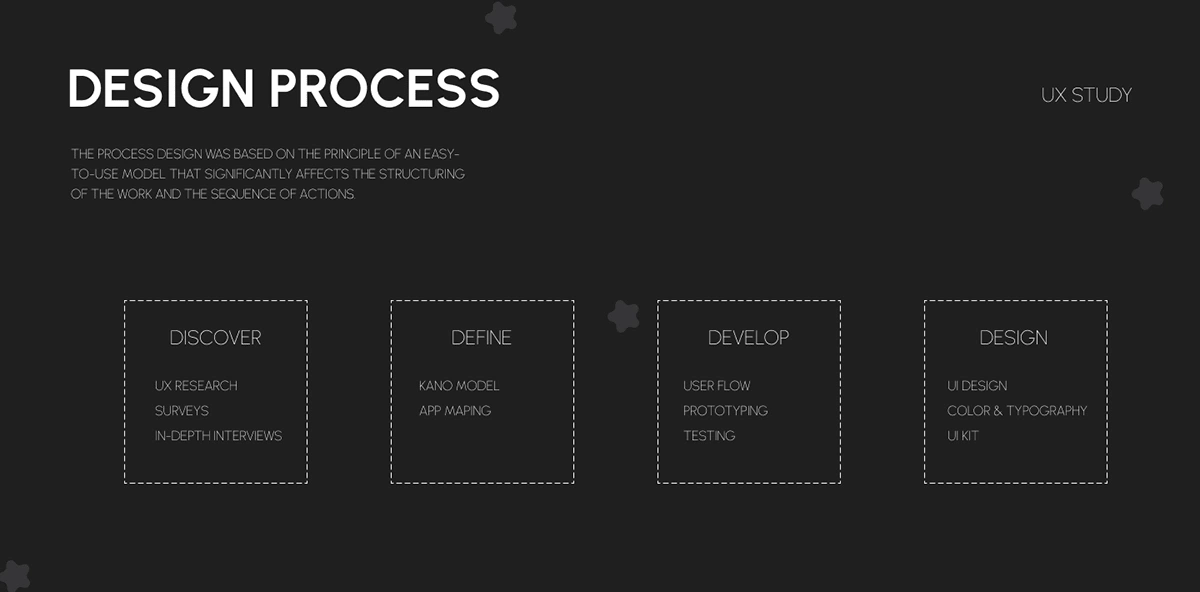
1. Discovery & UX Strategy
We began by researching user behaviors, common fitness goals, and challenges people face when using workout tracking applications.
This research helped us design a user journey that minimizes friction while making it easy for users to plan workouts, monitor achievements, and stay motivated over time.
The experience was structured around a simple progression:
Plan → Train → Track Progress → Stay Motivated
2. Information Architecture
A clear navigation structure was essential for allowing users to quickly access workouts, fitness plans, progress reports, and personal goals without unnecessary complexity.
The interface was organized into logical sections that support quick interactions while keeping the overall experience clean and approachable.
3. UI Design
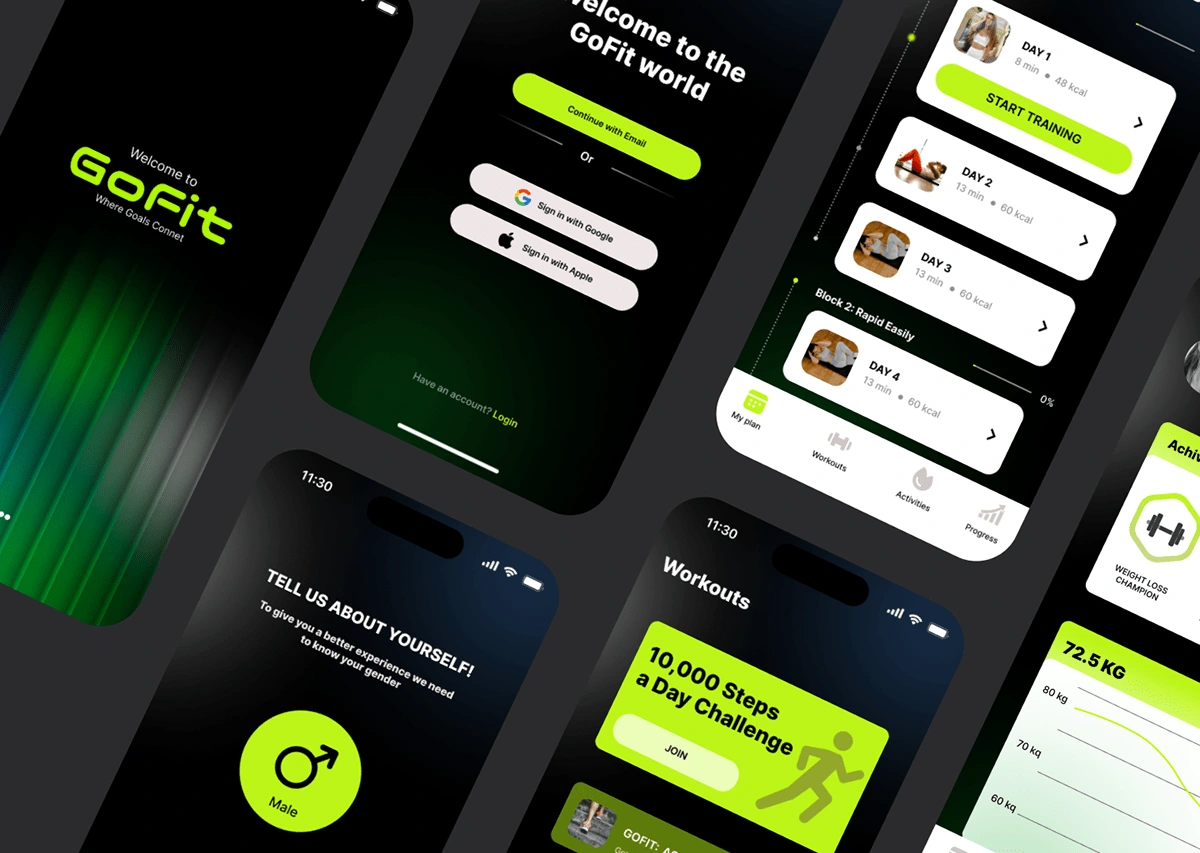
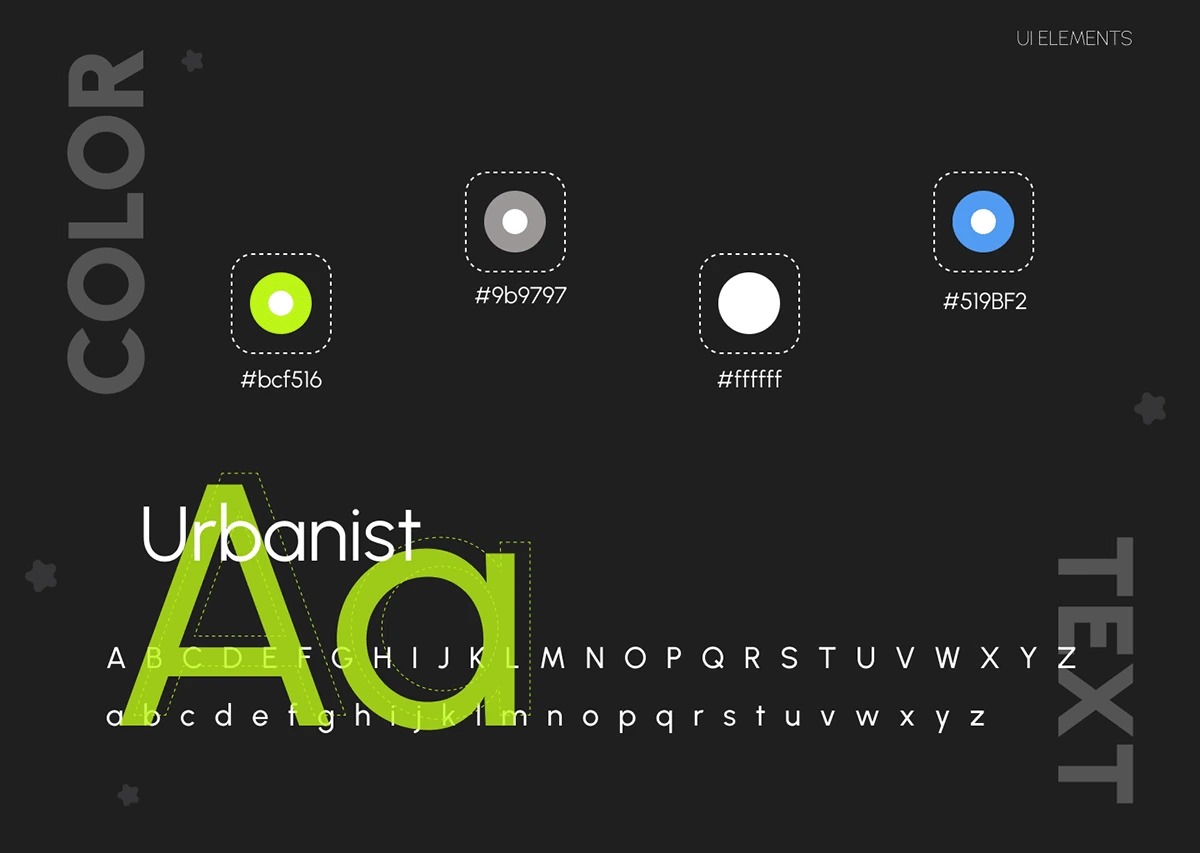
The visual design emphasizes clarity, motivation, and usability through a modern interface that encourages users to stay focused on their fitness journey.
Key design decisions included:
Clean layouts with generous spacing for improved readability.
Strong typography hierarchy for effortless navigation.
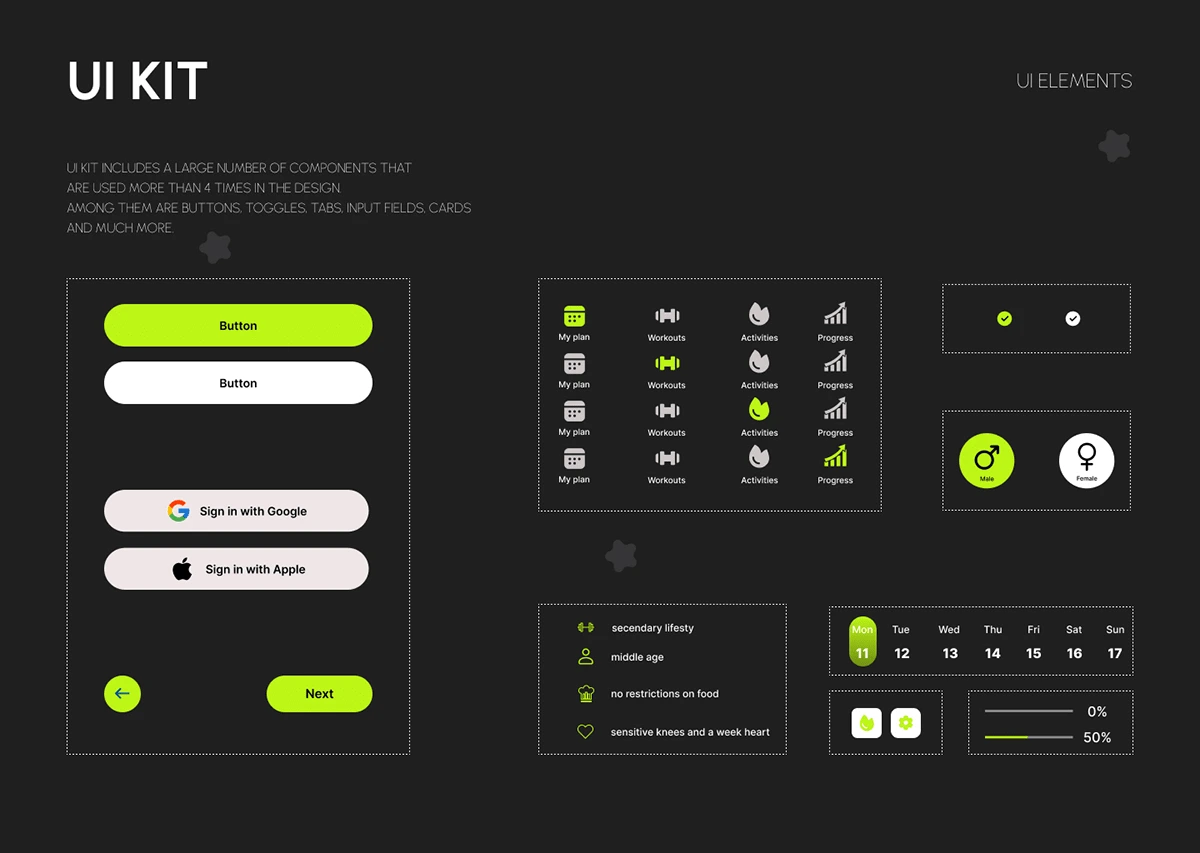
Card-based components for workouts, goals, and activity summaries.
Consistent visual elements and reusable UI components.
Progress-focused dashboards that highlight achievements and performance.
Balanced use of color and visual feedback to encourage engagement.
Every design decision was made to reduce cognitive load while creating an enjoyable and motivating user experience.
4. Interactive Mobile Experience
The application was designed with responsiveness and accessibility in mind, ensuring a smooth experience across various mobile devices.
Interactive prototypes and seamless navigation flows help users move naturally between workout planning, tracking, and performance analytics while maintaining a consistent experience throughout the app.
Key Features
The final application includes:
Personalized workout tracking.
Custom fitness plans.
Progress analytics and performance insights.
Goal setting and achievement tracking.
Clean and intuitive navigation.
Responsive mobile interface.
Component-based design system.
Interactive prototypes.
Scalable UI for future feature expansion.
Technology Stack
Design
Figma
Visual Assets
Adobe Illustrator
Adobe Firefly
Design System
Component-Based Design System
Interactive Prototyping
Responsive Mobile UI
Outcome
The final design delivers a modern fitness experience that helps users manage workouts, monitor progress, and remain motivated through a simple and engaging interface.
Key outcomes include:
A user-friendly interface that simplifies fitness tracking.
Improved usability through intuitive navigation and structured information architecture.
Clear visualization of workout progress and personal achievements.
Consistent design patterns that enhance the overall user experience.
A scalable design foundation prepared for future fitness features and product growth.
Key Takeaways
FitTrack demonstrates how thoughtful UX strategy and modern mobile interface design can transform fitness tracking into an engaging daily experience. By combining intuitive navigation, personalized workflows, and clear progress visualization, we created an application that helps users build healthier habits while supporting long-term engagement and future product scalability.
Like this project
Posted Mar 6, 2025
A sleek, user-friendly fitness app designed for effortless workout tracking and motivation. Focused on engagement, accessibility, and seamless navigation.