Node-Based 3D Engine: AI Generation & WebGL Optimization

Andres Martin


Project Title: Node-Based 3D Engine: AI Generation & WebGL Optimization
Role: Product Architect & Frontend Architecture
Core Stack: WebGL, Three.js, Node-based UI, Generative AI APIs
The Overview
I architected the frontend and product logic for a full-scale, browser-based 3D game engine and tooling platform. The core objective was to create a modular, node-based environment where users could generate, process, and optimize 3D models directly in the browser, entirely bypassing traditional desktop software.
The Challenge
The ultimate technical hurdle was building a unified interface that combined three massive computational loads: a visual node-based tooling system, a real-time 3D game engine, and the modularization of Generative AI pipelines. Running AAA-level graphics and heavy geometric processing in a web browser typically leads to severe memory leaks and crashes. The challenge was maintaining a flawless 60FPS workspace without sacrificing RAM or visual fidelity.
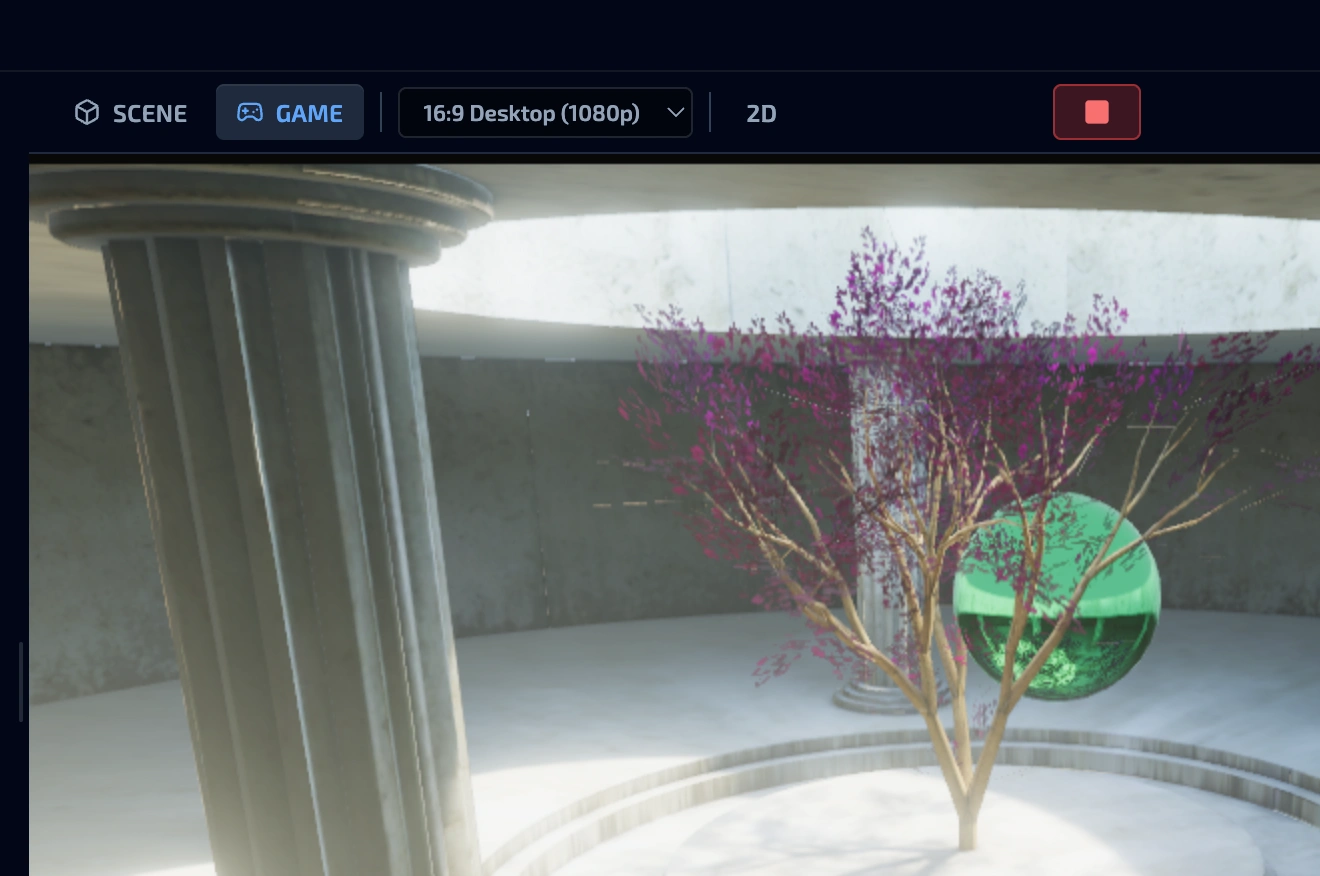
Real-time environment mapping & Light Probe testing
Technical Execution & Architecture
Modular AI Workflows (Image-to-3D): Built a flexible node system allowing users to connect Generative AI models (including Google Imagen and custom AI pipelines) to transform 2D prompts/images into fully realized 3D geometry seamlessly within the canvas.
AAA Graphics in the DOM: Engineered a high-fidelity rendering pipeline utilizing advanced Light Probes, environment mapping, and PBR (Physically Based Rendering) to achieve desktop-level visual quality natively in the browser.
In-Browser Optimization Nodes: Developed specific logic nodes capable of real-time geometry optimization, texture compression, and mesh decimation. This allowed users to take heavy, raw AI-generated models and instantly compress them into lightweight, web-ready assets.
Aggressive Memory Management: Structured the frontend architecture to handle heavy WebGL contexts and dynamic asset loading efficiently, ensuring the browser's memory garbage collector could keep up with the continuous creation and destruction of heavy 3D data.
The Impact
This platform stands as a testament to the absolute limits of 3D Graphics tooling on the web. By successfully merging complex node UI mechanics with real-time WebGL rendering and AI APIs, I established an infrastructure that proves complex 3D software no longer needs to live outside the browser.
Like this project
Posted Apr 25, 2026
Created a browser-based 3D engine with AI model integration and optimized rendering.