ProteGO — Shipped Product UX for Citizen Science

Josue Perez


NDA project. This public version shows the design process, interaction patterns, and structural decisions. The complete case study—including the brief, research, client context, and detailed outcomes—is available on request during an interview process.
The Platform
ProteGO is a mobile platform for environmental community action. Users earn points and rank by completing location-based quests: documenting sites, planting trees, mapping hotspots, and contributing photos. Leaderboards, group activity, and shared impact statistics give individual contributions collective meaning.
When I joined, the platform was functional but did not communicate its value quickly enough. New users could not easily see what the community had accomplished, the gamification mechanics were difficult to scan, and the most technically ambitious feature—an AI-assisted, multi-step camera-capture flow—had not yet been designed.
What I Designed
Dashboard hierarchy redesign — Reorganized community metrics into a prioritized hierarchy, using a single visual overview with supporting statistics, Community Highlights, Top Contributors, and Activity.
Navigation simplification — Replaced a multi-level drawer with a persistent four-tab bottom navigation, reducing access to primary areas from two or three taps to one.
Gamification legibility — Made Points, Streak, Rank, Daily Quest progress, and early achievements easier to understand at a glance.
Quest detail and capture entry — Reduced the transition from browsing a quest to starting a capture to one clear decision.
AR capture flow — Designed and handed off a five-step, angle-detection camera flow. This work did not reach the MVP build.
Selected Interface Work
Dashboard hierarchy
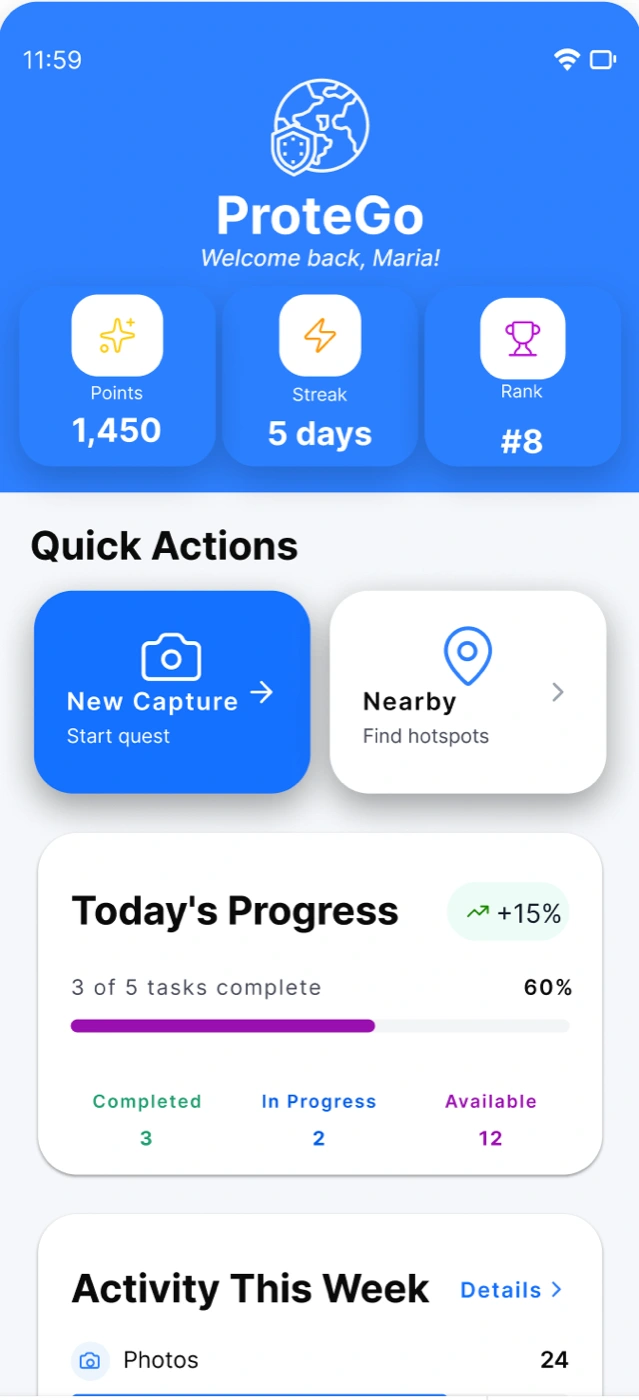
ProteGO dashboard showing progress, quick actions, and gamification hierarchy
Onboarding direction
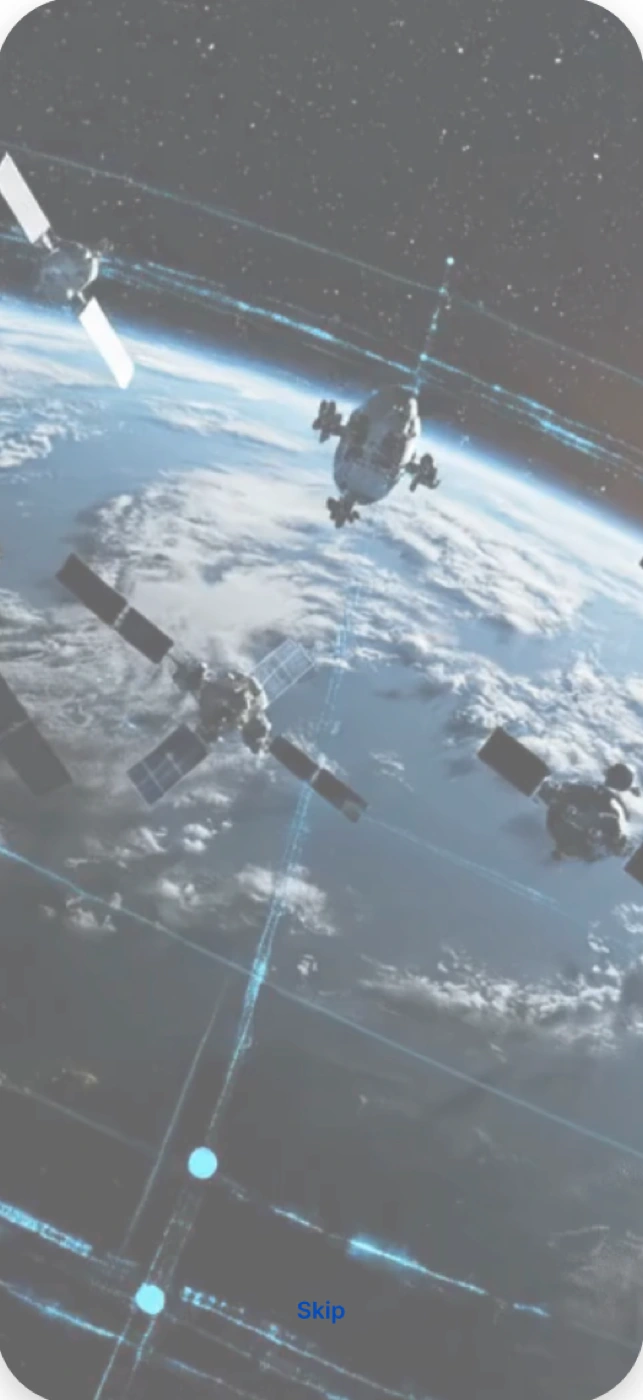
ProteGO onboarding screen
AR camera: ready state
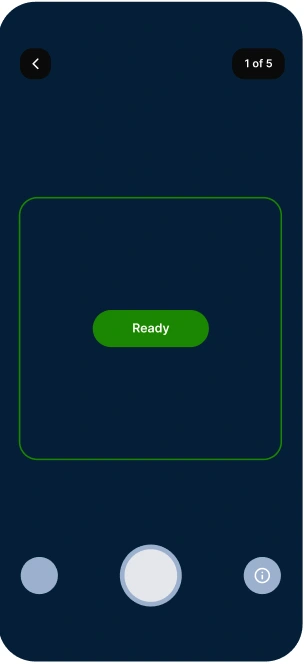
ProteGO AR capture ready state
Core User Flow
The quest-completion loop is the product's primary value cycle. The design reduced friction at each handoff:
Onboarding → Dashboard → Browse quests → Quest detail → Guided capture → Submit → Reward and rank progress
The dashboard, navigation, gamification, and capture entry shipped to the MVP. The five-step AR capture flow was designed, specified, and handed off to engineering but did not ship in the MVP.
Key Decisions
One leading metric—not five equal ones
The original dashboard presented every impact statistic at equal visual weight. For a new user, this read as noise. The redesign established a clear reading order: one leading community-impact view followed by supporting statistics. The question “What has this community actually done?” now has an immediate answer.
Five guided steps instead of one complex camera screen
The capture feature required users to approach a target, frame it, detect an angle, confirm positioning, and submit documentation. Combining those decisions on one screen created unnecessary cognitive load. I separated them into five guided steps, with each screen responsible for one decision.
Bottom navigation for a repeated completion loop
The existing drawer required two interactions to change primary areas. Because users repeatedly move between Home, Quests, Community, and Profile, persistent bottom navigation made every primary surface reachable in one tap.
An early win in the first session
The reward system offered meaningful long-term progress but little immediate activation. The revised onboarding and quest entry surfaced a completable action within the first session, while Daily Quest progress remained visible in the profile hierarchy.
State of the Work
Professional client engagement. The dashboard redesign, navigation simplification, gamification improvements, and quest-capture entry shipped to the MVP. The five-step AR camera flow was designed, fully specified, and handed off to engineering; it remains outside the shipped MVP.
The complete NDA case study includes the original brief, before-and-after comparisons, research inputs, iteration history, design rationale, and handoff documentation.
Like this project
Posted Jul 17, 2026
Shipped MVP product UX for a citizen-science platform: dashboard hierarchy, navigation, gamification, and quest-capture entry, delivered during a six-month client engagement.